High Tension Electric Cable | Safe Power

application/high-tension-electric-cable, application/high-tension-electric-cable, 
Inquiry
Inquiry

high tension electric cable

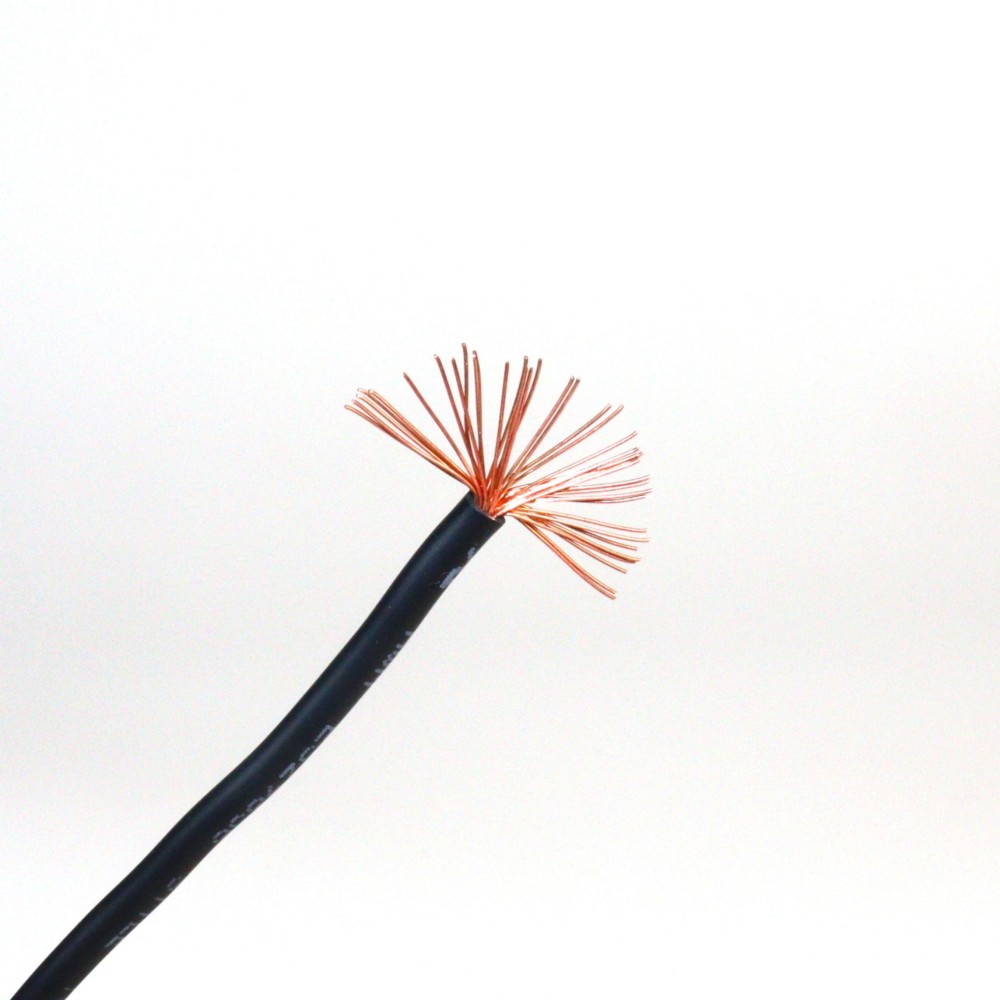
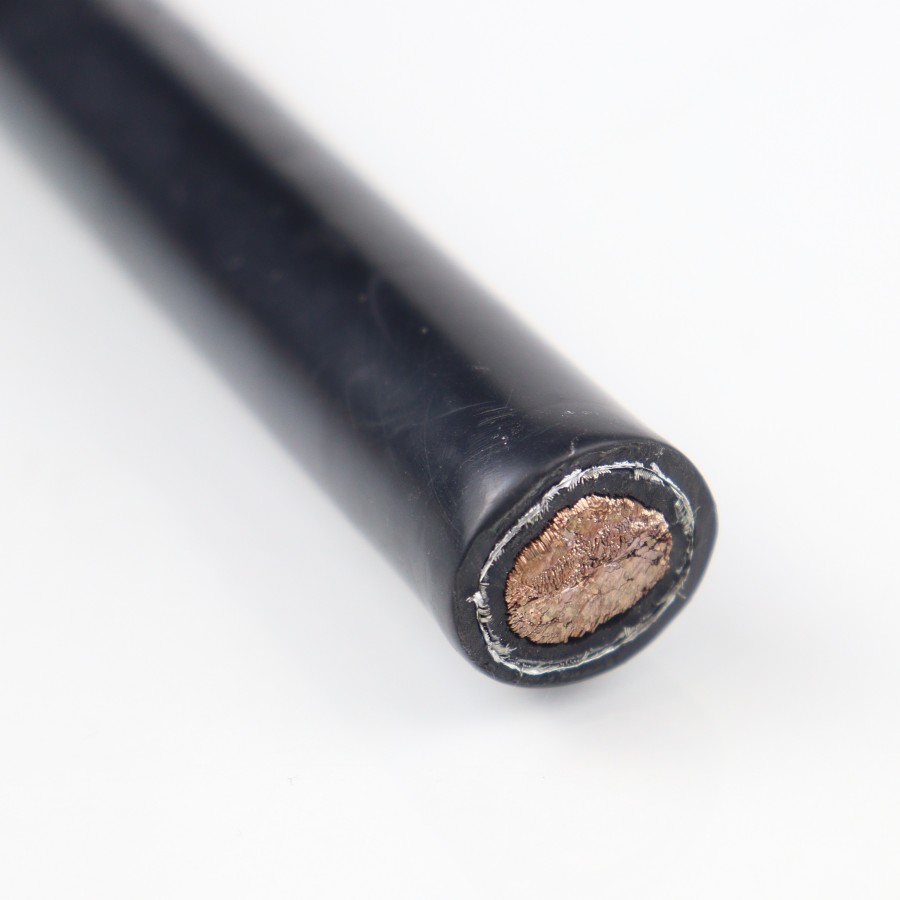
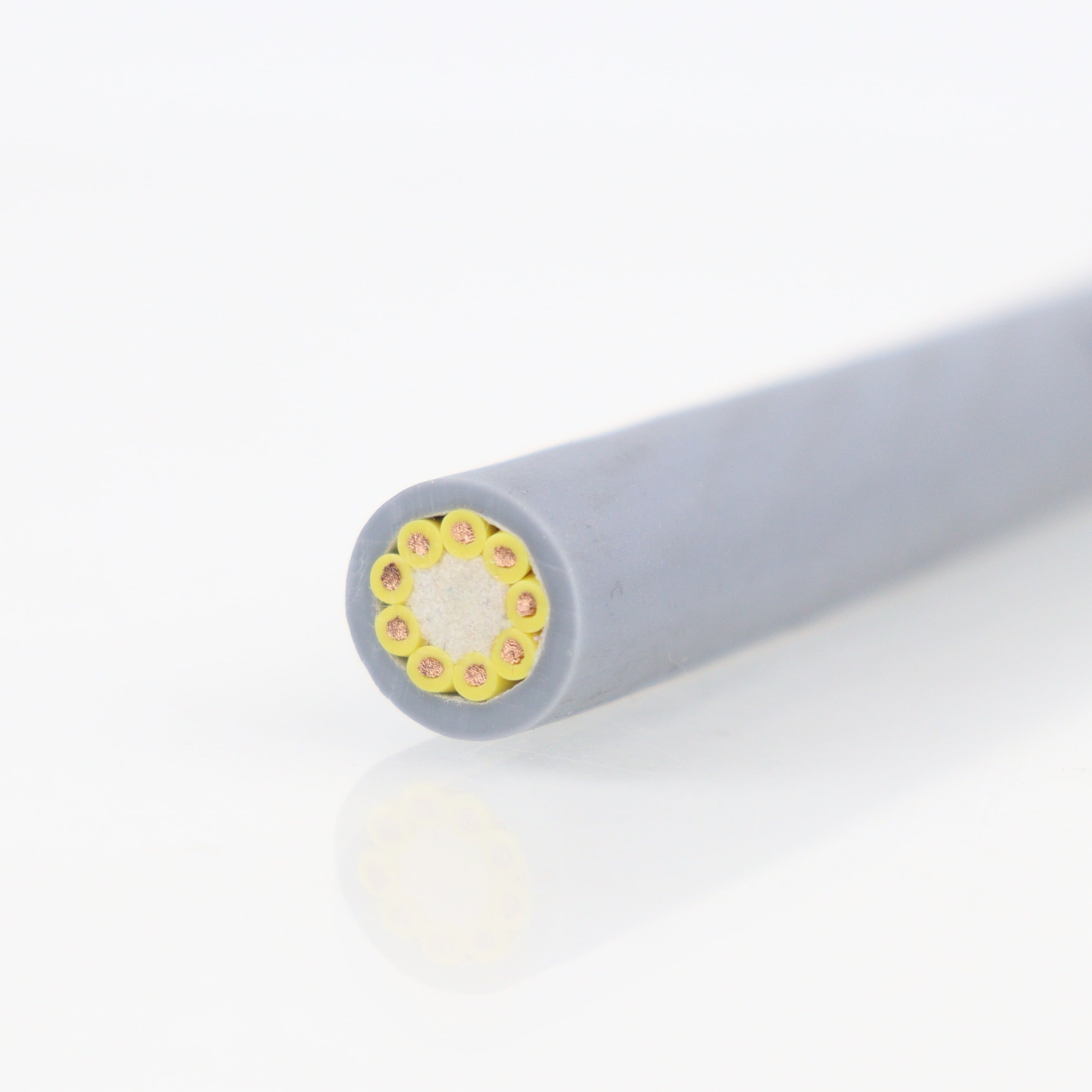
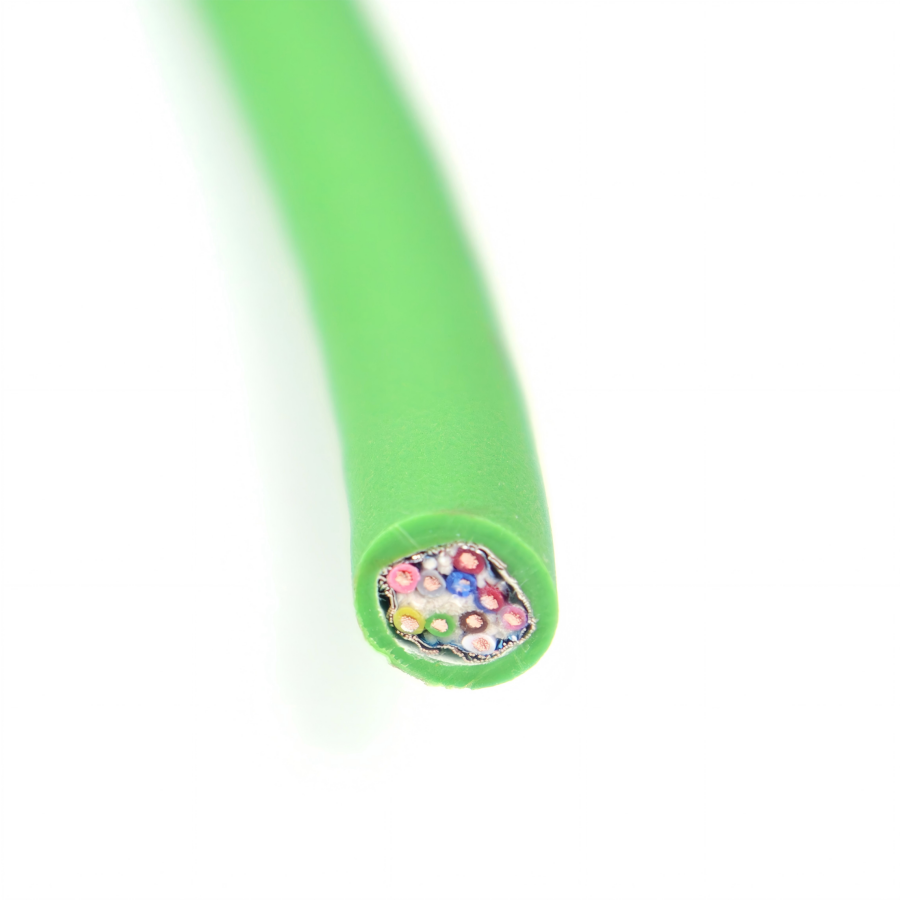
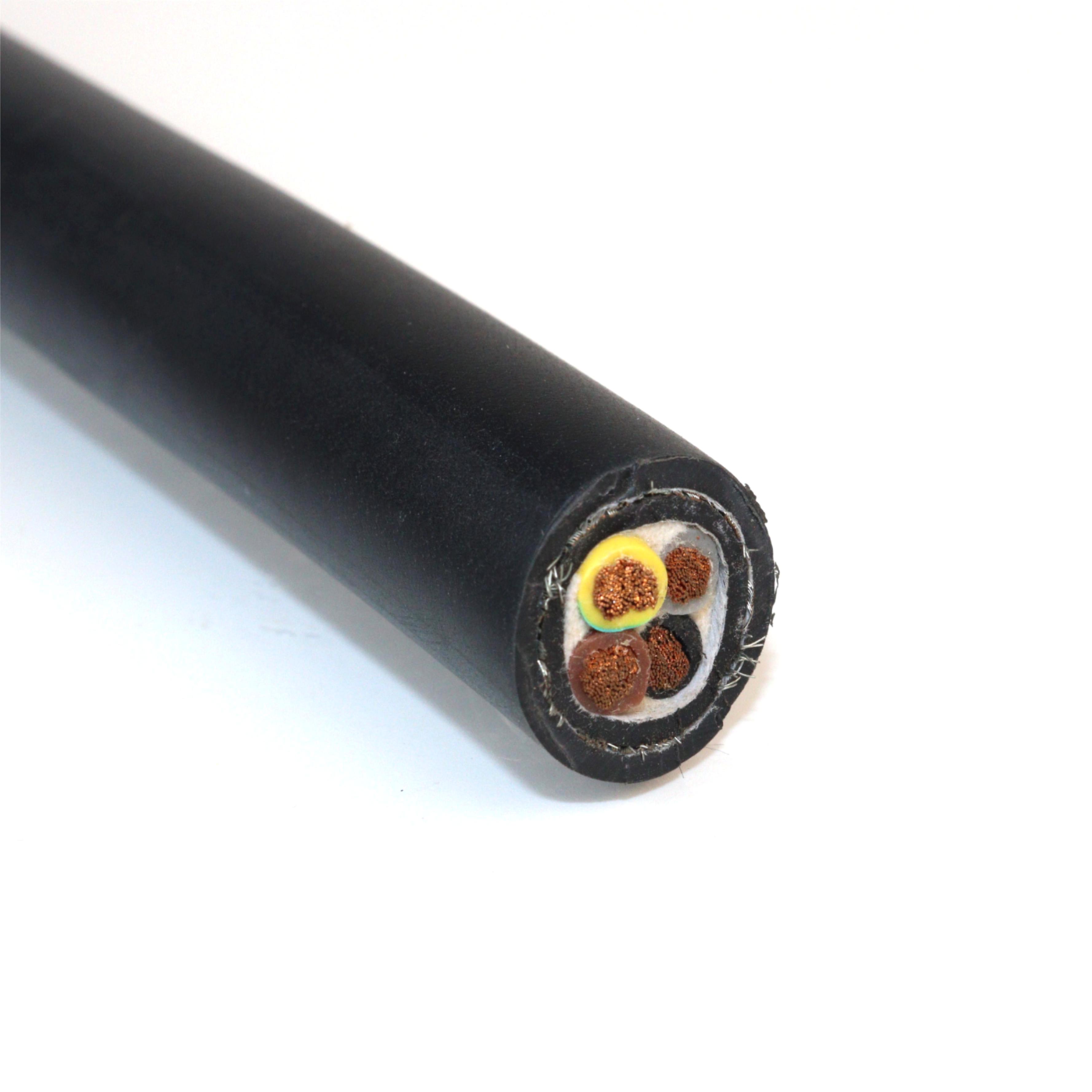
The high tension electric cable is a purpose-built power cable designed to transmit electricity safely at high voltage over short or long distances. It supports reliable energy transfer between generating equipment, substations, transformers, industrial machines, transport systems, and large commercial facilities. A high tension electric cable uses a conductive core, usually copper or aluminum, to carry current efficiently. Around that core, carefully selected insulation controls electrical stress and helps prevent leakage, arcing, and accidental contact. A protective screen may manage the electric field, while an outer sheath resists moisture, impact, chemicals, sunlight, and abrasion. A high tension electric cable can be supplied for indoor, outdoor, underground, fixed, or flexible installation, depending on its construction. Its voltage rating, conductor size, insulation material, operating temperature, and mechanical protection determine where it can be used. Modern designs may include cross-linked insulation, low-smoke materials, water-blocking layers, flame resistance, and monitoring features. These technologies improve service life and support safer maintenance. The high tension electric cable also helps reduce power loss when electricity travels across extended networks, making it useful for utility distribution and private energy systems. Engineers select a high tension electric cable according to voltage, current, route length, installation method, environmental exposure, and local safety standards. For renewable energy projects, substations, factories, railways, data centers, and building infrastructure, the high tension electric cable provides a dependable link between power sources and loads. Choosing the correct high tension electric cable improves continuity, protects equipment, and supports efficient system expansion. In short, this cable combines strong insulation, durable construction, and dependable transmission for demanding electrical applications.
A high tension electric cable gives buyers a practical way to move large amounts of electrical power while controlling safety and operating costs. By using the right high tension electric cable, a facility can limit transmission losses and deliver more usable energy to motors, transformers, switchgear, and distribution panels. This can support lower energy waste and more consistent equipment performance. The high tension electric cable also reduces the need for multiple smaller conductors in some installations, which can simplify routing and save valuable space. Its robust insulation protects workers and nearby assets from contact with live conductors, while the outer jacket helps the cable withstand water, dust, sunlight, chemicals, and mechanical wear. For underground projects, a high tension electric cable with moisture protection can maintain dependable performance in soil or conduit. For outdoor sites, a UV-resistant design helps prevent early jacket damage. Industrial users can choose a high tension electric cable with heat-resistant materials for areas near furnaces, engines, or heavy production equipment. Utility operators benefit from stable power delivery across substations, feeders, and renewable energy connections. A high tension electric cable can also support rail, metro, airport, hospital, and data center systems where interruption creates major operational risk. Buyers should compare conductor material, rated voltage, current capacity, insulation type, bend radius, fire behavior, length, and certification before ordering. Matching these details to the route and load prevents overheating, premature failure, and expensive redesign. The high tension electric cable offers long-term value when its construction fits the environment and installation method. Clear technical selection also makes installation planning easier, supports predictable maintenance, and helps teams keep critical power available. Overall, the high tension electric cable combines safety, capacity, durability, and application flexibility in one essential power solution.

Practical Tips

Shanghai Libin Cable Showcases Robot and Automation Cable Solutions at CMES Shanghai Industrial Automation & Robotics Exhibition

16

Oct

Shanghai Libin Cable Showcases Robot and Automation Cable Solutions at CMES Shanghai Industrial Automation & Robotics Exhibition

View More
Shanghai Libin Cable Showcases Crane Cable Solutions at the 11th China (Changyuan) International Crane Equipment Expo

16

Oct

Shanghai Libin Cable Showcases Crane Cable Solutions at the 11th China (Changyuan) International Crane Equipment Expo

View More
Why Drag Chain Cables Fail: Four Common Causes and How to Select Correctly

16

Oct

Why Drag Chain Cables Fail: Four Common Causes and How to Select Correctly

View More
Industrial Robot Combination Cable: Routing Power and Signal Together in a Small-Bend-Radius Drag Chain

16

Oct

Industrial Robot Combination Cable: Routing Power and Signal Together in a Small-Bend-Radius Drag Chain

View More

Get a Free Quote

Our representative will contact you soon.
0/1000
Strong Insulation for Safer Power Transfer

Strong Insulation for Safer Power Transfer

The high tension electric cable uses layered insulation to manage the high electrical stress created during power transmission. This design helps stop current from escaping the conductor and reduces the risk of arcing, short circuits, and unplanned shutdowns. A high tension electric cable with cross-linked insulation can maintain stable performance across changing loads and temperatures. Its screened construction can control the electric field and support safer spacing inside equipment or cable routes. For buyers, this means greater protection for personnel, connected assets, and surrounding structures. The high tension electric cable also supports easier compliance with project safety requirements when it carries recognized ratings and test approvals. Better insulation protects the conductor from moisture, heat, and aging, so the product can deliver dependable service over a longer period. A high tension electric cable with low-smoke or flame-retardant materials adds value in enclosed areas such as stations, factories, hospitals, and commercial buildings. These features help customers reduce operational risk while maintaining reliable power flow.
Durable Construction for Demanding Environments

Durable Construction for Demanding Environments

A high tension electric cable must handle more than electrical load; it must also survive the conditions around the installation. Strong jackets and protective layers help a high tension electric cable resist abrasion, crushing, moisture, chemicals, sunlight, and temperature changes. This makes the product suitable for underground ducts, outdoor substations, industrial floors, transport routes, and exposed utility corridors. A high tension electric cable with water-blocking protection can limit moisture movement after minor jacket damage, helping preserve insulation performance. Armored options can add protection where vehicles, tools, soil pressure, or installation activity may threaten the cable. Customers gain a more dependable connection and face fewer emergency repairs when the cable matches the physical environment. The high tension electric cable can also reduce replacement frequency, lowering labor disruption and lifecycle expense. Buyers should confirm minimum bend radius and pulling limits before installation, because correct handling protects the cable from hidden damage. With suitable construction, a high tension electric cable delivers stable service through demanding operating conditions.
Flexible Options for Power Network Expansion

Flexible Options for Power Network Expansion

The high tension electric cable supports many project types because manufacturers offer different conductor sizes, voltage classes, insulation systems, sheath materials, and installation formats. A high tension electric cable can connect a renewable energy plant to a substation, link transformers in a factory, or feed transport and commercial infrastructure. Designers can select copper for strong conductivity and compact routing, or aluminum for lower weight and cost in suitable applications. A high tension electric cable may also be supplied in fixed lengths, reels, or custom assemblies to match site logistics. This flexibility helps contractors plan routes, manage space, and reduce unnecessary joints. The high tension electric cable can accommodate future capacity needs when engineers select an appropriate current rating and voltage margin. Buyers benefit from one adaptable product family that can serve different areas of a power network. A high tension electric cable with clear markings and tested terminations can further simplify identification, installation, inspection, and maintenance. That combination supports efficient expansion without sacrificing reliability.