Take a typical automated workstation: a six‑axis industrial robot mounted on a seventh‑axis ground rail, travelling back and forth between a pick position and a processing position for long periods while also gripping and rotating. The cable has to move with the robot. This kind of duty tests a cable in three ways: bending, torsion and interference.

Figure 1. Cables routed along a robot arm through a protective conduit - the duty this article deals with.
Why This Application Causes Problems
1. Small bending radius plus high‑frequency reciprocation leads to conductor fatigue breakage. Space inside a drag chain is limited, so the cable's bending radius is often forced very small, while a robot may complete tens of thousands of motion cycles in a day. Under repeated flexing, the first thing to give way is the copper strand: fatigue breakage. The symptom is characteristic - the outer jacket looks intact, but the conductor inside no longer conducts.
2. Power and signal routed together create electromagnetic interference. If the servo power line, encoder feedback line and vision data line of the robot run through the same channel, the electromagnetic field of the power line couples into the signal lines. The result is packet loss, positioning drift and intermittent alarms. This type of fault is the most time‑consuming to trace, because it tends to appear only intermittently.
3. Limited space in the drag chain causes stacking and abrasion. When several cables are packed into one drag chain and are not arranged correctly, twisting, crossing and local compression follow, and one section of jacket is rubbed repeatedly until it wears through ahead of the rest.
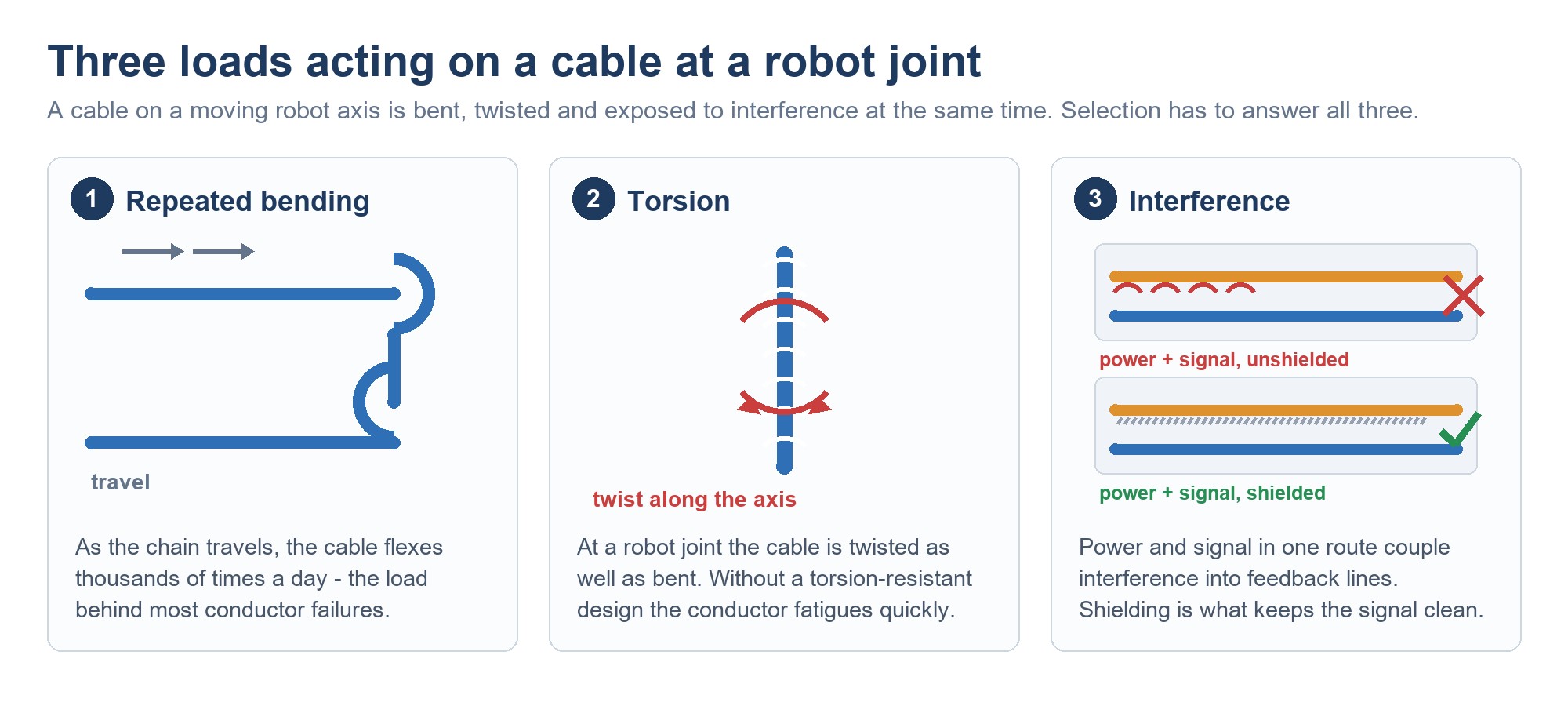
Figure 2. The three loads acting on the cable at a robot joint - repeated bending, torsion and interference - and how shielding changes the outcome.
Selection Approach: One Combination Cable For Three Problems
For these duties we use a combination cable purpose‑built for robots, integrating power and signal into a single cable rather than bundling several ordinary cables together.
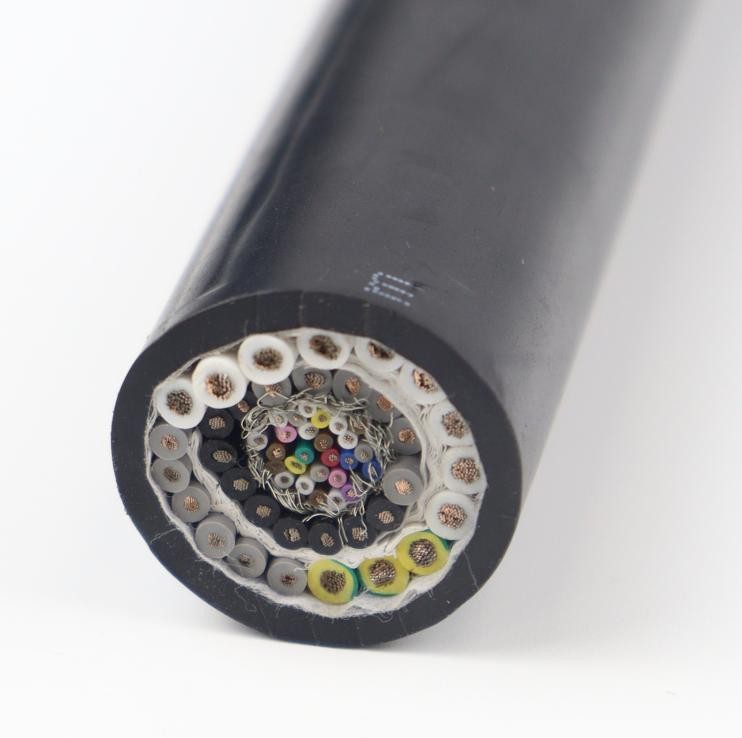
Figure 3. Cross‑section of a custom robot combination cable: an outer ring of shielded cores around a centre bundle of twisted pairs.
Conductor: fine‑stranded copper. The conductor is multiple finely stranded bare or tinned copper wires, conforming to IEC 60228, Category 6 conductors. Fine stranding is the precondition for flex fatigue resistance: at the same cross‑section, the thinner the individual strands and the greater their number, the better the stress is distributed during repeated bending.
Dual shielding: separate shielding plus overall shielding. This is the key to solving interference, and the core difference between a combination cable and an ordinary shielded cable:
● Separate shielding suppresses interference between core pairs (crosstalk). Tinned copper braid, braid density ≥ 85%.
● Overall shielding suppresses interference from external sources, also tinned copper braid, braid density ≥ 85%.
Braid density is the hard figure that matters. If density is insufficient, the practical effectiveness of the shield falls away sharply.
Insulation and jacket. Insulation is modified HDPE, suited to signal transmission. The jacket is a modified nitrile elastomer with oil resistance, in RAL7001 grey, and other colors are available on request.
Selectable core structures. Four structures can be specified to suit the project: JZ / JB / OZ / OB (with or without a yellow‑green ground conductor, and with black cores or coloured cores), which makes identification and termination on site easier.
Key Parameters At A Glance
| Item |
Specification |
| Reference standard |
VDE 0281 |
| Conductor |
Multiple finely stranded bare or tinned copper, IEC 60228 Category 6 conductors |
| Insulation |
Modified HDPE |
| Separate / overall shielding |
Tinned copper braid, braid density ≥ 85% for both |
| Jacket |
Modified nitrile elastomer (oil resistant), RAL7001 grey, other colors available |
| Rated voltage |
300/300V |
| Test voltage |
2000V |
| Rated temperature |
-40°C to +105°C |
| Minimum bend radius |
Fixed installation 4 x cable OD; mobile installation 6 x cable OD |
| Environmental requirements |
RoHS and REACH compliant |
| Flame retardant |
Complies with IEC 60332‑1‑2 |
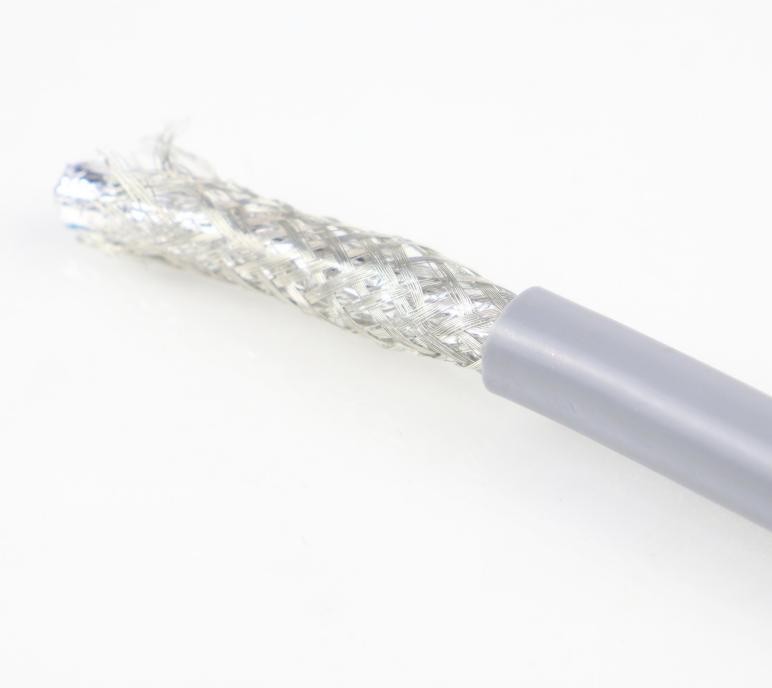
Figure 4. Braided screen exposed on a shielded robot cable (24 x 1.0 mm2) - braid density is the figure that decides shielding effectiveness.
Installation: Half The Service Life Is Decided Here
Selecting the right cable is only half the job; installation on site is equally decisive.
● Allow for the mobile installation bending radius - use the 6 x OD figure for moving applications, not the 4 x OD figure intended for fixed installation.
● Arrange cables loosely, parallel and untwisted inside the drag chain, avoiding crossing and stacking.
● The combination cable already separates power and signal shielding internally, so no additional separation on site is required - but the shield at both ends must be reliably earthed, otherwise the shielding is decorative.
● Observe whether movement is smooth during initial operation, watching for abnormal resistance and signal anomalies.
● Periodically check jacket wear, kinks and connector condition.
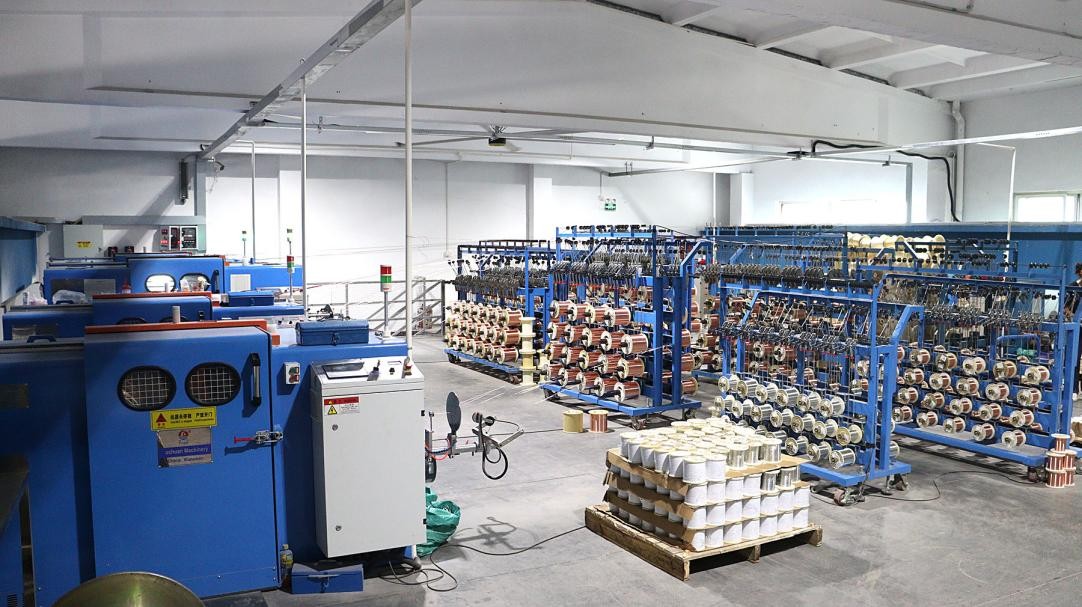
Figure 5. Cabling line at Shanghai Libin Cable, where stranded conductors are assembled into finished cables.
Three Lessons That Transfer To Other Projects
● Fix the motion type and bending radius first, then the conductor construction. Reverse the order and every later decision will be off.
● When power and signal share a route, choose a combination cable rather than bundling two ordinary cables, which does nothing about crosstalk.
● Judge shielding by braid density, not by whether a shield exists. A density of ≥ 85% is the common threshold for effective shielding.
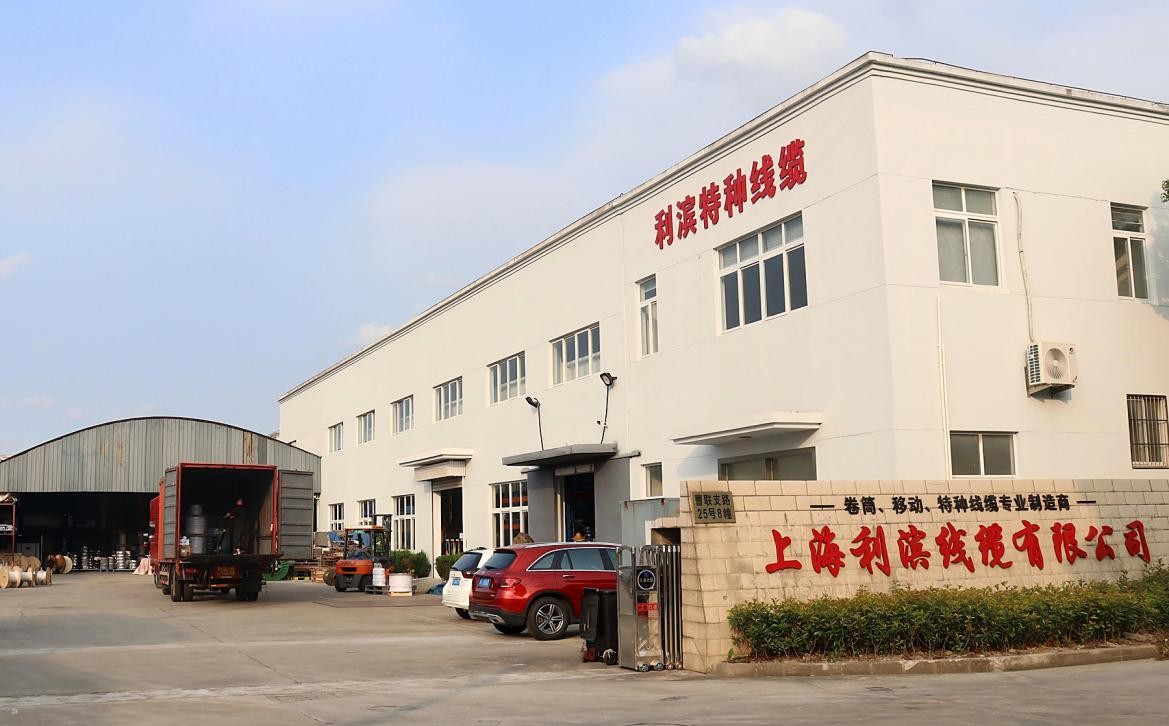
Figure 6. Shanghai Libin Cable Co., Ltd., Shanghai.
If you are selecting cables for a robot, ground rail, truss manipulator or automated line, send us the following and our technical team will recommend or develop a suitable construction:
● Motion type (reciprocating flex / torsion) and motion frequency;
● Travel distance and available bending radius inside the drag chain;
● Rated voltage, core count and cross‑section;
● Signal types to be carried alongside power (servo feedback, encoder, vision, Ethernet, etc.);
● Operating environment (oil, coolant, temperature range).
Shanghai Libin Cable Co., Ltd.

 EN







