Fire classifications for in-wall coaxial cable affect where a cable may be installed and whether the installation can meet applicable building code compliance requirements. The rating is not a blanket approval for every wall, ceiling, or building. It identifies how the cable is evaluated for fire-related use, while the adopted electrical code, local amendments, and project conditions determine what is acceptable.
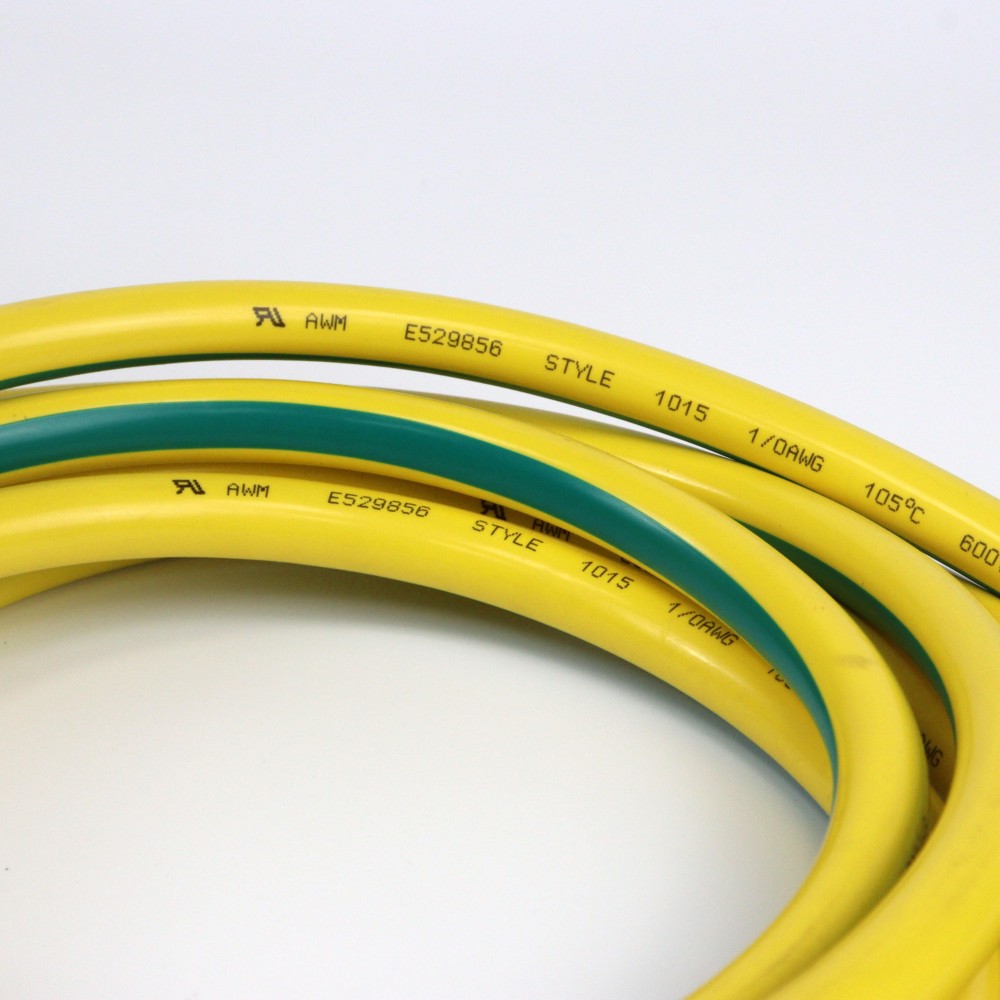
For an in-wall coax installation, the useful question is not simply whether a cable has a fire safety rating, but whether its marked classification matches the space and route shown in the plans. Building code compliance depends on that fit, as well as correct installation and supporting product documentation. Understanding the connection helps contractors, designers, and facility teams avoid treating a cable label as a substitute for code review.
How cable fire classifications relate to code
What a classification tells the project team
A fire safety rating indicates that a cable has been tested or listed for defined fire-related characteristics and installation conditions. Common communications-cable designations include general-purpose, riser, and plenum classifications, often shown with markings such as CM, CMR, and CMP. These labels are not interchangeable. For an in-wall coax installation, the cable’s full marking helps indicate whether it is intended for the relevant environment; building code compliance still depends on the rules adopted for the project.
The distinction matters because building spaces can create different fire and smoke considerations. A cable route through an air-handling space may be subject to requirements that do not apply to an ordinary wall cavity, while a vertical pathway between floors can trigger separate conditions. The fire safety rating should therefore be checked against the actual route, not just the room where the cable terminates. Keep the cable sheath marking and documentation available for the inspector or plan reviewer.
Why local adoption determines the answer
Building code compliance is based on the code edition adopted by the jurisdiction, any local amendments, and the authority having jurisdiction. National model codes provide a framework, but the locally enforced text controls the project. For that reason, confirming an in-wall coax installation often starts with the permit documents or a discussion with the electrical inspector. A fire safety rating may satisfy one use case while being insufficient for another route in the same building.
Project teams should also avoid assuming that a familiar designation automatically settles every question. A rating describes the cable’s evaluated use, not the complete installation method, pathway design, support, separation, or penetration treatment. Building code compliance may involve several requirements beyond the fire safety rating. Checking the adopted code and project specifications early can identify conflicts before cable is pulled and reduce costly changes during inspection.
Applying the rating to the cable route
Match the marking to the space
Start by tracing the route from source equipment to the outlet, noting walls, floor crossings, ceilings, shafts, and any environmental air spaces. This route-based review makes an in-wall coax installation easier to evaluate than a room-by-room guess. Compare each segment with the permitted cable type in the locally adopted code and project documents. A fire safety rating selected for one segment may not be suitable for a different segment, so transitions must be planned rather than improvised.
When the route passes through a plenum or riser, verify whether the specified cable classification is required for that space and whether the product marking supports that use. Do not infer a classification from appearance, conductor material, or a general product description. Building code compliance requires traceable evidence tied to the actual cable. If documentation is unclear, pause procurement or installation and request clarification from the responsible design professional or code official.
Verify documents before installation
A practical submittal review checks the sheath legend, product data sheet, listing information, and project specification together. The exact model and construction should match the documents; a similar-looking cable is not enough. For an in-wall coax installation, record the cable classification and intended route so field staff can confirm that the delivered product matches the approved design. This simple control supports building code compliance and makes inspection questions easier to resolve.
Specifications should state the required use and rating clearly, especially where one project includes ordinary concealed spaces and more restrictive pathways. If substitutions are proposed, review the new fire safety rating and evidence before accepting them. A product page for Coaxial Cable should not be treated as proof of a communications-cable classification unless its documents identify the applicable cable type and listing. Confirm the exact item, not merely the product category.
Managing inspection and project risk
Coordinate design, installation, and inspection
The design team, installer, and inspector each contribute to a compliant installation. Designers identify the route and required class; installers preserve markings and follow the approved pathway; inspectors verify the work against applicable documents and code. A clear in-wall coax installation plan reduces uncertainty at handoff. Building code compliance is easier to demonstrate when the specified fire safety rating, product evidence, and installed cable can all be reconciled.
Before concealment, confirm that the installed cable is the approved type and that required supports, sleeves, or penetration details are addressed by the project documents. Photographing visible sheath markings at key locations can help maintain a record, though it does not replace formal inspection. When a route changes in the field, reassess its space classification and fire safety rating instead of assuming the original selection still applies.
Resolve exceptions without guessing
Older buildings, retrofit work, mixed-use properties, and existing pathways can present conditions not fully described in a basic drawing. In those cases, document the route and ask the design professional or authority having jurisdiction how the adopted requirements apply. Building code compliance should be based on the actual conditions and a defensible interpretation, not on a broad claim that a cable is suitable for all walls. Clarifying the issue before closing the assembly is usually more practical than reopening finished work.
If a material substitution or alternate pathway is necessary, preserve the decision trail: identify the proposed cable, compare its fire safety rating with the specified classification, and obtain the required approval. For an in-wall coax installation, this disciplined process separates product suitability from installation acceptance. It also helps procurement avoid selecting on price or availability alone when the project requires a defined listing. The result is a reviewable decision rather than an assumption.
FAQ
Does a fire rating by itself guarantee compliance?
No. A fire safety rating addresses a defined cable classification, but building code compliance also depends on the adopted code, route, installation details, and approvals. Verify the marked cable and the project requirements together.
Which cable rating is needed for an in-wall route?
There is no universal rating for every wall or pathway. For an in-wall coax installation, identify whether the route enters a riser, plenum, or other regulated space, then confirm the locally required classification with the project documents or code official.
What should installers retain for an inspection?
Retain product data, listing details, and evidence of the installed cable marking. These records help demonstrate building code compliance and confirm that the fire safety rating matches the approved use and actual route.

 EN







