On automated production lines, drag chain cables are a classic wear item. They move alongside the equipment thousands to tens of thousands of times a day, and they are usually the first component to fail. Site investigations, however, show that genuinely defective cables account for only a small share of failures. Most problems trace back to two stages: selection and installation.
Shanghai Libin Cable Co., Ltd. supplies cables for industrial robots, machine tools and warehouse logistics equipment. Drawing on feedback from the field, we have grouped the common failure modes of drag chain and robot cables into four categories, together with the selection and installation points that correspond to each.
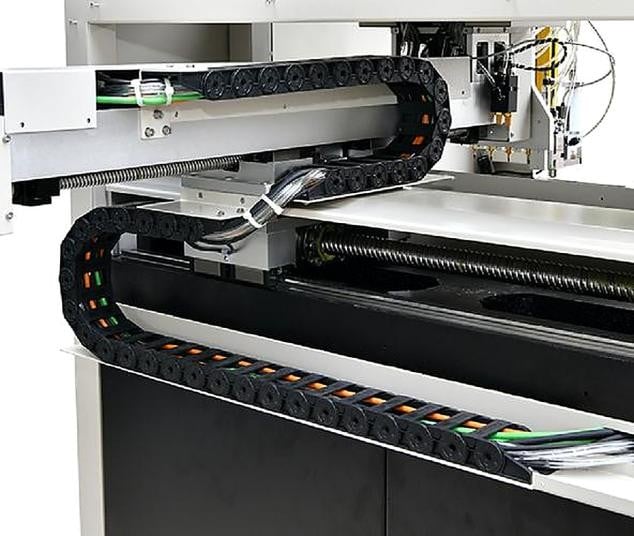
Figure 1. Two drag chains on a machine tool, with the flexible cables carried inside the chain - the application this article deals with.
Four Common Failure Causes
1. Mechanical stress: exceeding the minimum bending radius. This is the most typical case. When the bending radius of a cable inside the drag chain falls below what the cable can withstand, the conductor is repeatedly flexed and eventually breaks, or the jacket cracks. The countermeasure is to allow sufficient bending slack during installation and to choose a product with the appropriate bending class for the travel of the machine, rather than substituting an ordinary flexible cable.
2. Electrical overload: current or voltage above rated capacity. When the actual load exceeds the cable's rated capacity, insulation breakdown and abnormal heating follow. Failures of this kind are easily misread as “the cable is not durable”, when in fact the specification was never matched to the real load.
3. Improper installation: twisting, crossing, over‑tightening. Inside the drag chain, twisting, crossing or over‑tightened binding concentrates wear in one spot and shortens service life. The correct practice is to arrange cables loosely, parallel and untwisted, with clearance for movement.
4. Environmental factors: oil, UV, extreme temperature. Prolonged contact with cutting oil or coolant, or exposure to strong UV or extreme temperatures, degrades the jacket and hardens the insulation. These conditions need to be settled at the selection stage by choosing a jacket material suited to the environment, not after a failure has occurred.
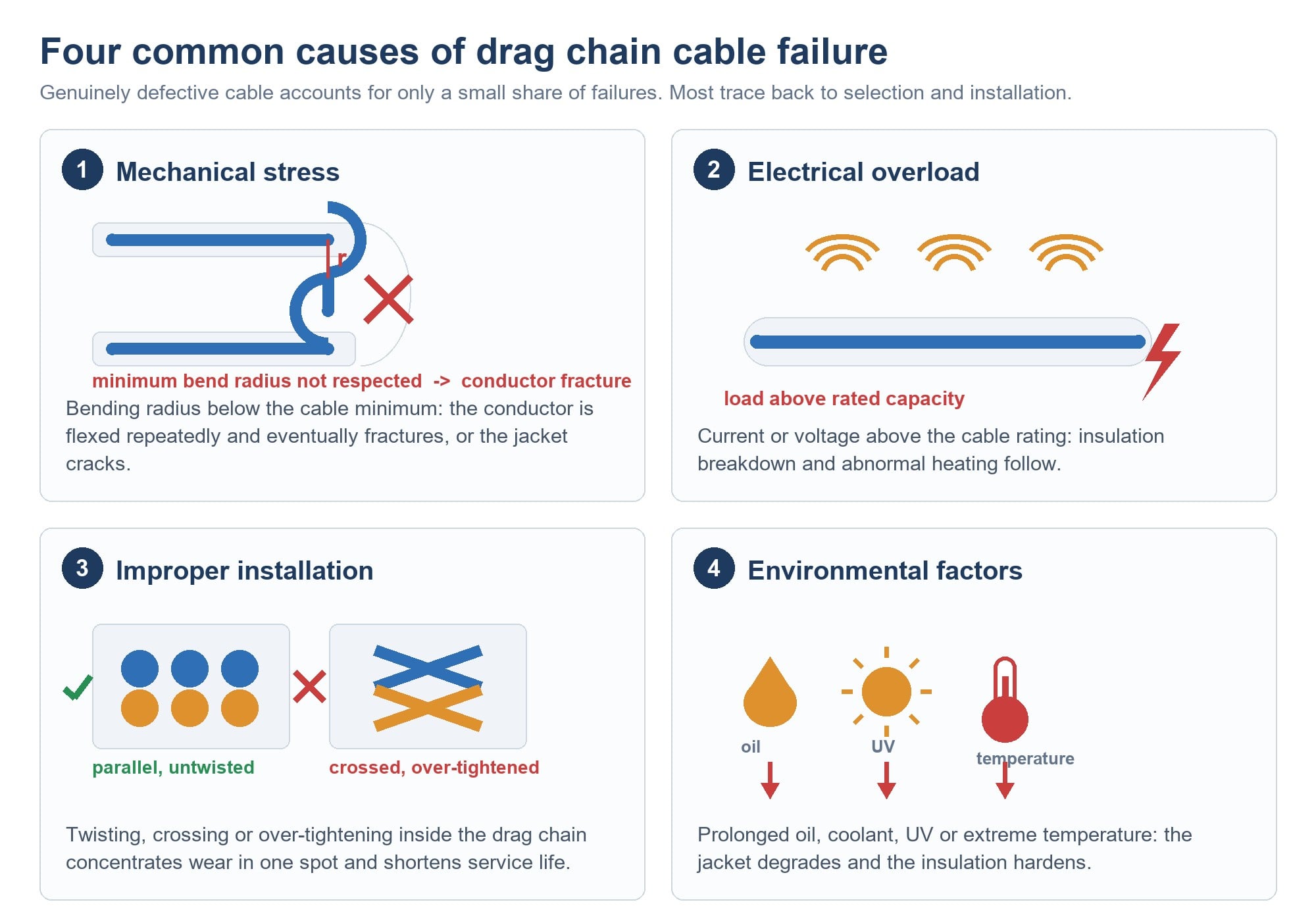
Figure 2. Summary of the four failure causes and the mechanism of each: bending radius, electrical overload, cable laying inside the chain, and the operating environment.
Working Backwards From Failure: Four Parameters To Confirm
1. Motion type: reciprocating flex or torsion? This is the easiest point to get wrong. Cables inside a drag chain mainly undergo reciprocating flexing, while cables at robot joints are also subjected to torsion. The two require different conductor stranding, and torsion applications must use a torsion‑resistant construction, or the conductor will fatigue and break quickly.
2. Bending radius and travel distance. Together these determine the flexing load on the cable. The longer the travel and the smaller the radius, the higher the flexibility requirement, and the higher the flexibility class that must be selected.
3. Shielding requirement. Servo drives, encoder feedback, industrial vision and industrial Ethernet need a shielded construction to suppress electromagnetic interference and crosstalk and to preserve signal integrity. General power supply runs need not pay the additional cost of shielding.
4. Jacket material and operating environment. Our drag chain cable construction table lists outer jacket options of PUR or special PVC, both providing abrasion, oil and chemical resistance. PUR is generally the choice where oil, frequent friction or outdoor exposure dominates; PVC suits general industrial environments. The decision should follow the media and the temperature actually present on site.
Installation Matters Just As Much As Selection
Choosing the right product is only half the work. At the installation and operation stage we recommend the following:
● Inspect the cable for visible damage before installation, and confirm that length and model match the equipment requirements.
● Confirm the bending radius and torsion limits for the specification, and stay within them.
● Arrange cables loosely, parallel and untwisted inside the drag chain, avoiding crossing and stacking.
● Observe whether movement is smooth during initial operation, watching for abnormal resistance, overheating or signal loss.
● Periodically check insulation wear, kinks and connector condition, and carry out signal integrity and voltage tests where necessary.
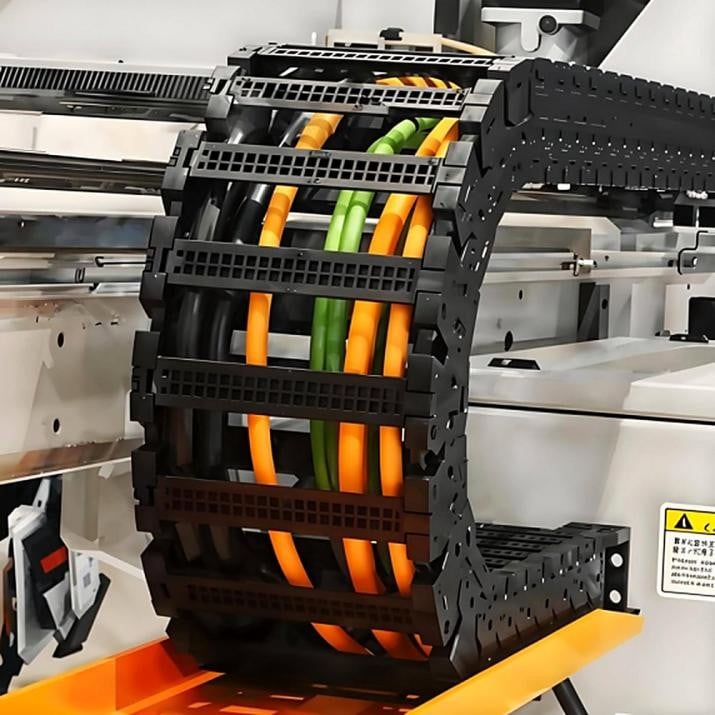
Figure 3. Cables laid loosely, parallel and untwisted inside a drag chain on site - the practice recommended above.
The Corresponding Product Families
For the duties described above, our product line covers the full range from bending to torsion.
Drag chain cables (high flexibility): the LB‑HiFLEX‑1015 10 Million Cycles Shielded Flexible Drag Chain Cable, HIFLEX‑SY and HIFLEX‑YY drag chain cables, the PUR JTESP High Strength Shielded Drag Chain Cable, and the 5 million times flexible drag chain cable series, for CNC machinery, robotics and automation systems, packaging and assembly lines, and material handling equipment. The jacket is oil, abrasion and chemical resistant.
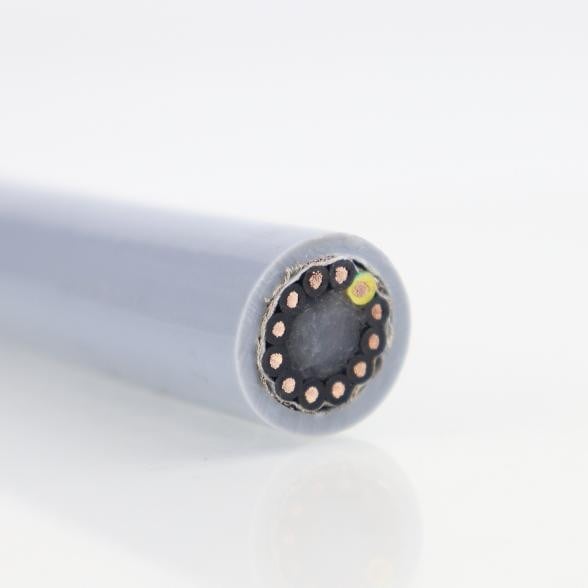
Figure 4. Cross‑section of a shielded flexible drag chain cable (12 x 1.5 mm2), showing the tinned‑copper braided screen, drain wire and cores.
Robot cables: Industrial Robot Cable, Robot Torsion Resistant Cables, Special Combination Cable for Industrial Robots and Robot Ground Rail Cable, covering robot body joints, seventh‑axis ground rails and combined cable routing.
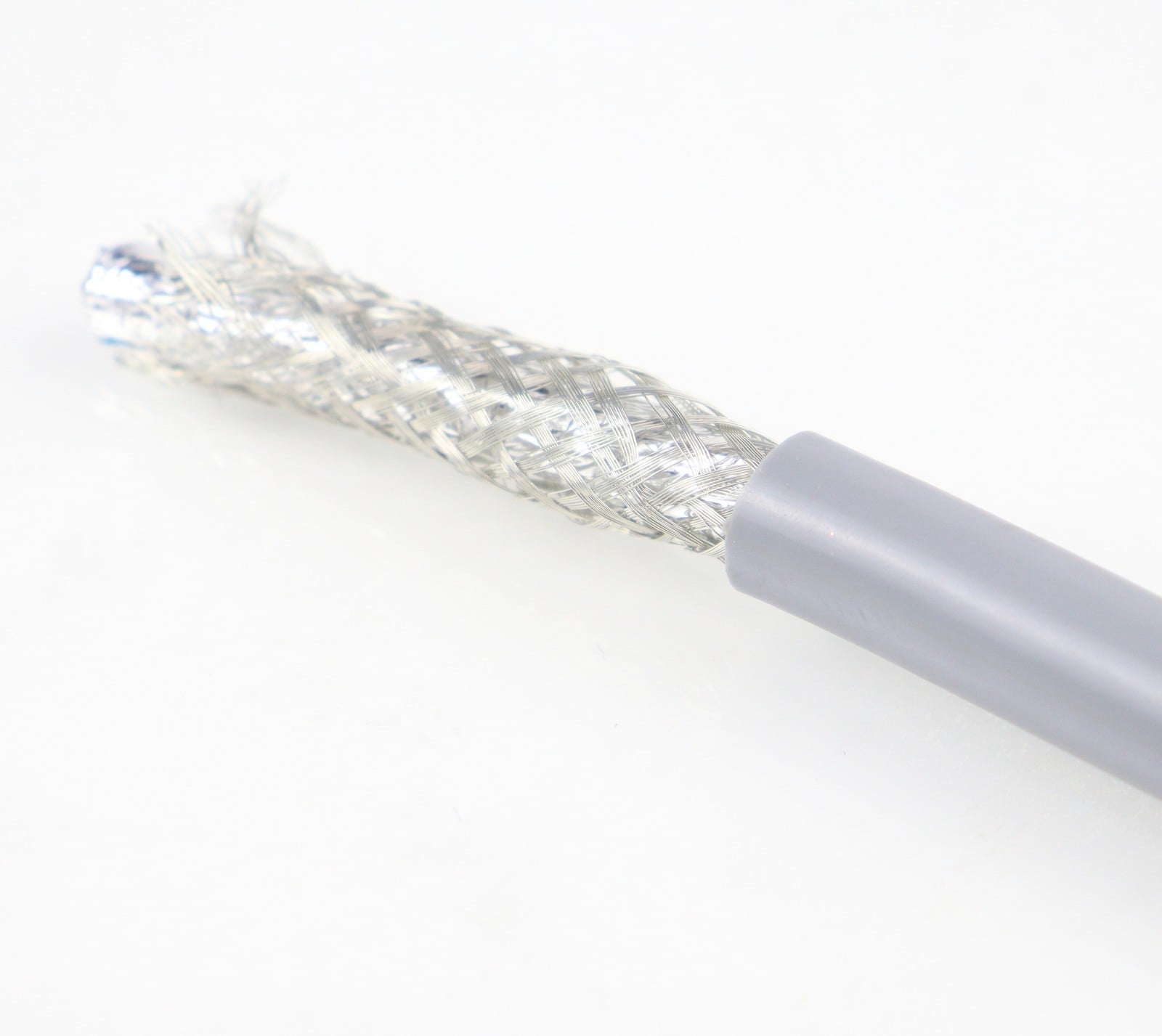
Figure 5. Shielded robot cable (24 x 1.0 mm2) with the braided screen exposed.
Servo and encoder cables: the SERVO‑NBR‑JTVP 600/1000V Servo Motor Shielded Cable, Servo Motor Cable, Encoder Cable and Motion Control Encoder Cable, for power and feedback signal transmission in servo systems.
High‑flexibility data transmission cables: LiYCY and LiYCY‑TP flexible twisted‑pair shielded cables, and the LB‑DATA LiYC12Y‑TP PUR flexible twisted‑pair shielded cable, for industrial vision, encoder feedback and industrial Ethernet.
All products can be customized to the operating environment, rated voltage, core count and cross‑section, bending radius and installation method, with support for small batch orders and OEM/ODM.
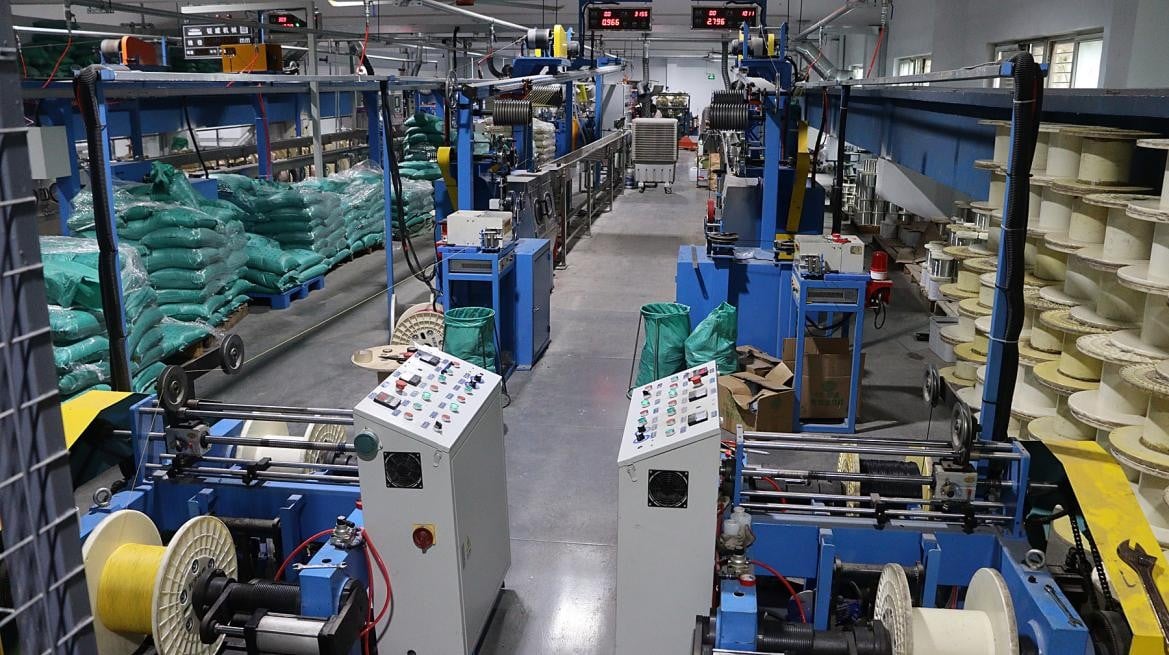
Figure 6. Production workshop at Shanghai Libin Cable, where flexible and special‑purpose cables are manufactured.
Figure 7. Shanghai Libin Cable Co., Ltd., Shanghai.
If you are selecting cables for specific equipment, or dealing with repeated failures on site, tell us the working conditions. With the following information our technical team can respond more quickly:
● Motion type (reciprocating flex / torsion), travel distance and bending radius;
● Rated voltage, required core count and cross‑section;
● Whether signal transmission is involved (servo, encoder, Ethernet, etc.);
● Operating environment (oil, coolant, outdoor UV, temperature range).
Shanghai Libin Cable Co., Ltd.

 EN








