ul10269-hook-up-wire-for-electrical-equipment-and-control-panels, ul10269-hook-up-wire-for-electrical-equipment-and-control-panels, /ce-cable222
EN
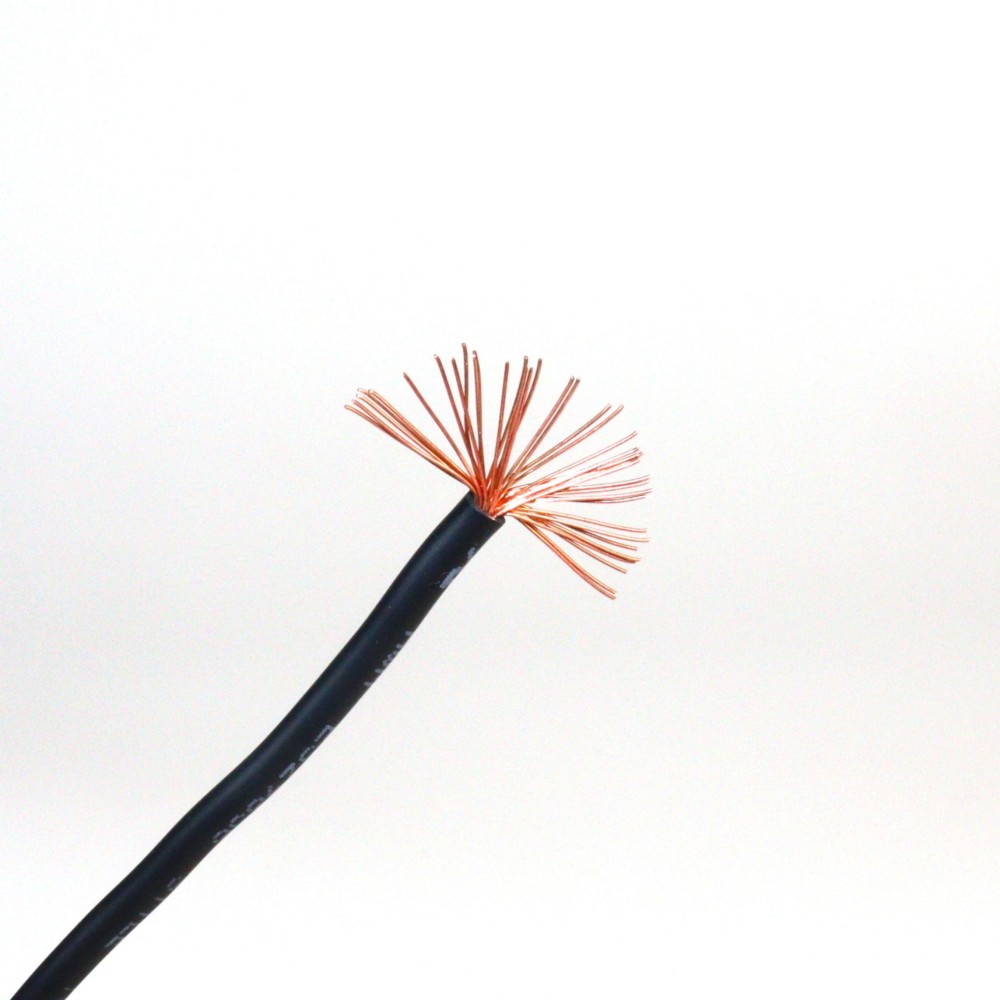
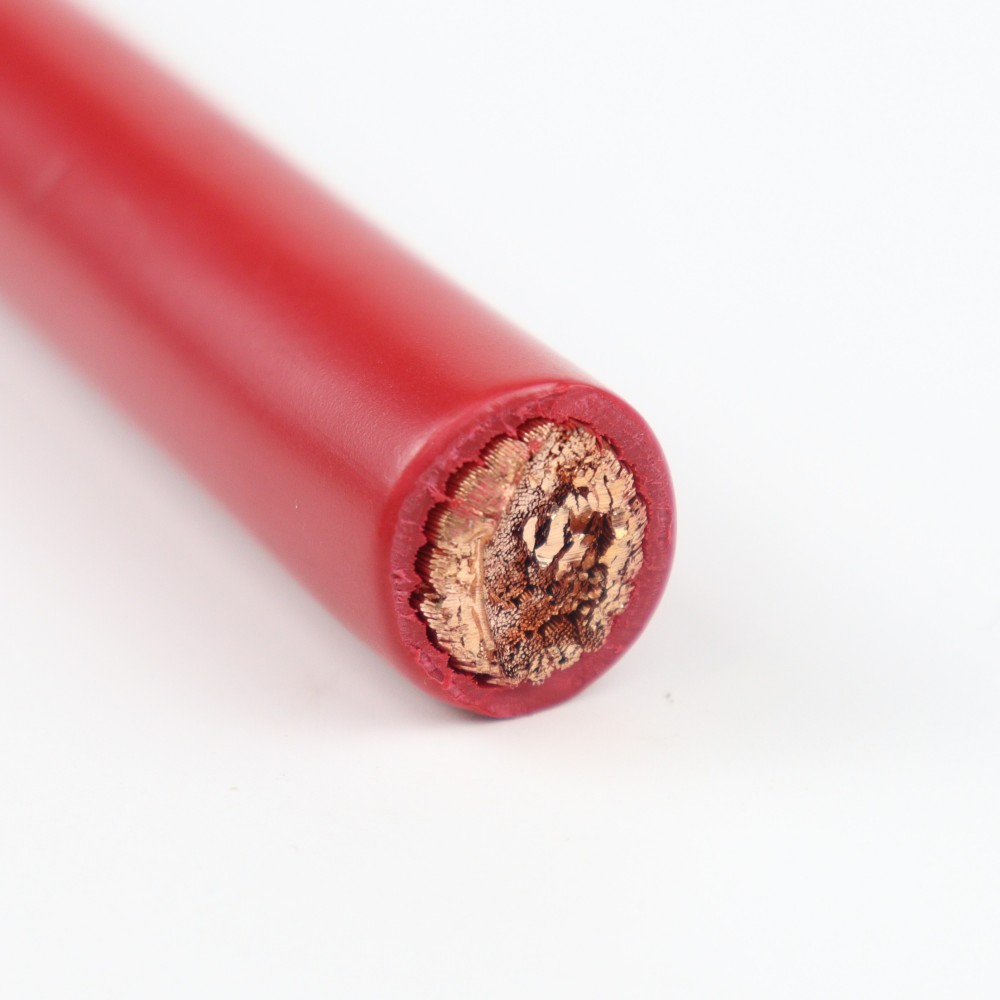
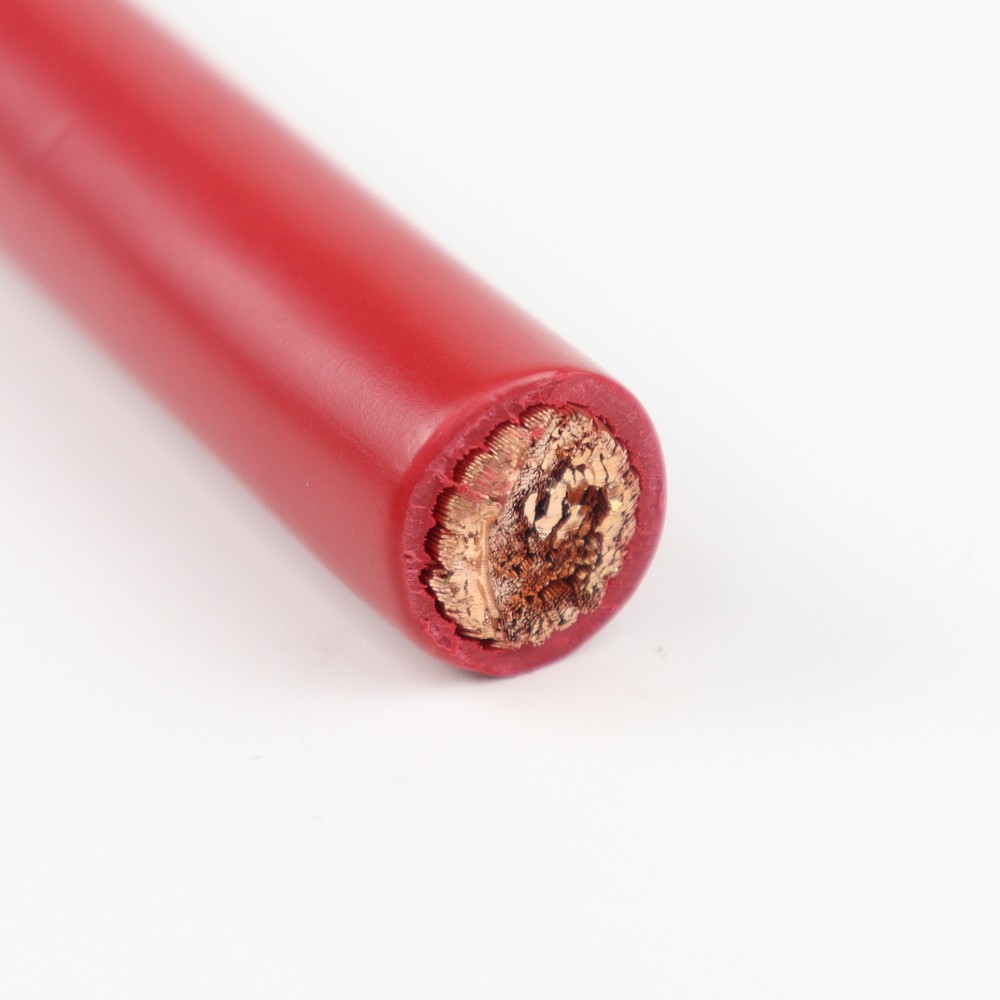
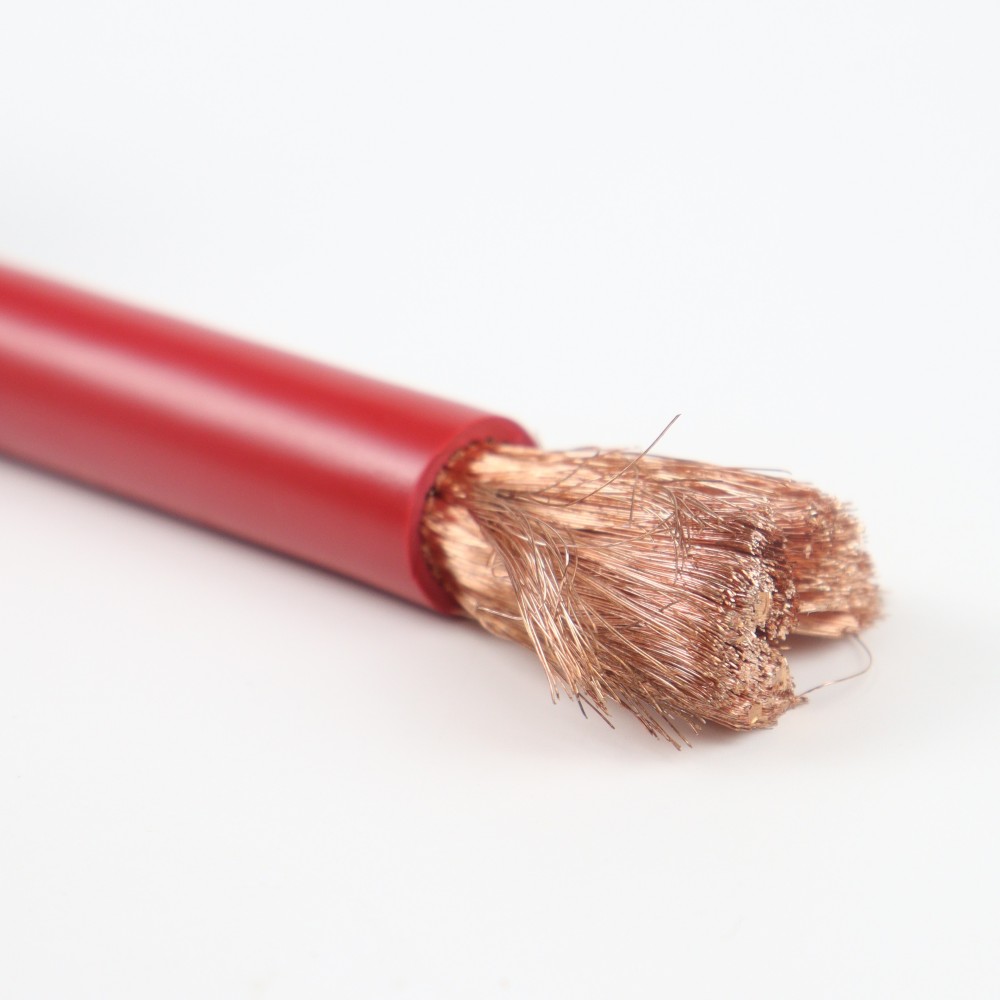
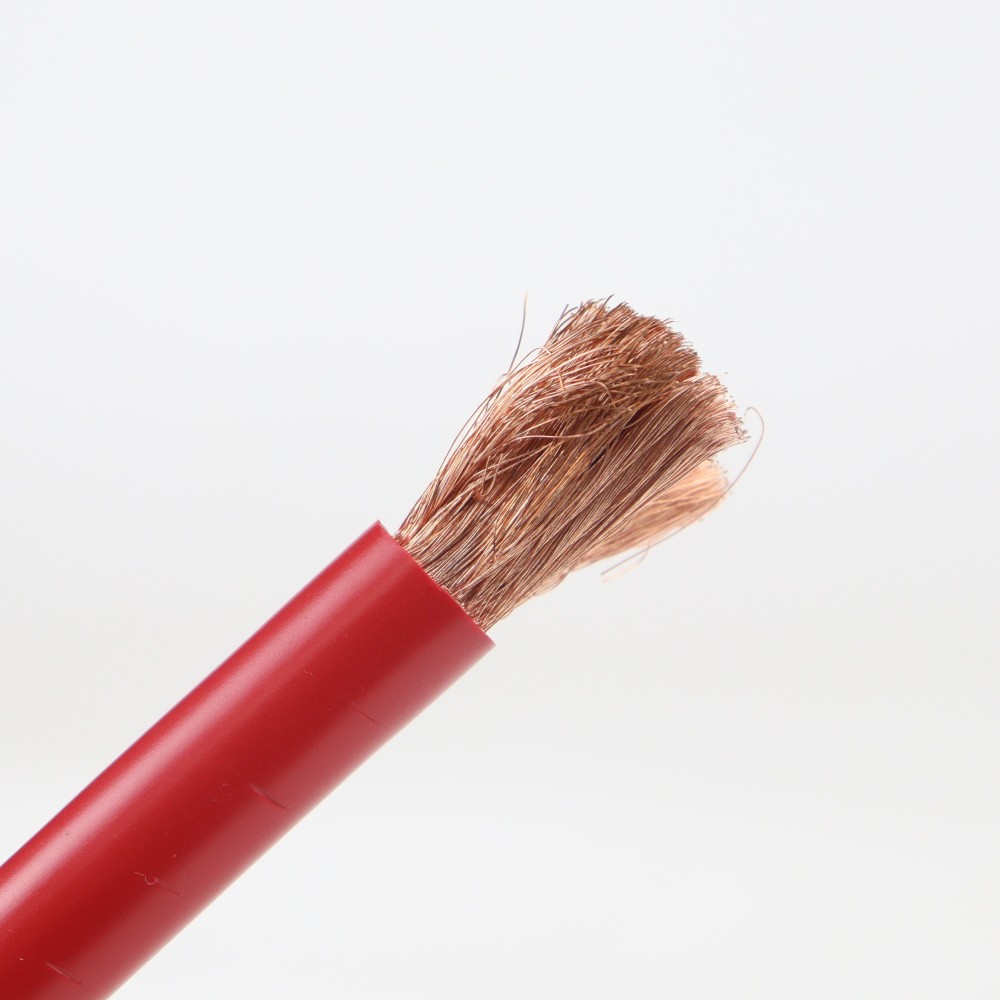
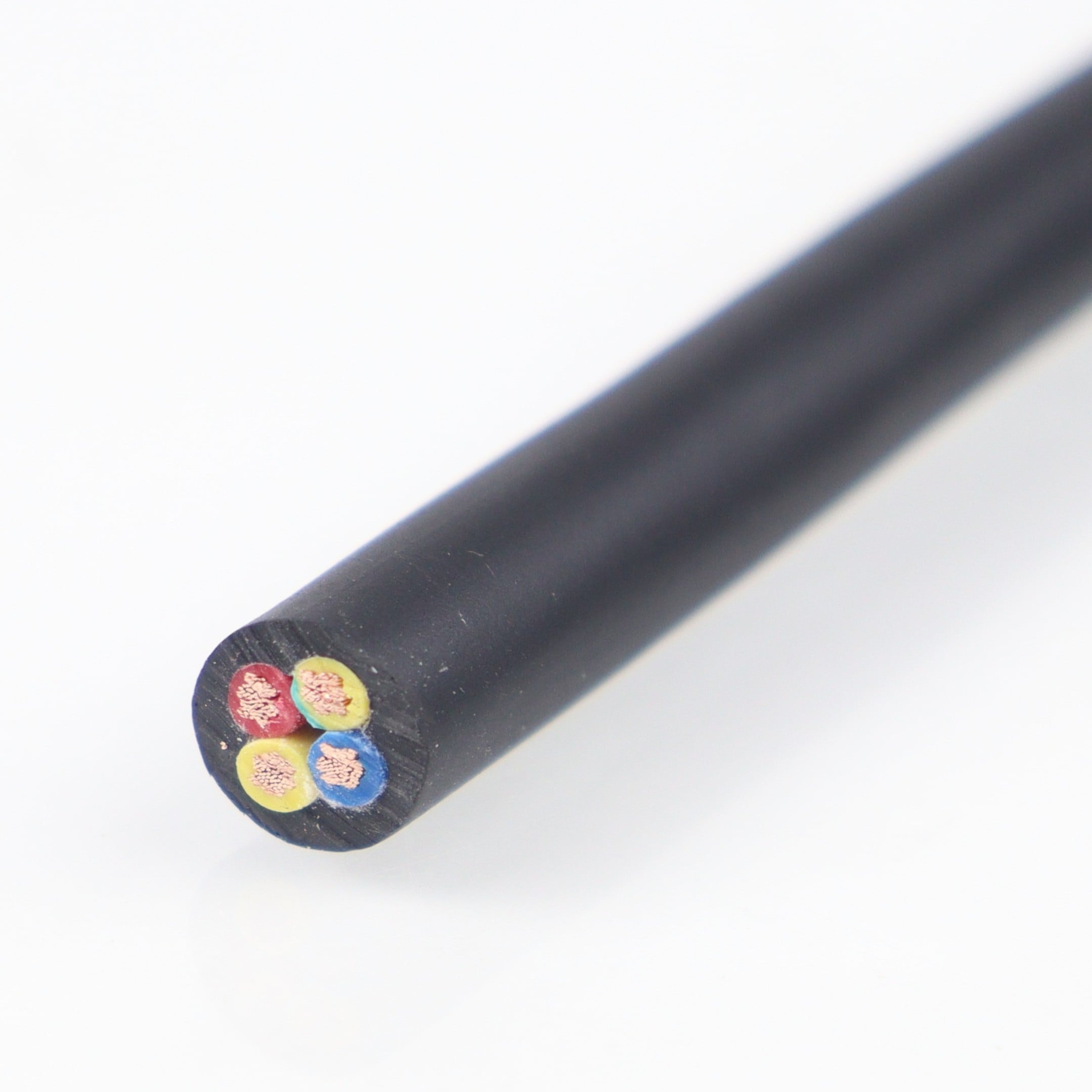
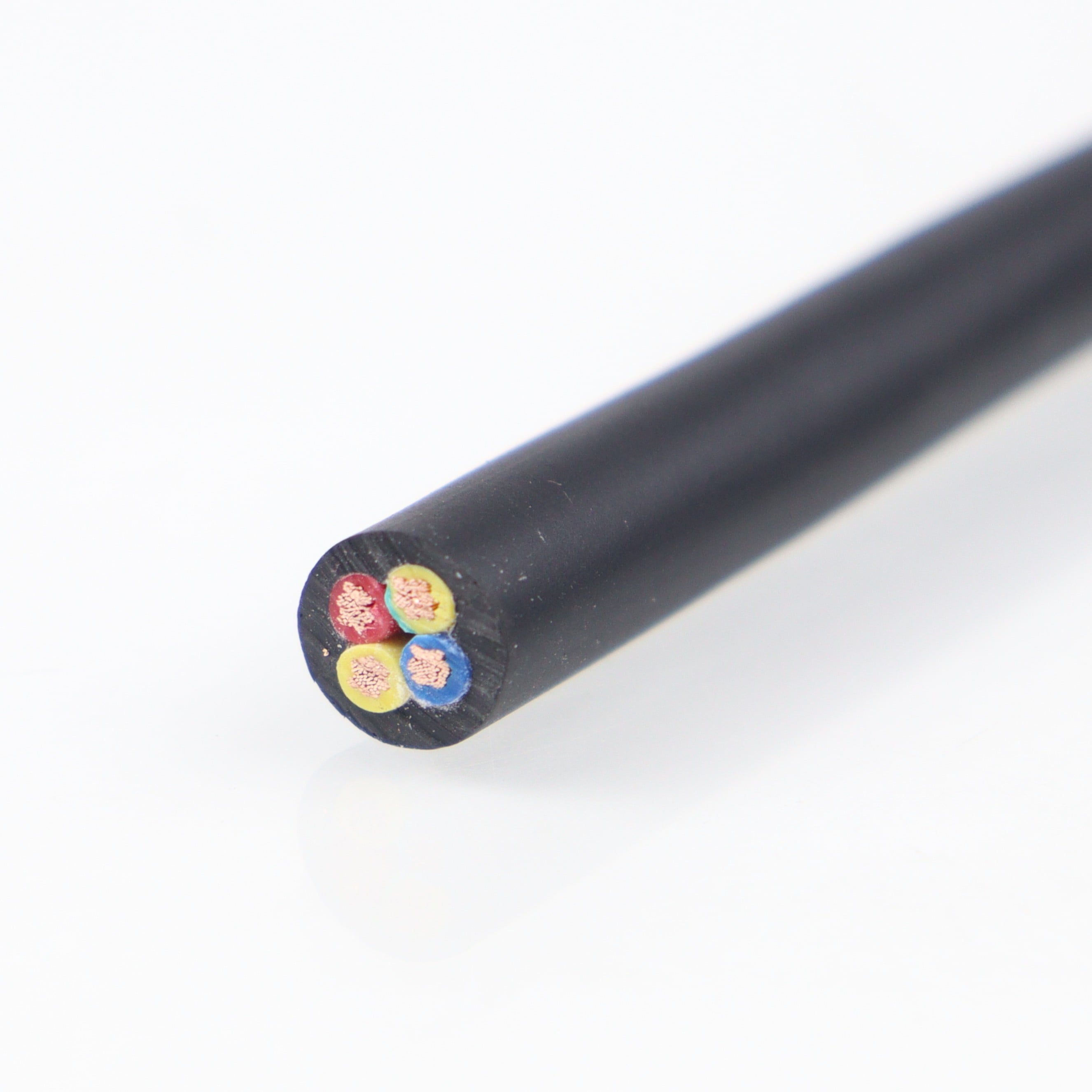
UL10269 1000V 105°C high‑voltage single‑core lead wire adopts IEC60228 Class5 tinned fine‑bunched copper conductor. Tin‑plated material prevents terminal oxidation and improves solderability. 105°C PVC insulation offers good thermal tolerance for high‑current bundled wiring. It obtains UL recognition for North‑American projects. Flexible for large‑size routing, it fits energy storage, inverter, EV‑charger and other high‑current internal‑wiring scenarios with multiple custom options.
When specifying internal wiring for high-current equipment, treating voltage rating as the only selection criterion is a common mistake. A wire rated 1000V can still fail prematurely if the thermal class does not match the actual operating environment — particularly inside enclosed cabinets where heat from multiple conductors accumulates over time. UL10269 hook up wire for electrical equipment and control panels addresses both dimensions: a 1000V insulation rating combined with a 105°C thermal class, in a Class 5 stranded tinned copper construction built for sustained high-current duty inside enclosures. Understanding what each specification means in practice helps procurement teams and design engineers make confident, well-grounded selection decisions.
UL10269 is a single-core high-voltage lead wire recognised under UL Style 10269, rated 1000V and 105°C. It is an unsheathed internal wiring product designed for use inside the enclosures of electrical equipment and control panels — not for direct burial, outdoor runs, or free-hanging spans. UL recognition confirms the construction meets safety requirements for internal equipment wiring in the North American market.
The temperature rating is a continuous-duty ceiling, not a peak tolerance. Think of it like a load rating on a structural beam: the figure describes what the material can sustain continuously, not what it can survive as a brief impulse. The practical advantage of a 105°C-rated wire over a standard 80°C type is the headroom it provides when conductors are bundled, where mutual heating can reduce effective current capacity by 20–40% depending on bundle size and arrangement. That headroom separates a wire that runs warm from one that gradually degrades insulation over years of continuous operation.
The conductor is fine-bunched tinned copper to IEC 60228 Class 5. At 70mm² (approximately 2/0 AWG), Class 5 stranding keeps the conductor flexible enough for routing and termination in confined switchgear cabinets — a practical requirement that a solid or Class 2 conductor of equivalent area cannot meet. If your installation involves tight bends inside a densely populated enclosure, this flexibility directly affects both installation time and long-term termination reliability at the lug connection.
Tin plating serves two roles at this cross-section. It resists the oxidation that progressively increases contact resistance at ring lug and compression terminations — a failure mechanism that typically shows up as a persistent hot spot at high-current connectors months after installation. It also improves solderability during assembly where soldered sleeve terminations are used alongside mechanical crimps.
PVC compound insulation rated to 105°C gives 25°C of continuous-duty headroom over standard 80°C wire. This matters most when conductors are bundled near heat-generating components such as drive outputs, transformer secondaries, or DC bus link connections within the same panel.
One cross-section selection error worth noting from a procurement standpoint: starting with a smaller gauge to reduce initial material cost, then discovering after months of high-load operation that termination points run persistently warm. The outcome typically requires replacing the full conductor run — absorbing not only the material difference but also the labour cost of retermination inside an energised panel. Always calculate derating for the actual bundle configuration and ambient temperature before finalising the specification.
As an unsheathed product, UL10269 hook up wire is designed only for internal wiring within a cabinet or enclosure. If any section of a run exits the enclosure to reach a remote terminal block, a sheathed or armoured cable rated for the external environment is the correct specification — not an internal hook-up wire. Confirming the complete cable route remains within an enclosed environment is a straightforward but often overlooked step during cabinet layout review.
UL10269 hook up wire for electrical equipment and control panels is suited to high-current internal wiring across a range of equipment types:
The shared requirement across these applications is a conductor that carries sustained high current inside a controlled enclosure environment, where Class 5 flexibility and the long-term reliability of tinned terminations justify the modest cost premium over unplated alternatives.
| UL Style | UL 10269 |
| Conductor | Tinned copper, fine-bunched stranding, IEC 60228 Class 5 |
| Cross-section | 70mm² (approx. 2/0 AWG); custom cross-sections available |
| Insulation | PVC compound |
| Construction | Single core, unsheathed |
| Colour | Black, red, or customised |
| Rated voltage | 1000V |
| Rated temperature | 105°C |
| Conductor material | Tinned copper |
| Compliance | UL recognised, RoHS compliant |
Cross-section, insulation colour, print marking and cut length are fully customisable. OEM and ODM production is supported, making UL10269 hook up wire for electrical equipment and control panels suitable for equipment builders who require application-specific configurations beyond standard reel formats. If your production requires a specific cross-section, a custom colour for polarity identification, or pre-cut lengths to reduce on-site trimming, these parameters can be specified at order stage. Standard colours are black and red; non-standard colours and bespoke print marking are available on request.
UL recognition under Style 10269 confirms the wire construction has been evaluated against UL requirements for internal equipment wiring in the North American market. RoHS compliance confirms restricted substances are controlled across both the conductor and insulation bill of materials, which is relevant for equipment exported to European and other regulated markets.
For procurement teams managing incoming quality verification, conductor material and insulation class are the two dimensions most worth confirming against delivery documentation. IEC 60228 Class 5 stranding is verifiable through physical flexibility and strand count inspection; the 105°C temperature rating is a manufacturer declaration supported by the UL recognition programme. Requesting the UL recognition certificate and a material declaration form at the sampling stage is standard practice for equipment manufacturers whose product listings depend on the compliance status of internal wiring components.
UL10269 1000V 105°C high‑voltage single‑core lead wire adopts IEC60228 Class5 tinned fine‑bunched copper conductor. Tin‑plated material prevents terminal oxidation and improves solderability. 105°C PVC insulation offers good thermal tolerance for high‑current bundled wiring. It obtains UL recognition for North‑American projects. Flexible for large‑size routing, it fits energy storage, inverter, EV‑charger and other high‑current internal‑wiring scenarios with multiple custom options.

 EN