pur-jtv-300/500v-tpe-pur-torsion-resistant-robot-cable501, pur-jtv-300/500v-tpe-pur-torsion-resistant-robot-cable501, /robot-cable
EN
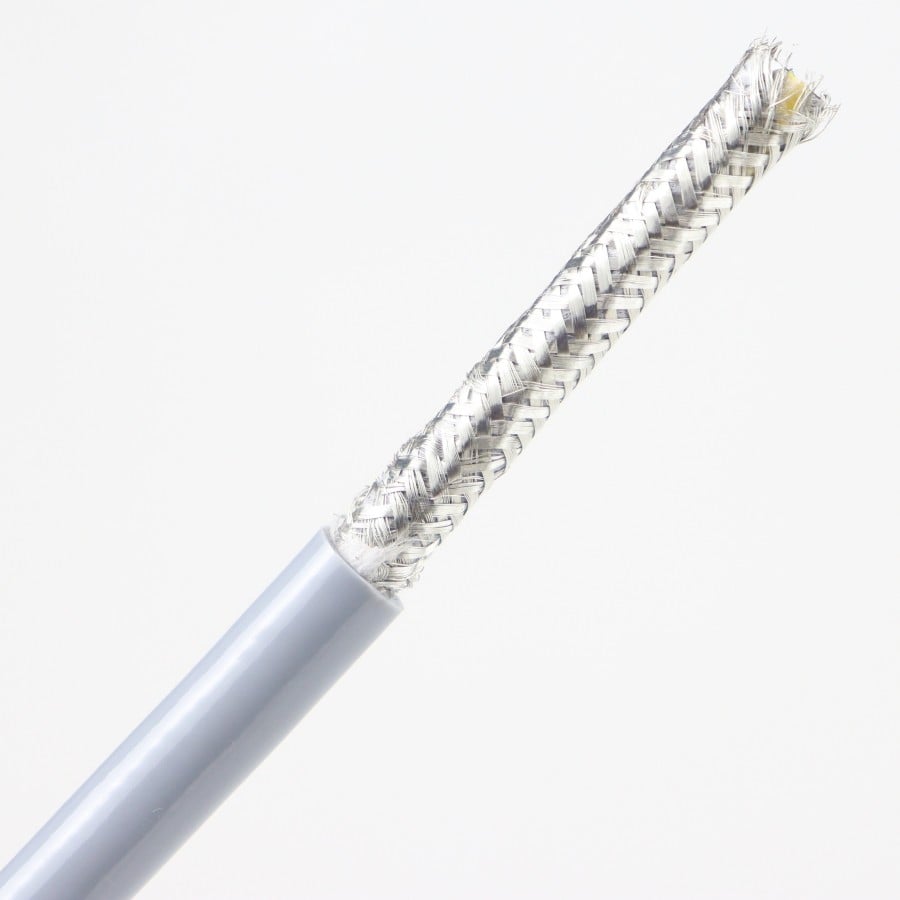
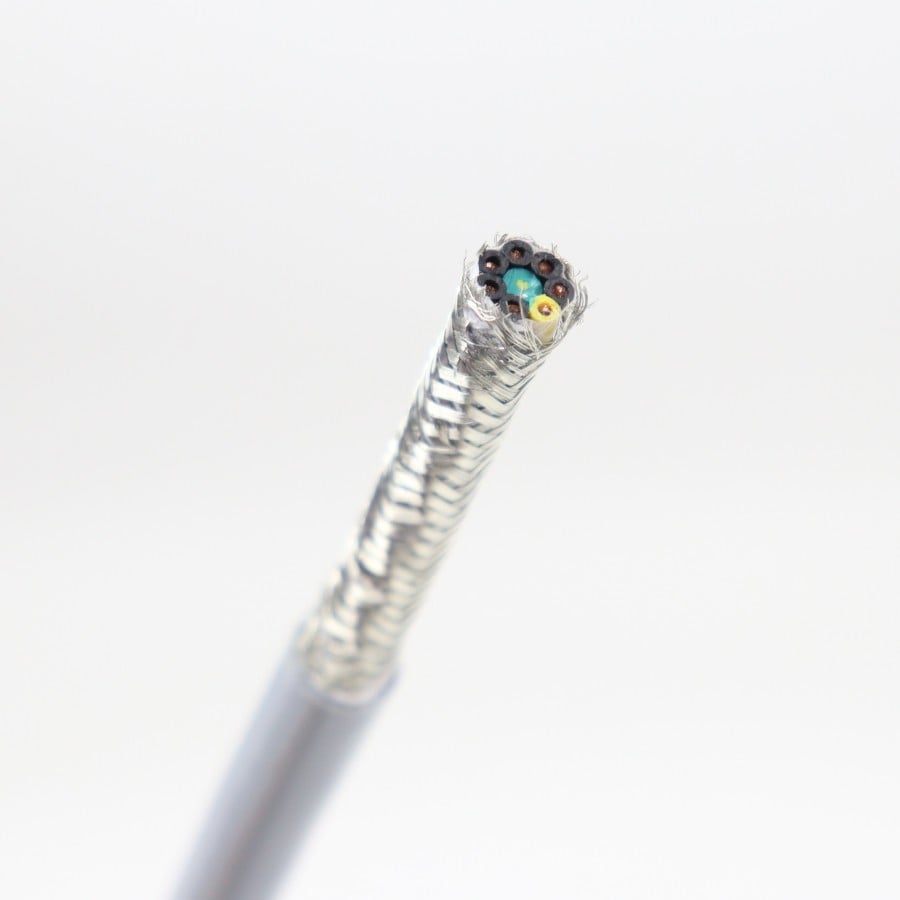
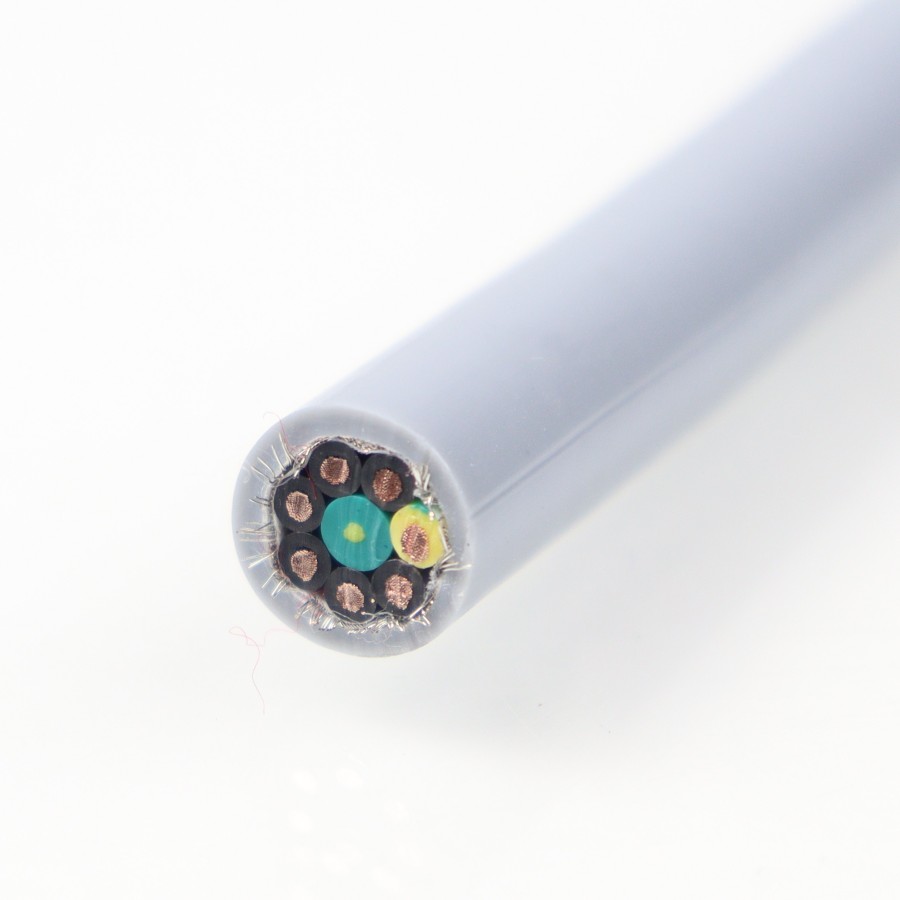
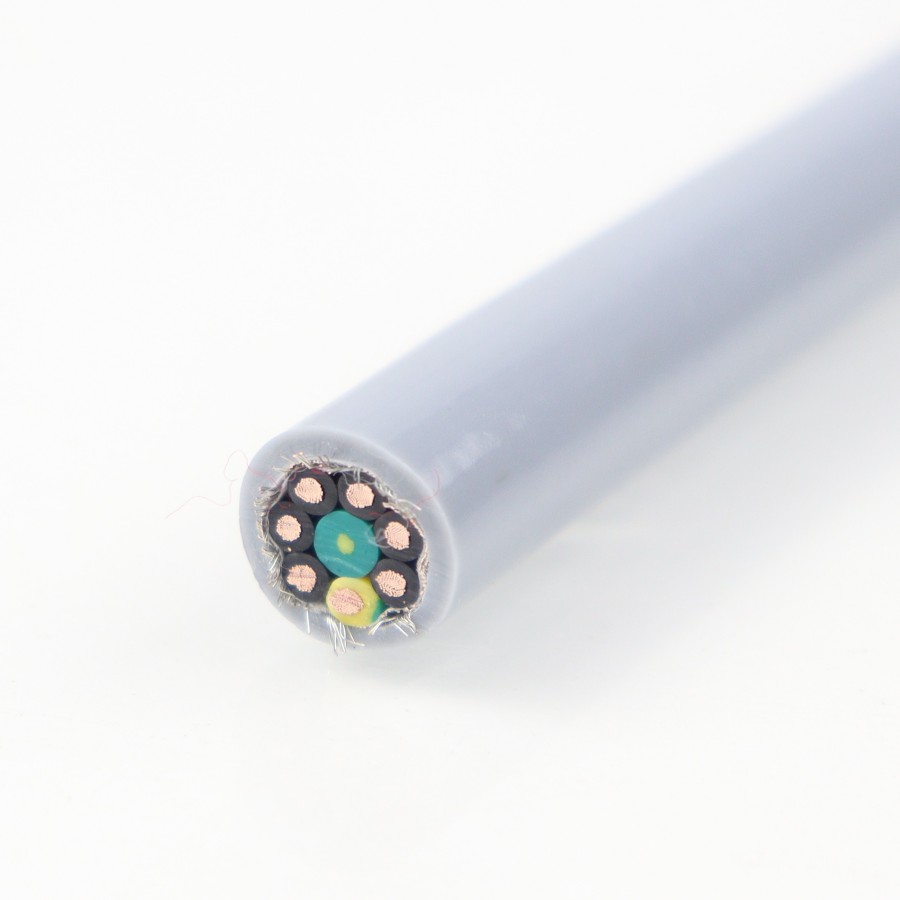
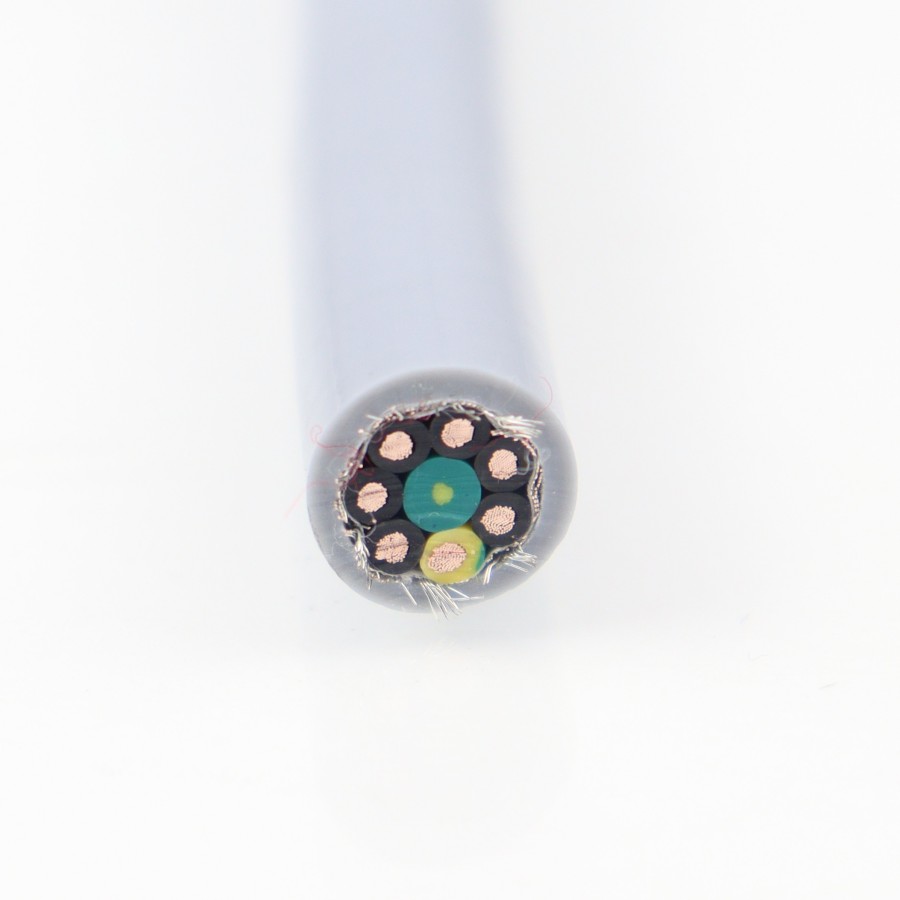
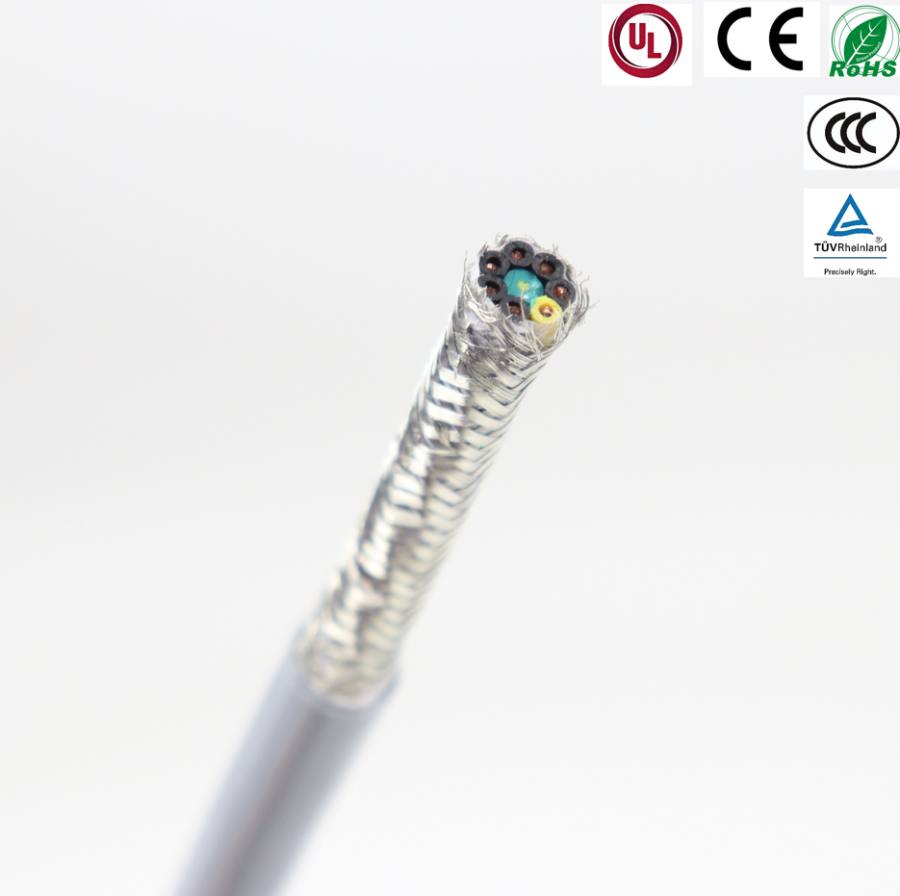
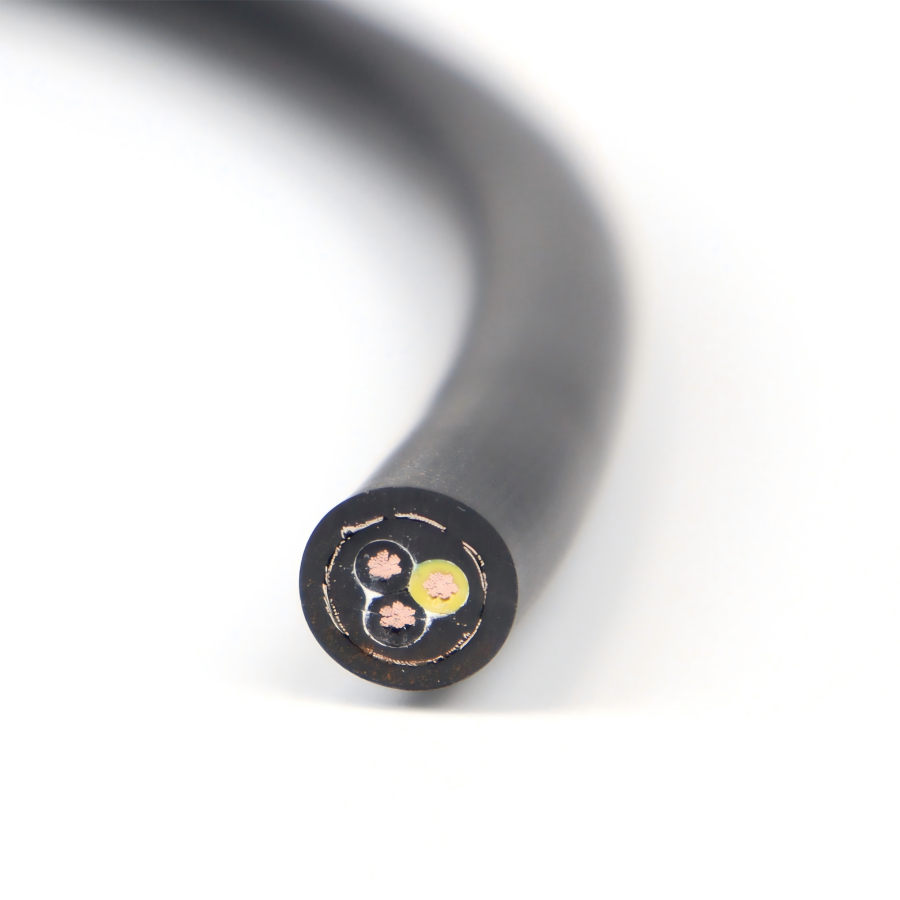
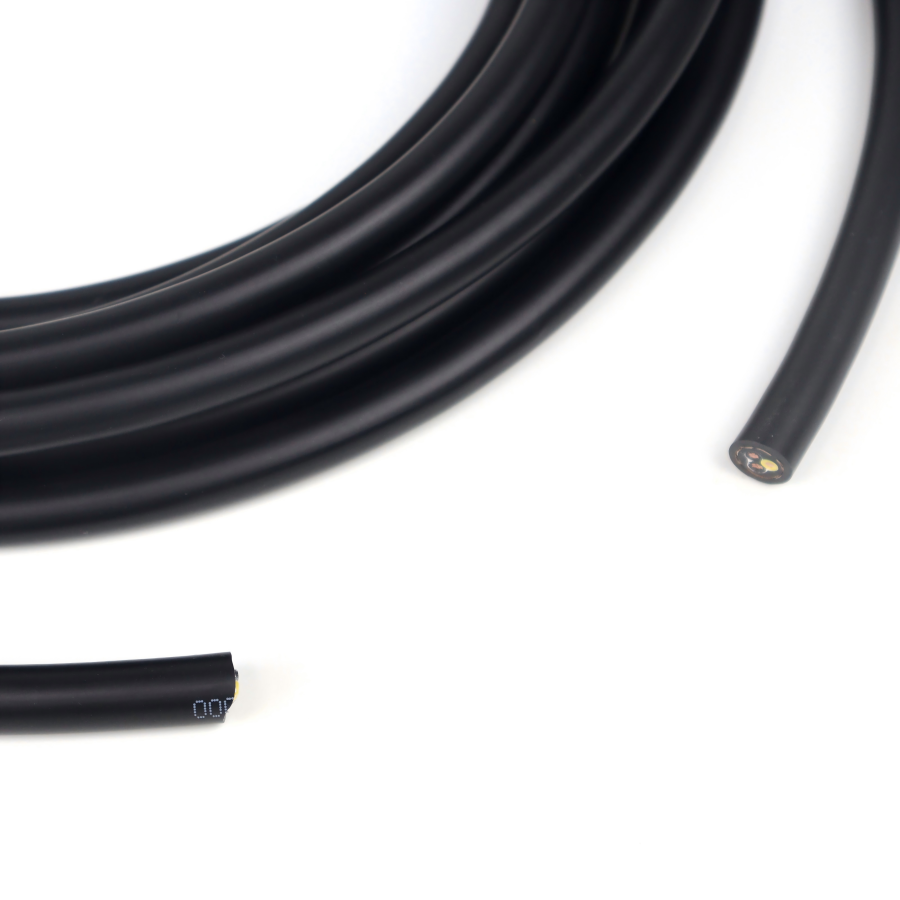
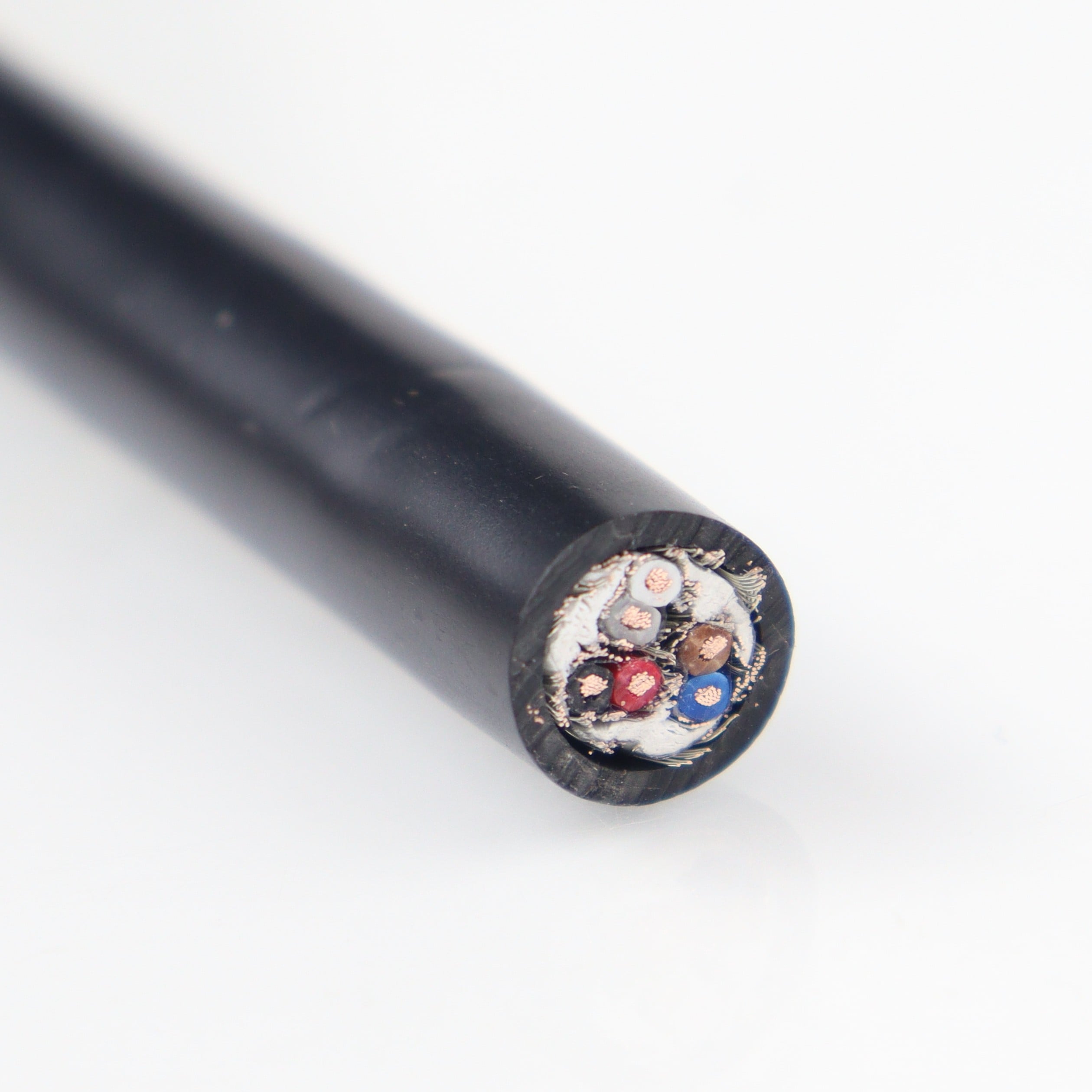
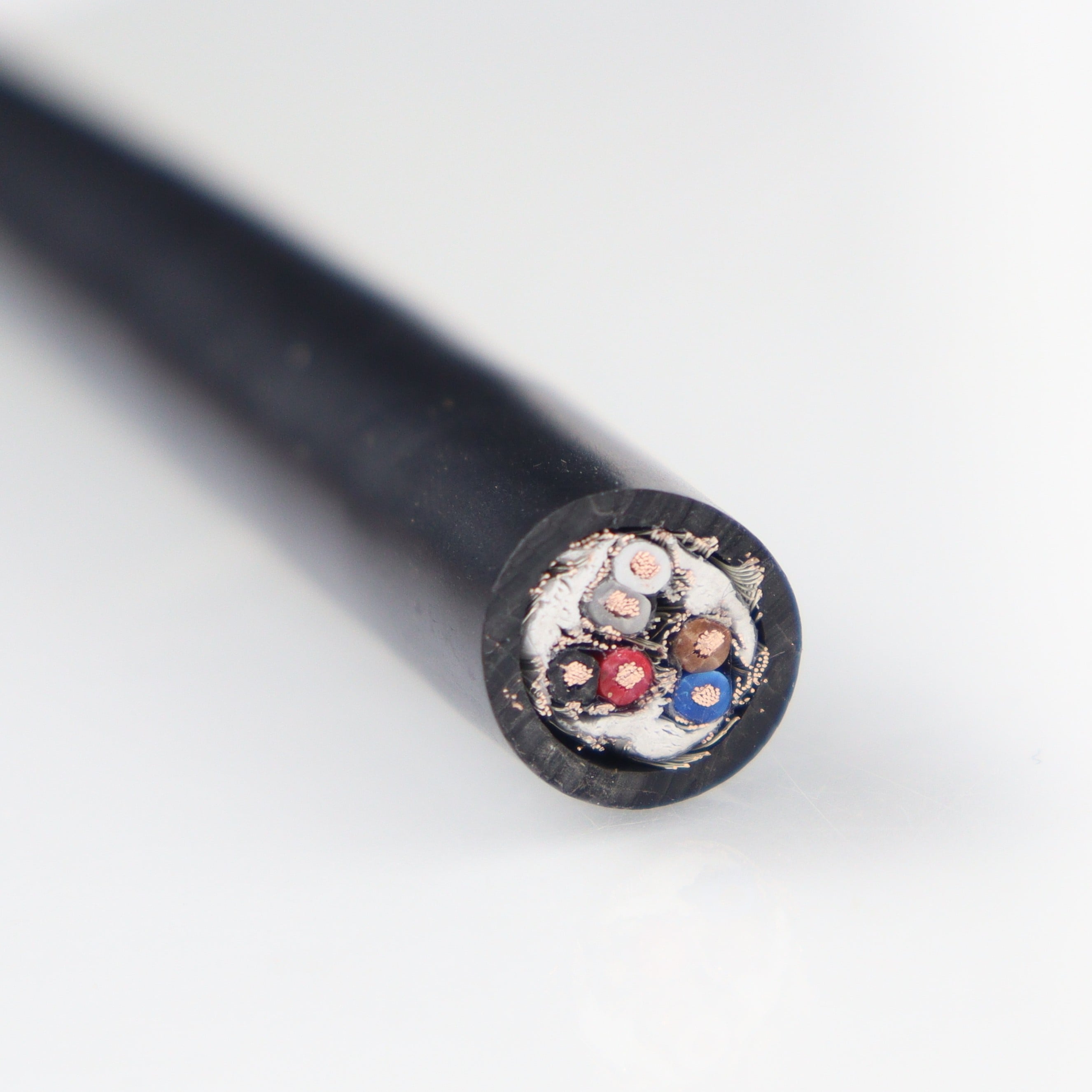
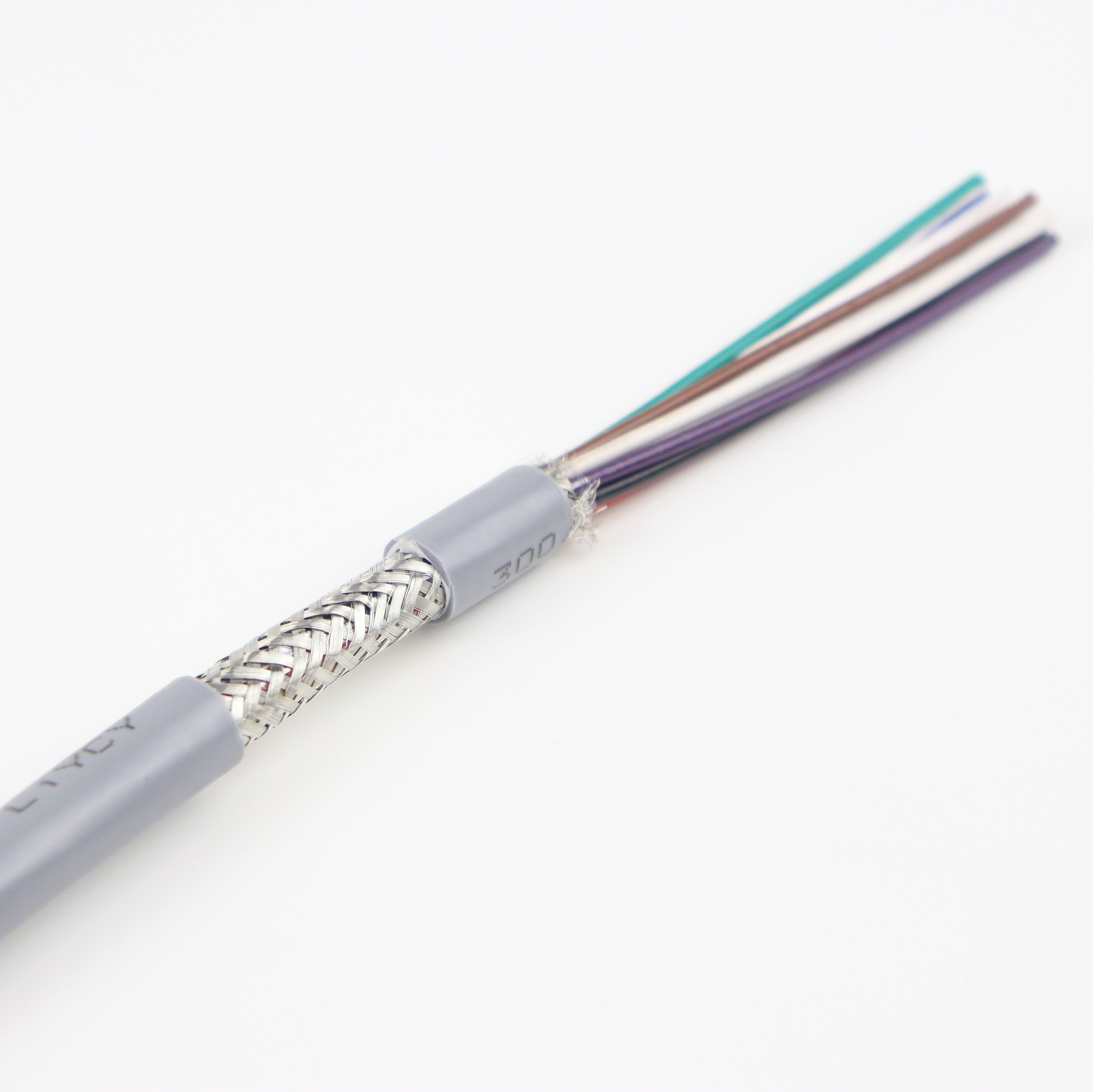
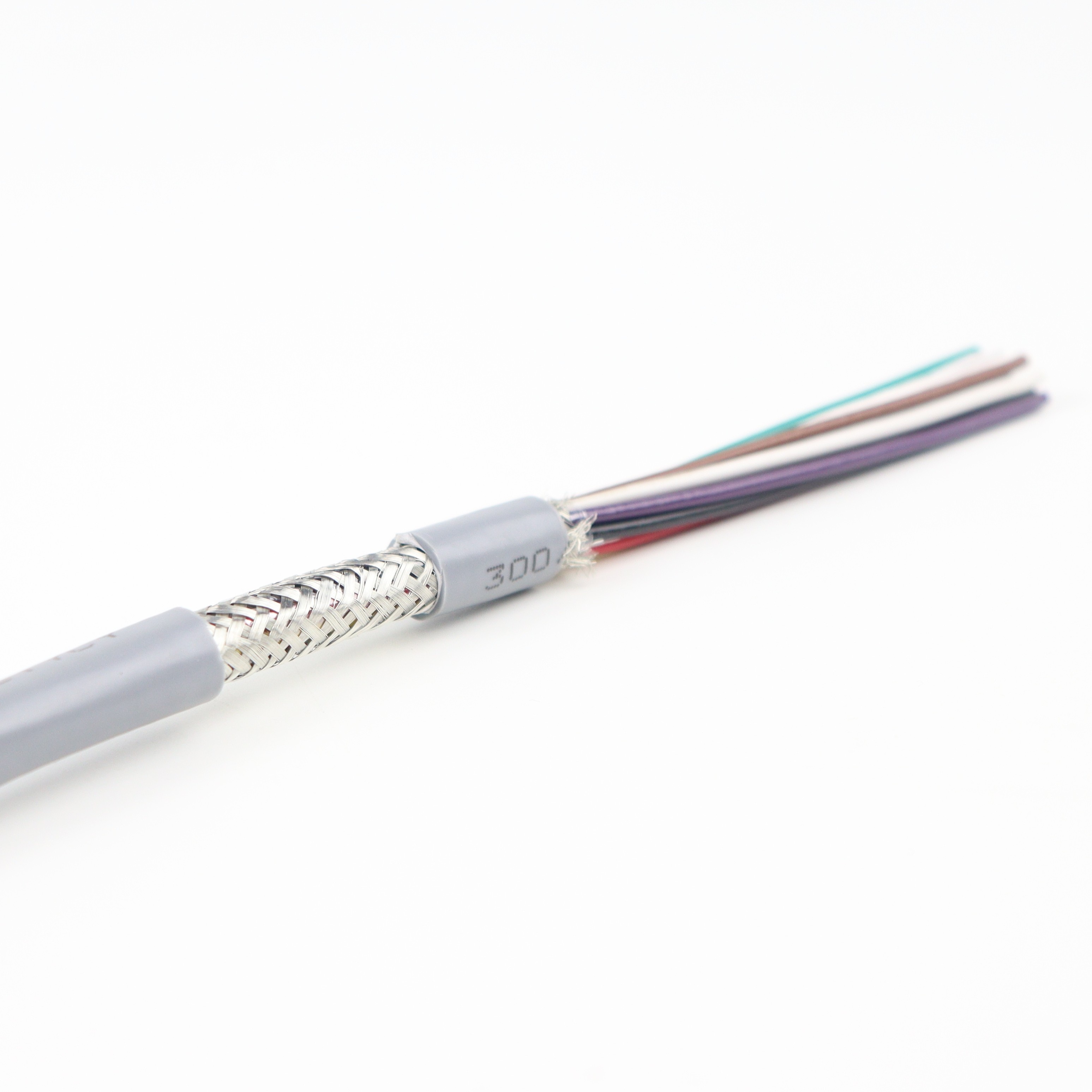
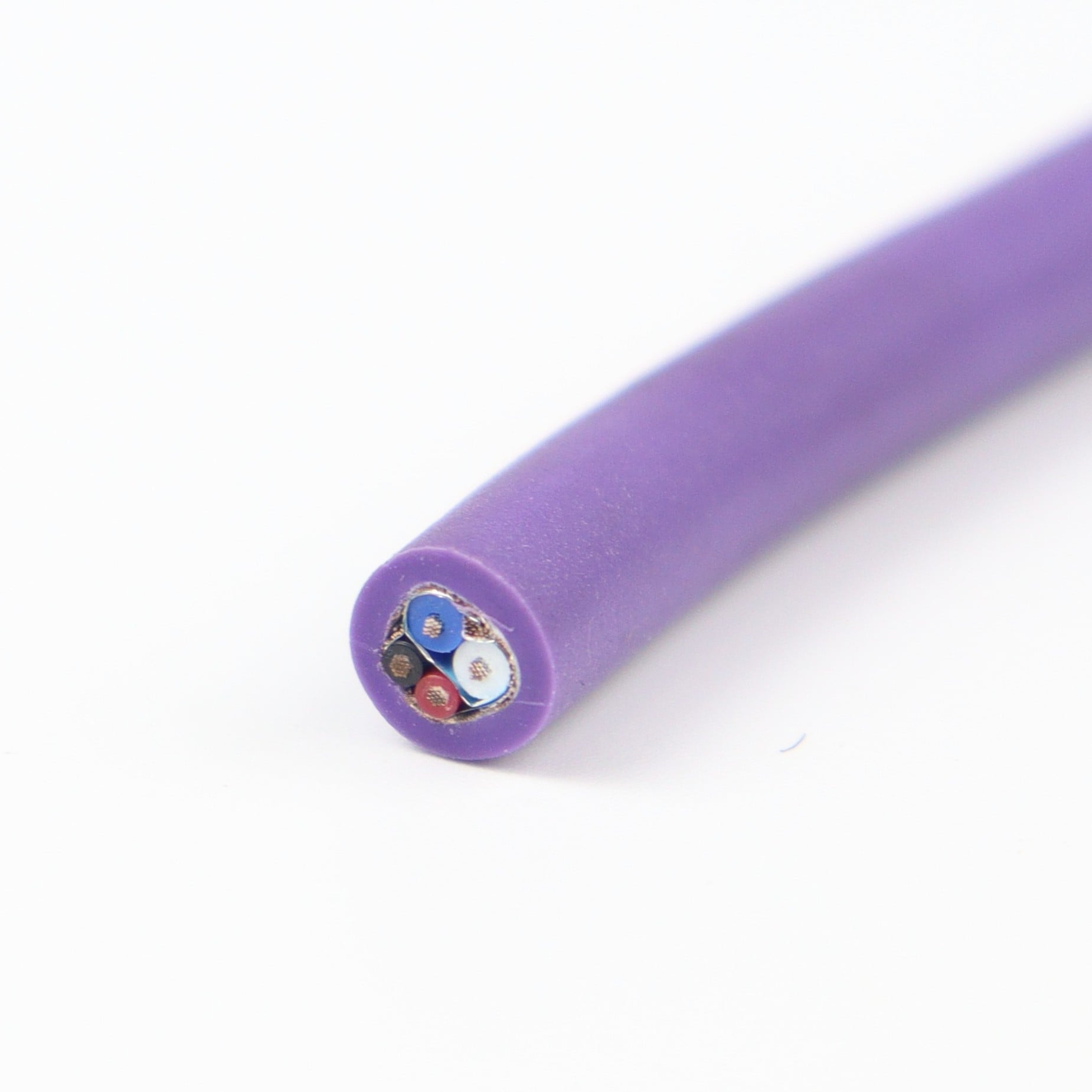
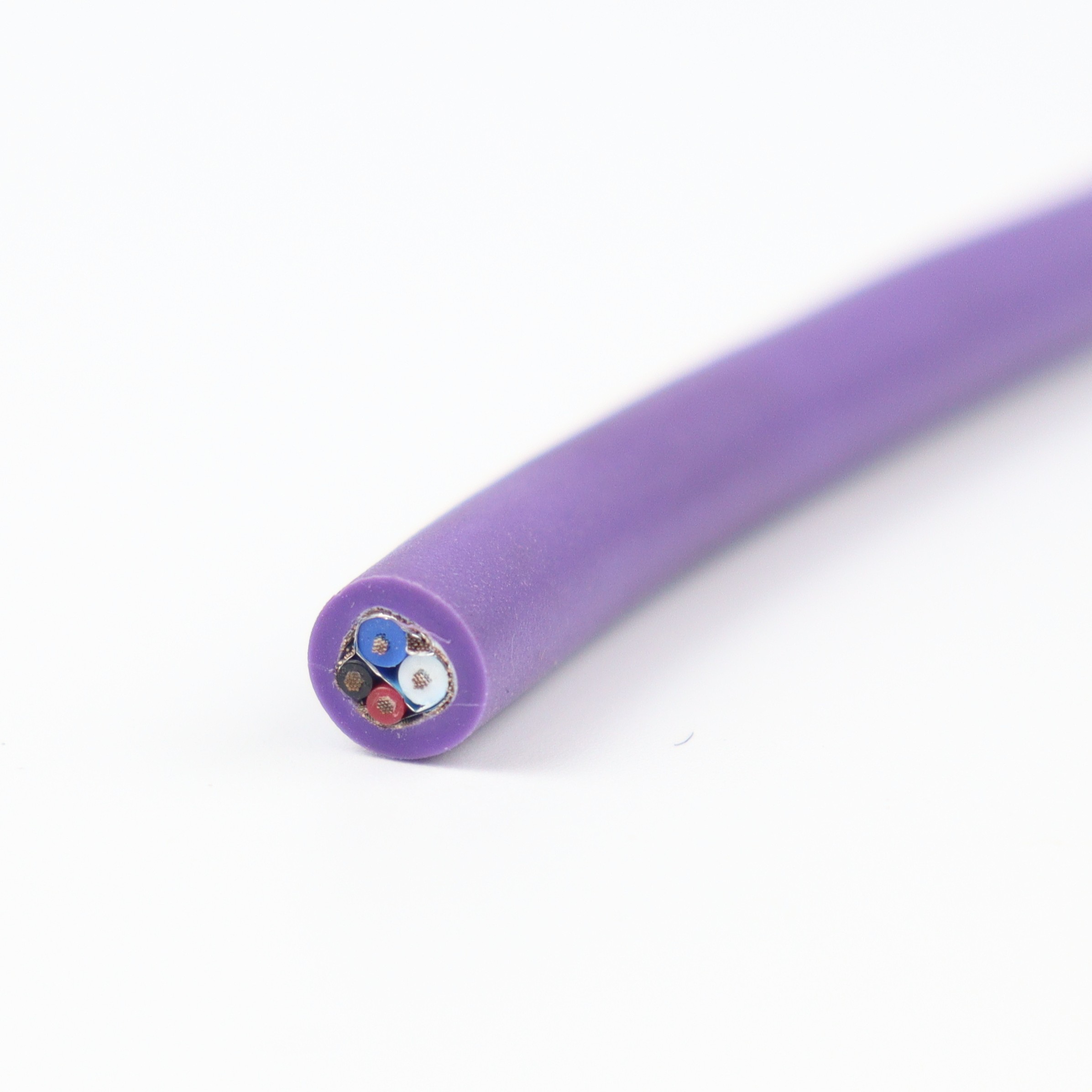
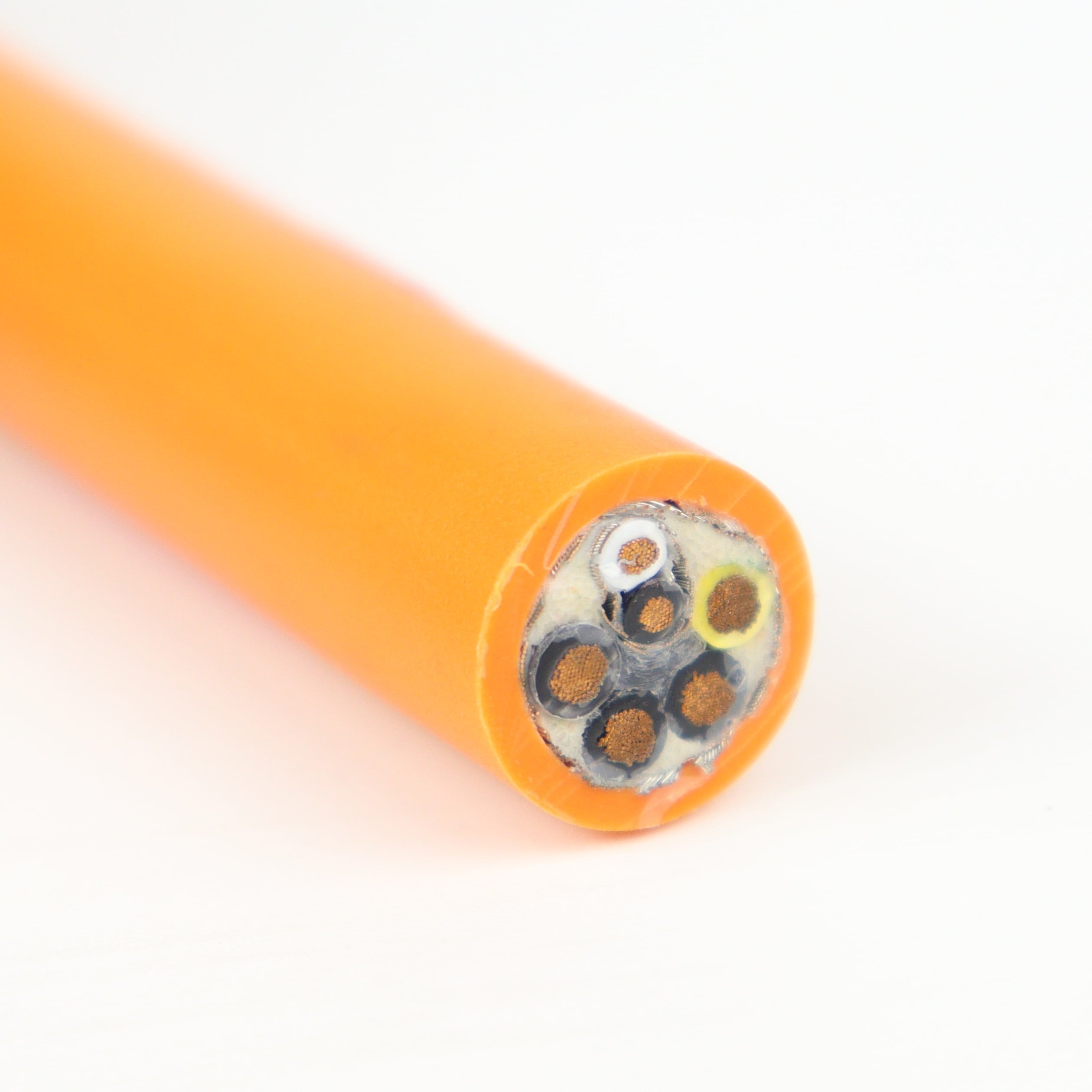
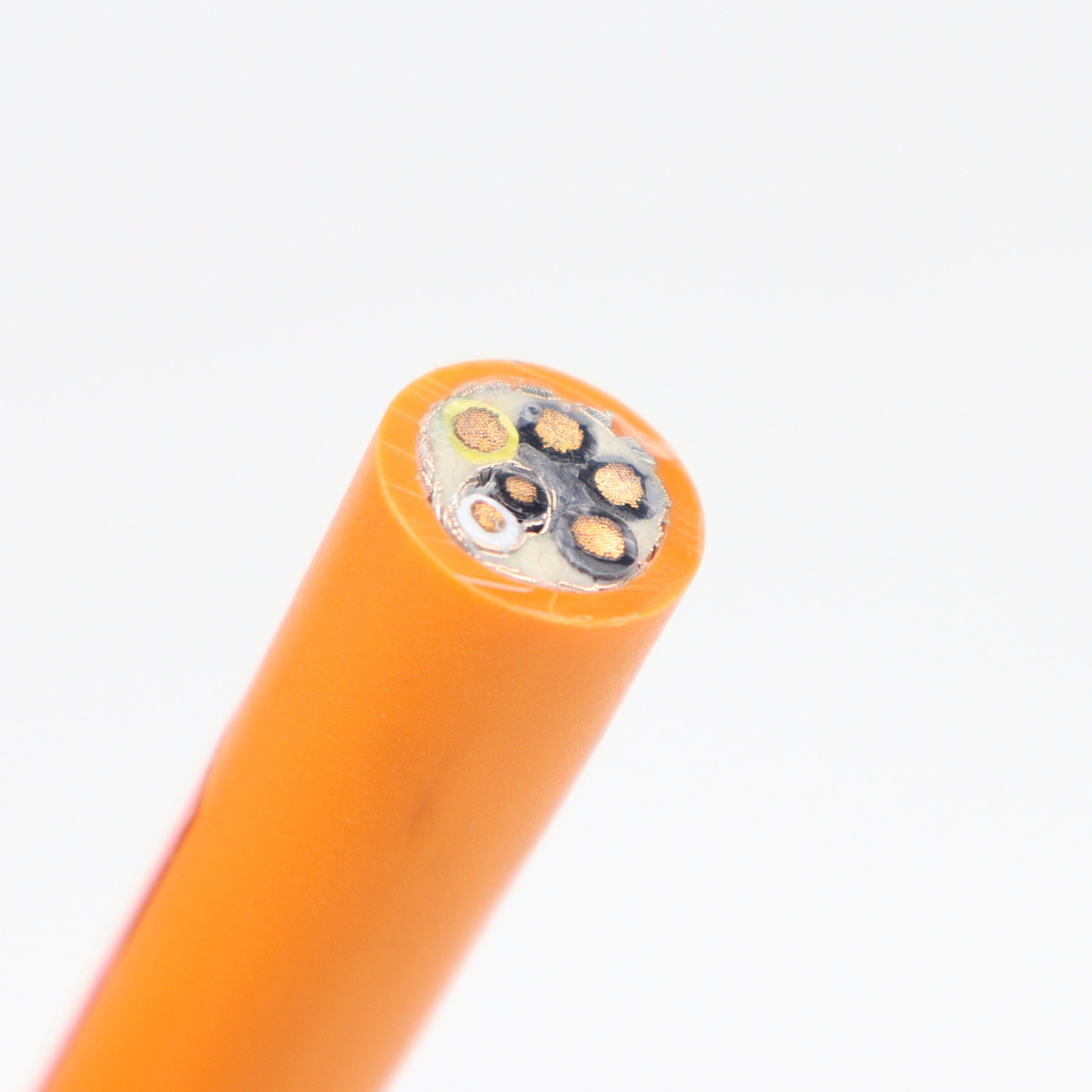
Torsion Resistant Robot Cable PUR-JTV 300/500V single core cable uses IEC60228 Class 5 fine-stranded copper conductor, TPE jacket and braided shield. It withstands ±270° torsion movement, with good abrasion, oil, corrosion and UV resistance. Suitable for robot arm multi-directional motion, and comprehensive OEM customization is available.
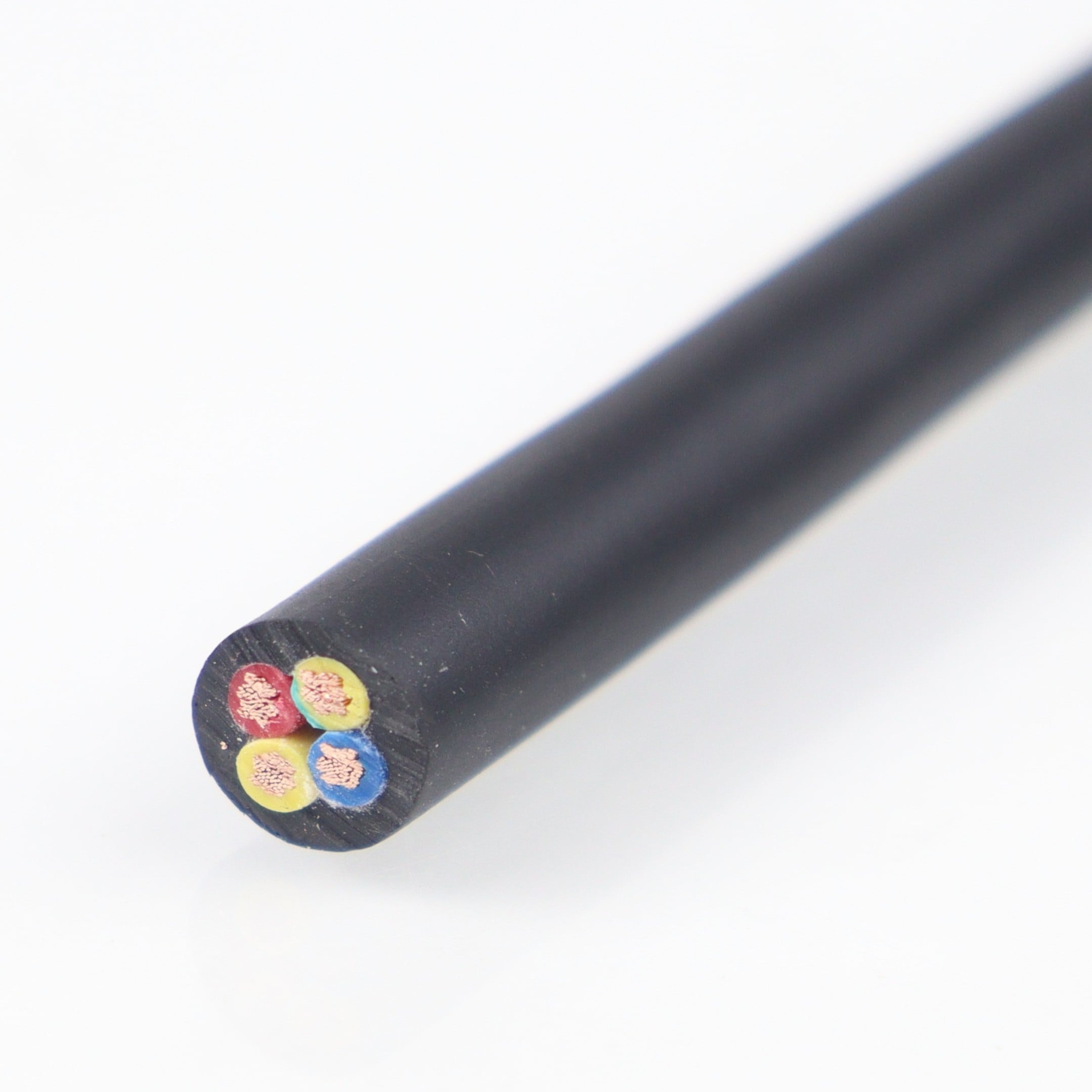
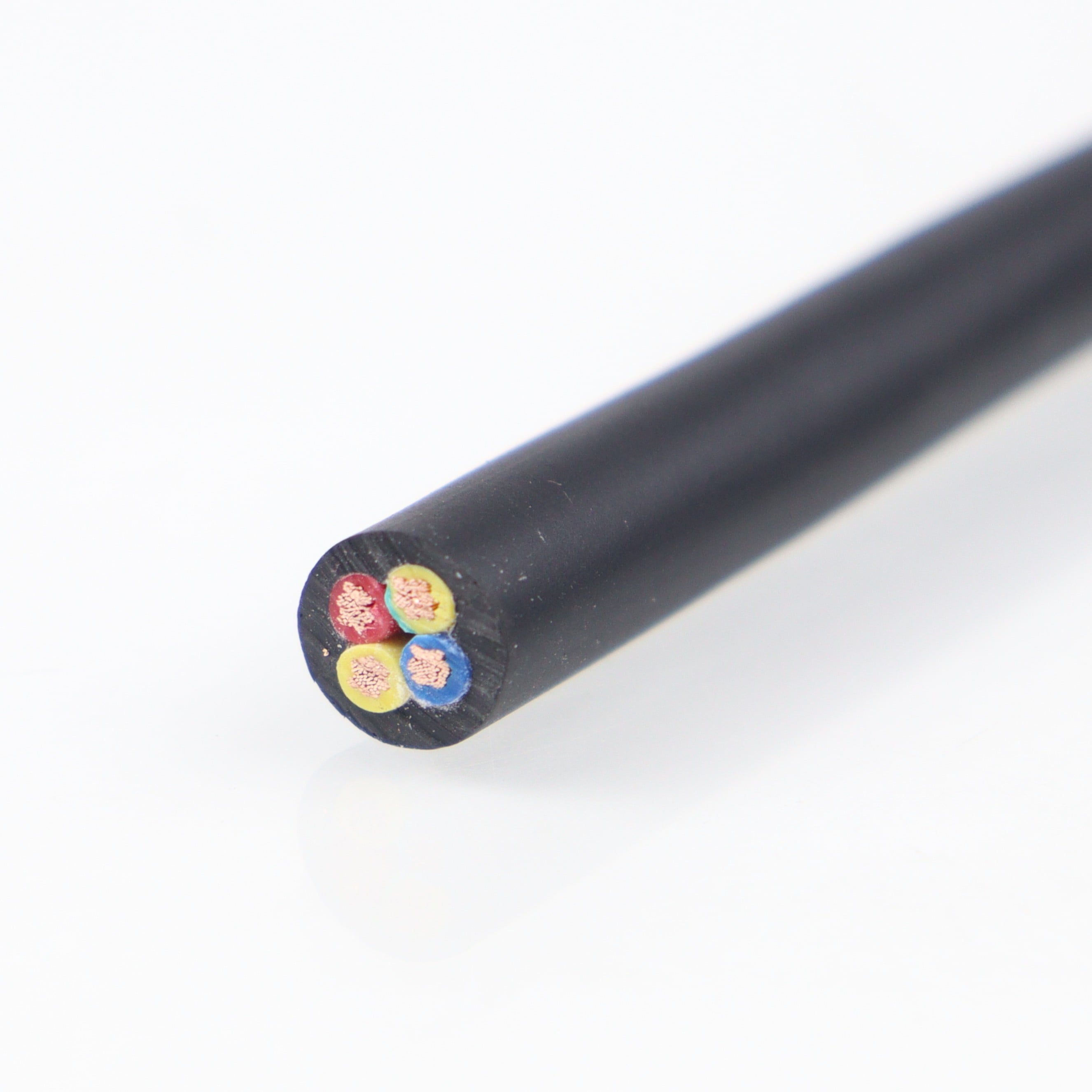
PUR-JTV 300/500V TPE PUR Torsion Resistant Robot Cable is a flexible industrial cable for automation equipment with a moving cable path. Its documented construction combines IEC 60228 Class 5 fine-stranded bare copper conductors, TPE insulation, and a PUR outer sheath. The published electrical rating is 300/500V, with a 2000V test voltage. For an engineering team, the PUR-JTV cable is not a stand-alone promise of route life; it is a cable construction that must be evaluated with the installed machine system.
The practical selection question is straightforward: can the selected construction, route geometry, clamps, terminals, and programmed movement work together? the PUR-JTV cable is relevant for robot arms, robotic handling equipment, automated assembly stations, and comparable moving machinery. Those examples describe possible applications, not universal approvals. First confirm the operating profile, then assess the route, and finally request confirmation for the exact cable build.
| Item | Published reference |
|---|---|
| Model | PUR-JTV |
| Conductors | IEC 60228 Class 5 fine-stranded bare copper |
| Insulation | TPE |
| Outer sheath | PUR |
| Rated voltage | 300/500V |
| Test voltage | 2000V |
| Operating temperature | -40°C to +80°C |
| Published torsion angle | ±270 degrees |
| Minimum bend radius | 5 × cable OD fixed; 10 × cable OD mobile |
| Flame retardancy | IEC 60332-1-2 |
These values are reference data for PUR-JTV 300/500V TPE PUR Torsion Resistant Robot Cable, rather than a substitute for electrical design validation. Outside diameter, weight, and handling depend on the chosen core count and conductor cross-section. A value from one construction should not be transferred to another without confirmation. In particular, the published temperature range, torsion guidance, and bend-radius guidance need to be compared with the completed route, including local turns at clamps and terminations.
It is tempting to treat a flexible cable as automatically suitable for every moving axis. That shortcut can be costly. the PUR-JTV cable should instead be reviewed from the route outward: map bending direction, torsional travel, clamp positions, clearance, and possible contact points through the full movement range. A compatible cable construction can still be installed poorly when a clamp forces a tight turn, a connector lacks strain relief, or the mobile segment rubs an edge.
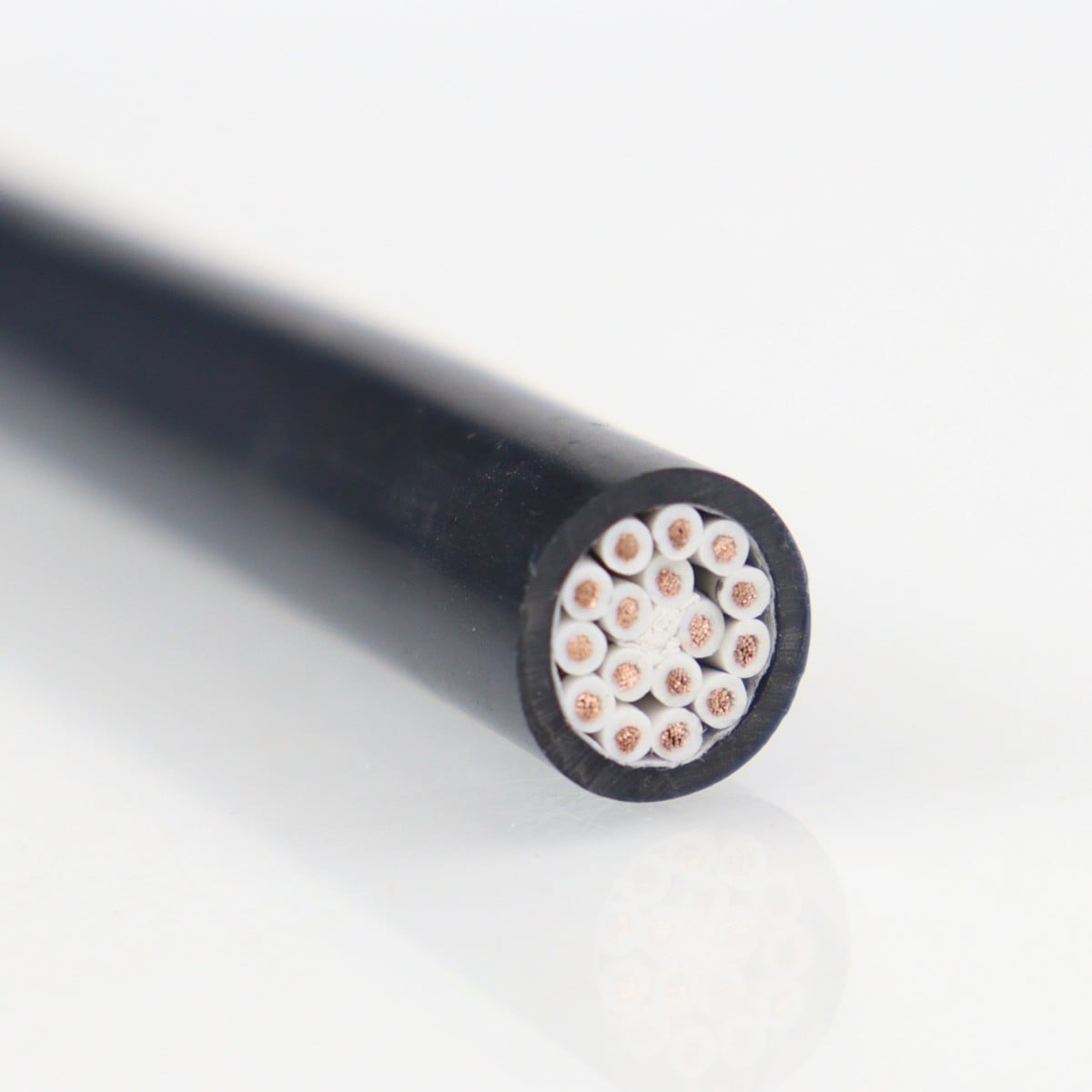
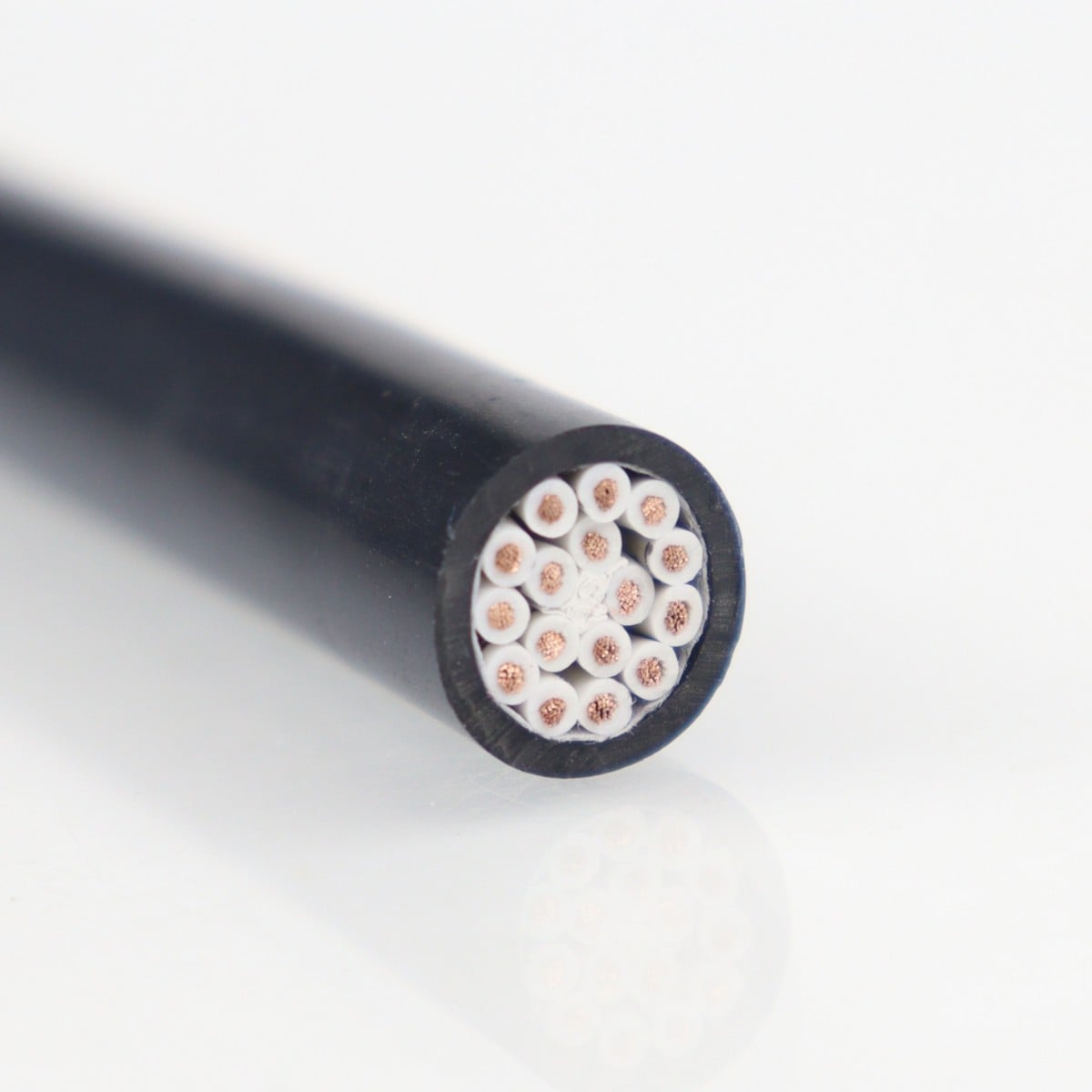
Record the required core count and conductor size before evaluating the installation. The source lists dimensional entries from 7 × 0.25 mm² through 25 × 1.5 mm², plus 3 × 2.5 mm² and 4 × 2.5 mm². The source also states that JZ and JB versions include a green-yellow protective conductor, while OZ and OB versions are supplied without one. Black numbered cores or colour-coded cores can be selected according to the wiring plan. the PUR-JTV cable therefore needs a configuration-specific review, not a generic model-level assumption.
Use the mobile minimum bend guidance of 10 × cable OD where the selected the PUR-JTV cable will move, and compare fixed portions with the published 5 × cable OD guidance. These figures do not eliminate the need to inspect actual geometry. A nominal minimum radius can look acceptable on a drawing while the finished clamp position creates a tighter local turn. Allow practical route clearance, avoid sharp edges, and verify that restraints hold the cable without pinching it.
During commissioning, run the machine slowly across its complete programmed movement. Look for persistent twist, sheath distortion, edge contact, or loss of connector strain relief. In a robot route, early changes in the moving segment are useful inspection prompts; they are not proof of a cable defect. If the cable is constrained in a way that accumulates twist, revise route geometry and restraint positions before assuming that a different model is required.
the PUR-JTV cable is published for industrial robot arms, robotic handling systems, automated production and assembly equipment, automotive manufacturing lines, welding robots, and other moving machinery. In each case, final suitability depends on the actual loads, travel, chemical contact, temperature exposure, and duty. For unusual environments or high-cycle operation, provide the operating details for technical confirmation before procurement and installation.
The cable should be considered with the finished machine, not in isolation. The electrical design, terminals, strain relief, cable management hardware, and programmed motion all affect the installed result. A supplier can describe the the PUR-JTV cable construction, but no published paragraph can describe every machine route. This system view gives maintenance teams a clearer record when they later compare observed wear with installation conditions.
This checklist is intentionally conditional. It does not declare a route acceptable without measurement, and it does not replace machine-level safety or electrical validation. It helps an integrator connect the documented data for PUR-JTV 300/500V TPE PUR Torsion Resistant Robot Cable to observable installation details. Where the completed route cannot respect the guidance, request a review of the selected build and application rather than relying on a general flexibility claim.
For a technical inquiry, provide the required core count, conductor size, protective-conductor arrangement, core marking, sheath colour, cable marking, cut length, packing preference, and intended motion profile. The source lists a 100 metre minimum order quantity and standard packing of 100 m or 305 m per spool or coil. Confirm availability, delivery, price, packing, and technical suitability for the requested configuration.
PUR-JTV 300/500V TPE PUR Torsion Resistant Robot Cable offers a documented TPE-insulated, PUR-sheathed construction for 300/500V moving automation routes. Its most useful differentiator is not a universal claim; it is the ability to compare defined construction data with the real machine path. Record the exact build, route dimensions, termination method, movement range, and environmental exposure. Then use that record to seek confirmation for the application and maintain a traceable basis for commissioning and later inspection.
Torsion Resistant Robot Cable PUR-JTV 300/500V single core cable uses IEC60228 Class 5 fine-stranded copper conductor, TPE jacket and braided shield. It withstands ±270° torsion movement, with good abrasion, oil, corrosion and UV resistance. Suitable for robot arm multi-directional motion, and comprehensive OEM customization is available.

 EN