pur-jtv-300/500v-tpe-pur-torsion-resistant-robot-cable, pur-jtv-300/500v-tpe-pur-torsion-resistant-robot-cable, /robot-cable
EN
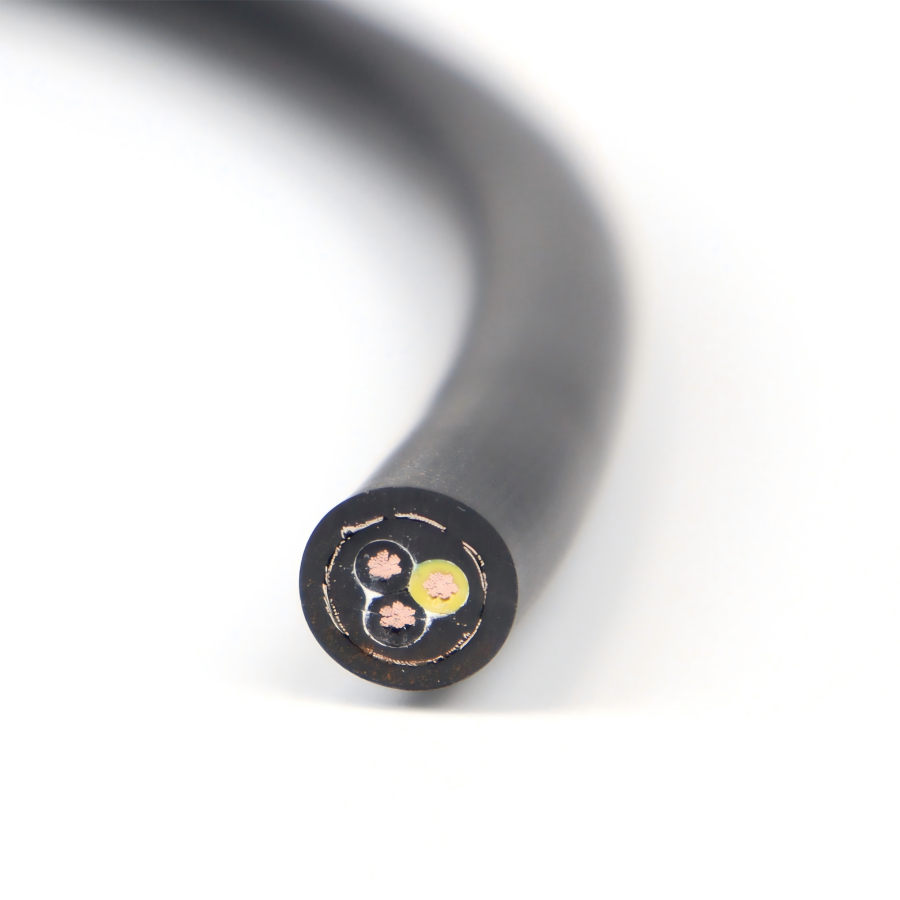
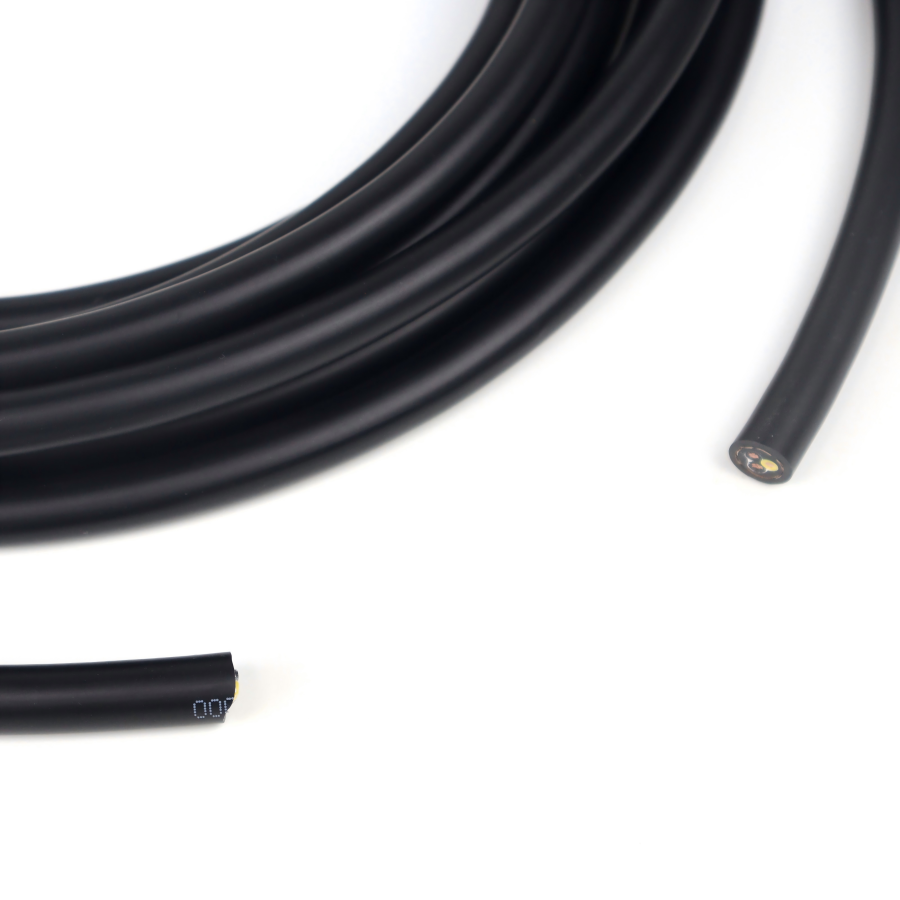
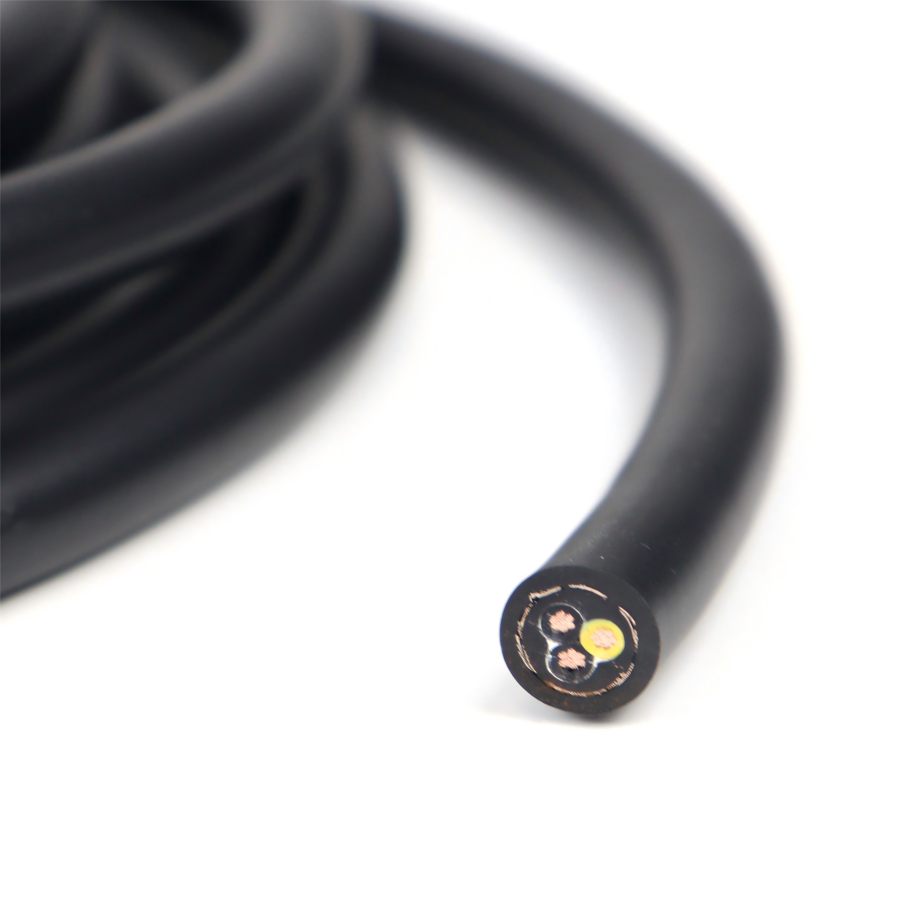
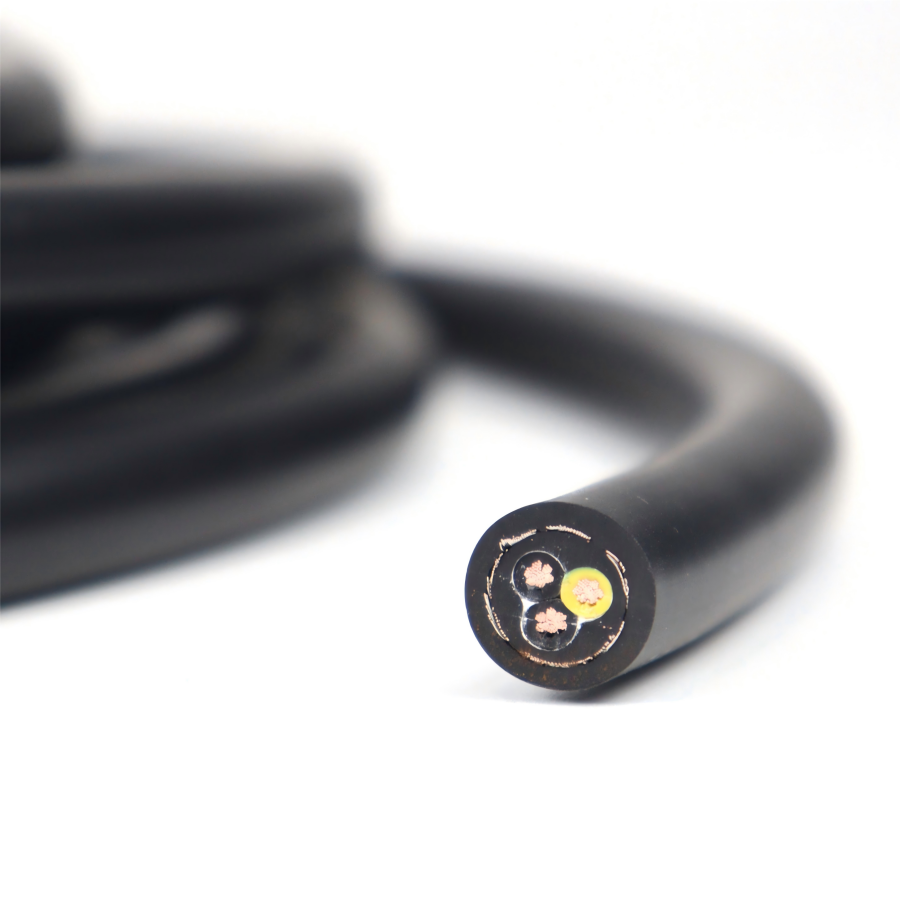
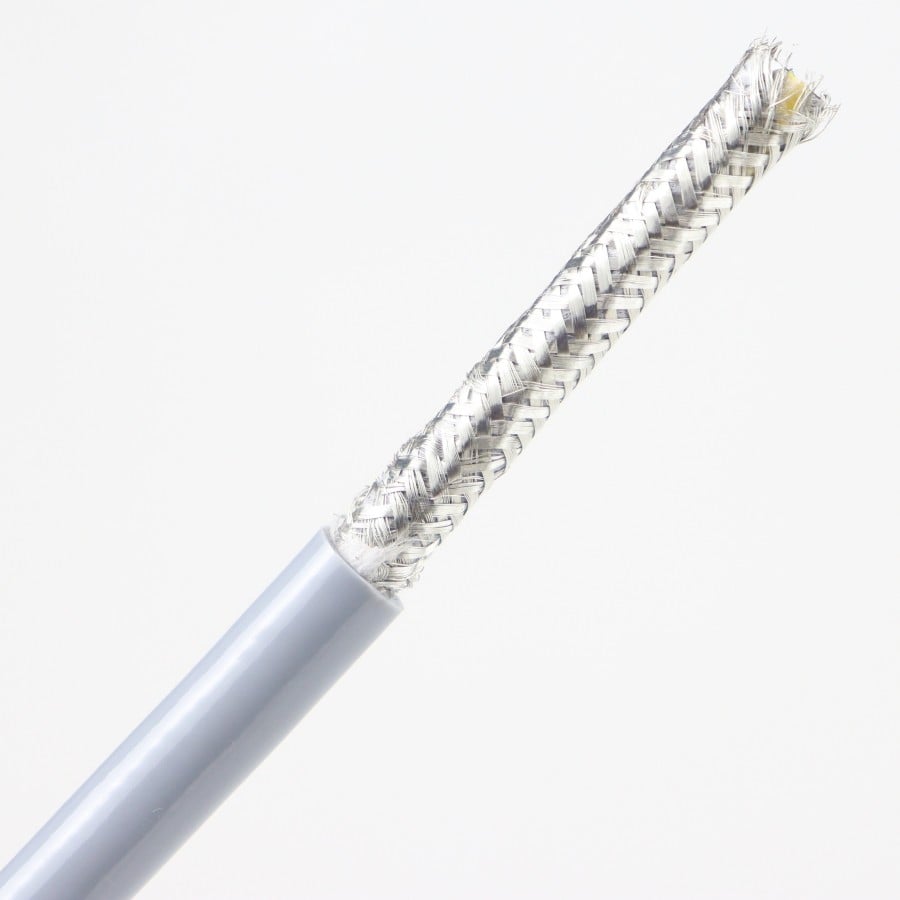
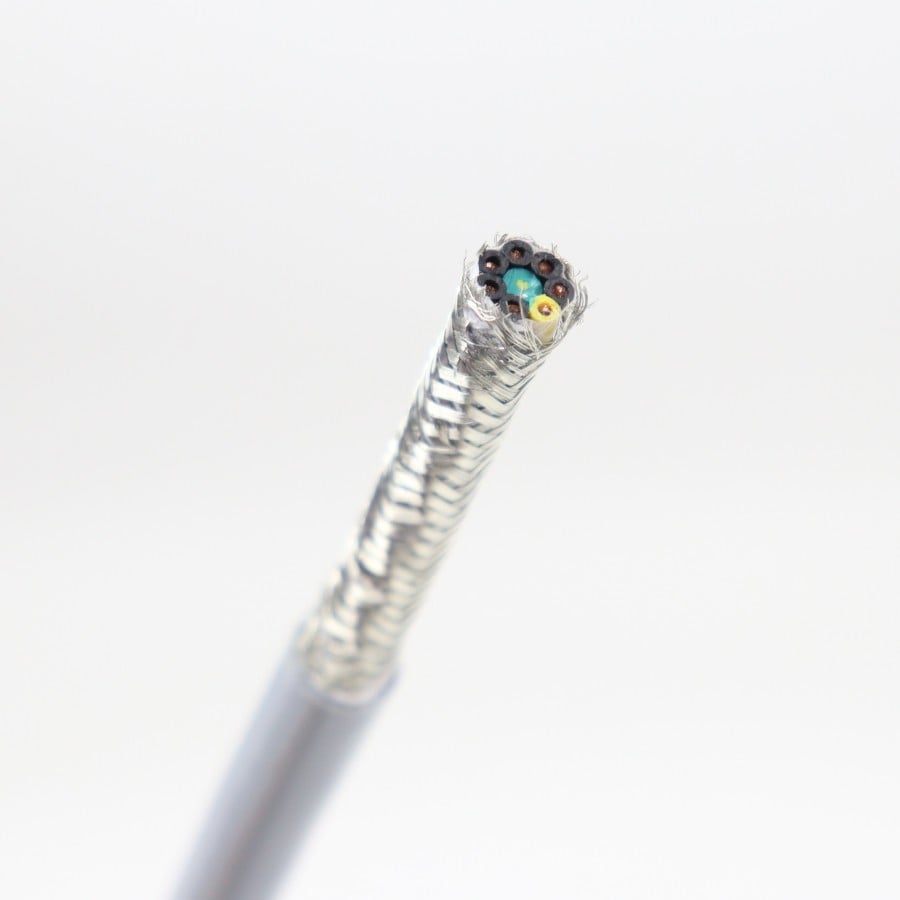
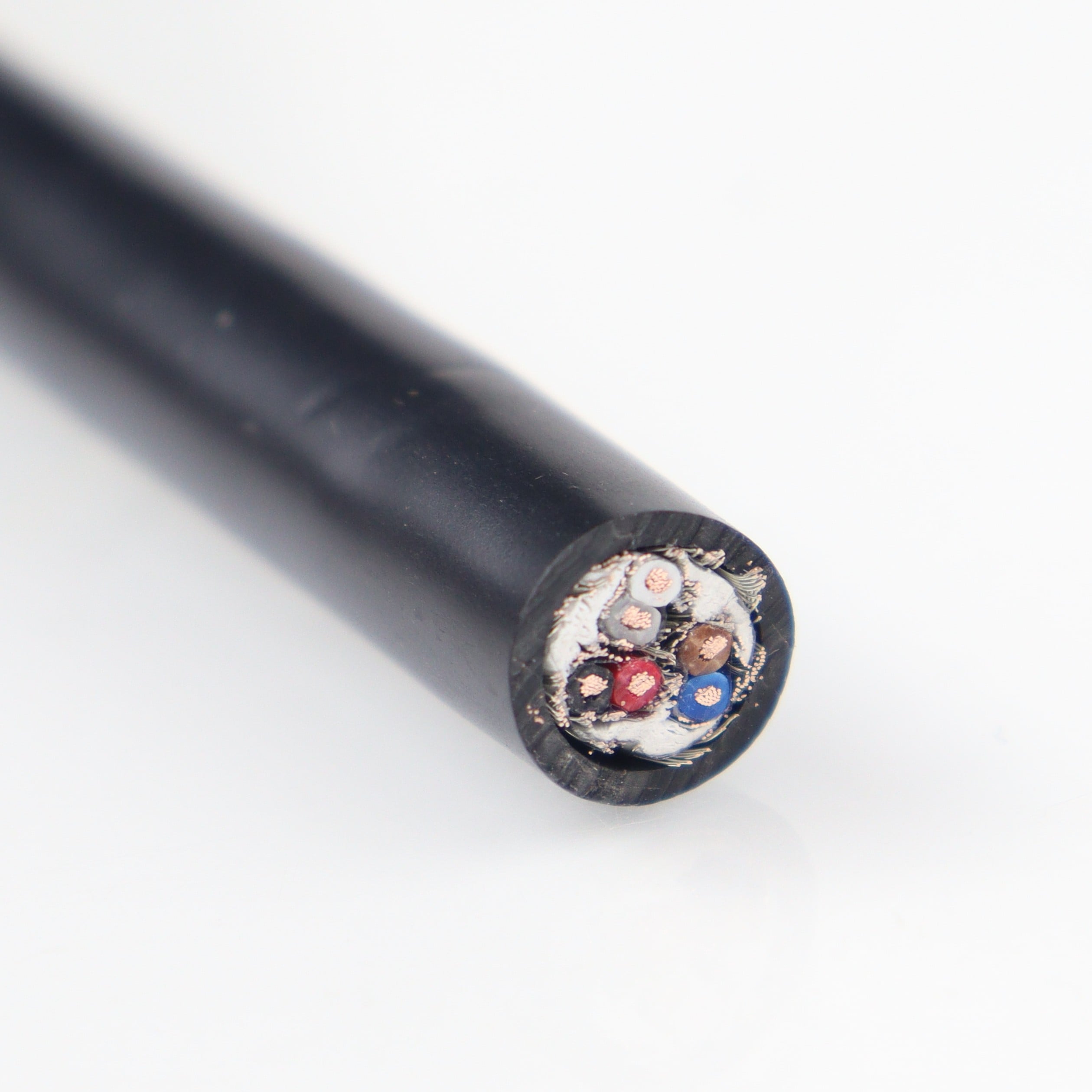
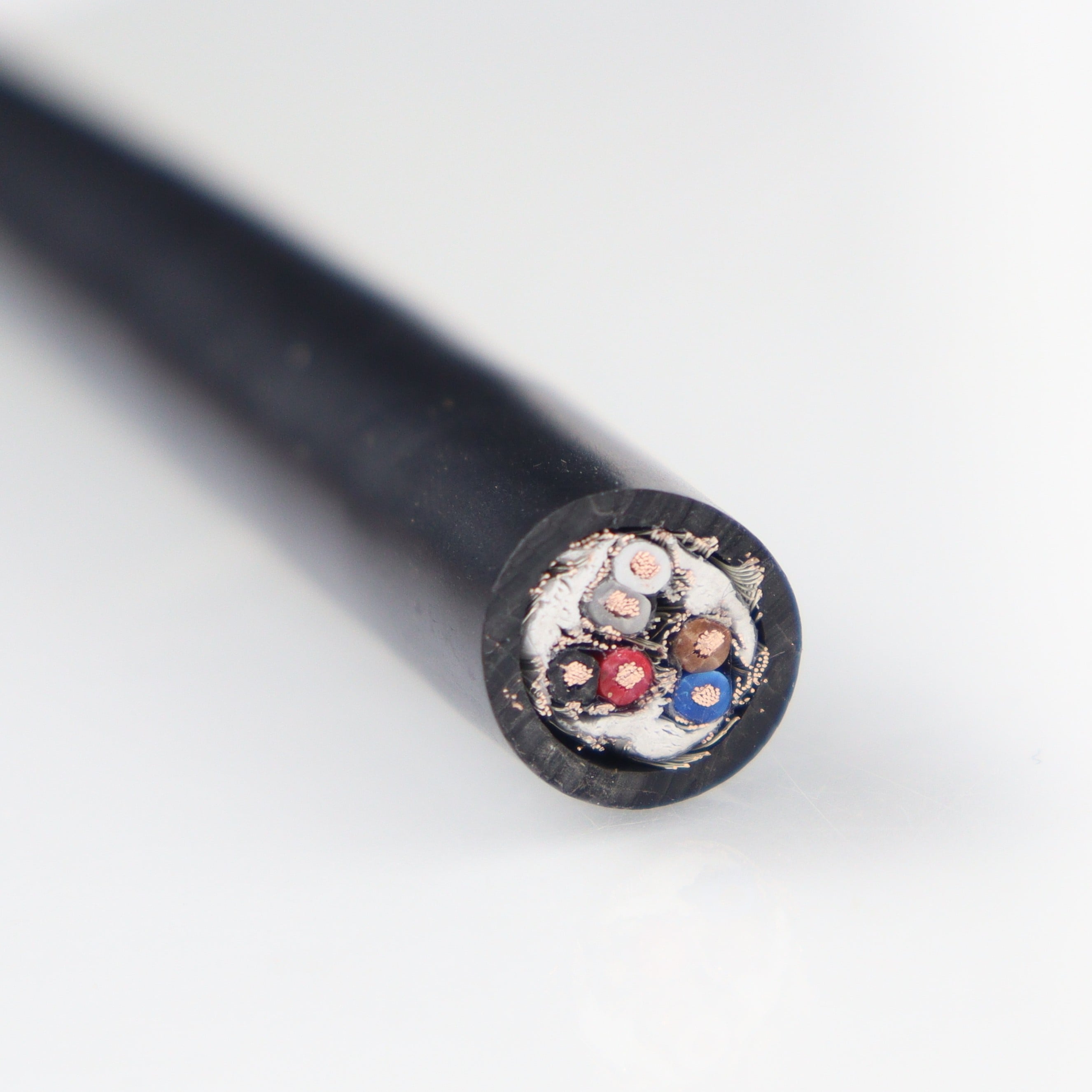
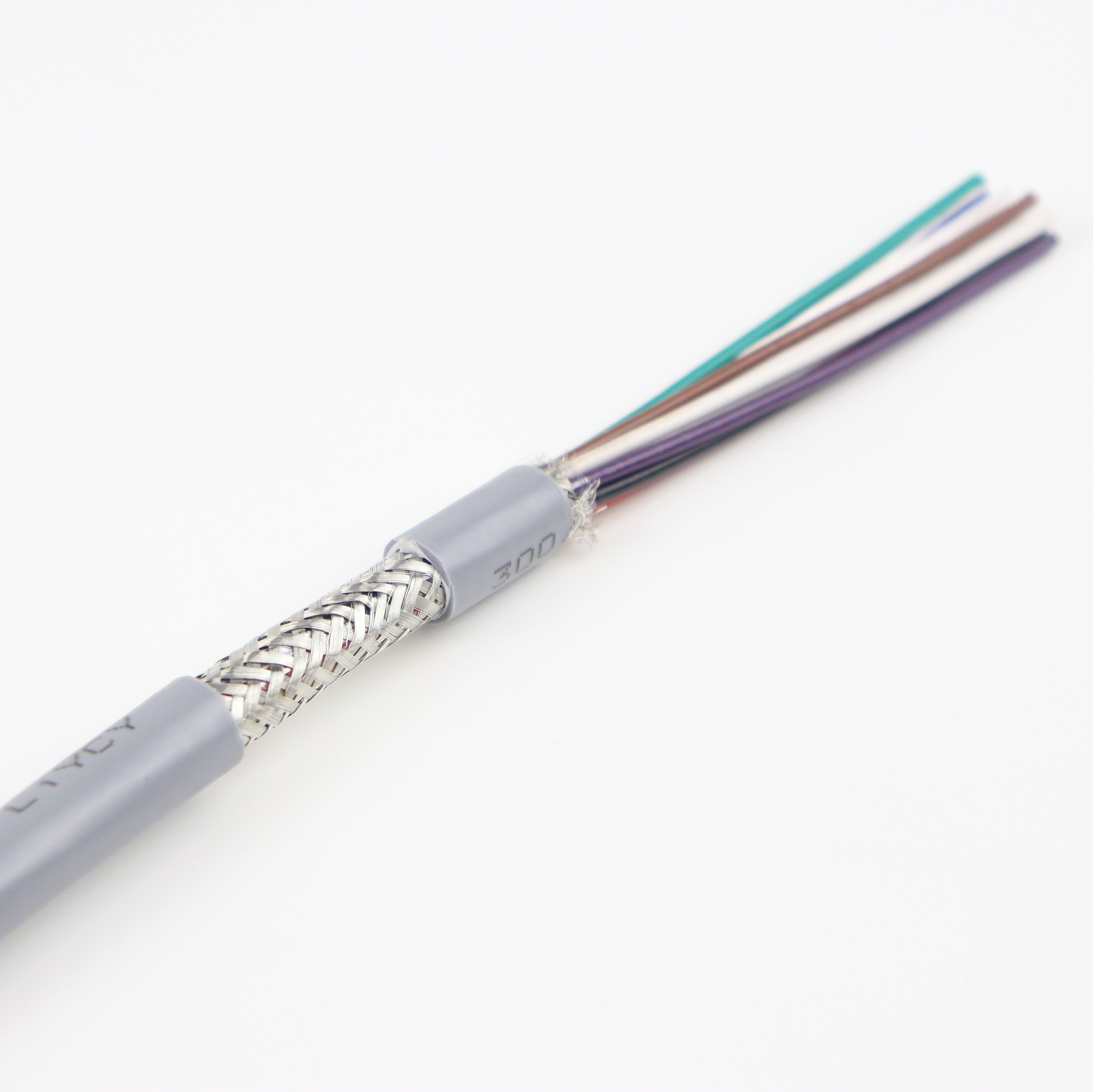
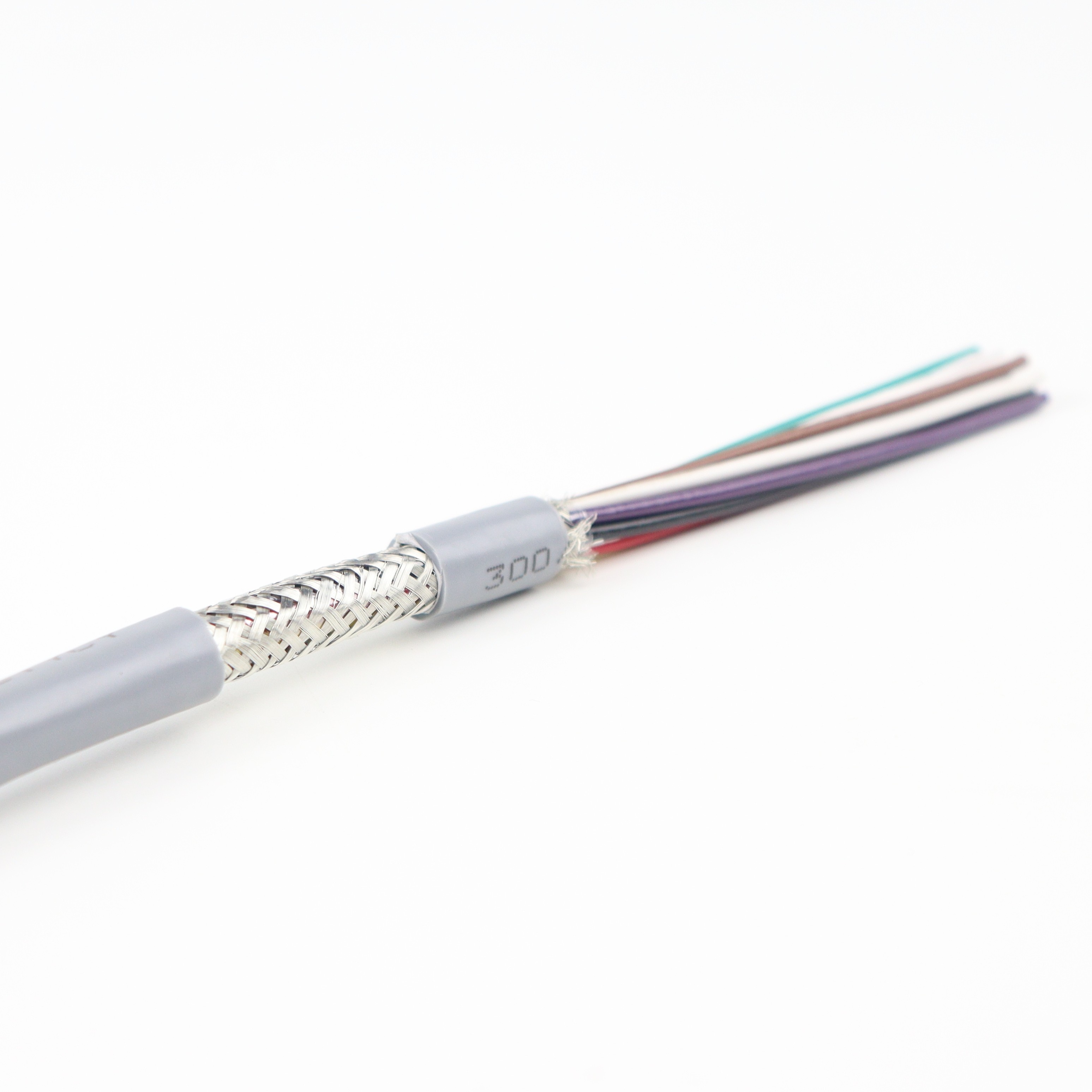
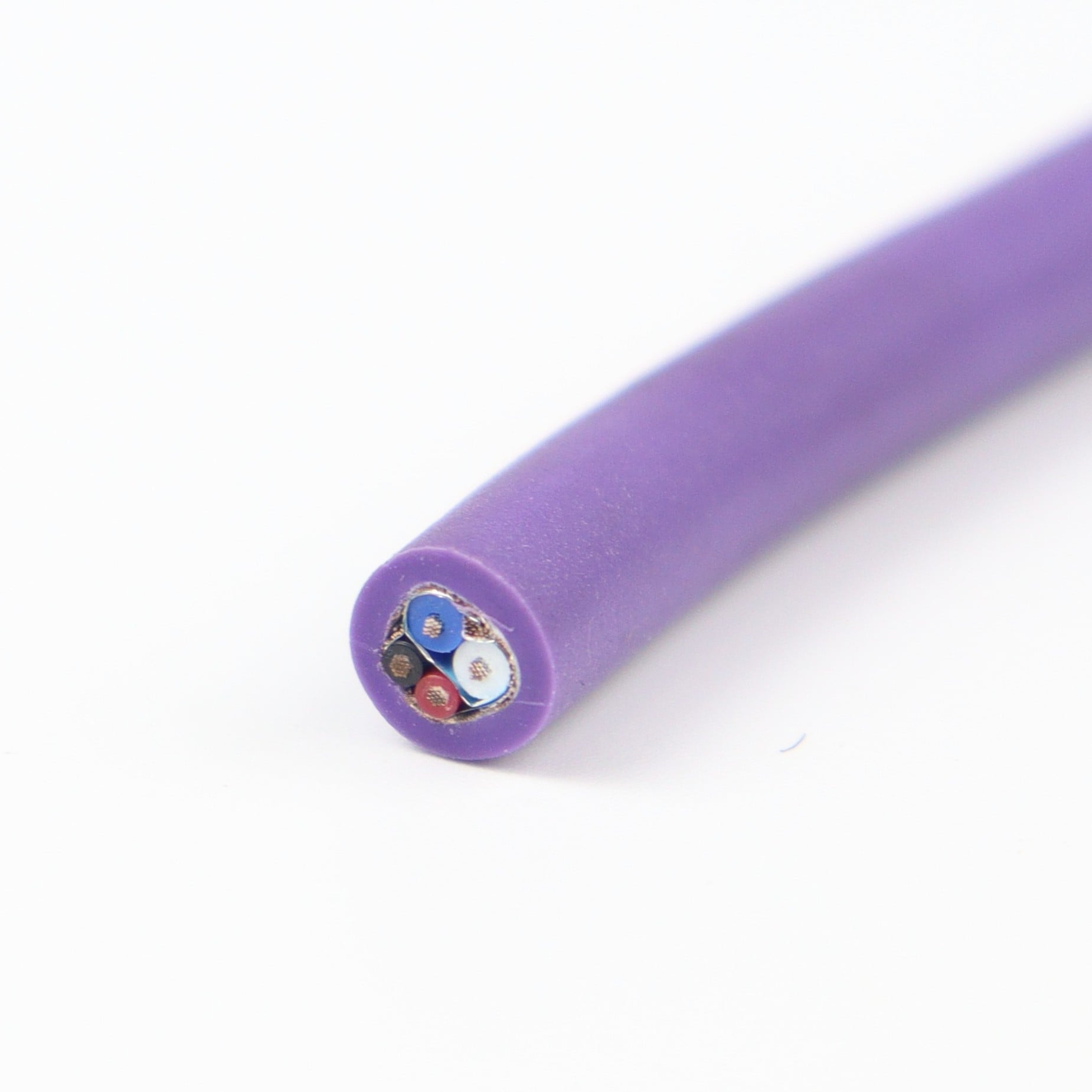
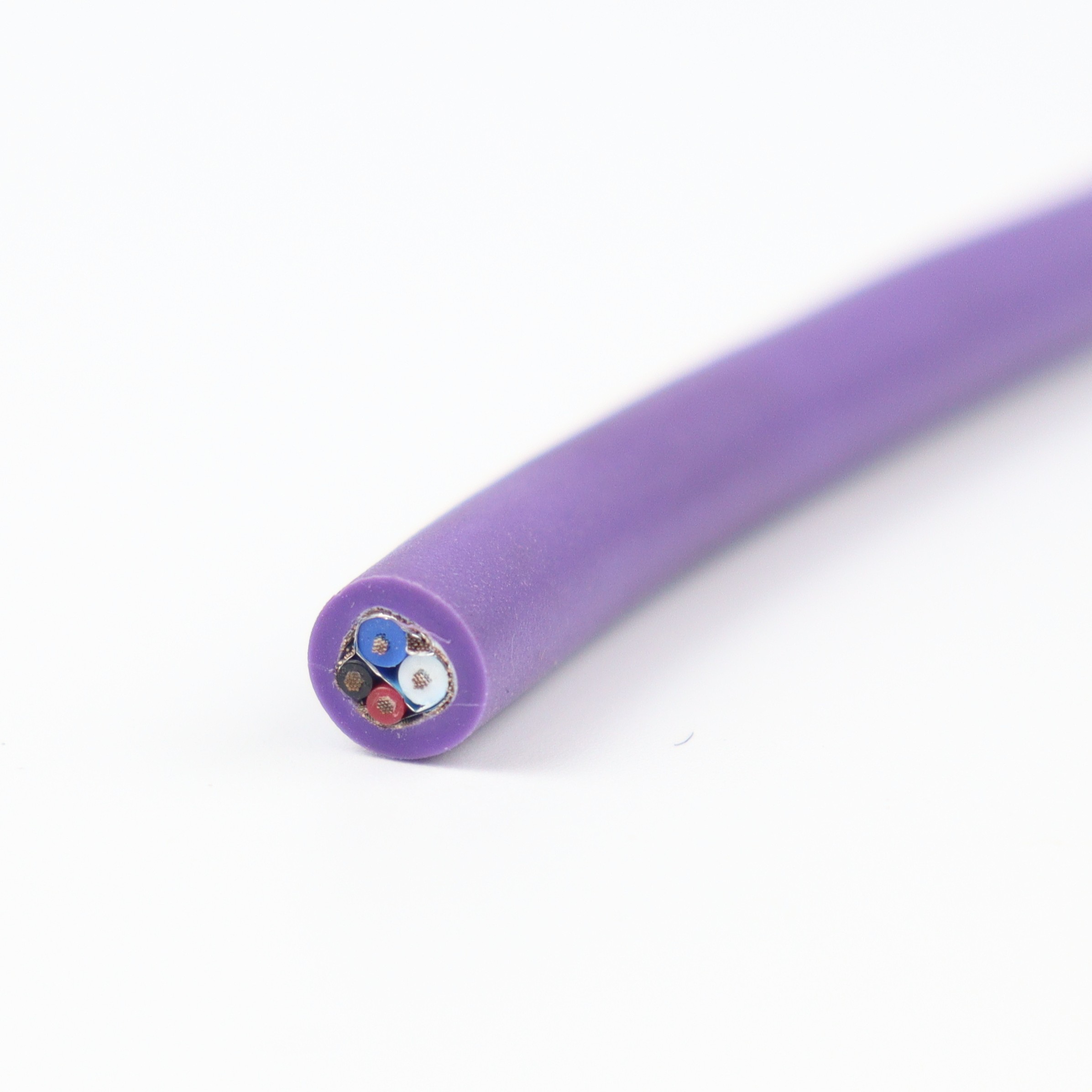
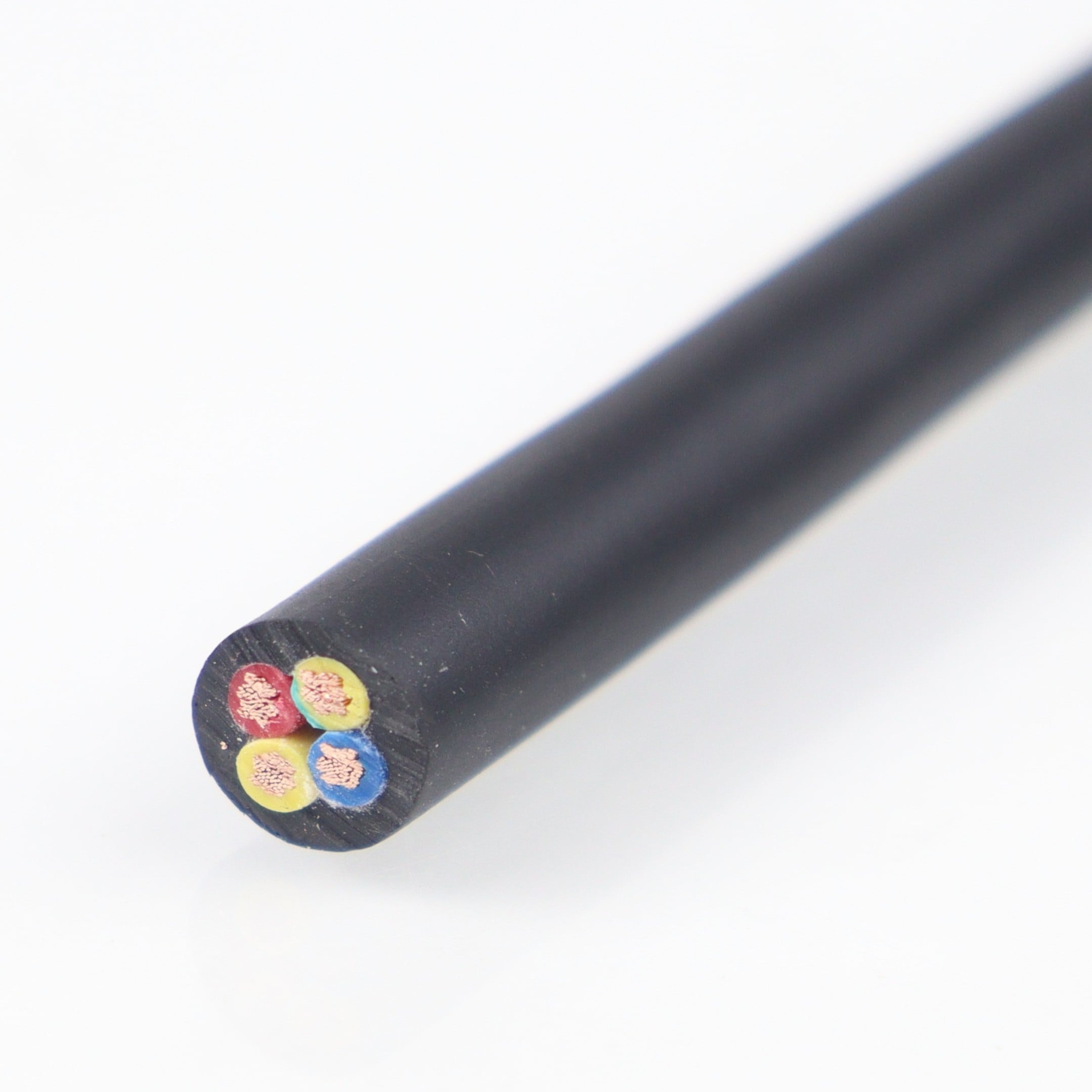
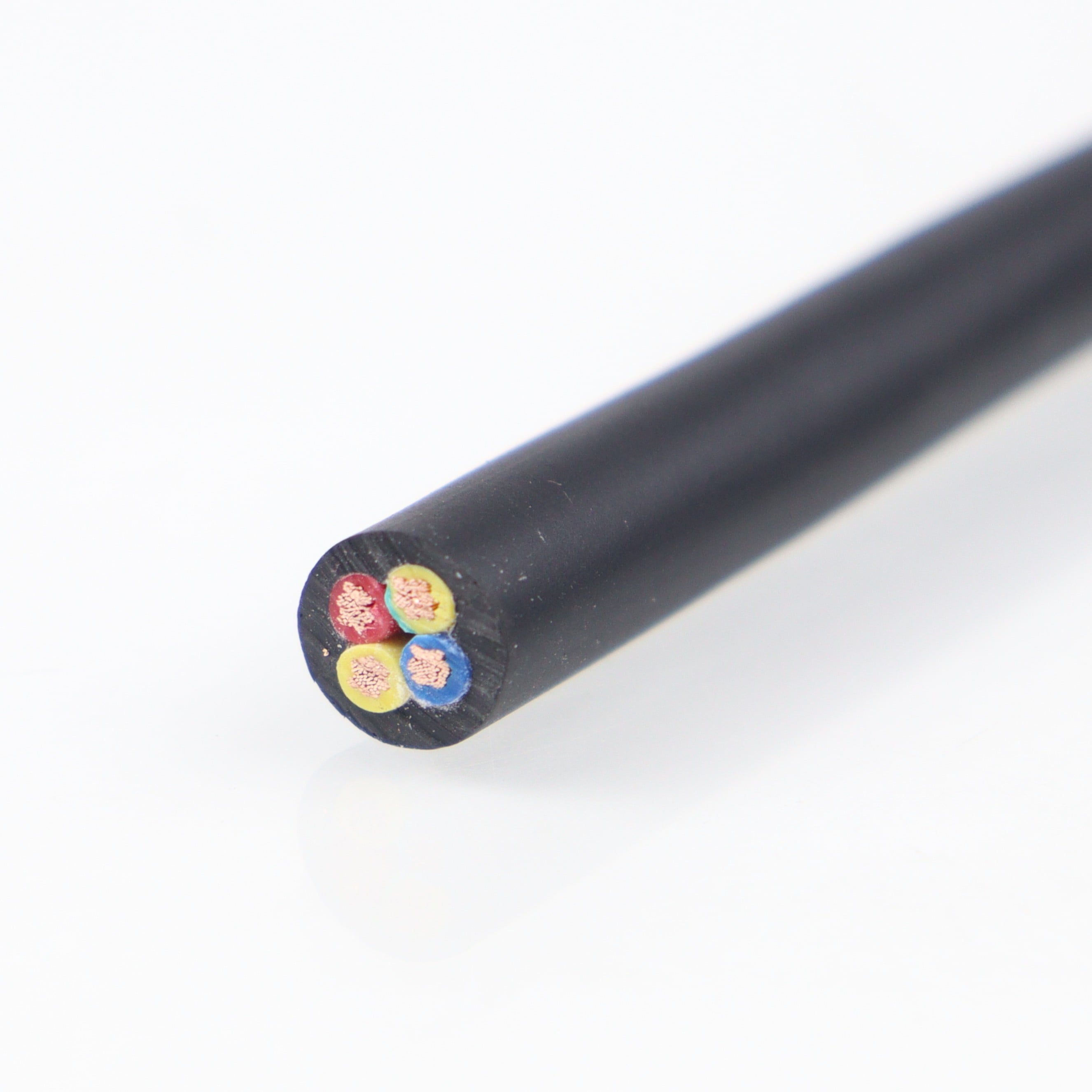
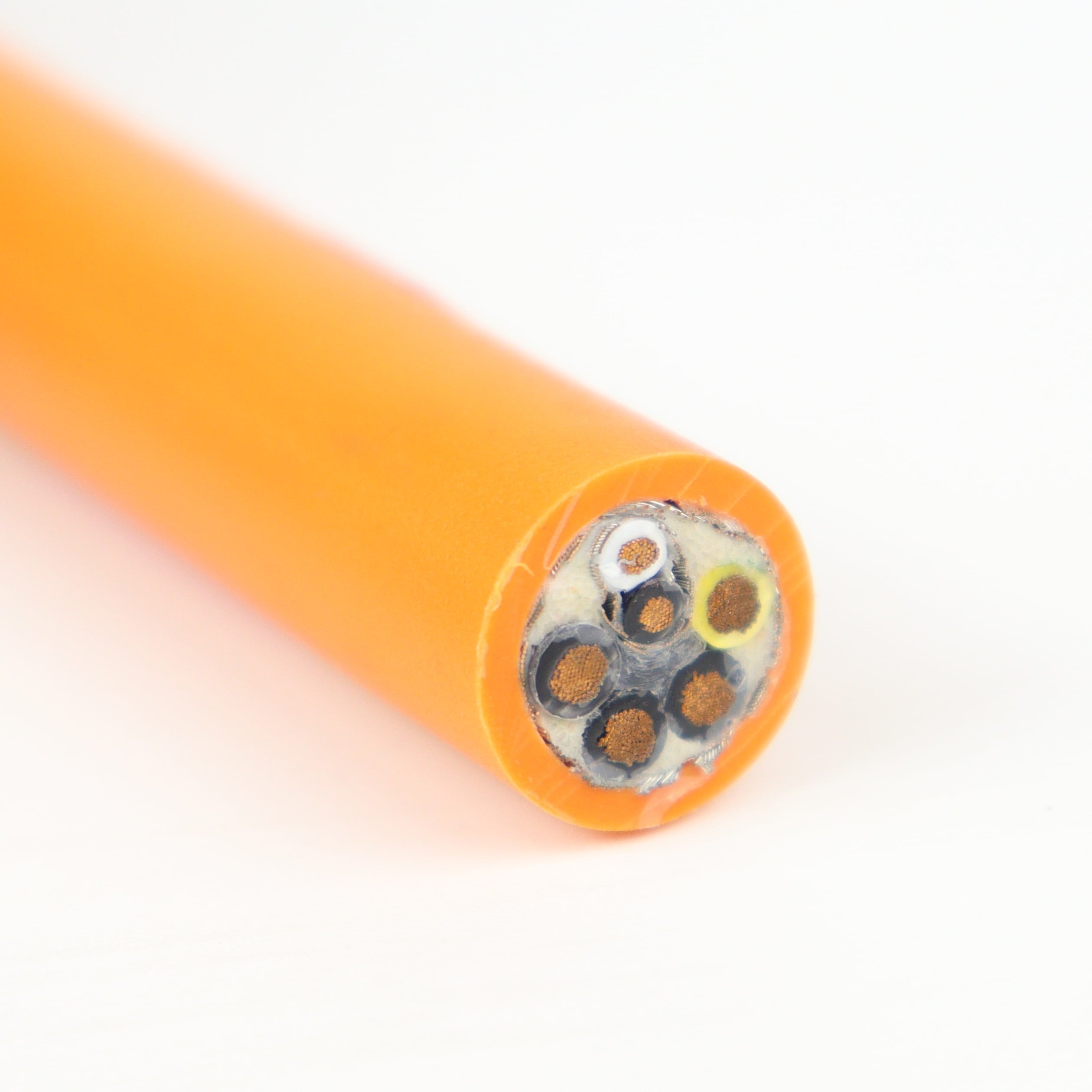
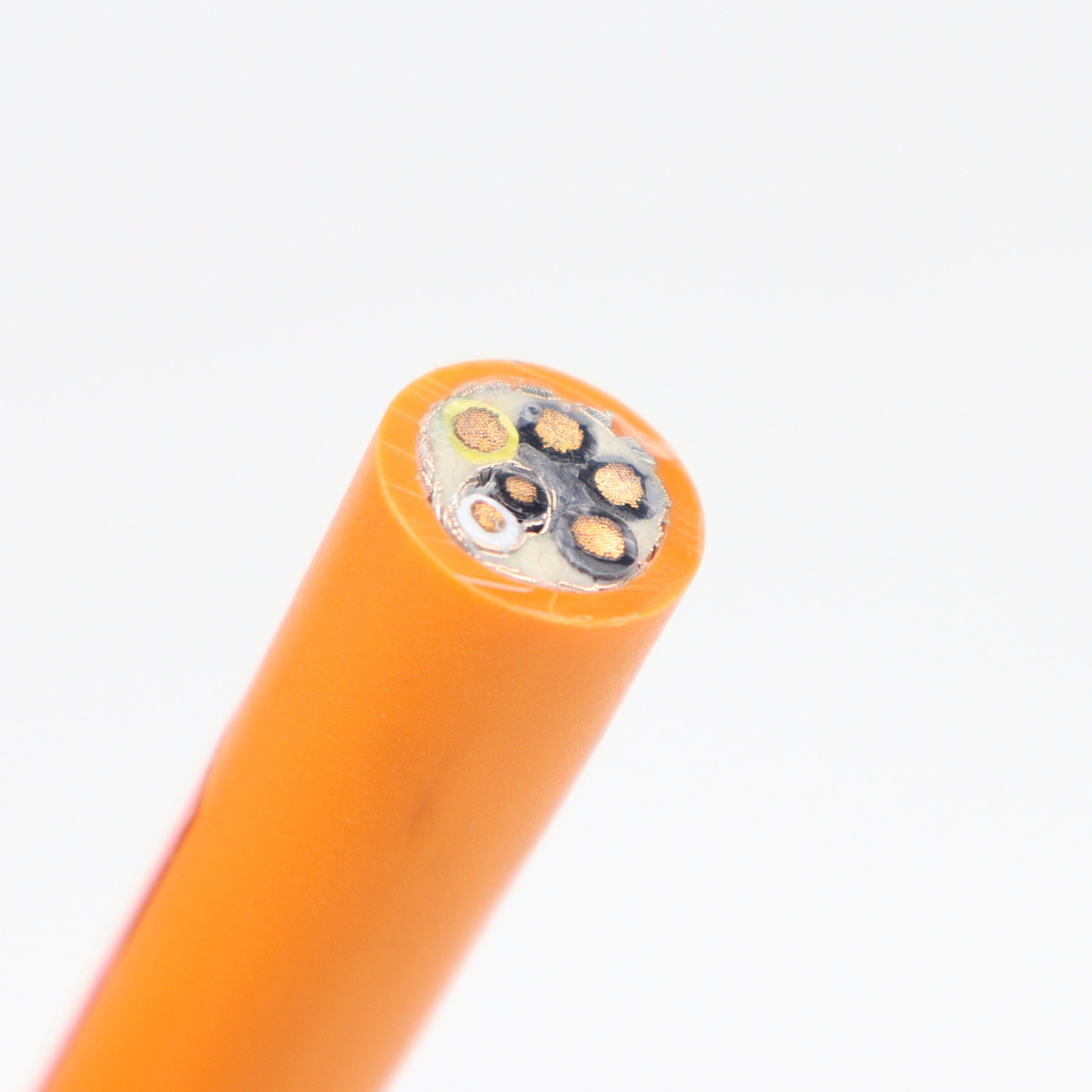
PURJTV 300/500V oil resistant control cable uses IEC60228 Class 5 fine-stranded copper conductor, TPE insulation and wear-resistant PUR sheath. It features oil and corrosion resistance, suits wiring in machine tool coolant areas, supports ±270° torsion for multi-directional equipment movement, and full-range OEM customization is available.
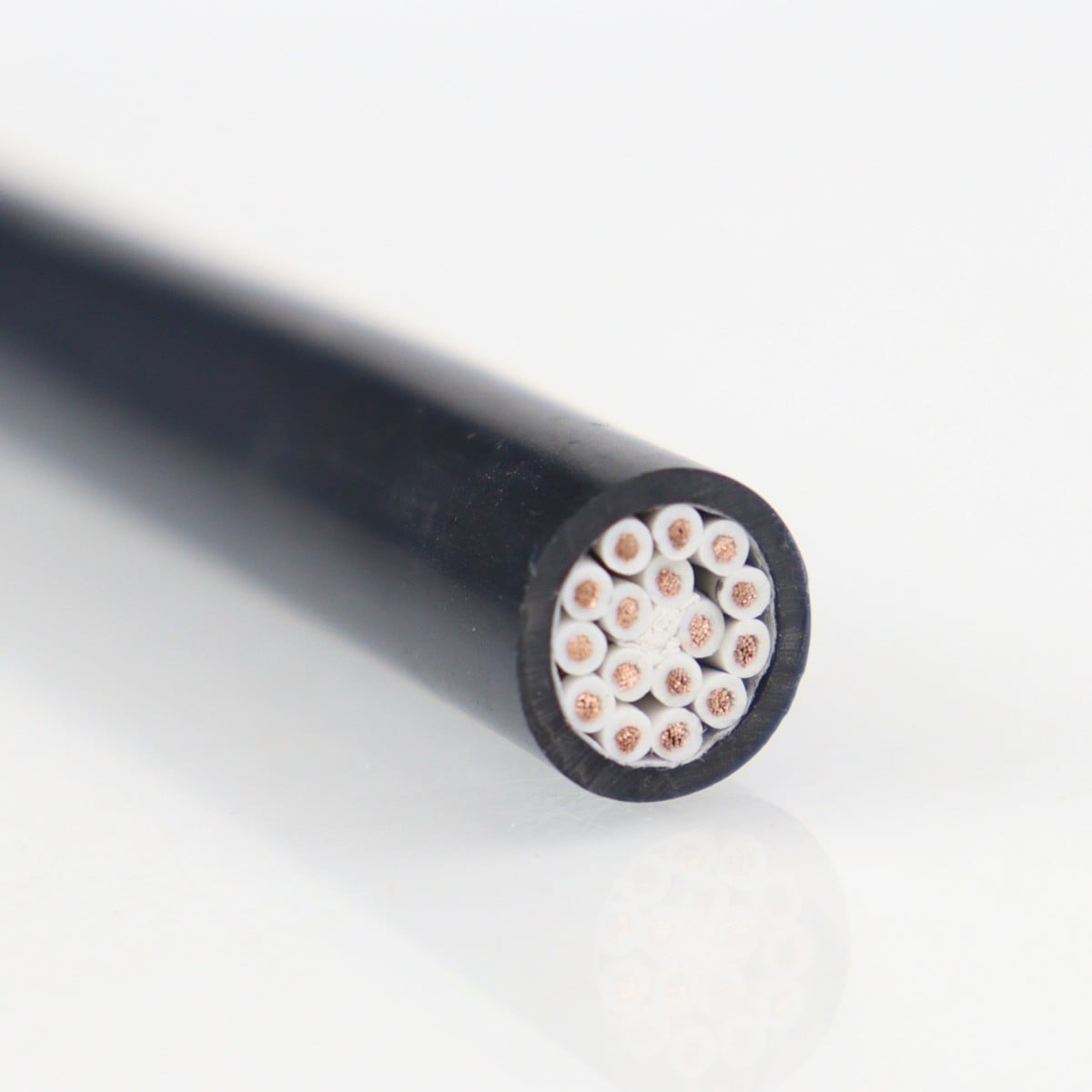
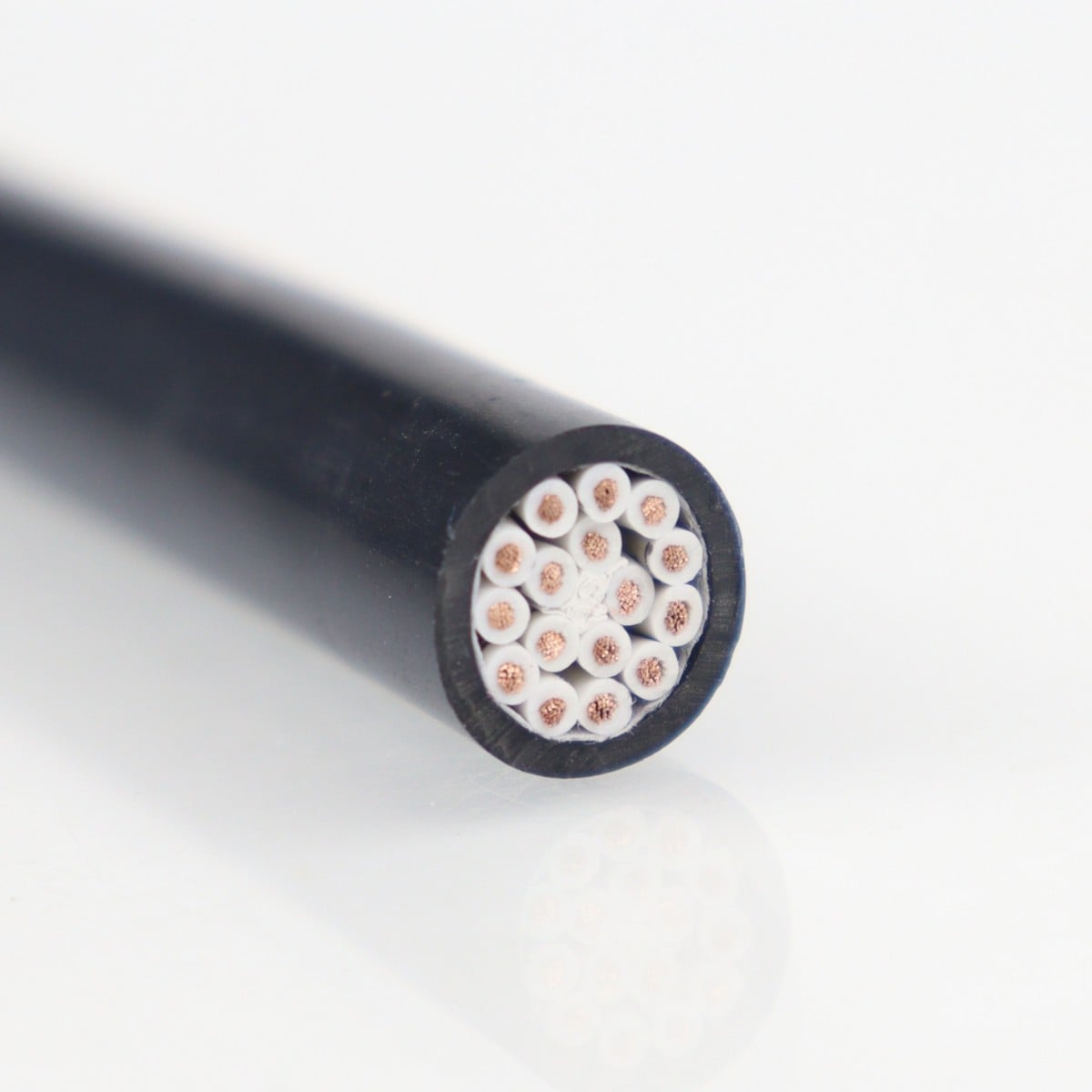
PUR-JTV 300/500V TPE PUR Torsion Resistant Robot Cable is an industrial flexible cable series for power and control connections in machinery where the installed route includes planned bending and rotational movement. The published construction combines IEC 60228 Class 5 fine-stranded bare copper conductors, TPE core insulation and a PUR outer sheath. It provides a defined starting point for evaluating robot arms, handling equipment, automated assembly stations and welding robots. Final suitability, however, depends on the exact ordered construction and the complete machine installation.
For moving equipment, cable selection is not only a voltage-rating decision. First confirm the circuit, conductor arrangement and installation type. Then review the bend path, torsional travel, clamps, clearance and strain relief. Finally, verify the chosen variant against the actual route. This practical sequence helps engineering and procurement teams compare the cable description with the conditions the cable will experience after installation.
| Item | Published series reference |
|---|---|
| Series | PUR-JTV |
| Nominal voltage marking | 300/500V |
| Conductor construction | IEC 60228 Class 5 fine-stranded bare copper |
| Core insulation | TPE |
| Outer sheath | PUR |
| Specified test level | 2000V |
| Published service-temperature range | -40°C to +80°C |
| Stated torsion reference | ±270° |
| Bend guidance | 5 cable outside diameters fixed; 10 mobile |
| Flame-test listing | IEC 60332-1-2 |
The supplied examples span conductor sizes from 0.25 mm² to 2.5 mm². Core count, cross-section, outside diameter, mass and handling characteristics vary by selected variant. A published reference is useful for comparison, but it is not a substitute for confirming the requested construction, dimensions and installation requirements.
A cable can match the nominal voltage and still be poorly matched to the installed system. The connector, guide, clamp spacing, entry geometry and unsupported span influence the finished route. In practice, a tight turn at a clamp or uncontrolled rotation near a joint can be more limiting than the headline product description. That is why PUR-JTV 300/500V TPE PUR Torsion Resistant Robot Cable should be evaluated as one part of the machine system rather than as an isolated component.
For a robot joint or handling device, map the complete motion envelope before release. Review the direction of rotation, attachment positions, transitions at covers and clearance at each bend. PUR-JTV 300/500V TPE PUR Torsion Resistant Robot Cable can be considered for routes involving repeated bending and torsion when the selected construction and the actual movement pattern are confirmed together.
In assembly machinery, identify fixed and mobile sections before defining bend areas. Compare planned mobile bends with the stated guidance and inspect the route through its intended travel range. Maintain clearance where the cable enters moving arms, guards, guides and support systems. A flexible construction is useful, but it does not automatically validate every routing geometry.
The supplied material identifies robot arms, automated equipment and welding robots as application references. It also states oil, UV, corrosion and abrasion resistance. Compatibility should still be reviewed for the actual fluid or chemical, duration of contact, temperature, mechanical contact and installation environment. Where these conditions are not fully defined, request confirmation for the final configuration rather than treating a generic material description as universal approval.
A technical enquiry is more useful when it records rated voltage, required core count, conductor cross-section, identification method, protective-conductor requirement, length and packing preference. The supplied information states that JZ and JB versions include a green-yellow protective conductor, while OZ and OB versions omit it. Black numbered cores and colour-coded cores may be selected according to the wiring plan.
Before installation, document the selected part number, conductor arrangement, route dimensions, clamp locations, moving-axis travel, environmental exposures, termination method, and inspection plan so later maintenance can compare observed wear with design assumptions.
Keep the installed route within the supplied bend guidance. Avoid sharp edges, pinch points, uncontrolled rotation and rubbing against moving parts. Provide clearance at bends and entries into mobile equipment. During commissioning, inspect the cable at slow speed across the complete programmed range. Sheath abrasion, wrinkling, deformation or unexpected twist are practical signals to review the route, guide, clamp and connector strain relief before normal duty continues.
Final suitability for PUR-JTV 300/500V TPE PUR Torsion Resistant Robot Cable depends on the verified circuit, selected variant, movement pattern, environment and installation method. Share complete route and configuration information for a technical review or quotation. A documented match between the chosen construction and the finished machine route offers a more reliable basis for maintenance and future changes than a generic assumption.
PURJTV 300/500V oil resistant control cable uses IEC60228 Class 5 fine-stranded copper conductor, TPE insulation and wear-resistant PUR sheath. It features oil and corrosion resistance, suits wiring in machine tool coolant areas, supports ±270° torsion for multi-directional equipment movement, and full-range OEM customization is available.

 EN