Underground High Voltage Cable Solutions

application/underground-high-voltage-cable, application/underground-high-voltage-cable, 
Inquiry
Inquiry

underground high voltage cable

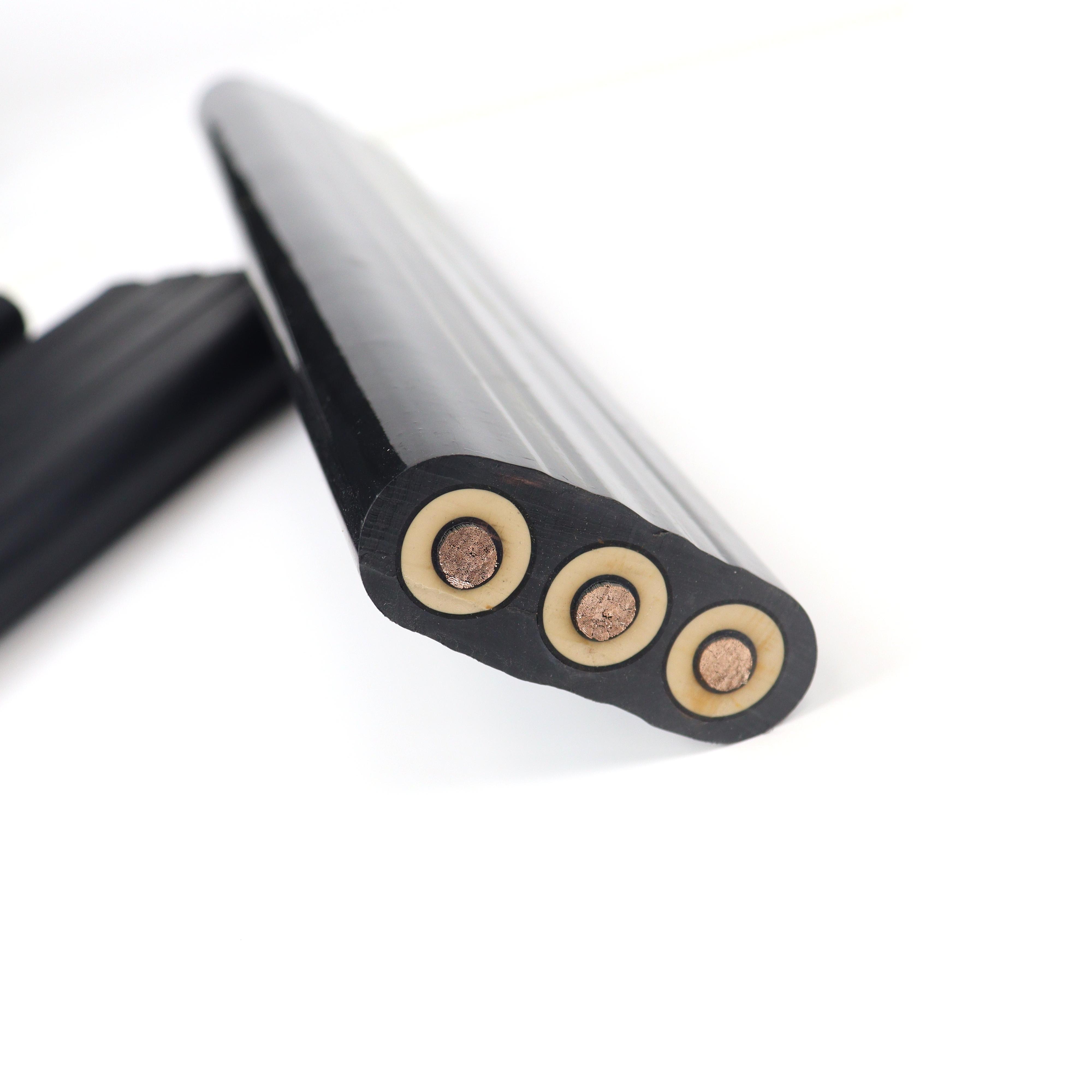
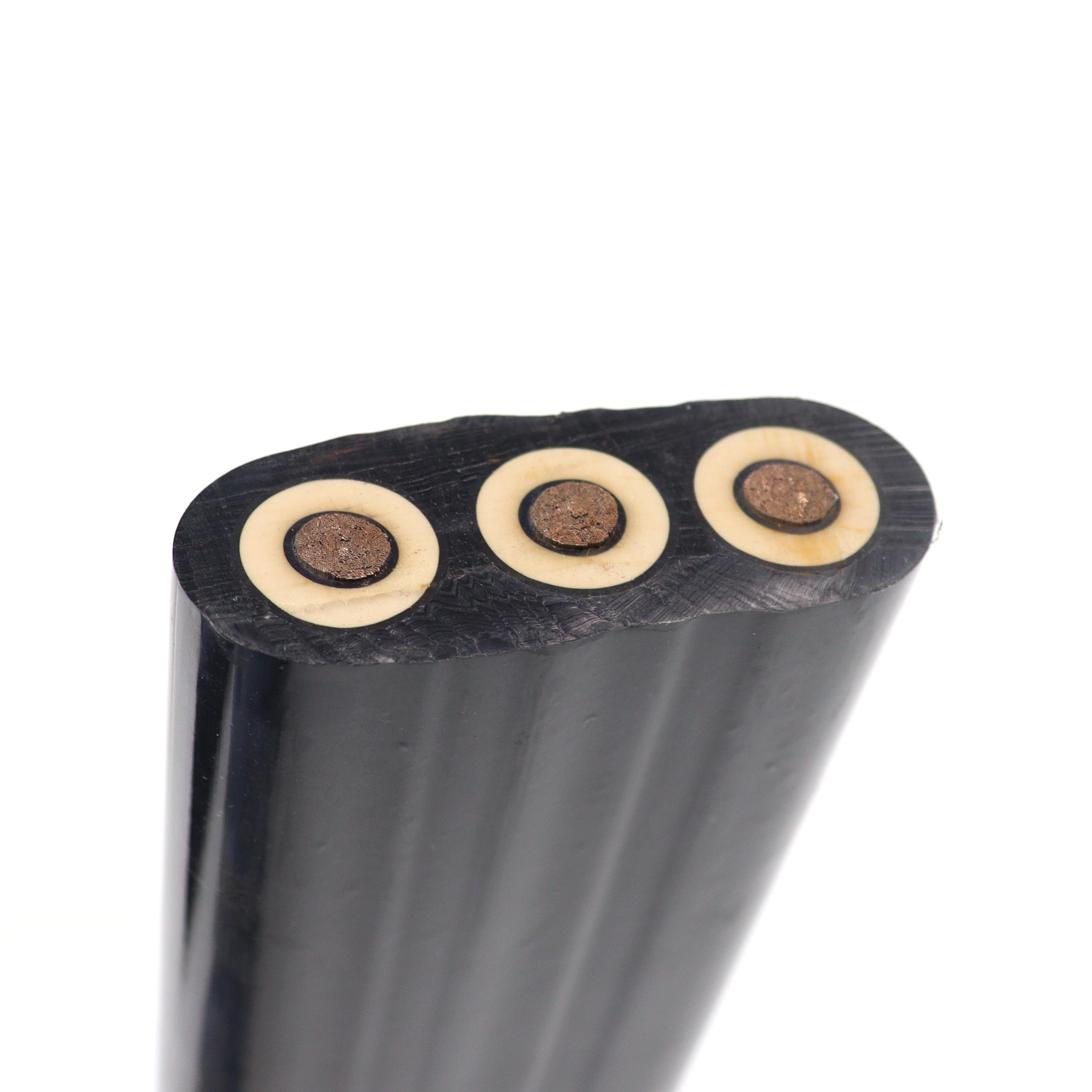
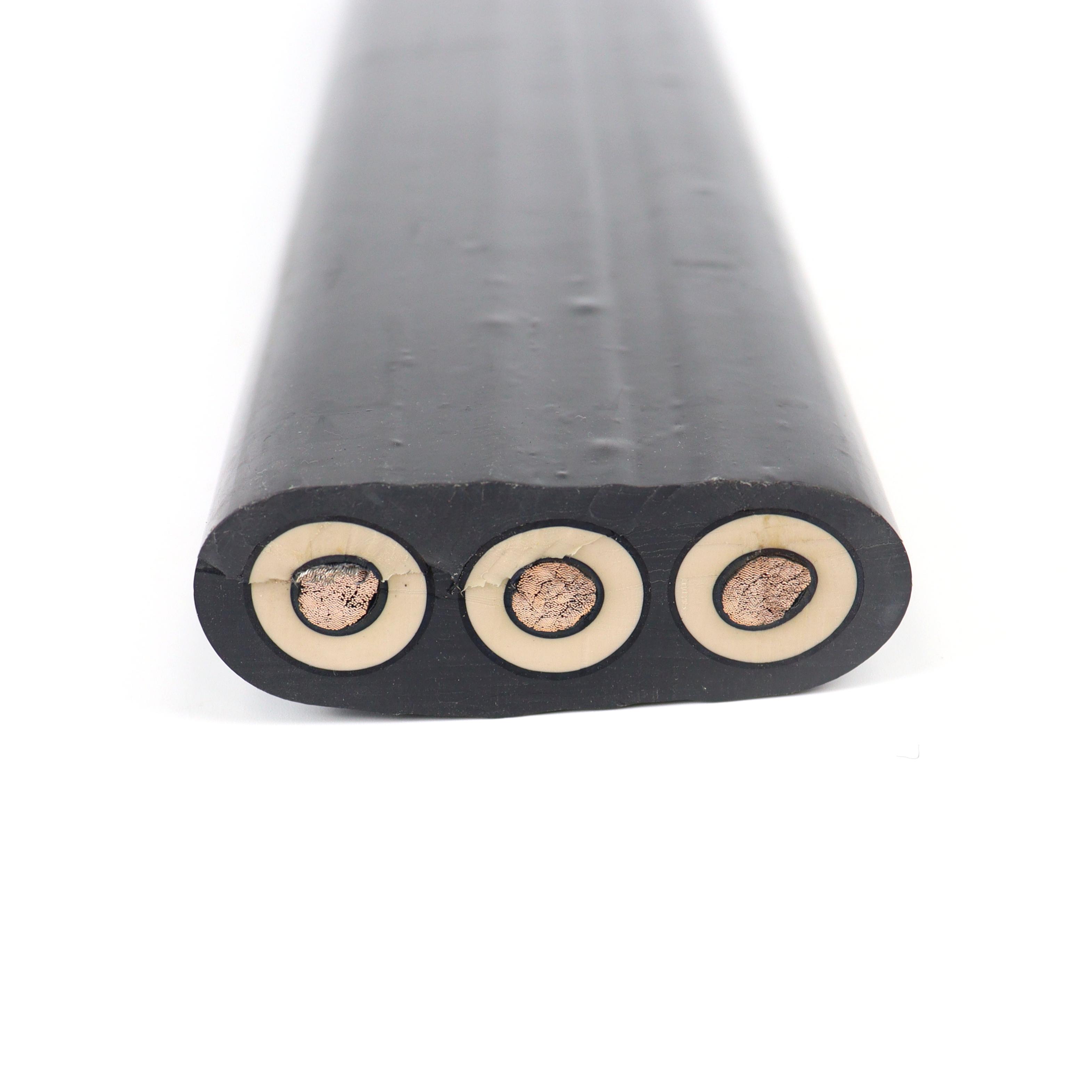
An underground high voltage cable is a power transmission cable designed to carry electricity at high voltage beneath roads, soil, buildings, and industrial sites. By moving power below ground, an underground high voltage cable reduces exposure to wind, ice, falling branches, vehicle contact, and severe weather. It normally includes a copper or aluminum conductor, insulation, a metallic screen, protective bedding, and an outer jacket. Each layer helps control electrical stress, limit moisture entry, improve safety, or protect the cable during installation. An underground high voltage cable may use cross-linked polyethylene insulation because this material handles heat, electrical load, and long operating periods effectively. A carefully engineered underground high voltage cable also controls heat through suitable conductor size, installation depth, spacing, and soil conditions. Utility owners use underground high voltage cable networks to connect substations, renewable energy plants, factories, transport systems, data centers, and large commercial facilities. An underground high voltage cable can carry power over short urban routes or longer links between generation and distribution points. Jointing kits, terminations, grounding systems, and testing equipment complete the installation. The right underground high voltage cable depends on voltage rating, current capacity, route length, soil condition, installation method, fault level, and local standards. Engineers may install it in ducts, trenches, tunnels, or direct-buried routes. Compared with overhead lines, an underground high voltage cable requires more planning and specialized installation, but it offers a clean appearance and strong route protection. Modern monitoring can track temperature, faults, and insulation condition, helping operators manage an underground high voltage cable network with greater confidence. Buyers should review test reports, warranty terms, service support, and total project cost before selecting an underground high voltage cable supplier.
An underground high voltage cable gives power owners a protected and dependable route for electricity. Unlike exposed lines, an underground high voltage cable stays clear of wind damage, tree contact, lightning exposure, and many public safety risks. This protection can reduce weather-related outages and support more stable service for homes, factories, hospitals, rail systems, and commercial buildings. An underground high voltage cable also uses valuable land efficiently. It leaves the surface open for roads, parks, farms, walkways, and construction, while avoiding the visual impact of towers and large overhead conductors. For cities and sensitive locations, an underground high voltage cable can improve appearance and simplify route approval. An underground high voltage cable can also support higher network capacity when engineers match conductor size, insulation design, and cooling conditions to the load. Its protected position helps reduce accidental contact, vandalism, and damage from vehicles or equipment. When installed correctly, an underground high voltage cable provides a long service life with predictable operating performance. This can lower disruption costs and protect revenue for businesses that cannot tolerate extended power loss. Buyers should remember that an underground high voltage cable usually costs more to install because trenching, duct work, jointing, testing, and restoration require skilled teams. However, lifecycle value may improve when the route faces severe weather, dense development, or strict visual requirements. An underground high voltage cable suits urban expansion, airport projects, industrial parks, solar farms, wind farms, and utility upgrades. A complete purchase decision should compare voltage class, conductor material, insulation, screen design, fire behavior, bend radius, fault protection, installation method, delivery schedule, and technical support. Choosing an underground high voltage cable with verified factory testing and clear documentation reduces project risk. Buyers should also confirm spare lengths, joint accessories, maintenance access, and local compliance before ordering. This practical review helps match an underground high voltage cable to both present demand and future network growth.

Tips And Tricks

Shanghai Libin Cable Showcases Robot and Automation Cable Solutions at CMES Shanghai Industrial Automation & Robotics Exhibition

16

Oct

Shanghai Libin Cable Showcases Robot and Automation Cable Solutions at CMES Shanghai Industrial Automation & Robotics Exhibition

View More
Shanghai Libin Cable Showcases Crane Cable Solutions at the 11th China (Changyuan) International Crane Equipment Expo

16

Oct

Shanghai Libin Cable Showcases Crane Cable Solutions at the 11th China (Changyuan) International Crane Equipment Expo

View More
Why Drag Chain Cables Fail: Four Common Causes and How to Select Correctly

16

Oct

Why Drag Chain Cables Fail: Four Common Causes and How to Select Correctly

View More
Industrial Robot Combination Cable: Routing Power and Signal Together in a Small-Bend-Radius Drag Chain

16

Oct

Industrial Robot Combination Cable: Routing Power and Signal Together in a Small-Bend-Radius Drag Chain

View More

Get a Free Quote

Our representative will contact you soon.
0/1000
Reliable Protection Below Ground

Reliable Protection Below Ground

The main value of an underground high voltage cable is its protected location. Buried construction shields an underground high voltage cable from strong wind, ice, falling trees, vehicle impact, and many accidental contacts. This protection supports reliable power delivery in locations where overhead lines face frequent damage. The cable jacket, metal screen, insulation, and conductor work together to manage electrical stress and limit moisture damage. When installers prepare the trench or duct correctly, an underground high voltage cable can operate for many years with steady performance. This matters to utilities, factories, hospitals, and data facilities that depend on continuous power. A well-designed underground high voltage cable also reduces public exposure to energized equipment and keeps the route visually clear. Customers gain a safer, cleaner, and more resilient connection without placing tall structures along the route. Proper testing, grounding, jointing, and route records remain essential, but the underground high voltage cable provides a strong foundation for dependable network operation.
Flexible Design for Complex Projects

Flexible Design for Complex Projects

An underground high voltage cable can adapt to demanding routes that overhead systems cannot easily serve. An underground high voltage cable may run through ducts, tunnels, trenches, or direct-buried sections, allowing engineers to pass beneath roads, rivers, railways, and crowded districts. Designers can select conductor size, insulation level, screen construction, and protective layers according to current demand and site conditions. This flexibility makes an underground high voltage cable suitable for utility expansion, renewable energy connections, industrial campuses, airports, ports, and urban redevelopment. The cable can also support staged growth when the design includes spare ducts, planned joint bays, or future load allowances. For customers, this means fewer route conflicts and better use of limited land. A properly specified underground high voltage cable keeps parks, farms, and public spaces available for normal use. Before purchase, teams should check soil heat, water exposure, pulling tension, bending limits, fault current, and access for future maintenance. These details help an underground high voltage cable deliver its intended performance throughout the project life.
Efficient Operation and Lifecycle Value

Efficient Operation and Lifecycle Value

A modern underground high voltage cable combines electrical performance with practical monitoring and maintenance options. Low-loss conductors and stable insulation help an underground high voltage cable transfer power efficiently, while temperature monitoring can show whether load or soil conditions create excess heat. Operators can use this information to plan maintenance, manage demand, and respond to faults before they cause wider disruption. An underground high voltage cable also reduces routine exposure to storms and vegetation work, which can lower interruptions and maintenance visits. Its quiet, low-visibility design adds value in residential, commercial, and environmentally sensitive areas. Although installation can require a higher initial budget, an underground high voltage cable may deliver favorable lifecycle value where outage costs, land limitations, or appearance requirements are important. Customers should request heat ratings, short-circuit data, type-test results, installation guidance, and warranty coverage. A supplier that provides compatible joints, terminations, monitoring options, and technical support makes an underground high voltage cable easier to commission and manage. This complete approach improves confidence from purchase through long-term operation.