HV Electrical Cables for Reliable Power

application/hv-electrical-cables, application/hv-electrical-cables, 
Inquiry
Inquiry

hv electrical cables

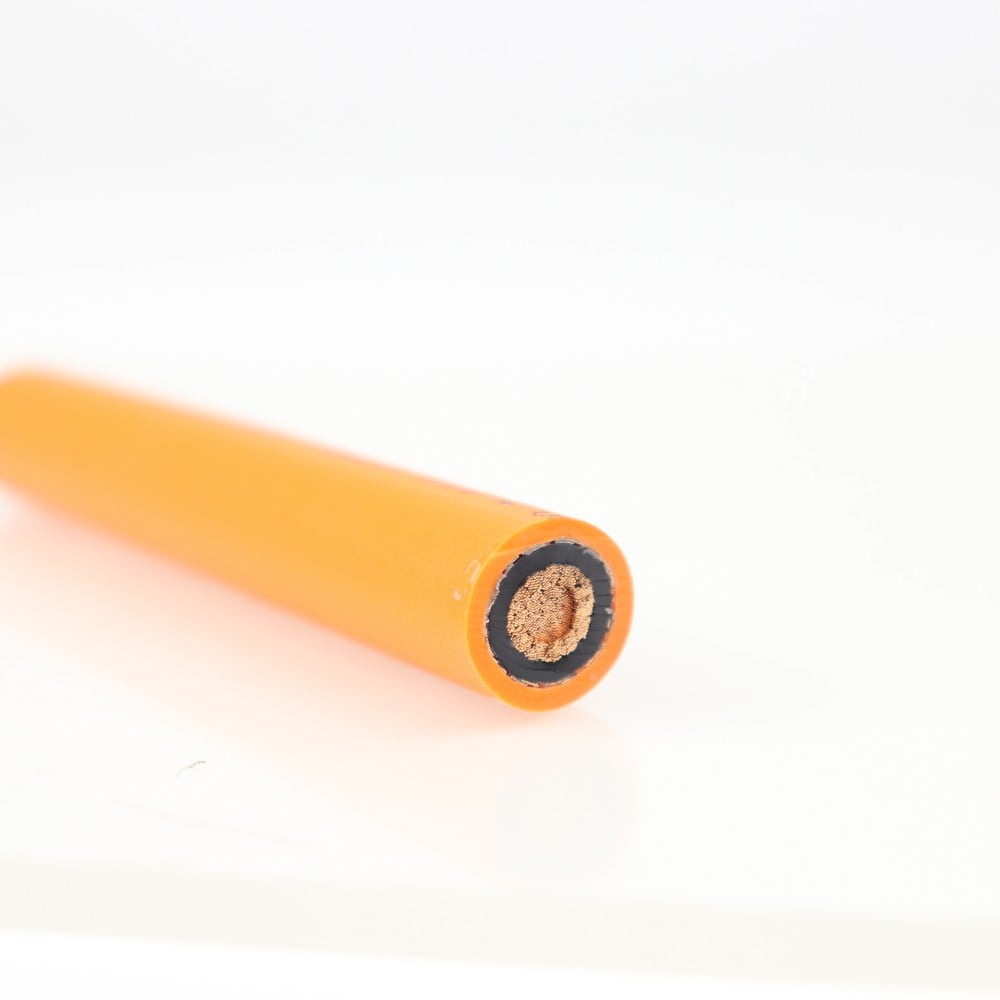
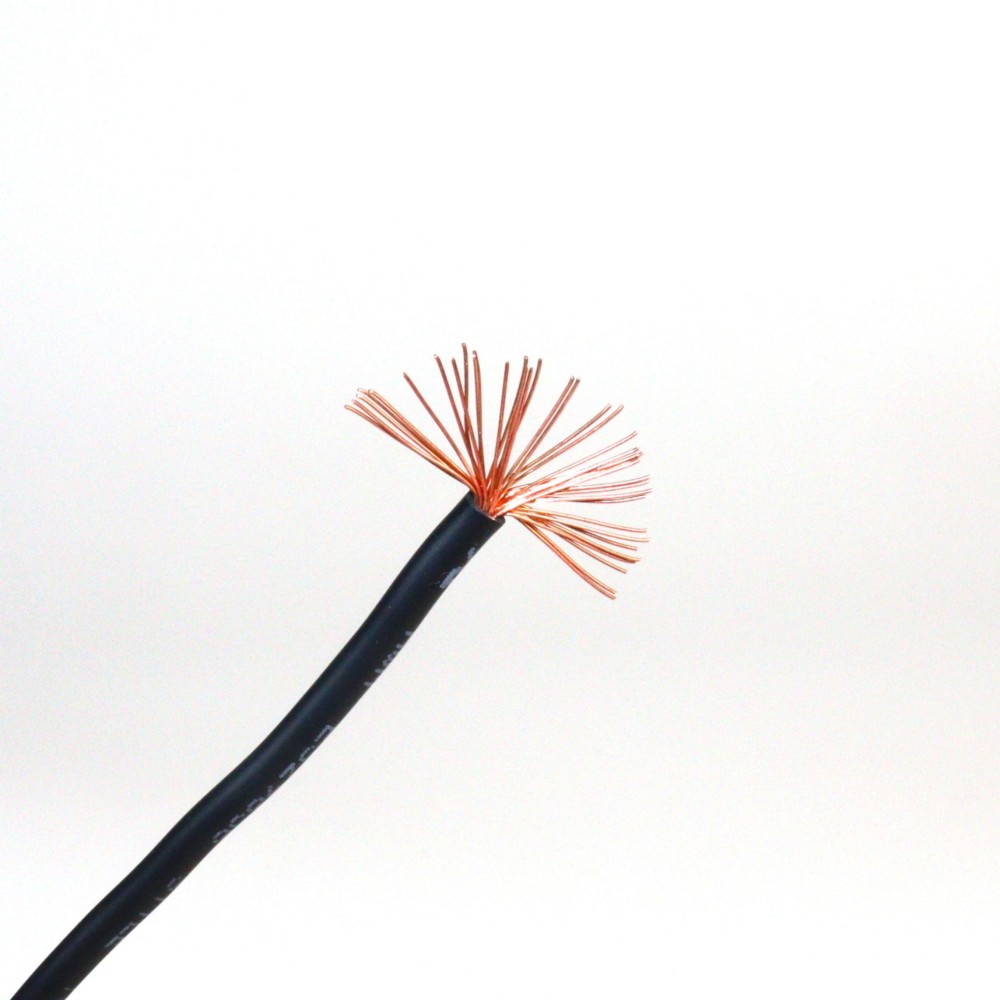
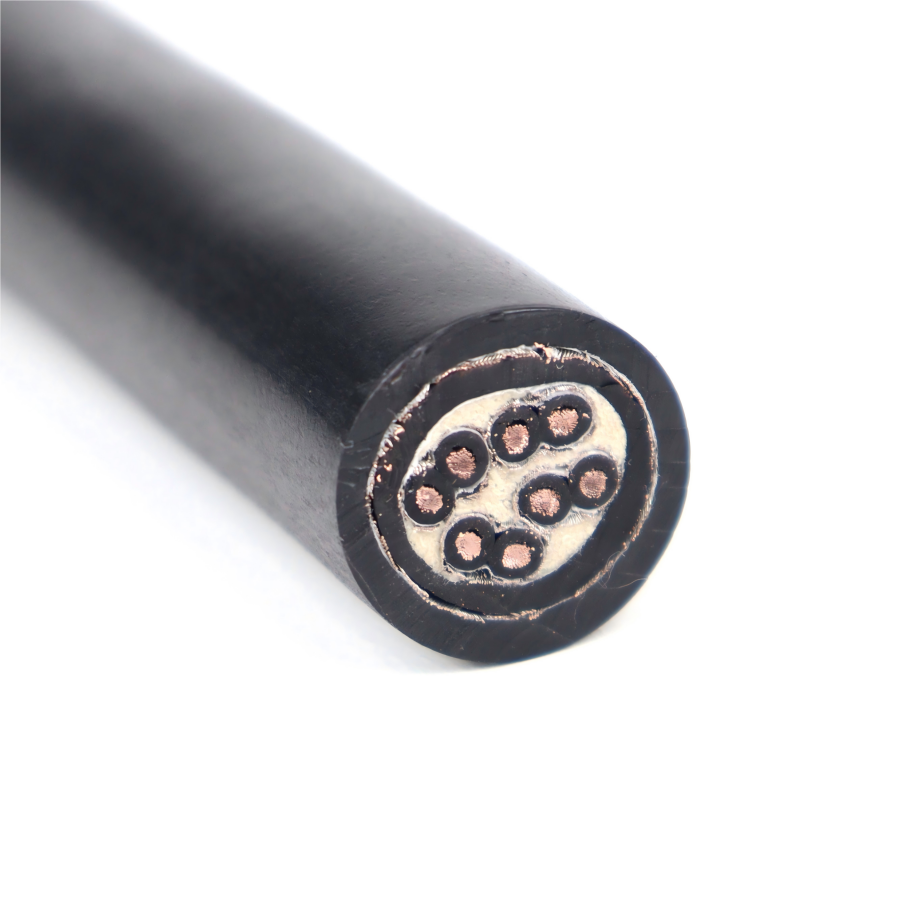
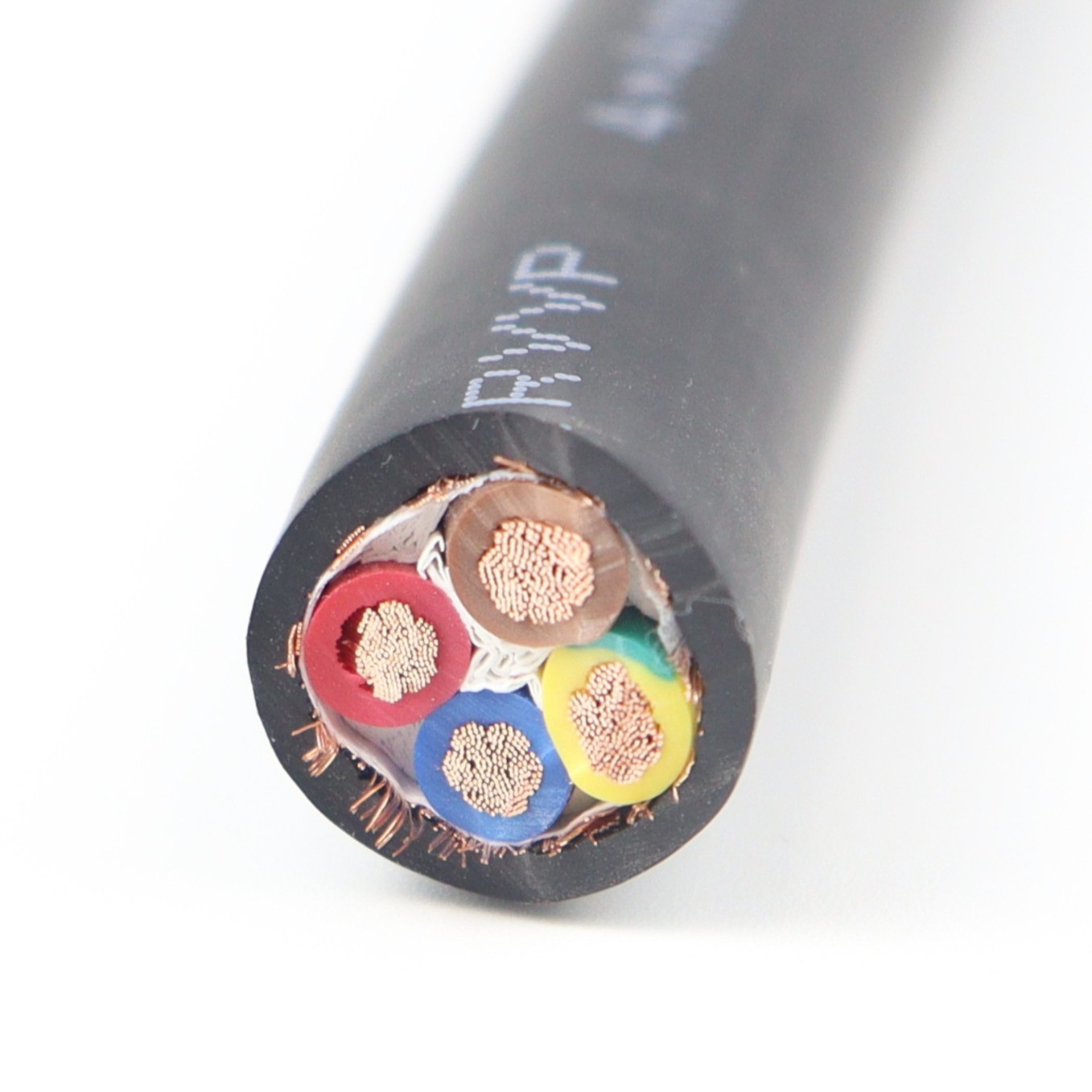
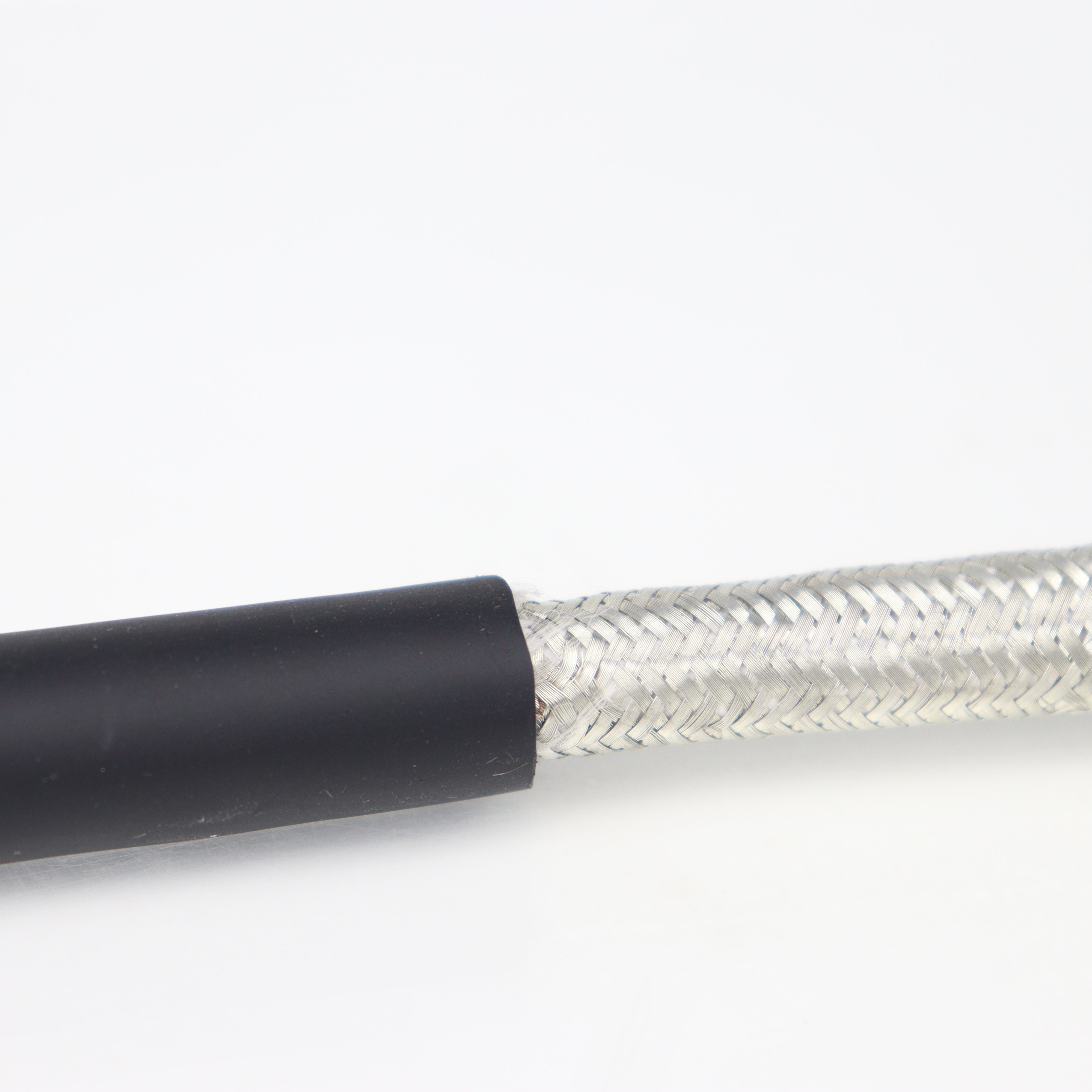
HV electrical cables carry high-voltage power safely and efficiently from generating stations to substations, industrial facilities, transport systems, and large commercial sites. Unlike standard low-voltage wiring, hv electrical cables must handle stronger electrical stress, higher heat, and demanding installation conditions. Their main function is to maintain a stable power path while reducing energy loss, service interruptions, and safety risks. HV electrical cables support overhead, underground, indoor, and underwater power networks, depending on the selected design. Modern hv electrical cables use copper or aluminum conductors that balance conductivity, weight, cost, and installation needs. Carefully engineered insulation separates the conductor from the surrounding environment and helps prevent leakage, short circuits, and breakdown. Common insulation materials include cross-linked polyethylene and other high-performance compounds selected for heat resistance, moisture protection, and long service life. HV electrical cables often include metallic screens, shields, or protective layers that control electrical fields and limit damage from mechanical impact. Outer jackets resist water, chemicals, sunlight, abrasion, and soil pressure, making hv electrical cables suitable for challenging locations. Some designs add armor for extra protection during burial or industrial installation. Testing can cover insulation strength, partial discharge, heat cycling, and mechanical performance before delivery. Accessories such as joints, terminations, clamps, and monitoring devices complete the system. In practice, hv electrical cables connect major power assets and help operators deliver dependable electricity over long distances. Their design should match voltage level, route, load, environment, installation method, and maintenance plan. Choosing suitable hv electrical cables improves network stability and supports safe expansion as power demand increases.
The main advantage of hv electrical cables is dependable power delivery across long distances and high-demand sites. They carry substantial electrical loads with controlled losses, helping utilities and facility owners use generated energy more effectively. For buyers, this can reduce wasted power, support predictable operating costs, and provide a stronger return on infrastructure investment. HV electrical cables also offer flexible installation choices. Underground versions protect the route from storms, vehicle contact, and visual disruption, while overhead-compatible designs can suit open corridors and faster construction. Specialized hv electrical cables work in tunnels, substations, factories, offshore facilities, rail networks, solar parks, and wind projects. This range makes it easier to select a solution that fits the project instead of rebuilding the project around the cable. Strong insulation and protective jackets help hv electrical cables withstand heat, moisture, chemicals, sunlight, soil movement, and mechanical pressure. That durability can extend service life and reduce emergency repairs. A reliable cable route also limits production stoppages, protects sensitive equipment, and improves continuity for essential services such as hospitals, data centers, and water plants. Installation teams benefit from product options with clear specifications, tested accessories, and compatible jointing systems. These details simplify planning and reduce the chance of costly connection errors. Many hv electrical cables can support condition monitoring, allowing operators to identify temperature changes, moisture entry, or insulation concerns before failure occurs. This enables planned maintenance rather than disruptive replacement. When comparing products, buyers should review voltage rating, conductor material, current capacity, insulation type, route conditions, bending limits, fire performance, warranty, and supplier support. The best hv electrical cables are not simply the cheapest option; they provide the right balance of safety, service life, installation effort, energy performance, and total ownership cost.

Latest News

Shanghai Libin Cable Showcases Robot and Automation Cable Solutions at CMES Shanghai Industrial Automation & Robotics Exhibition

16

Oct

Shanghai Libin Cable Showcases Robot and Automation Cable Solutions at CMES Shanghai Industrial Automation & Robotics Exhibition

View More
Shanghai Libin Cable Showcases Crane Cable Solutions at the 11th China (Changyuan) International Crane Equipment Expo

16

Oct

Shanghai Libin Cable Showcases Crane Cable Solutions at the 11th China (Changyuan) International Crane Equipment Expo

View More
Why Drag Chain Cables Fail: Four Common Causes and How to Select Correctly

16

Oct

Why Drag Chain Cables Fail: Four Common Causes and How to Select Correctly

View More
Industrial Robot Combination Cable: Routing Power and Signal Together in a Small-Bend-Radius Drag Chain

16

Oct

Industrial Robot Combination Cable: Routing Power and Signal Together in a Small-Bend-Radius Drag Chain

View More

Get a Free Quote

Our representative will contact you soon.
0/1000
Built for High-Voltage Safety and Stability

Built for High-Voltage Safety and Stability

A key strength of hv electrical cables is their layered protection against electrical stress. The conductor carries power, while carefully selected insulation creates a reliable barrier that limits leakage and helps prevent faults. Screens and shields manage the electrical field around the conductor, supporting stable operation and safer maintenance. Protective jackets add resistance to water, chemicals, abrasion, sunlight, and impact. This construction gives hv electrical cables the strength needed for demanding routes, including buried corridors, substations, industrial plants, and transport infrastructure. For customers, the value is practical: a well-protected cable lowers the risk of unplanned outages, equipment damage, and dangerous exposure. It also helps the network perform consistently under changing loads and weather conditions. Tested hv electrical cables provide greater confidence during project approval and commissioning. Buyers can therefore plan with clearer safety expectations, protect critical assets, and maintain dependable power service over a longer operating period.
Flexible Solutions for Diverse Applications

Flexible Solutions for Diverse Applications

HV electrical cables support many power projects because manufacturers can adapt their construction to the route and operating environment. A utility may choose an underground product for an urban area, while a renewable energy developer may need a design that connects remote generation equipment to a grid substation. Industrial users can specify hv electrical cables for factories, mines, ports, rail systems, and large processing sites. Options may vary by conductor metal, insulation compound, armor, water blocking, flexibility, and installation temperature. This range helps customers match cable performance to actual site conditions rather than paying for unsuitable features. Correctly selected hv electrical cables can simplify route planning, reduce civil work, and improve compatibility with joints and terminations. They also support future capacity planning when a project expects higher demand. By choosing a product suited to voltage, load, distance, and environment, buyers gain a practical solution that supports reliable expansion without unnecessary replacement.
Long Service Life and Lower Ownership Cost

Long Service Life and Lower Ownership Cost

The value of hv electrical cables continues after installation. Durable materials and controlled manufacturing help the cable resist heat, moisture, movement, and external damage throughout its working life. When hv electrical cables maintain insulation performance over time, operators can reduce fault investigations, emergency callouts, and production losses. Many systems also support temperature sensing or other condition checks, giving maintenance teams useful information about developing problems. This allows planned intervention during scheduled shutdowns instead of sudden service interruption. For asset owners, the result is more predictable maintenance and better control of total ownership cost. Reliable hv electrical cables can also protect connected transformers, switchgear, motors, and control systems from unstable supply conditions. Clear technical data, factory testing, and compatible accessories further reduce installation risk. Although purchase price matters, customers should compare expected life, energy loss, repair exposure, warranty support, and replacement difficulty. A properly specified cable often delivers greater value by preserving uptime and reducing the cost of failure.