Extra High Tension Cable for Power Grids

application/extra-high-tension-cable, application/extra-high-tension-cable, 
Inquiry
Inquiry

extra high tension cable

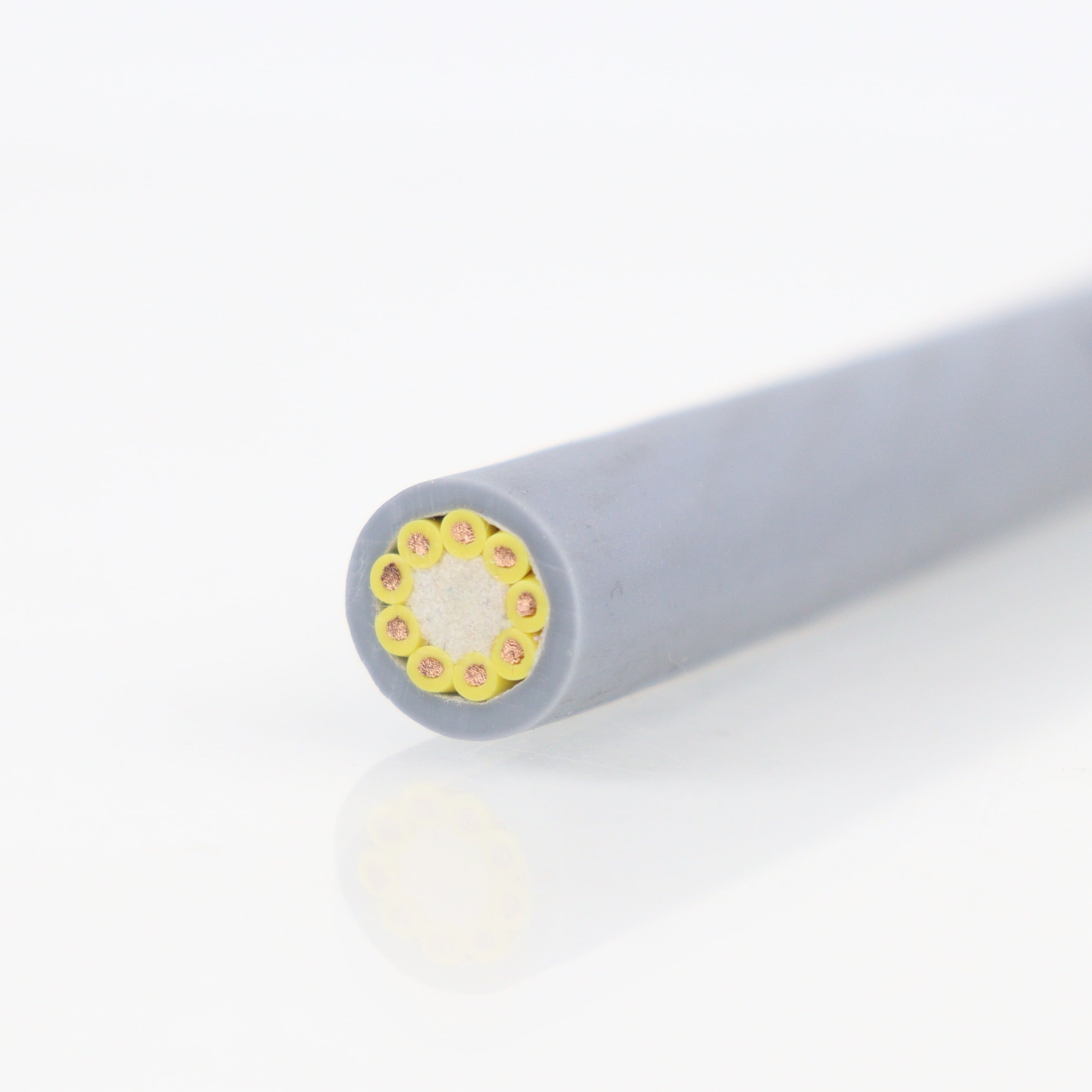
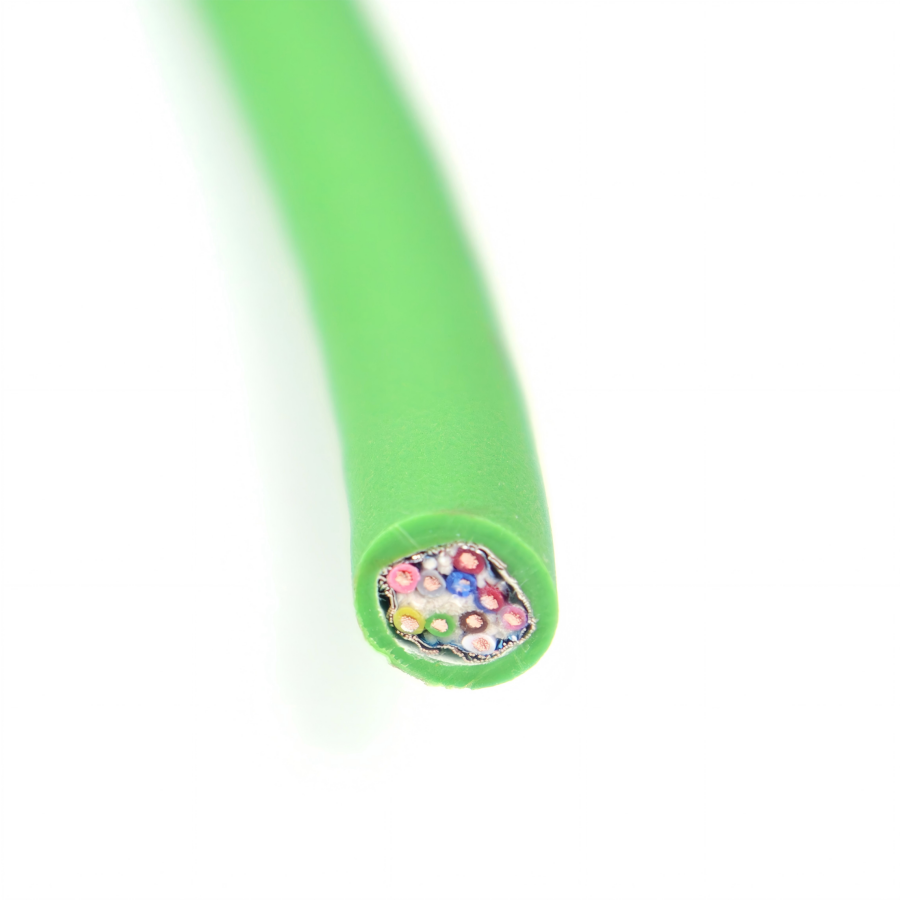
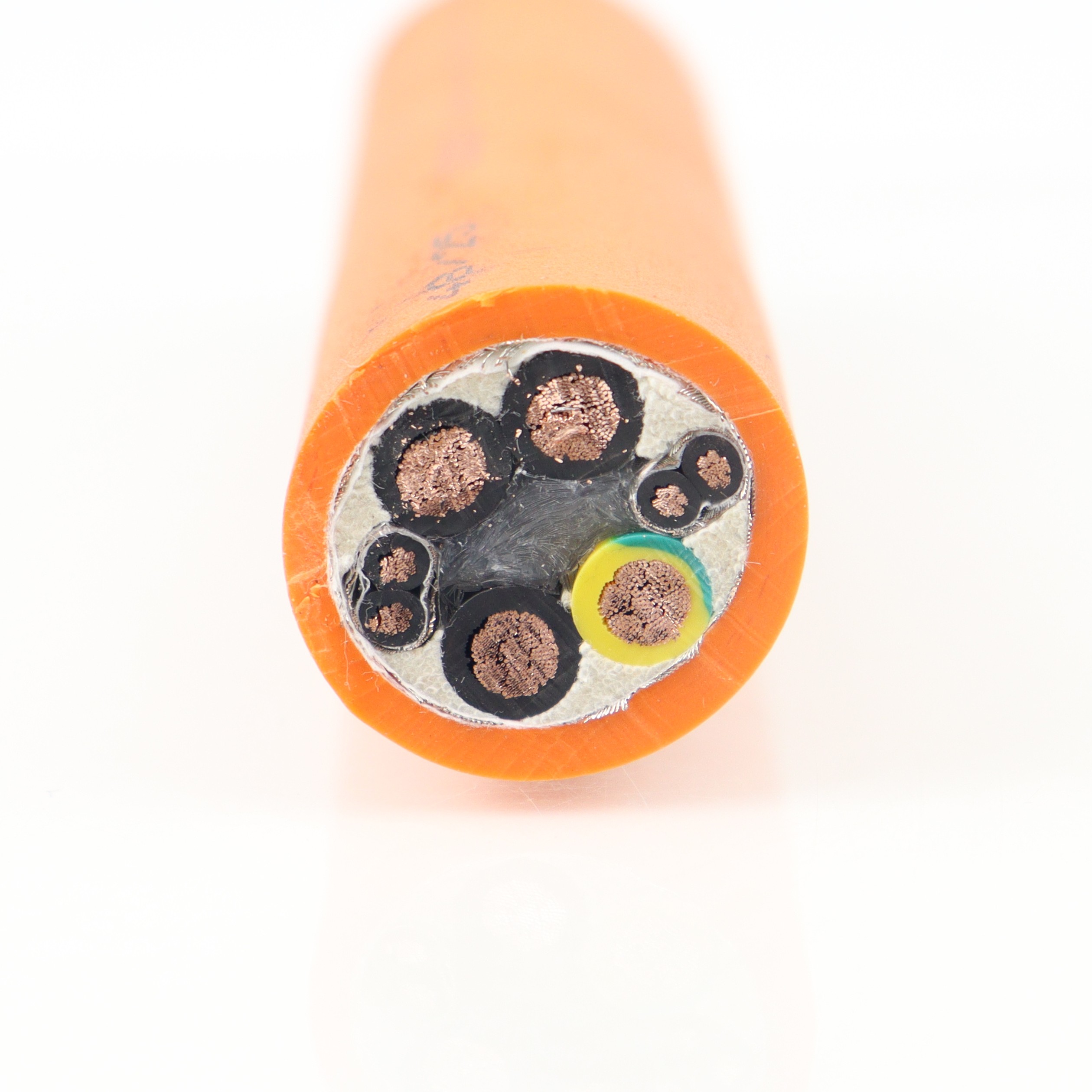
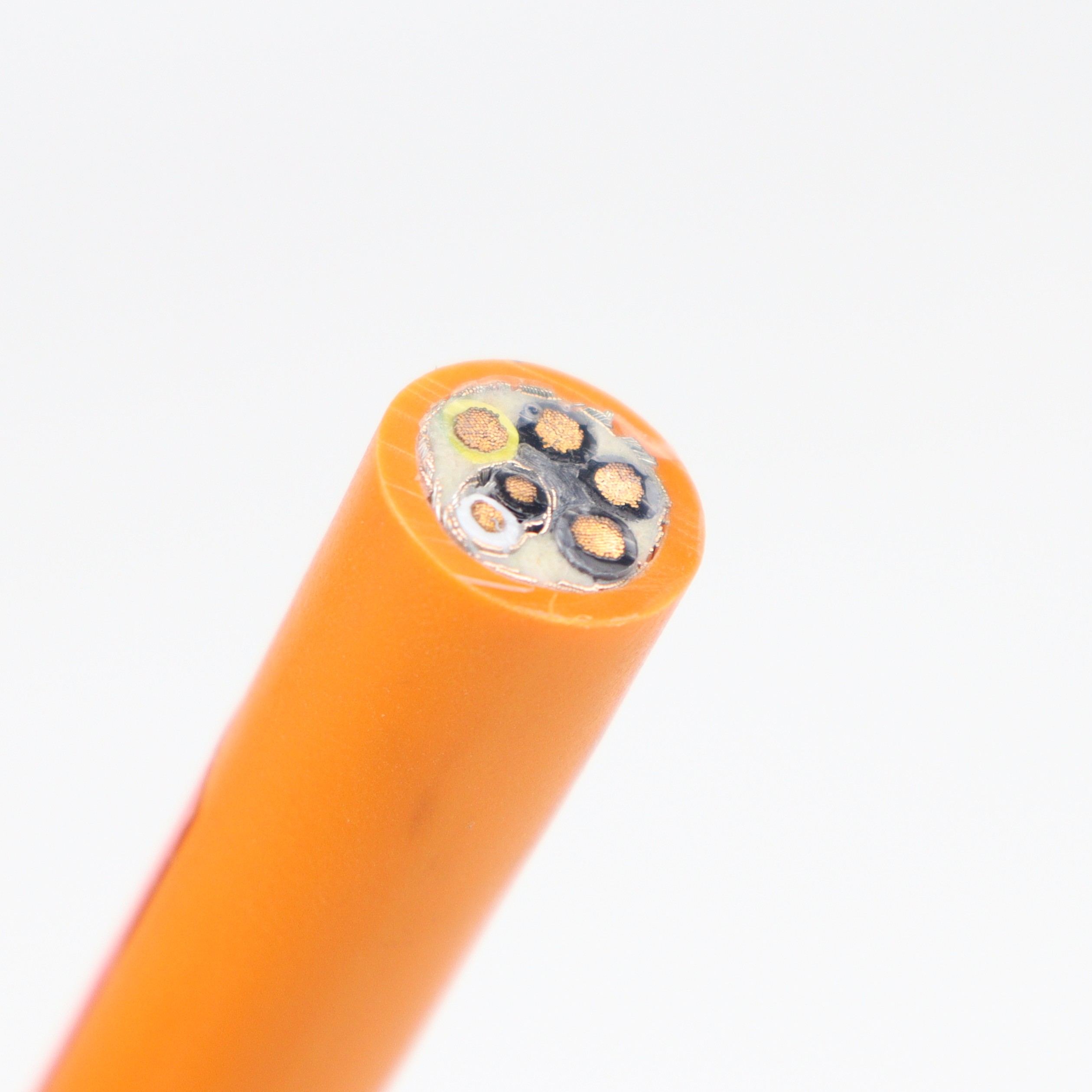
An extra high tension cable is a power cable designed to carry electricity safely across high-voltage transmission and distribution networks. It moves large amounts of energy from generating stations to substations, industrial sites, renewable energy facilities, and major commercial users. An extra high tension cable helps reduce transmission losses over long distances while maintaining stable power flow. Its main function is to provide a dependable electrical path under demanding voltage, temperature, and environmental conditions. An extra high tension cable normally combines a conductive metal core with carefully engineered insulation and protective outer layers. Copper or aluminum conductors provide efficient current transfer, while insulation prevents leakage, flashover, and accidental contact. Depending on the design, an extra high tension cable may include a screen, metallic sheath, water barrier, armor, or flame-resistant jacket. These features improve electrical control and physical protection. An extra high tension cable can be installed underground, in tunnels, inside substations, or in specialized industrial systems. Manufacturers may use cross-linked polyethylene insulation because it offers strong dielectric performance, heat resistance, and a long service life. An extra high tension cable can also include moisture-blocking materials to limit damage caused by wet soil or water migration. Correct cable sizing considers voltage rating, current capacity, installation route, ambient temperature, bending needs, and fault conditions. An extra high tension cable is therefore selected as part of a complete power system rather than as an isolated component. Buyers should review tested performance, applicable standards, jointing systems, delivery support, and installation guidance before placing an order. With the right specification, an extra high tension cable supports safe, efficient, and reliable power transmission.
Choosing an extra high tension cable gives power operators a practical way to move more energy with dependable control. The extra high tension cable reduces the need for repeated transmission paths, which can simplify network planning and help limit energy loss across long routes. This benefit can support lower operating costs when a project transfers power from a remote plant to a city, factory, mine, or transport system. A well-designed extra high tension cable also protects continuity. Strong insulation and controlled electrical layers reduce the risk of leakage, breakdown, and unplanned shutdowns. For buyers, that means fewer service interruptions, more predictable maintenance, and better protection for connected equipment. An extra high tension cable suits underground corridors where overhead lines cannot meet space, appearance, safety, or planning requirements. It also works well in substations, power plants, offshore connections, data centers, and large industrial facilities when the selected construction matches the site conditions. Moisture resistance helps the extra high tension cable perform in damp soil, while a reinforced jacket can improve protection during installation and daily operation. Heat-capable insulation allows stable performance when current loads rise, provided the design follows the required thermal limits. Buyers can choose aluminum for a lighter, often more economical conductor, or copper where compact size and high conductivity matter more. The extra high tension cable can also reduce project risk when supplied with compatible accessories, tested joints, termination kits, and clear installation instructions. Before buying, confirm voltage class, conductor size, screen arrangement, sheath material, fire behavior, bending radius, route length, and required certifications. These checks help match the extra high tension cable to the actual network rather than selecting only by price. In practical terms, the product offers efficient power delivery, durable protection, flexible installation options, and a stronger basis for long-term asset planning.

Practical Tips

Shanghai Libin Cable Showcases Robot and Automation Cable Solutions at CMES Shanghai Industrial Automation & Robotics Exhibition

16

Oct

Shanghai Libin Cable Showcases Robot and Automation Cable Solutions at CMES Shanghai Industrial Automation & Robotics Exhibition

View More
Shanghai Libin Cable Showcases Crane Cable Solutions at the 11th China (Changyuan) International Crane Equipment Expo

16

Oct

Shanghai Libin Cable Showcases Crane Cable Solutions at the 11th China (Changyuan) International Crane Equipment Expo

View More
Why Drag Chain Cables Fail: Four Common Causes and How to Select Correctly

16

Oct

Why Drag Chain Cables Fail: Four Common Causes and How to Select Correctly

View More
Industrial Robot Combination Cable: Routing Power and Signal Together in a Small-Bend-Radius Drag Chain

16

Oct

Industrial Robot Combination Cable: Routing Power and Signal Together in a Small-Bend-Radius Drag Chain

View More

Get a Free Quote

Our representative will contact you soon.
0/1000
Reliable High-Voltage Power Transfer

Reliable High-Voltage Power Transfer

The extra high tension cable is built to carry substantial electrical power across demanding networks without compromising control. Its conductor transfers current efficiently, while the insulation system separates the energized core from the screen, sheath, and surrounding structure. This layered design helps limit electrical leakage and supports consistent operation when voltage levels are high. For utilities and industrial buyers, the value is clear: the extra high tension cable can connect distant generation and heavy loads with fewer interruptions and more predictable performance. It is suitable for transmission links, substation connections, renewable energy collection systems, and large facilities that need a stable supply. Proper sizing also helps manage heat produced during operation, protecting the cable from premature aging. When paired with tested joints and terminations, the extra high tension cable creates a complete connection system rather than a single uncertain component. Customers gain improved supply confidence, better use of installed infrastructure, and a practical solution for high-demand power routes.
Durable Protection for Difficult Sites

Durable Protection for Difficult Sites

A key advantage of the extra high tension cable is its ability to handle challenging installation environments. The cable can use moisture barriers, metallic screens, armor, and a tough outer jacket to resist water entry, impact, soil pressure, chemicals, and everyday handling damage. These protections help the extra high tension cable remain dependable when installed underground, in tunnels, industrial yards, substations, or areas exposed to changing weather. The insulation can also tolerate elevated operating temperatures within its rated limits, helping the cable manage heavy loads without rapid deterioration. This construction gives project owners more freedom when planning routes and reduces concern about common site hazards. For maintenance teams, a durable extra high tension cable can mean fewer repairs caused by mechanical or environmental damage. Buyers should still match the jacket, armor, screen, and water-blocking design to the route conditions. Selecting the right build at the start can prevent costly replacement work, protect service continuity, and extend the useful life of the network.
Flexible Options for Project Planning

Flexible Options for Project Planning

The extra high tension cable supports different project goals through a range of conductor sizes, insulation ratings, sheath materials, and installation formats. This flexibility allows engineers to specify the extra high tension cable for a compact urban route, a long underground feeder, a renewable energy site, or a high-load industrial connection. Aluminum conductors can reduce weight and material cost, while copper can provide high conductivity in applications where space is limited. Buyers may also select designs with improved flame performance, enhanced water resistance, or greater mechanical protection. These choices help control the total project budget without ignoring safety or service requirements. A suitable extra high tension cable can simplify route design because it works in places where overhead conductors are impractical or visually unsuitable. Suppliers that provide compatible accessories, technical drawings, testing records, and installation advice add further value. By comparing the full specification instead of only the purchase price, customers can choose a solution that supports reliable commissioning, easier maintenance, and predictable long-term operating costs.