reinforced-wirerope-flexible-flat-crane-cable-450/750v, reinforced-wirerope-flexible-flat-crane-cable-450/750v, /flexible-flat-cable-
EN
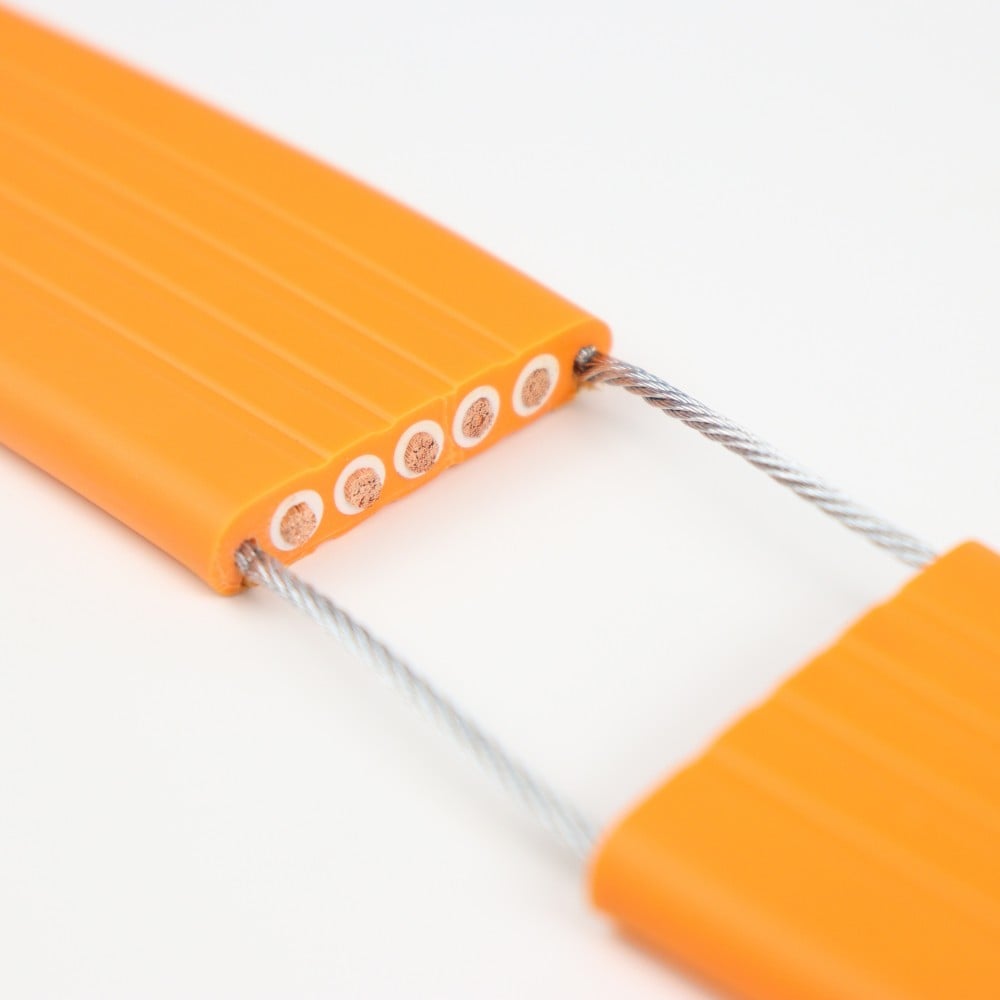
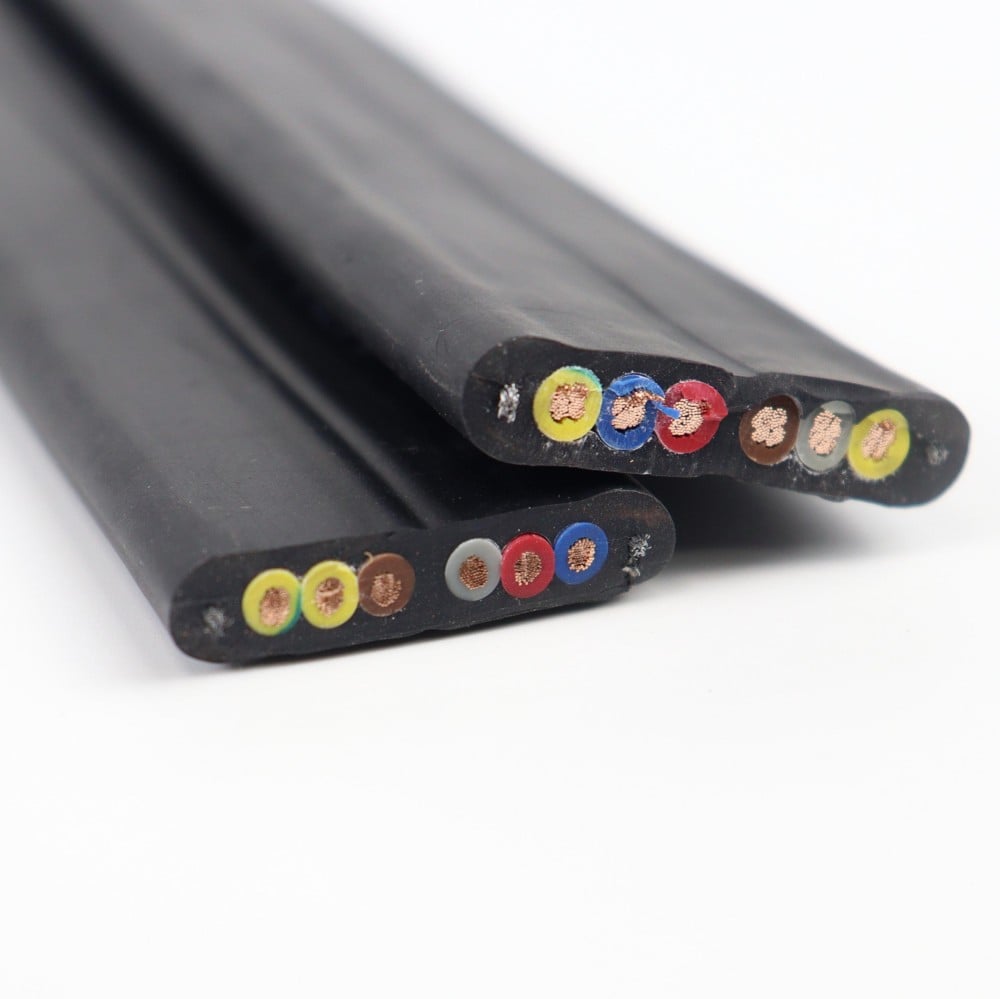
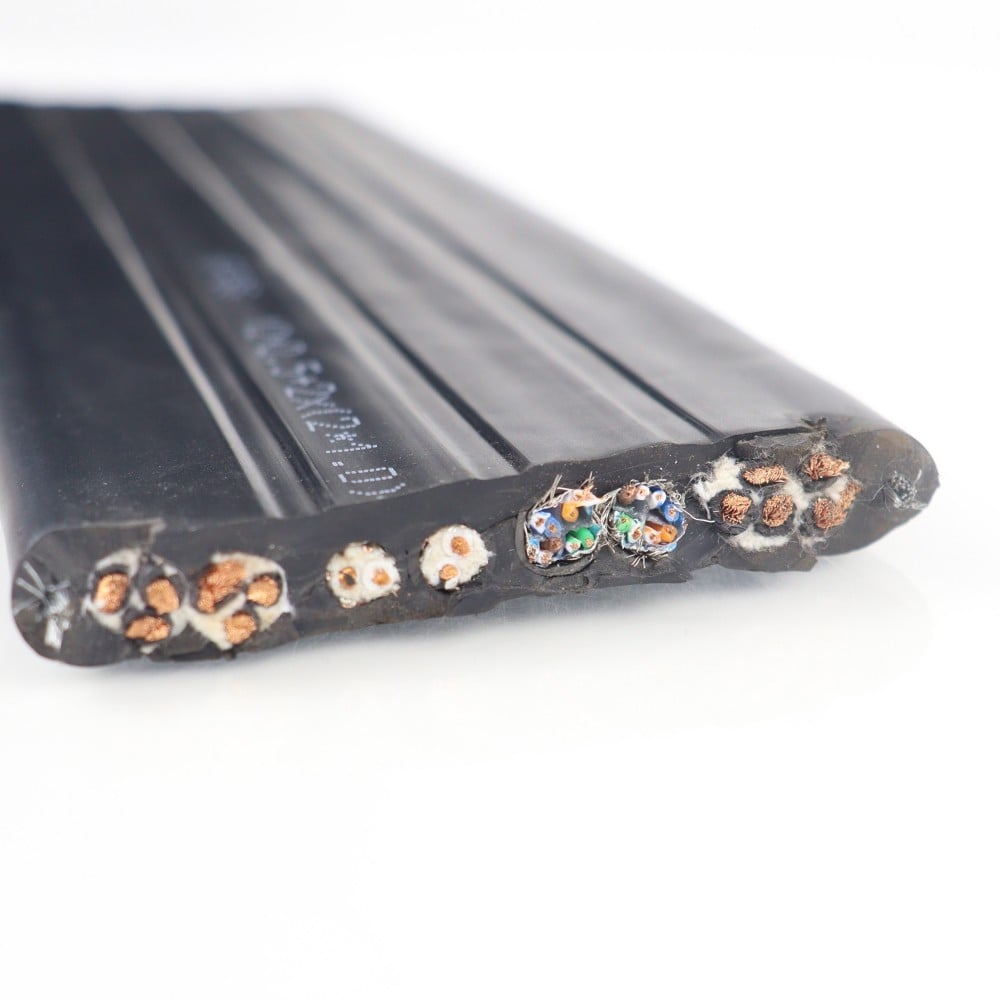
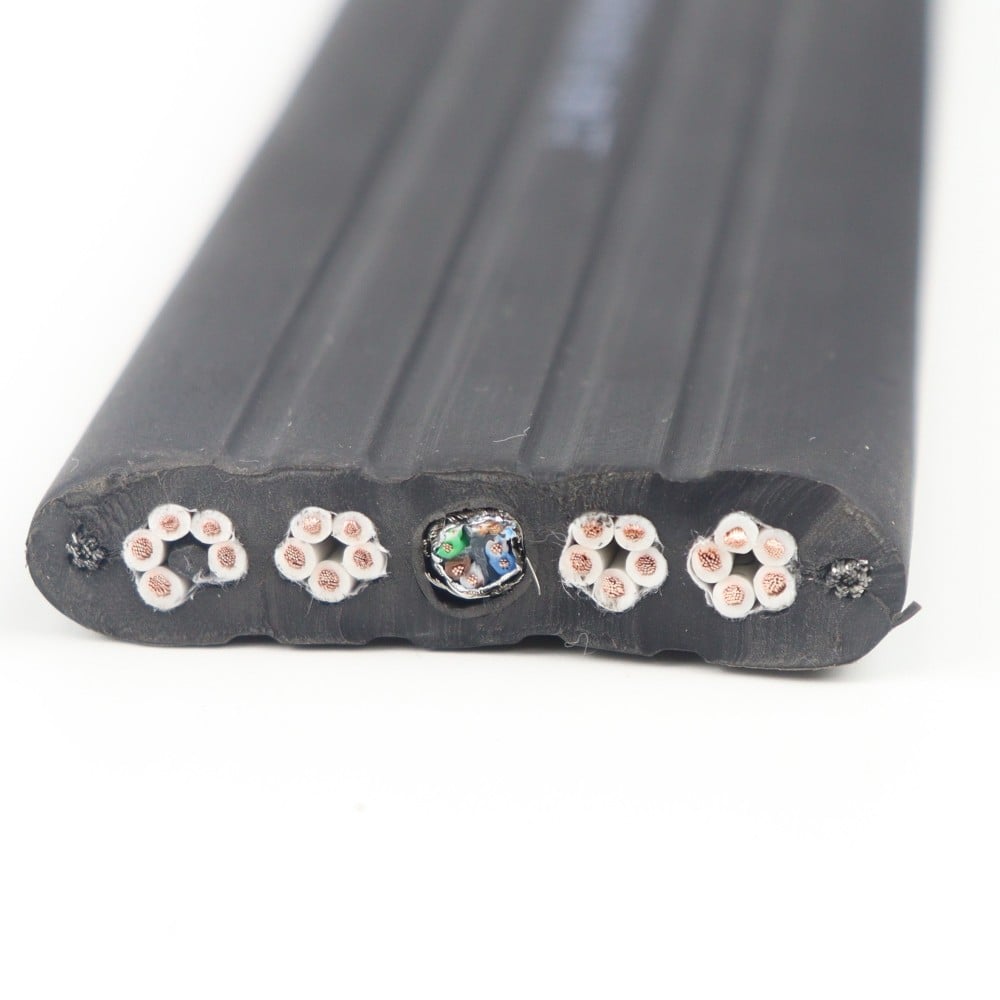
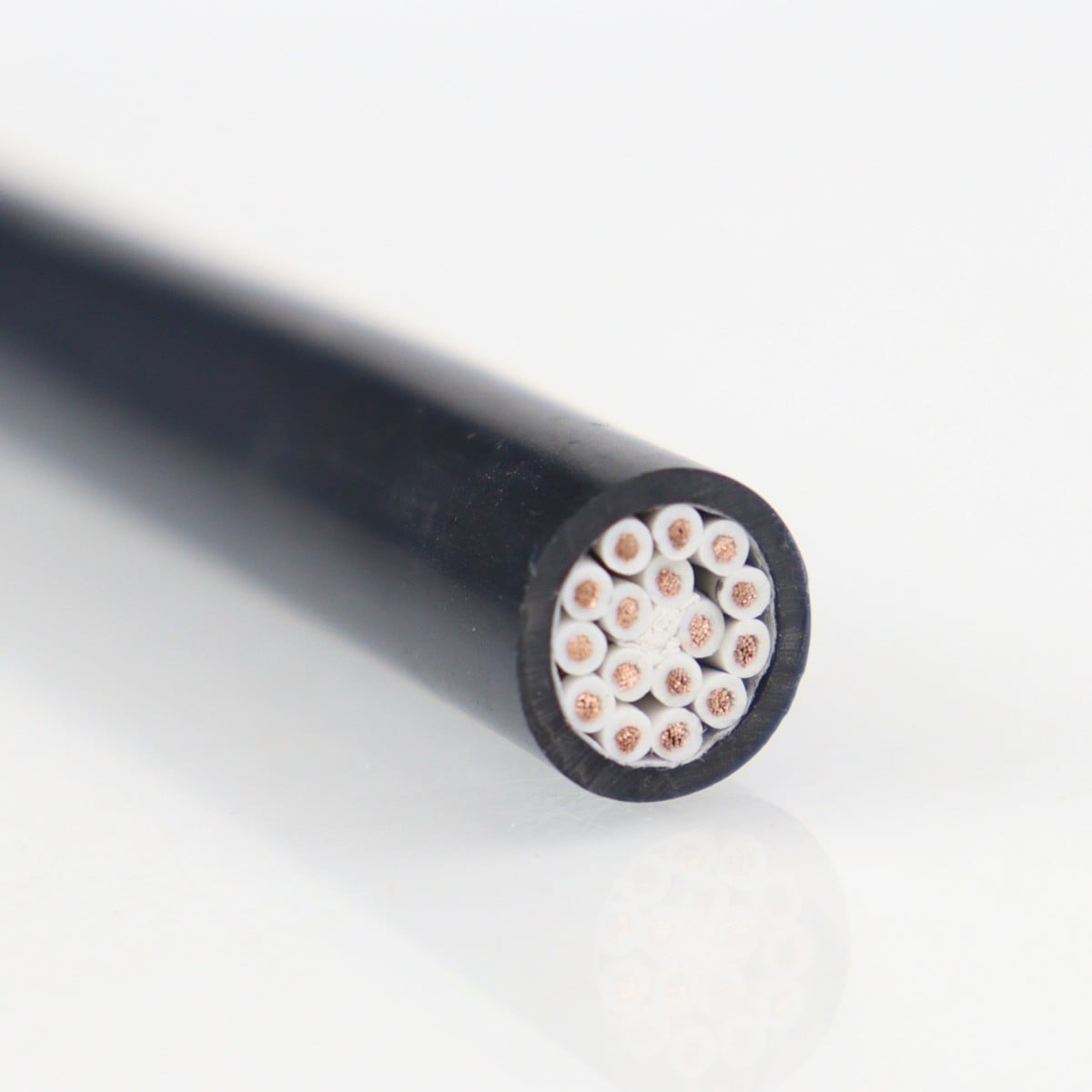
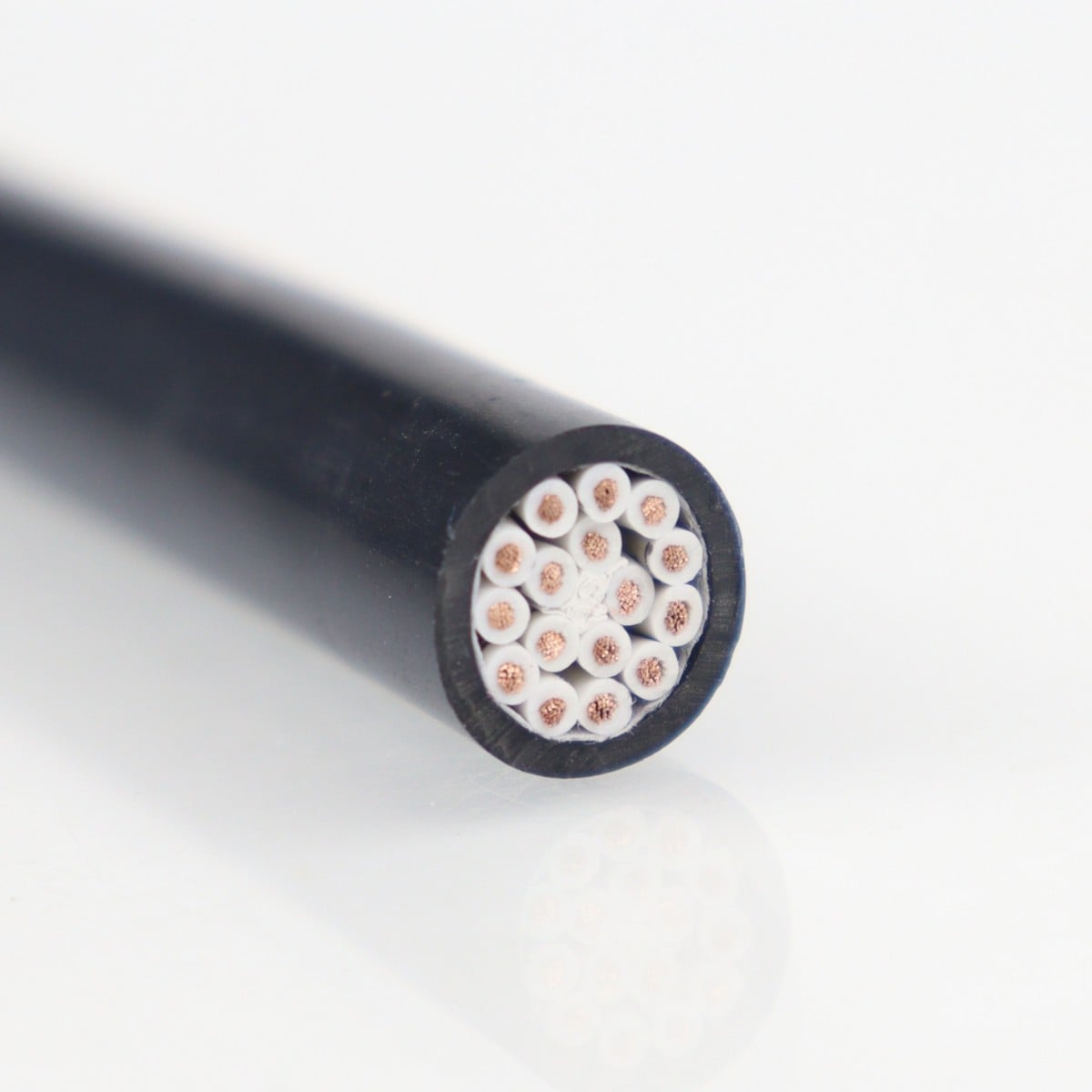
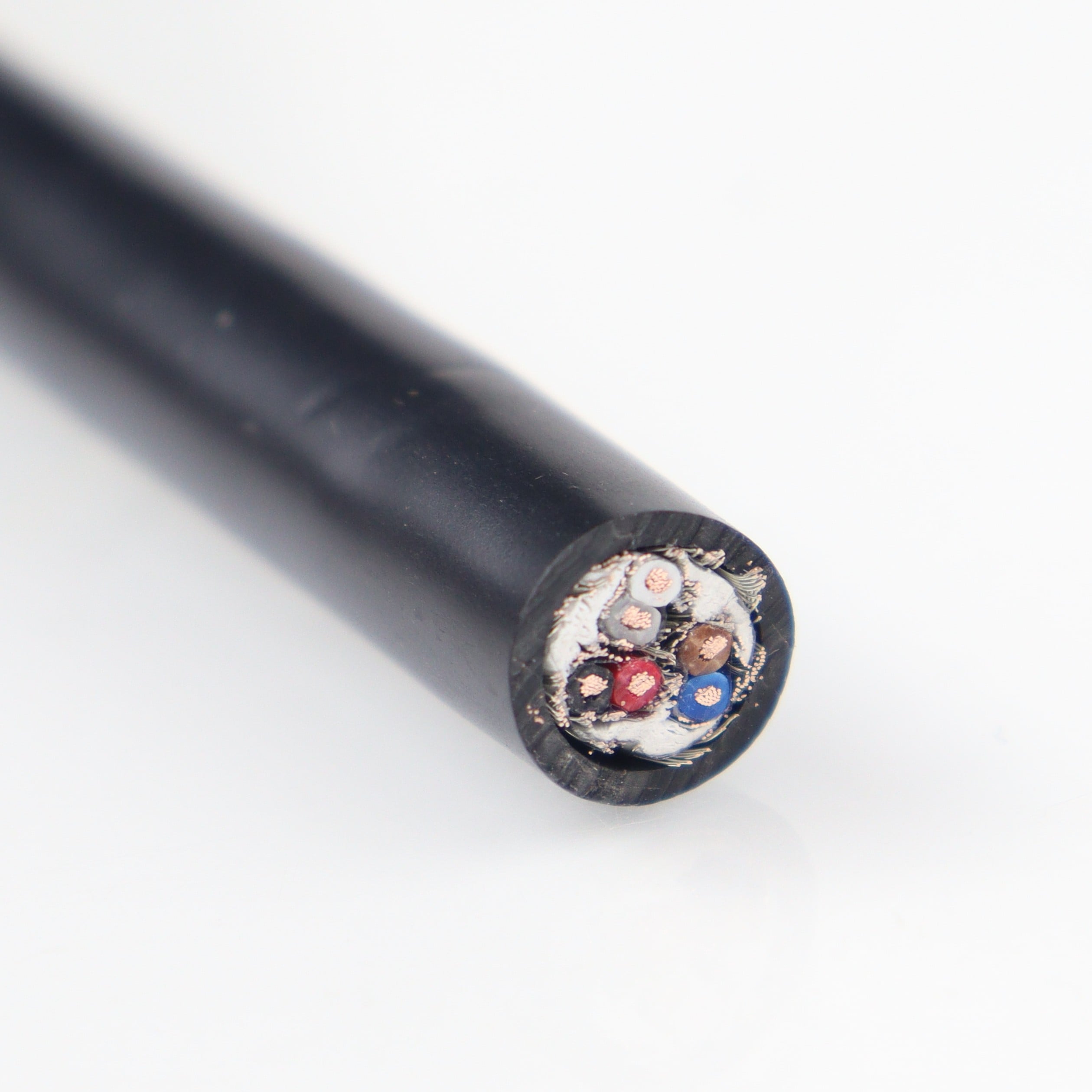
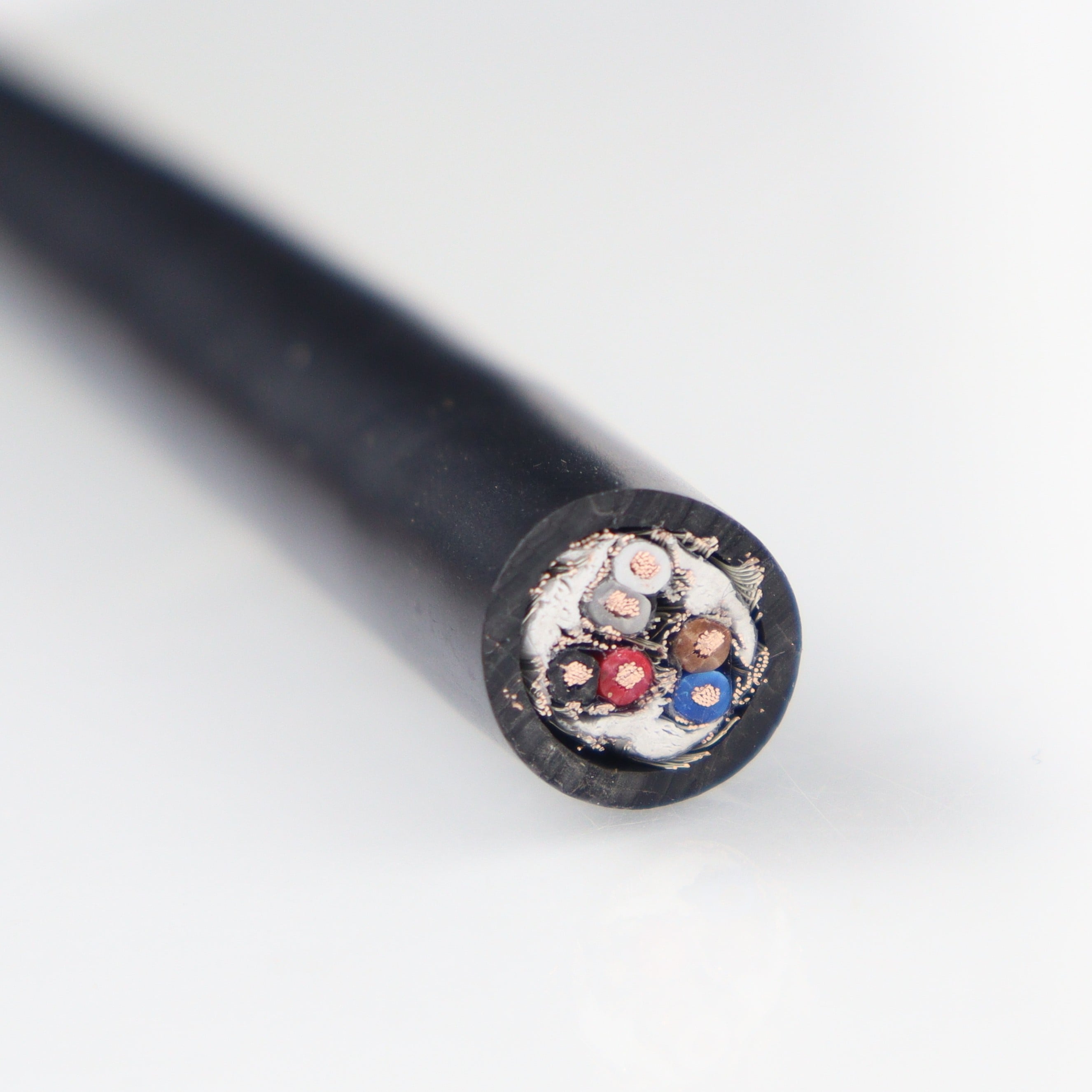
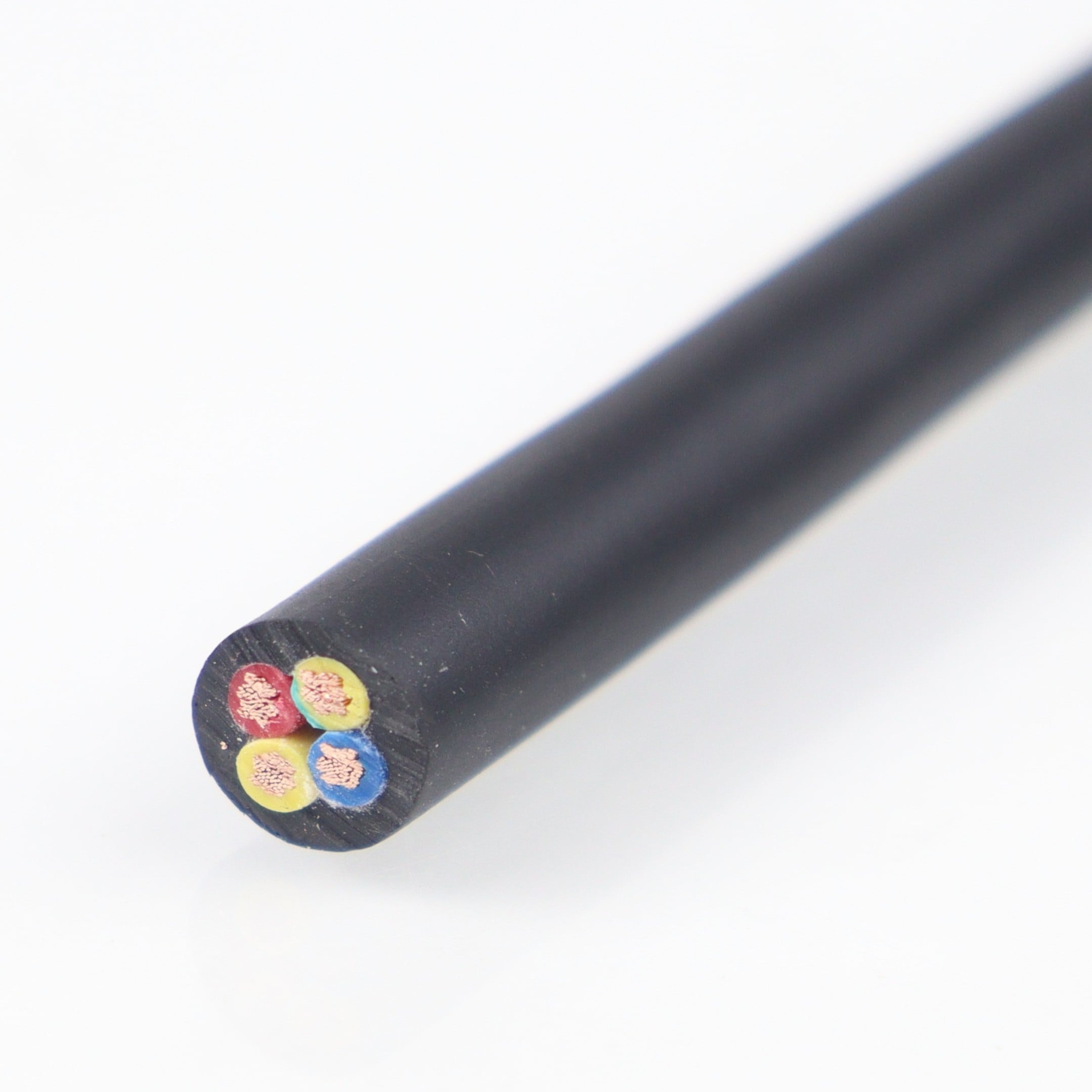
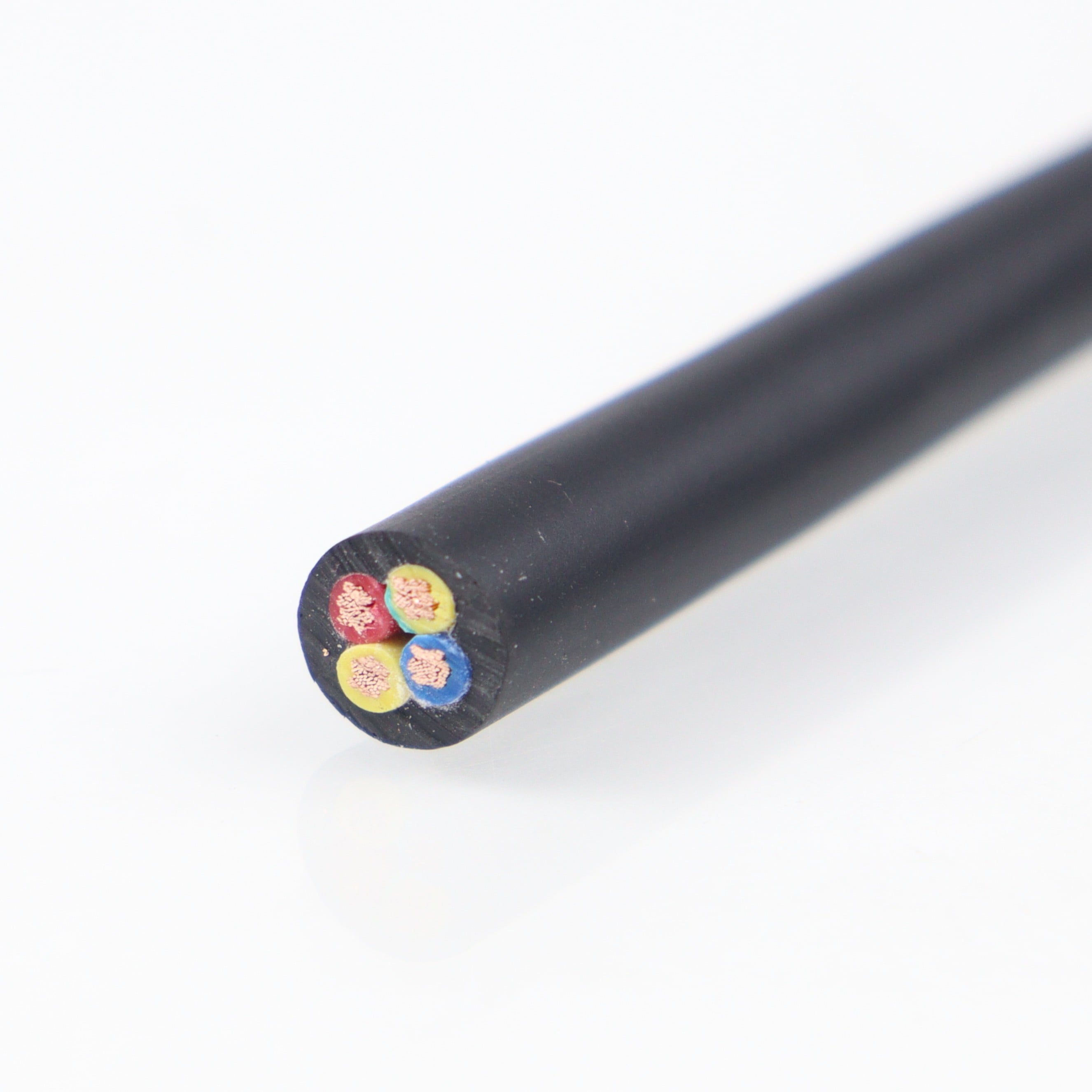
Built‑in high‑tensile strength members bear suspended weight to protect conductors, Flat structure extends bending fatigue life and avoids twisting failure, Rubber insulation sheath offers good tensile‑tear resistance and flame retardancy, optional EMC shielding for noise suppression, RoHS compliant with optional earth core.
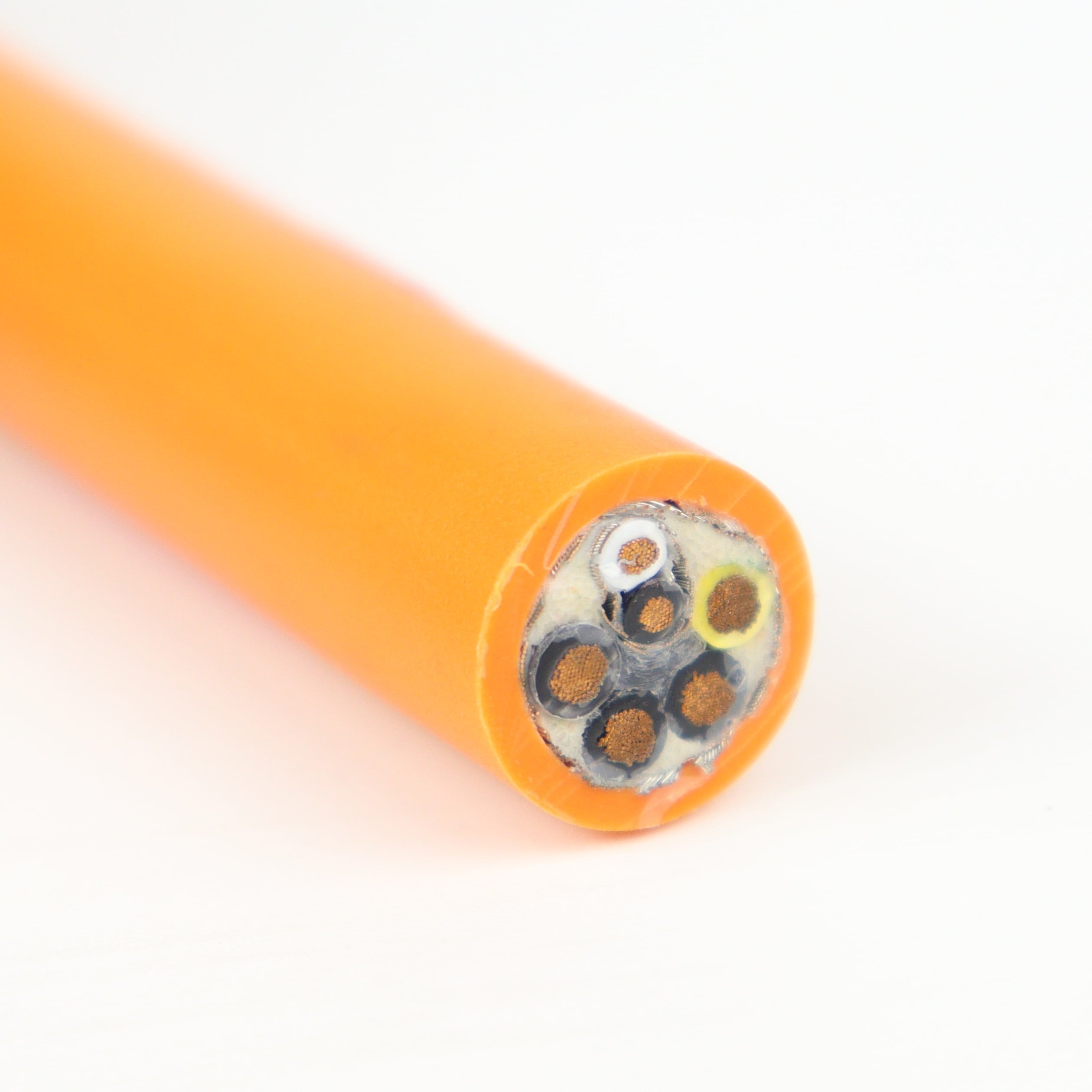
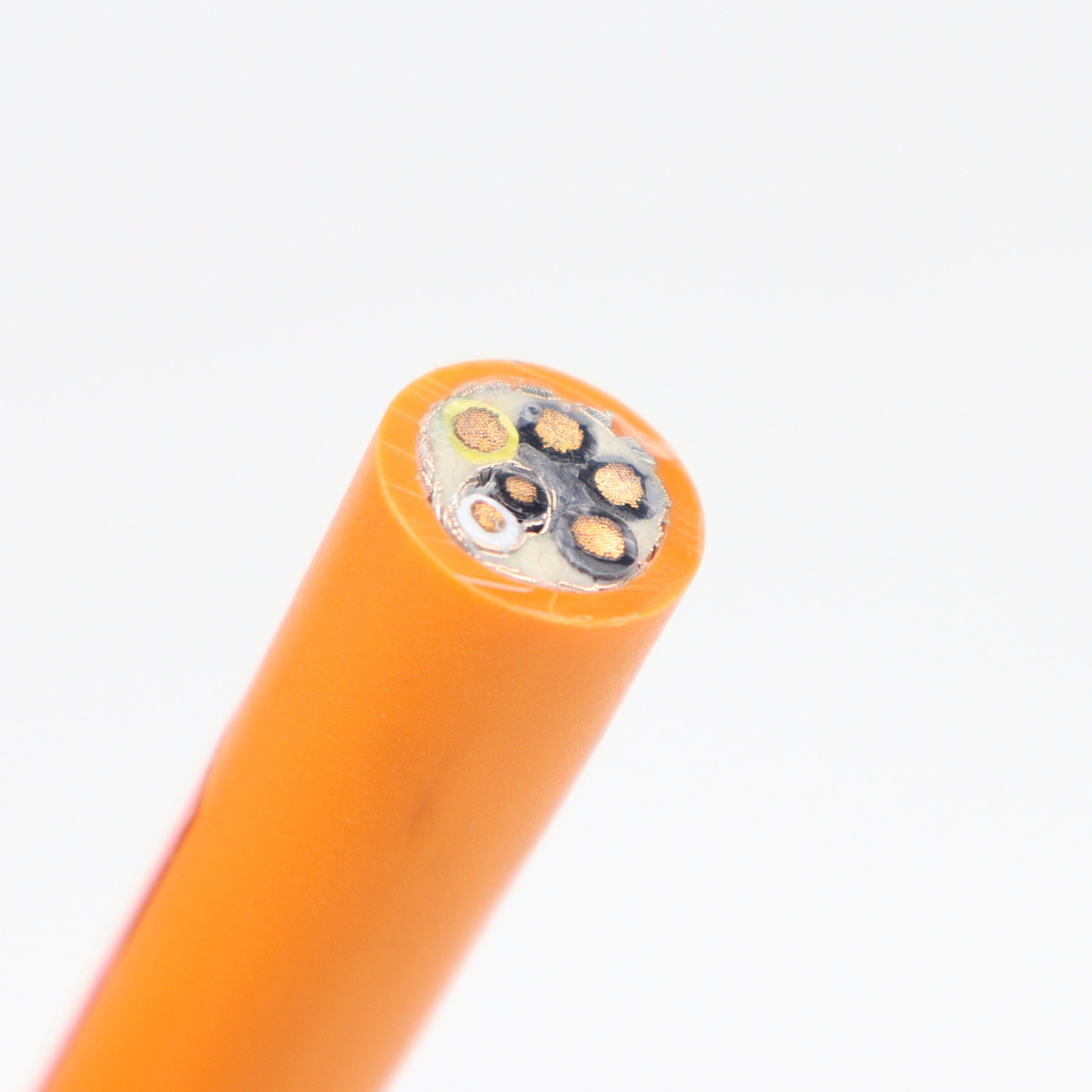
The YFFBG reinforced wirerope flexible flat crane cable 450/750V is engineered for overhead crane and material-handling applications where the cable must carry its own suspended weight. In high-lift crane installations, axial tensile loads transferred to the copper conductors cause progressive deformation and premature failure. Integrated high-tensile galvanised steel wire rope or aramid fibre strength members absorb the catenary load, leaving the IEC 60228 Class 5 copper conductors free to carry electrical current without mechanical stress.
Correct cable specification requires matching construction parameters to the actual installation constraints: suspension height, travel speed, drum geometry, ambient temperature, and EMC environment.
Galvanised steel wire rope or aramid fibre strength members run parallel to the conductors and form the primary axial load path. Think of them as the structural load-bearing column — they carry catenary weight while the copper conductors handle electrical current, not mechanical load. This load path distribution determines service life in high-lift vertical drop installations where standard flexible cables cannot sustain the catenary forces without conductor deformation.
Bare copper conductors in fine bunched stranding to IEC 60228 Class 5 provide the flex-cycle endurance required for trailing and coiling duty. Class 5 stranding maintains bending fatigue resistance at festoon trolley attachment points and on reeling drums. Specifying a lower stranding class for cost reduction in continuous-motion crane applications frequently results in conductor fatigue before the planned replacement interval, with downtime costs exceeding the initial saving.
Specially formulated rubber insulation and outer sheath provide tensile and tear resistance under sustained mechanical load. The −15°C to +70°C operating range covers cold-climate crane halls and high-ambient industrial environments. Flame retardancy complies with IEC 60332-3. For installations with combined thermal and UV loading, verifying actual sheath suitability against installation conditions — not rated temperature endpoints alone — avoids premature ageing.
The flat parallel construction extends bending fatigue life over round cables of equivalent current capacity. It minimises stacking height on reeling drums, reduces the minimum required drum diameter, and prevents axial twisting in festoon systems. The flat geometry also simplifies installation in cable trays and festoon bracket housings with limited vertical clearance between cable runs. For high-frequency travel cycles, conductor stranding and sheath construction require joint evaluation rather than optimising flexibility independently.
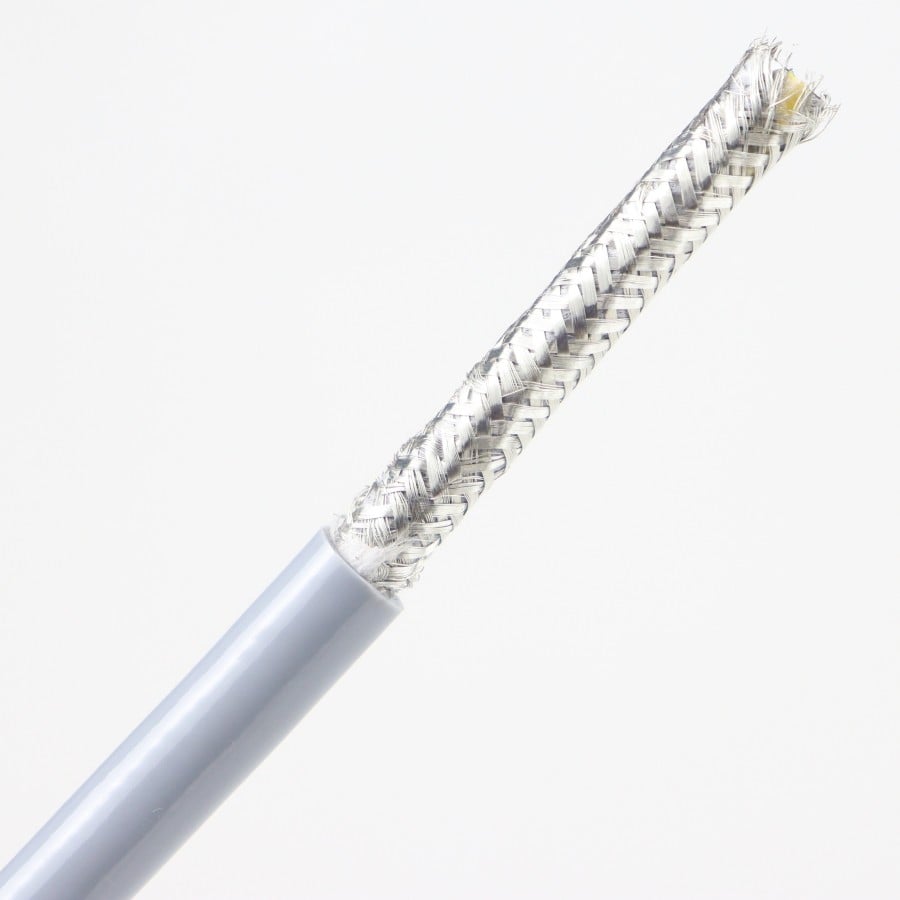
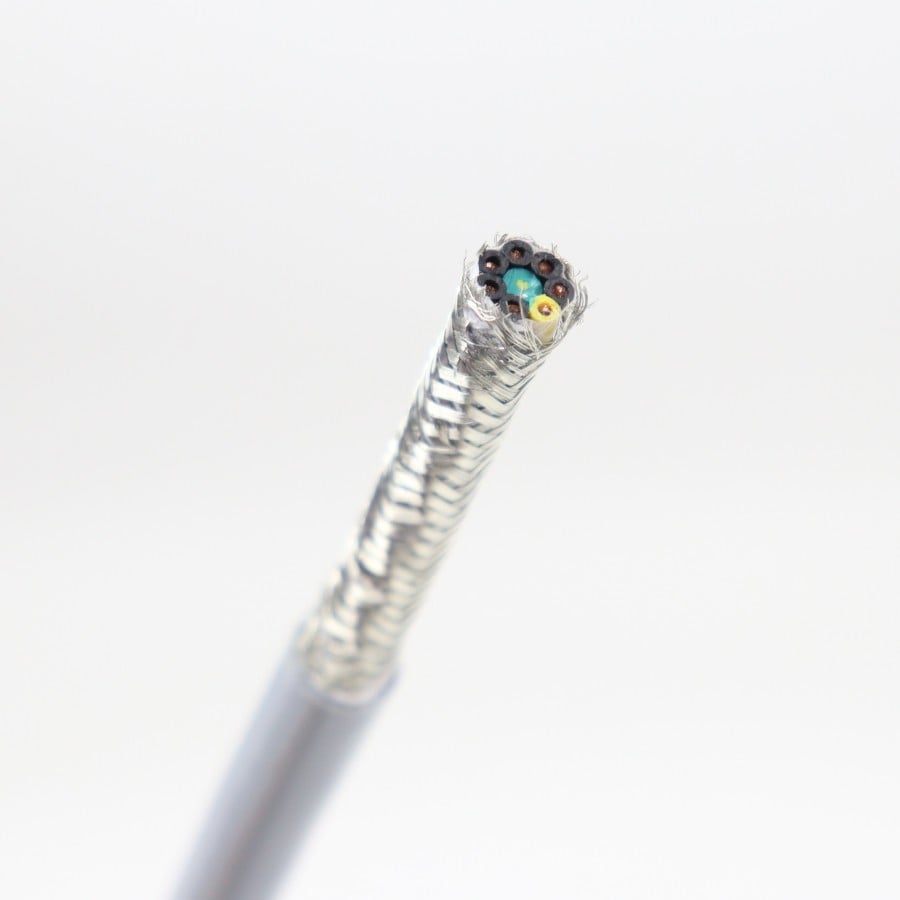
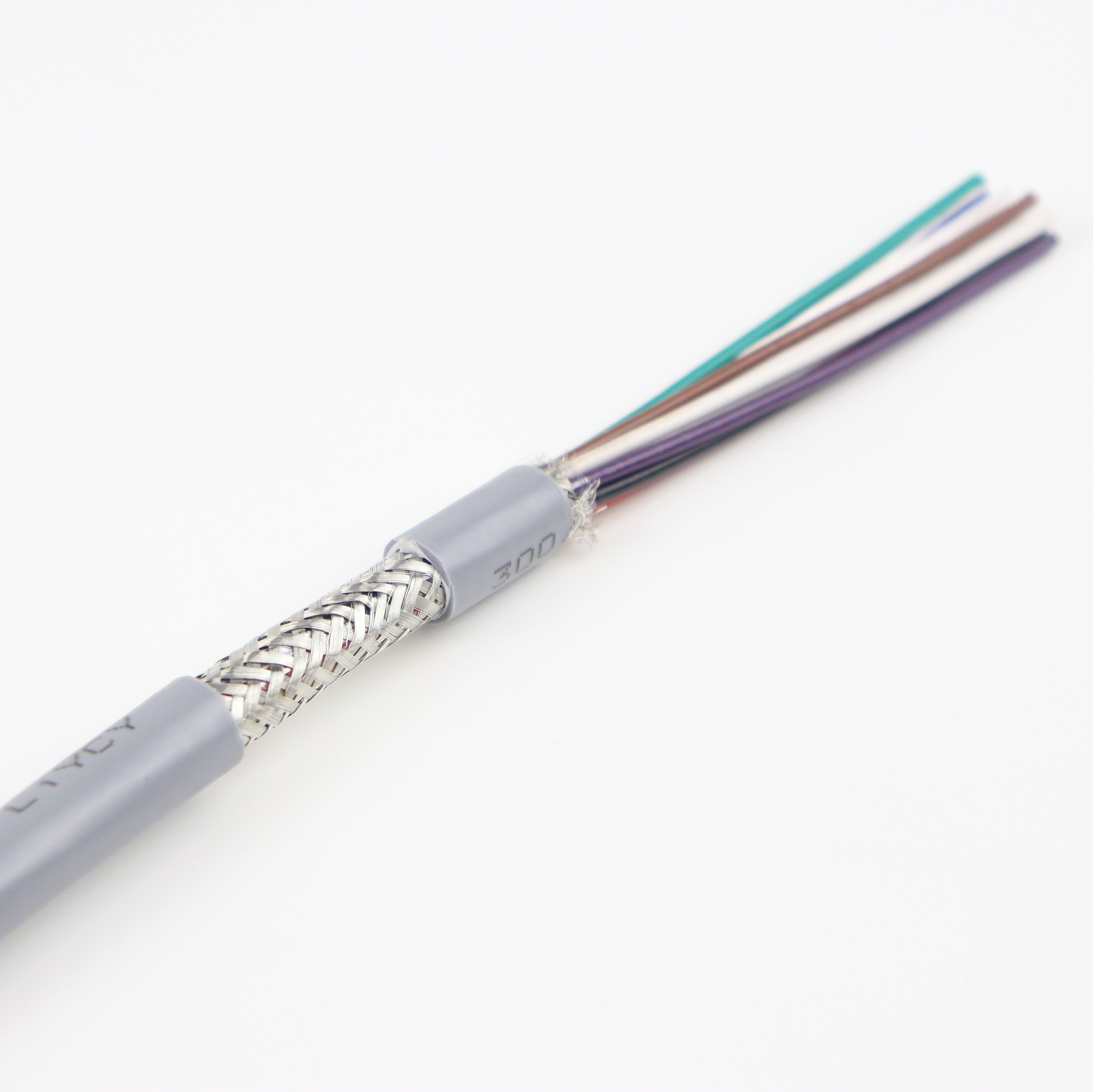
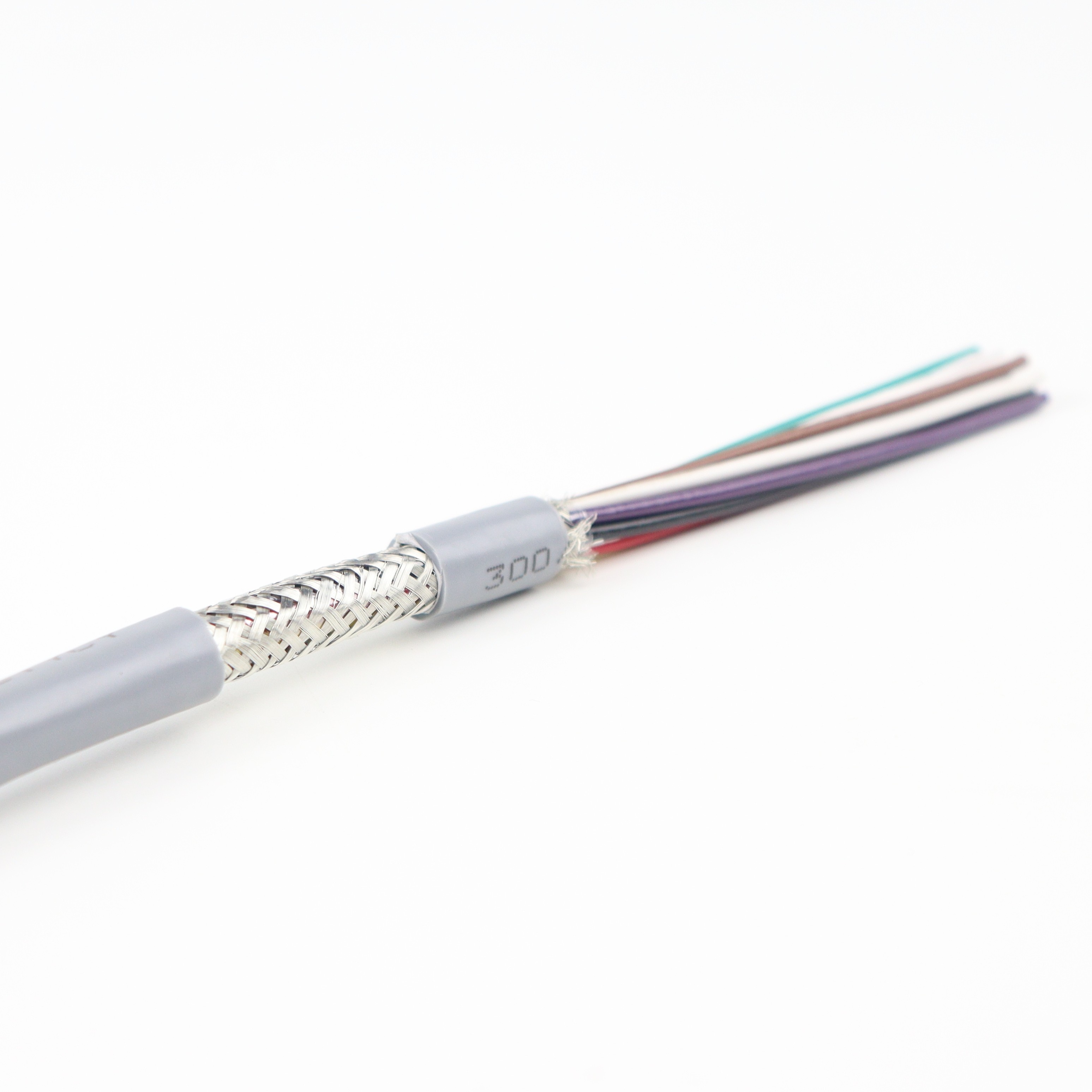
A tinned copper braid with ≥80% coverage is available for VFD-driven crane systems where hoist motor switching introduces electrical noise into adjacent control and signal lines. EMC interference can cause erratic crane positioning, encoder errors, or communication faults. The shielded variant addresses interference at the cable level without requiring conduit separation or signal filtering. RoHS compliant; with or without a green/yellow earth core.
Long free-hanging cable drops in overhead crane installations generate catenary loads that standard flexible cables cannot sustain without conductor deformation. The reinforced wirerope flexible flat crane cable 450/750V addresses this by routing the full tensile load through the integrated strength members. Key specification parameters are strength member material, conductor cross-section with installation derating, and sheath temperature rating matched to the operating environment.
In festoon systems, the cable trails the moving crane bridge or crab suspended from trolley rings along the runway. The flat profile prevents cross-section twisting between suspension points — a failure mode common in standard round cables on long festoon spans at high travel speeds. Flex-cycle loading at the trolley attachment point depends on the effective bending radius and trolley spacing; confirm these against the cable specification before final installation.
Reeling drum applications require cables that maintain electrical continuity and mechanical integrity across many thousands of drum rotations over the installation lifetime. The flat profile reduces stacking height and the minimum drum diameter requirement, while preventing winding irregularities that cause localised overbending. Confirming the winding pitch, minimum drum radius, cable layer count, and the estimated total rotation cycles over the installation service lifetime against the cable bending radius specification before installation reliably prevents early mechanical failure.
| Core Qty × Cross-section (mm²) | Outer Dimension (mm) | Cable Weight (kg/km) | Core Qty × Cross-section (mm²) | Outer Dimension (mm) | Cable Weight (kg/km) |
|---|---|---|---|---|---|
| 4×1.5 | 5.8×16.3 | 188 | 4×4 | 7.3×27.4 | 418 |
| 8×1.5 | 5.8×28.9 | 346 | 8×4 | 7.3×45.7 | 682 |
| 10×1.5 | 5.8×35.1 | 414 | 10×4 | 7.3×53.5 | 848 |
| 12×1.5 | 5.8×41.3 | 491 | 12×4 | 7.3×62.6 | 996 |
| 24×1.5 | 5.8×84.6 | 962 | 18×4 | 7.3×91.7 | 1493 |
| 4×2.5 | 6.6×19.7 | 258 | 20×4 | 7.3×99.8 | 1680 |
| 8×2.5 | 6.6×36.4 | 482 | 4×6 | 8.0×25.9 | 489 |
| 12×2.5 | 6.6×48.5 | 657 | 8×6 | 8.0×47.9 | 727 |
| 24×2.5 | 6.6×94.7 | 1327 | 12×6 | 8.0×66.7 | 1285 |
Voltage rating: 450/750V. Operating temperature: −15°C to +70°C. Conductor: IEC 60228 Class 5 bare copper. Insulation and sheath: rubber. Flame retardancy: IEC 60332-3. Optional shielding: tinned copper braid, ≥80% coverage. RoHS compliant.
The reinforced wirerope flexible flat crane cable 450/750V supports full customisation to drawing specification: core count, cross-section, strength member type (galvanised steel wire rope or aramid fibre), sheath colour, shielding configuration, and core identification. OEM and ODM production are supported. Providing complete installation constraints at the enquiry stage — suspension height, drum geometry, travel speed, ambient temperature, and EMC requirements — enables accurate specification matching without revision cycles.
Standard configurations span the full core quantity and cross-section range in the specifications table. Factory technical support is available for specification validation and sample provision before volume order placement.
In crane cable procurement, the total installed cost — including cable replacement labour and crane downtime — consistently exceeds the initial purchase price when an underspecified cable fails before the planned service interval. Correct specification for the actual mechanical load path and flex-cycle environment controls long-term operational cost.
Built‑in high‑tensile strength members bear suspended weight to protect conductors, Flat structure extends bending fatigue life and avoids twisting failure, Rubber insulation sheath offers good tensile‑tear resistance and flame retardancy, optional EMC shielding for noise suppression, RoHS compliant with optional earth core.

 EN