High Voltage Power Cable | Reliable Power

application/high-voltage-power-cable, application/high-voltage-power-cable, 
Inquiry
Inquiry

high voltage power cable

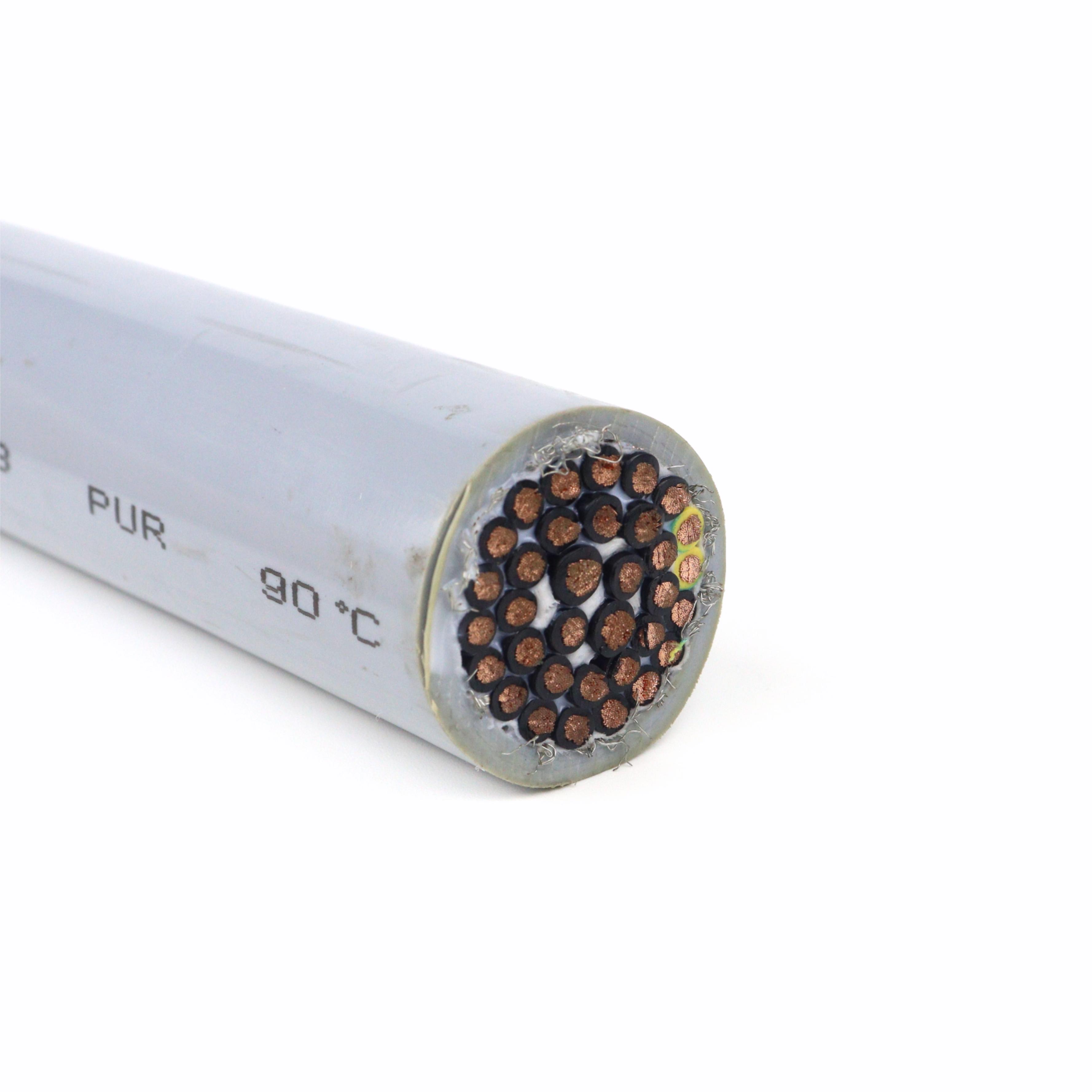
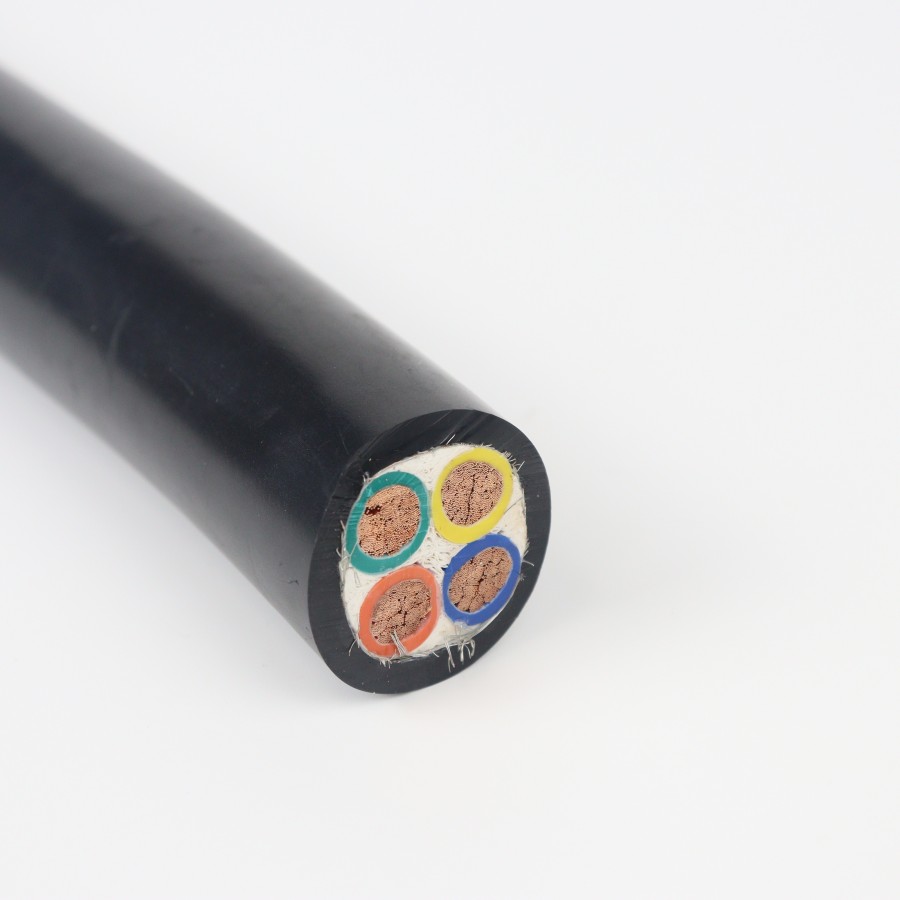
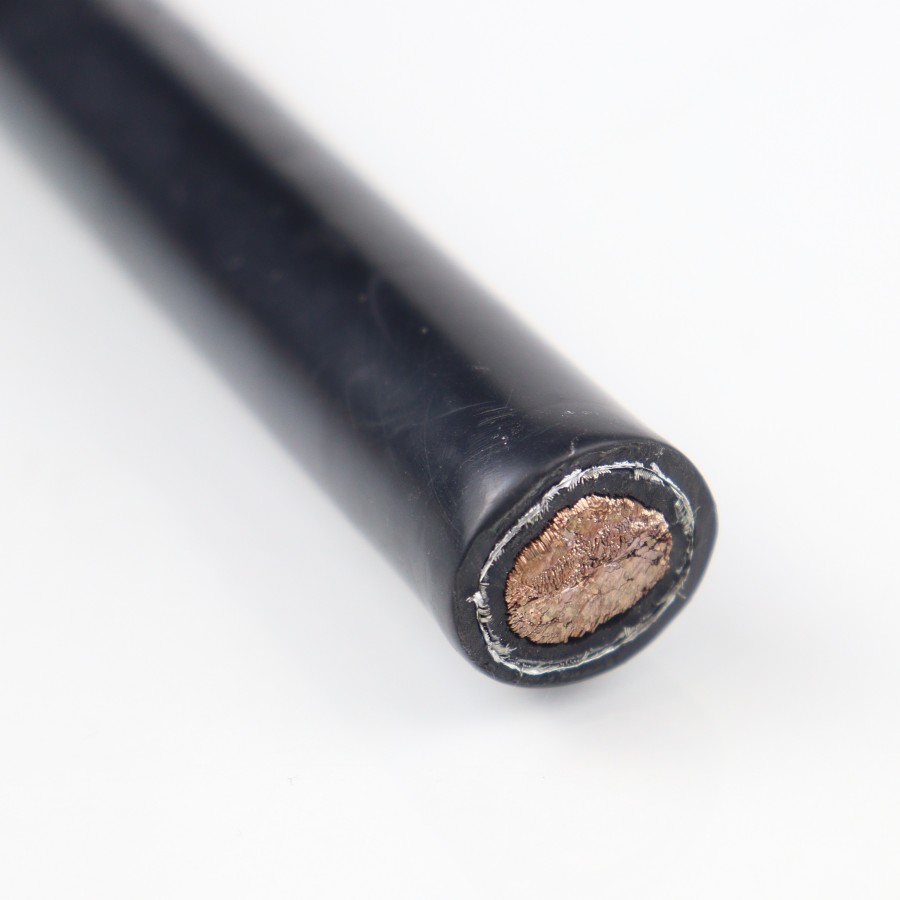
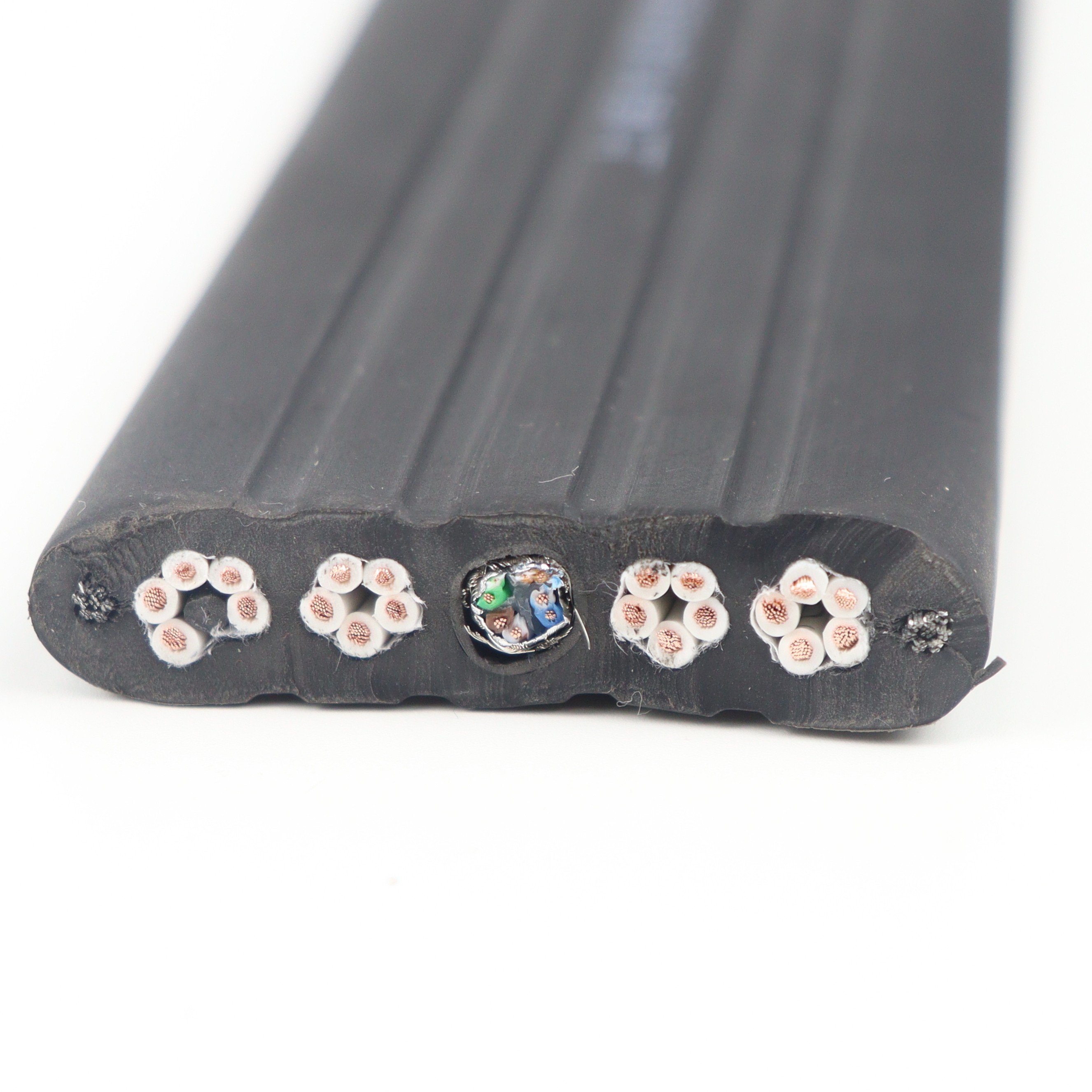
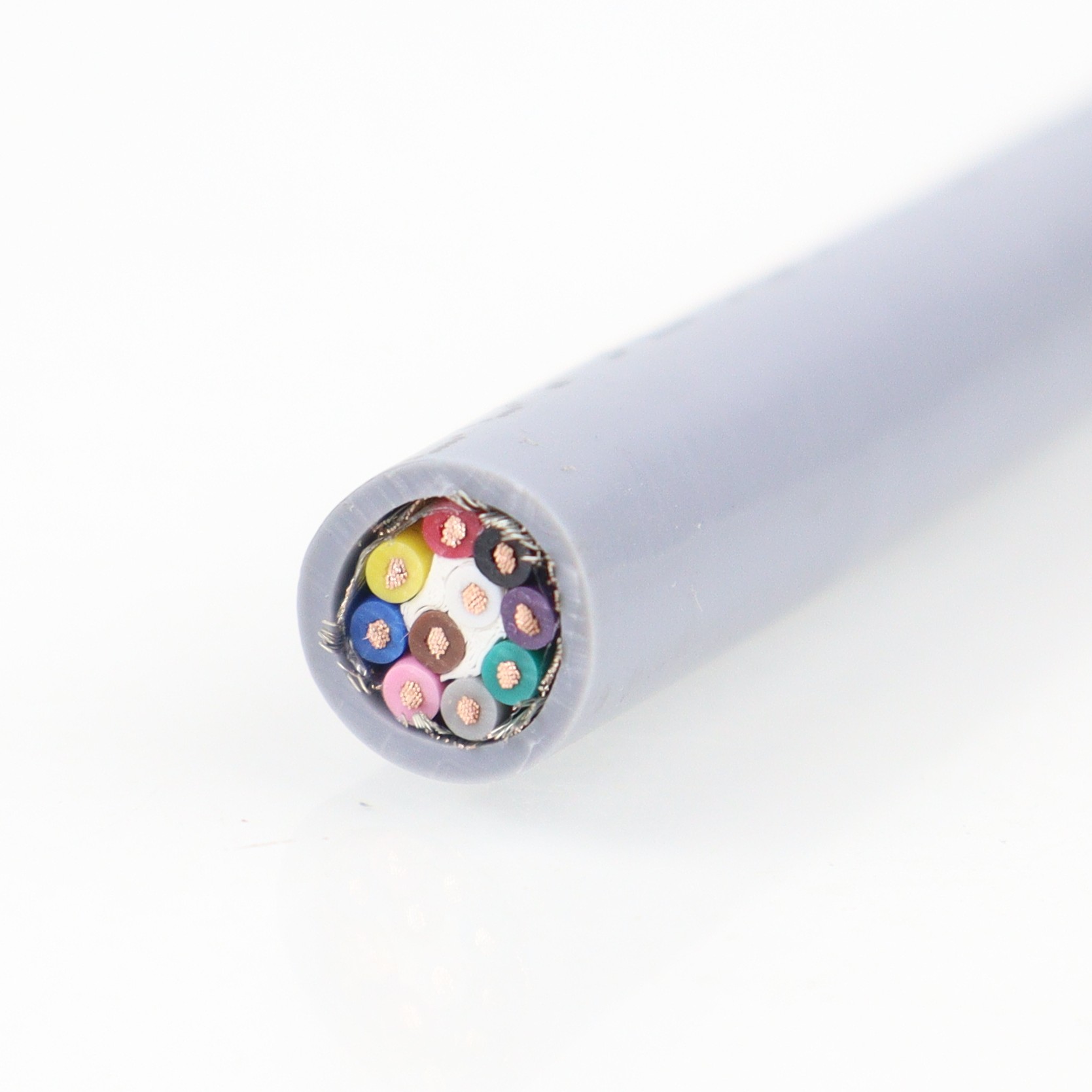
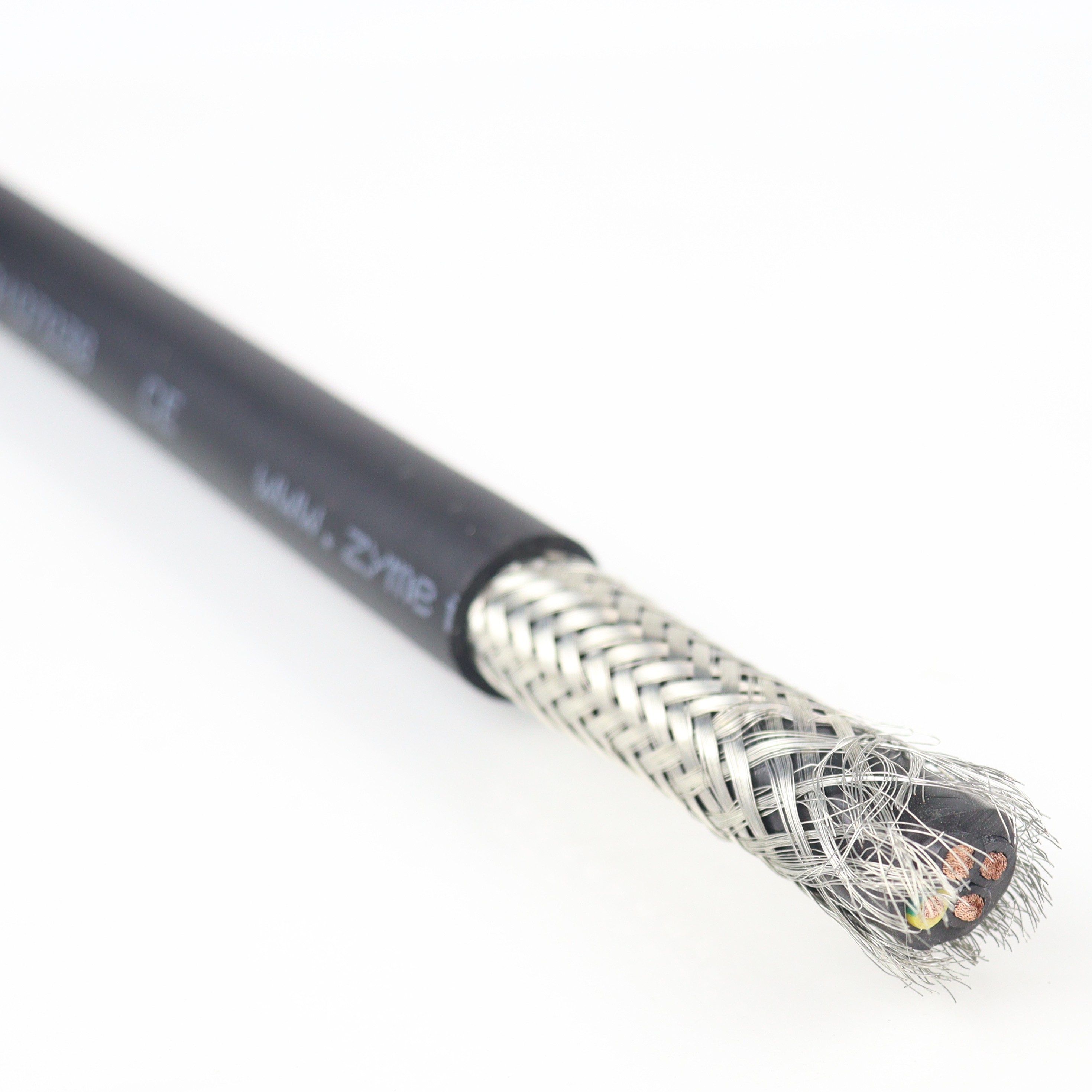
A high voltage power cable is a specially engineered cable that carries electrical energy safely across long distances and between major equipment points. It connects generating stations, substations, industrial plants, renewable energy sites, transport systems, and large commercial facilities. Unlike ordinary wiring, a high voltage power cable must control strong electrical fields, limit energy loss, and remain stable under heat, moisture, mechanical stress, and changing loads. A high voltage power cable usually includes a highly conductive copper or aluminum conductor, an insulation layer, a metallic screen or shield, protective bedding, and an outer sheath. These layers work together to prevent current leakage, reduce electrical interference, and protect the core from impact or corrosion. Modern designs may use cross-linked polyethylene insulation because it offers reliable electrical strength, good heat resistance, and a long service life. Depending on the installation, a high voltage power cable can be supplied for underground, indoor, outdoor, submarine, or direct-buried use. Some versions include water-blocking materials, fire-resistant jackets, low-smoke compounds, or armor for added protection. A high voltage power cable supports both alternating-current and direct-current transmission, with ratings selected according to voltage, current, distance, installation method, and local conditions. Proper sizing and testing help maintain stable delivery while reducing faults and maintenance interruptions. For buyers, the right high voltage power cable provides a dependable link between power sources and demanding loads. It also helps projects meet safety requirements, improve network capacity, and support future expansion without replacing the entire transmission route.
Choosing a high voltage power cable gives power operators a practical way to move large amounts of electricity with controlled risk and predictable performance. A high voltage power cable can transmit energy over long routes while reducing the need for many intermediate facilities. This can lower land use, simplify project planning, and make underground installation possible where overhead lines are unsuitable. The cable's insulation protects people, equipment, and nearby systems from accidental contact with energized conductors. A high voltage power cable with a strong outer sheath also resists water, chemicals, sunlight, abrasion, and mechanical impact, helping it perform in difficult locations. For buyers, this protection can mean fewer emergency repairs and a longer replacement cycle. A high voltage power cable also supports stable voltage delivery for factories, data centers, hospitals, rail networks, mines, and utility substations. Reliable transmission helps sensitive equipment operate without avoidable interruptions, while strong thermal performance allows the cable to handle normal load changes. Buyers can select copper or aluminum conductors, different insulation levels, shielding arrangements, armor, and jacket materials to match the site. This flexibility makes the product suitable for fixed networks, renewable energy collection systems, industrial distribution, and connections between distant substations. Installation planning still matters. A high voltage power cable needs the correct bend radius, jointing system, termination, grounding method, and test procedure. When these details receive proper attention, the cable delivers a useful balance of capacity, safety, service life, and ownership cost. Compared with rebuilding an overhead route, a high voltage power cable may also reduce visual impact and improve access to constrained urban sites. Its sealed construction can limit exposure to weather, and its defined electrical rating makes system design easier. Customers should compare technical data, installation conditions, warranty coverage, testing records, and supplier support before purchase. These checks help match the high voltage power cable to actual operating demands rather than choosing only by price.

Tips And Tricks

Shanghai Libin Cable Showcases Robot and Automation Cable Solutions at CMES Shanghai Industrial Automation & Robotics Exhibition

16

Oct

Shanghai Libin Cable Showcases Robot and Automation Cable Solutions at CMES Shanghai Industrial Automation & Robotics Exhibition

View More
Shanghai Libin Cable Showcases Crane Cable Solutions at the 11th China (Changyuan) International Crane Equipment Expo

16

Oct

Shanghai Libin Cable Showcases Crane Cable Solutions at the 11th China (Changyuan) International Crane Equipment Expo

View More
Why Drag Chain Cables Fail: Four Common Causes and How to Select Correctly

16

Oct

Why Drag Chain Cables Fail: Four Common Causes and How to Select Correctly

View More
Industrial Robot Combination Cable: Routing Power and Signal Together in a Small-Bend-Radius Drag Chain

16

Oct

Industrial Robot Combination Cable: Routing Power and Signal Together in a Small-Bend-Radius Drag Chain

View More

Get a Free Quote

Our representative will contact you soon.
0/1000
Strong Insulation for Safer Transmission

Strong Insulation for Safer Transmission

The insulation system is one of the most important features of a high voltage power cable because it separates the energized conductor from the screen, ground, and surrounding environment. A high voltage power cable made with quality cross-linked polyethylene insulation can maintain electrical strength across a wide temperature range. This material also resists moisture and helps limit the risk of insulation breakdown during normal service. For customers, strong insulation supports safer operation and reduces the chance that a small defect will become a costly network failure. The cable design can include a conductor screen and insulation screen to create a smooth electrical field around the core. That controlled field improves reliability when the route carries heavy loads for long periods. Factory testing, dimensional control, and routine electrical checks add confidence before delivery. Buyers can therefore plan installations with clearer performance expectations. In substations, industrial plants, renewable energy projects, and underground routes, a properly insulated high voltage power cable protects connected equipment while supporting continuous power delivery.
Durable Construction for Difficult Sites

Durable Construction for Difficult Sites

A high voltage power cable must survive more than electrical stress. It may face water, soil pressure, vibration, chemicals, sunlight, pulling forces, and accidental impact during installation or service. A high voltage power cable with a tough outer sheath and suitable armor provides practical protection against these conditions. Water-blocking layers can slow the movement of moisture along the cable, while metal armor can improve resistance to crushing, rodents, and mechanical damage. Customers can select jacket materials for indoor, outdoor, direct-buried, tunnel, or marine applications. This flexible construction reduces the need for extra protective systems and helps contractors adapt the cable to the route. A high voltage power cable that matches the site environment is less likely to require early repair or replacement. Durable materials also protect the investment when access is difficult or service interruption would affect production. Before ordering, buyers should review temperature limits, chemical exposure, soil conditions, pulling requirements, and expected maintenance access. The result is a more dependable power link with lower operational uncertainty.
Efficient Capacity for Modern Networks

Efficient Capacity for Modern Networks

Growing cities, factories, renewable energy projects, and digital facilities need transmission systems that can carry more power without occupying unnecessary space. A high voltage power cable helps meet this need by moving large electrical loads through a compact, controlled route. A high voltage power cable can connect substations, wind farms, solar plants, data centers, transport systems, and heavy industrial equipment with fewer route constraints than many conventional options. Low electrical resistance helps limit energy loss, while suitable insulation and conductor sizing support stable operation under continuous demand. Customers can choose copper for high conductivity or aluminum for a lighter, often more economical design, depending on project priorities. High voltage cable systems also work well in urban areas where visual impact, limited land, or public access makes overhead construction difficult. With correct joints, terminations, grounding, and testing, the cable can support dependable network expansion. This makes it useful for both new infrastructure and upgrades to existing power systems. Buyers gain a scalable solution that supports present loads while leaving room for planned growth and changing energy sources.