high voltage dc cable
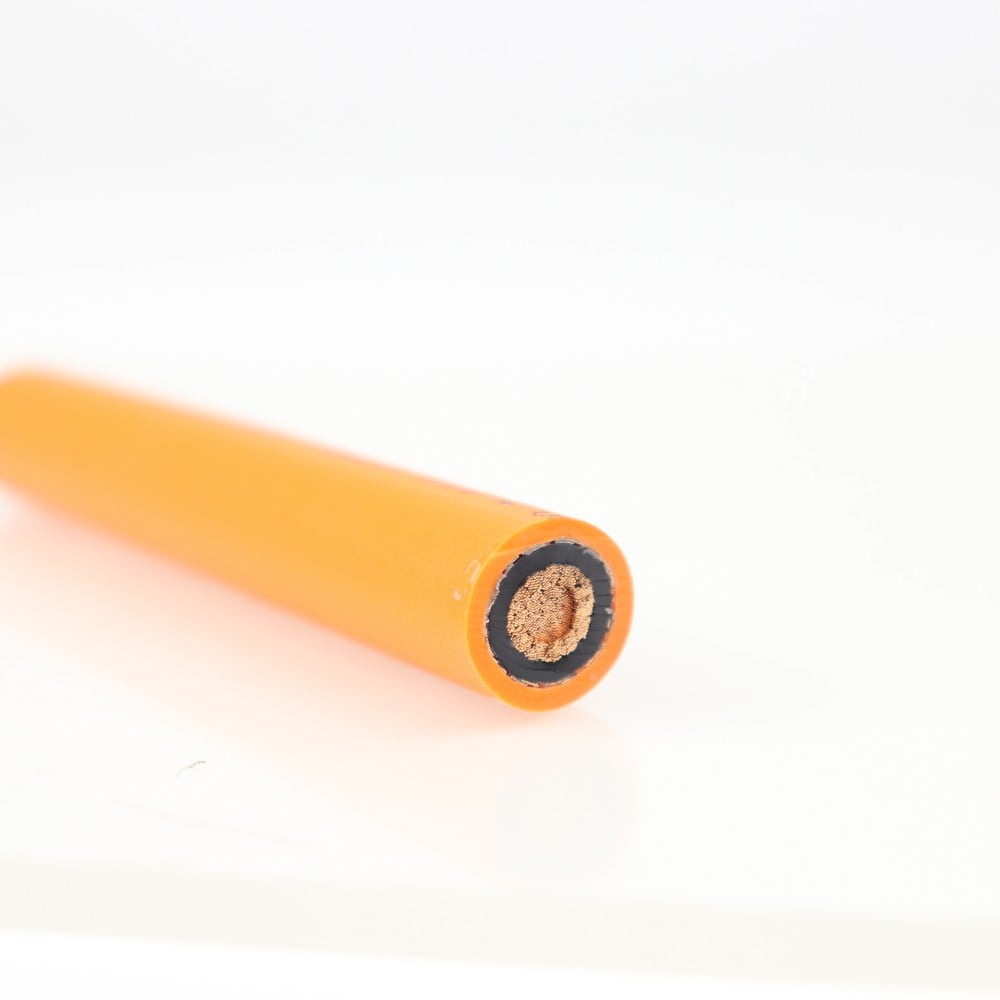
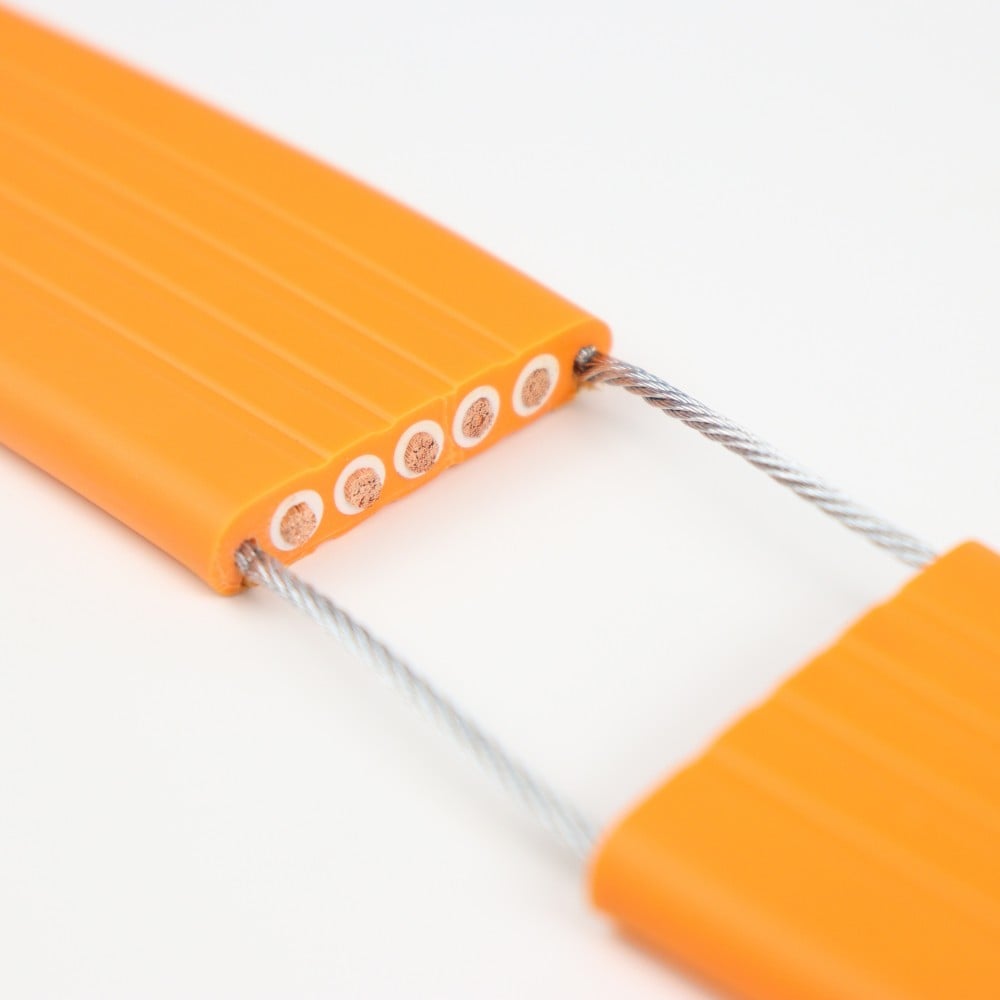
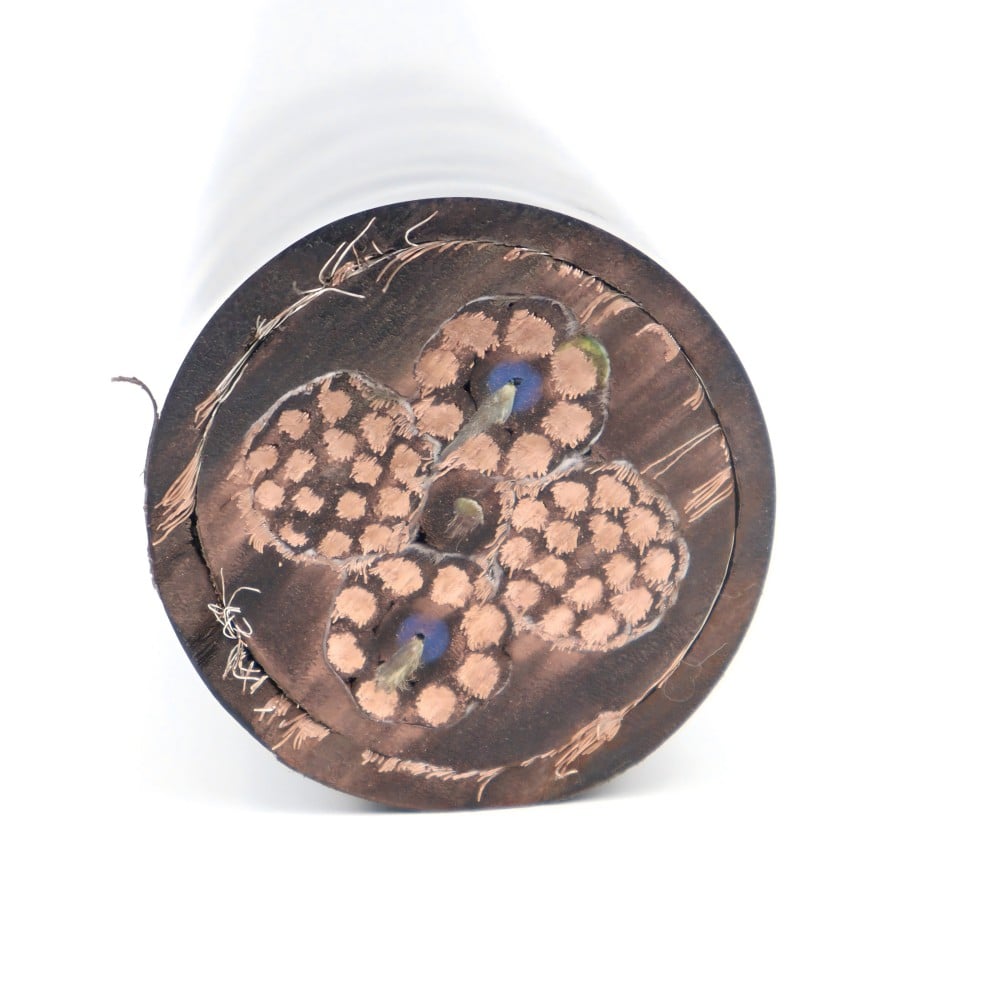
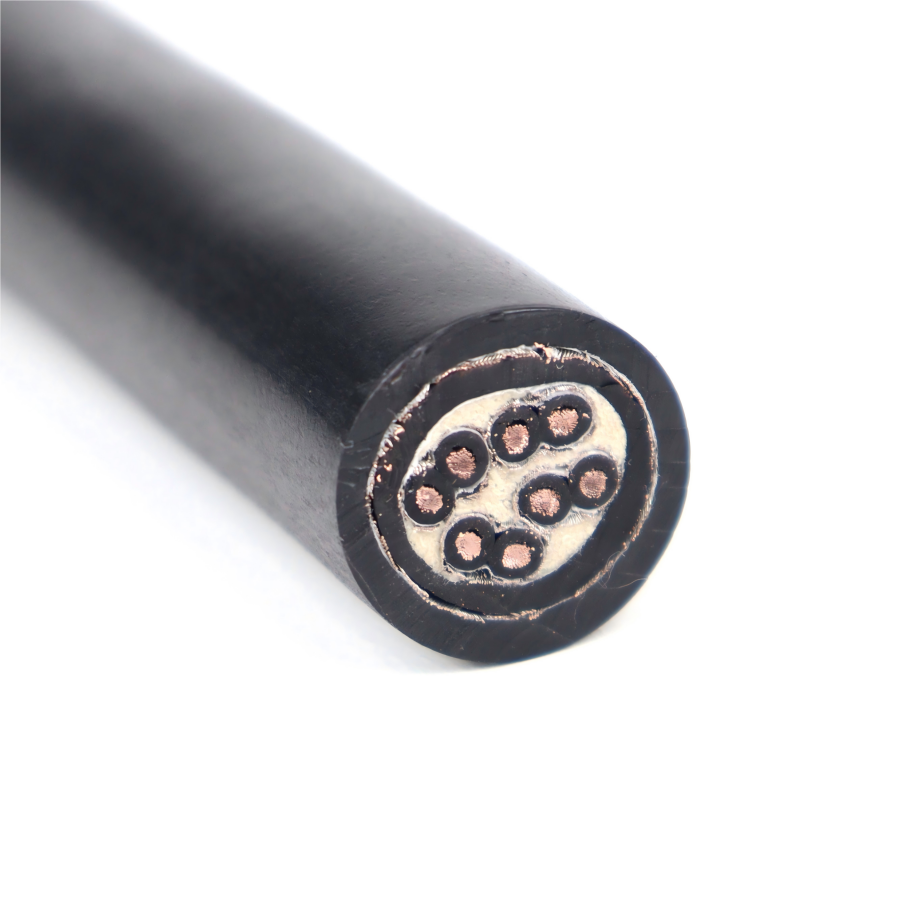
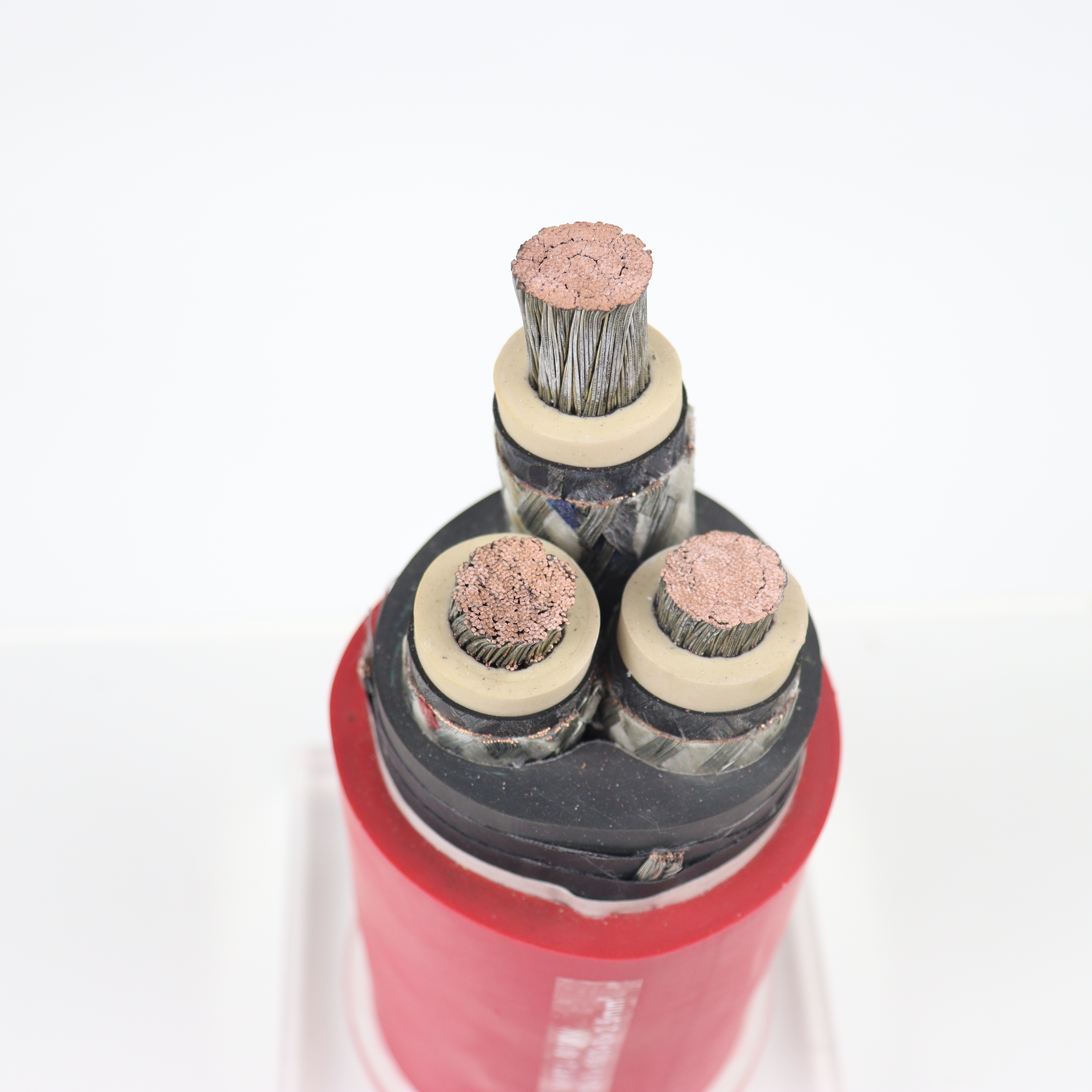
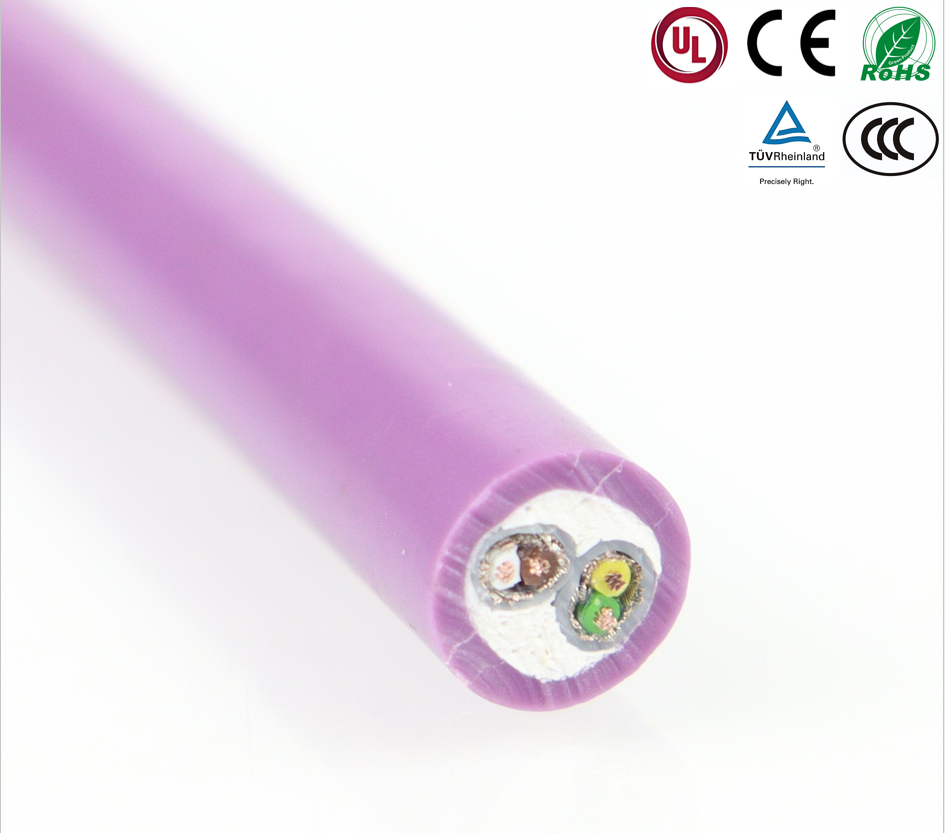
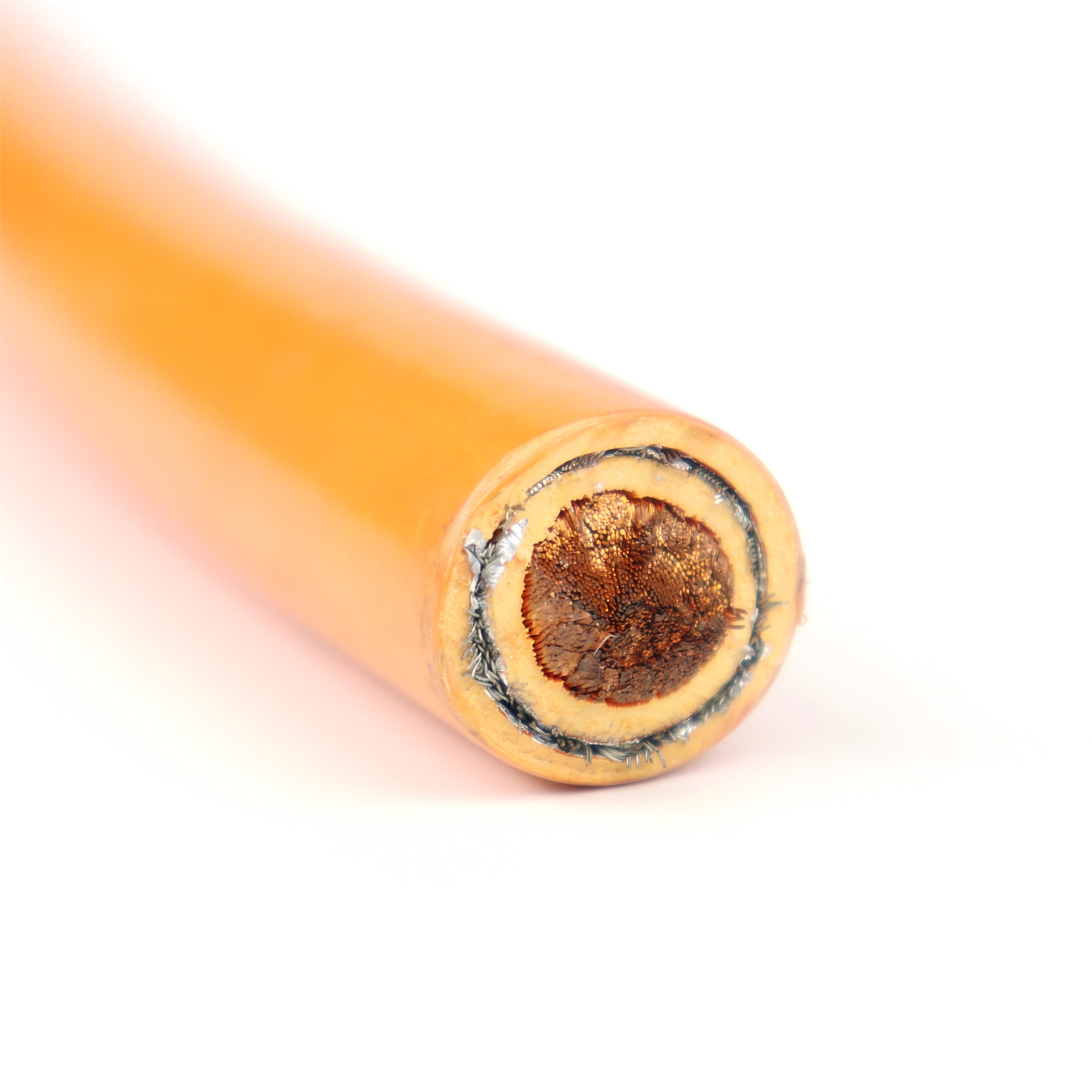
A high voltage dc cable transfers large amounts of electrical power over long distances with controlled energy loss. Unlike an alternating-current link, this system carries direct current through a carefully insulated conductor, making it suitable for efficient transmission between power stations, converter stations, offshore facilities, and major industrial loads. The high voltage dc cable normally uses copper or aluminum conductors, a semiconductive screen, high-performance insulation, a metallic shield, and a protective outer sheath. These layers control electric stress, block moisture, reduce damage, and support safe operation. The high voltage dc cable can also include fiber-optic elements for temperature monitoring, communication, and fault detection. Modern designs use cross-linked polyethylene insulation because it handles high electrical stress, heat, and mechanical pressure while requiring limited maintenance. A high voltage dc cable may be installed underground, under water, in tunnels, or inside industrial plants, depending on route conditions and project needs. For renewable energy, the high voltage dc cable connects remote wind and solar resources to the main grid. In transmission networks, it links asynchronous systems and helps control power flow. The same high voltage dc cable supports submarine interconnectors, urban supply routes, rail systems, and data-intensive facilities. During service, operators can monitor temperature, load, insulation condition, and external movement. Compared with overhead lines, a high voltage dc cable offers a compact route and less visual impact, although installation planning remains important. When buyers evaluate a high voltage dc cable, they should consider rated voltage, current capacity, conductor size, insulation type, bending radius, fire performance, installation method, and expected service life. Overall, the high voltage dc cable combines efficient transmission, strong protection, and flexible deployment for demanding power projects.