high voltage underground cable
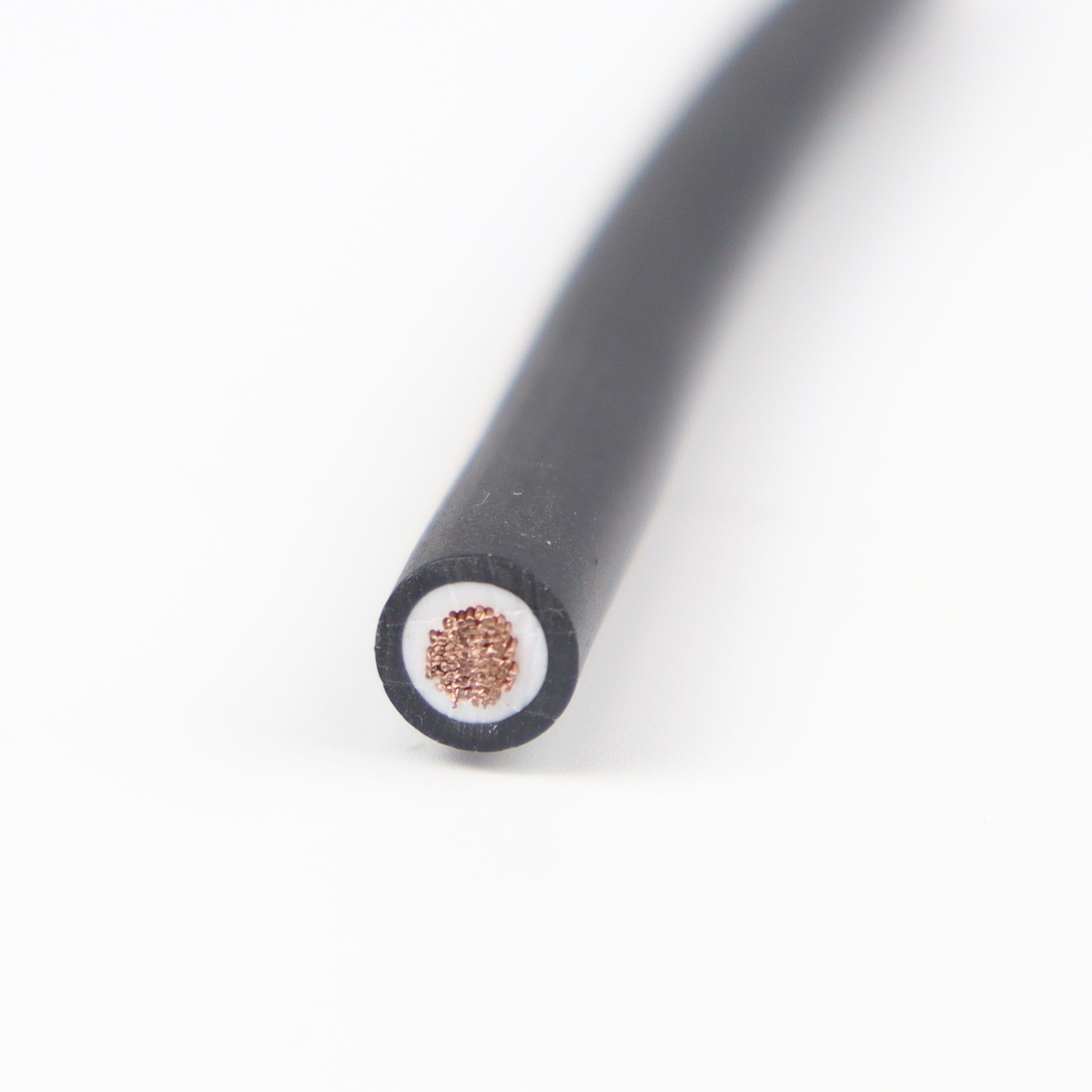
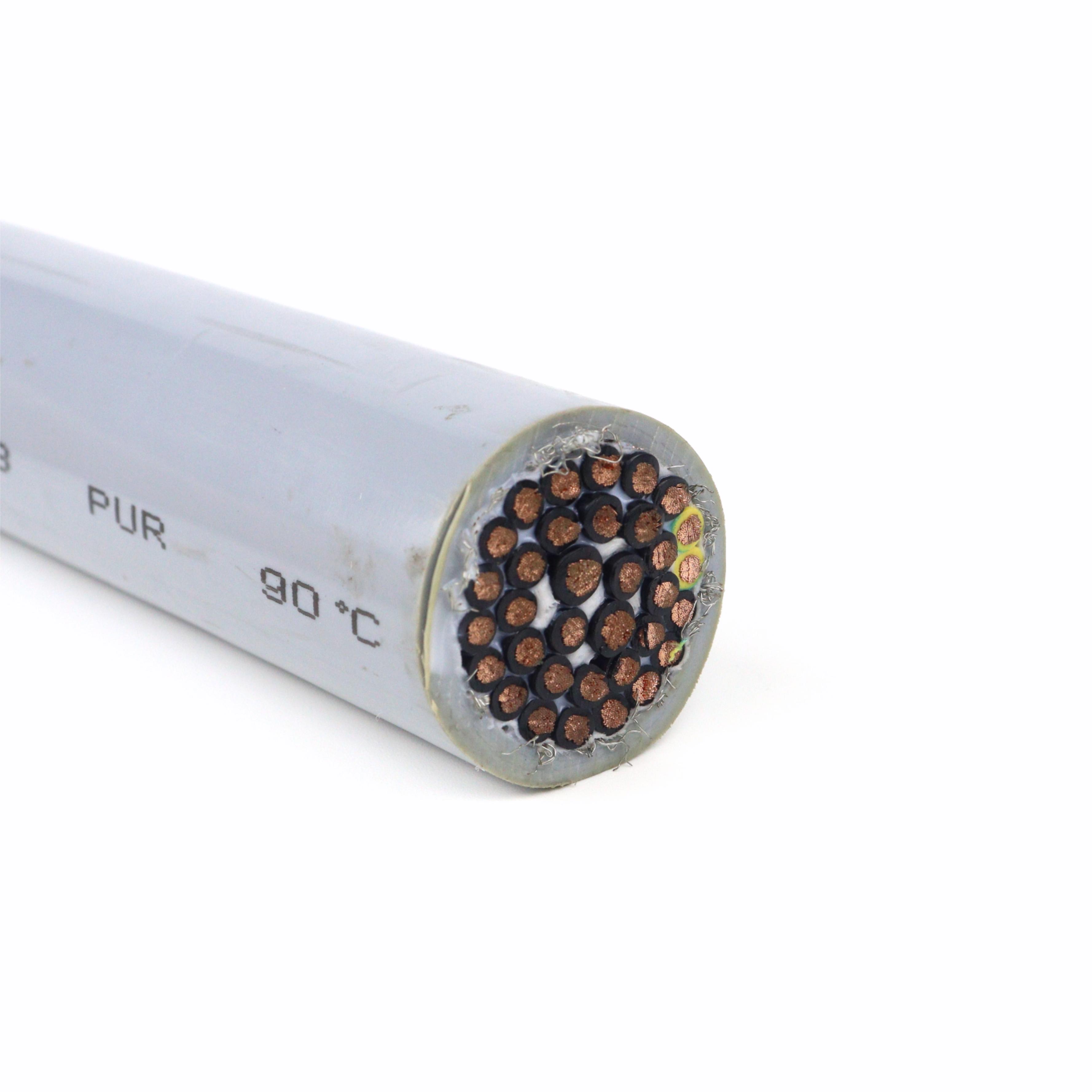
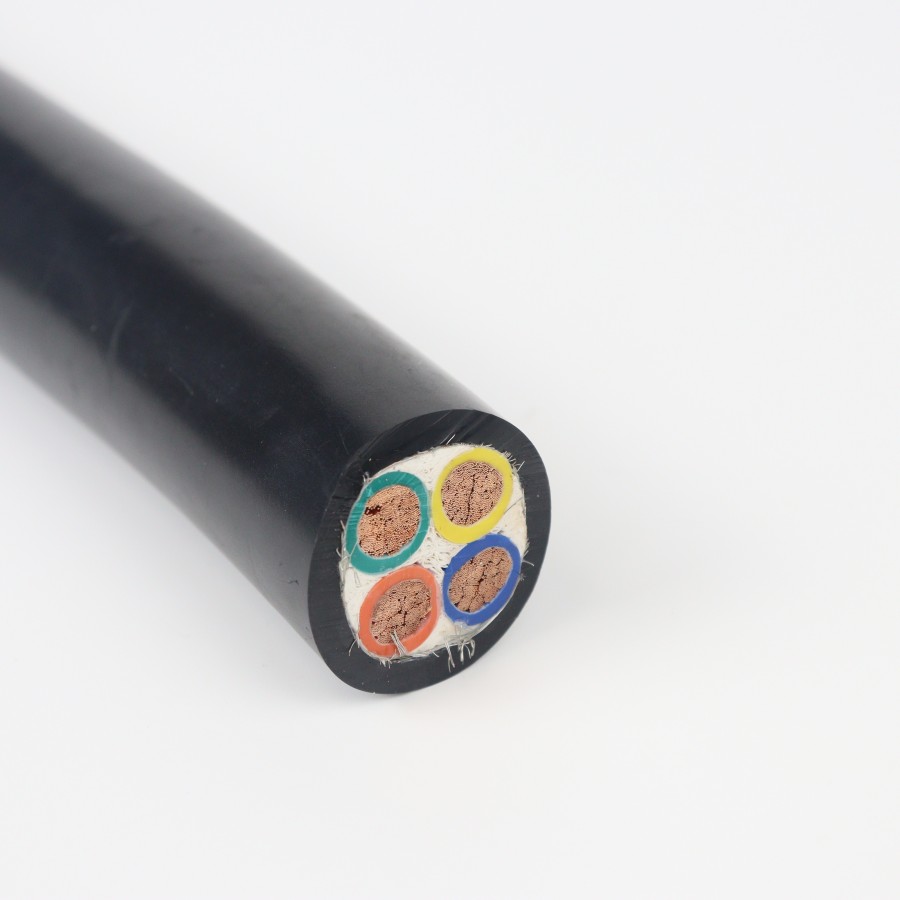
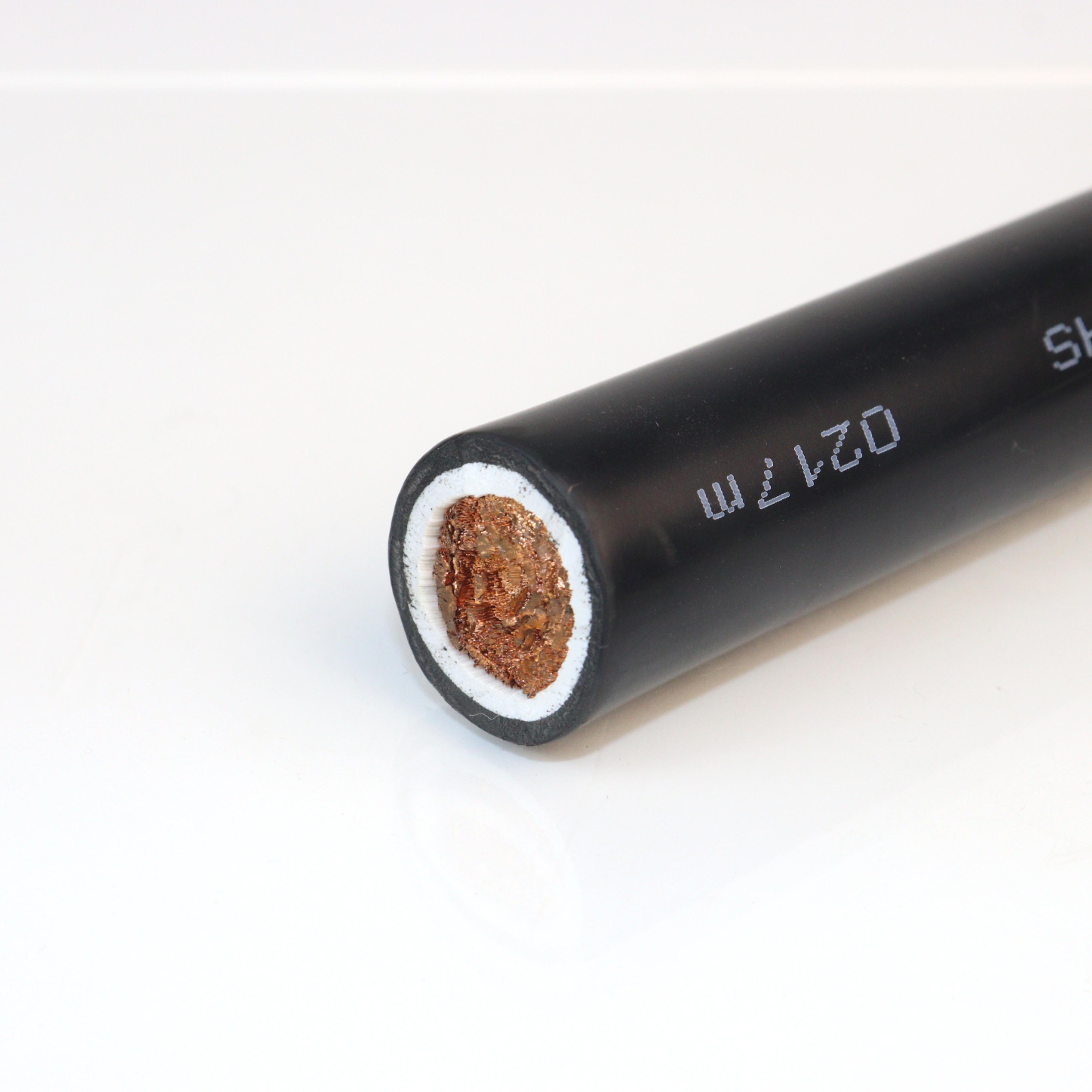
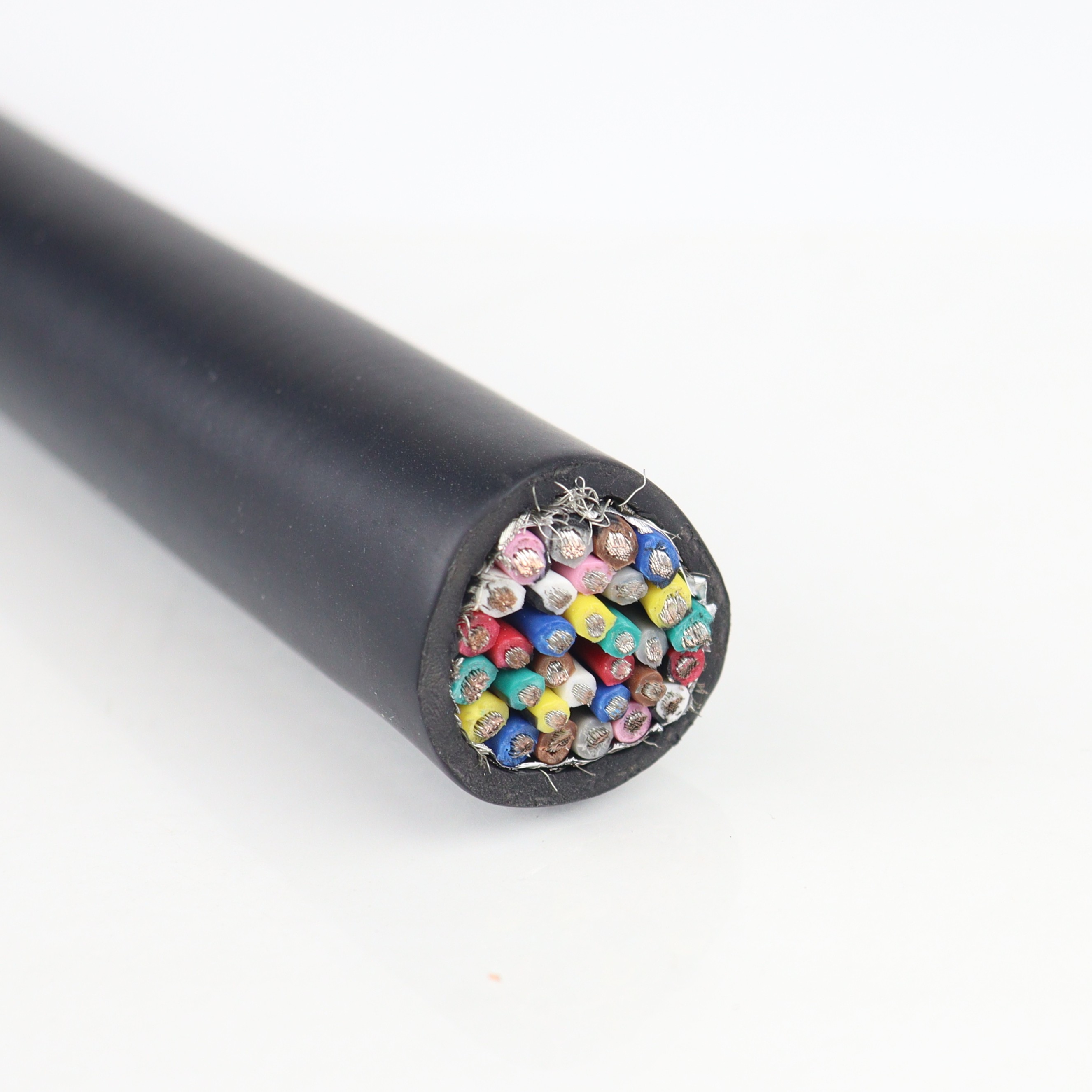
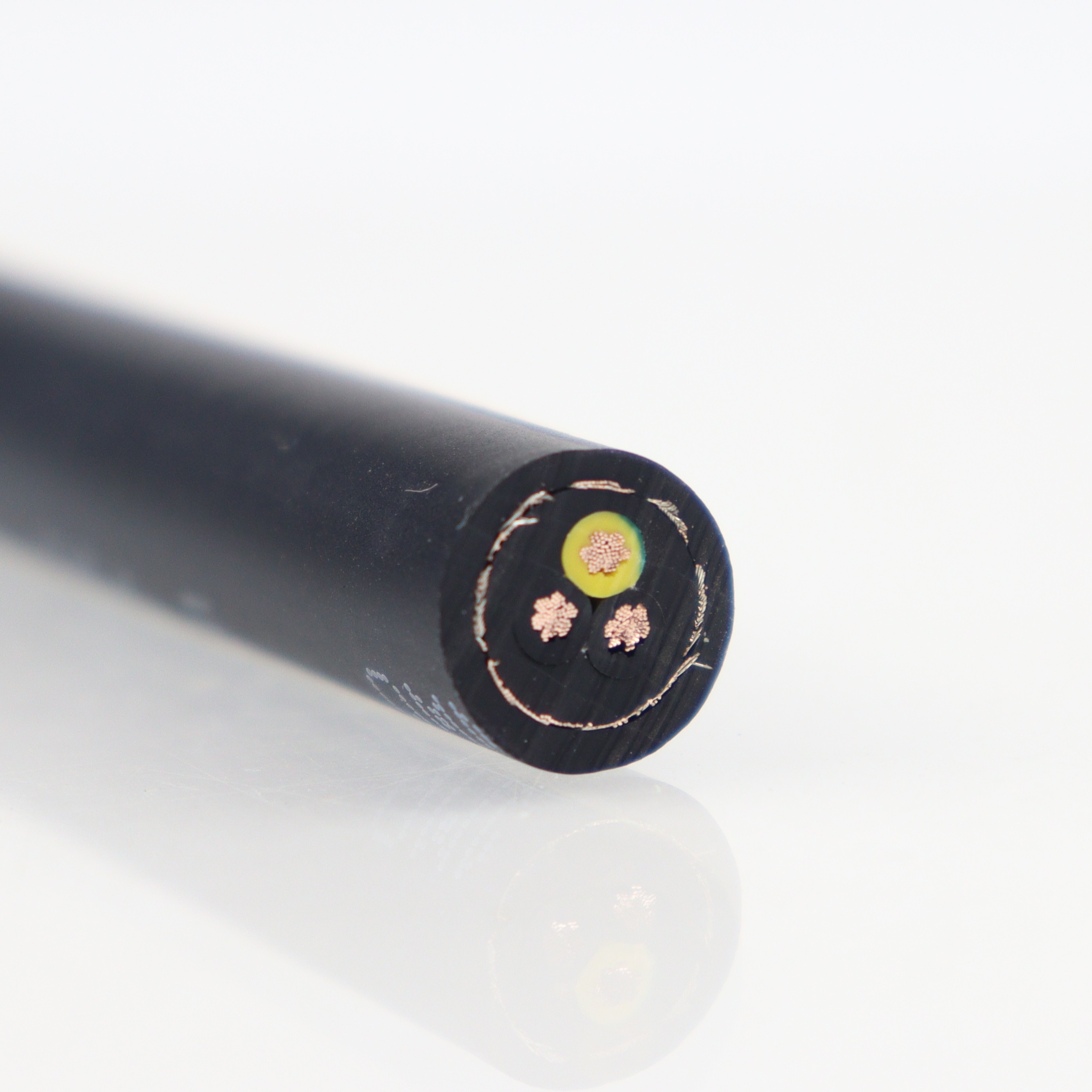
A high voltage underground cable is a power transmission system designed to carry electricity at high voltage below ground. It connects generating stations, substations, industrial sites, renewable energy projects, and urban distribution networks while keeping conductors protected from public access and surface disruption. A high voltage underground cable normally contains one or more copper or aluminum conductors, insulation, metallic shielding, bedding, and a tough outer sheath. These layers control electric stress, block moisture, limit mechanical damage, and support long service life. The high voltage underground cable transfers large amounts of power with lower current-related loss than a lower-voltage line, helping operators move energy efficiently over long distances. The high voltage underground cable also supports reliable grid expansion where overhead towers are unsuitable, restricted, or visually undesirable. Modern designs use cross-linked polyethylene insulation, which handles heat and electrical stress while remaining relatively light and easy to install. The high voltage underground cable may include water-blocking materials, fire-resistant compounds, monitoring wires, and special armor for difficult ground conditions. Engineers select the high voltage underground cable according to rated voltage, conductor size, installation depth, soil temperature, load profile, fault level, and required bending radius. Installation can use open trenching, ducts, or controlled underground drilling, depending on the location. After testing, jointing, and termination, the high voltage underground cable provides a stable route for continuous power delivery. It suits compact cities, transport corridors, coastal facilities, factories, data centers, solar farms, wind farms, and utility interconnections. By placing the network below grade, a high voltage underground cable reduces exposure to storms, falling branches, vehicle impact, and unauthorized contact. The high voltage underground cable gives planners a durable option for safe, efficient, and discreet electricity infrastructure.