High Tension Power Cable | Reliable Grid Supply

application/high-tension-power-cable, application/high-tension-power-cable, 
Inquiry
Inquiry

high tension power cable

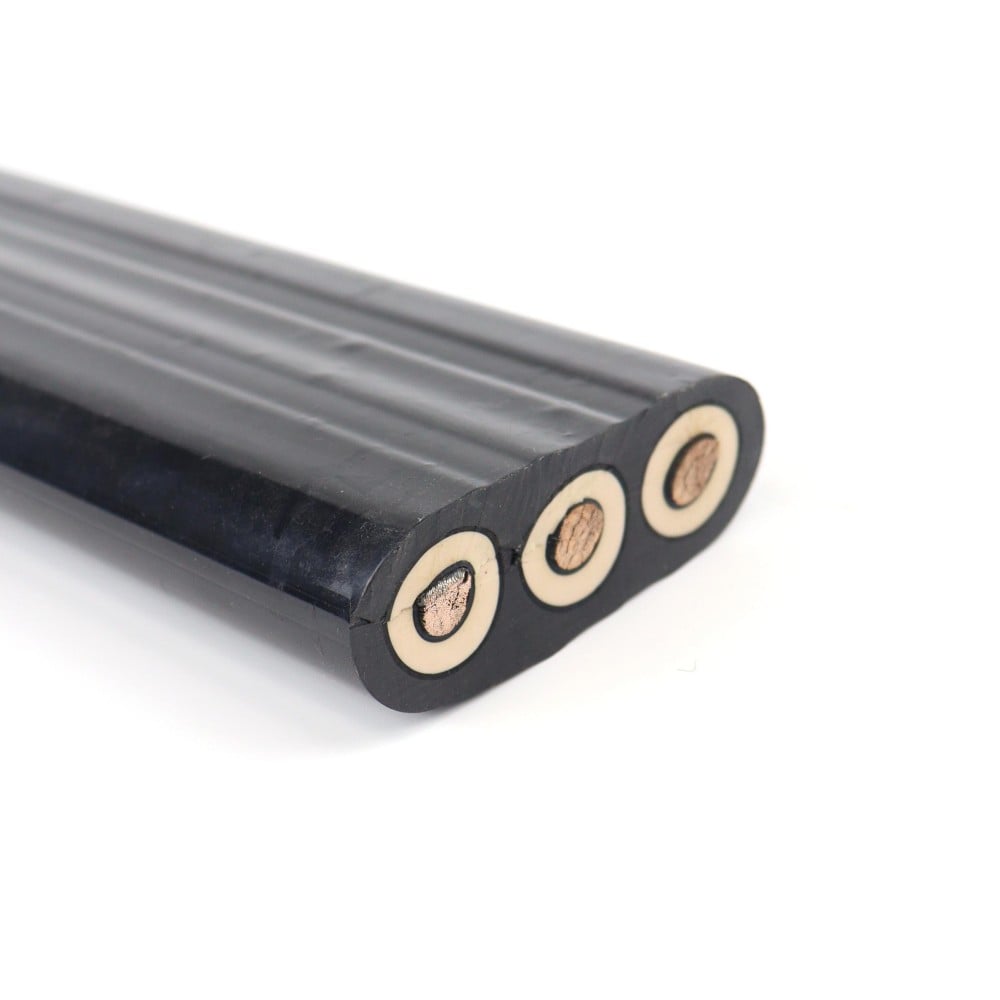
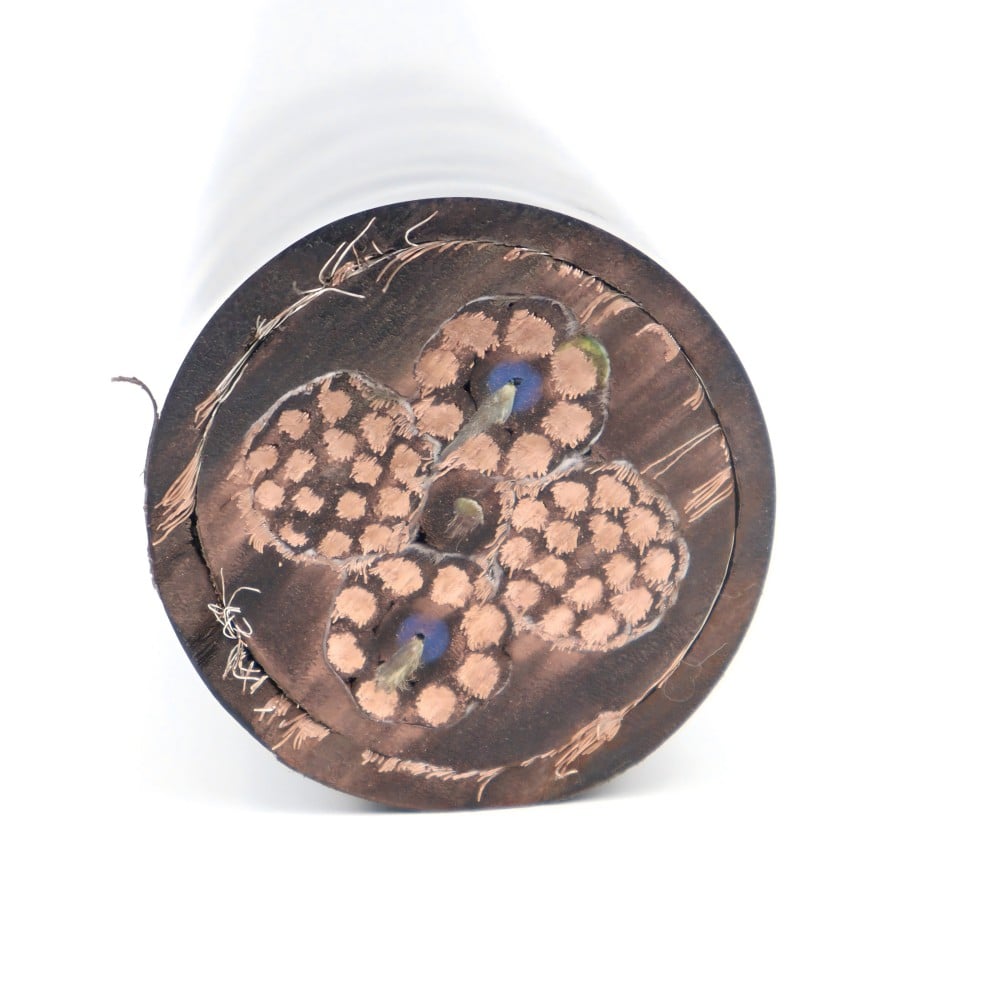
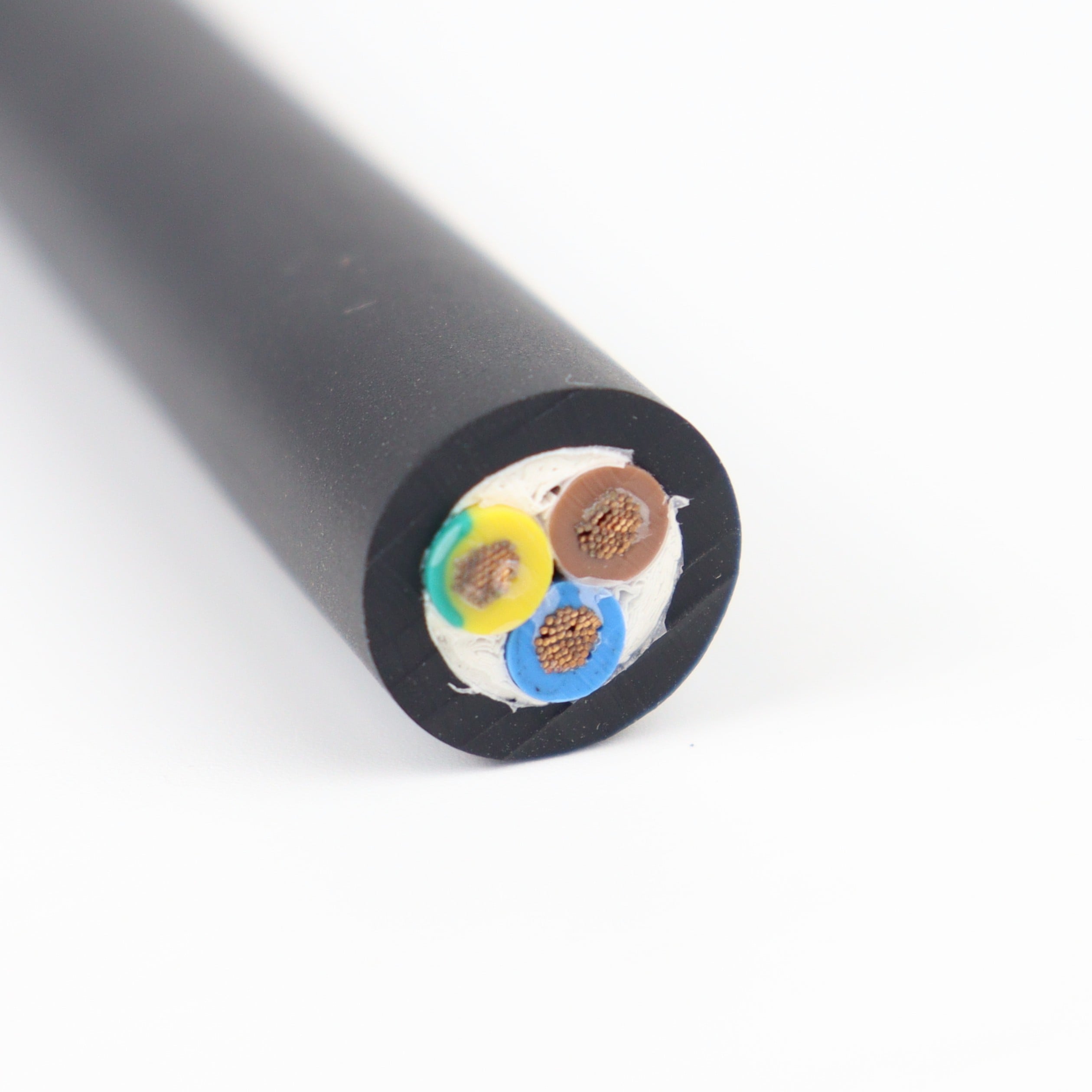
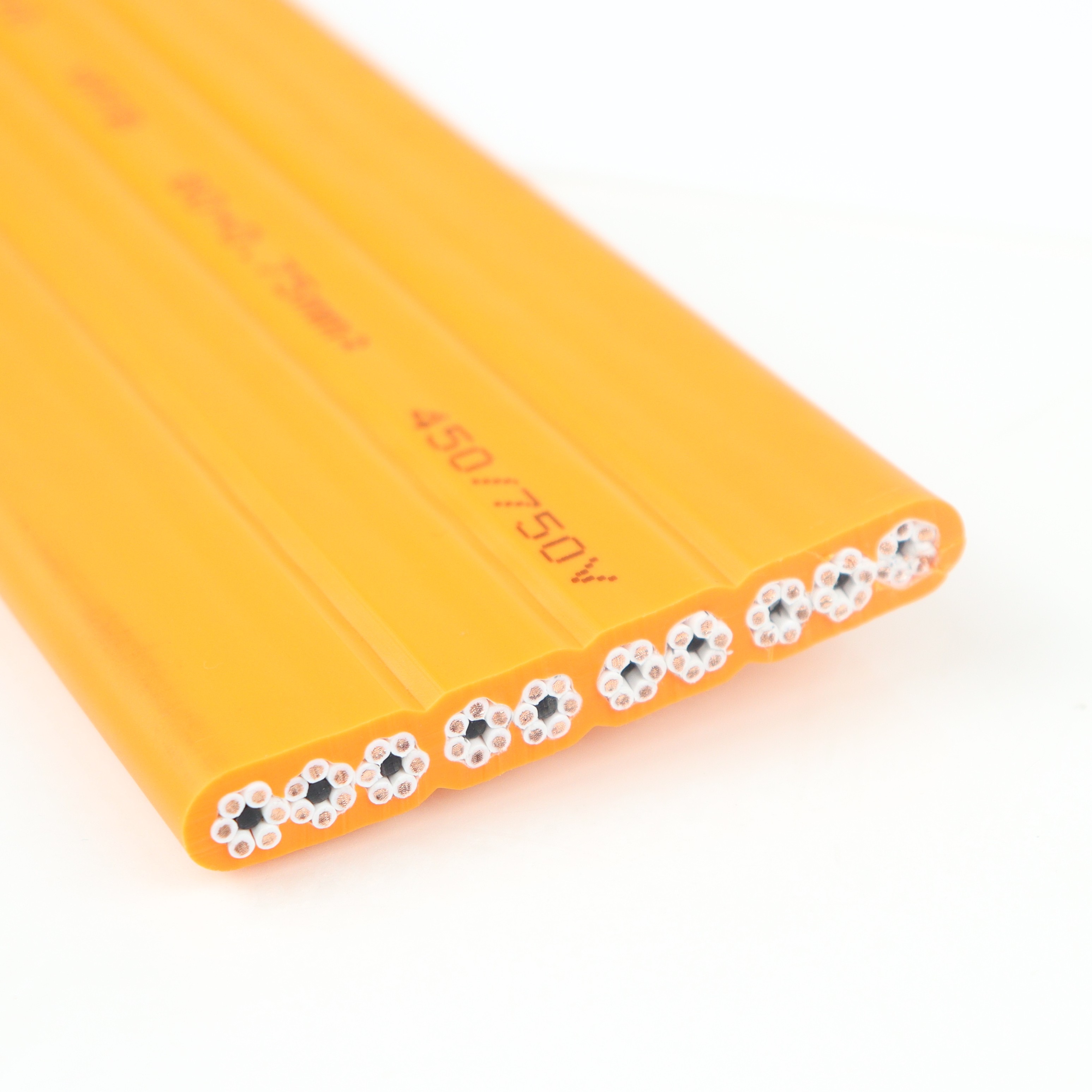
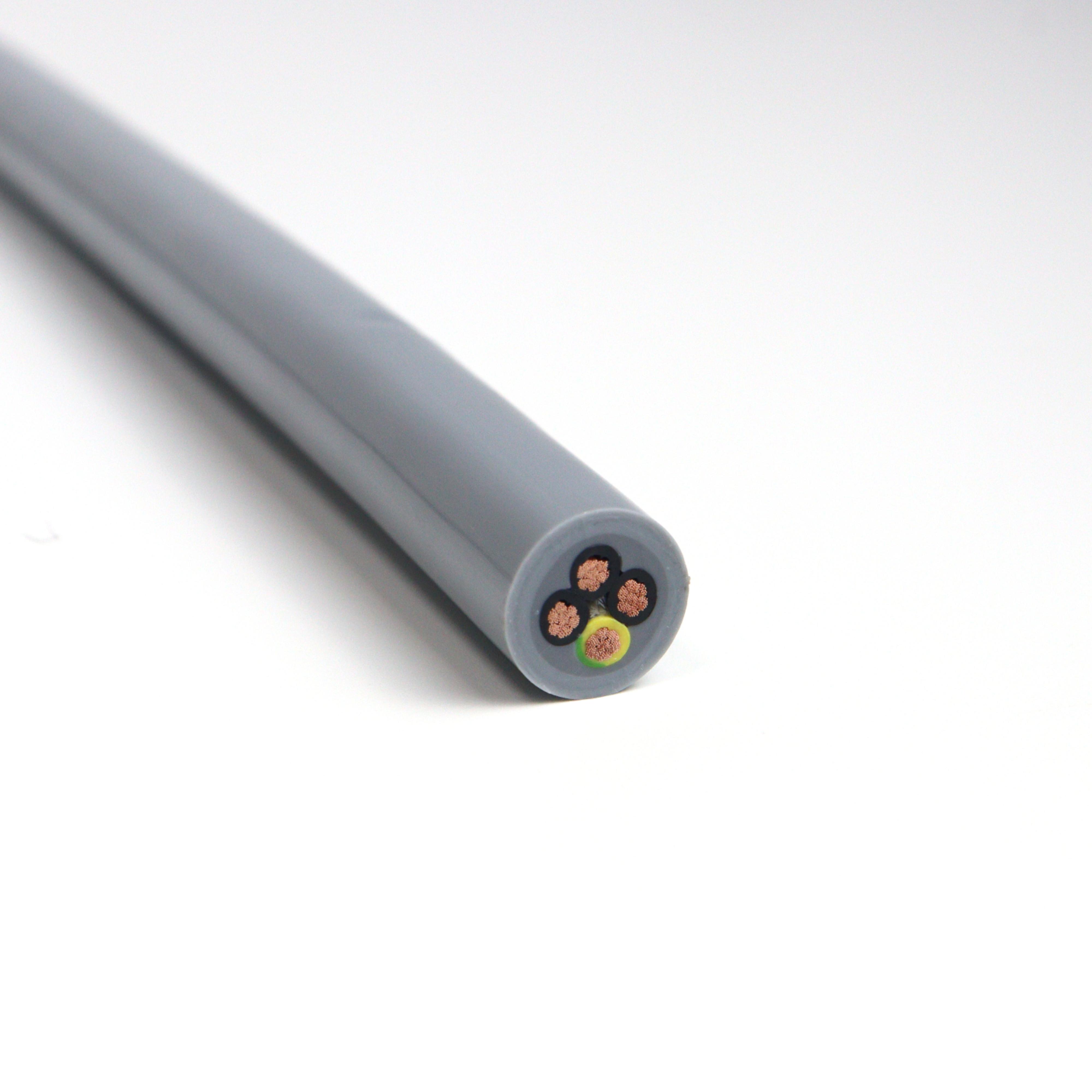
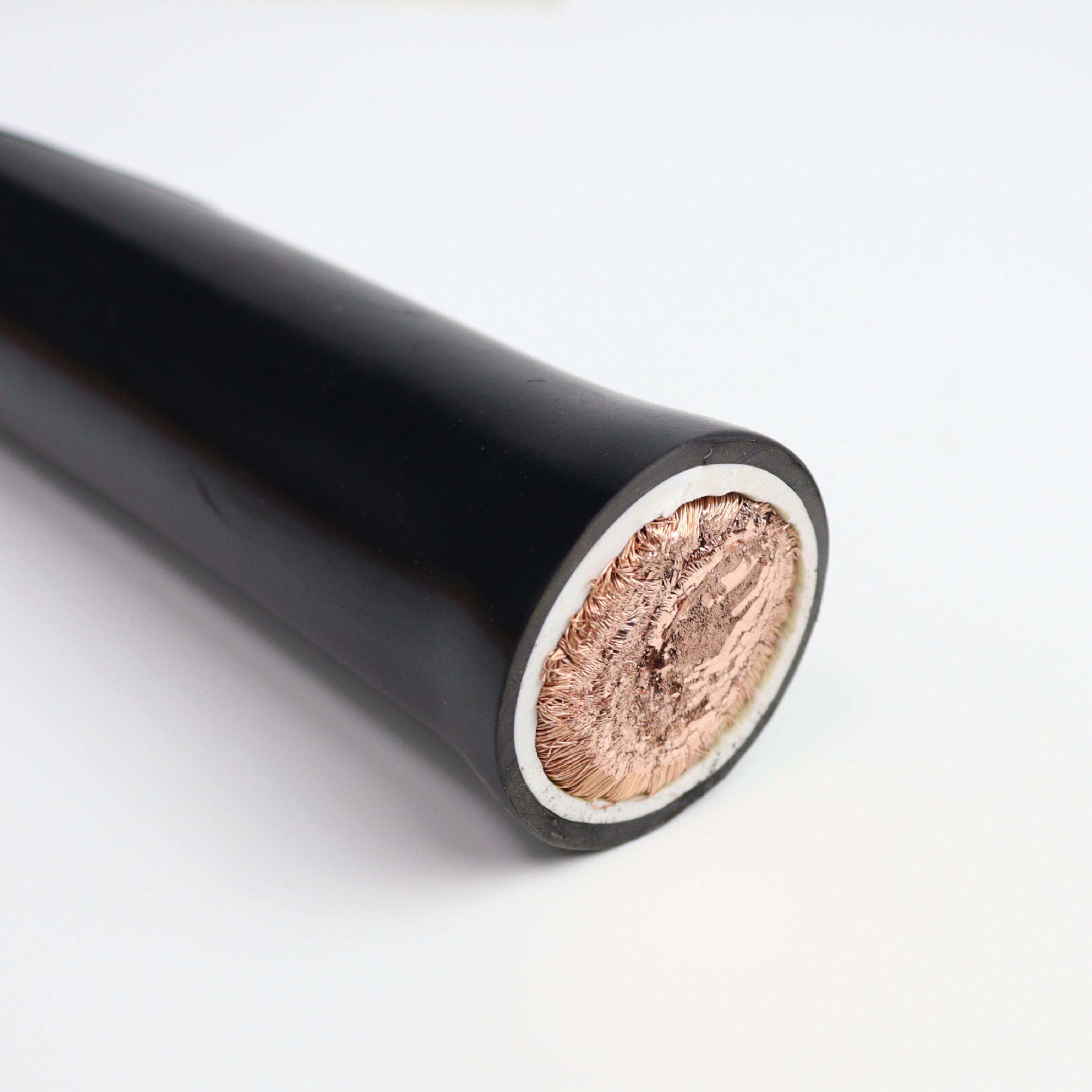
A high tension power cable is a specially designed cable that carries electricity at high voltage across long distances, between generating plants, substations, industrial sites, and large facilities. The high tension power cable transfers energy with controlled losses while protecting people, equipment, and the surrounding environment. Its main function is to provide a stable connection between high voltage points and keep power available for demanding loads. A typical high tension power cable combines a highly conductive copper or aluminum core with insulation, shielding, a protective screen, and an outer jacket. The conductor carries current, while the insulation prevents leakage and electrical contact. The metallic screen manages electrical stress and helps control electromagnetic effects. The outer jacket protects the high tension power cable from moisture, abrasion, chemicals, sunlight, and impact. Modern designs use cross-linked polyethylene insulation, often called XLPE, because it handles heat well, resists moisture, and supports reliable long-term operation. Some versions include steel or aluminum armor for added mechanical protection. Manufacturers can supply single-core or three-core formats, as well as cables for underground, indoor, outdoor, fixed, or flexible installation. Rated voltage, conductor size, insulation thickness, operating temperature, and bending limits vary by project. The high tension power cable suits utility networks, renewable energy plants, rail systems, mines, factories, data centers, and infrastructure projects. Proper selection requires attention to voltage, current, installation route, soil conditions, fault levels, and local standards. With the right specification and professional installation, a high tension power cable delivers dependable transmission, safer operation, and predictable performance over its service life.
Choosing a high tension power cable gives buyers a dependable way to move large amounts of electricity without building many separate low voltage circuits. A high tension power cable reduces transmission losses over long routes, helping operators use generated power more efficiently and control energy costs. This benefit matters to utilities, factories, solar farms, wind projects, and large commercial buildings with continuous demand. The high tension power cable also supports consistent voltage delivery. Stable supply helps motors, pumps, production lines, heating systems, and critical equipment run with fewer interruptions. Strong insulation lowers the risk of leakage, short circuits, and unplanned shutdowns. A well protected high tension power cable can also limit damage caused by water, dust, sunlight, chemicals, rodents, and mechanical pressure. Installation flexibility adds practical value. Buyers can select designs for buried trenches, ducts, cable trays, tunnels, substations, or exposed outdoor routes. Armored options suit areas where digging, vehicle movement, construction work, or heavy soil pressure may affect the cable. XLPE insulation allows the high tension power cable to operate at elevated temperatures and handle short periods of higher load when the design supports that condition. A suitable product can reduce maintenance because its sealed construction protects the conductor and insulation from common environmental stresses. It can also simplify project planning through available conductor sizes, voltage ratings, lengths, and accessories. For renewable projects, a high tension power cable connects collection systems to transformers or the main grid. For industrial users, it links incoming supply to distribution equipment and high power machinery. Buyers should compare current capacity, voltage class, fault performance, jacket material, bend radius, fire behavior, installation method, testing records, and compliance certificates before ordering. The cheapest option may not provide the right service life or protection. Selecting the high tension power cable according to route conditions and load requirements improves safety, reduces downtime, and protects the total cost of ownership.

Latest News

Shanghai Libin Cable Showcases Robot and Automation Cable Solutions at CMES Shanghai Industrial Automation & Robotics Exhibition

16

Oct

Shanghai Libin Cable Showcases Robot and Automation Cable Solutions at CMES Shanghai Industrial Automation & Robotics Exhibition

View More
Shanghai Libin Cable Showcases Crane Cable Solutions at the 11th China (Changyuan) International Crane Equipment Expo

16

Oct

Shanghai Libin Cable Showcases Crane Cable Solutions at the 11th China (Changyuan) International Crane Equipment Expo

View More
Why Drag Chain Cables Fail: Four Common Causes and How to Select Correctly

16

Oct

Why Drag Chain Cables Fail: Four Common Causes and How to Select Correctly

View More
Industrial Robot Combination Cable: Routing Power and Signal Together in a Small-Bend-Radius Drag Chain

16

Oct

Industrial Robot Combination Cable: Routing Power and Signal Together in a Small-Bend-Radius Drag Chain

View More

Get a Free Quote

Our representative will contact you soon.
0/1000
Low-Loss Transmission for Long Routes

Low-Loss Transmission for Long Routes

The high tension power cable moves electricity at a voltage level that helps reduce current for the same power output. Lower current means less heat loss in the conductor, which supports better efficiency across long transmission routes. For a utility, this can improve the amount of usable energy delivered from a plant to a substation. For a private facility, it can reduce waste between the incoming connection and a remote production area. The high tension power cable helps project owners serve distant loads without installing oversized low voltage conductors throughout the site. Correct conductor sizing, voltage selection, and installation design remain essential, but the cable provides a strong foundation for efficient supply. Copper options offer high conductivity, while aluminum options can reduce weight and material cost. This flexibility helps buyers balance performance, transport, installation effort, and budget. The result is a practical transmission solution for solar parks, wind farms, factories, rail corridors, and major buildings that need reliable power over extended distances.
Layered Protection for Safer Operation

Layered Protection for Safer Operation

A high tension power cable uses several protective layers to manage electrical and physical risks. The conductor carries current, the insulation separates energized parts, and the screen helps control electrical stress around the insulation. A jacket then blocks moisture, chemicals, sunlight, and surface damage. When a project faces digging hazards, impact, or heavy soil pressure, an armored high tension power cable adds another protective barrier. This layered structure helps reduce faults and supports safer maintenance when qualified personnel follow approved procedures. It also protects the cable from conditions that could shorten service life, such as water entry, repeated temperature changes, and contact with rough surfaces. Buyers gain more than a conductor; they gain a complete engineered path for energy transfer. Selecting the correct jacket, armor, screen, and insulation for the location can reduce repair frequency, protect nearby equipment, and improve confidence in continuous operation.
Flexible Designs for Different Projects

Flexible Designs for Different Projects

The high tension power cable is available in designs that match different routes, loads, and installation environments. Single-core versions can suit high capacity systems and specific layout requirements, while three-core versions may simplify certain distribution arrangements. Buyers can choose conductor materials, insulation types, armor, jacket compounds, and voltage ratings according to project needs. For underground work, the high tension power cable can support installation in ducts or trenches when its moisture and mechanical protection match the site. Outdoor versions can resist weather and sunlight, while indoor products can meet building safety and space requirements. Renewable plants may need long cable runs between collection points and transformers. Industrial sites may need compact routes around machines and switchgear. This range helps project planners avoid forcing one cable type into every application. A correctly matched design improves installation efficiency, supports compliance, and delivers dependable service without unnecessary material or performance costs.