Extra High Voltage Cable for Power Networks

application/extra-high-voltage-cable, application/extra-high-voltage-cable, 
Inquiry
Inquiry

extra high voltage cable

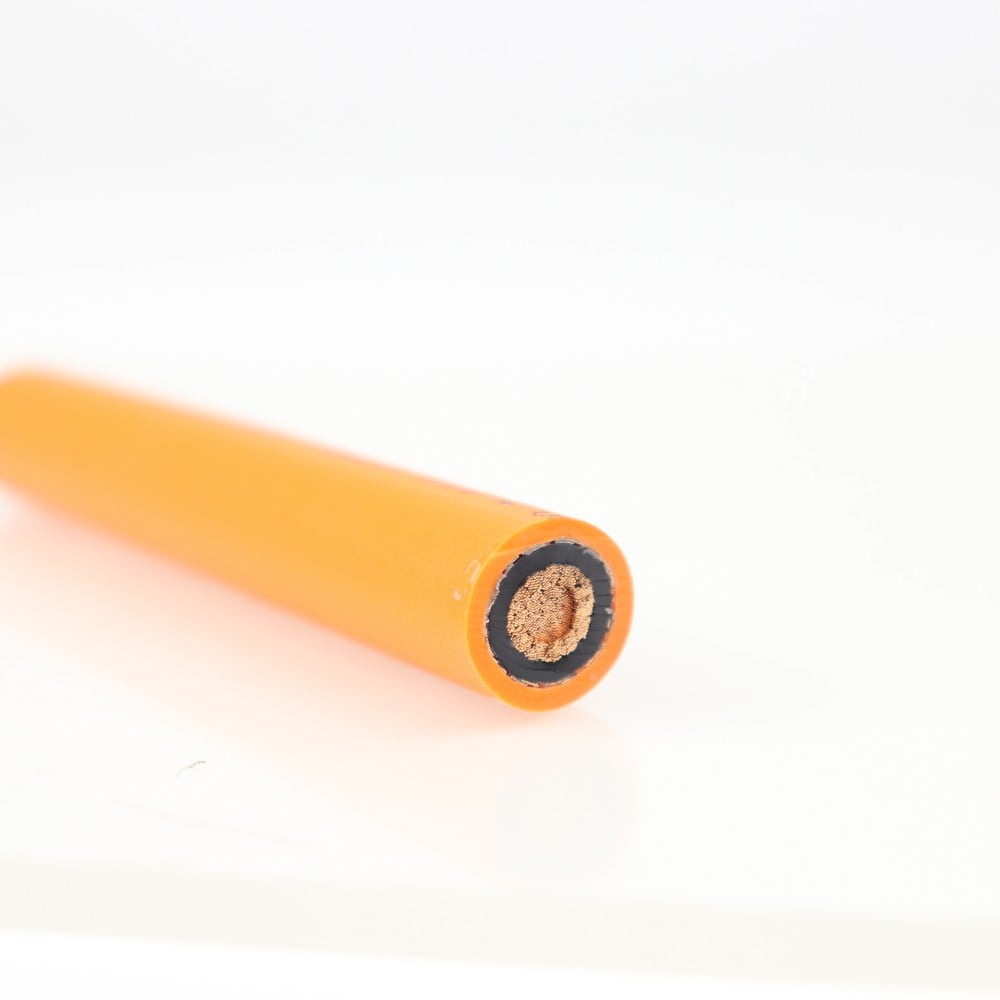
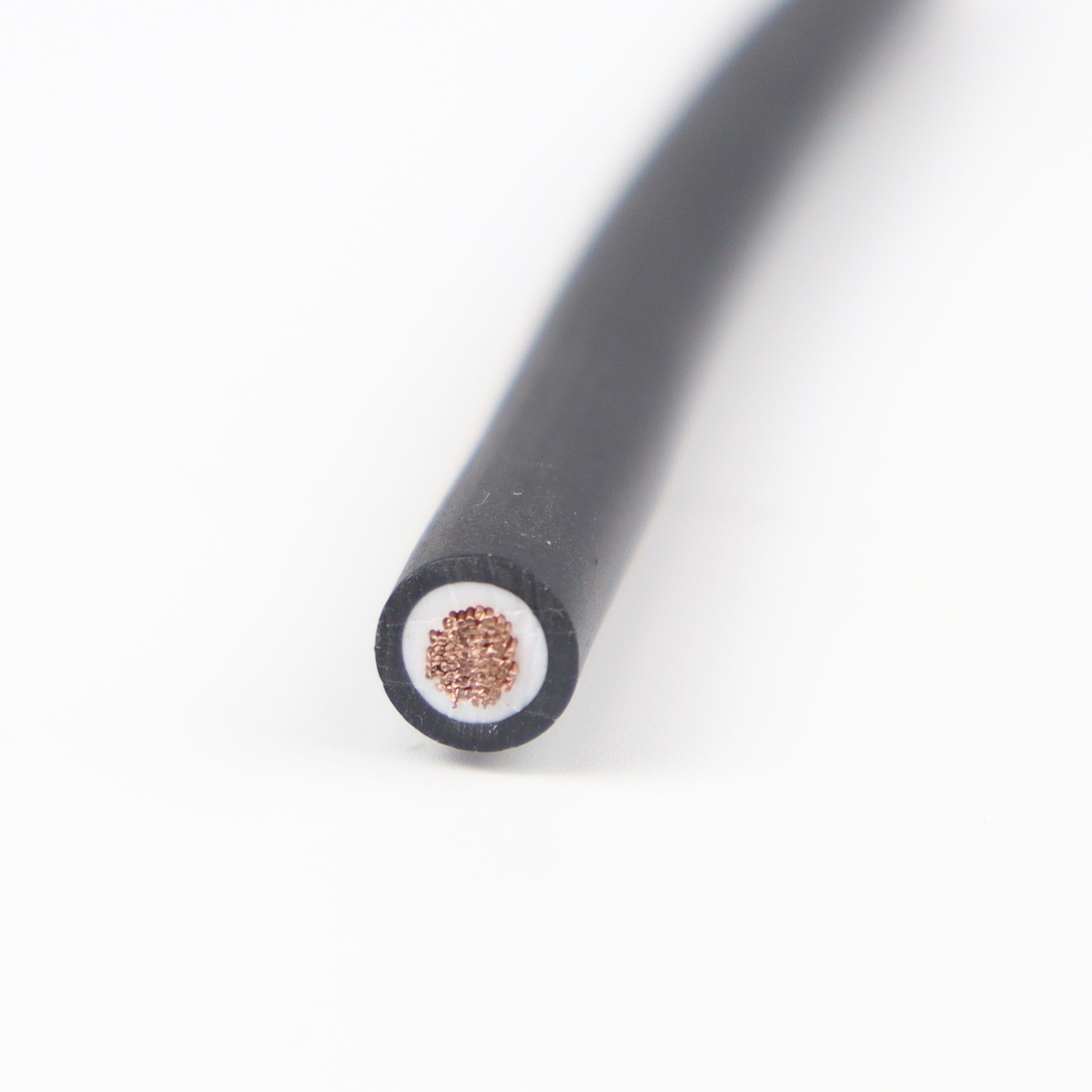
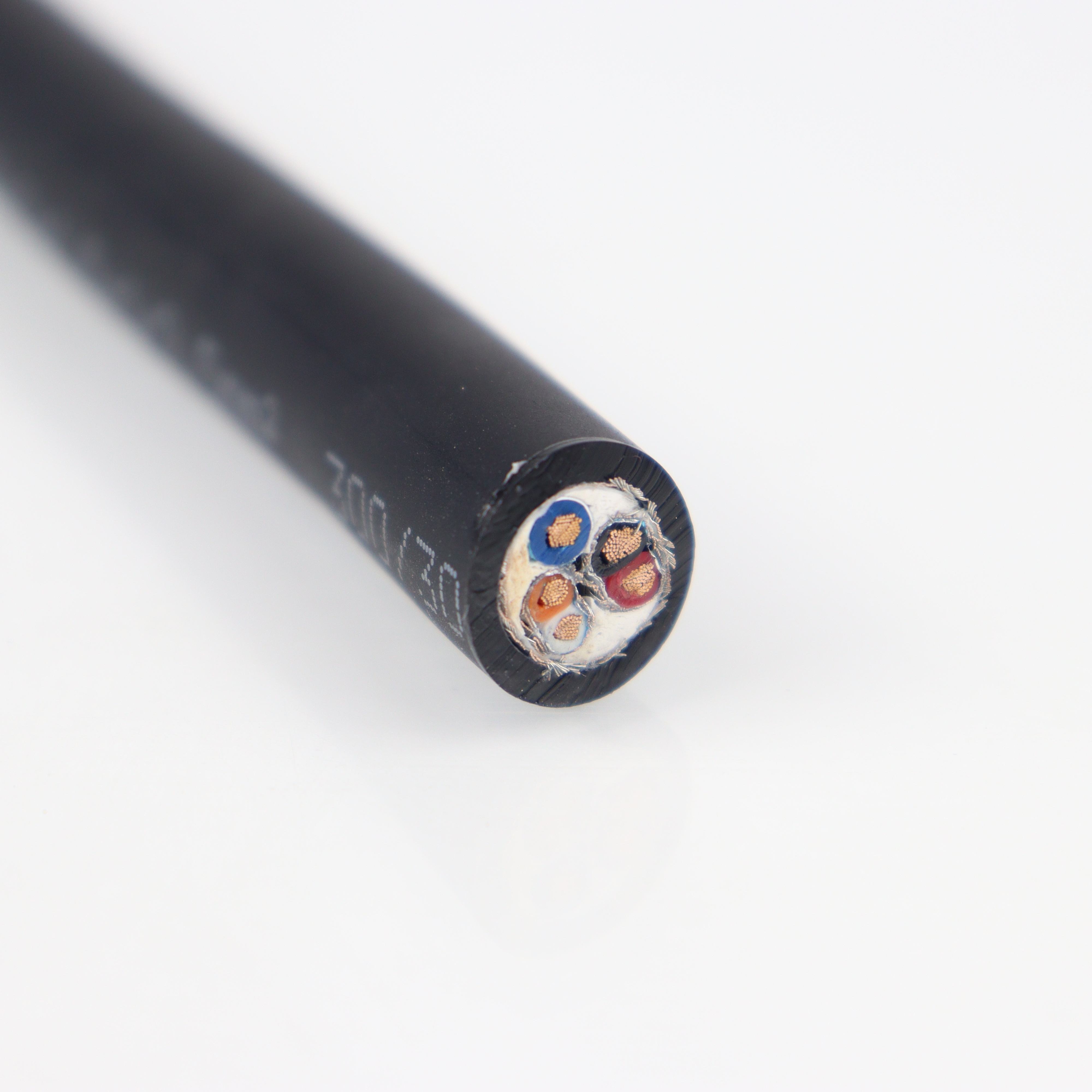
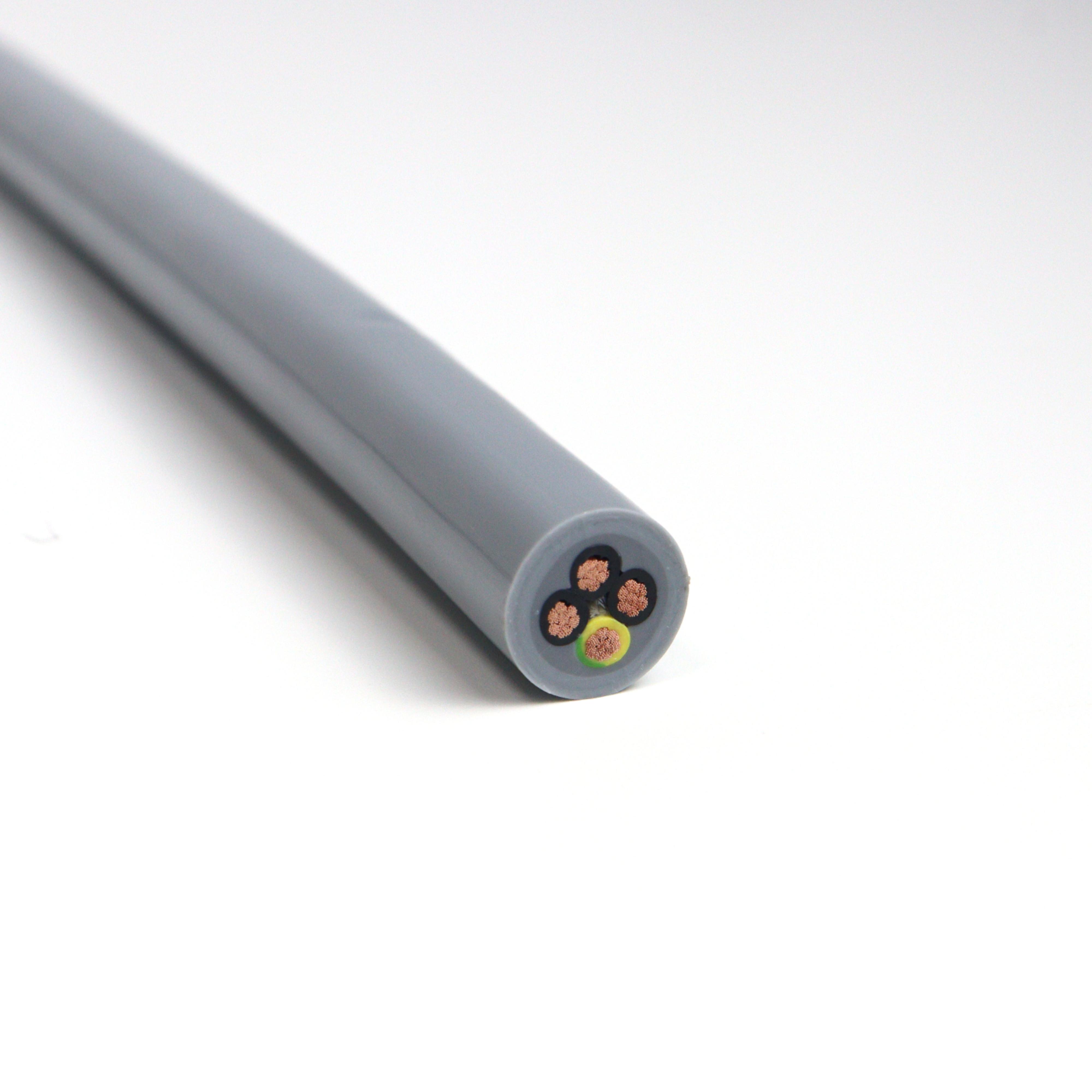
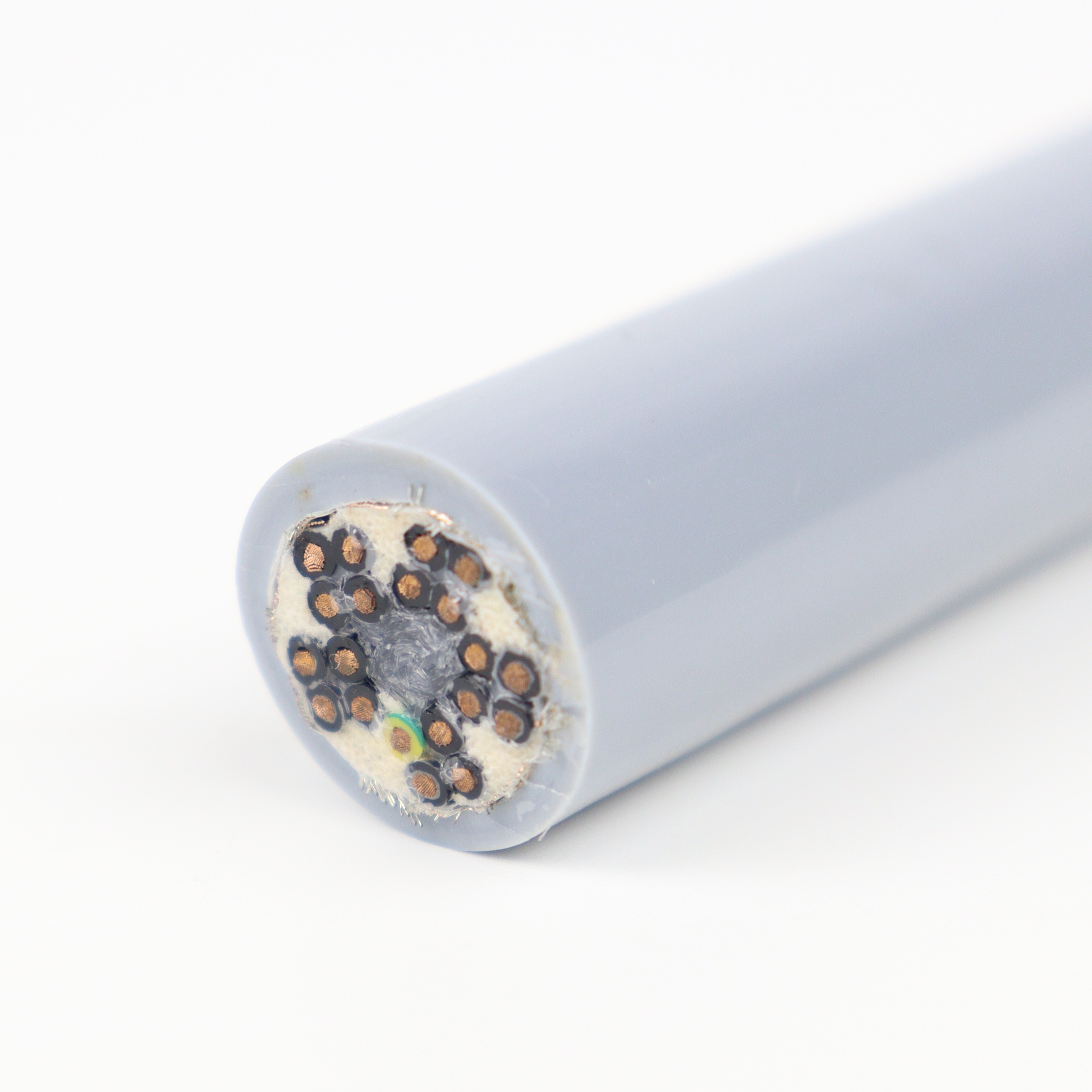
The extra high voltage cable is a specialized power transmission product designed to carry very high electrical loads over long distances with controlled energy loss. The extra high voltage cable supports modern grids by linking power stations, substations, industrial sites, renewable energy plants, and major distribution networks. It provides a dependable path for electricity when standard medium-voltage products cannot handle the required capacity or operating distance. An extra high voltage cable typically combines a highly conductive copper or aluminum core with carefully engineered insulation, metallic screens, protective layers, and an outer sheath. These layers control electrical stress, limit moisture entry, reduce mechanical damage, and support stable performance. By using advanced insulation materials such as cross-linked polyethylene, the extra high voltage cable can operate at demanding voltage levels while maintaining strong dielectric performance. The extra high voltage cable also helps control heat through suitable conductor sizing, screen design, and installation planning. Its construction may include water-blocking materials, flame-resistant sheaths, corrosion protection, and reinforcement for difficult routes. The extra high voltage cable can be installed underground, in tunnels, on cable trays, or beneath water, depending on the project design. For utilities, it offers a practical alternative to overhead lines where land access, appearance, weather, or public safety creates challenges. An extra high voltage cable also supports compact urban substations and offshore power connections. During operation, monitoring systems can track temperature, partial discharge, and insulation condition. Because design, testing, and installation directly affect service life, buyers should match the extra high voltage cable to voltage rating, current capacity, route conditions, bending limits, and maintenance needs. Overall, the extra high voltage cable delivers controlled, efficient, and reliable high-power transmission for demanding infrastructure.
Choosing an extra high voltage cable can give power network owners more capacity without requiring a new overhead corridor. The extra high voltage cable moves large amounts of electricity through a compact route, which helps projects fit into cities, industrial campuses, ports, and environmentally sensitive areas. An extra high voltage cable also reduces dependence on exposed conductors, so the system faces less risk from wind, ice, falling branches, and visual restrictions. This can improve continuity during severe weather and simplify planning where public acceptance matters. The extra high voltage cable can deliver lower transmission losses when engineers select the correct conductor size and operating voltage. Lower losses help reduce wasted energy, operating expense, and unnecessary heat. For owners, that creates better lifetime value rather than only a lower purchase price. A well-designed extra high voltage cable can also shorten the distance between generation and demand, especially for offshore wind, solar parks, hydroelectric stations, and remote industrial loads. Its sealed construction helps protect the conductor from moisture, chemicals, and common soil conditions. That protection supports predictable performance and may reduce emergency repairs. The extra high voltage cable suits underground projects because it needs less surface space and can pass through areas where towers are impractical. It also works well in tunnels and dense substations when careful heat management is provided. Buyers should review the extra high voltage cable's rated voltage, ampacity, insulation system, screen arrangement, sheath material, joint quality, and testing records. These details indicate whether the product fits the route and expected load. A reliable extra high voltage cable can support future demand, improve network resilience, and reduce the disruption associated with replacement. Customers should also compare installation capability, warranty terms, monitoring options, delivery support, and total ownership cost. The right extra high voltage cable therefore balances electrical performance, site suitability, safety, maintainability, and long-term budget control.

Practical Tips

Shanghai Libin Cable Showcases Robot and Automation Cable Solutions at CMES Shanghai Industrial Automation & Robotics Exhibition

16

Oct

Shanghai Libin Cable Showcases Robot and Automation Cable Solutions at CMES Shanghai Industrial Automation & Robotics Exhibition

View More
Shanghai Libin Cable Showcases Crane Cable Solutions at the 11th China (Changyuan) International Crane Equipment Expo

16

Oct

Shanghai Libin Cable Showcases Crane Cable Solutions at the 11th China (Changyuan) International Crane Equipment Expo

View More
Why Drag Chain Cables Fail: Four Common Causes and How to Select Correctly

16

Oct

Why Drag Chain Cables Fail: Four Common Causes and How to Select Correctly

View More
Industrial Robot Combination Cable: Routing Power and Signal Together in a Small-Bend-Radius Drag Chain

16

Oct

Industrial Robot Combination Cable: Routing Power and Signal Together in a Small-Bend-Radius Drag Chain

View More

Get a Free Quote

Our representative will contact you soon.
0/1000
High Capacity With Controlled Energy Loss

High Capacity With Controlled Energy Loss

The extra high voltage cable carries substantial power through a single engineered circuit, making it useful when a project needs more transfer capacity without adding multiple corridors. Its conductor, insulation, and screening system work together to manage electrical stress and heat. This design lets the extra high voltage cable transmit electricity efficiently across long routes, helping owners limit avoidable energy waste. A properly sized extra high voltage cable can also support growing demand from data centers, transport systems, manufacturing plants, and renewable generation. For a buyer, the value goes beyond headline voltage: high capacity can reduce land requirements, simplify route planning, and delay the need for another connection. Project teams can select copper or aluminum conductors according to conductivity, weight, cost, and installation conditions. Engineers should still confirm load profile, thermal limits, fault levels, and installation spacing before purchase. When those factors align, the extra high voltage cable provides a strong foundation for dependable power transfer and future network expansion.
Durable Insulation for Safer Service

Durable Insulation for Safer Service

The extra high voltage cable uses a carefully layered insulation system to keep electrical energy inside the intended path and reduce the chance of faults. Cross-linked polyethylene insulation is commonly selected because it offers stable electrical performance, good heat resistance, and practical handling during installation. Screens and semiconductive layers help distribute electrical stress, while the outer sheath protects the extra high voltage cable from water, abrasion, chemicals, and soil contact. This protection matters because hidden cable damage can cause costly outages and difficult repairs. A durable extra high voltage cable gives operators more confidence in underground, tunnel, coastal, and industrial environments. Water-blocking designs can limit moisture movement after sheath damage, and flame-retardant materials may improve safety in enclosed spaces. Buyers gain useful decision support by reviewing factory tests, insulation quality records, sheath checks, and jointing procedures. When the protection system matches the location, the extra high voltage cable can deliver stable service with fewer unexpected maintenance events and a longer usable life.
Flexible Deployment for Modern Infrastructure

Flexible Deployment for Modern Infrastructure

The extra high voltage cable adapts to projects where overhead lines cannot provide a practical answer. Utilities can place the extra high voltage cable underground beneath roads, through tunnels, inside substations, or across offshore routes when the product and accessories meet the site requirements. This flexibility helps preserve land, reduce visual impact, and connect generation to demand in crowded or sensitive areas. An extra high voltage cable can support renewable energy hubs, urban interconnections, large factories, rail networks, and cross-water links. Its compact route may also reduce planning conflicts and improve public acceptance. Installation still requires disciplined engineering: teams must control bending radius, pulling tension, joint location, thermal conditions, and grounding arrangements. Digital monitoring can add further value by tracking temperature, partial discharge, and sheath condition before a small issue becomes a major outage. For customers, the extra high voltage cable offers a practical way to build resilient infrastructure around real site limitations. Selecting a supplier with proven accessories, installation guidance, and after-sales support can protect performance throughout the project lifecycle.