evp-ev-charging-cable-shielded-tinned-copper-braid-type-2, evp-ev-charging-cable-shielded-tinned-copper-braid-type-2, /electric-vehicle-cable
EN

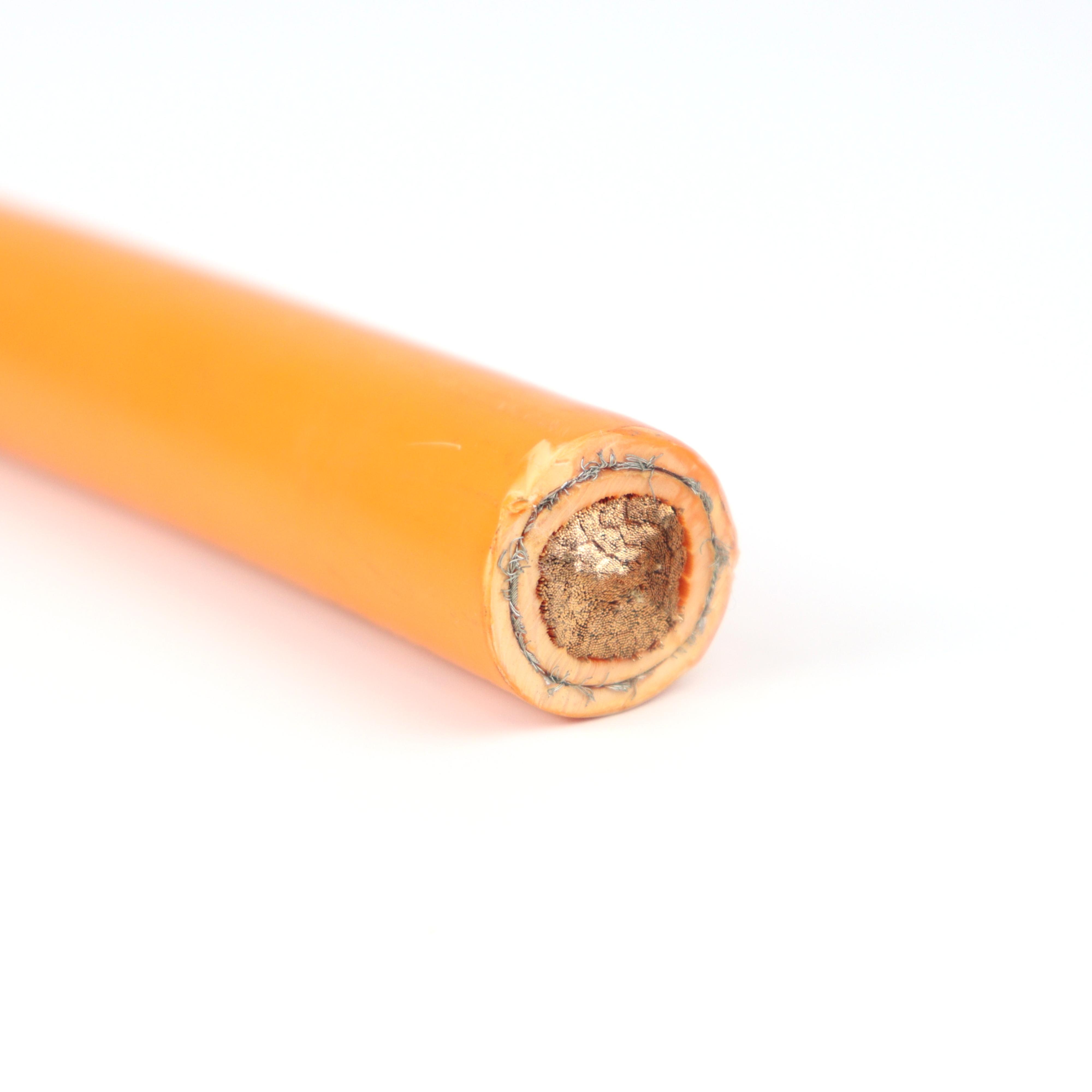
Wide‑temperature‑range TPE insulation adapts to harsh vehicle environment, Small bending radius enables compact layout, Excellent resistance to oil, acid, alkali and UV, reliable flame retardant performance, high‑voltage rating for EV traction power transmission, RoHS compliant.
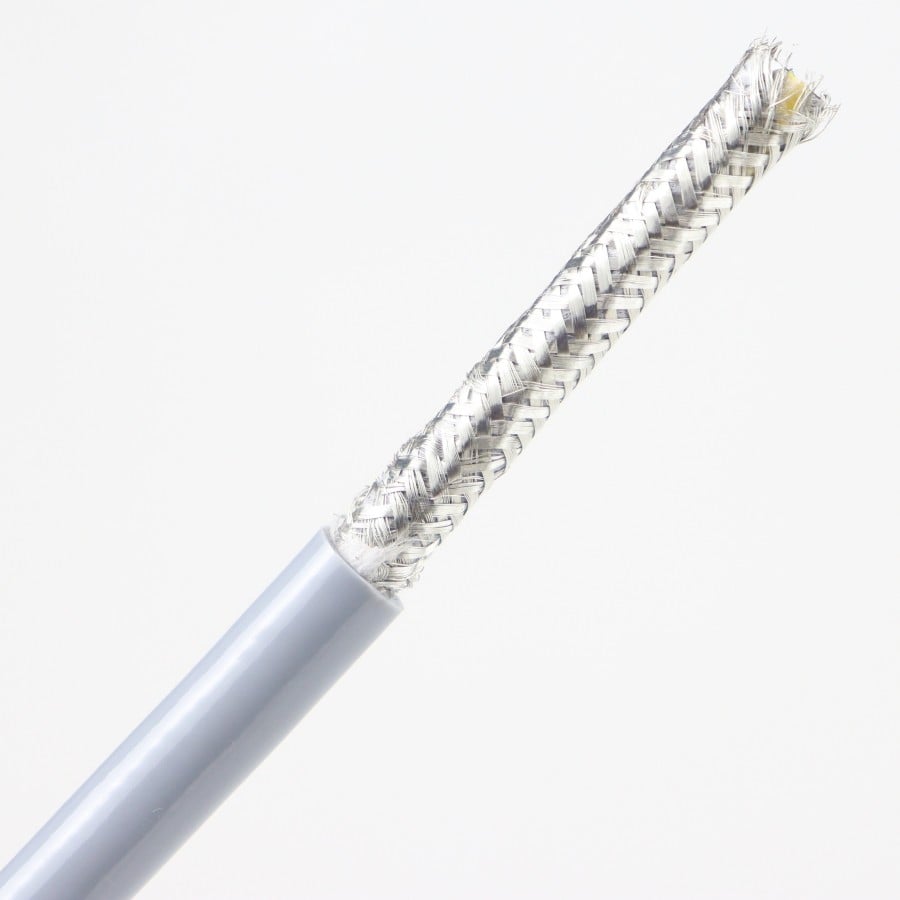
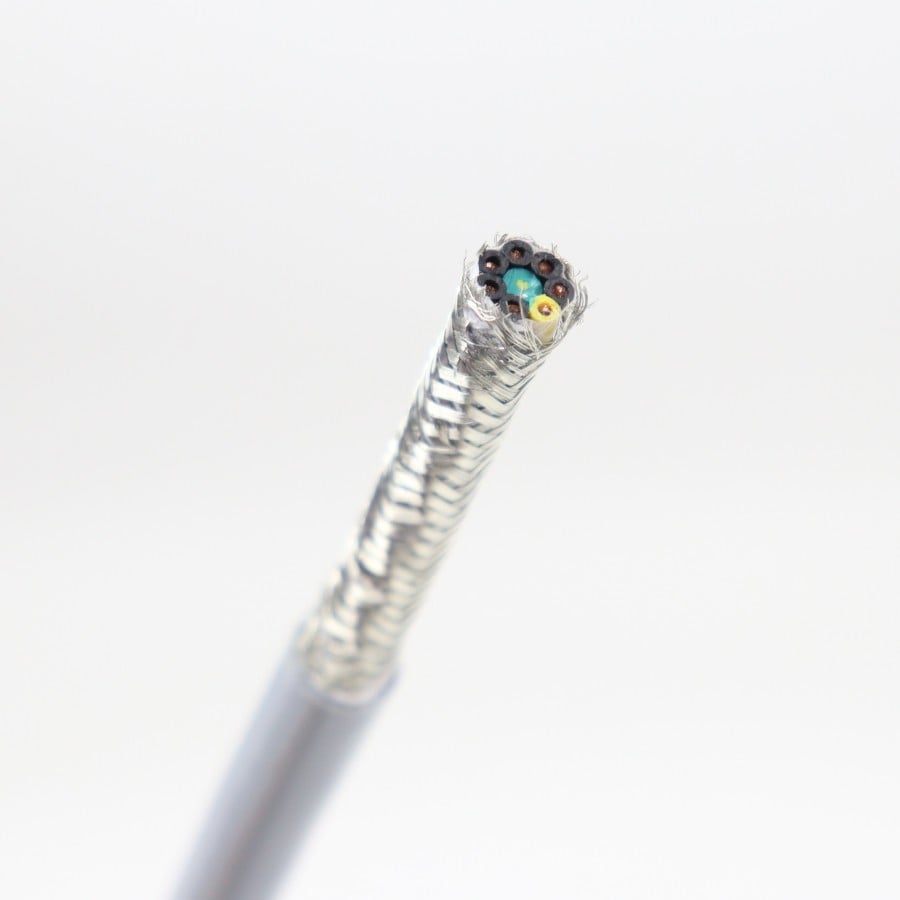
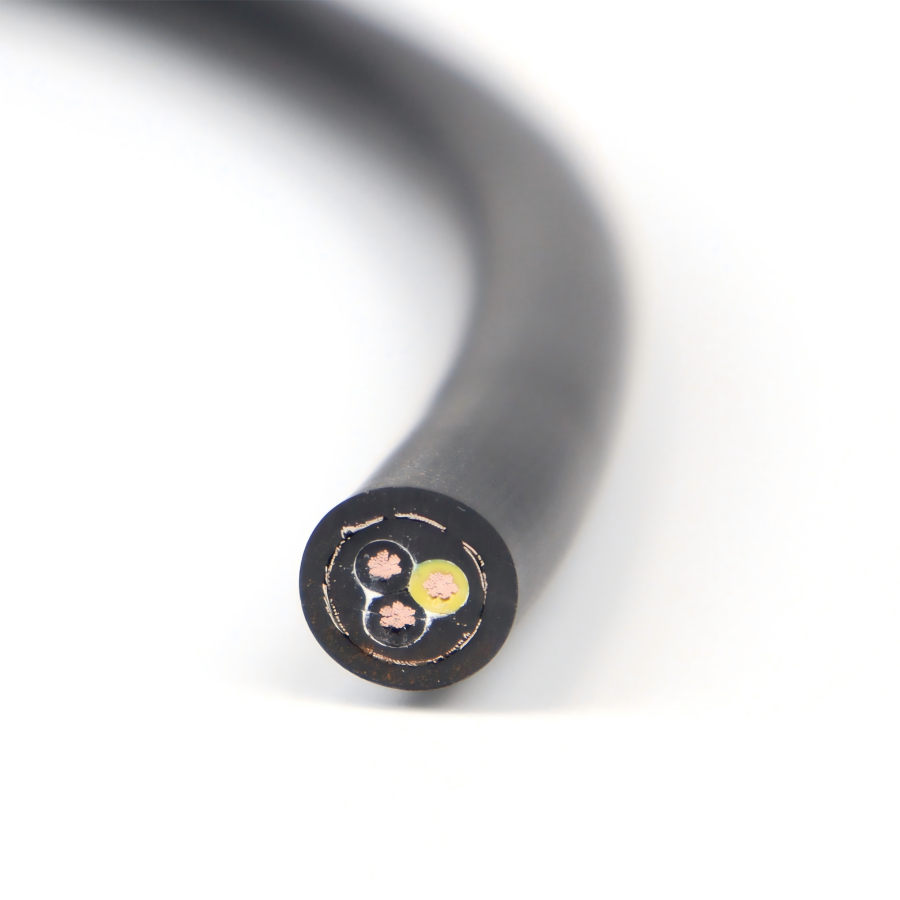
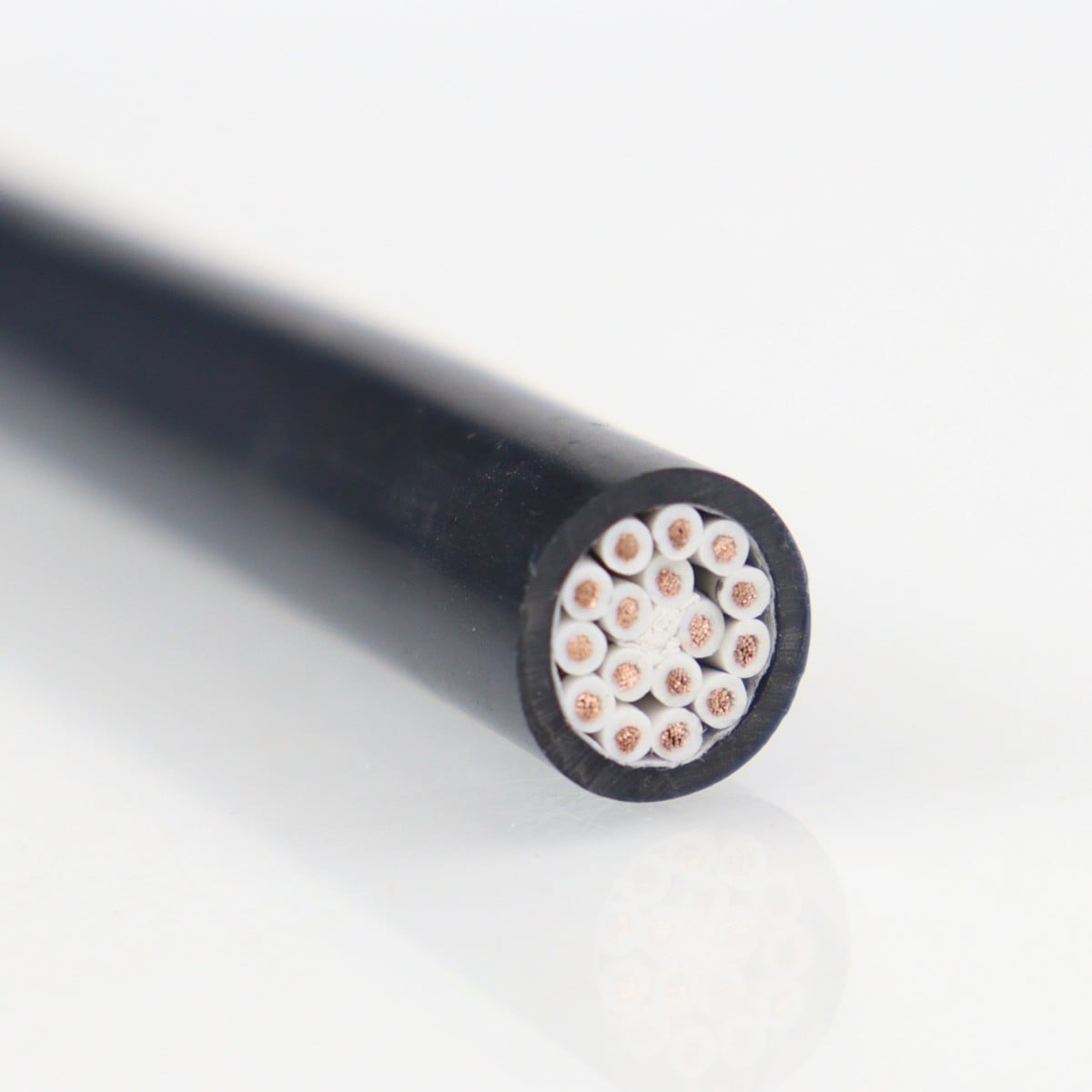
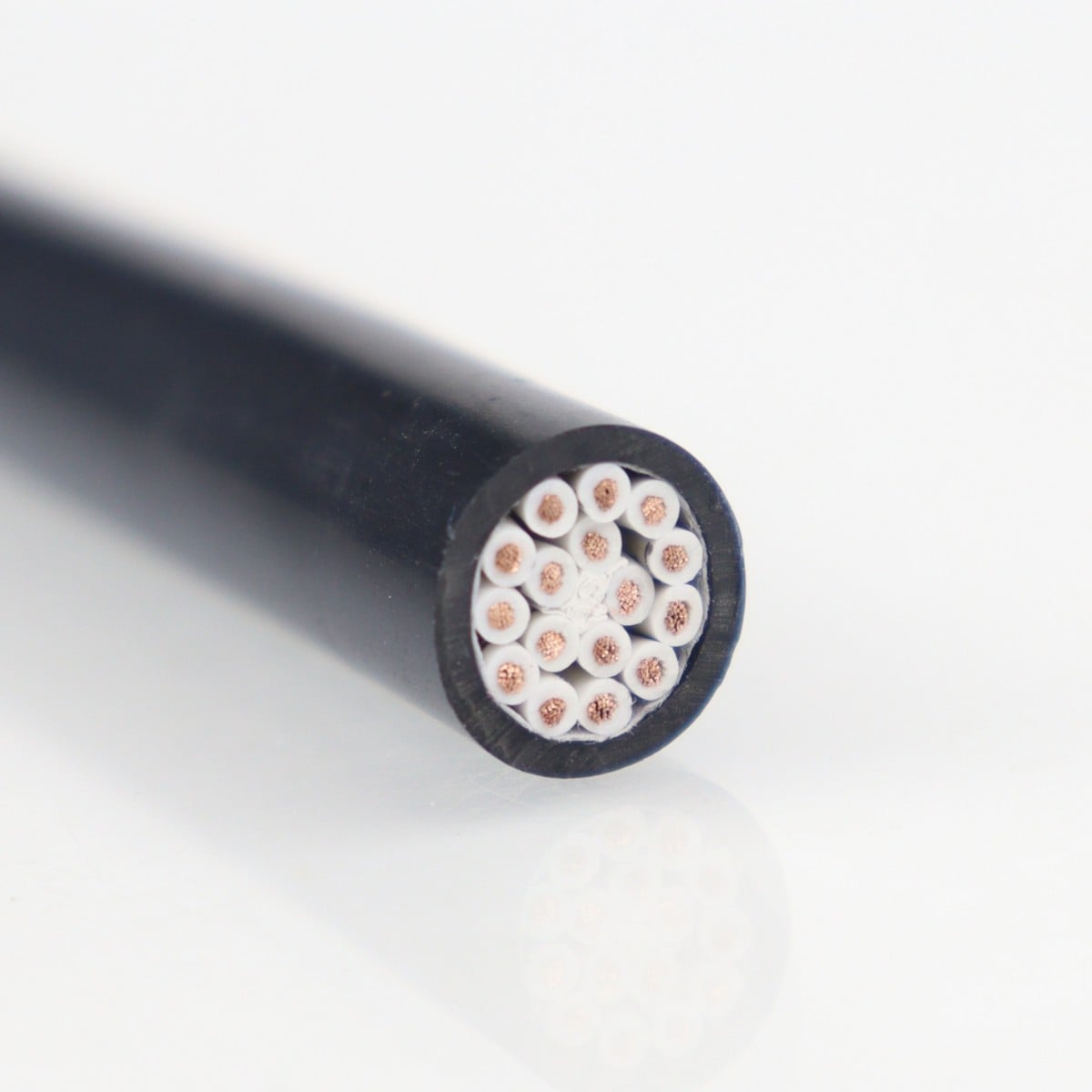
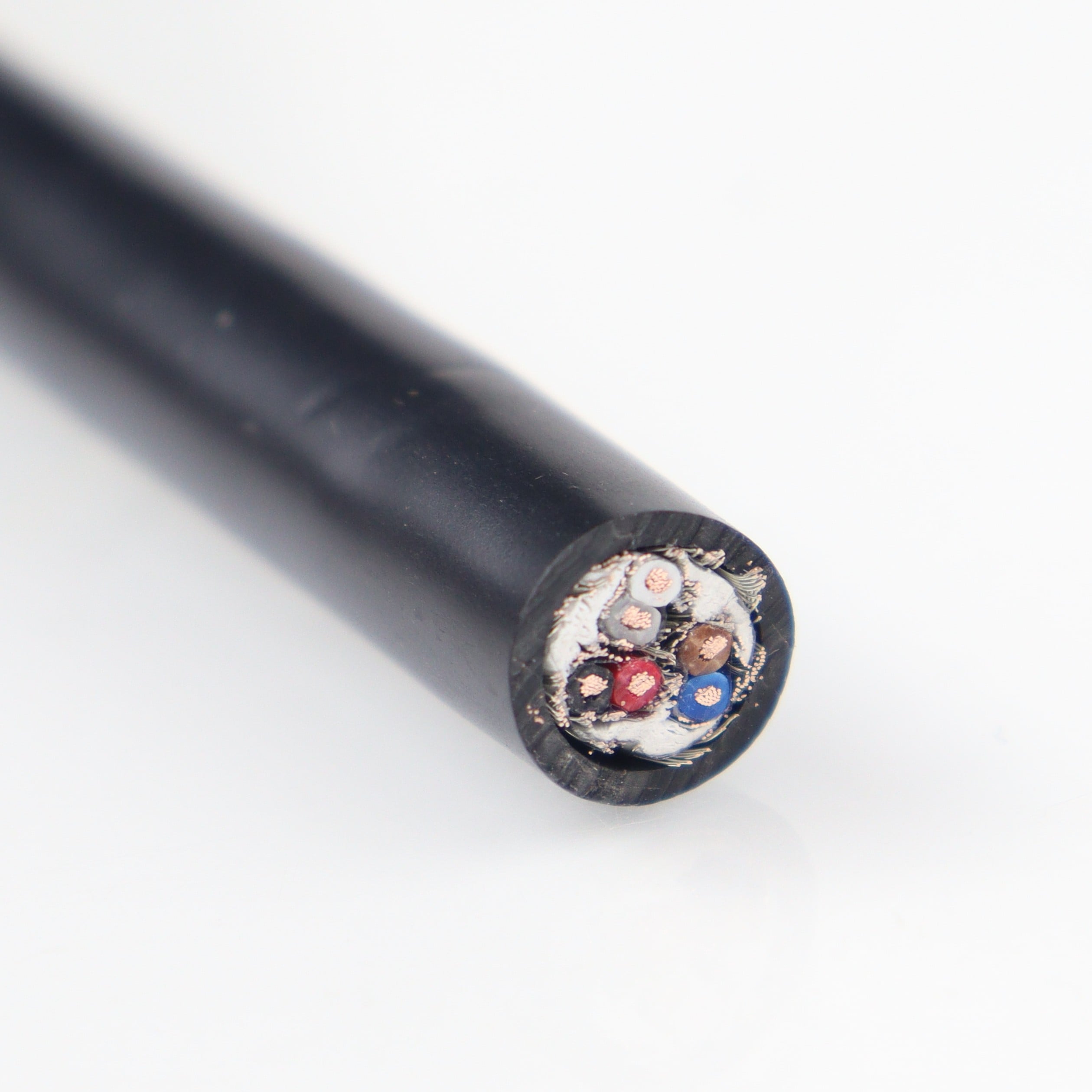
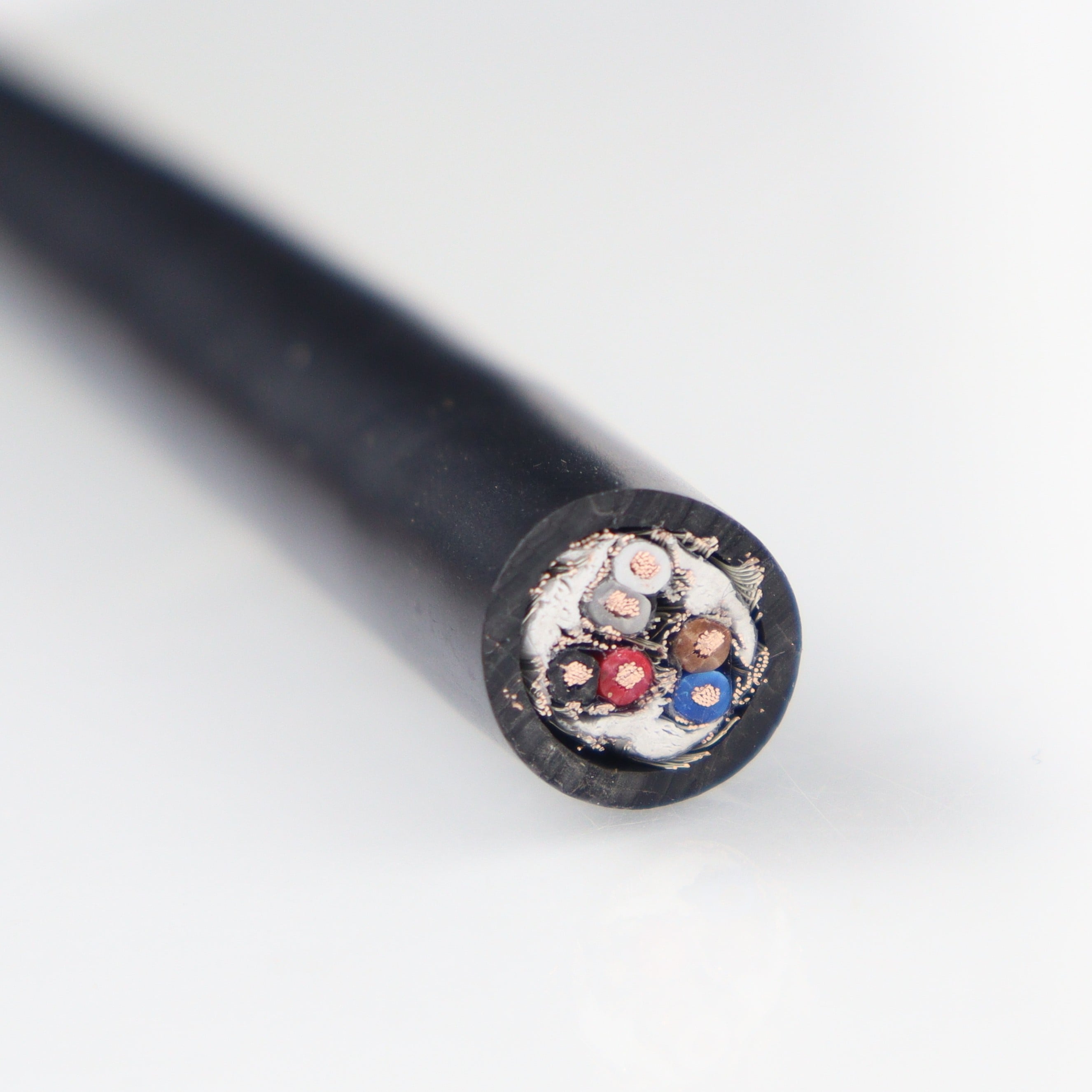
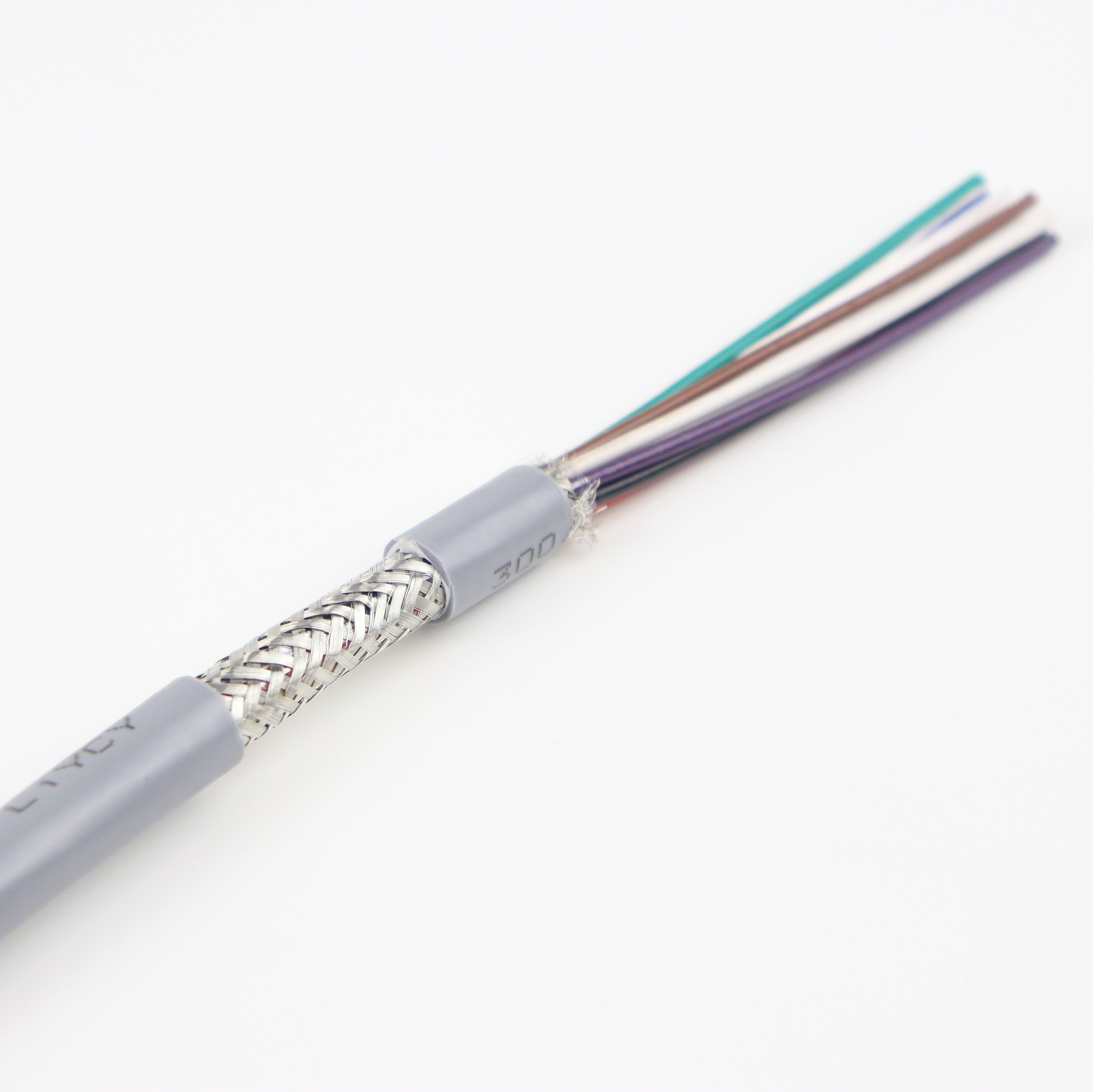
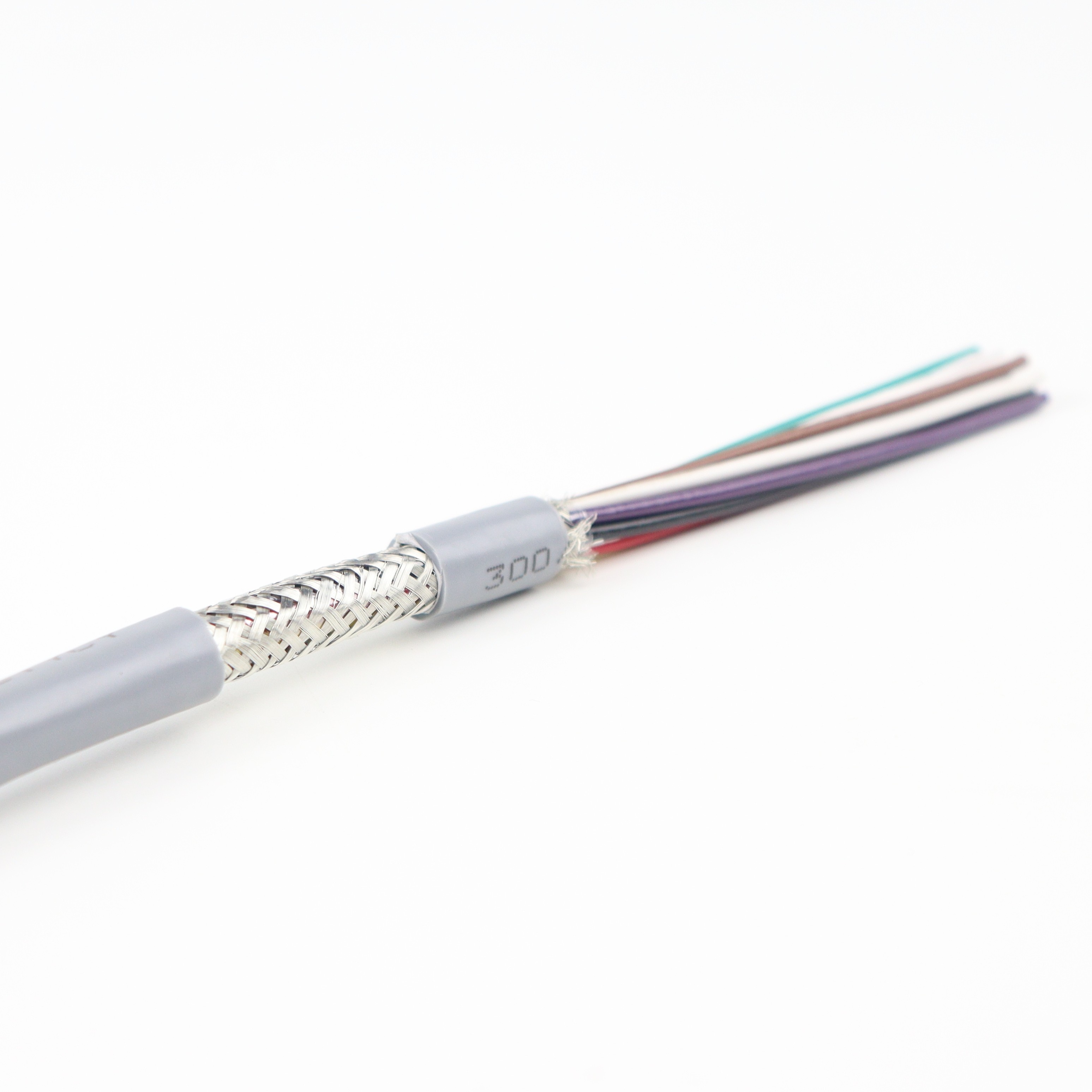
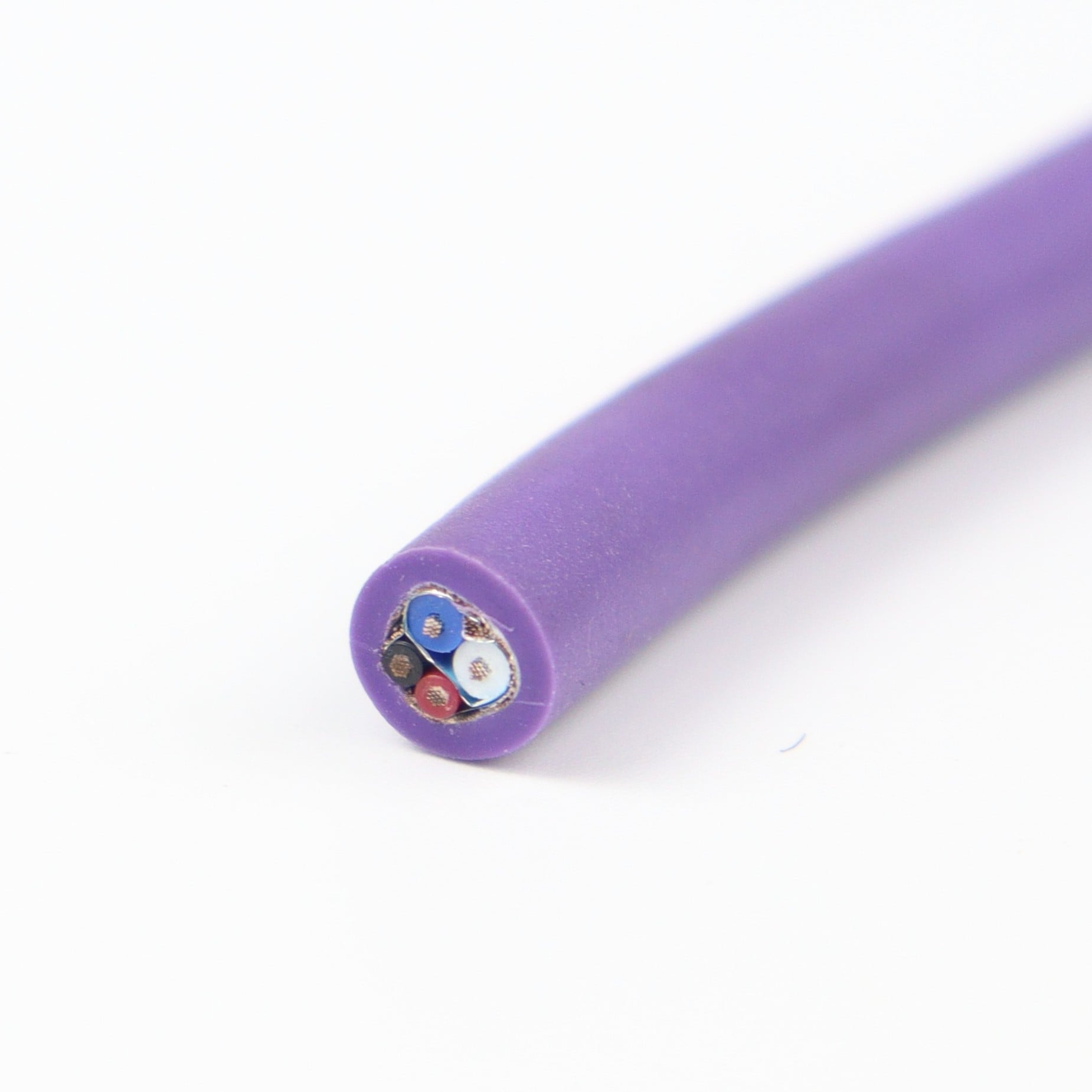
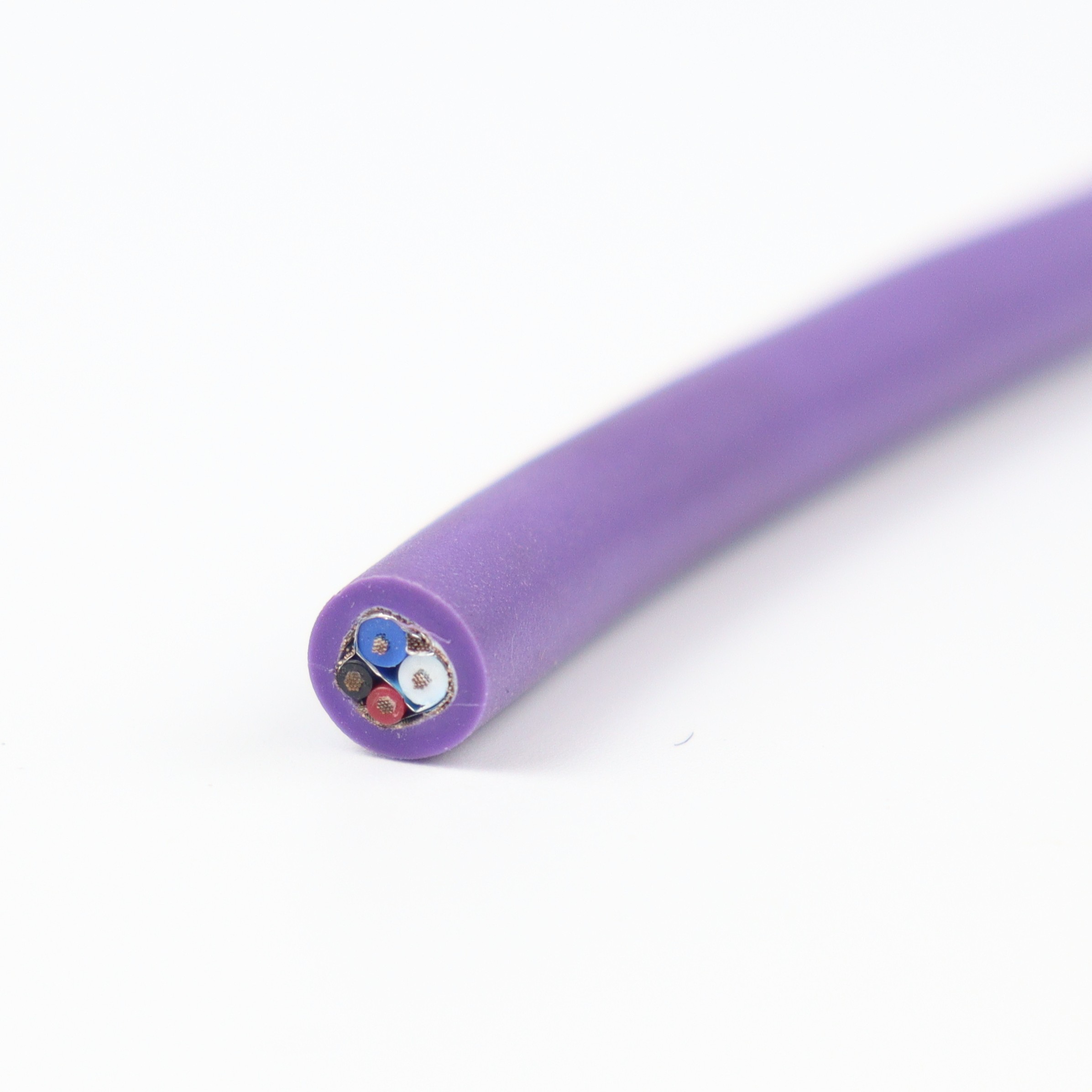
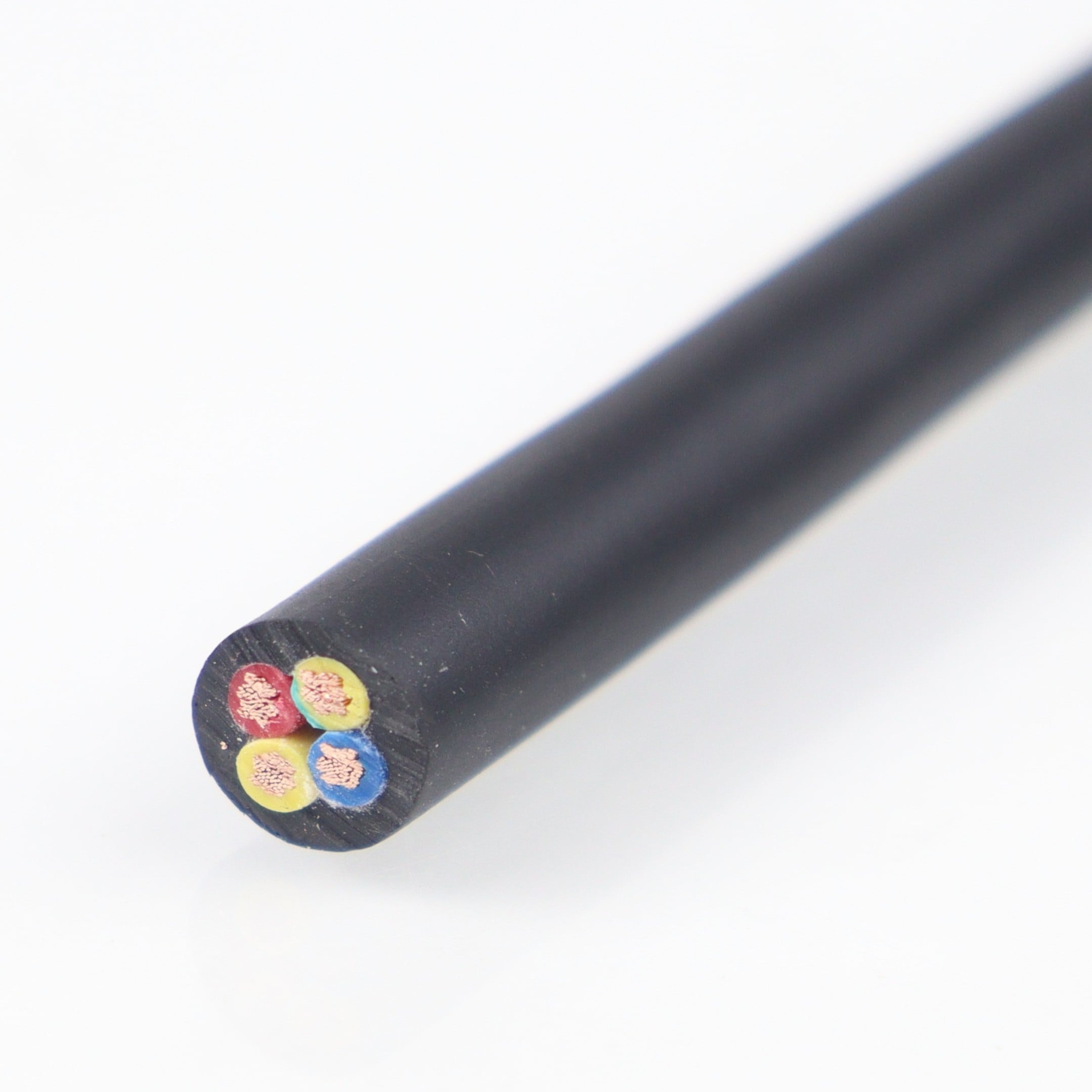
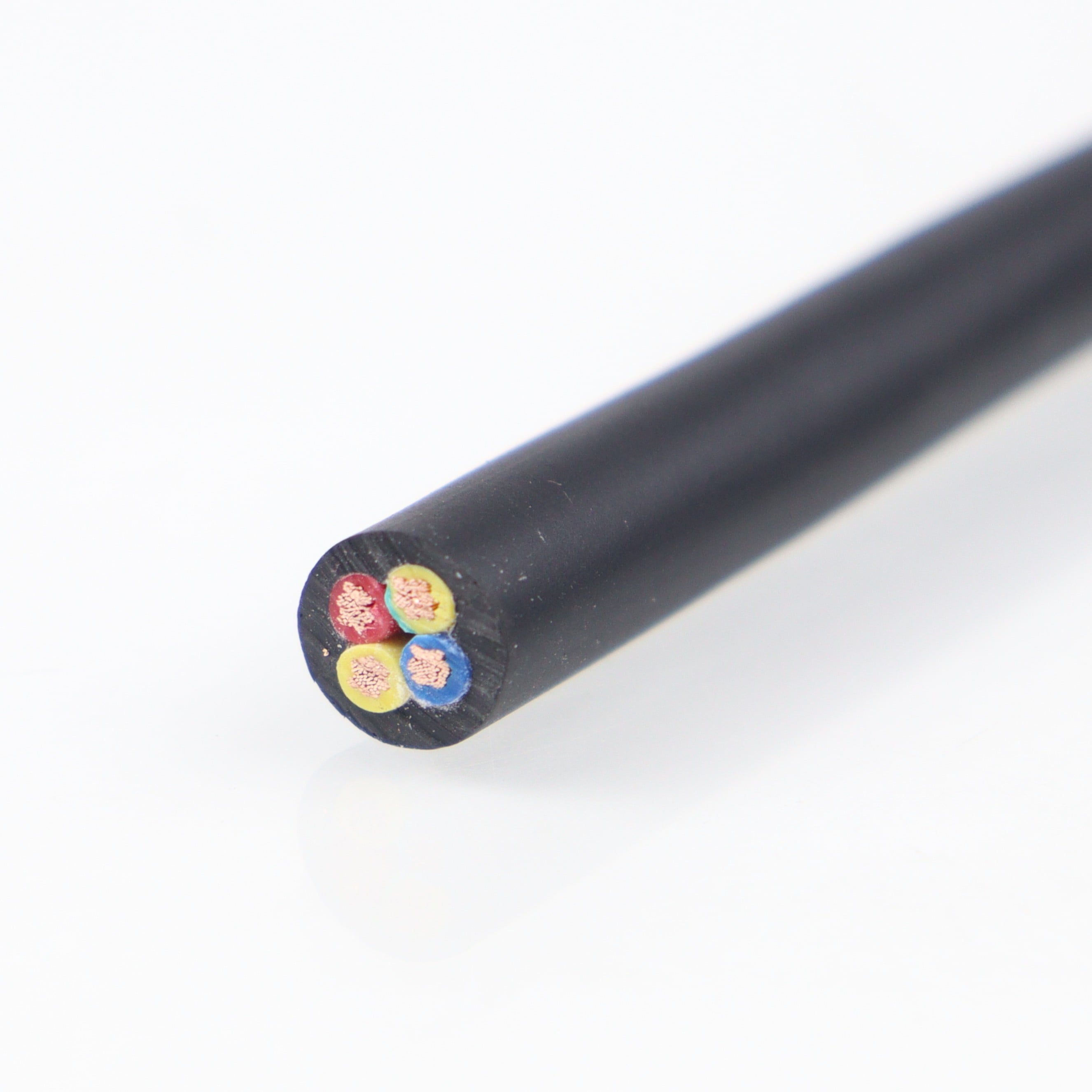
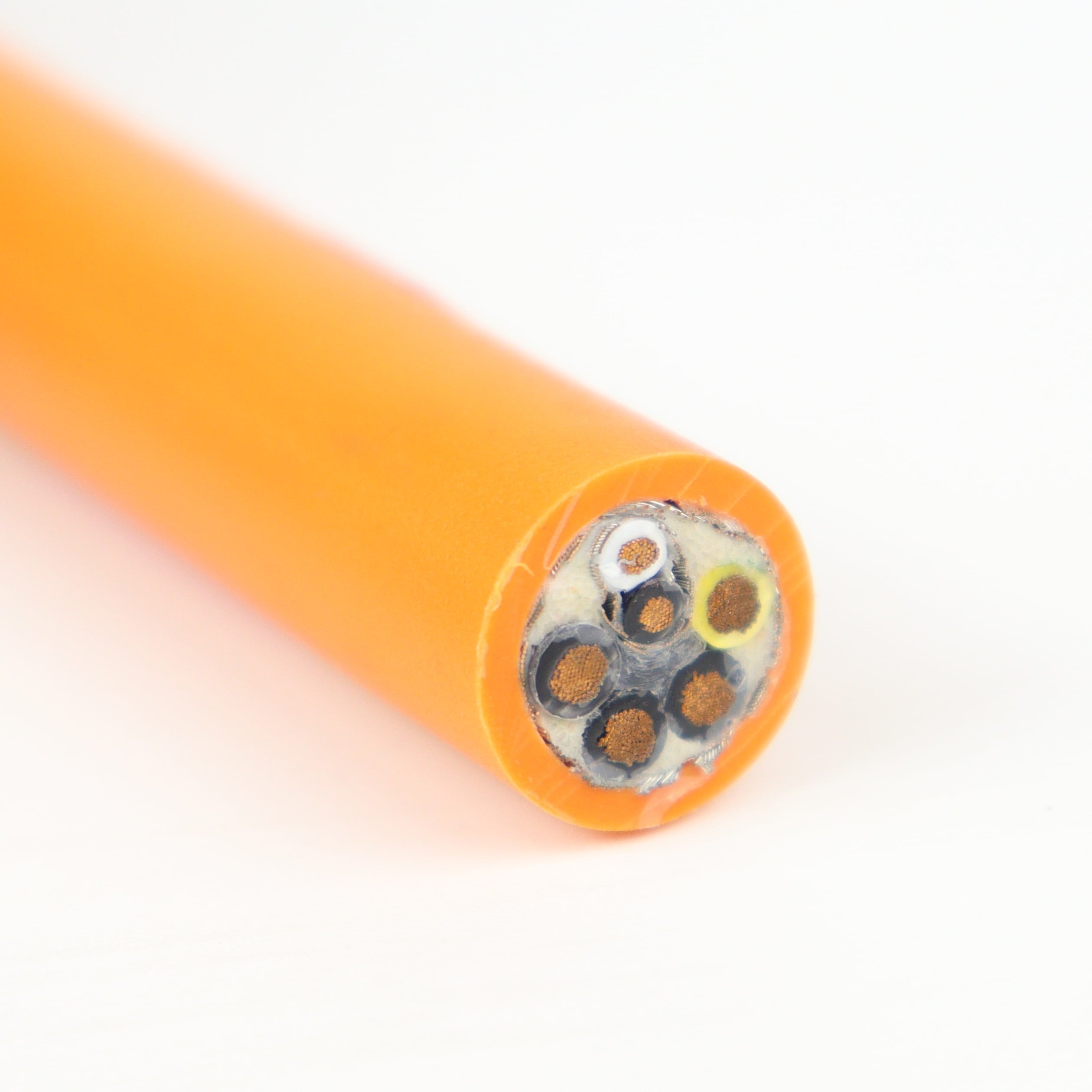
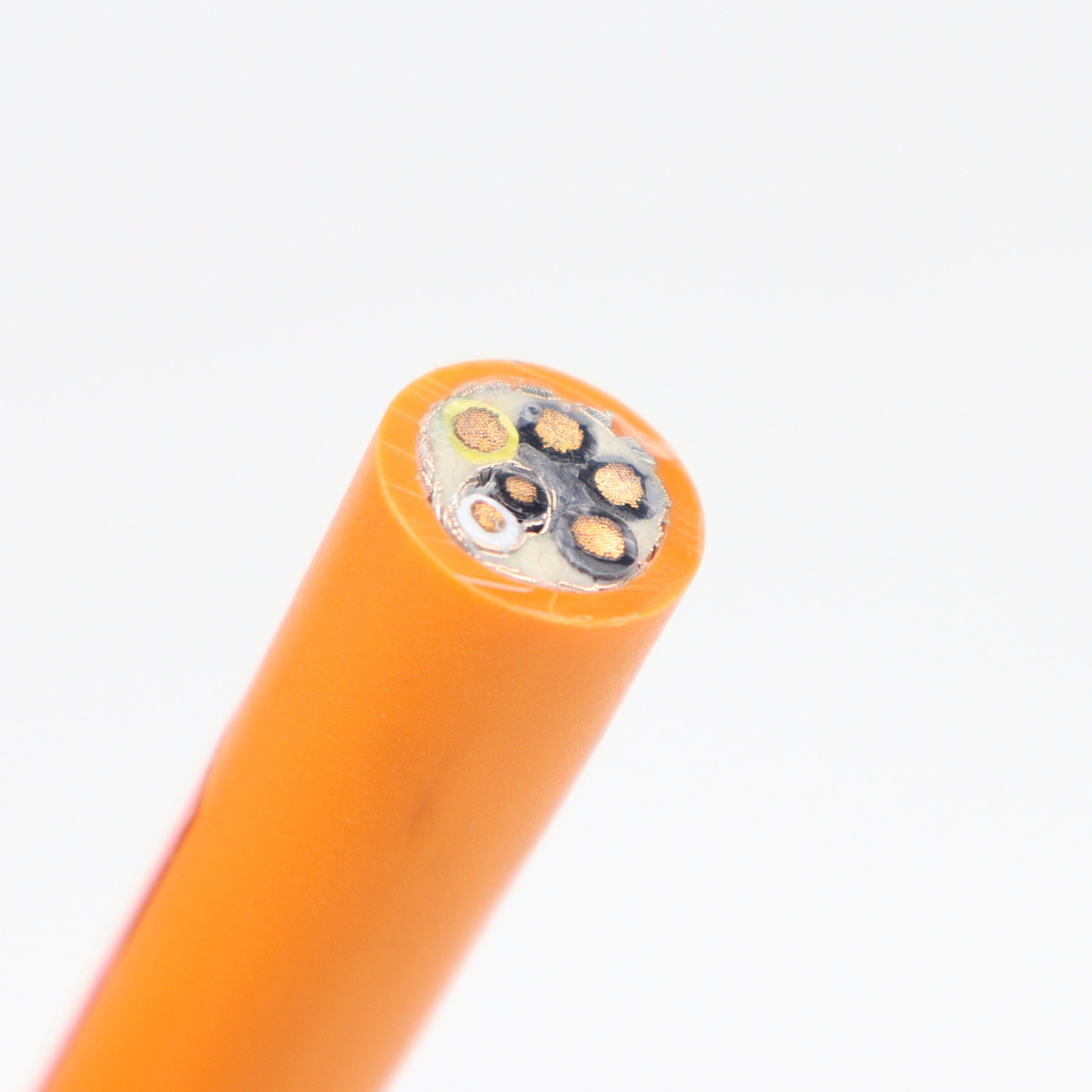
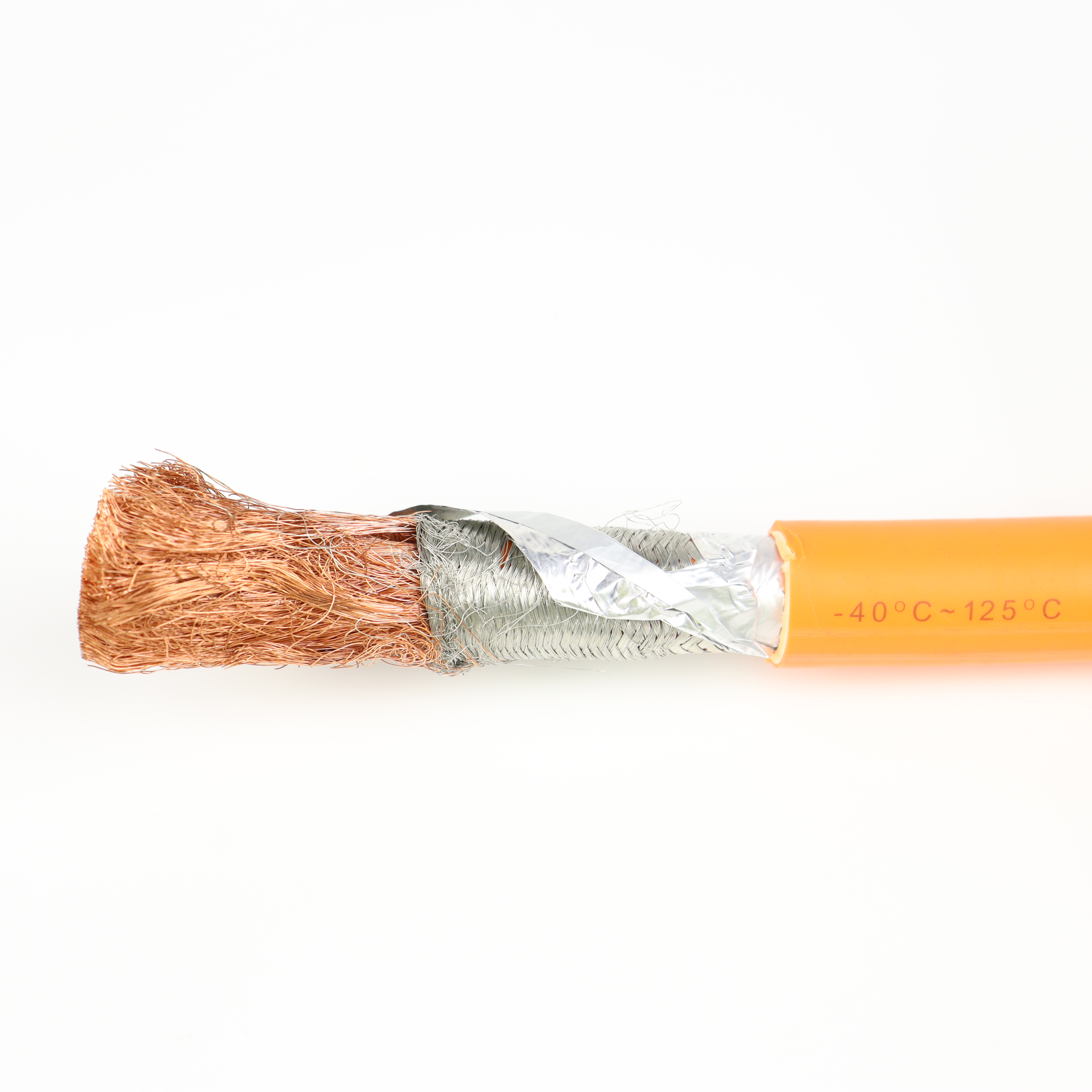
The EVP is a shielded single-core high-voltage cable for power transmission inside electric vehicles and EV charging infrastructure. Rated at 1000 V AC with a 4000 V test voltage, it combines a bare copper conductor stranded to IEC 60228 Class 5, a tinned copper braid shield of ≥85% optical coverage, and a TPE outer sheath. The service temperature range is −40 °C to +150 °C, precisely matching the operating envelope of EV drivetrain components from cold-climate outdoor installations to engine-bay-adjacent routing.
Traction inverters switch high currents at high frequencies, generating electromagnetic interference that couples into low-voltage circuits and CAN bus lines without shielding. Think of the braid as a Faraday cage: it intercepts radiated noise at the cable itself, before it can reach adjacent wiring. Containing interference at the source is more reliable than filtering it downstream at each sensor or ECU, and it is the reason shielded HV cable is specified for inverter-to-motor runs in automotive HV architecture.
Coverage of ≥85% is the automotive standard threshold — meaningfully higher than the 80% typical of industrial shielded cables — and provides the attenuation level expected in dense EV wiring environments. The tinned copper braid also provides a continuous low-resistance path for the HV interlock loop and insulation monitoring systems required by functional safety standards. Improper braid termination, such as trimming it back without bonding to the connector shell, is a common cause of interlock faults during system integration. The EVP EV Charging Cable Shielded Tinned Copper Braid Type 2 is only as effective as the braid continuity maintained end to end through its installation.
One common misconception: a higher voltage rating does not mean higher reliability. A 3000 V-rated cable has thicker insulation, greater outer diameter, reduced flexibility, and added weight — all routing penalties with no benefit in a 400 V or 800 V EV system. The 1000 V rating of the EVP is calibrated to actual architecture requirements.
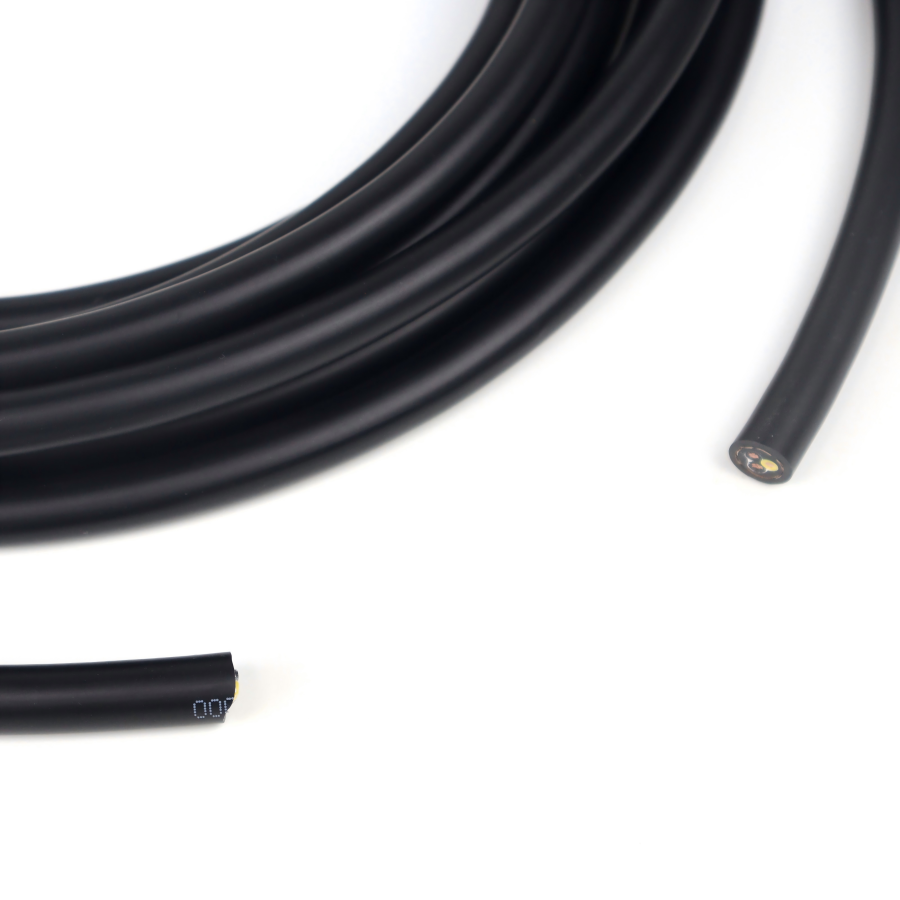
The IEC 60228 Class 5 fine bunched stranding gives the conductor both low DC resistance for efficient power transfer and the flexibility for a 6× outer diameter minimum bending radius. Runs passing through hinged panels, around battery module edges, or near suspension components need this flexibility margin to avoid fatigue failure over the vehicle service life. The TPE insulation and outer sheath retain flexibility to −40 °C, resist oils, acids, and alkalis under the vehicle floor and in the engine bay, and are UV-stabilised for exposed routing. Flame retardancy meets QC/T 1037. Supplied in orange per ISO 6469-3 for HV circuit identification, or black for labelling-based identification systems. RoHS compliant for global automotive wire supply procurement.
| Area (mm²) | Conductor Structure | Stranded OD (mm) | Resistance at 20°C (Ω/km) | Current Capacity (A) | Cable OD (mm) |
|---|---|---|---|---|---|
| 1.5 | 49/0.20 | 1.6 | 12.7 | 18 | 5.1 |
| 2.5 | 77/0.20 | 2.1 | 7.6 | 25 | 5.6 |
| 4 | 126/0.20 | 2.7 | 4.71 | 35 | 7.3 |
| 6 | 196/0.20 | 3.4 | 3.14 | 45 | 7.7 |
| 10 | 308/0.20 | 4.5 | 1.82 | 70 | 9.6 |
| 16 | 497/0.20 | 5.6 | 1.16 | 95 | 10.9 |
| 25 | 780/0.20 | 7.2 | 0.743 | 130 | 12.9 |
| 35 | 1106/0.20 | 8.3 | 0.527 | 160 | 14.5 |
| 50 | 1520/0.20 | 10.1 | 0.368 | 210 | 17 |
| 70 | 2109/0.20 | 12.1 | 0.259 | 260 | 21 |
| 95 | 2849/0.20 | 14.5 | 0.196 | 320 | 24 |
| 120 | 3774/0.20 | 15.9 | 0.153 | 370 | 27 |
Current-carrying capacity applies to free-air installation within the rated temperature range. In conduit, bundled, or thermally restricted routing, derate accordingly. In automotive wire supply engineering practice, specifying one cross-section step larger than the calculated minimum for harness segments in high-temperature zones prevents long-term thermal degradation at connector terminals.
The primary EMC-critical run in any EV drivetrain. Proper shielded cable specification here — with braid bonded to the connector shell at both ends — contains inverter switching emissions and prevents coupling into body electronics. Cross-sections from 16 mm² to 70 mm² cover most passenger vehicle traction current ratings; 95 mm² or 120 mm² for high-performance and commercial platforms.
Continuous high-current DC charging path, often routed near HVAC and body wiring. Shielding reduces radiated emissions during fast-charging events and supports coexistence with charging communication signals. Long extension lead configurations between a remotely positioned inlet and battery module typically use 35 mm² or 50 mm² cross-sections to balance resistance, outer diameter, and flexibility within available routing envelopes.
Cell interconnection, module-to-module runs, and main DC bus wiring in BESS enclosures require cables that handle high voltage and current, resist the chemical environment of enclosed battery housings, and meet flame retardancy for enclosed installations. The EVP covers cross-sections from 1.5 mm² to 120 mm², providing QC/T 1037 flame rating and TPE chemical resistance throughout the entire range.
Cross-section, braid coverage, sheath colour, print marking, and cut length are all customisable. OEM and ODM production are supported. Buyers sourcing flexible rf cables or signal cables alongside high-voltage EVP runs for the same platform can consolidate into a single automotive wire supply order, reducing supplier qualification overhead. Confirm specifications before production to avoid lead-time impacts during final integration.
Wide‑temperature‑range TPE insulation adapts to harsh vehicle environment, Small bending radius enables compact layout, Excellent resistance to oil, acid, alkali and UV, reliable flame retardant performance, high‑voltage rating for EV traction power transmission, RoHS compliant.

 EN