Industrial High Voltage Cable | Reliable Power

application/industrial-high-voltage-cable, application/industrial-high-voltage-cable, 
Inquiry
Inquiry

industrial high voltage cable

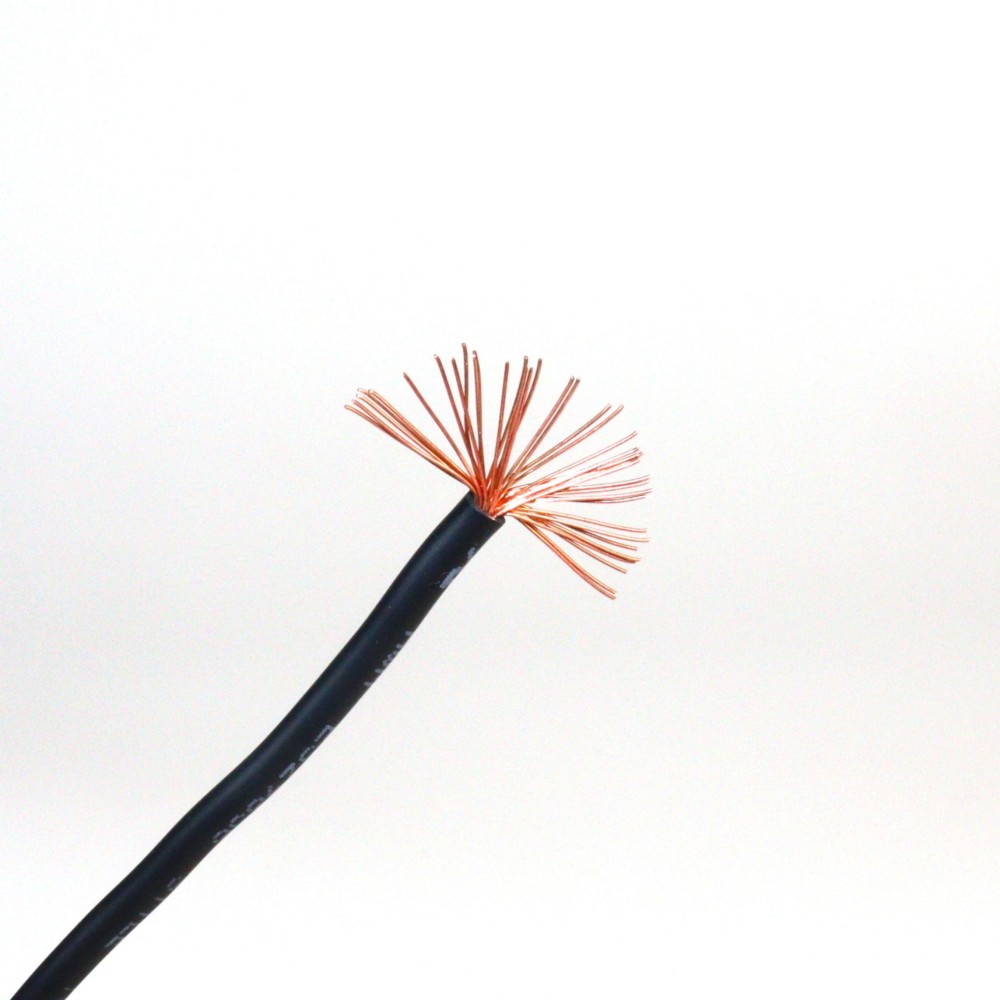
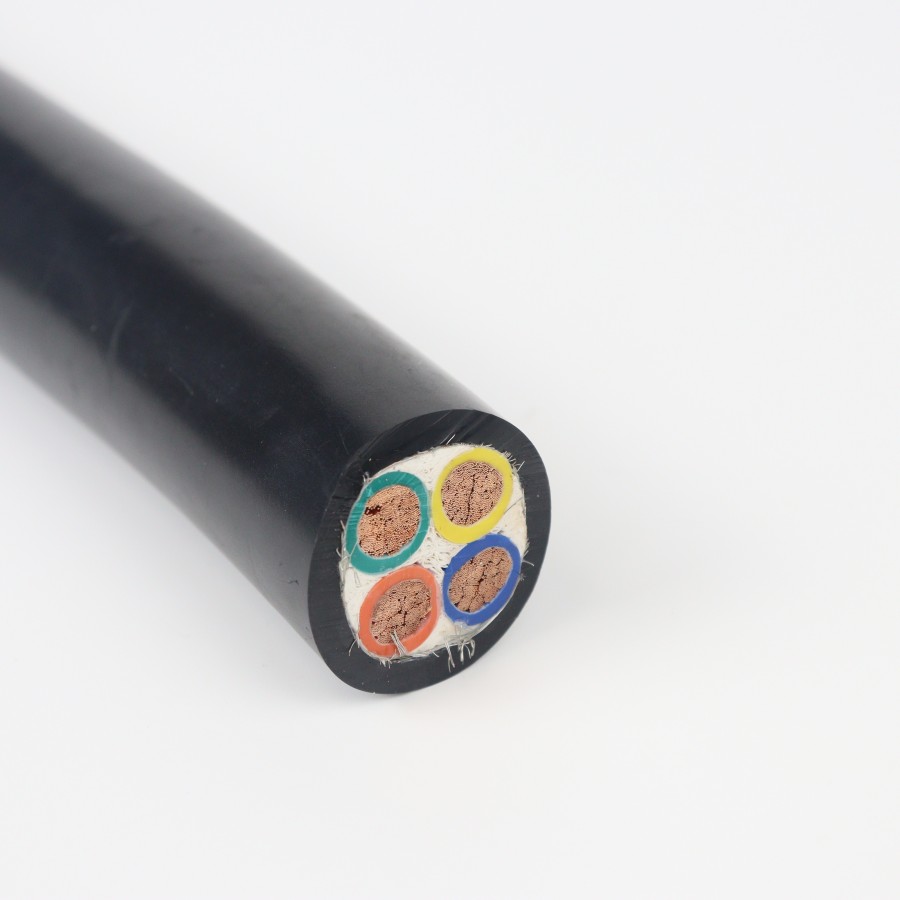
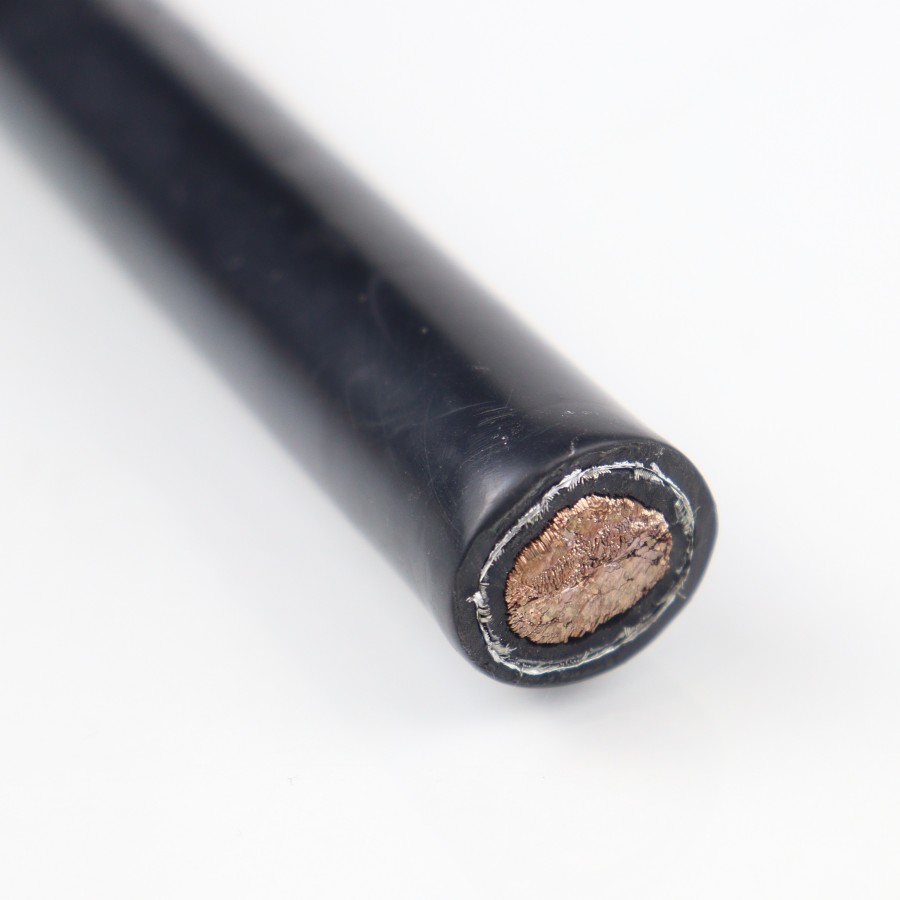
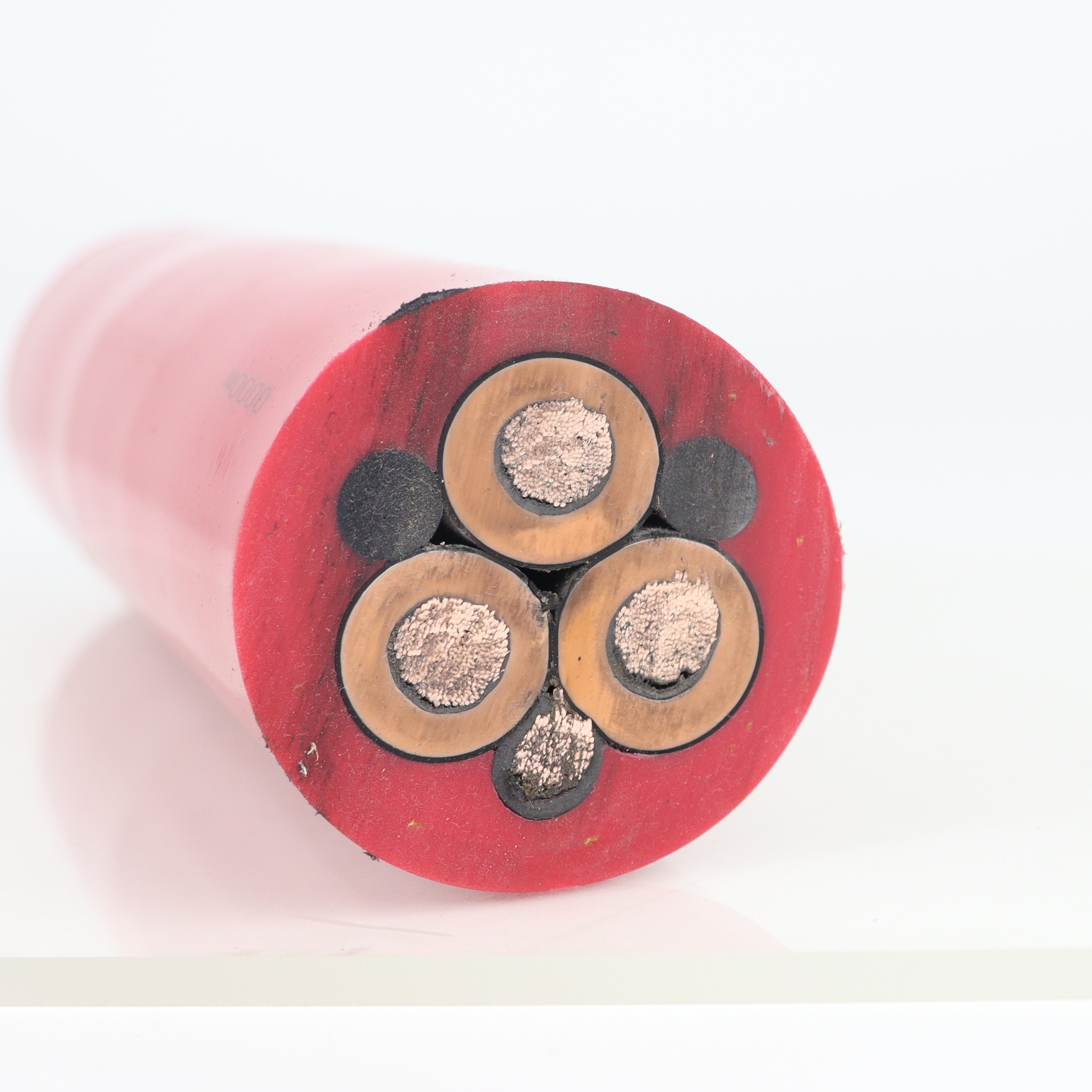
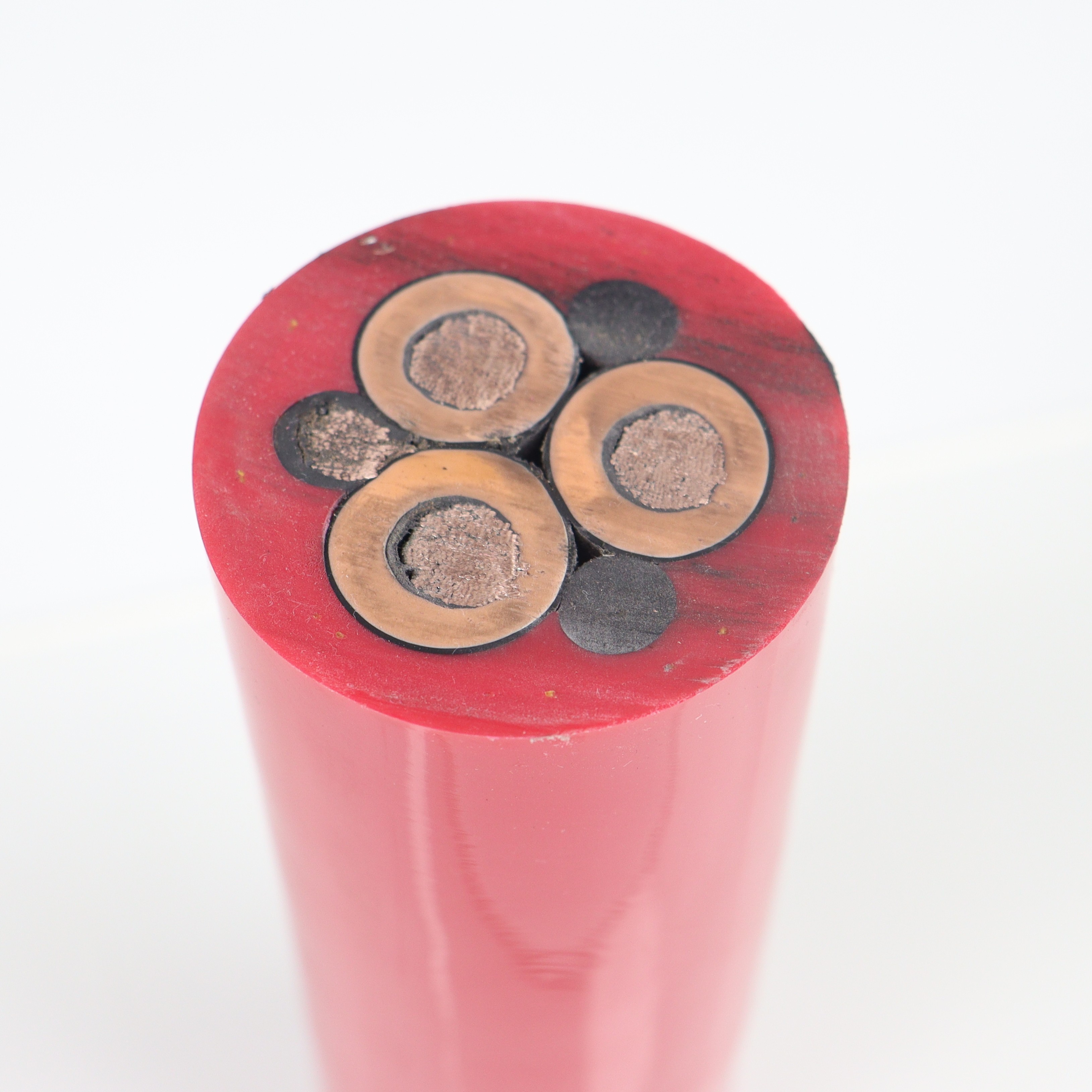
An industrial high voltage cable is a specially engineered power cable that carries electricity at high voltage across factories, plants, substations, renewable energy sites, and heavy equipment areas. The industrial high voltage cable transfers power efficiently over short or long routes while helping operators control energy loss, heat, and electrical risk. It commonly connects generators, transformers, switchgear, motors, distribution panels, and production machinery. An industrial high voltage cable uses a central conductor made from copper or aluminum, an insulating layer, protective screens, and an outer sheath. These layers work together to guide current, limit electrical leakage, and protect the cable from moisture, impact, chemicals, and wear. Depending on the installation, an industrial high voltage cable may use cross-linked insulation, shielding, armoring, or fire-resistant materials. An industrial high voltage cable can support fixed indoor installation, outdoor runs, underground routes, cable trays, ducts, and direct-buried systems when the design matches site conditions. Its main functions include reliable power delivery, electrical separation, fault protection, and stable operation under demanding loads. An industrial high voltage cable also supports modern monitoring systems through compatible accessories such as joints, terminations, and condition sensors. Buyers should select an industrial high voltage cable according to rated voltage, conductor size, insulation type, installation method, temperature range, bending needs, and local safety standards. Correct selection helps reduce downtime and simplifies long-term maintenance. For demanding facilities, an industrial high voltage cable provides the durable connection needed to keep essential equipment operating safely and consistently.
Choosing an industrial high voltage cable gives buyers a dependable way to move large amounts of power without installing many lower-voltage lines. An industrial high voltage cable can reduce current for the same power level, which helps limit energy loss and supports more efficient distribution. This benefit can lower operating costs, especially across long routes between a power source and major equipment. An industrial high voltage cable also helps plants build cleaner, more organized electrical systems because one properly selected cable can replace several smaller connections. Strong insulation protects people and equipment by reducing the chance of contact with energized parts. A screened or armored industrial high voltage cable adds another layer of protection where mechanical damage, moisture, or electrical interference may occur. This makes the product suitable for factories, mines, utility compounds, data centers, transport systems, and energy projects. A well-designed industrial high voltage cable handles demanding loads and changing operating conditions, helping motors, transformers, and production lines receive stable power. Buyers can choose flexible versions for routes with limited movement, rugged versions for outdoor or buried installation, and fire-resistant versions for locations where emergency performance matters. The right industrial high voltage cable can also simplify installation because matched terminations, joints, clips, and supports are available as part of a complete system. Longer service life creates practical value by reducing replacement work, production interruptions, and maintenance visits. Before purchase, compare voltage rating, conductor material, cross-section, insulation, sheath, bending radius, temperature rating, and certification. A supplier that provides test reports and technical guidance can further reduce selection risk. In short, an industrial high voltage cable supports safer power delivery, predictable performance, easier planning, and better lifecycle value when its specification matches the site.

Latest News

Shanghai Libin Cable Showcases Robot and Automation Cable Solutions at CMES Shanghai Industrial Automation & Robotics Exhibition

16

Oct

Shanghai Libin Cable Showcases Robot and Automation Cable Solutions at CMES Shanghai Industrial Automation & Robotics Exhibition

View More
Shanghai Libin Cable Showcases Crane Cable Solutions at the 11th China (Changyuan) International Crane Equipment Expo

16

Oct

Shanghai Libin Cable Showcases Crane Cable Solutions at the 11th China (Changyuan) International Crane Equipment Expo

View More
Why Drag Chain Cables Fail: Four Common Causes and How to Select Correctly

16

Oct

Why Drag Chain Cables Fail: Four Common Causes and How to Select Correctly

View More
Industrial Robot Combination Cable: Routing Power and Signal Together in a Small-Bend-Radius Drag Chain

16

Oct

Industrial Robot Combination Cable: Routing Power and Signal Together in a Small-Bend-Radius Drag Chain

View More

Get a Free Quote

Our representative will contact you soon.
0/1000
Layered Protection for Demanding Sites

Layered Protection for Demanding Sites

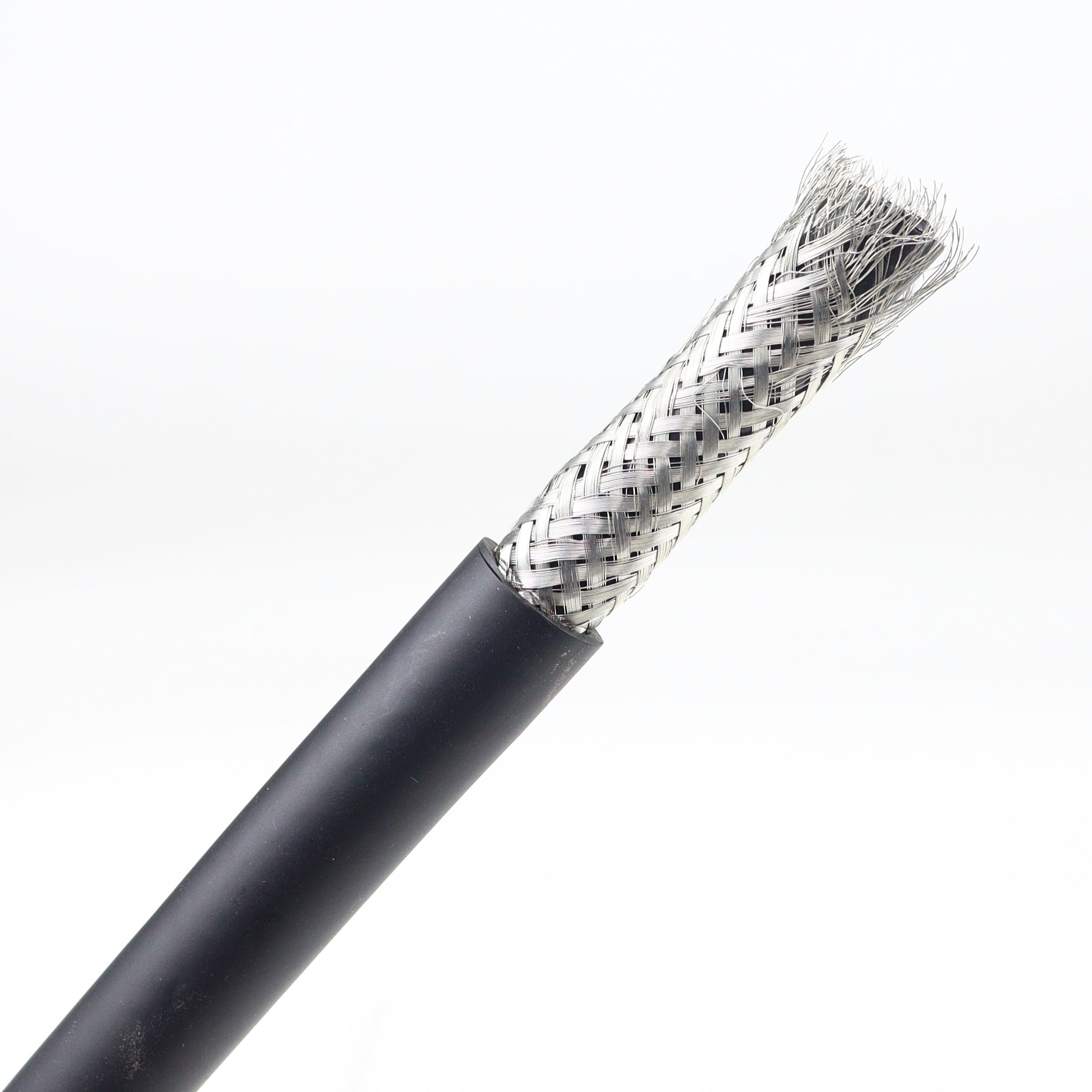
A key selling point of an industrial high voltage cable is its layered construction. The conductor carries power, while insulation separates the energized core from the surroundings. A metallic screen can control the electric field and provide a path for fault current, while an outer sheath helps resist water, abrasion, oils, and common industrial chemicals. Depending on the project, an industrial high voltage cable may also include steel armor for extra protection against crushing, impact, rodents, or accidental digging. This structure gives an industrial high voltage cable greater resilience than a basic power wire. It helps maintain electrical performance in production halls, outdoor yards, tunnels, and buried routes. For buyers, the value is practical: fewer damage-related failures, safer maintenance conditions, and better protection for expensive equipment. Selecting an industrial high voltage cable with the correct protective layers allows the cable to match real site hazards instead of relying on one standard design for every application.
Stable Power With Lower Operating Loss

Stable Power With Lower Operating Loss

An industrial high voltage cable is designed to move substantial power efficiently between supply points and large electrical loads. By operating at a higher voltage, the system can use lower current for the same power output, which helps reduce heat and energy loss along the route. This makes an industrial high voltage cable useful for long factory runs, utility connections, transformer links, and renewable energy collection systems. Proper conductor sizing further improves performance and helps prevent excessive temperature rise. An industrial high voltage cable can therefore support steadier motor starts, reliable transformer operation, and consistent production power. Buyers benefit from better use of supplied electricity and a reduced risk of performance problems caused by undersized connections. The industrial high voltage cable also provides a neat, scalable approach when a facility expands. With suitable joints and terminations, the system can connect new equipment without redesigning every part of the distribution network. This supports long-term planning and protects the original investment.
Flexible Options for Installation and Service

Flexible Options for Installation and Service

Every site presents different routing, weather, and maintenance challenges, so an industrial high voltage cable should offer more than one construction option. Manufacturers can supply designs for cable trays, ducts, underground placement, direct burial, outdoor runs, and controlled indoor environments. An industrial high voltage cable may use flexible insulation for easier handling, low-smoke materials for occupied buildings, or flame-resistant compounds for critical facilities. It can also be selected with different conductor metals, screen designs, sheath materials, and rated temperatures. This choice helps buyers match the industrial high voltage cable to installation space, load demand, bending limits, and local regulations. A properly matched industrial high voltage cable is easier to route and terminate, which can shorten installation time and reduce avoidable labor costs. Clear identification, factory testing, and compatible accessories also support future inspection. For service teams, an industrial high voltage cable with documented specifications makes troubleshooting, replacement, and expansion more predictable throughout the system's working life.