xlpe insulated copper cable | Reliable Power

application/xlpe-insulated-copper-cable, application/xlpe-insulated-copper-cable, 
Inquiry
Inquiry

xlpe insulated copper cable

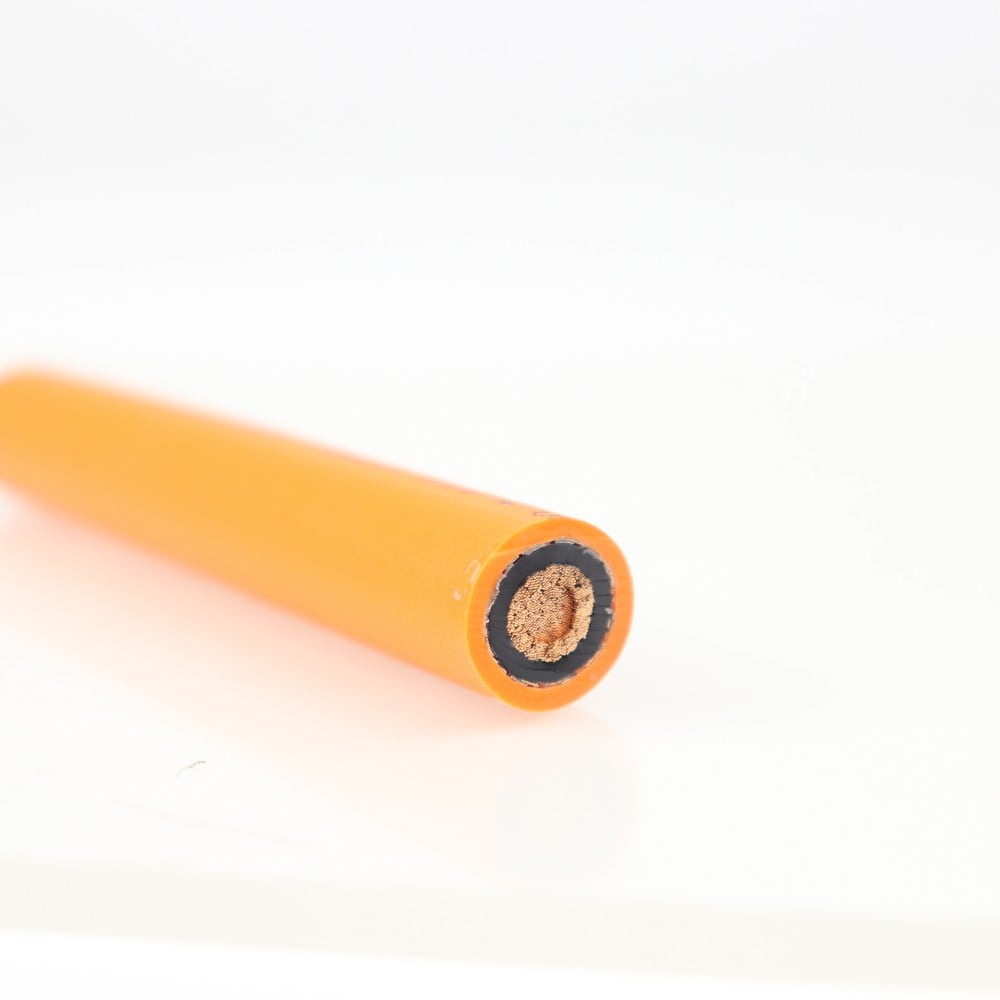
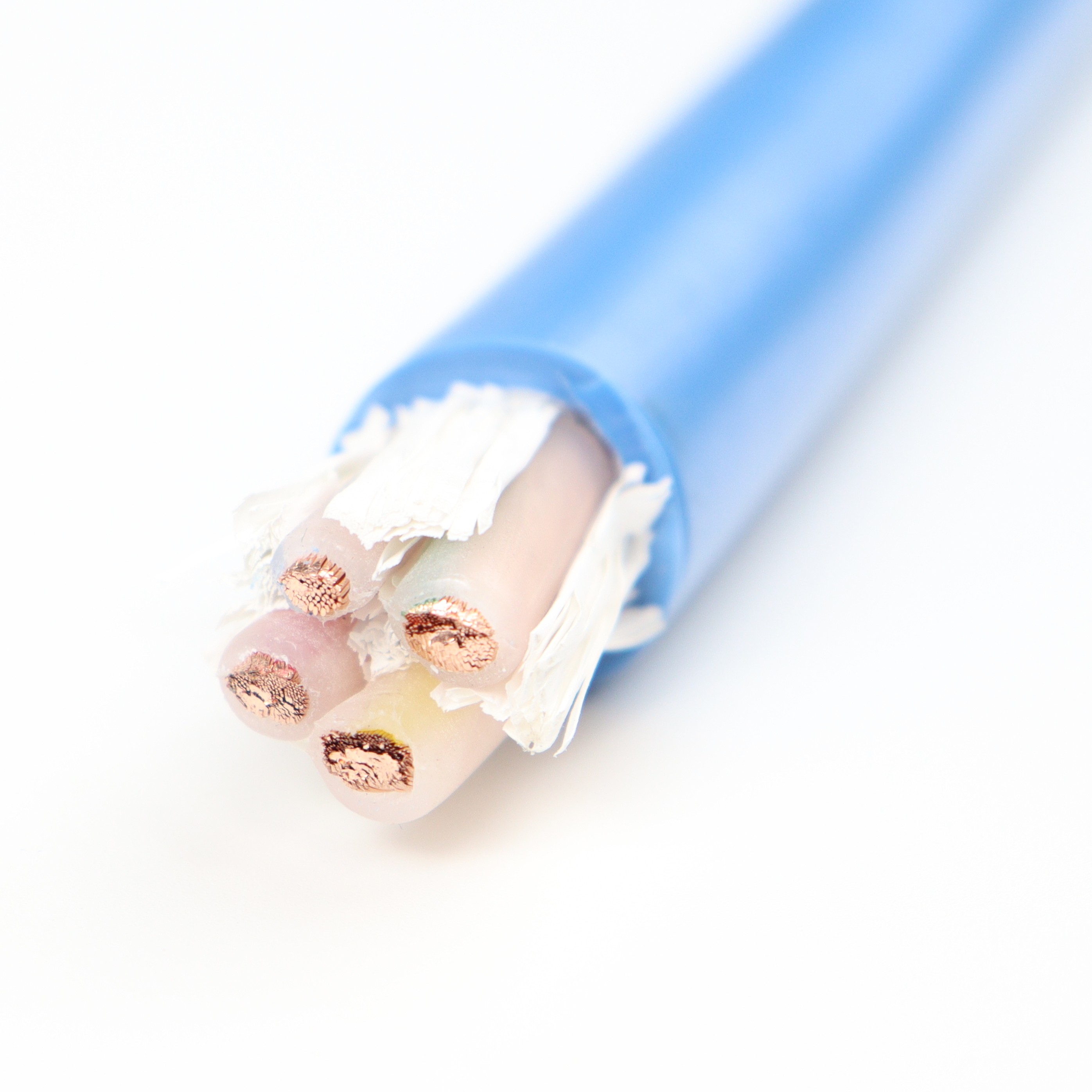
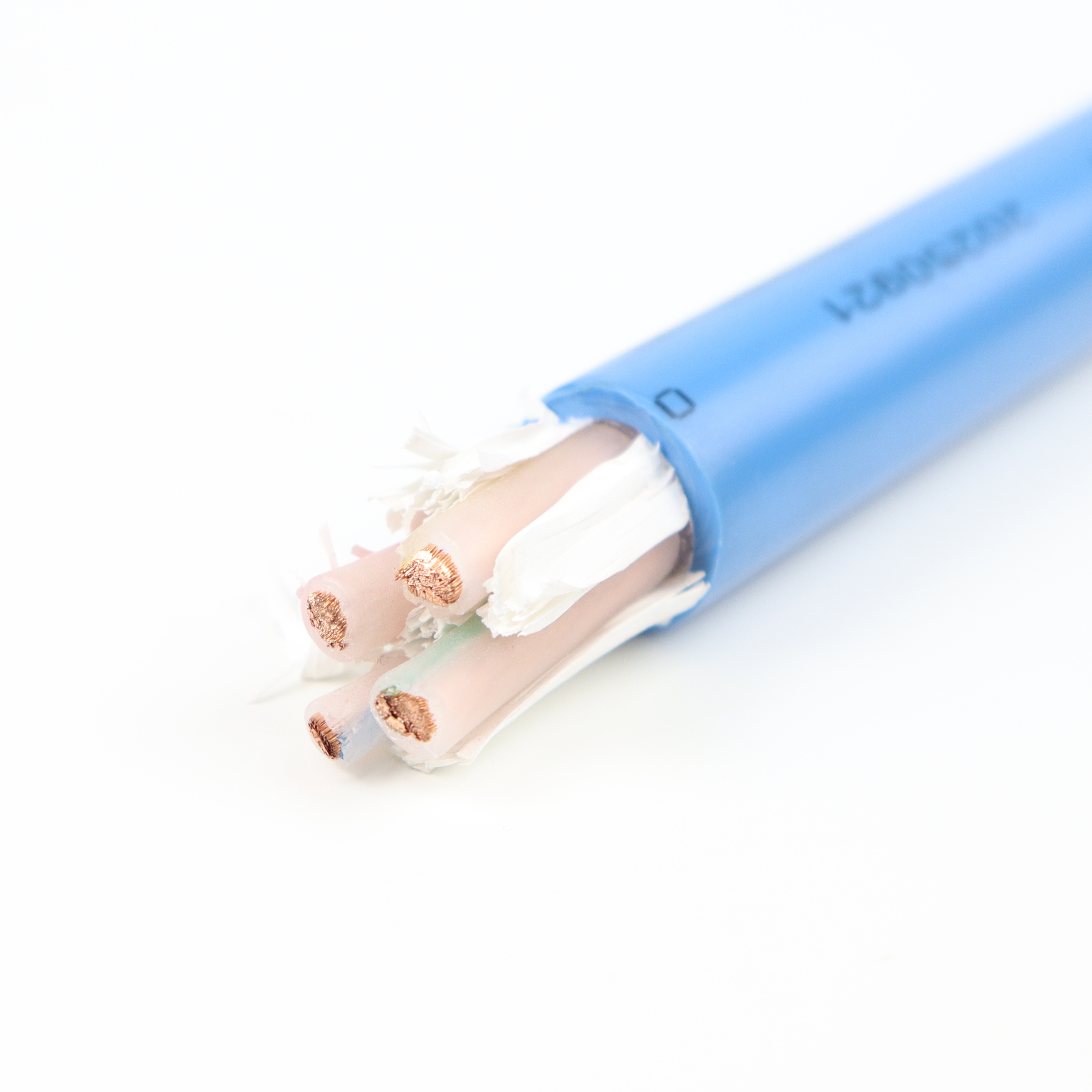
An xlpe insulated copper cable is a power cable designed to carry electricity safely and efficiently in residential, commercial, industrial, and infrastructure systems. It combines a copper conductor with cross-linked polyethylene insulation. The copper core transfers current with low electrical resistance, while the XLPE layer protects the conductor from heat, moisture, abrasion, and electrical stress. This construction allows an xlpe insulated copper cable to support reliable power delivery over short and long routes. The main function of an xlpe insulated copper cable is to connect power sources, distribution equipment, control panels, motors, transformers, and end-use devices. Depending on its design, it can serve low-voltage, medium-voltage, or specialized high-load installations. Many versions include compact stranded conductors for easier routing, an outer sheath for mechanical protection, and optional armor for buried or exposed locations. A modern xlpe insulated copper cable can operate continuously at higher temperatures than cables that use ordinary thermoplastic insulation. It also handles short-term overloads effectively when the system has suitable protection. The insulation resists water absorption and many common chemicals, which helps maintain stable performance in demanding environments. Installers select an xlpe insulated copper cable according to voltage rating, conductor size, current capacity, installation method, ambient temperature, and required mechanical protection. Typical applications include building power distribution, renewable energy equipment, factories, data facilities, transport projects, underground networks, and utility connections. With correct sizing and installation, an xlpe insulated copper cable provides a dependable route for efficient, long-term electrical transmission.
Choosing an xlpe insulated copper cable gives buyers a practical balance of electrical performance, service life, and installation flexibility. Copper carries current efficiently, so an xlpe insulated copper cable can help reduce energy loss and limit unwanted voltage drop when the conductor is correctly sized. This benefit supports stable equipment operation and may lower wasted power across busy distribution routes. XLPE insulation also allows an xlpe insulated copper cable to work at higher operating temperatures than many conventional cable types. That added thermal margin helps the cable manage normal load changes and brief overload conditions without rapid insulation damage. For a facility manager, this can mean fewer interruptions and more predictable maintenance planning. An xlpe insulated copper cable suits indoor panels, outdoor routes, cable trenches, ducts, and underground systems. Customers can choose unarmored designs for protected spaces or armored designs where impact, pressure, rodents, or soil movement create greater risk. The cable can also be supplied in flexible stranded forms, making an xlpe insulated copper cable easier to route around equipment and through confined spaces. Its moisture-resistant insulation supports dependable use in damp areas when the complete cable construction and installation method match the environment. The robust outer layer helps protect an xlpe insulated copper cable during transport, pulling, and service, although installers must follow the recommended bending radius and pulling force. For purchasing teams, product selection becomes clearer when they compare conductor cross-section, voltage class, sheath material, fire behavior, length, certification, and delivery format. A well-specified xlpe insulated copper cable can reduce replacement frequency, simplify system expansion, and protect valuable electrical assets. Buyers should still confirm local standards, fault-current requirements, temperature limits, and compatibility with terminals before ordering. This decision-focused approach ensures the selected xlpe insulated copper cable delivers the expected safety, capacity, and operating value.

Latest News

Shanghai Libin Cable Showcases Robot and Automation Cable Solutions at CMES Shanghai Industrial Automation & Robotics Exhibition

16

Oct

Shanghai Libin Cable Showcases Robot and Automation Cable Solutions at CMES Shanghai Industrial Automation & Robotics Exhibition

View More
Shanghai Libin Cable Showcases Crane Cable Solutions at the 11th China (Changyuan) International Crane Equipment Expo

16

Oct

Shanghai Libin Cable Showcases Crane Cable Solutions at the 11th China (Changyuan) International Crane Equipment Expo

View More
Why Drag Chain Cables Fail: Four Common Causes and How to Select Correctly

16

Oct

Why Drag Chain Cables Fail: Four Common Causes and How to Select Correctly

View More
Industrial Robot Combination Cable: Routing Power and Signal Together in a Small-Bend-Radius Drag Chain

16

Oct

Industrial Robot Combination Cable: Routing Power and Signal Together in a Small-Bend-Radius Drag Chain

View More

Get a Free Quote

Our representative will contact you soon.
0/1000
Efficient Copper Conduction for Stable Power

Efficient Copper Conduction for Stable Power

The copper conductor is the main performance advantage of an xlpe insulated copper cable. Copper offers low resistance, allowing an xlpe insulated copper cable to transfer power with limited heat generation when engineers select the correct cross-sectional area. For customers, that means more stable voltage at connected equipment and less energy lost along the route. An xlpe insulated copper cable also responds well to changing loads in motors, distribution boards, and industrial machinery. Stranded conductor options improve handling without sacrificing dependable current flow, helping installers complete bends and connections more efficiently. The conductor supports a wide range of sizes, so buyers can match an xlpe insulated copper cable to small branch circuits or larger feeders. This sizing flexibility prevents unnecessary overspending while supporting future capacity needs. Reliable copper performance also helps sensitive equipment receive consistent power, reducing the risk of nuisance issues caused by excessive voltage drop. When paired with suitable terminals, breakers, and installation practices, an xlpe insulated copper cable creates a strong foundation for safe, efficient electrical distribution.
Heat-Resistant Insulation for Demanding Service

Heat-Resistant Insulation for Demanding Service

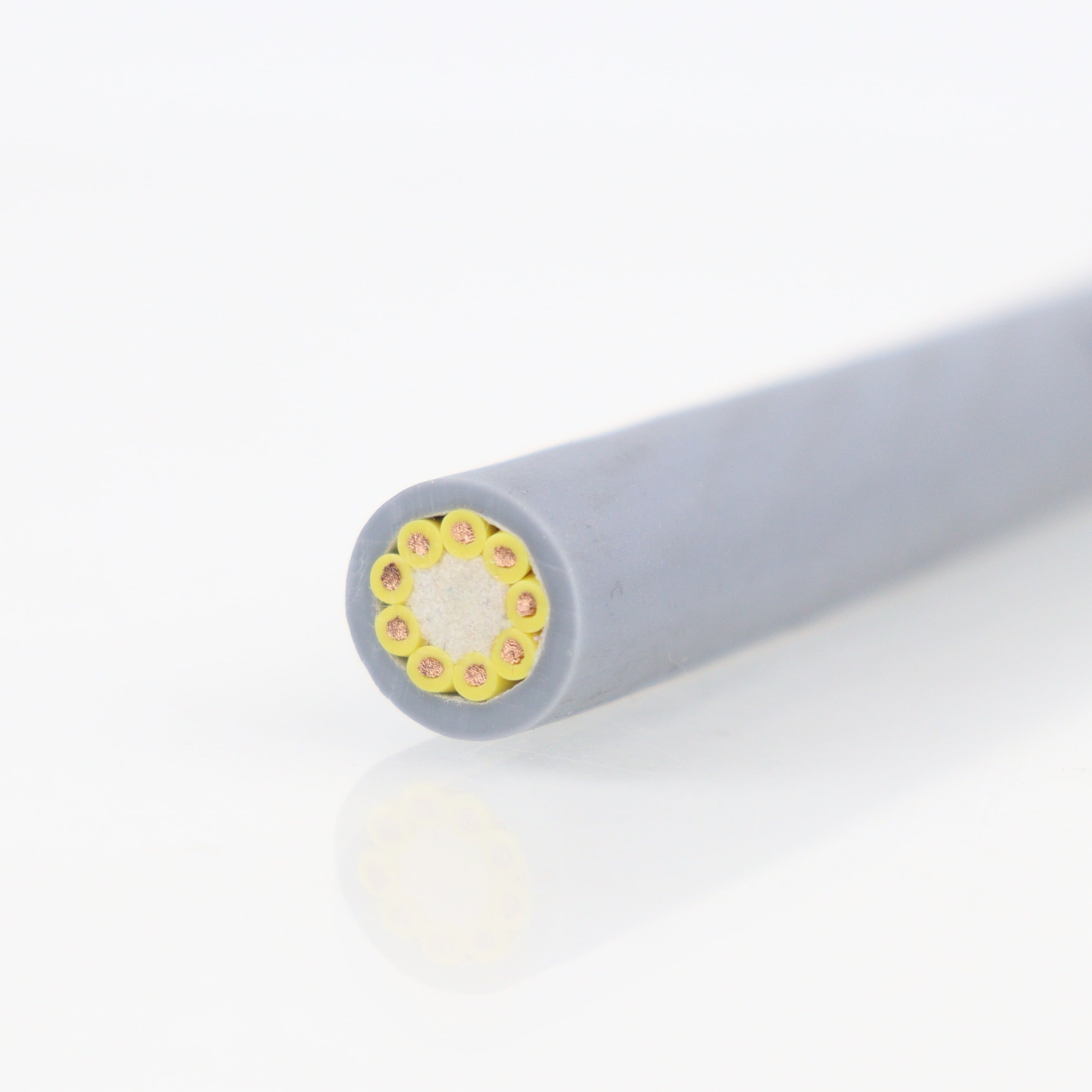
XLPE insulation gives an xlpe insulated copper cable strong thermal performance and dependable electrical separation. Compared with basic thermoplastic insulation, an xlpe insulated copper cable can tolerate higher continuous conductor temperatures under approved operating conditions. This feature helps an xlpe insulated copper cable handle busy circuits, warm equipment rooms, and moderate load changes with greater confidence. The insulation limits current leakage and protects the copper core from moisture, surface contamination, and electrical stress. For buyers, this can translate into longer service life and fewer unplanned cable replacements. An xlpe insulated copper cable also maintains useful flexibility during installation, especially when supplied with a stranded conductor and an appropriate outer sheath. Its thermal margin gives system designers more freedom when routing cables near other circuits, provided they apply correct grouping and derating rules. In renewable energy plants, factories, and commercial buildings, an xlpe insulated copper cable supports reliable operation where heat and continuous loading matter. Customers should verify the rated temperature, voltage level, fire requirements, and accessories before use, but the insulation remains a valuable choice for long-term power distribution.
Versatile Construction for Indoor and Outdoor Routes

Versatile Construction for Indoor and Outdoor Routes

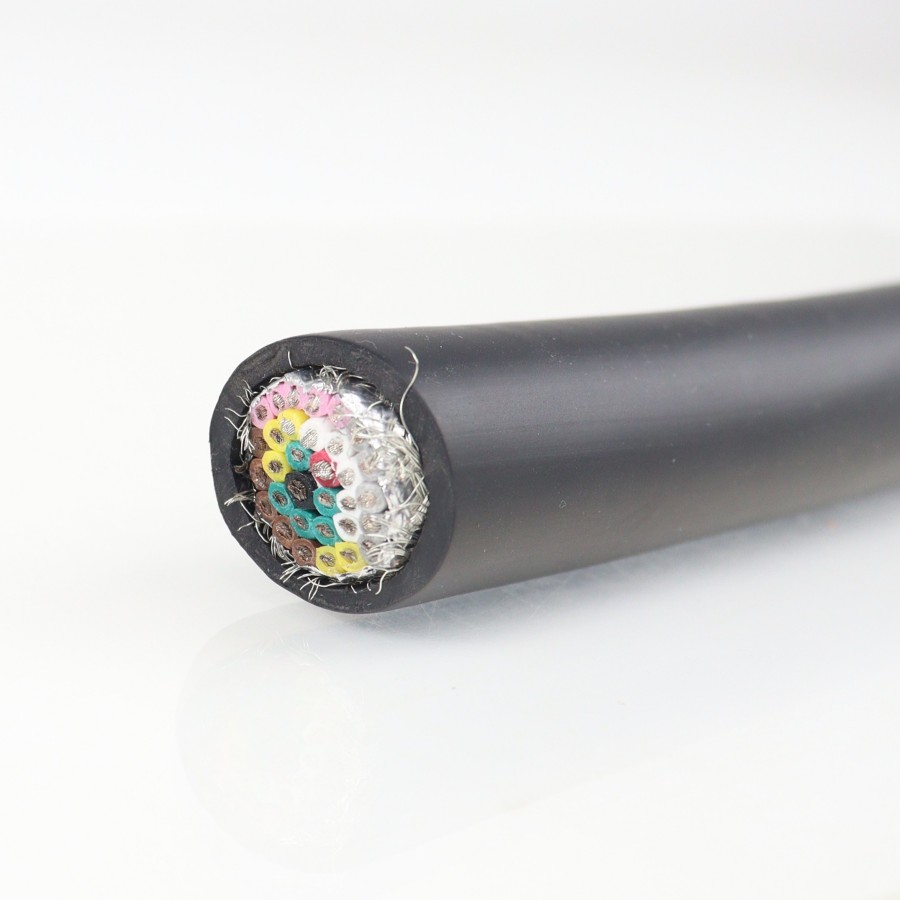
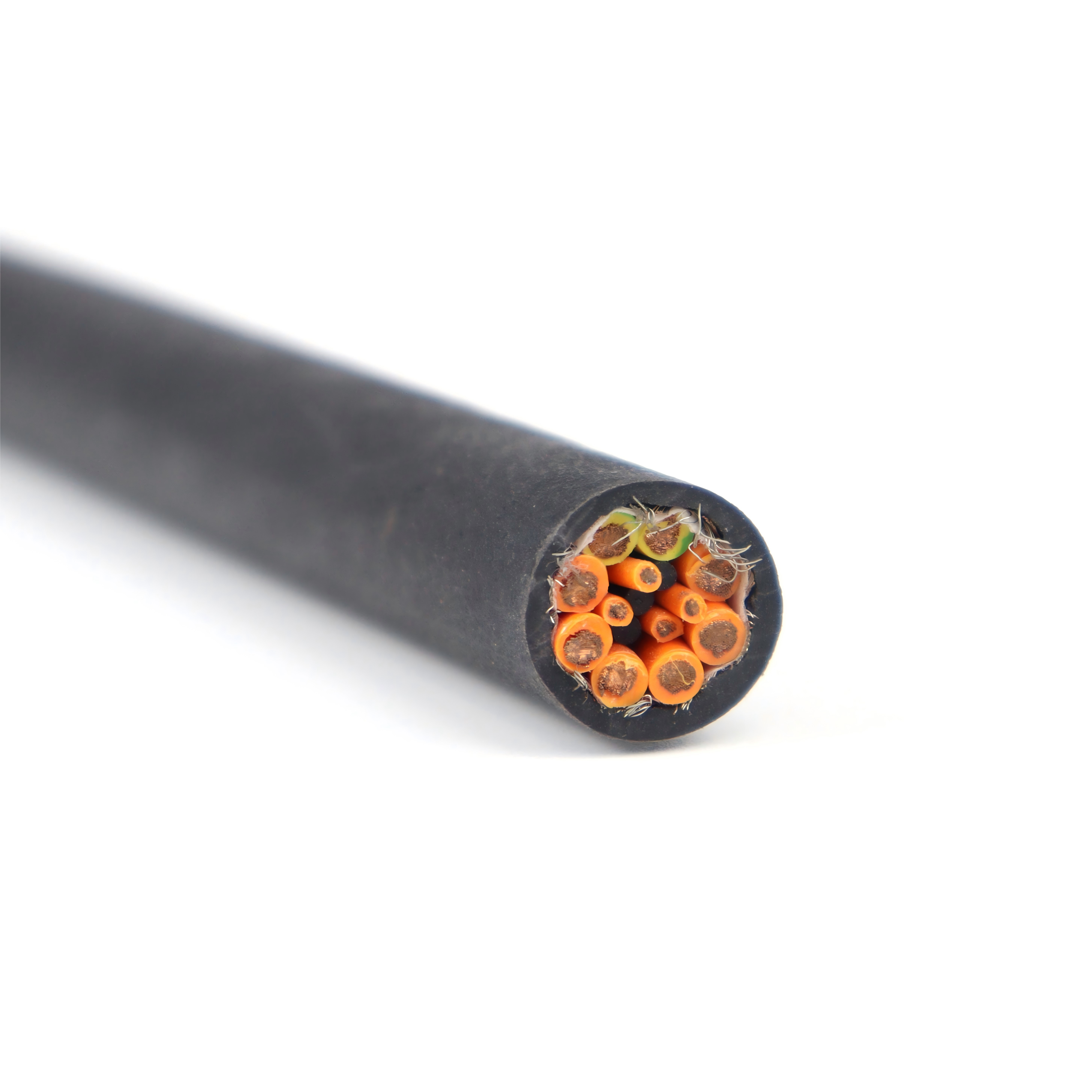
A well-designed xlpe insulated copper cable adapts to many installation environments because manufacturers can combine insulation, sheath, screening, and armor to meet specific project needs. An xlpe insulated copper cable may run through a building, duct, trench, plant floor, or buried route when its construction matches the exposure. For protected indoor areas, a lighter xlpe insulated copper cable can simplify handling and reduce material cost. Where impact, compression, rodents, or soil movement pose a concern, an armored xlpe insulated copper cable adds physical protection around the insulated cores. Moisture-resistant materials help an xlpe insulated copper cable maintain dependable performance in damp locations, while a durable outer sheath supports pulling and everyday service demands. This flexibility helps contractors standardize on a trusted cable family across different parts of one project. An xlpe insulated copper cable can connect transformers, switchgear, motors, solar equipment, and distribution panels with suitable termination kits. Buyers gain a practical solution that supports new construction, upgrades, and network expansion. Correct selection remains essential: confirm voltage, current, route conditions, bend limits, fire rating, and local approvals before ordering.