Copper Cable: Reliable Power and Data Links

application/copper-cable, application/copper-cable, 
Inquiry
Inquiry

copper cable

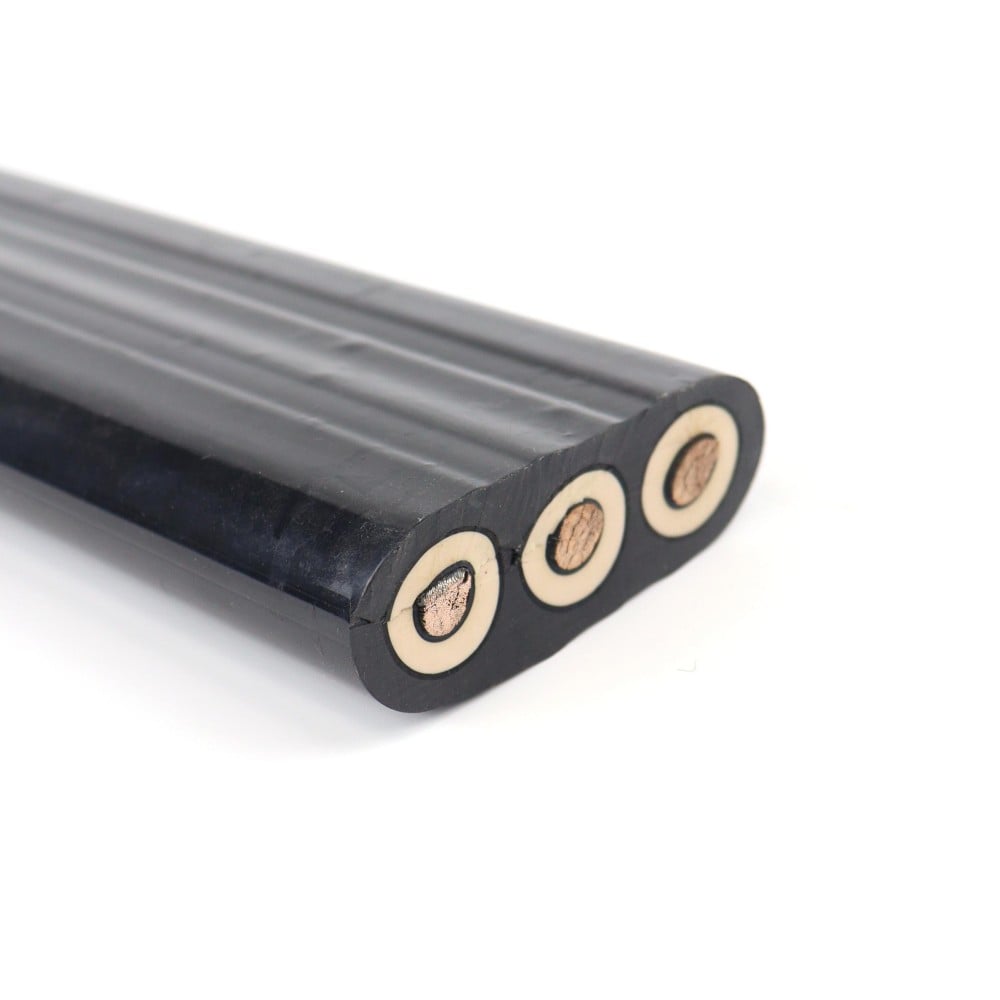
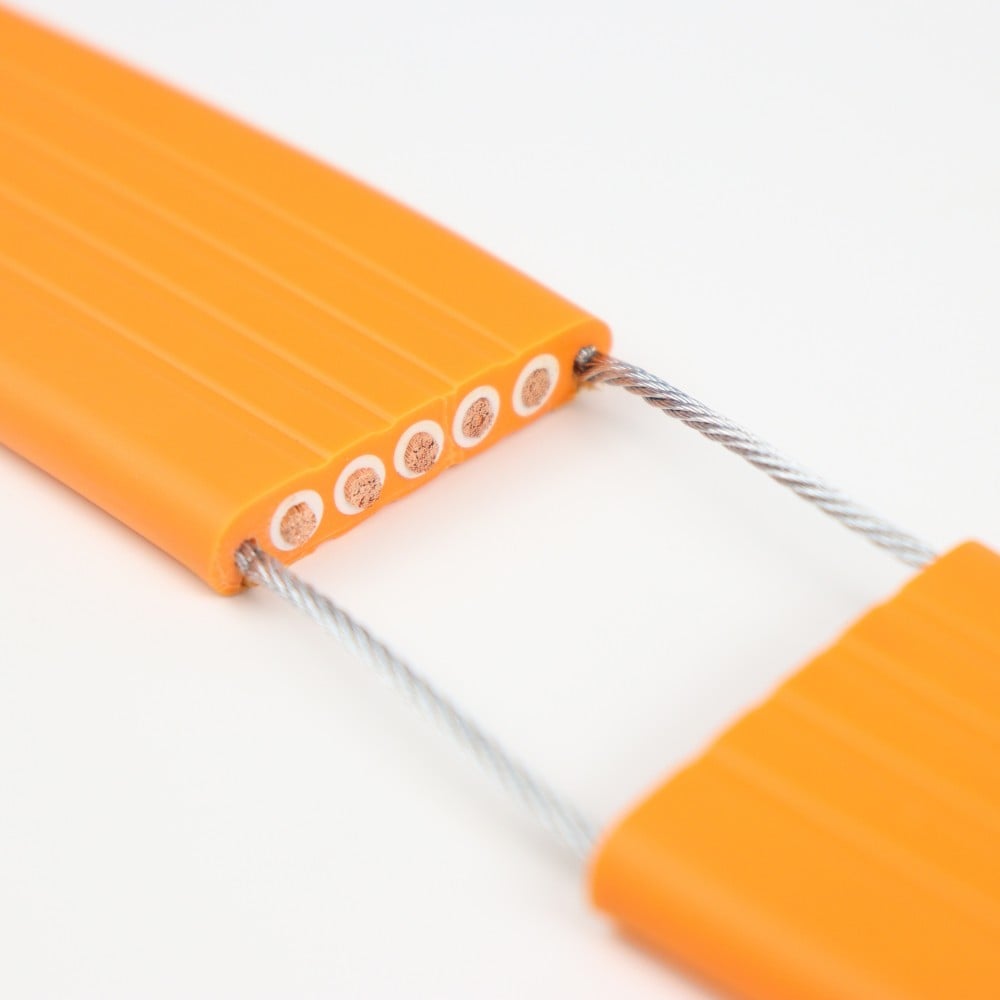
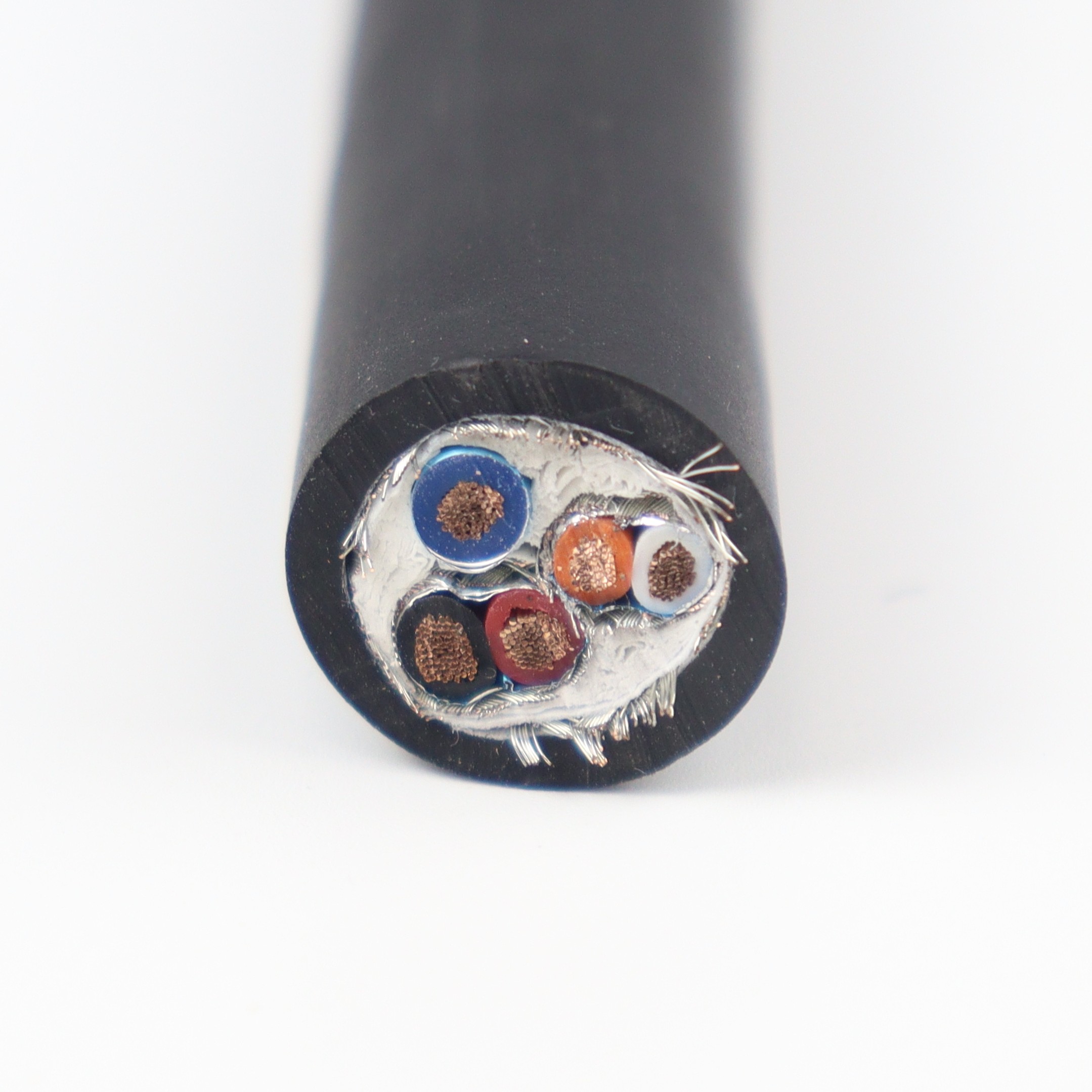
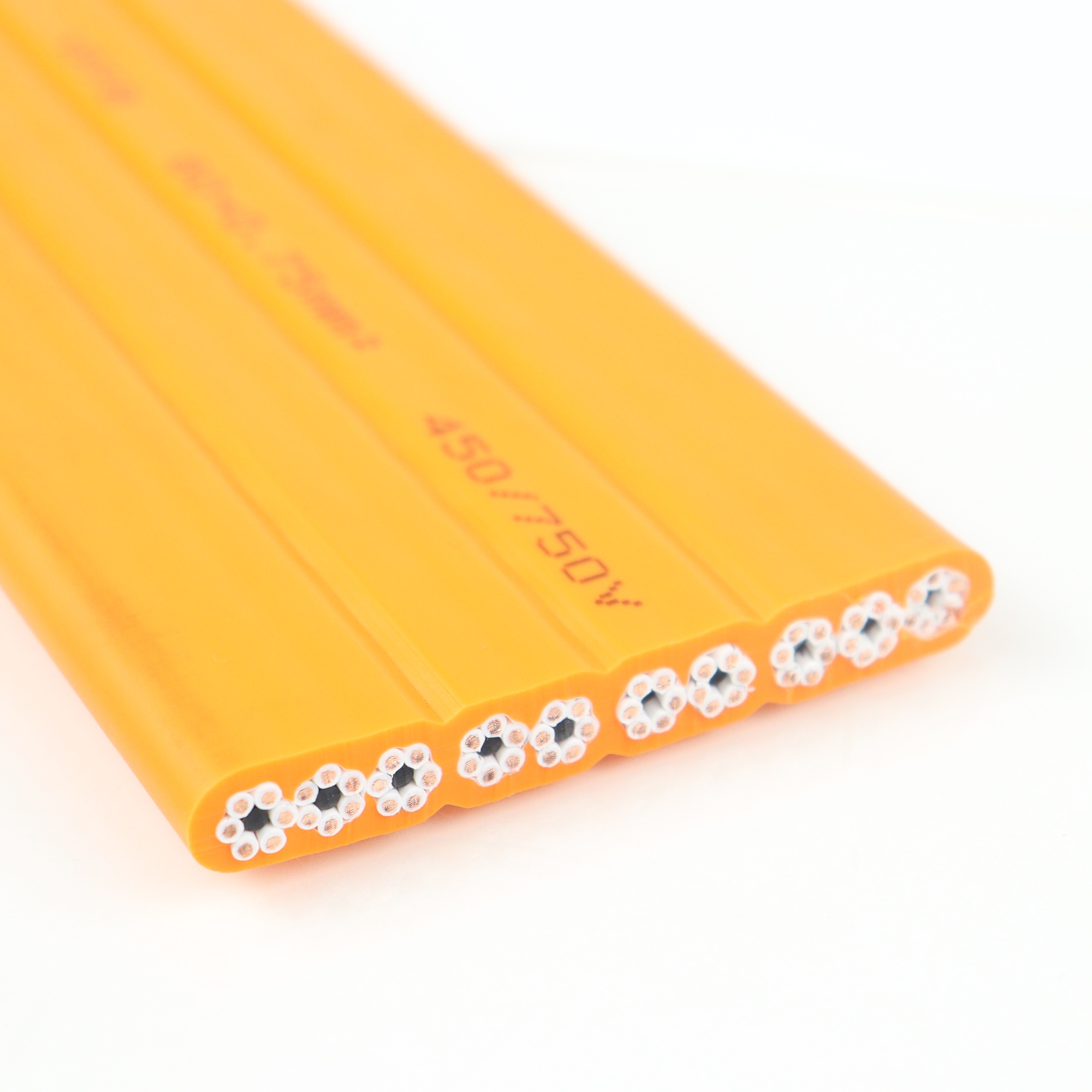
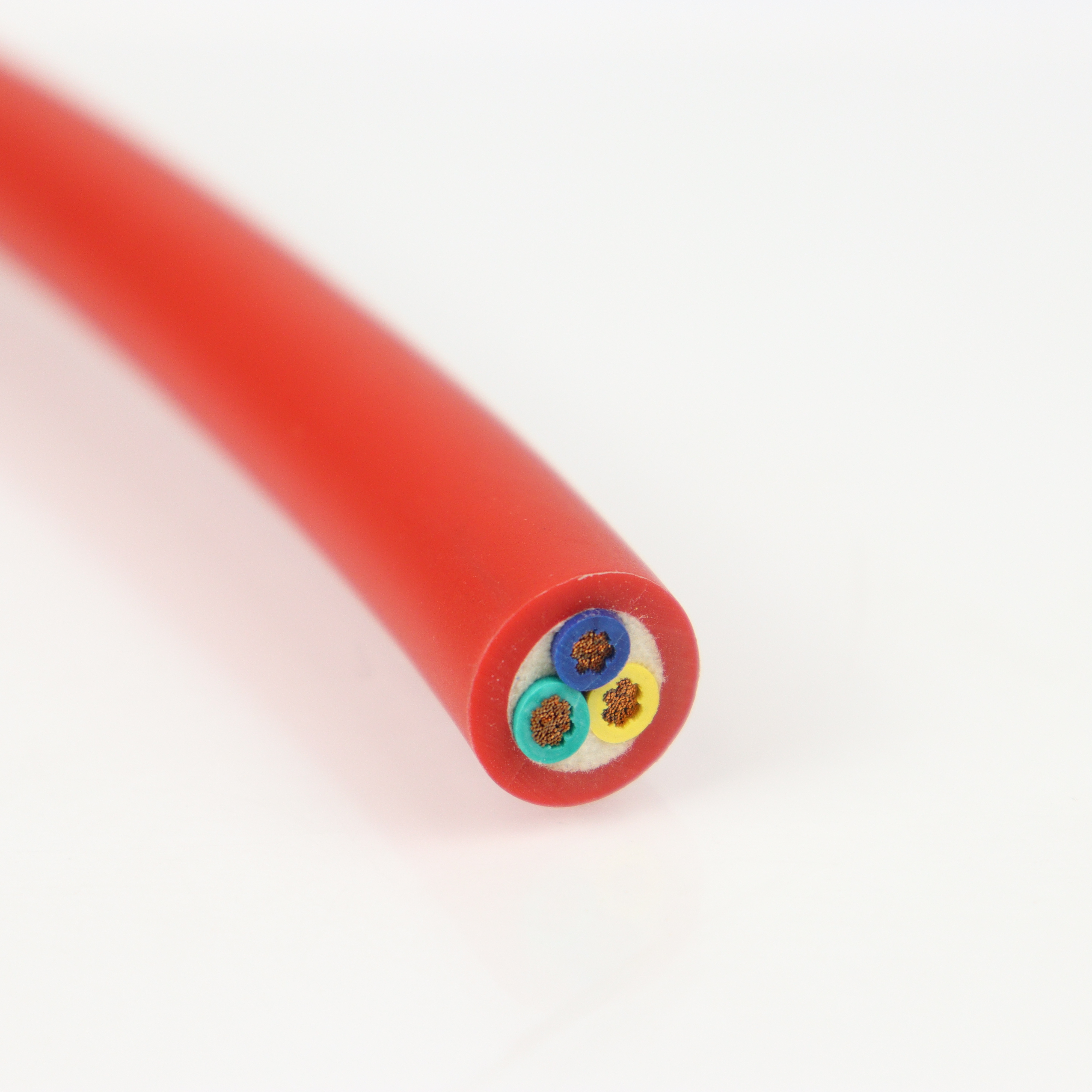
A copper cable is a wired solution that carries electrical power, voice, data, or control signals between connected devices. A copper cable uses one or more copper conductors, usually covered by insulation and an outer protective jacket. This simple construction allows a copper cable to support dependable connections in homes, offices, factories, vehicles, and communication systems. Depending on the design, a copper cable may contain solid or stranded conductors. Solid conductors suit fixed installations, while stranded conductors provide greater flexibility for equipment that moves or requires frequent handling. A copper cable can also include shielding to reduce interference from nearby electrical equipment. Twisted-pair designs help control signal noise and support network communication over practical distances. Coaxial versions use a central conductor, insulating layer, shield, and jacket for television, radio, security, and broadband signals. Power types may use thicker conductors and stronger insulation to handle higher current safely. Copper cable performance depends on conductor size, insulation material, temperature rating, voltage rating, shielding, and connector quality. Choosing the right copper cable helps prevent signal loss, overheating, premature wear, and installation problems. A copper cable also offers broad compatibility with common terminals, plugs, panels, switches, routers, cameras, and industrial controls. Customers can select products for indoor, outdoor, flexible, buried, low-voltage, or high-temperature use. In short, copper cable provides a practical connection method when users need stable transmission, proven materials, manageable installation, and predictable long-term service.
The main advantage of copper cable is dependable performance at a practical purchase cost. Copper conducts electricity efficiently, so a copper cable can deliver power or signals with limited waste when users select the correct size. This helps equipment operate steadily and can reduce troubleshooting caused by weak connections. A copper cable is also easy for installers to cut, terminate, route, and repair with widely available tools. Familiar connectors and standard installation methods shorten project time and make replacement straightforward. For network applications, a copper cable supports clear data communication across homes, offices, schools, retail spaces, and many production areas. Twisted-pair options can reduce interference, while shielded versions add protection in electrically noisy locations. For power distribution, a copper cable offers dependable current flow for lighting, appliances, machinery, control panels, and building services. Its flexibility in stranded form makes it suitable for cabinets, portable equipment, and areas with repeated movement. A copper cable also provides useful mechanical strength and maintains a stable connection when properly installed. Buyers can choose different conductor sizes, jackets, insulation types, and protection levels instead of paying for features they do not need. This range supports both budget-conscious upgrades and demanding commercial projects. A copper cable can simplify maintenance because technicians can identify, test, and replace familiar components quickly. It also works with a broad installed base, which helps customers upgrade one part of a system without replacing every connected device. Outdoor and industrial users can select jackets that resist moisture, sunlight, oils, abrasion, or heat. Before purchase, confirm distance, load, environment, bend requirements, certification, and connector compatibility. The right copper cable delivers a sensible balance of safety, reliability, installation speed, serviceability, and total ownership value.

Tips And Tricks

Shanghai Libin Cable Showcases Robot and Automation Cable Solutions at CMES Shanghai Industrial Automation & Robotics Exhibition

16

Oct

Shanghai Libin Cable Showcases Robot and Automation Cable Solutions at CMES Shanghai Industrial Automation & Robotics Exhibition

View More
Shanghai Libin Cable Showcases Crane Cable Solutions at the 11th China (Changyuan) International Crane Equipment Expo

16

Oct

Shanghai Libin Cable Showcases Crane Cable Solutions at the 11th China (Changyuan) International Crane Equipment Expo

View More
Why Drag Chain Cables Fail: Four Common Causes and How to Select Correctly

16

Oct

Why Drag Chain Cables Fail: Four Common Causes and How to Select Correctly

View More
Industrial Robot Combination Cable: Routing Power and Signal Together in a Small-Bend-Radius Drag Chain

16

Oct

Industrial Robot Combination Cable: Routing Power and Signal Together in a Small-Bend-Radius Drag Chain

View More

Get a Free Quote

Our representative will contact you soon.
0/1000
Reliable Conductivity for Stable Connections

Reliable Conductivity for Stable Connections

Copper cable uses a highly conductive metal to move power and signals efficiently between equipment. This helps maintain steady operation for lights, motors, control systems, computers, cameras, and communication devices. When the conductor size matches the load and distance, copper cable can limit voltage drop and reduce unwanted signal weakness. Customers gain a connection that performs consistently instead of requiring frequent resets or emergency replacement. The material also supports predictable testing, so installers can check continuity and locate faults with common tools. A copper cable remains a practical choice for projects that value proven performance over unfamiliar installation methods. Designers can select solid conductors for fixed routes or stranded conductors for flexible connections. This choice supports building wiring, data cabinets, machinery, and portable equipment without changing the basic connection approach. By combining strong conductivity with broad availability, copper cable helps reduce design risk and keeps everyday operation dependable.
Flexible Designs for More Applications

Flexible Designs for More Applications

One major selling point of copper cable is the wide range of available constructions. Customers can choose twisted-pair cable for network and telephone signals, coaxial cable for video and broadband, or heavier power cable for electrical distribution. Shielded copper cable helps protect sensitive signals in locations with motors, drives, transformers, or other sources of electrical noise. Outdoor jackets can resist moisture, sunlight, and temperature changes, while industrial versions can add abrasion or oil resistance. Flexible copper cable suits moving machinery, control cabinets, appliances, and temporary connections. Fixed solid designs work well inside walls, trays, and structured routes. This variety allows buyers to match the product to the application rather than forcing one cable into every environment. A copper cable can therefore support residential upgrades, commercial infrastructure, factory automation, security systems, and transportation equipment. Selecting the right construction improves service life and avoids unnecessary product cost.
Simple Installation and Long-Term Value

Simple Installation and Long-Term Value

Copper cable offers practical value because most electrical and communication technicians already understand how to install, test, and terminate it. Common tools, connectors, labels, and repair procedures help teams complete work quickly and maintain consistent quality. A copper cable can be cut to project length, routed through ordinary pathways, and connected to widely used panels, switches, plugs, sockets, and network hardware. This reduces training needs and makes replacement easier when a section becomes damaged. The material also supports straightforward fault finding, which can shorten downtime for homes, offices, and production sites. Buyers can select jacket strength, conductor size, shielding, flexibility, and environmental protection according to actual needs. That modular choice helps control the initial budget while preserving upgrade options. A copper cable delivers long-term value when installers follow load limits, bend limits, grounding rules, and local safety requirements. Proper selection and installation protect performance, equipment, and people.