Copper Electrical Cable | Reliable Power

application/copper-electrical-cable, application/copper-electrical-cable, 
Inquiry
Inquiry

copper electrical cable

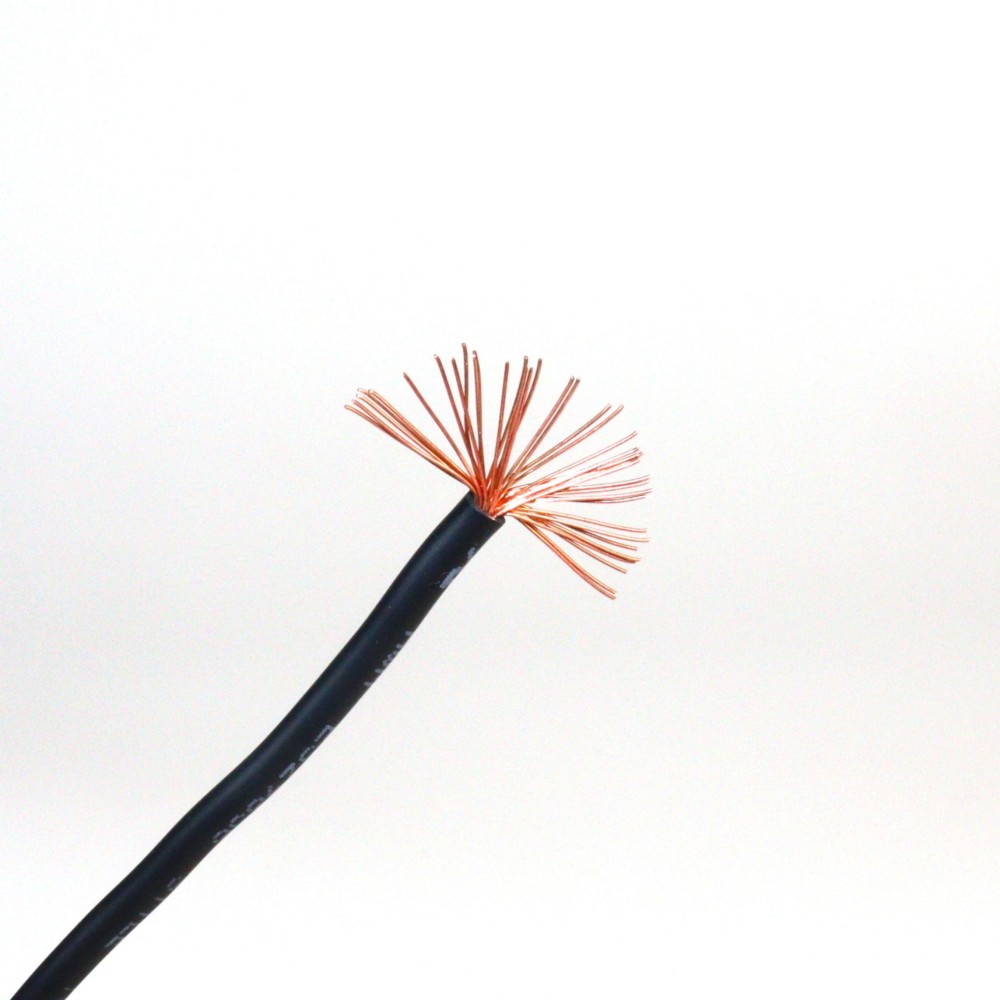
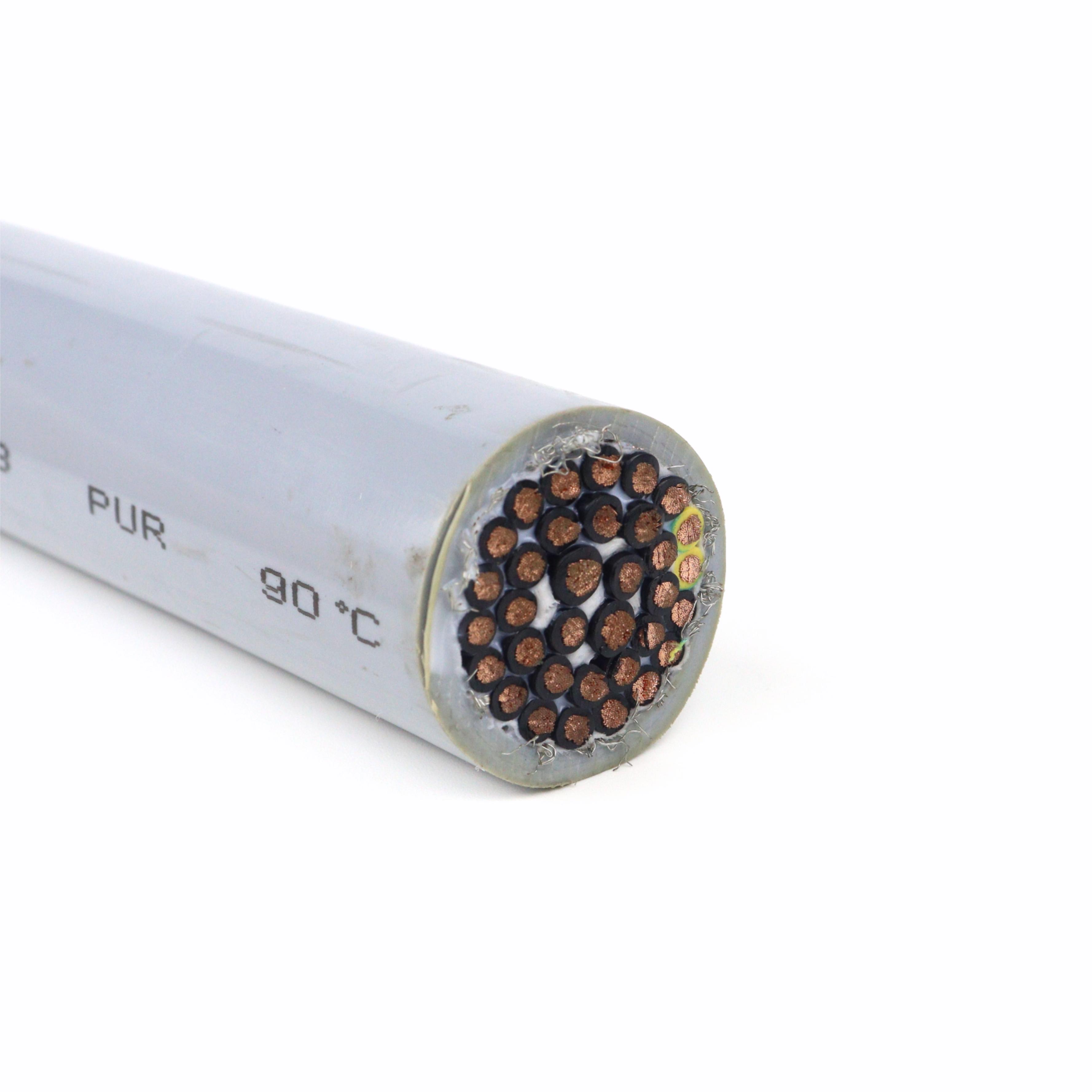
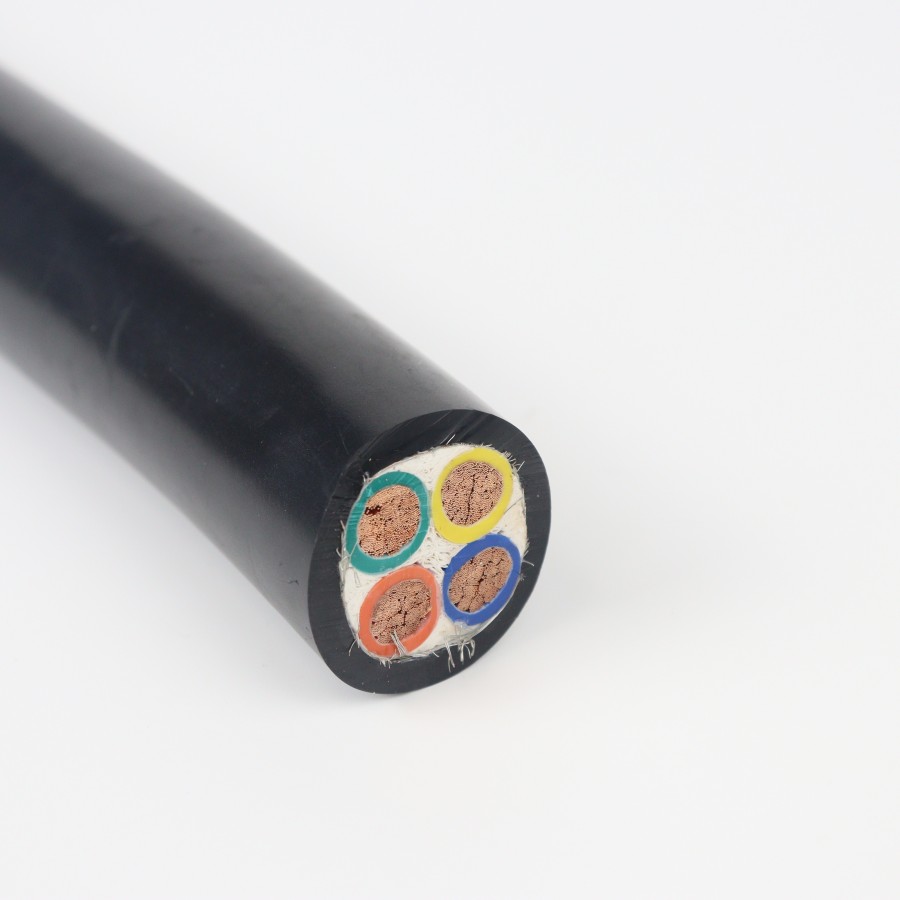
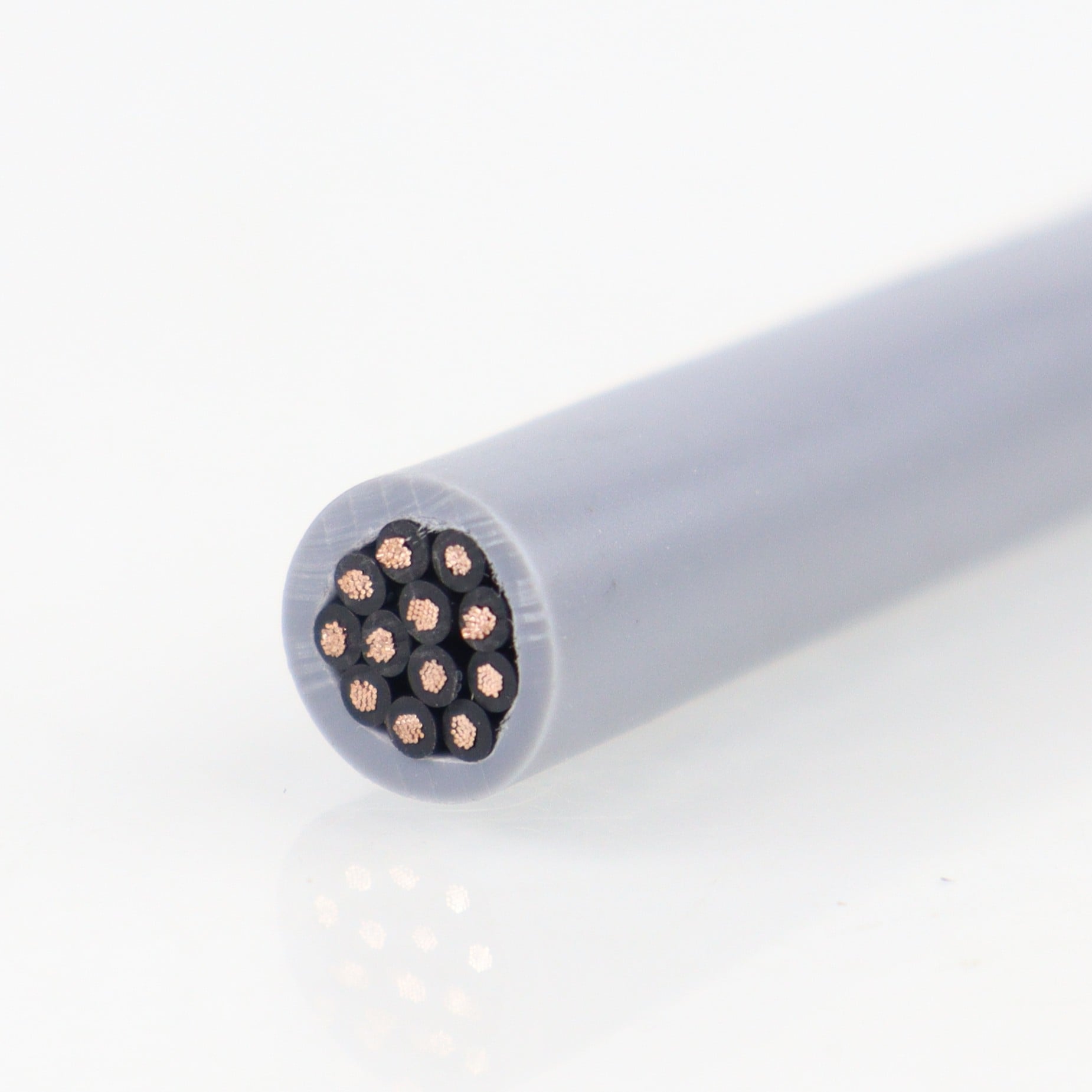
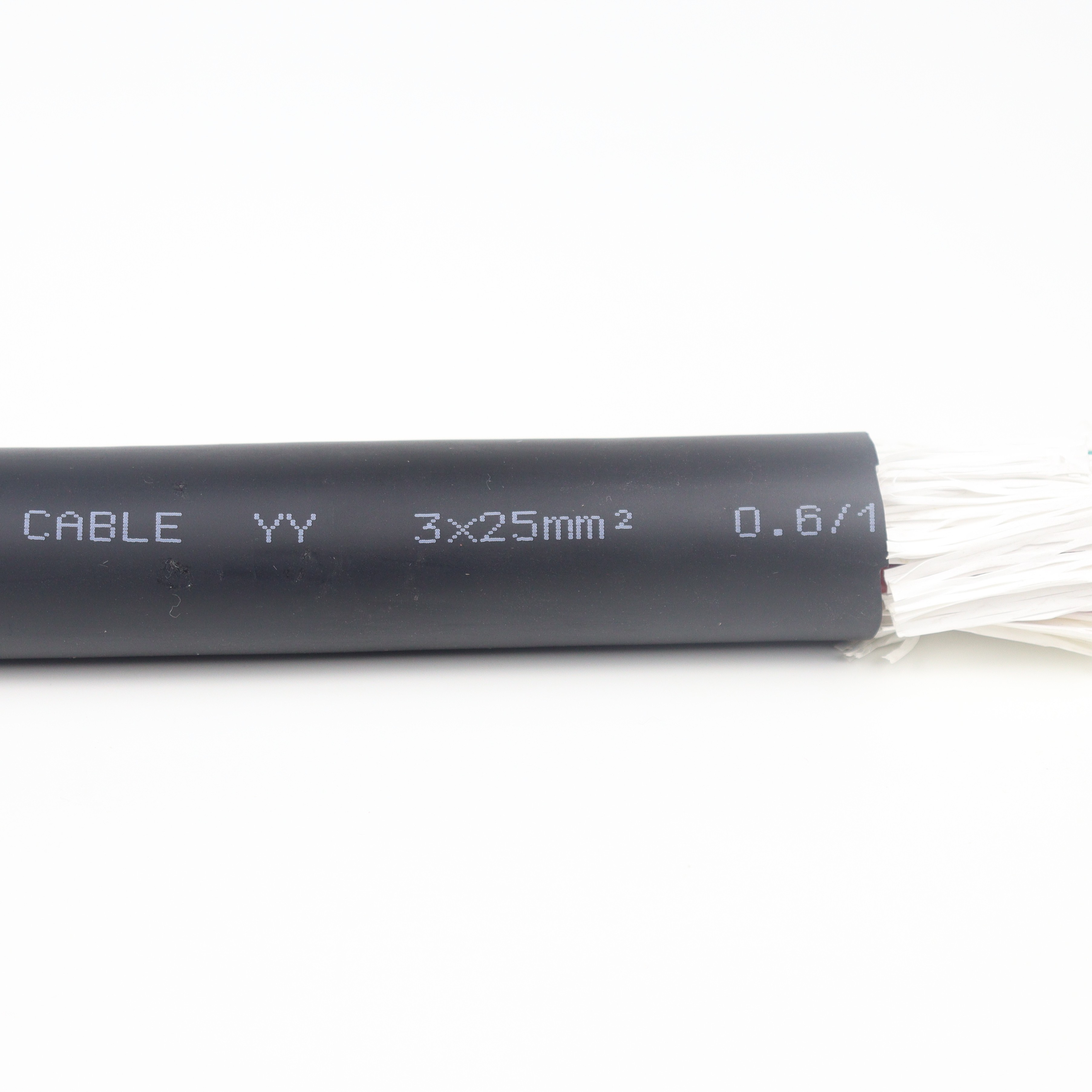
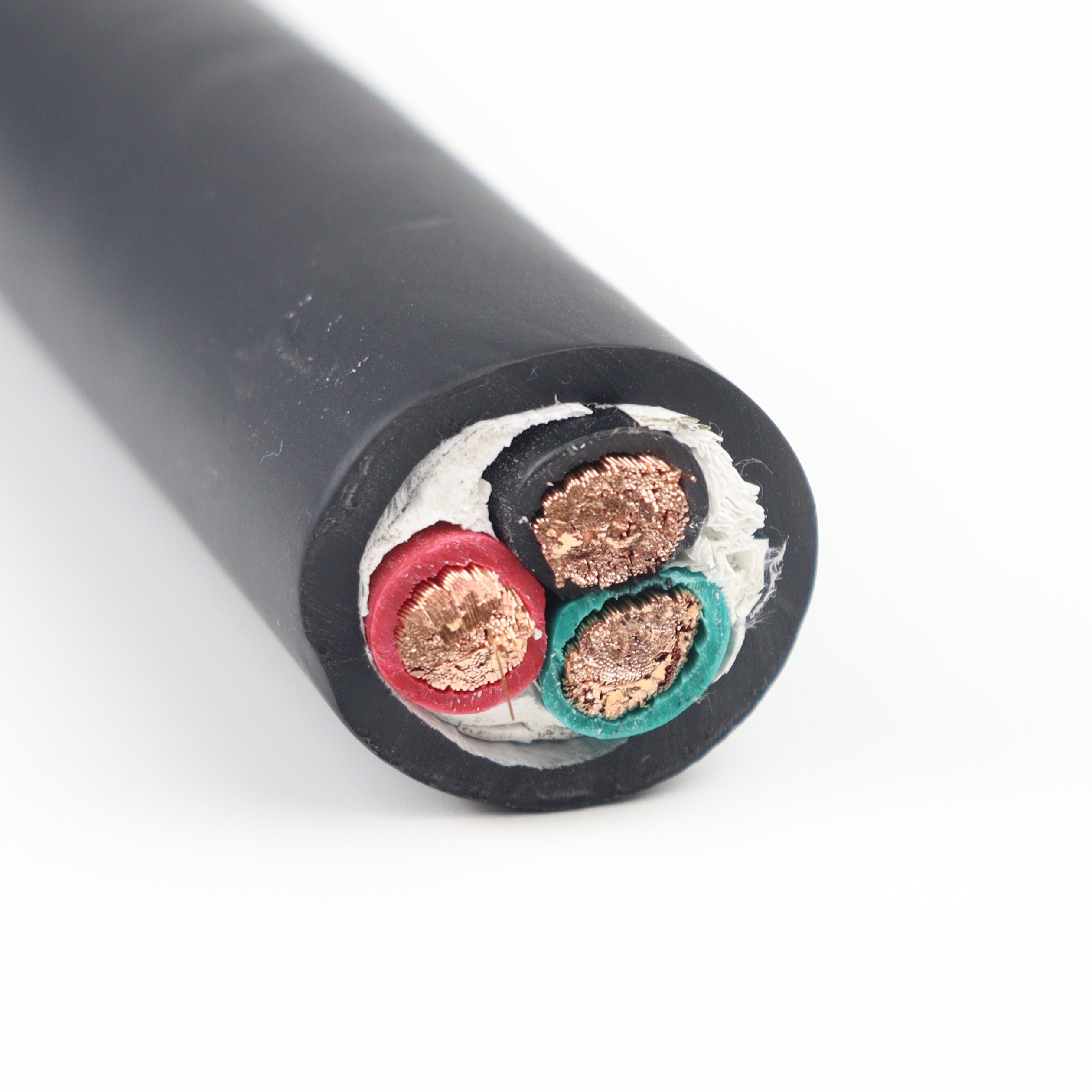
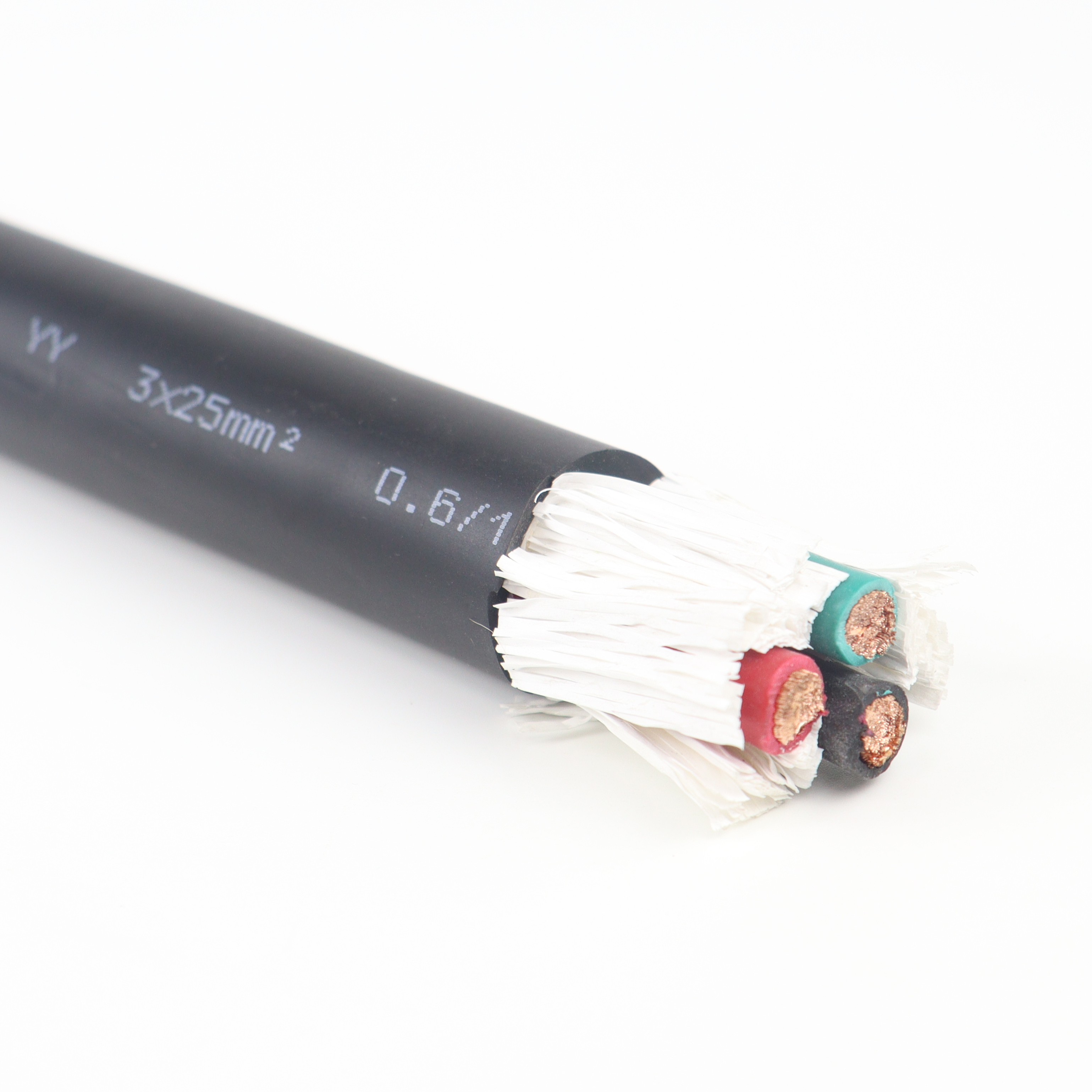
A copper electrical cable is a conductive product designed to carry electrical power or signals safely between equipment, circuits, and supply points. It uses copper wires or strands because copper transfers current efficiently while remaining practical to shape, connect, and install. The copper electrical cable can include one conductor or several conductors, depending on the required voltage, current, and circuit design. Insulation around each conductor helps prevent contact, leakage, and short circuits, while an outer jacket protects the copper electrical cable from moisture, abrasion, chemicals, sunlight, and everyday handling. Many products also include a protective screen, armor, filler, or earth conductor for demanding environments. The copper electrical cable supports fixed wiring, control systems, machinery, lighting, data-related equipment, and power distribution. Flexible versions use fine strands for repeated movement, while solid or compact designs suit permanent installation. Manufacturers can produce the copper electrical cable in different sizes, insulation materials, temperature ratings, voltage classes, colors, and sheath designs. These options help customers match the product to indoor, outdoor, buried, industrial, commercial, or residential conditions. The copper electrical cable may also meet national or international safety standards, giving installers clear guidance for selection and use. Before purchase, buyers should check conductor size, rated voltage, operating temperature, bend radius, fire performance, installation method, and required length. Choosing the correct copper electrical cable improves circuit reliability and helps equipment receive stable power over its intended service life.
The main advantage of a copper electrical cable is dependable current flow. Copper offers low electrical resistance, so a correctly sized copper electrical cable can transfer power with less energy loss and less unwanted heat. This supports efficient equipment operation and can help control running costs over time. Copper also accepts common terminals, lugs, plugs, and connectors easily. That makes a copper electrical cable straightforward for electricians to cut, terminate, test, and repair. Customers benefit from faster installation and fewer compatibility concerns when replacing existing wiring. Mechanical strength provides another practical benefit. A quality copper electrical cable withstands normal pulling, bending, and handling during installation without easily breaking. Stranded versions are useful where equipment moves or where installers need flexibility, while solid versions offer a stable option for fixed routes. The copper electrical cable remains suitable for homes, offices, factories, panels, motors, lighting circuits, building services, and selected outdoor systems. Product choices also cover different loads and conditions, allowing buyers to avoid paying for features they do not need. Insulation and jacket options can protect the copper electrical cable against heat, moisture, oil, sunlight, impact, and flame, depending on the specification. This improves safety and reduces the risk of early replacement. Copper has a long history in electrical systems, so installers can rely on familiar sizing practices, tools, and accessories. A copper electrical cable also retains useful resale and recycling value at the end of its service life. For a purchase decision, buyers should compare conductor area, strand design, insulation rating, certification, length, and total installed cost rather than choosing on price alone. The right copper electrical cable delivers a balanced combination of performance, availability, serviceability, and application fit.

Practical Tips

Shanghai Libin Cable Showcases Robot and Automation Cable Solutions at CMES Shanghai Industrial Automation & Robotics Exhibition

16

Oct

Shanghai Libin Cable Showcases Robot and Automation Cable Solutions at CMES Shanghai Industrial Automation & Robotics Exhibition

View More
Shanghai Libin Cable Showcases Crane Cable Solutions at the 11th China (Changyuan) International Crane Equipment Expo

16

Oct

Shanghai Libin Cable Showcases Crane Cable Solutions at the 11th China (Changyuan) International Crane Equipment Expo

View More
Why Drag Chain Cables Fail: Four Common Causes and How to Select Correctly

16

Oct

Why Drag Chain Cables Fail: Four Common Causes and How to Select Correctly

View More
Industrial Robot Combination Cable: Routing Power and Signal Together in a Small-Bend-Radius Drag Chain

16

Oct

Industrial Robot Combination Cable: Routing Power and Signal Together in a Small-Bend-Radius Drag Chain

View More

Get a Free Quote

Our representative will contact you soon.
0/1000
Efficient Power Transfer With Stable Performance

Efficient Power Transfer With Stable Performance

A key selling point of a copper electrical cable is its efficient transfer of current. Copper provides a highly conductive path, helping a correctly selected copper electrical cable deliver power with limited resistance. In practical terms, this can reduce voltage drop, heat generation, and wasted energy across an installation. The result is steadier operation for lights, motors, appliances, control panels, and other connected loads. Buyers can use conductor size and route length to select a copper electrical cable that suits the expected demand instead of relying on guesswork. Stable performance also supports sensitive equipment that may respond poorly to inconsistent supply conditions. Because the copper electrical cable works with widely used terminals and connection hardware, installers can create secure joints and complete testing efficiently. This feature brings value beyond electrical performance: it helps protect equipment, supports predictable operation, and can reduce avoidable maintenance. For projects where uptime and energy control matter, copper offers a practical, proven foundation.
Flexible Designs for Different Installation Conditions

Flexible Designs for Different Installation Conditions

A copper electrical cable can be specified in several constructions, giving customers useful freedom during product selection. A copper electrical cable with solid conductors suits permanent routes where the wiring will remain relatively still. A stranded copper electrical cable bends more easily, making it suitable for equipment connections, control cabinets, machinery, and areas with regular movement. Buyers can also choose insulation and jackets that match indoor, outdoor, damp, hot, exposed, or industrial locations. These options help the copper electrical cable handle real installation conditions instead of forcing one design into every application. Color coding and multiple core arrangements can simplify circuit identification and reduce wiring mistakes. Where additional protection is needed, screened or armored versions can help manage interference or mechanical risk. The correct copper electrical cable therefore supports cleaner routing, easier handling, and safer maintenance. Customers gain a product range that can serve small building projects as well as demanding commercial and industrial systems, while installers gain more control over fit, access, and long-term usability.
Durable, Serviceable, and Easy to Connect

Durable, Serviceable, and Easy to Connect

Durability and serviceability make the copper electrical cable a dependable choice for long-term installations. A well-made copper electrical cable combines a strong conductor with insulation and an outer jacket designed for its working environment. This construction helps resist everyday abrasion, pulling, moisture, heat, and contact with common site conditions when the product rating supports them. Copper strands also accept crimped, screwed, clamped, and plug-style connections used throughout electrical work. As a result, a copper electrical cable can be installed, inspected, extended, or repaired with familiar tools and methods. That practical serviceability can shorten downtime when a circuit needs attention. Buyers should still match the copper electrical cable to its voltage, current, temperature, bend, and exposure requirements; no cable suits every setting. When correctly specified, it offers a useful balance of safety, working life, installation convenience, and replacement availability. The copper electrical cable can also be recycled, supporting responsible material recovery after service.