armored copper cable
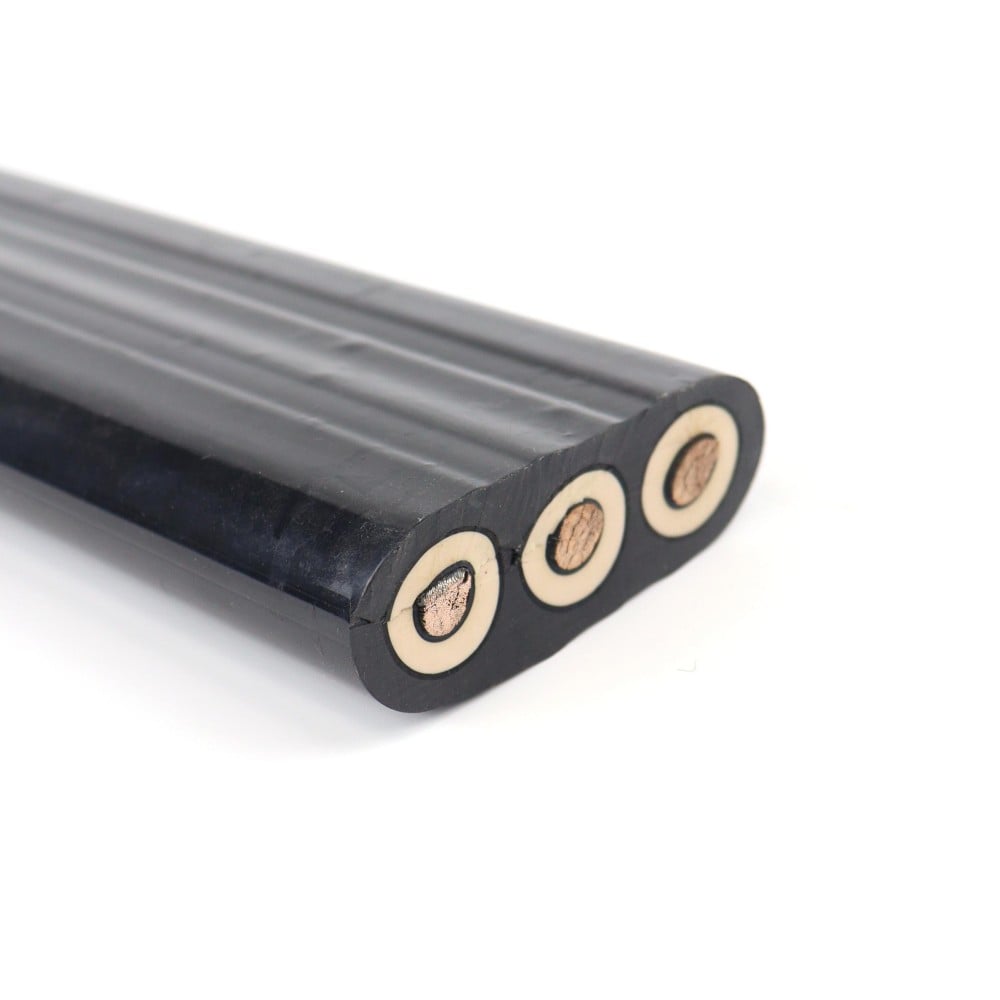
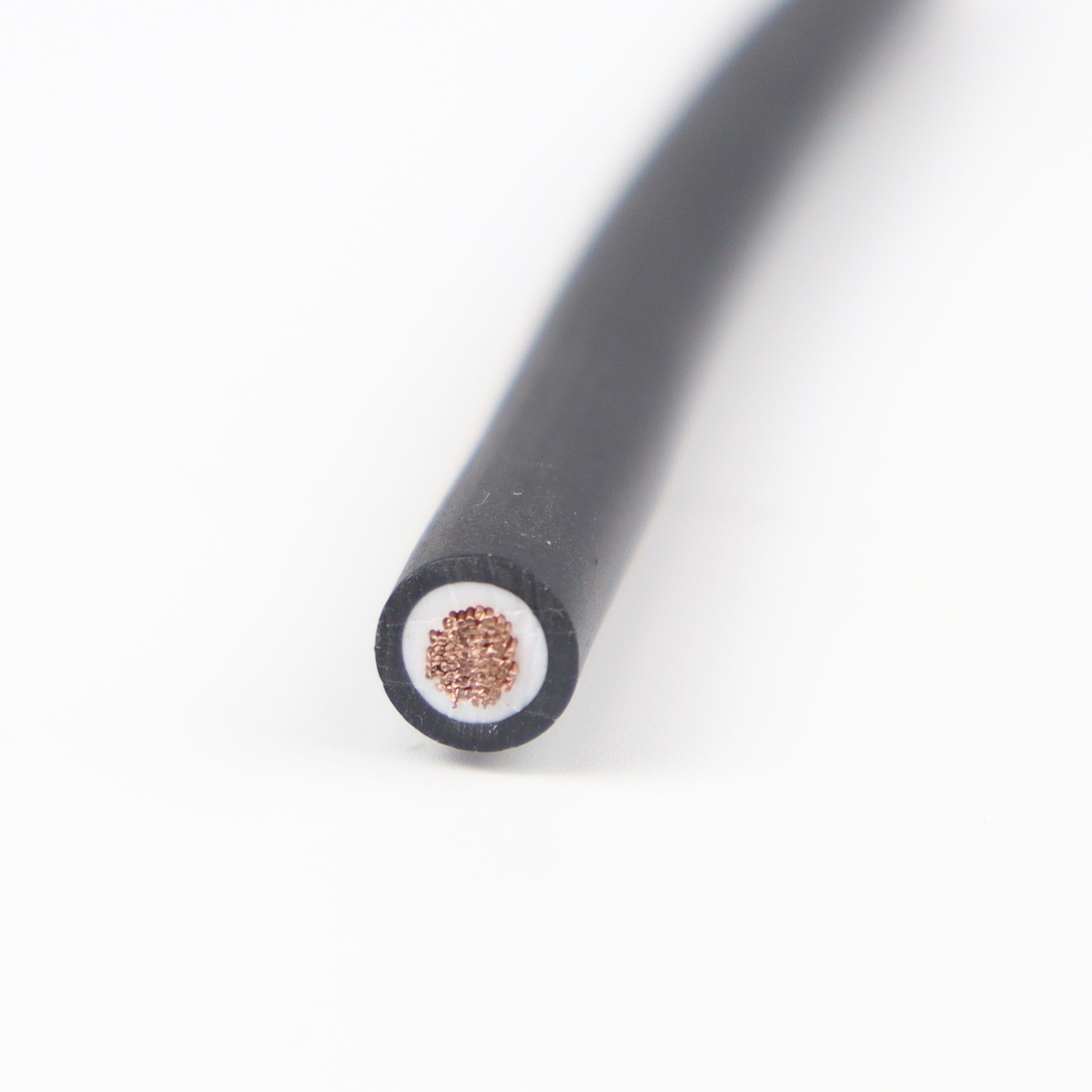
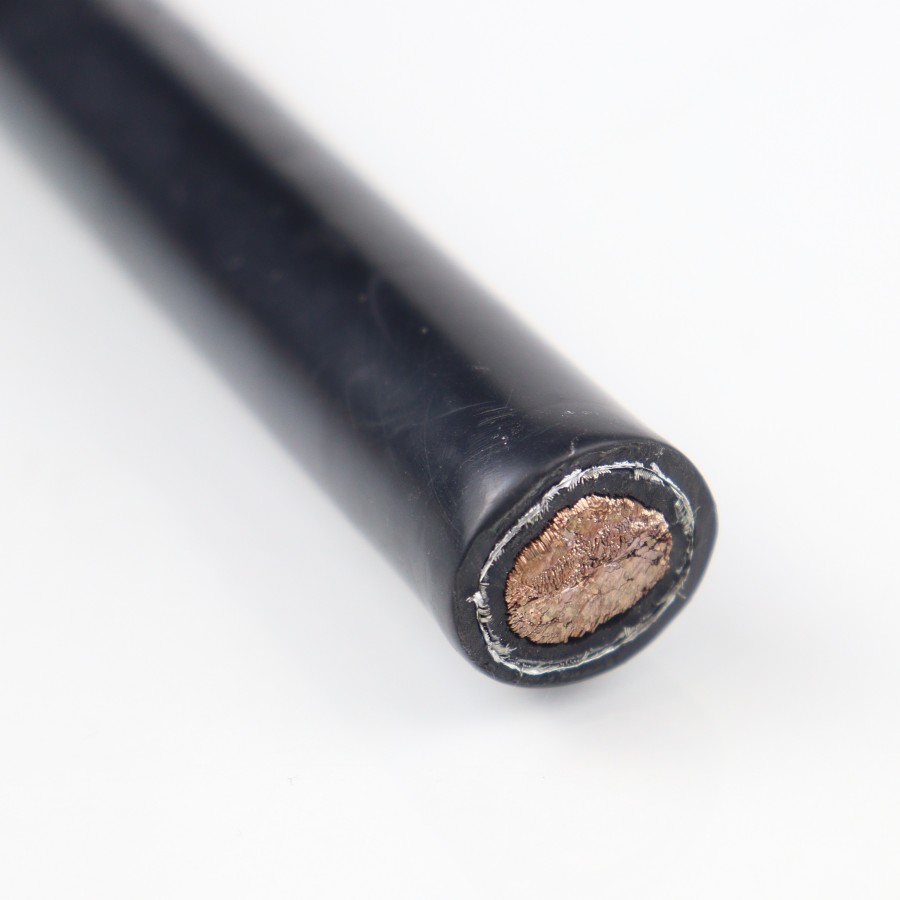
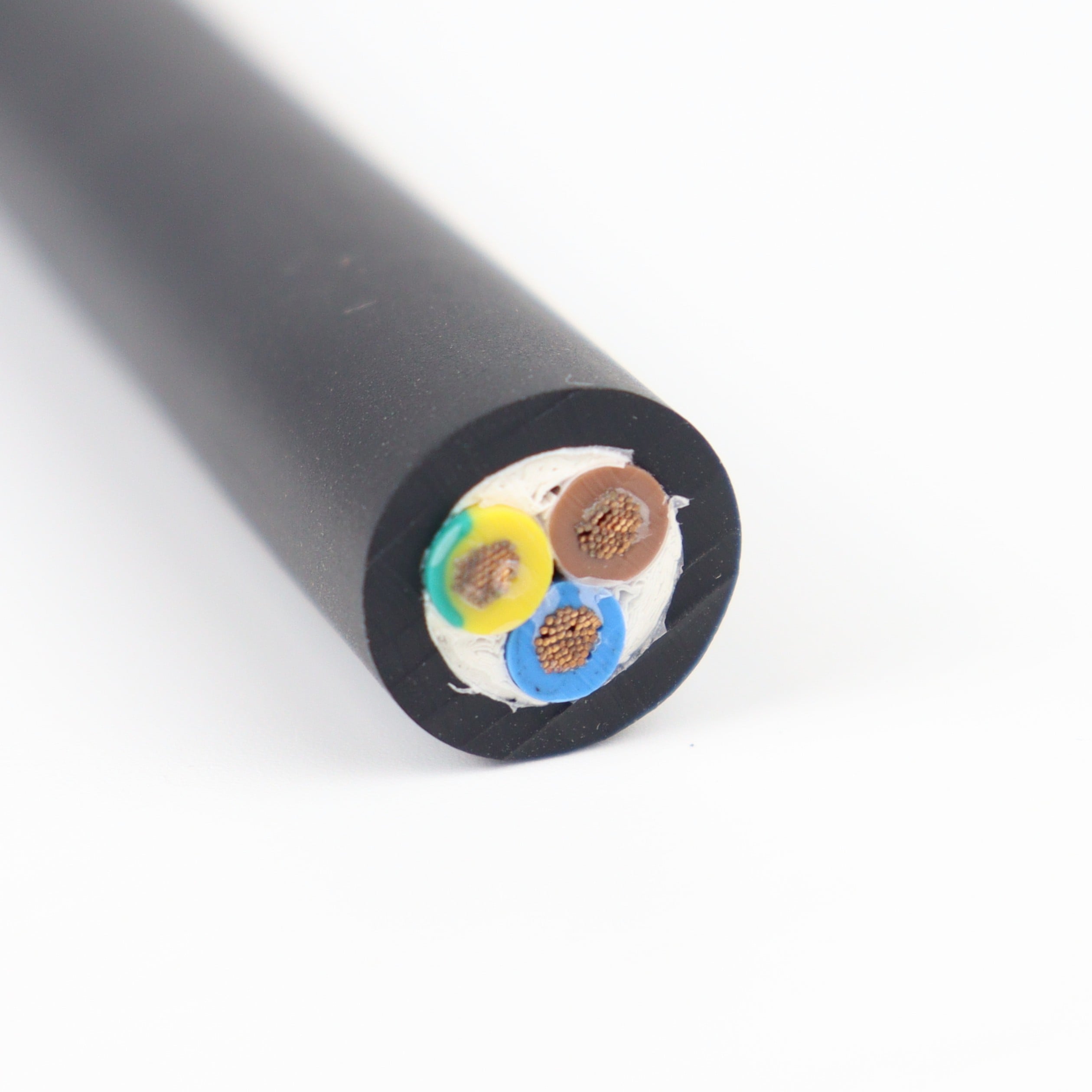
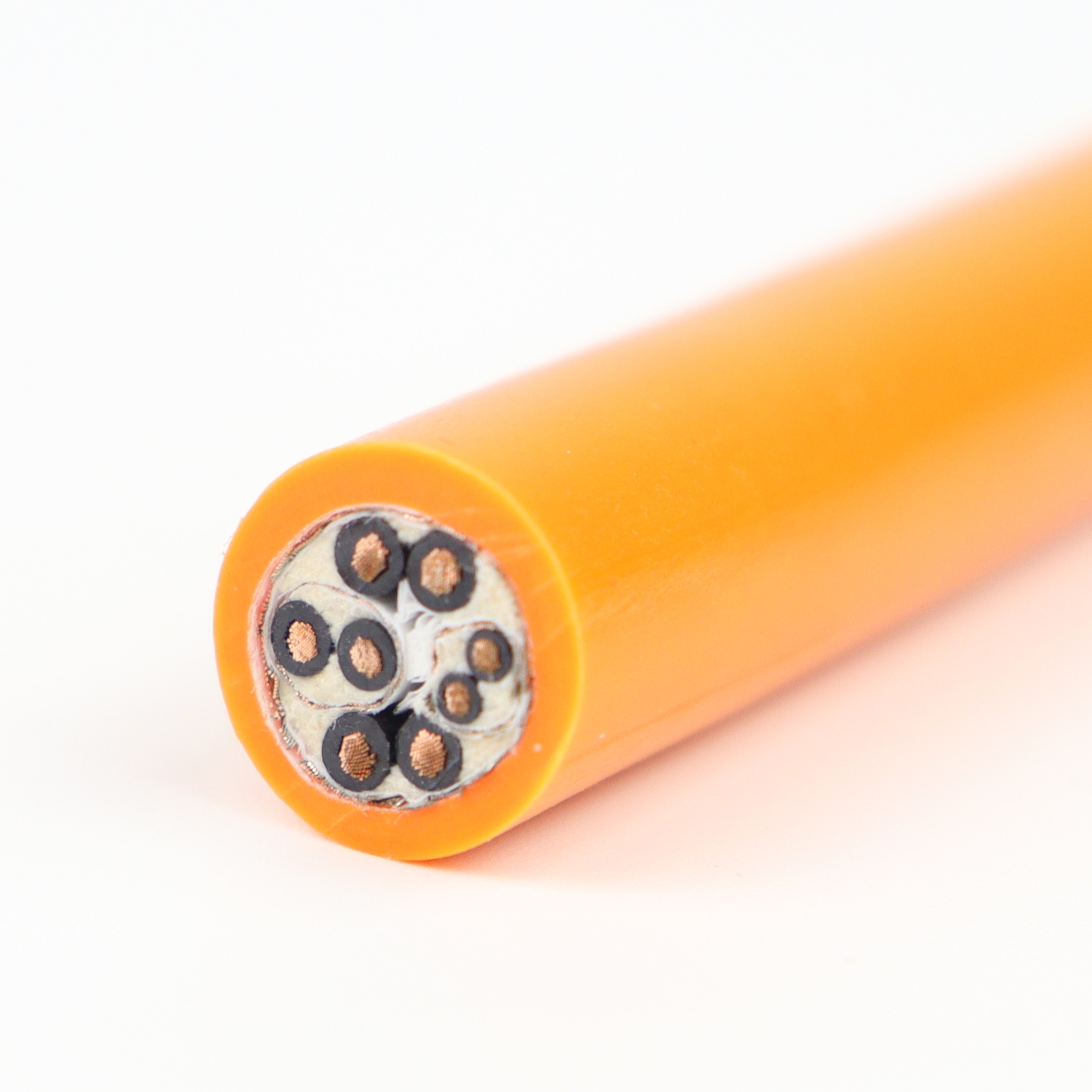
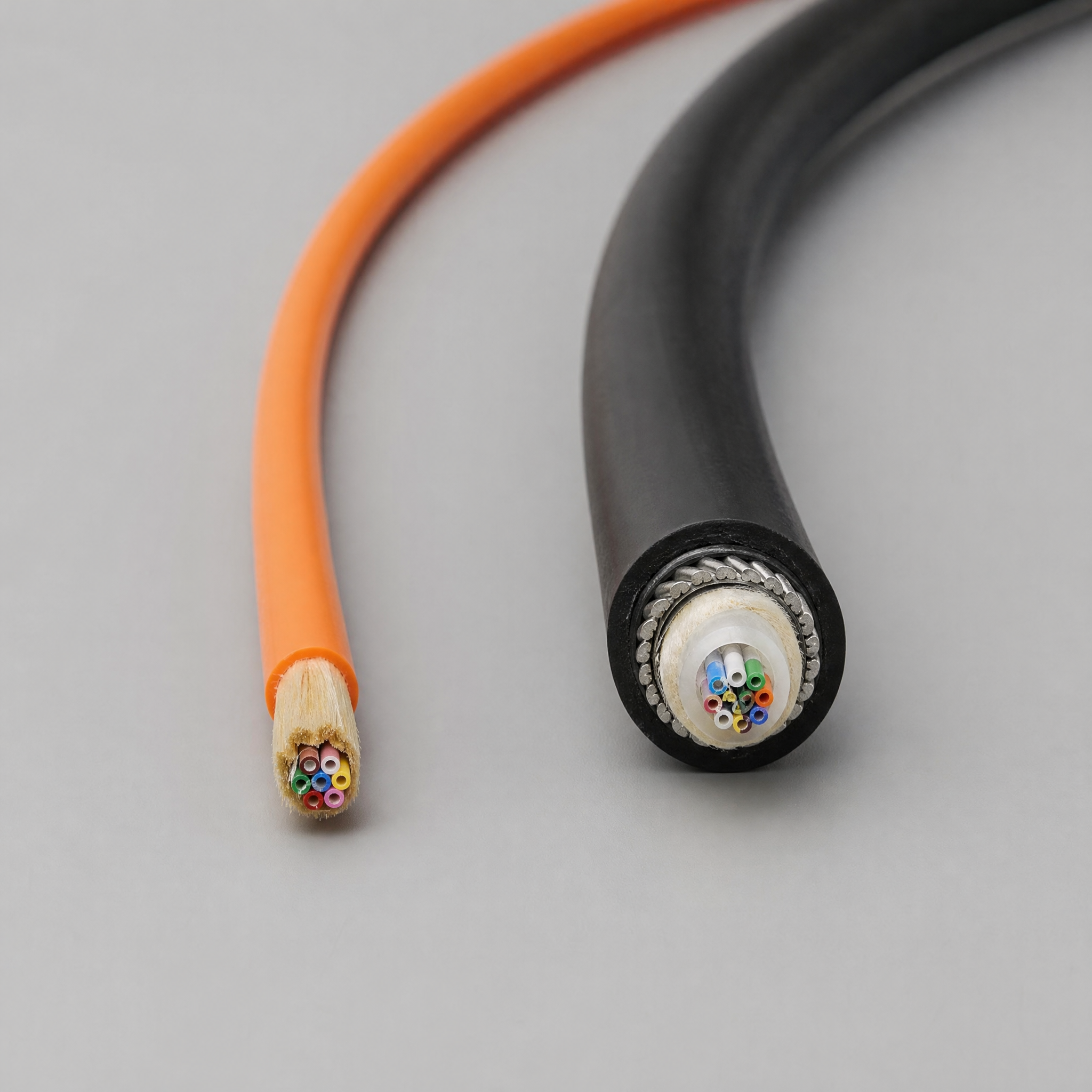
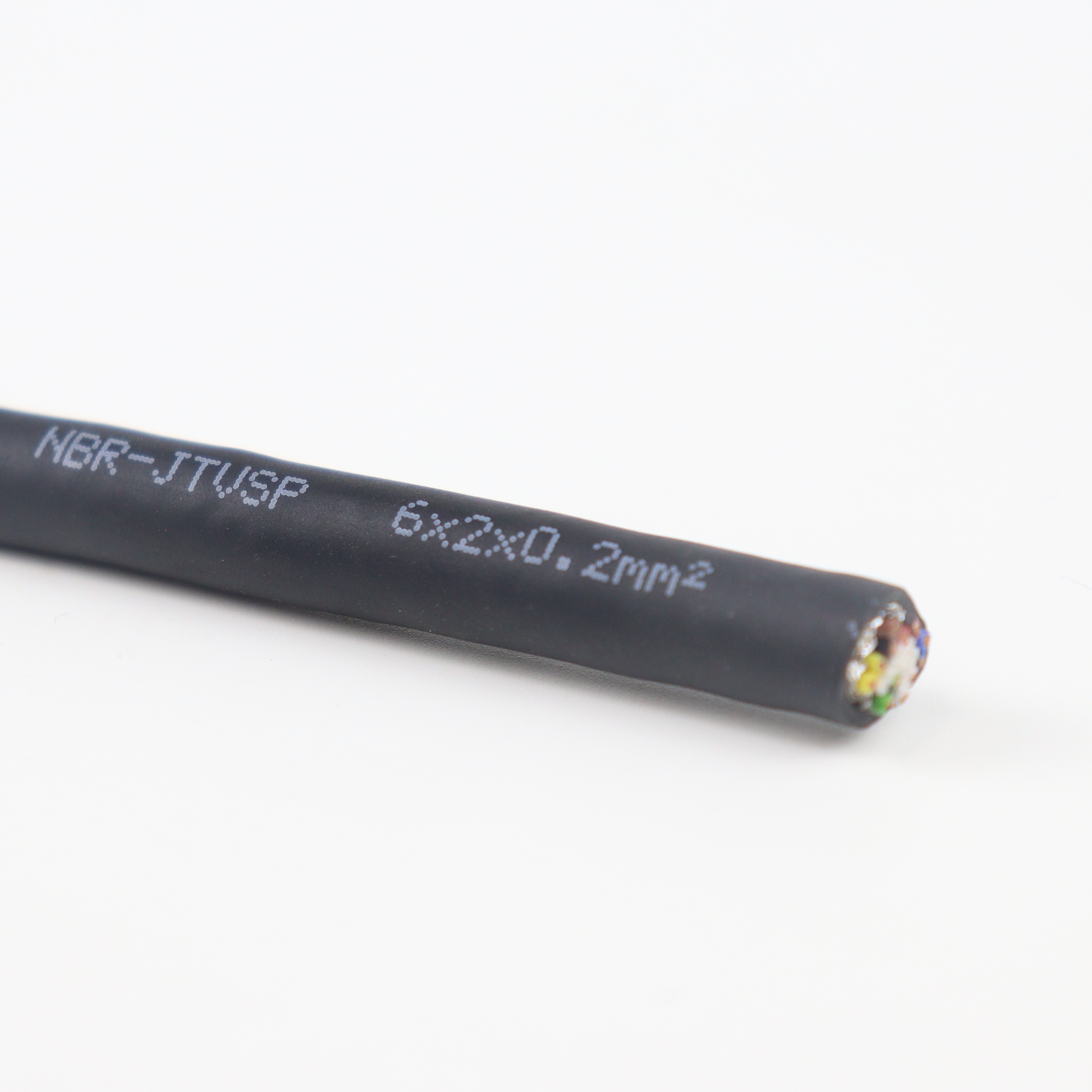
An armored copper cable is a power or control cable that combines copper conductors with protective layers designed for demanding installations. The copper core carries electricity efficiently, while insulation separates each conductor and helps prevent short circuits. Around the insulated cores, the armored copper cable uses a strong metallic layer, such as steel tape, steel wire, or aluminum protection, to resist crushing, impact, pulling, and penetration. An outer jacket adds protection against moisture, dirt, oil, sunlight, and everyday abrasion. The exact construction depends on the voltage rating, conductor size, installation method, and environmental conditions. A typical armored copper cable may include one, two, three, or four cores, allowing it to serve single-phase, three-phase, grounding, control, or data-related power needs. Copper provides stable conductivity and supports efficient power transfer over long runs. The armor provides mechanical protection where ordinary insulated cable could be damaged. In practical use, an armored copper cable can run through buildings, underground ducts, industrial plants, utility areas, tunnels, workshops, and outdoor equipment sites. Installers select an armored copper cable when they need dependable electrical performance and stronger physical protection in one product. Depending on its design, the cable can be fixed directly to surfaces, placed in trays, buried underground, or routed through crowded service areas. Its main functions include supplying power, protecting conductors, limiting damage from external forces, and supporting safer long-term operation. By matching the cable rating to the load and environment, buyers can create a durable connection with fewer maintenance concerns.