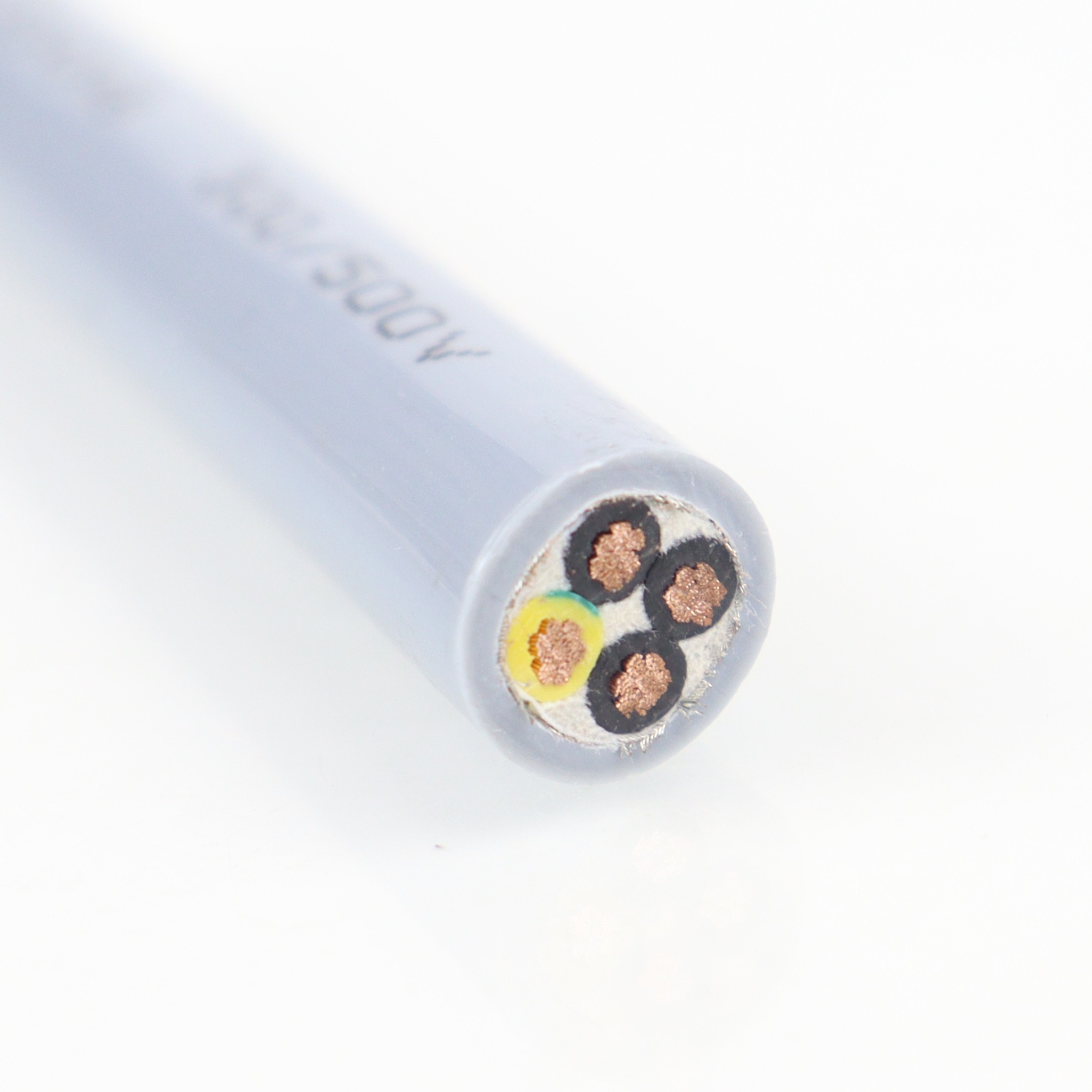
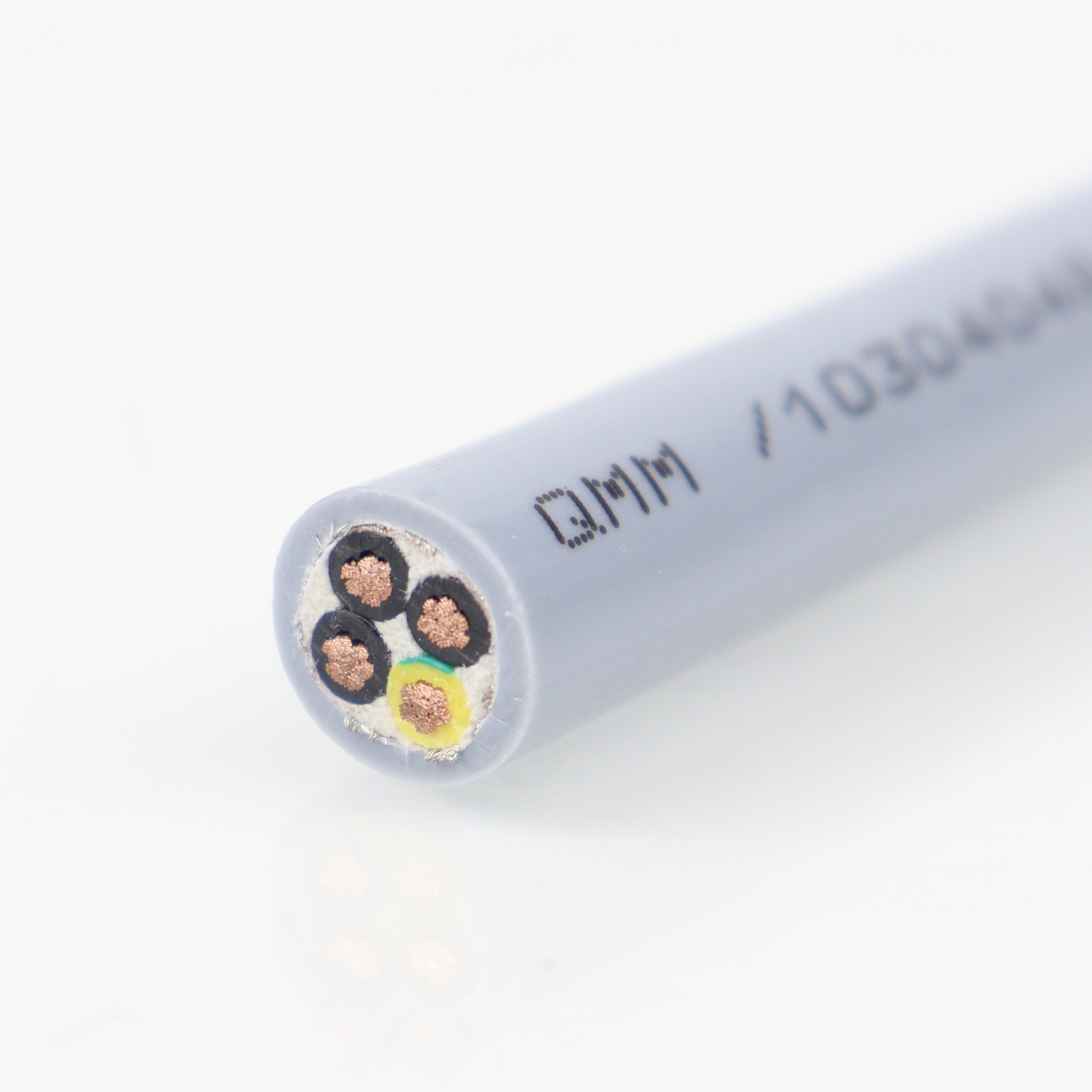
copper grounding cable
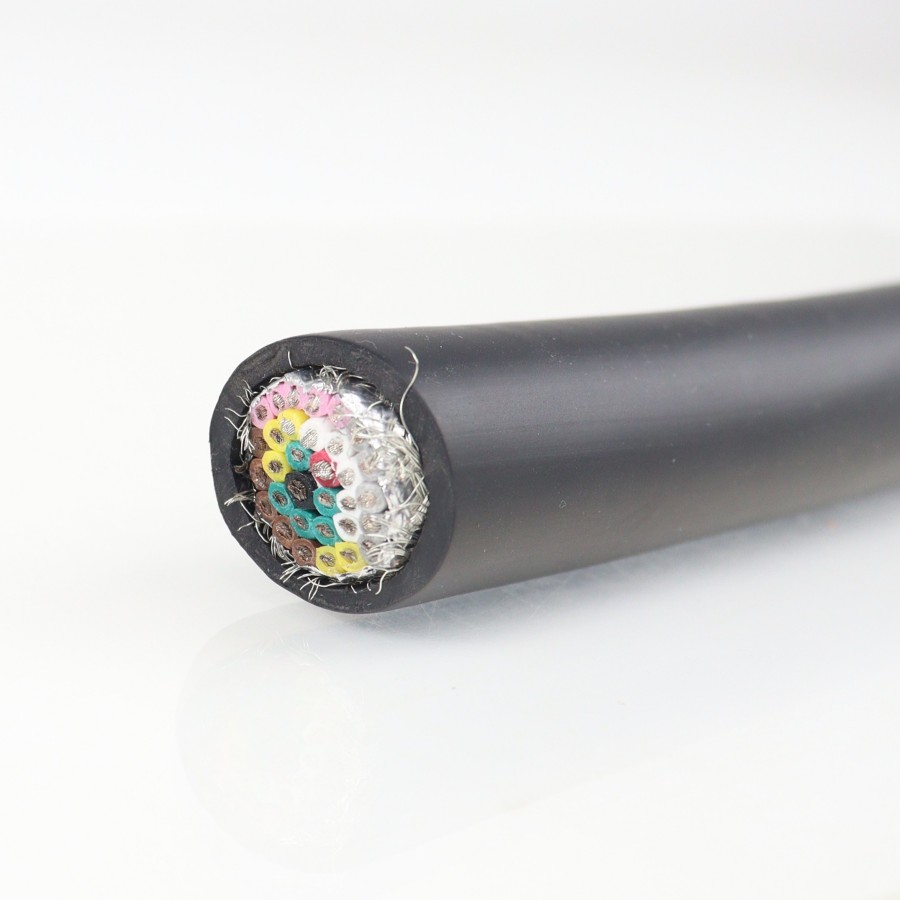
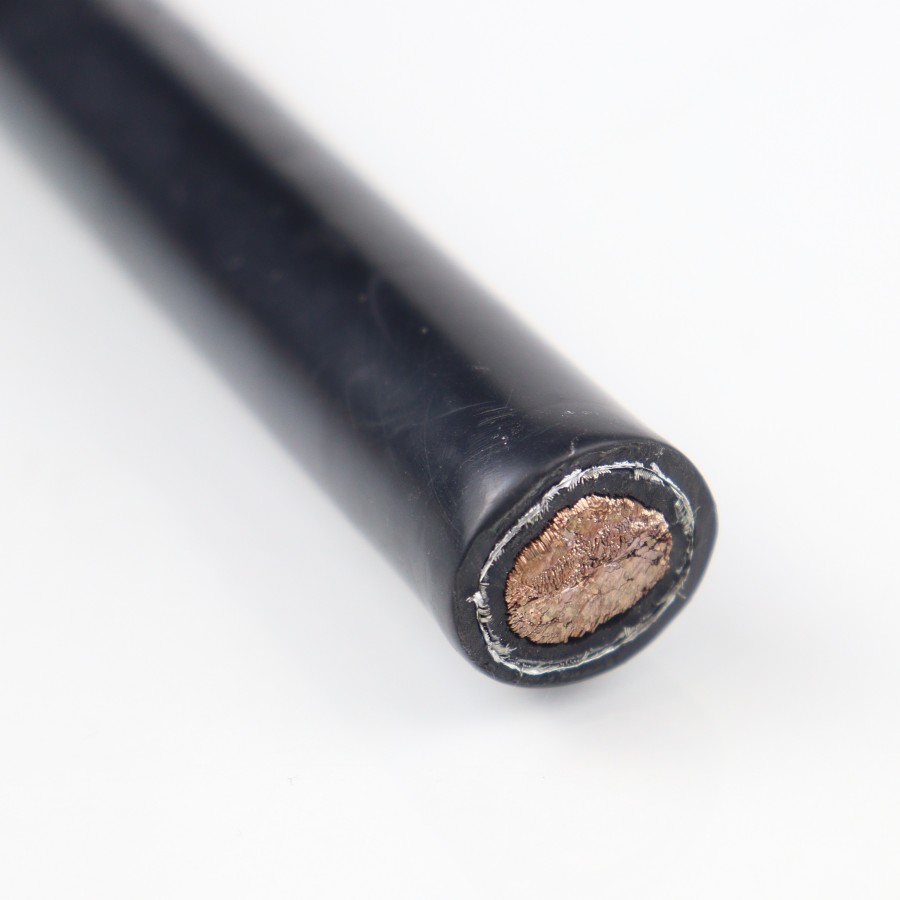
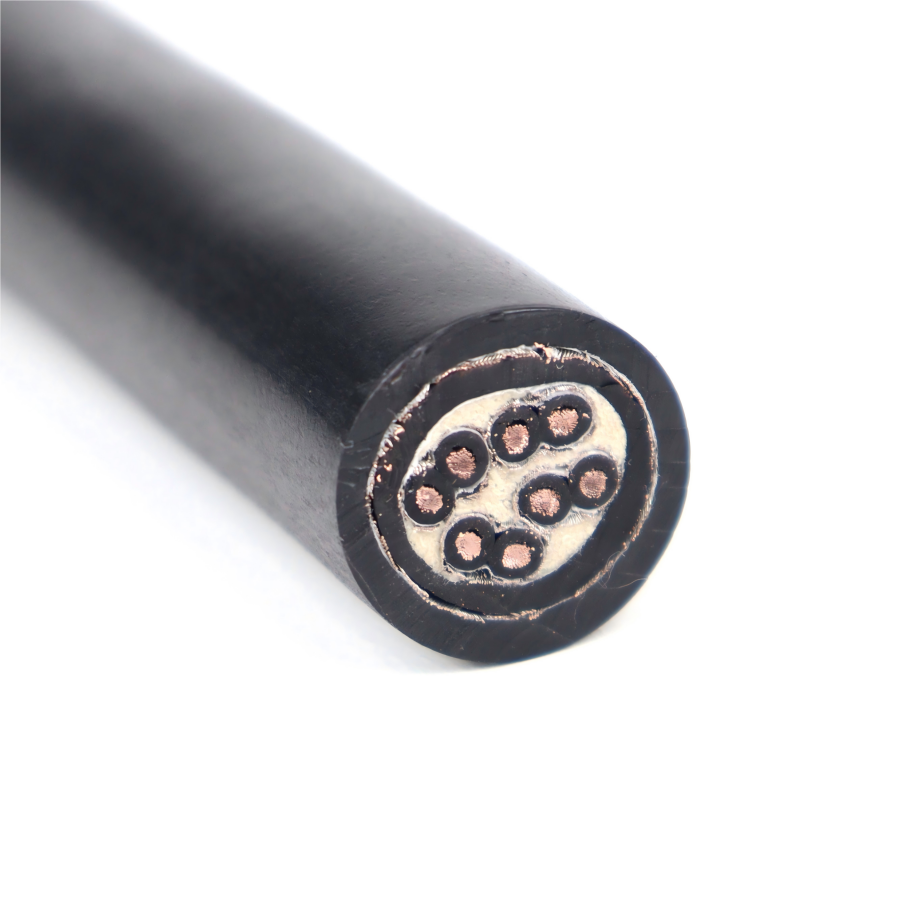
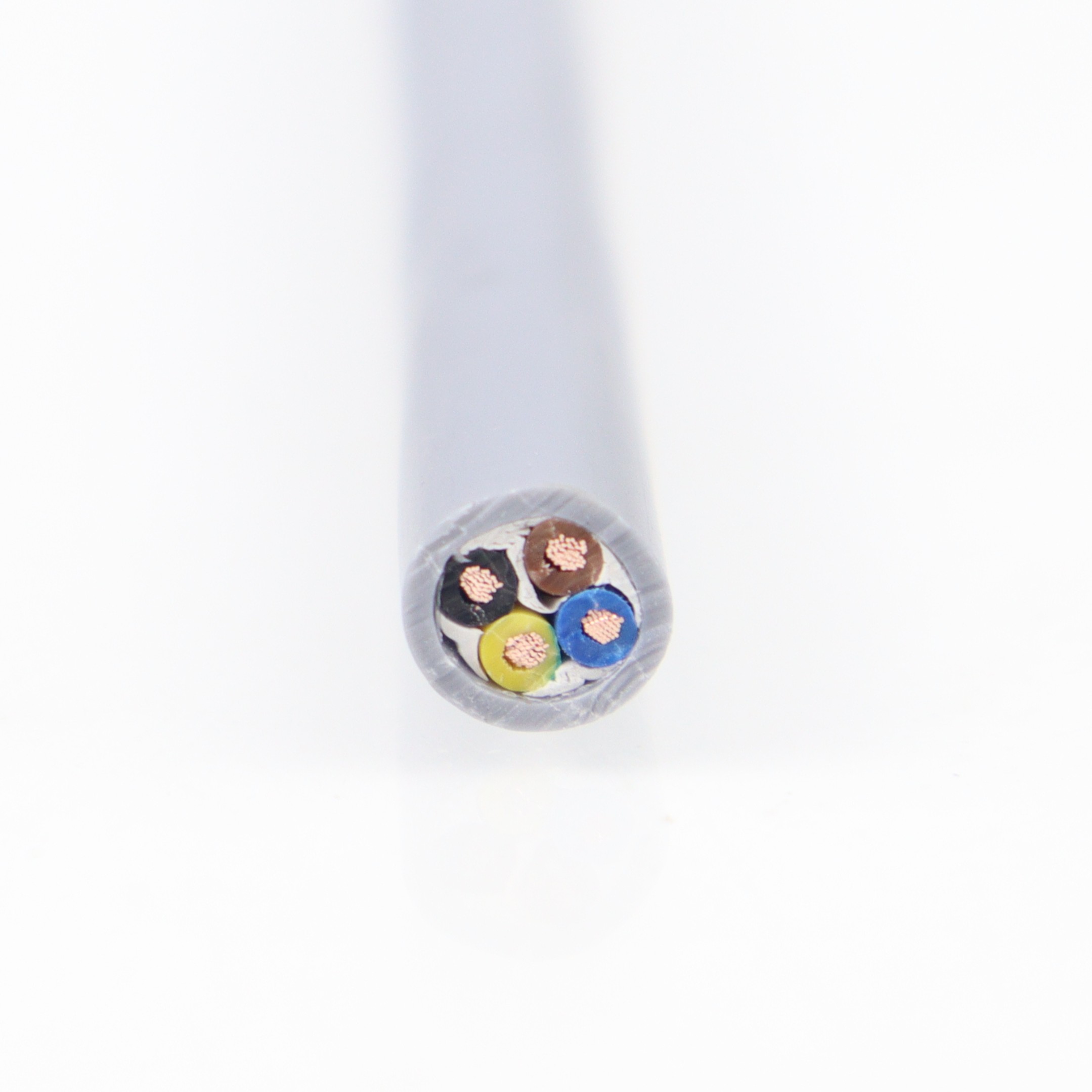
A copper grounding cable provides a safe, low-resistance path that carries unwanted electrical current into the ground. This copper grounding cable helps protect people, equipment, and buildings when a fault, surge, or lightning event occurs. By connecting panels, machines, structures, and grounding electrodes, the copper grounding cable supports stable electrical operation and reduces the risk of shock, fire, and equipment damage. The copper grounding cable typically uses stranded or solid copper conductors, depending on the installation and required flexibility. Copper offers strong electrical conductivity, so the copper grounding cable can move fault current efficiently while limiting voltage rise. Many designs include flexible stranding, smooth surfaces, and clear size markings to simplify routing, cutting, and termination. Protective insulation or an outer jacket may shield the copper grounding cable from moisture, chemicals, abrasion, and sunlight. Bare versions suit direct bonding, grounding grids, and buried connections where local standards permit them. An insulated copper grounding cable works well in panels, conduits, cable trays, factories, commercial buildings, homes, solar systems, and data centers. Installers can select cross-sectional area, conductor construction, jacket material, temperature rating, and length to match the project. A copper grounding cable also helps connect metallic enclosures, switchgear, transformers, generators, communication systems, and renewable energy equipment. Its main functions include fault-current discharge, equipotential bonding, surge control, and electrical noise reduction. With correct sizing and secure terminations, the copper grounding cable creates a dependable foundation for safer power distribution. Customers should confirm local electrical codes, environmental conditions, installation method, and current capacity before purchase.