Cu Cable: Reliable Power for Modern Systems

application/cu-cable, application/cu-cable, 
Inquiry
Inquiry

cu cable

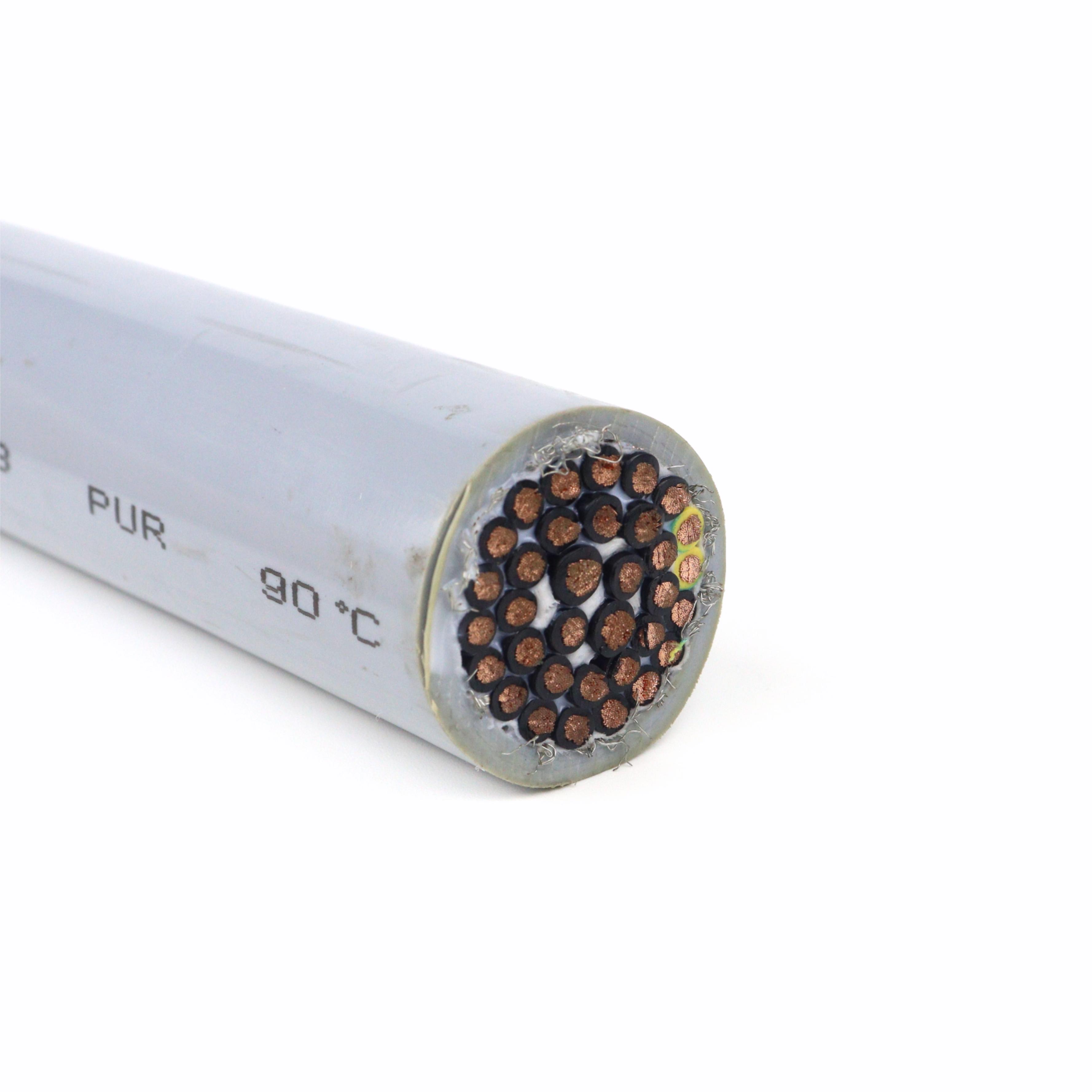
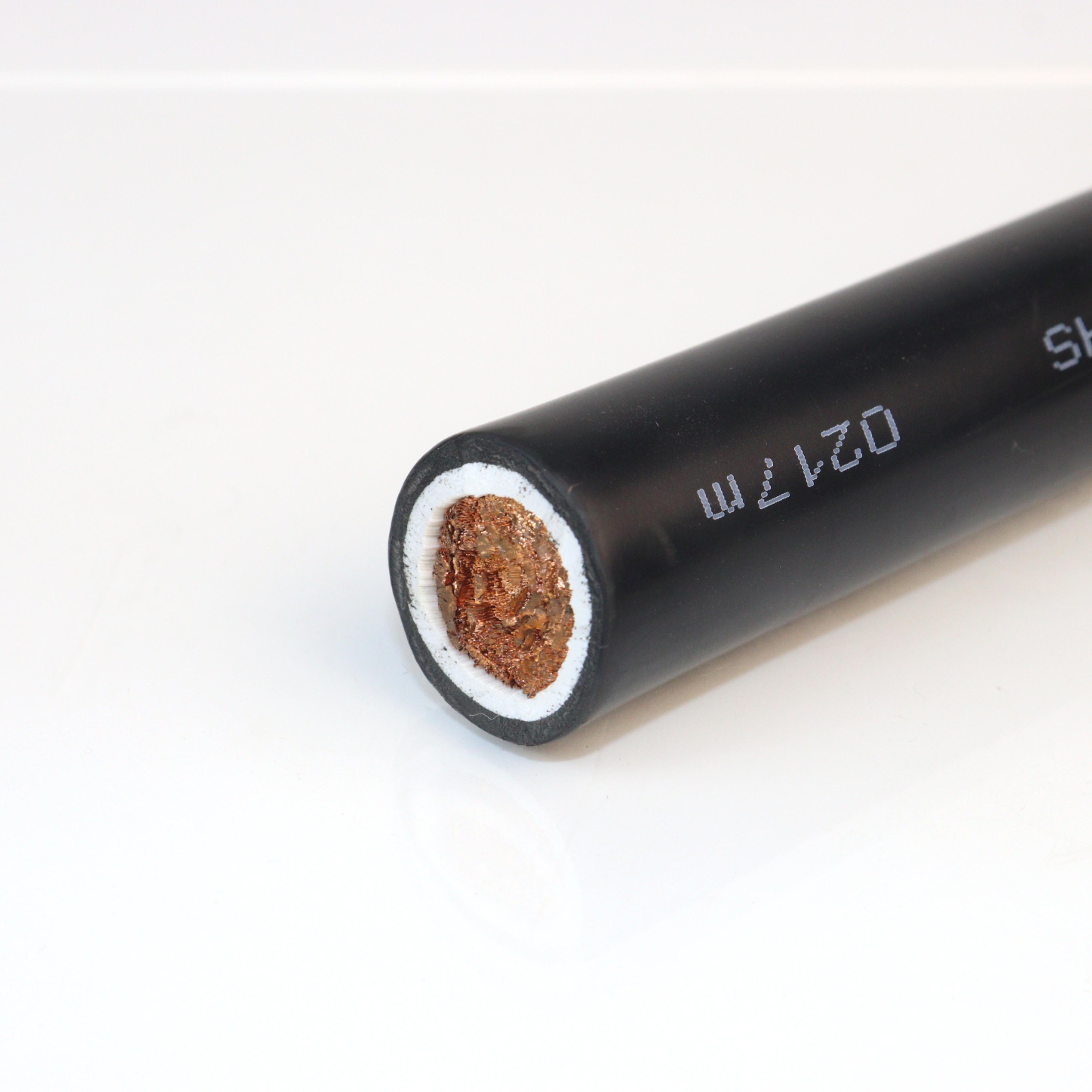
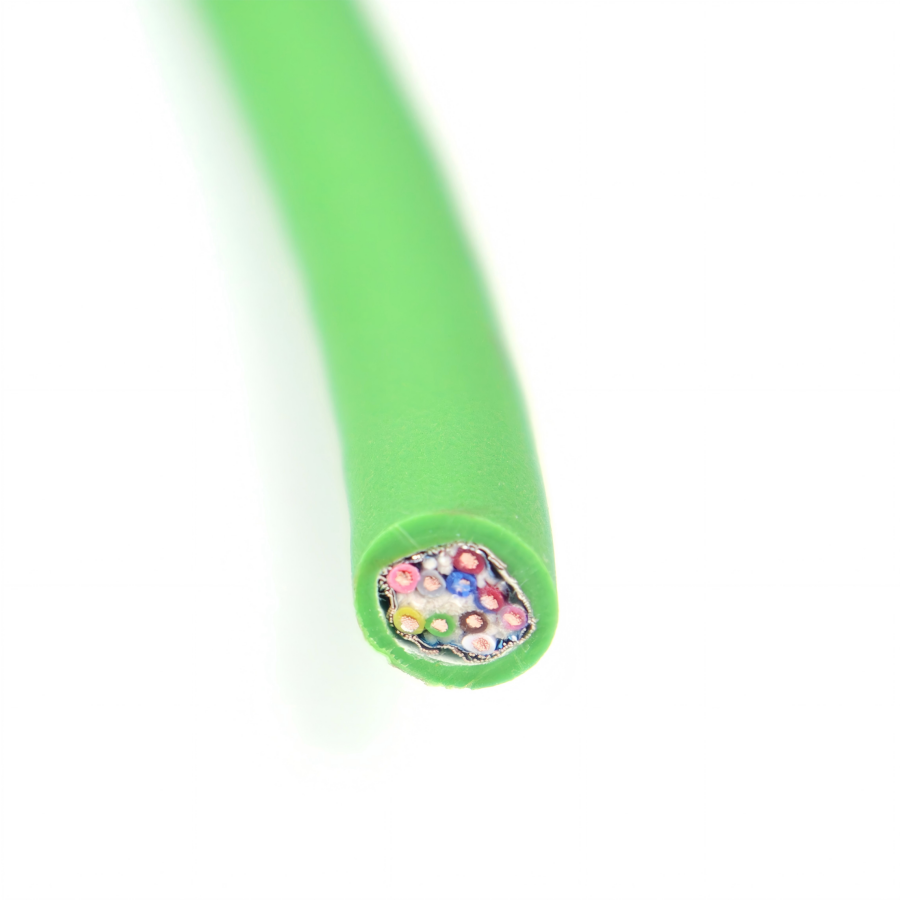
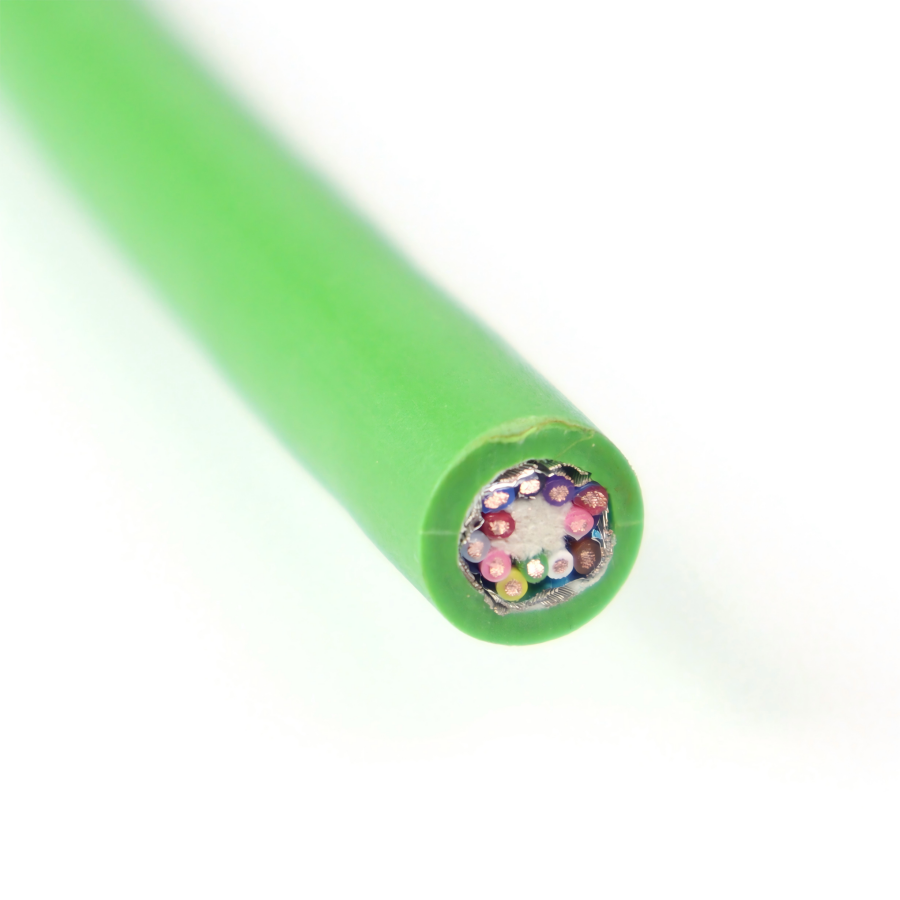
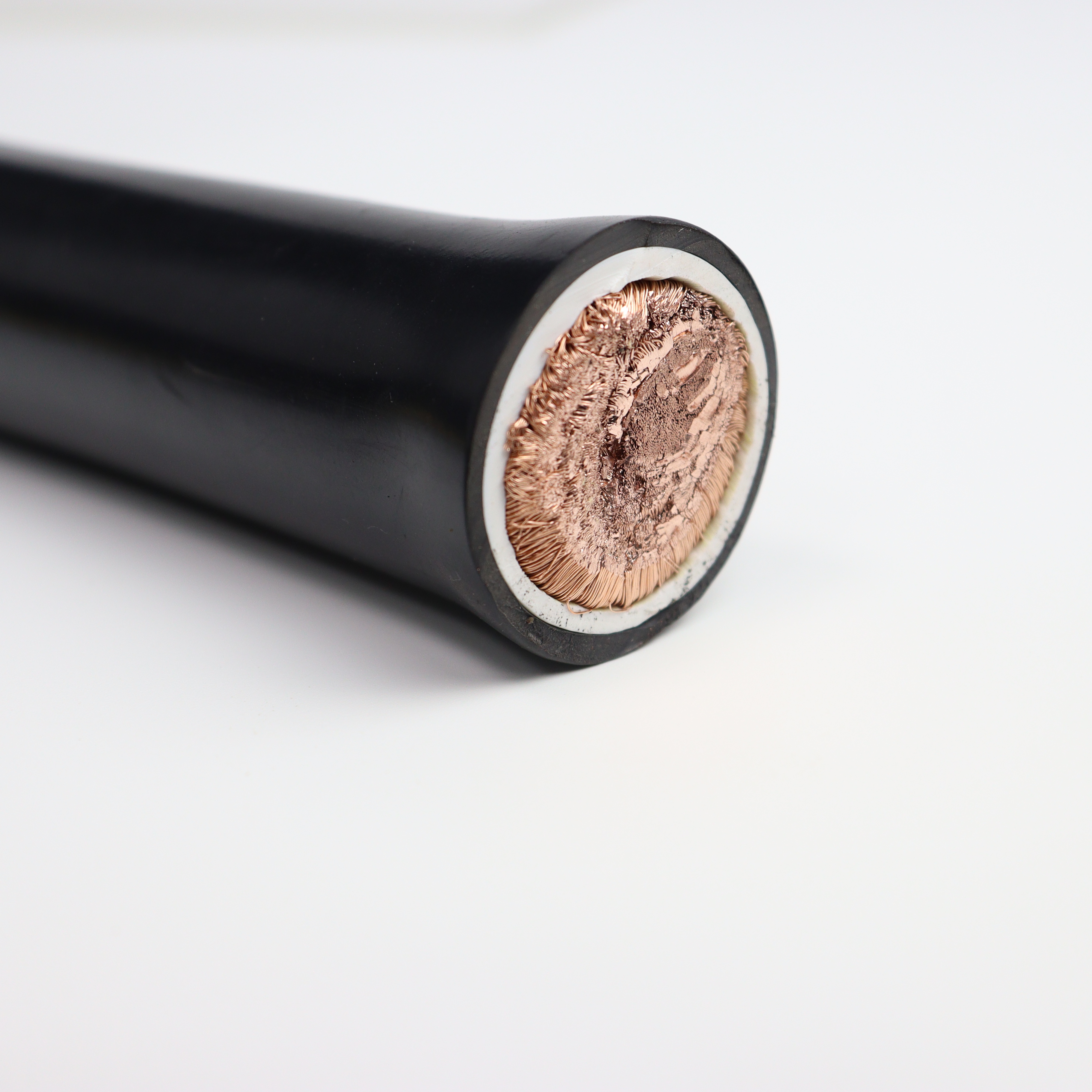
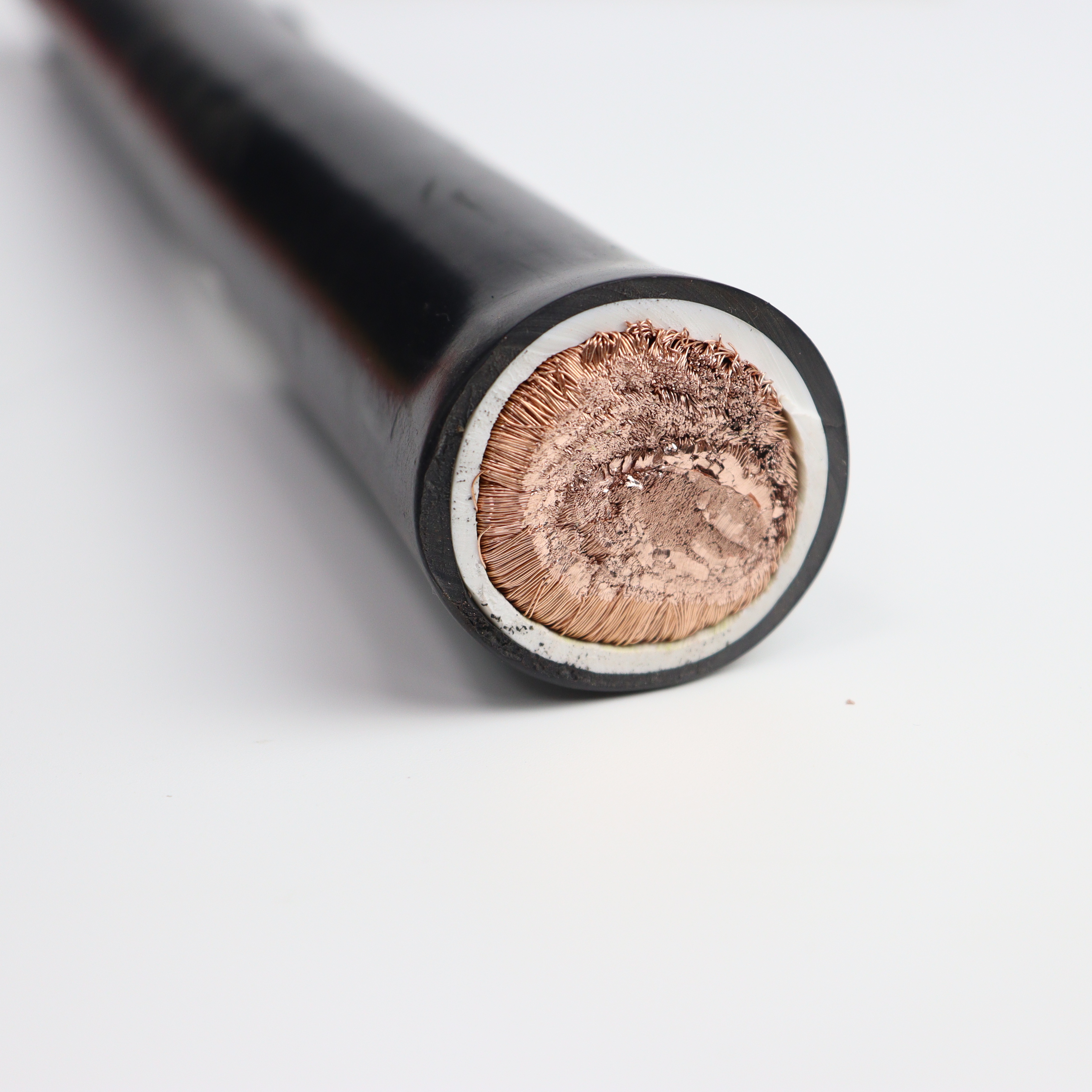
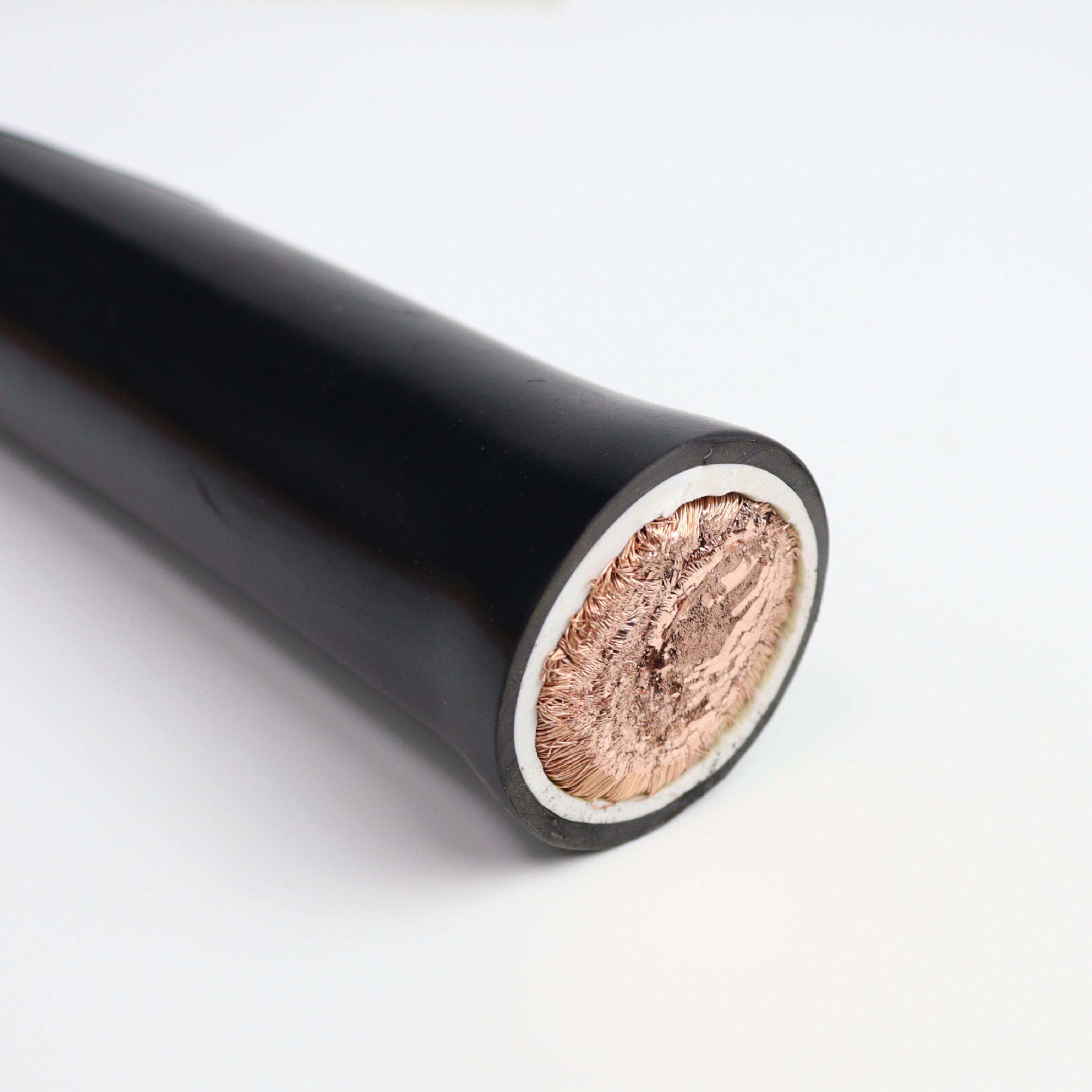
A cu cable is an electrical conductor made with copper, a metal known for carrying power efficiently and reliably. It connects power sources with equipment, distributes electricity through buildings, and transfers current across industrial systems. The cu cable can be supplied as a single core, multicore, flexible, armored, shielded, or insulated design, so buyers can match construction to the installation environment. A cu cable usually includes a copper conductor, protective insulation, and an outer jacket that helps resist moisture, abrasion, heat, and chemicals. The cu cable may use solid copper for fixed wiring or stranded copper when regular movement requires greater flexibility. Copper offers low electrical resistance, which helps a cu cable deliver power with less energy lost as heat. This performance can support stable operation and help designers select practical conductor sizes. Depending on the model, the cu cable may include PVC, XLPE, rubber, or other insulating materials chosen for voltage, temperature, and exposure requirements. A shielded cu cable can also reduce signal interference near motors, converters, and communication equipment. In homes and commercial properties, a cu cable supports lighting, outlets, control panels, and distribution boards. In factories, the cu cable supplies motors, machines, automation cabinets, and production lines. Utility networks, renewable energy projects, transport systems, and data facilities also use copper conductors. When selecting a cu cable, buyers should check voltage rating, current capacity, core count, flexibility, jacket material, installation method, and applicable safety standards. The right specification provides dependable electrical performance and a service life suited to the project.
The main advantage of a cu cable is dependable power delivery. Copper carries current efficiently, so a cu cable can help limit voltage drop and reduce wasted energy when the size and length match the load. This gives customers a practical way to support stable equipment performance without choosing unnecessarily large conductors. A cu cable also responds well to changing installation needs. Stranded versions bend around corners and fit crowded panels, while solid versions provide firm, consistent routing in walls, conduits, and fixed assemblies. This flexibility can shorten installation time and make maintenance easier. Another benefit is predictable connection quality. Copper works effectively with common terminals, lugs, breakers, and connectors, allowing installers to build familiar systems with widely available tools and accessories. The cu cable also suits many operating conditions because manufacturers can combine copper with insulation and jackets designed for heat, water, oil, sunlight, movement, or mechanical impact. For demanding locations, an armored cu cable can add physical protection, while a shielded version can help control electrical noise. These choices let buyers select one product family for different parts of a project instead of adapting to unfamiliar conductor materials. The cu cable can serve residential circuits, office distribution, factory machinery, control equipment, solar systems, battery installations, and infrastructure projects. Its broad use makes replacement planning simpler because technicians often recognize the material and understand standard handling practices. Copper also retains useful resale value, although recycling should follow local rules. To make a sound purchase, compare current rating, insulation temperature, fire behavior, environmental rating, bend radius, approved standards, and total installed cost. A lower purchase price is not always the best value if the product creates difficult routing or early replacement. The best cu cable balances electrical capacity, protection, installation effort, and expected service life.

Latest News

Shanghai Libin Cable Showcases Robot and Automation Cable Solutions at CMES Shanghai Industrial Automation & Robotics Exhibition

16

Oct

Shanghai Libin Cable Showcases Robot and Automation Cable Solutions at CMES Shanghai Industrial Automation & Robotics Exhibition

View More
Shanghai Libin Cable Showcases Crane Cable Solutions at the 11th China (Changyuan) International Crane Equipment Expo

16

Oct

Shanghai Libin Cable Showcases Crane Cable Solutions at the 11th China (Changyuan) International Crane Equipment Expo

View More
Why Drag Chain Cables Fail: Four Common Causes and How to Select Correctly

16

Oct

Why Drag Chain Cables Fail: Four Common Causes and How to Select Correctly

View More
Industrial Robot Combination Cable: Routing Power and Signal Together in a Small-Bend-Radius Drag Chain

16

Oct

Industrial Robot Combination Cable: Routing Power and Signal Together in a Small-Bend-Radius Drag Chain

View More

Get a Free Quote

Our representative will contact you soon.
0/1000
Efficient Current Transfer

Efficient Current Transfer

A key selling point of the cu cable is its efficient current transfer. Copper provides a highly conductive path, helping electricity move from a source to a load with controlled resistance. In practical terms, a correctly selected cu cable can support steady voltage at lights, motors, heaters, chargers, and electronic equipment. Lower resistance can also help reduce heat produced inside the conductor, which supports safer and more consistent operation when the circuit operates within its rated limits. For buyers, this means the cu cable can help protect performance while avoiding unnecessary energy loss. Engineers can select conductor size according to load, distance, installation method, and local requirements rather than relying on guesswork. The cu cable is useful where equipment needs dependable startup power or where long runs make voltage drop a concern. It can support both everyday circuits and demanding distribution systems. Proper termination remains important: clean contacts, suitable lugs, correct torque, and adequate protection allow the copper core to deliver the expected value throughout its working life.
Flexible Designs for Installation

Flexible Designs for Installation

The cu cable is available in designs that suit different routing and operating conditions. A solid conductor offers a stable shape for permanent wiring, while a stranded cu cable bends more easily inside cabinets, conduits, machinery, and compact equipment. This choice can make installation faster and reduce strain on connections when technicians must move or reposition equipment. Customers can also select single-core or multicore construction, insulation for different voltage and temperature ranges, and jackets suited to indoor or outdoor exposure. An armored cu cable can add resistance to impact and crushing, which helps protect circuits in industrial areas, underground routes, and service corridors. A shielded cu cable can help limit unwanted interference in control or data-related environments. These options make the cu cable adaptable without changing the basic copper conductor benefit. Buyers should match the design to bend radius, movement, moisture, chemicals, sunlight, fire requirements, and mechanical risk. The result is a more orderly installation, easier maintenance, and a lower chance of choosing a product that cannot tolerate its surroundings.
Broad Application and Service Value

Broad Application and Service Value

A cu cable delivers value because one dependable conductor material can serve many markets. Homes use the cu cable for lighting, sockets, appliances, and distribution panels. Commercial buildings use it for power risers, emergency systems, HVAC equipment, and control circuits. Factories rely on the cu cable for motors, robotics, conveyors, process equipment, and machine tools. Renewable energy projects may use copper conductors between panels, inverters, batteries, and switchgear, while transport and utility projects use them for reliable distribution. This wide application range can simplify procurement, staff training, spare-part planning, and future repairs. Buyers can compare a familiar material across different cable constructions instead of managing several unrelated conductor choices. A quality cu cable also supports practical lifecycle planning when its voltage rating, temperature class, jacket, and installation method are correctly specified. Clear markings and recognized approvals can help technicians identify the product during inspection or replacement. Customers should still review local codes, load calculations, environment, and termination instructions before ordering. Selecting the right cu cable at the start can reduce downtime, improve service confidence, and create a safer long-term electrical system.