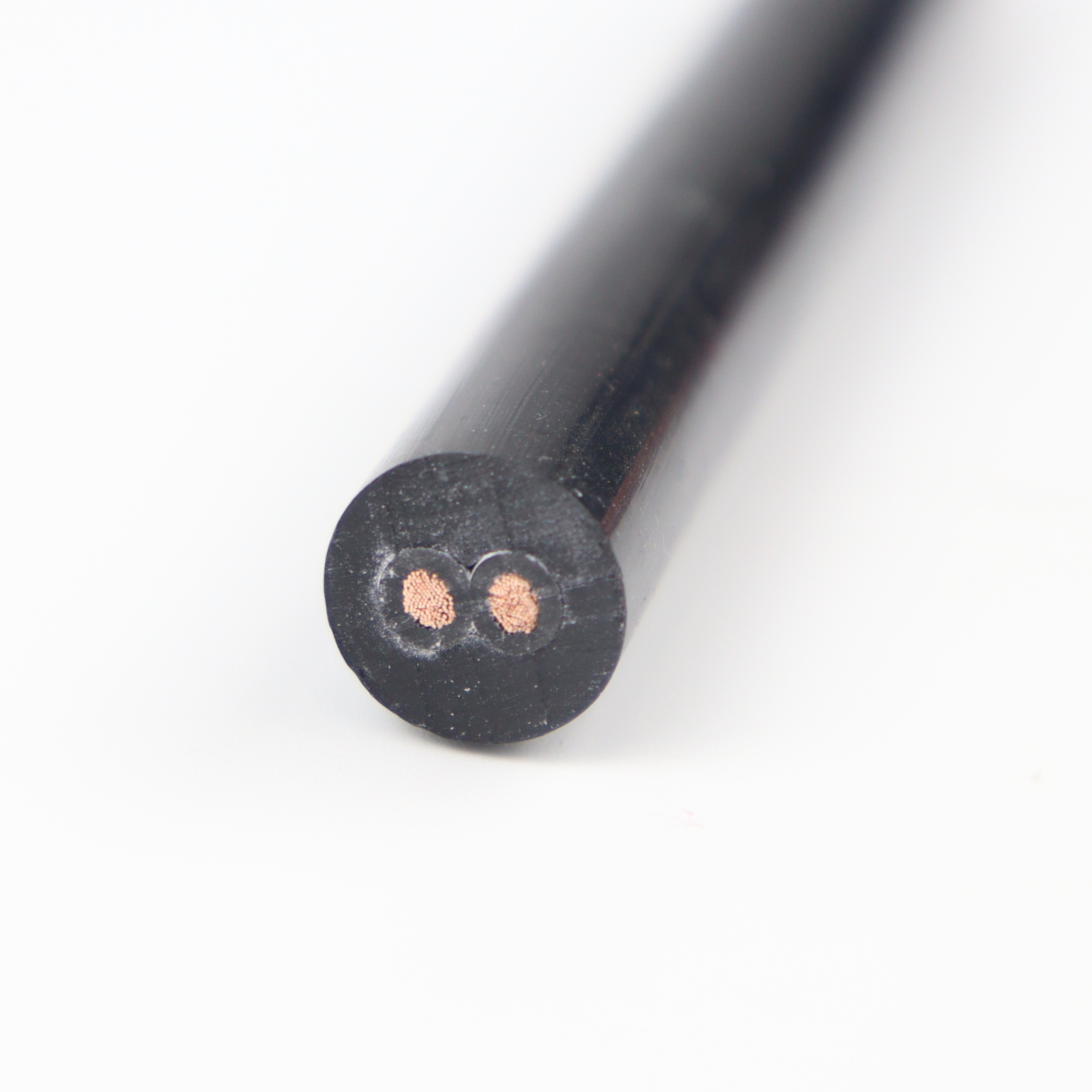
single core copper cable
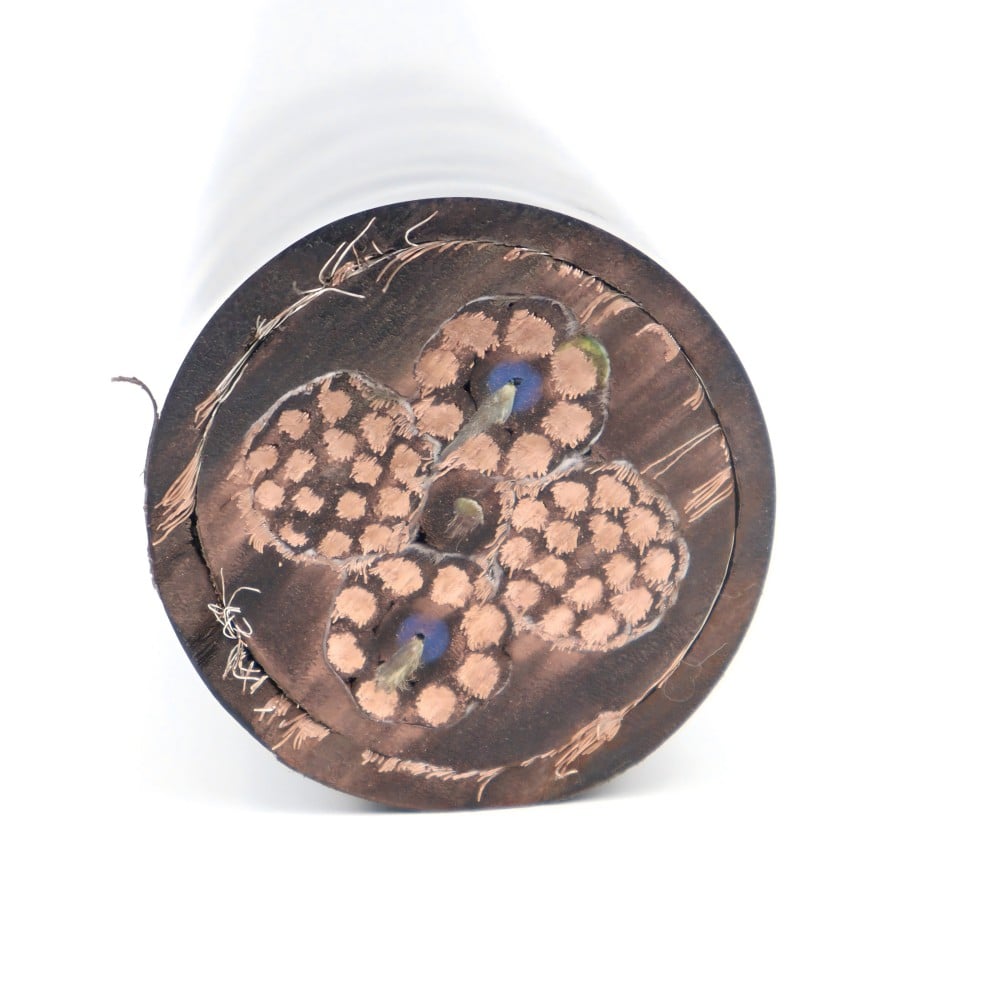
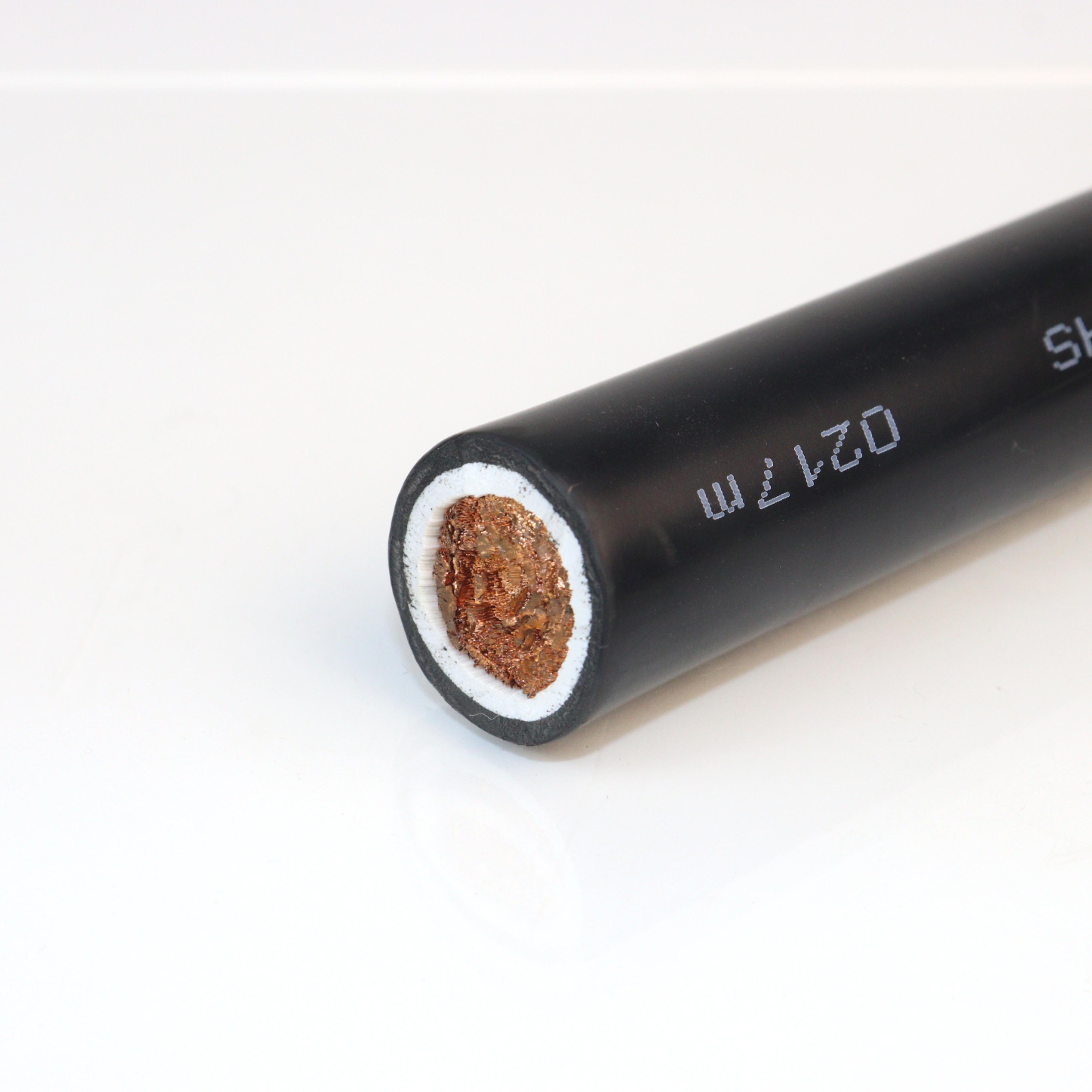
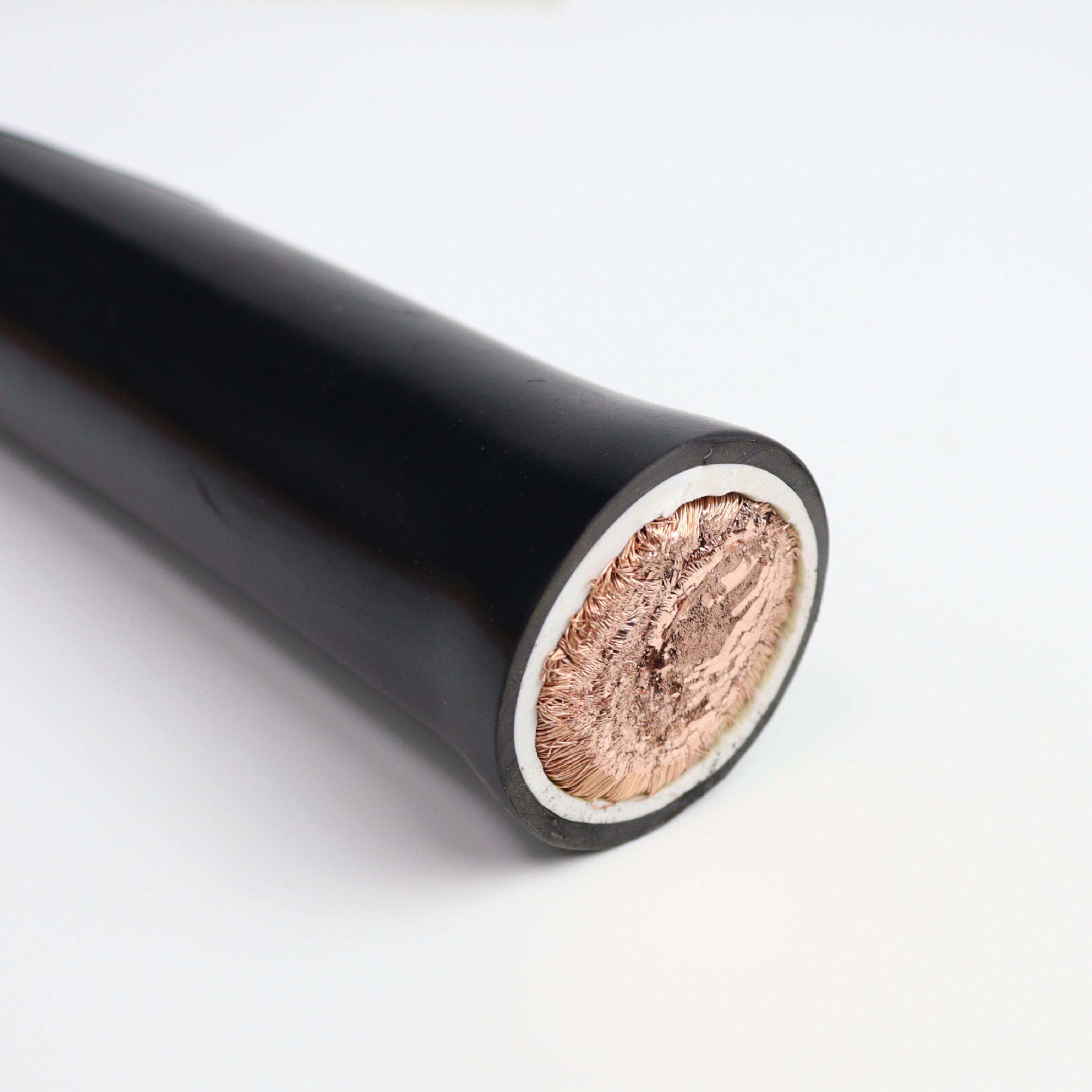
A single core copper cable is an electrical cable built around one solid or stranded copper conductor. The conductor carries current from a power source to equipment, a control panel, a distribution point, or another circuit. A single core copper cable normally includes copper, insulation, and, when required, an outer sheath or protective layer. This simple structure makes a single core copper cable easy to identify, route, terminate, and maintain. Copper offers strong electrical conductivity, so a single core copper cable can transfer power efficiently while helping control energy loss and voltage drop. Depending on its design, a single core copper cable may use PVC, XLPE, rubber, or another insulating material to resist heat, moisture, abrasion, chemicals, or mechanical stress. A single core copper cable can be supplied as a flexible stranded product for moving equipment or as a solid conductor for fixed wiring and compact installations. Voltage rating, conductor size, insulation temperature rating, flame behavior, and environmental protection all affect product selection. A single core copper cable suits low-voltage wiring, control systems, battery connections, grounding arrangements, solar installations, switchboards, and industrial machinery. Installers can place a single core copper cable inside conduit, trunking, panels, or cable trays, provided the installation follows local electrical rules. The correct single core copper cable should match the system voltage, current load, route length, operating temperature, and available space. This focused design gives users a practical power connection without the bulk of a multi-core cable when only one electrical path is needed.