industrial copper cable
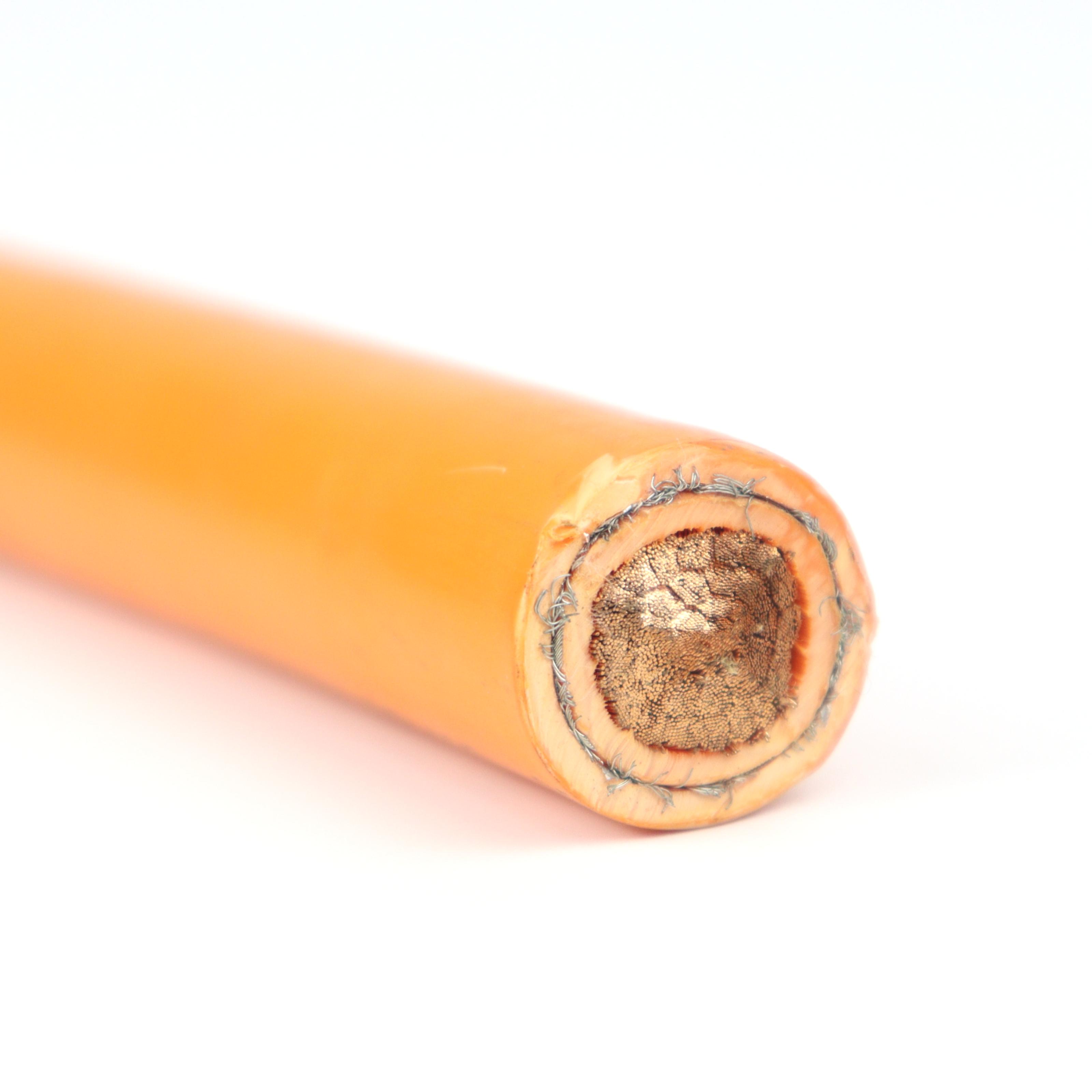
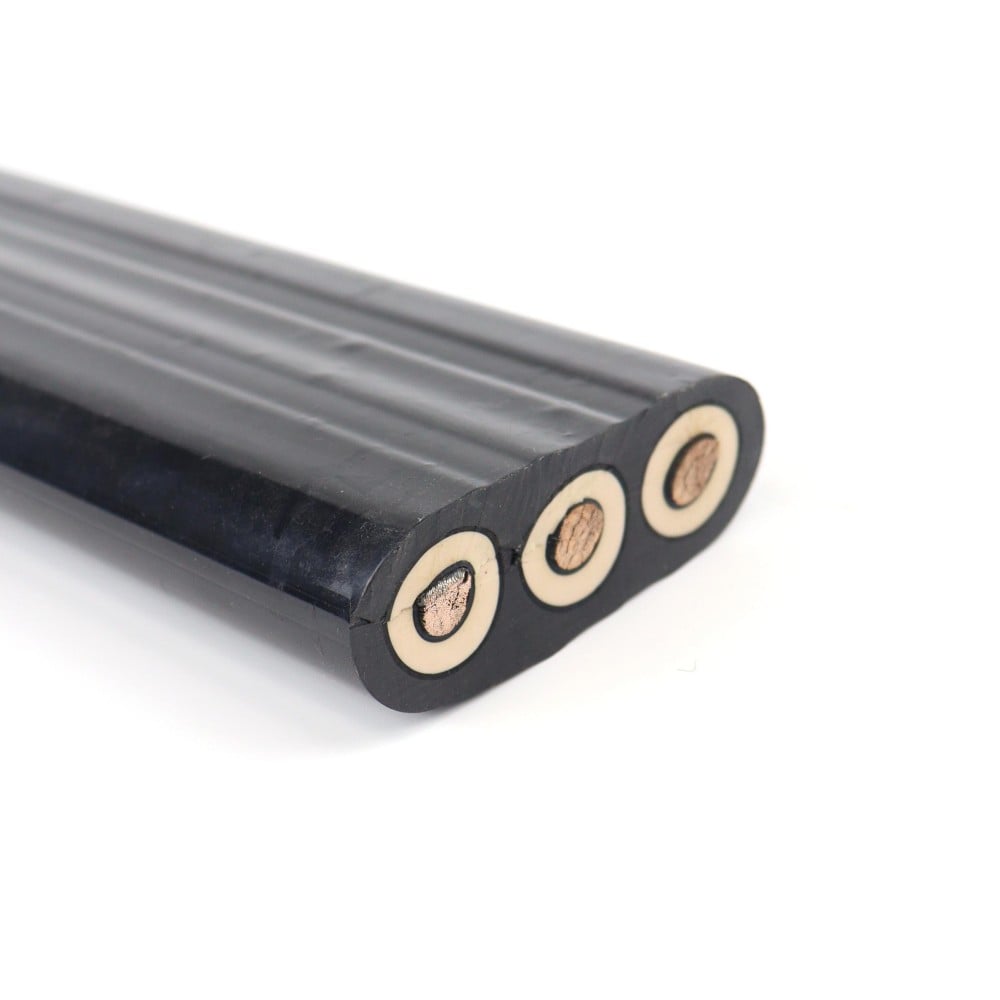
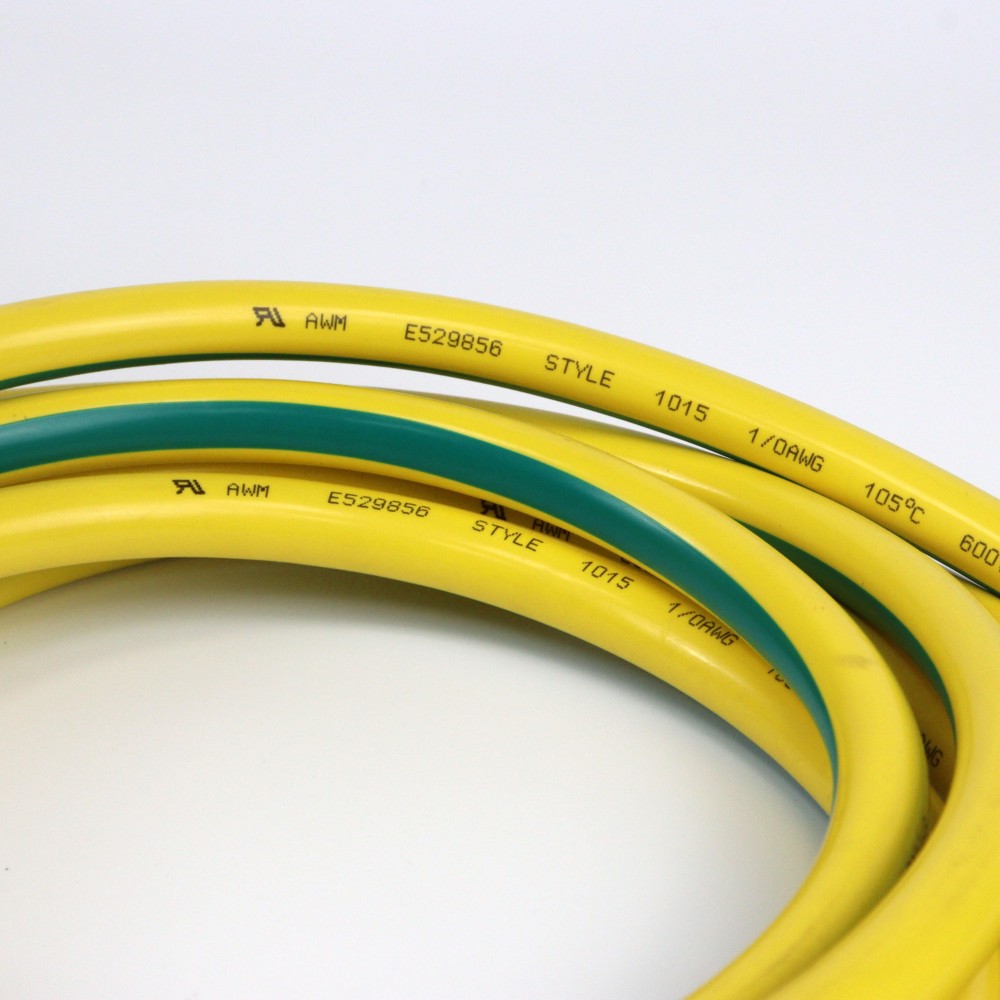
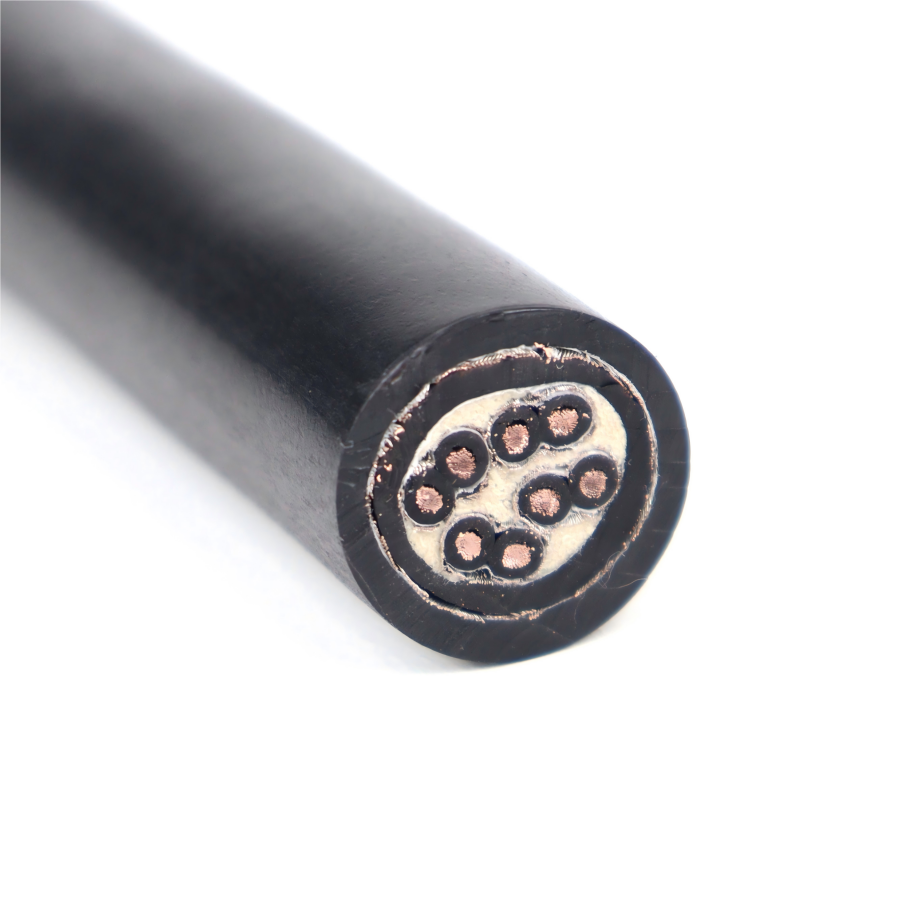
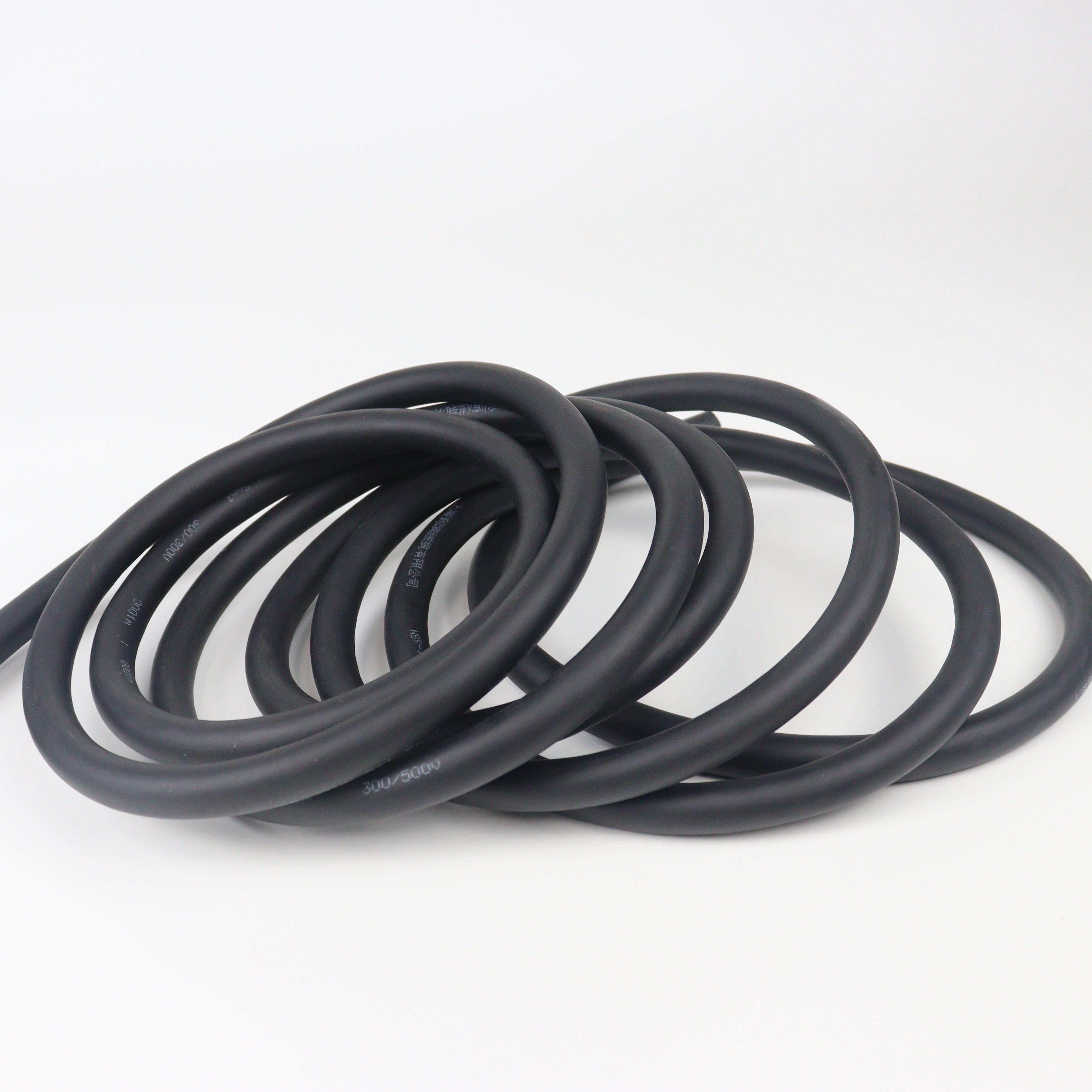
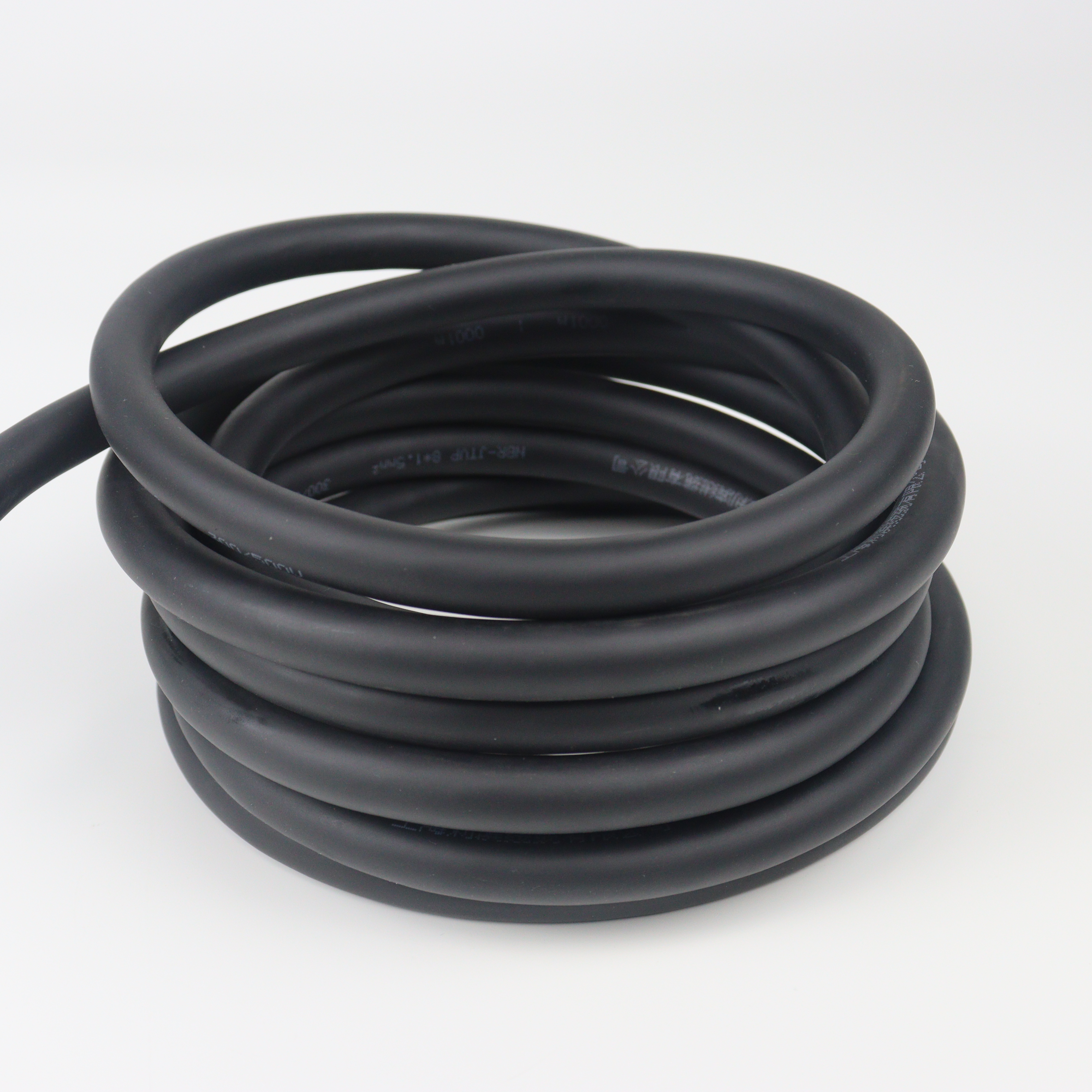
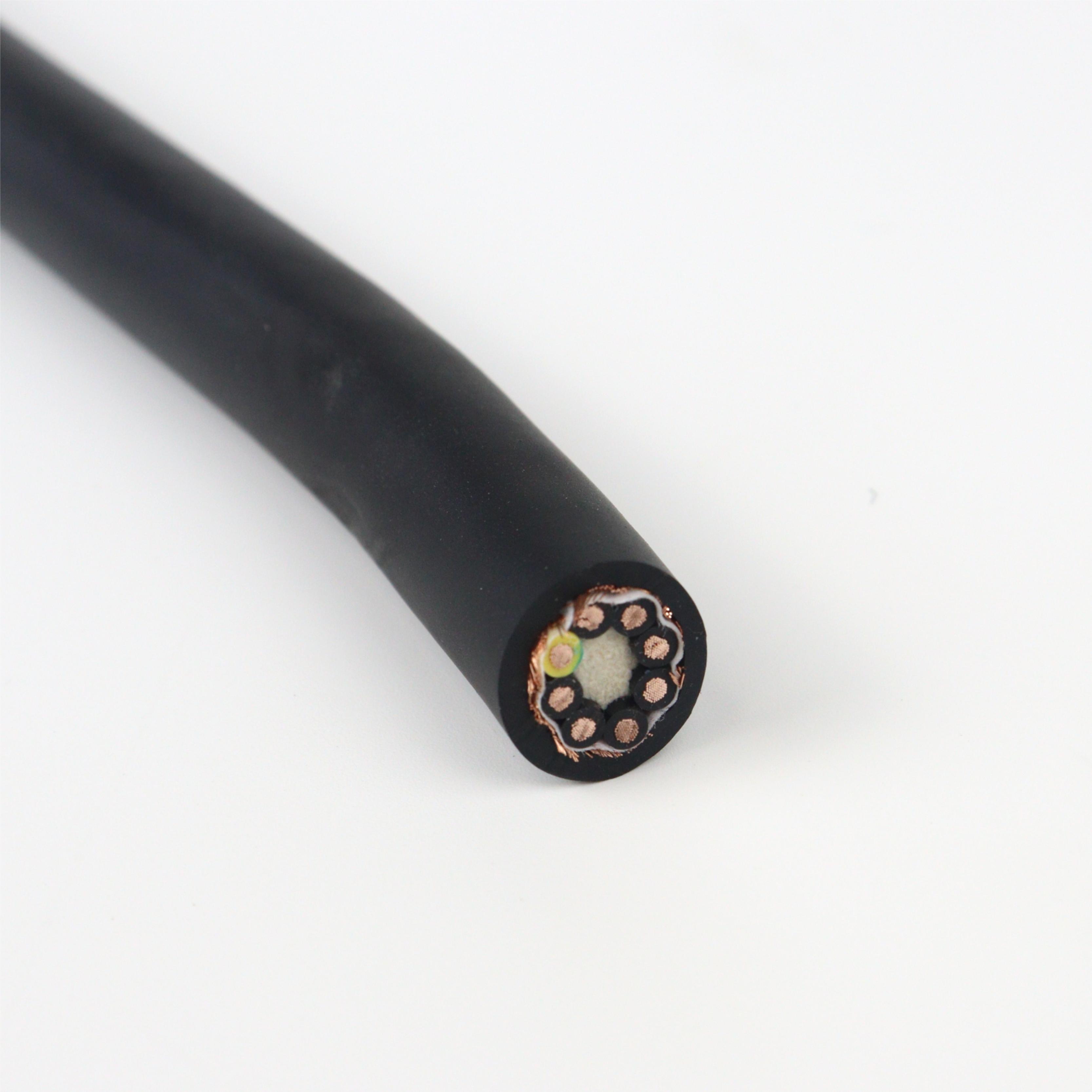
Industrial copper cable is a power and signal transmission solution designed for factories, plants, warehouses, infrastructure projects, and other demanding work environments. An industrial copper cable uses highly conductive copper strands to move electricity or data with low resistance and consistent performance. Depending on the design, it can support motor power, control circuits, instrumentation, automation networks, communication links, and equipment grounding. The industrial copper cable may include one or more conductors, insulation, shielding, fillers, armor, and an outer jacket selected for the installation conditions. Common insulation materials include PVC, XLPE, rubber, and other compounds that resist heat, moisture, chemicals, oil, abrasion, and mechanical stress. A shield can reduce electromagnetic interference, helping sensitive devices receive cleaner signals. Armored versions add protection where cables face impact, crushing, rodents, or outdoor exposure. The industrial copper cable also comes in flexible constructions for moving machinery and fixed constructions for permanent routes. Voltage ratings, conductor size, temperature range, bending radius, fire behavior, and environmental approvals vary by model. These details help buyers select a suitable product rather than relying on appearance alone. The industrial copper cable connects control panels, motors, sensors, drives, robotic cells, lighting systems, and distribution equipment. It can be installed in trays, conduits, ducts, cabinets, or underground systems when the specification permits. With proper sizing and termination, an industrial copper cable delivers reliable current flow, stable communication, and predictable service in continuous operations. Its broad design range makes the industrial copper cable practical for both standard production lines and specialized industrial systems.