Solid Copper Cable for Reliable Power Systems

application/solid-copper-cable, application/solid-copper-cable, 
Inquiry
Inquiry

solid copper cable

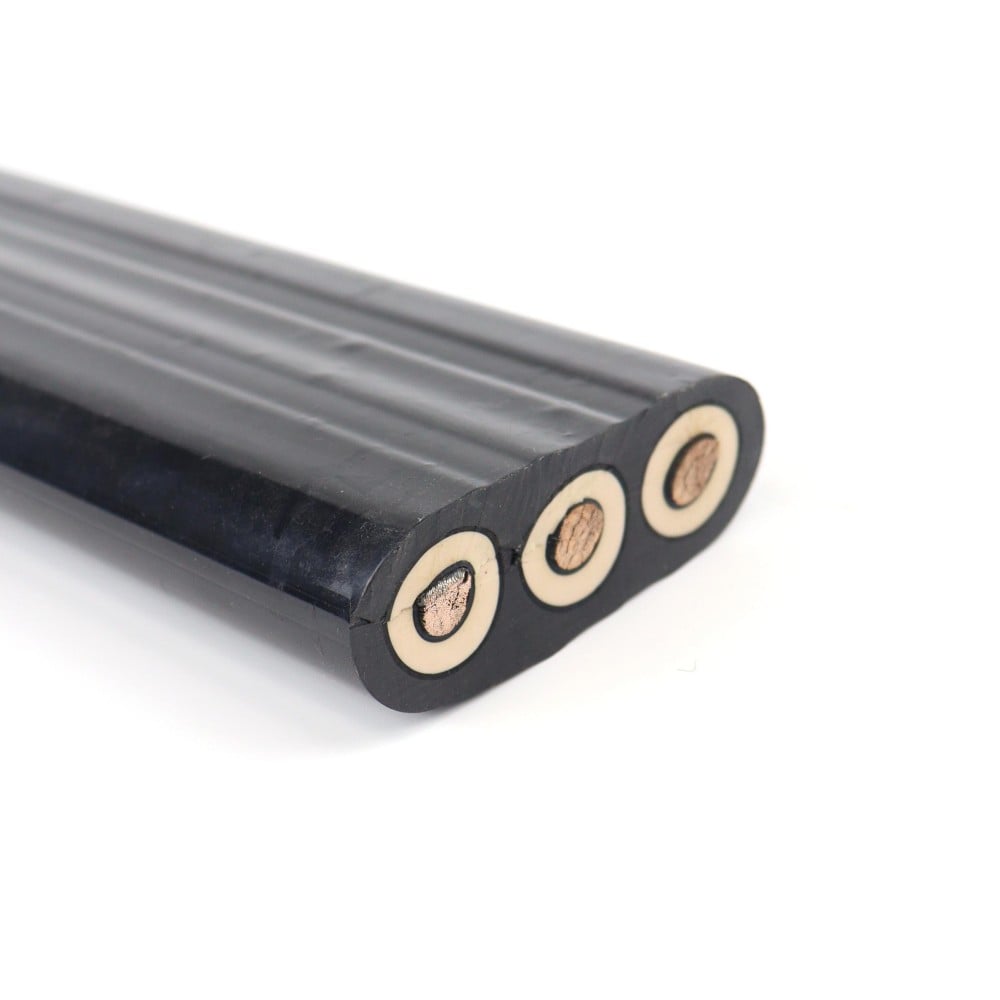
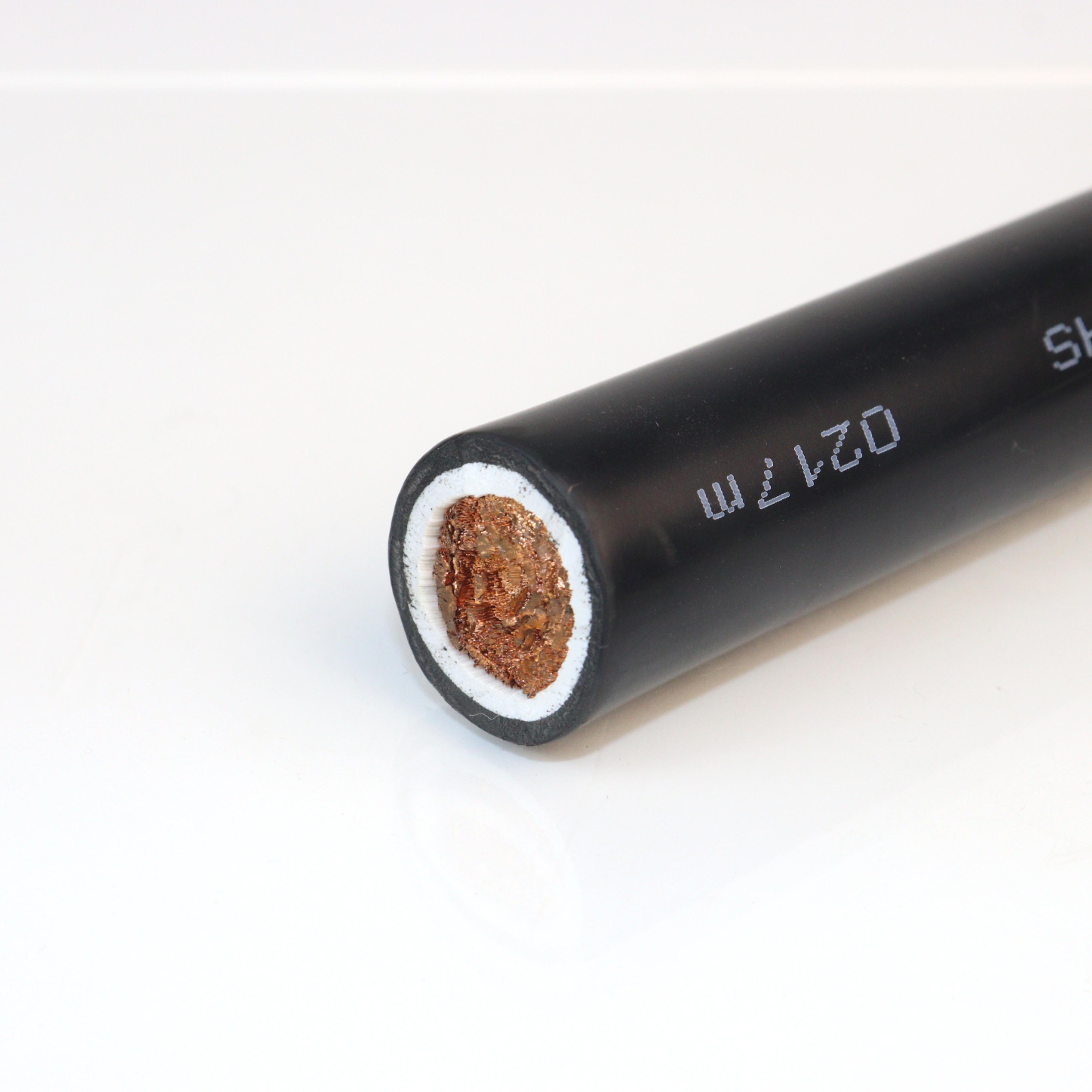
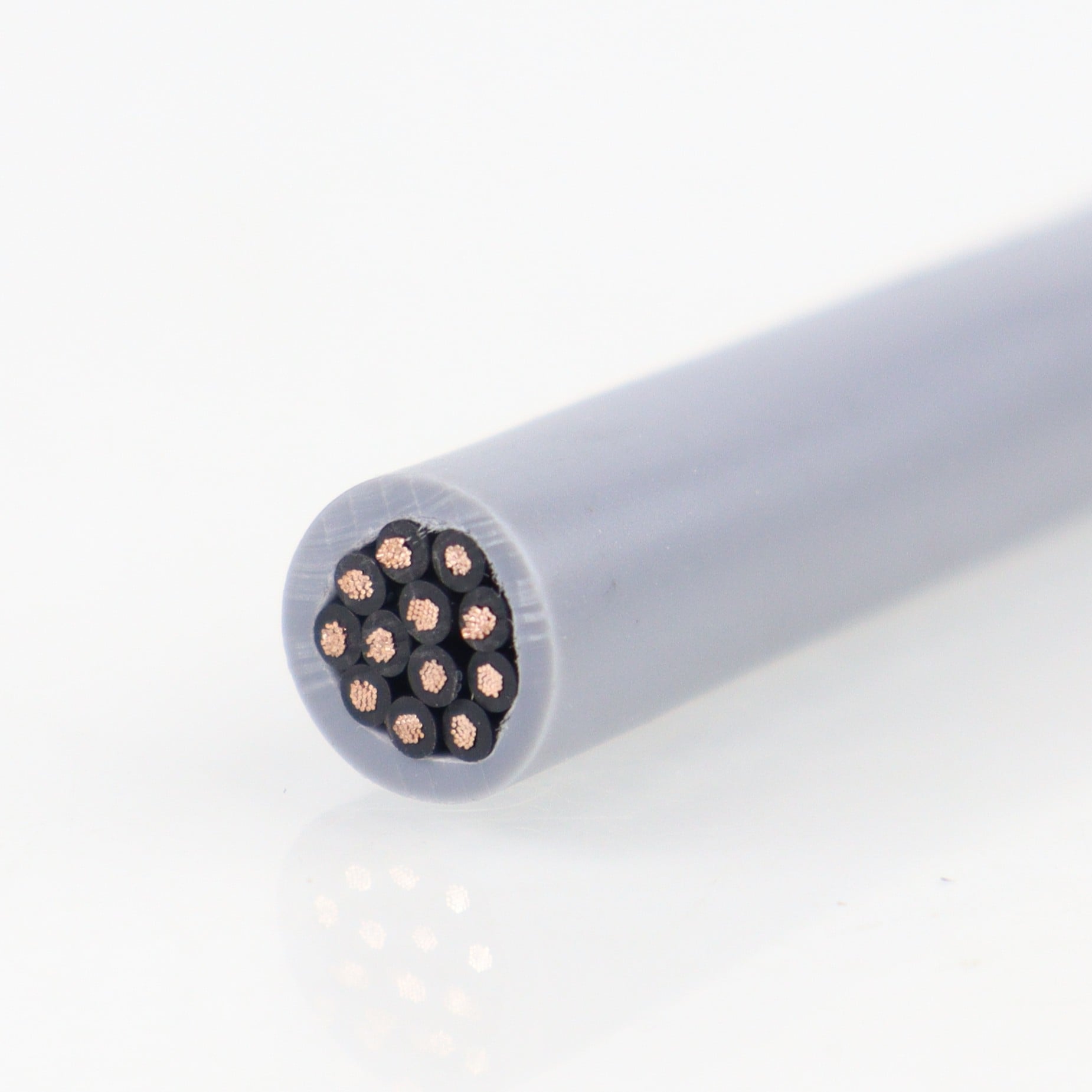
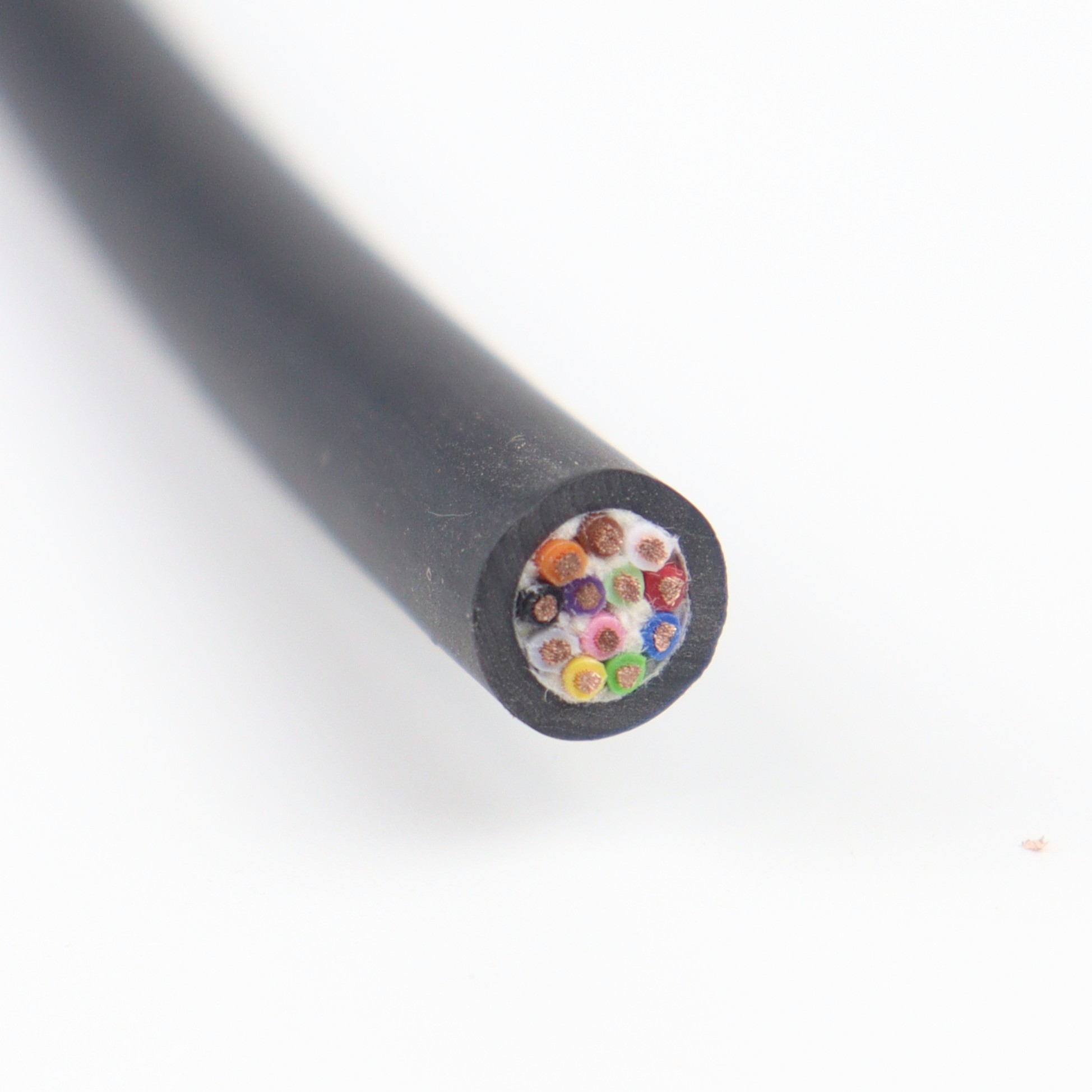
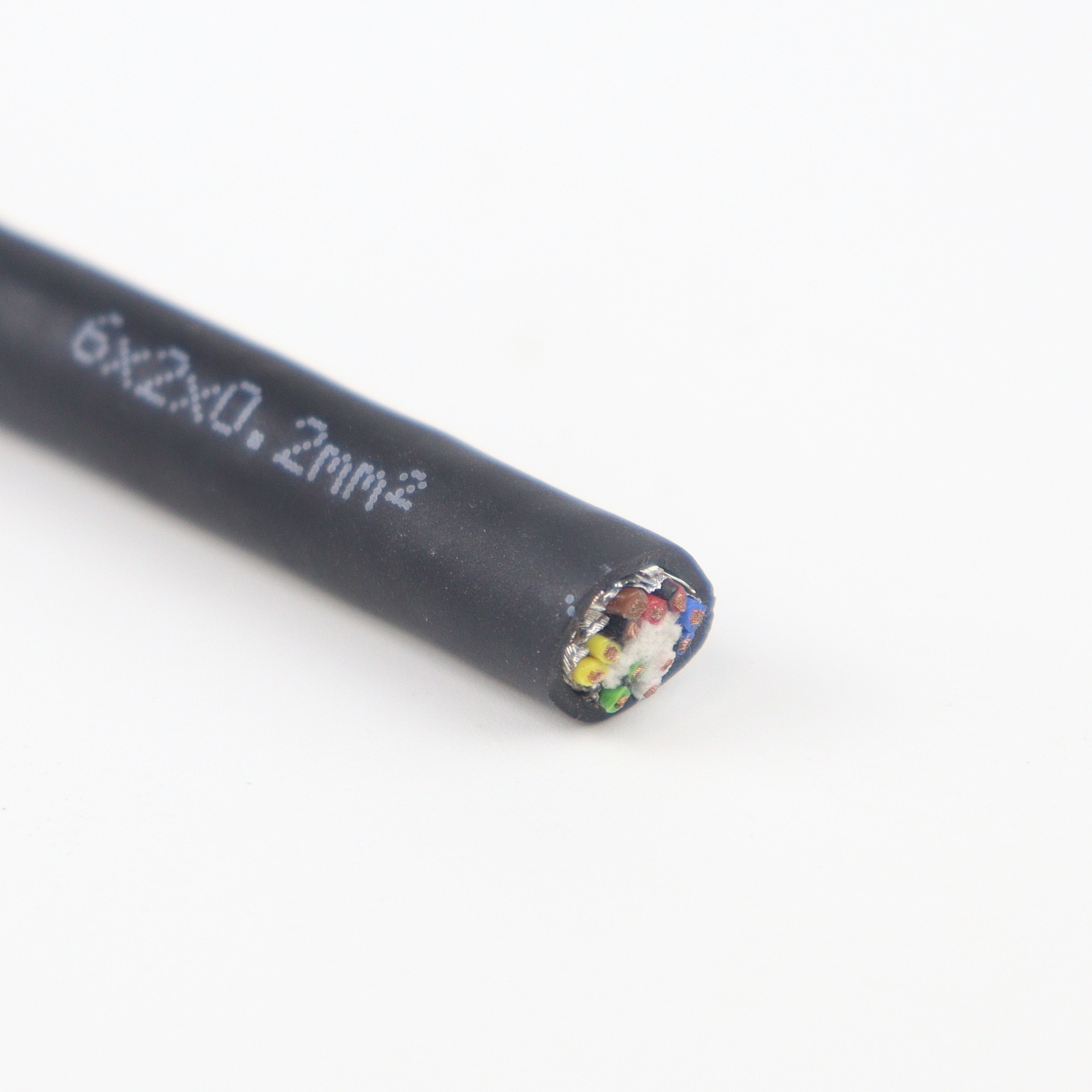
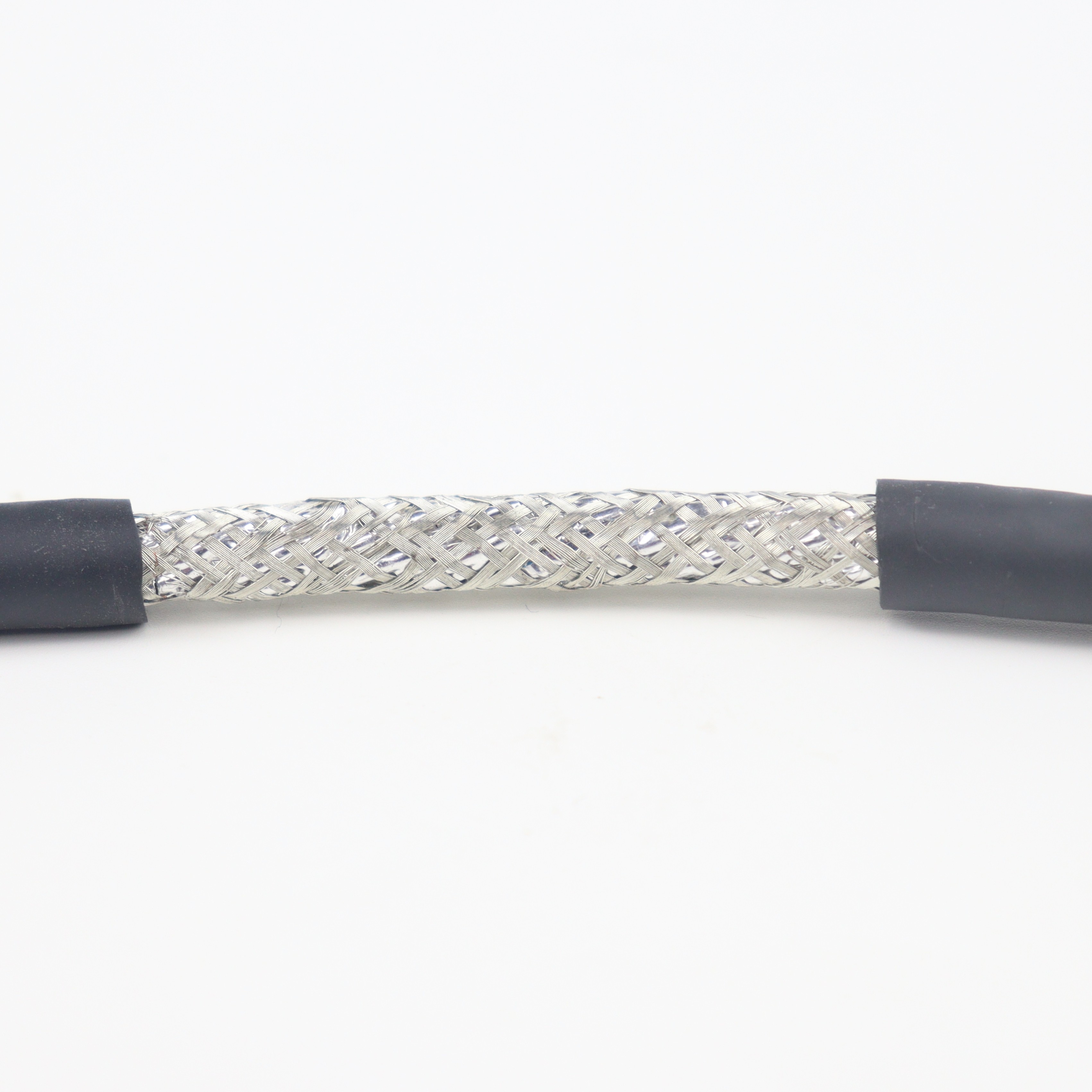
A solid copper cable uses a single, continuous copper conductor to carry electrical power or data from one point to another. Unlike stranded wire, a solid copper cable has one firm metal core, which gives it stable shape and dependable signal flow. The conductor usually sits inside an insulating layer that protects against contact, moisture, heat, and everyday wear. Depending on its design, a solid copper cable may include a shield, drain wire, jacket, or color-coded outer covering for safer installation and easier identification. A solid copper cable supports low electrical resistance, helping equipment receive power efficiently and communication systems maintain consistent performance. It can carry signals across structured network cabling, telephone systems, security equipment, control panels, and building automation networks. Installers often use solid copper cable for permanent runs inside walls, ceilings, cable trays, and conduits, where the wire remains in place after installation. A solid copper cable also works well with punch-down blocks, wall jacks, patch panels, and compatible connectors. Product specifications may include conductor size, insulation material, voltage rating, temperature range, shielding type, and compliance with relevant standards. Buyers should match the cable to the required current, transmission speed, distance, environment, and installation method. A solid copper cable is not the same as copper-clad aluminum cable; its copper conductor provides more predictable conductivity and connection quality. For fixed infrastructure, a solid copper cable offers a practical combination of electrical performance, mechanical stability, and long service life. Choosing the correct solid copper cable helps reduce installation problems and supports reliable system operation.
The main advantage of a solid copper cable is dependable electrical performance. Pure copper conducts current efficiently, so a solid copper cable can help reduce energy loss and voltage drop over an appropriate installation distance. This benefit matters when customers want stable power delivery, clear data transmission, or consistent equipment operation. A solid copper cable also creates firm contact with compatible terminals and punch-down connections. Its single conductor stays in position during termination, making it suitable for organized permanent wiring in offices, homes, factories, data rooms, and control cabinets. Because the conductor holds its shape, installers can route and label a solid copper cable neatly through structured pathways. This makes inspection, testing, and future maintenance easier. A solid copper cable can support network links, telephone lines, alarm systems, access control, sensors, and low-voltage controls when its rating matches the application. Buyers also gain useful product choice. They can select different conductor sizes, insulation types, shielding options, jacket materials, and lengths according to temperature, interference, moisture, and space requirements. A solid copper cable with suitable shielding can limit unwanted electrical noise, while a properly rated jacket can improve protection in demanding locations. The cable often costs more than copper-clad alternatives, but its dependable conductivity and stronger connection performance can lower troubleshooting effort and replacement risk. Customers should still remember that solid construction is best for fixed runs rather than repeated bending or portable equipment. For moving connections, flexible stranded wire may be more suitable. Overall, a solid copper cable gives buyers predictable performance, clean installation, easier testing, and dependable service when the product matches the system design. Checking standards, conductor size, insulation rating, and intended use before purchase helps prevent costly compatibility issues.

Tips And Tricks

Shanghai Libin Cable Showcases Robot and Automation Cable Solutions at CMES Shanghai Industrial Automation & Robotics Exhibition

16

Oct

Shanghai Libin Cable Showcases Robot and Automation Cable Solutions at CMES Shanghai Industrial Automation & Robotics Exhibition

View More
Shanghai Libin Cable Showcases Crane Cable Solutions at the 11th China (Changyuan) International Crane Equipment Expo

16

Oct

Shanghai Libin Cable Showcases Crane Cable Solutions at the 11th China (Changyuan) International Crane Equipment Expo

View More
Why Drag Chain Cables Fail: Four Common Causes and How to Select Correctly

16

Oct

Why Drag Chain Cables Fail: Four Common Causes and How to Select Correctly

View More
Industrial Robot Combination Cable: Routing Power and Signal Together in a Small-Bend-Radius Drag Chain

16

Oct

Industrial Robot Combination Cable: Routing Power and Signal Together in a Small-Bend-Radius Drag Chain

View More

Get a Free Quote

Our representative will contact you soon.
0/1000
Efficient Conductivity for Stable Performance

Efficient Conductivity for Stable Performance

A solid copper cable uses copper throughout its main conductor, allowing electricity and signals to travel with low resistance. This design helps a solid copper cable deliver steady power and dependable data performance when the size and length suit the application. For customers, the practical value is fewer concerns about weak connections, inconsistent communication, or avoidable voltage loss. The conductor also works reliably with common terminals and fixed wiring hardware, supporting clean installation in walls, ceilings, panels, and equipment rooms. In network systems, a solid copper cable can help maintain signal quality across permanent links, while in control systems it supports predictable communication between sensors, controllers, and devices. Buyers should compare conductor gauge, rated distance, operating temperature, and required speed before ordering. When these specifications match the project, a solid copper cable provides a strong foundation for long-term infrastructure. Its performance makes it useful for offices, homes, industrial controls, security installations, and building automation.
Strong Choice for Permanent Installations

Strong Choice for Permanent Installations

The firm single conductor gives a solid copper cable excellent shape retention during routing and termination. An installer can guide a solid copper cable through conduit, cable trays, wall cavities, and structured panels without the conductor becoming loose or difficult to organize. This feature saves time during fixed installation and helps create a tidy wiring layout that technicians can inspect later. A solid copper cable also fits well with punch-down blocks, patch panels, keystone jacks, and other hardware designed for permanent connections. The stable core supports consistent contact, which can reduce the chance of installation-related faults. This makes the product a practical choice for office networks, telephone systems, alarm circuits, access control, and building management equipment. Customers benefit from simpler documentation, clearer cable paths, and easier maintenance when every run remains properly positioned. Because repeated bending can damage a rigid conductor, buyers should reserve a solid copper cable for stationary infrastructure and select flexible wire for moving machinery or frequently handled leads.
Options for Different Environments

Options for Different Environments

A solid copper cable can meet different project needs through choices in insulation, jacket material, shielding, conductor size, and temperature rating. This flexibility lets buyers select a solid copper cable for indoor walls, equipment rooms, industrial panels, low-voltage controls, or areas where electrical interference requires added protection. An unshielded version may suit ordinary office or residential wiring, while a shielded solid copper cable can help limit noise near motors, power equipment, or other interference sources. Outdoor or demanding locations may require a tougher jacket and stronger moisture or heat resistance. Selecting the correct option improves safety, service life, and system reliability without overbuying features the project does not need. Customers should review voltage limits, transmission requirements, fire ratings, environmental exposure, and local installation rules before choosing. A correctly specified solid copper cable supports easier compliance checks and reduces the risk of premature failure. The result is a practical, adaptable wiring solution for both new construction and system upgrades.