2.5 mm Copper Cable: Uses and Benefits

application/25-mm-copper-cable, application/25-mm-copper-cable, 
Inquiry
Inquiry

2.5 mm copper cable

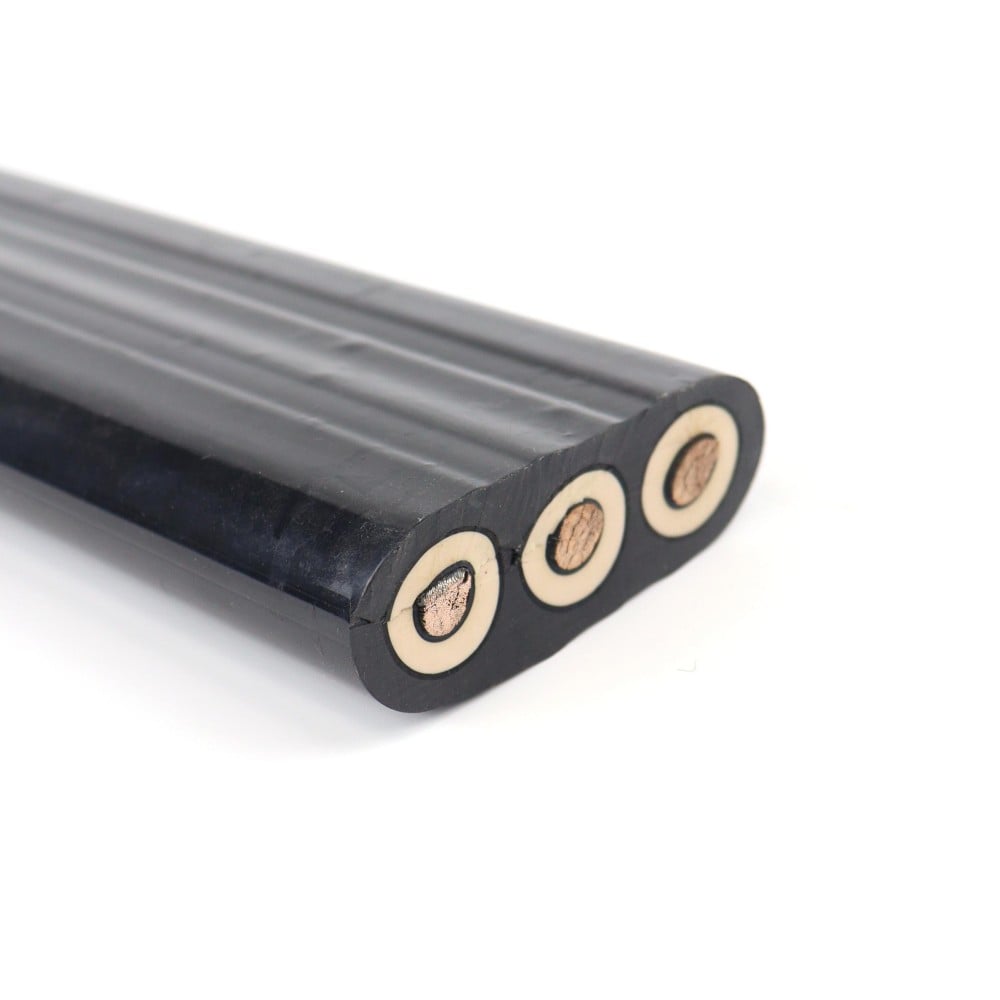
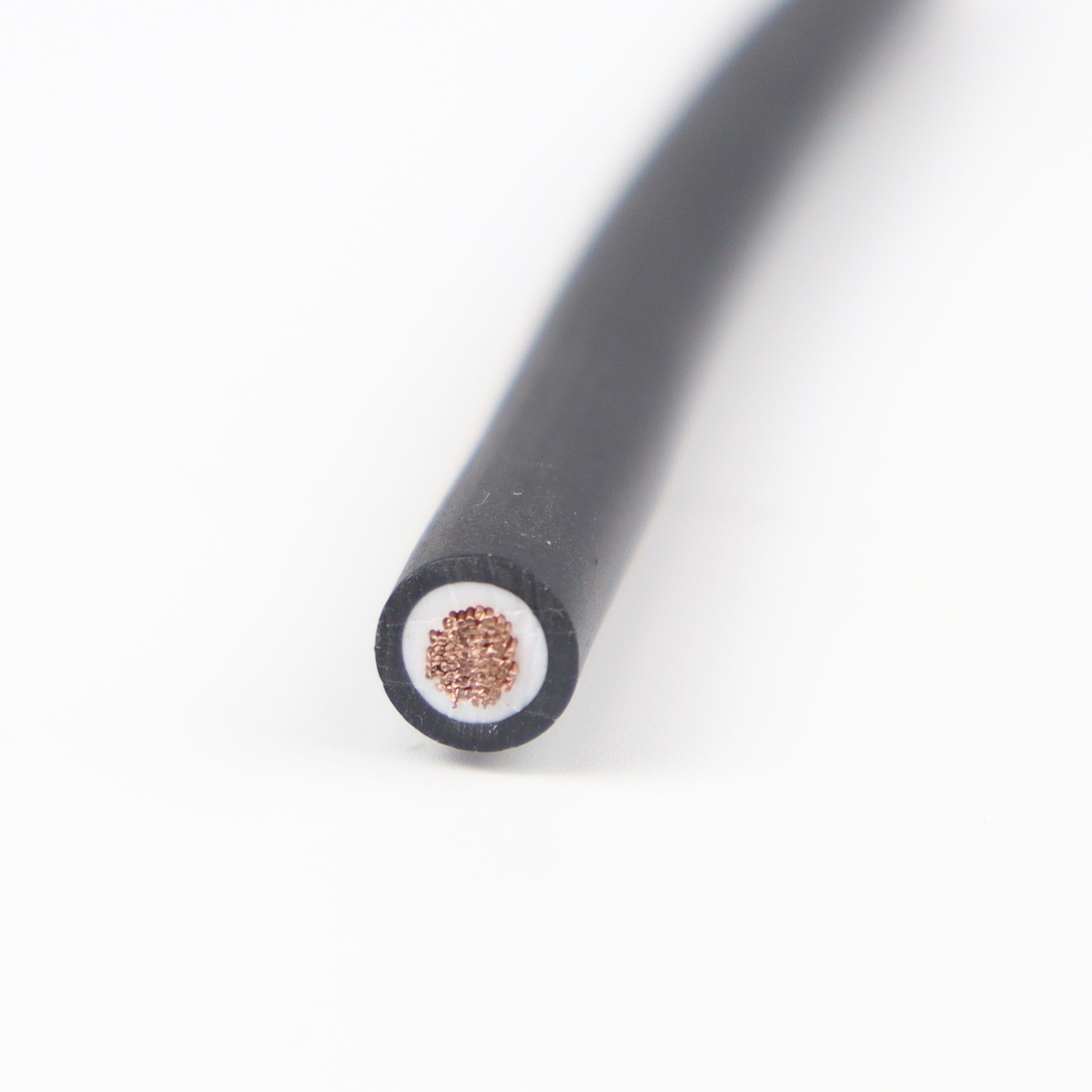
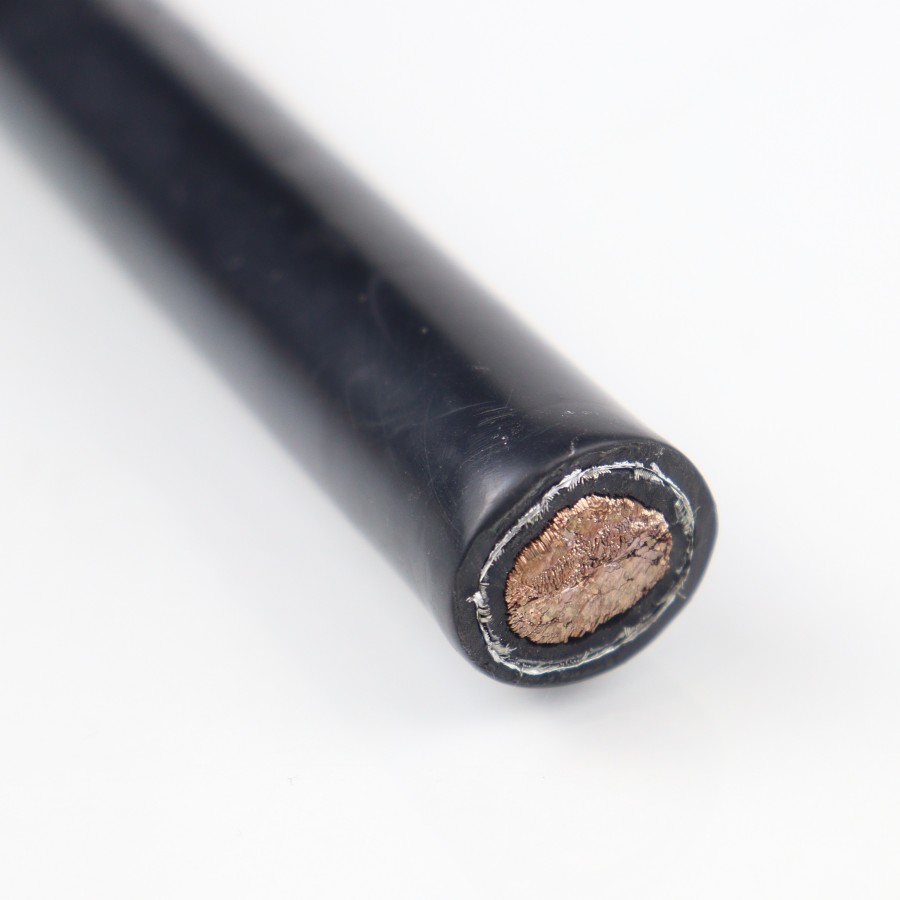
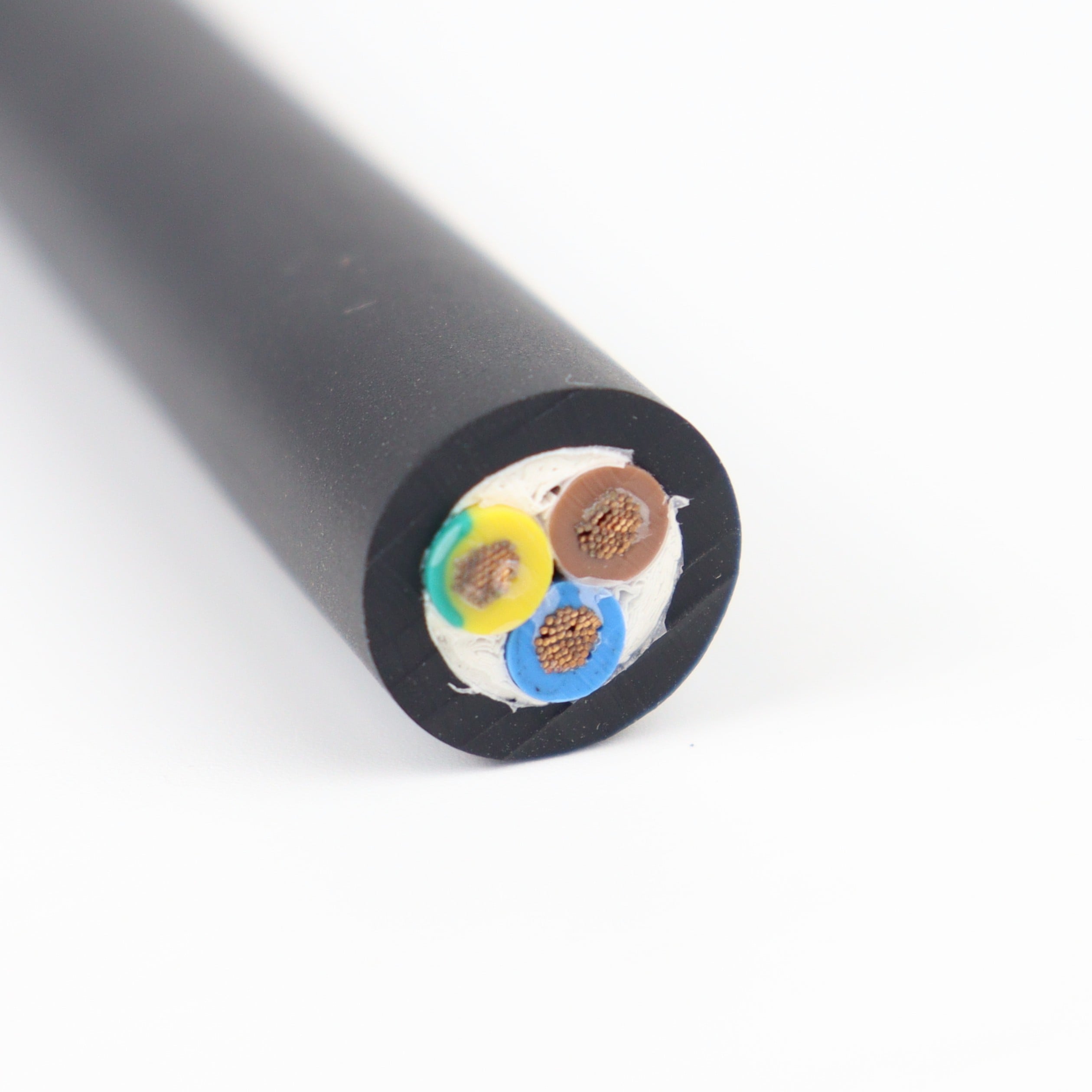
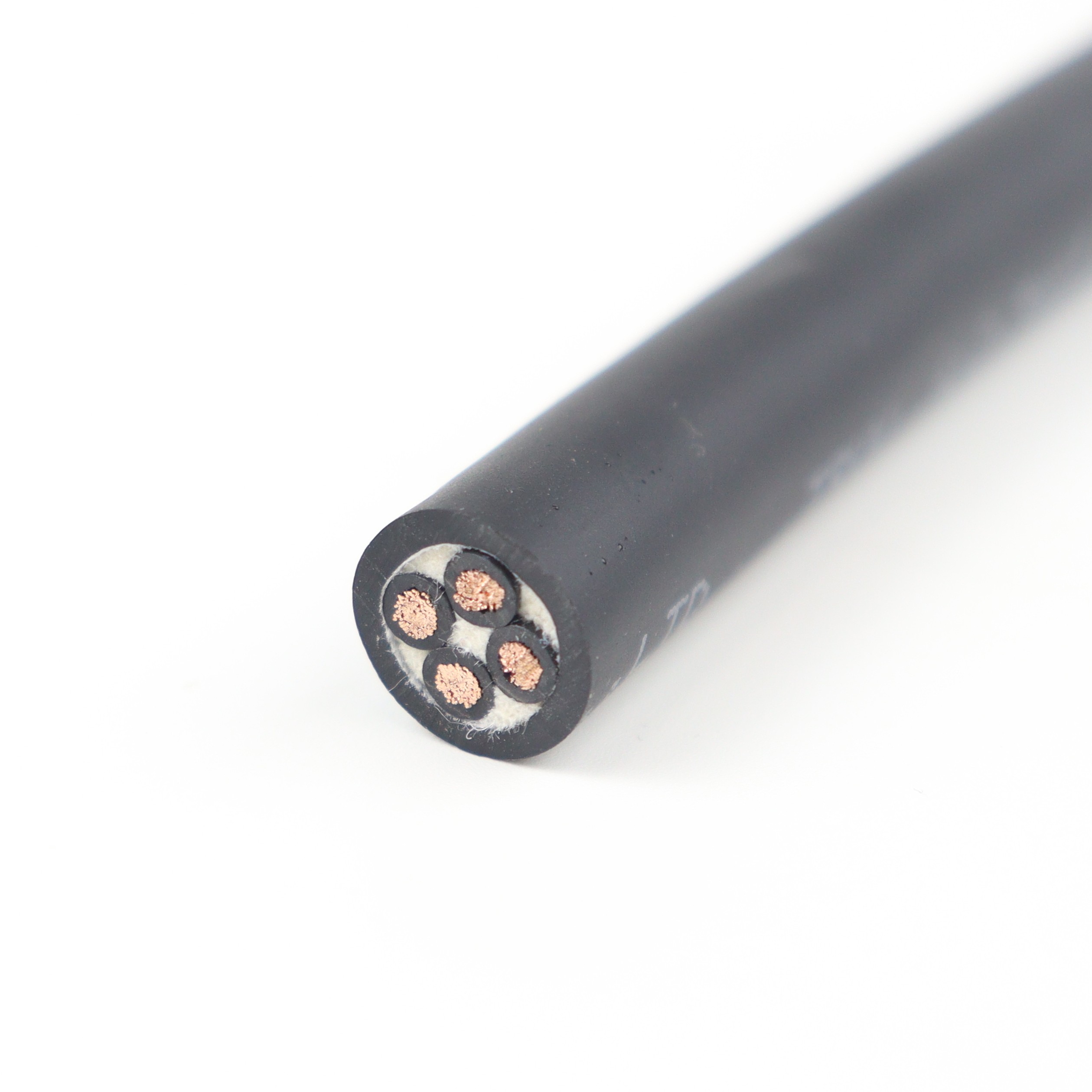
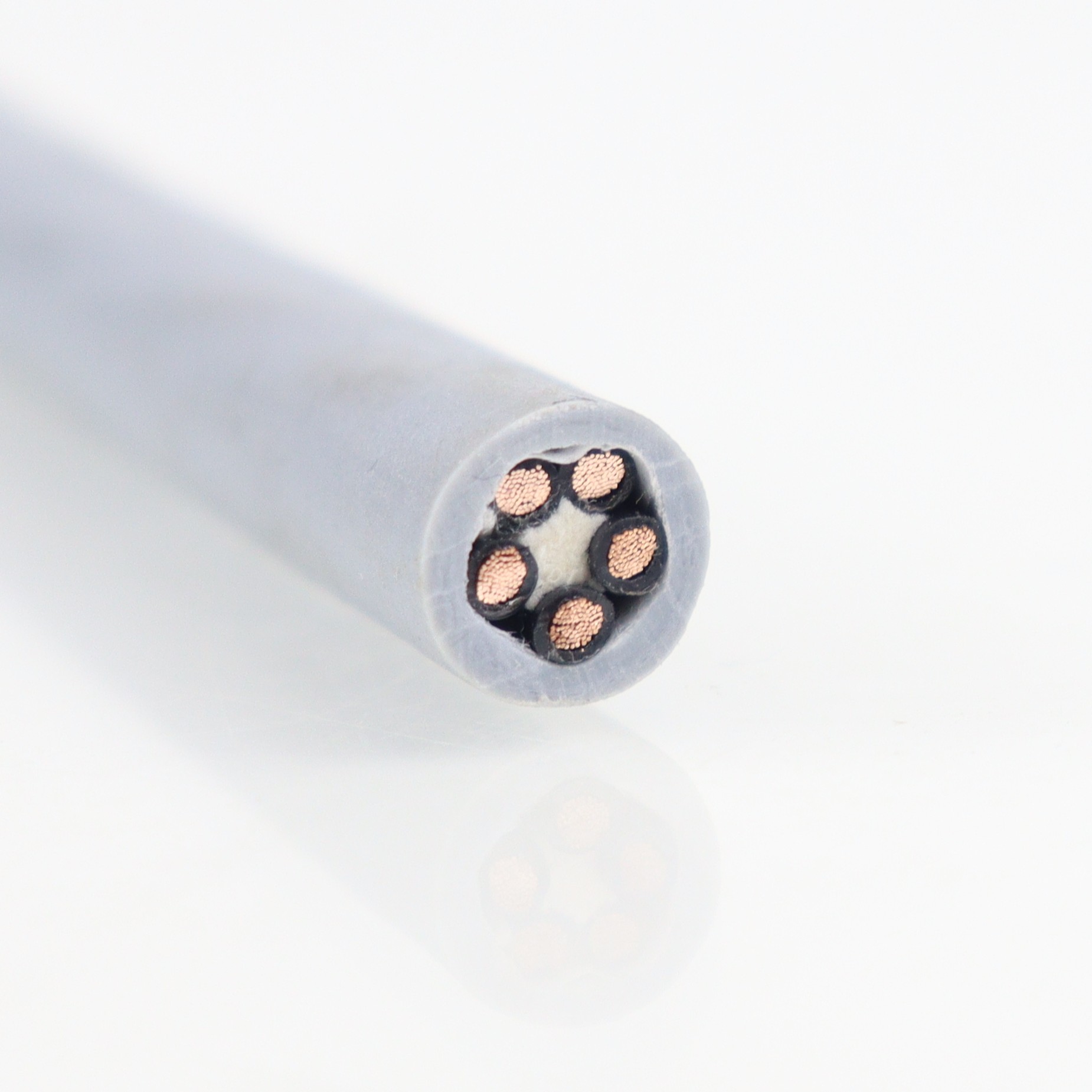
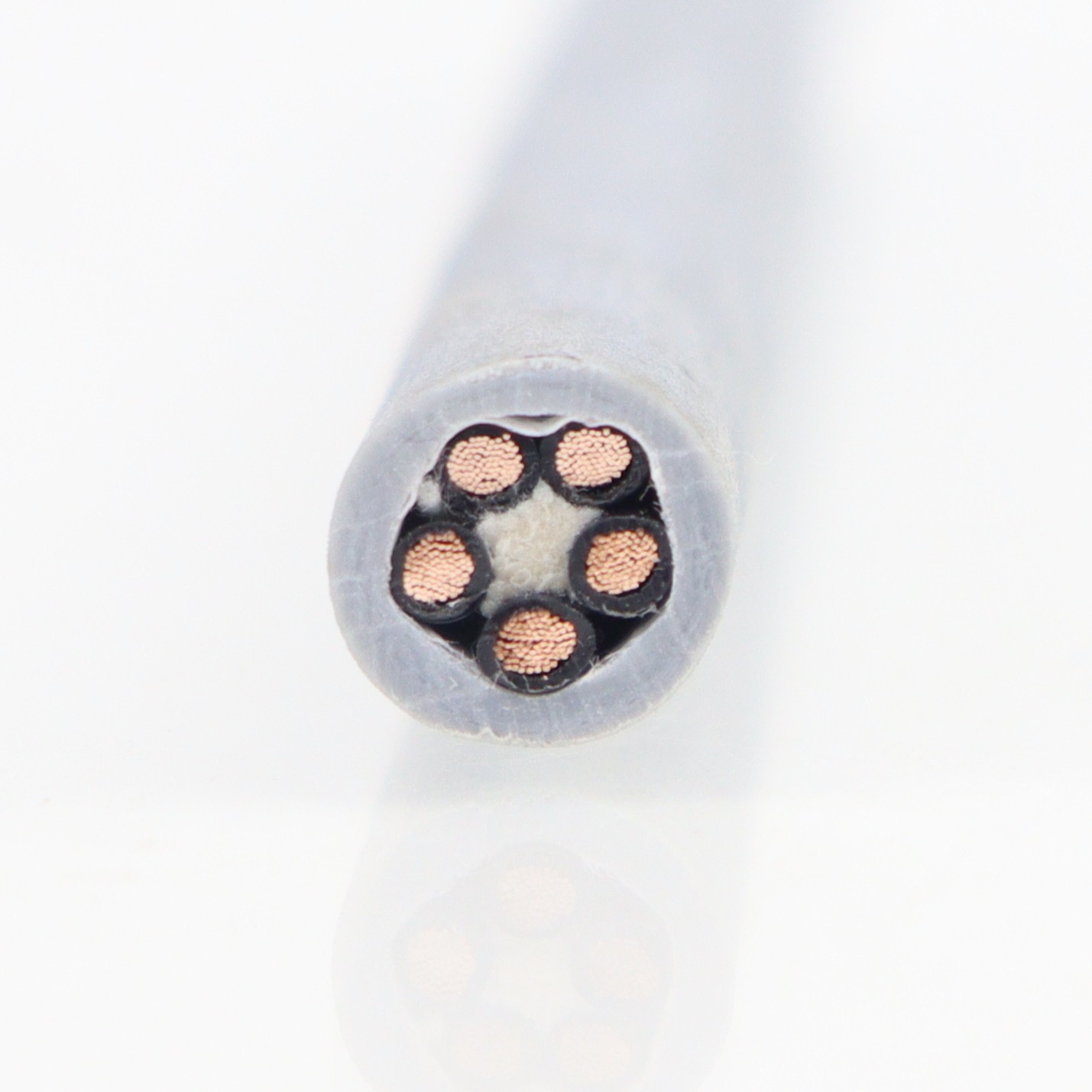
A 2.5 mm copper cable is an electrical wire designed to carry power safely and consistently in residential, commercial, and light industrial systems. The 2.5 mm copper cable uses copper conductors because copper moves electricity efficiently while remaining flexible enough for practical installation. Its cross-sectional area provides a useful balance between current capacity, manageable size, and reasonable material cost. In many standard installations, the 2.5 mm copper cable supplies lighting circuits, socket outlets, small appliances, control equipment, and other moderate-load devices. The 2.5 mm copper cable can be produced as a single-core, twin-core, or multi-core cable, depending on the circuit design and installation method. Insulation commonly uses PVC or a similar protective material to resist heat, moisture, abrasion, and contact with nearby surfaces. Some versions include an outer sheath for extra mechanical protection and easier handling. A 2.5 mm copper cable may also include an earth or grounding conductor when the system requires additional electrical safety. Key technological features include finely stranded copper for flexibility, solid copper for fixed wiring, color-coded insulation, and consistent conductor sizing. The 2.5 mm copper cable supports stable power transfer with limited energy loss when users select the correct length, voltage rating, installation method, and protective device. The 2.5 mm copper cable is not a universal solution for every load, so buyers should check local electrical rules, expected current, ambient temperature, and routing conditions. When correctly specified, a 2.5 mm copper cable offers dependable everyday performance, straightforward installation, and broad compatibility with common electrical systems. For renovations, new construction, machinery panels, and general wiring, the 2.5 mm copper cable gives customers a practical foundation for safe power distribution.
The main advantage of a 2.5 mm copper cable is dependable electrical performance. Copper carries current efficiently, which helps deliver steady power to connected equipment and reduces avoidable energy loss across a properly designed circuit. A 2.5 mm copper cable also offers useful flexibility. Stranded versions bend around corners and through conduits more easily, while solid versions provide a firm shape for fixed wall or panel wiring. This choice helps installers match the cable to the job instead of forcing one construction into every application. The 2.5 mm copper cable has a practical size for many everyday circuits. It can support common socket outlets, lighting groups, fans, pumps, small heating equipment, and appliances when the load remains within the cable rating. Its moderate diameter makes it easier to strip, terminate, route, and organize than larger power cables. The 2.5 mm copper cable also works with widely available terminals, switches, breakers, junction boxes, and conduit systems, reducing sourcing delays and simplifying replacement work. Good insulation adds value by protecting the conductor from moisture, heat, friction, and accidental contact. A 2.5 mm copper cable with a durable jacket can support cleaner installation in walls, ceilings, cabinets, and protected outdoor locations, subject to its approved rating. Buyers benefit from a product that combines performance with manageable installation cost. The 2.5 mm copper cable usually requires less physical space than higher-capacity alternatives, so it can help keep distribution boards and cable routes tidy. Copper conductors also accept secure connections when installers use suitable lugs, terminals, and tightening procedures. For maintenance teams, a 2.5 mm copper cable is easy to identify, measure, cut, and replace. However, customers should not choose by size alone. The 2.5 mm copper cable must match circuit length, load, insulation temperature, voltage, installation grouping, and local code requirements. Correct selection improves safety, reduces downtime, and protects the long-term value of the electrical system.

Latest News

Shanghai Libin Cable Showcases Robot and Automation Cable Solutions at CMES Shanghai Industrial Automation & Robotics Exhibition

16

Oct

Shanghai Libin Cable Showcases Robot and Automation Cable Solutions at CMES Shanghai Industrial Automation & Robotics Exhibition

View More
Shanghai Libin Cable Showcases Crane Cable Solutions at the 11th China (Changyuan) International Crane Equipment Expo

16

Oct

Shanghai Libin Cable Showcases Crane Cable Solutions at the 11th China (Changyuan) International Crane Equipment Expo

View More
Why Drag Chain Cables Fail: Four Common Causes and How to Select Correctly

16

Oct

Why Drag Chain Cables Fail: Four Common Causes and How to Select Correctly

View More
Industrial Robot Combination Cable: Routing Power and Signal Together in a Small-Bend-Radius Drag Chain

16

Oct

Industrial Robot Combination Cable: Routing Power and Signal Together in a Small-Bend-Radius Drag Chain

View More

Get a Free Quote

Our representative will contact you soon.
0/1000
Efficient Power Delivery for Everyday Circuits

Efficient Power Delivery for Everyday Circuits

The 2.5 mm copper cable delivers a strong balance between electrical efficiency and practical circuit capacity. Copper conductors transfer power with low resistance when the cable is correctly sized and installed, helping connected equipment receive stable voltage during normal operation. For homeowners, this means dependable service for outlets, lighting, fans, and selected appliances. For contractors, the 2.5 mm copper cable provides a familiar option that fits many standard wiring layouts without the bulk of a heavy-duty feeder. Its measured conductor area supports useful current handling while keeping the product easy to route through conduit, walls, cabinets, and trunking. The 2.5 mm copper cable can therefore reduce installation effort and make circuit planning more straightforward. Customers still need to confirm load, distance, temperature, and protection requirements before purchase. Used within its rating, the 2.5 mm copper cable helps create an efficient, stable, and cost-conscious power connection for everyday electrical work.
Flexible Construction and Simple Installation

Flexible Construction and Simple Installation

A major selling point of the 2.5 mm copper cable is its installation-friendly construction. Depending on the project, buyers can select a solid conductor for fixed runs or a stranded conductor for routes that require repeated bends and easier termination. This flexibility helps installers work efficiently around corners, through conduit, and inside crowded control panels. The 2.5 mm copper cable is also available with insulation colors that make circuit identification faster and reduce wiring mistakes. A clear outer jacket can add protection against rubbing, dust, and ordinary handling during construction or maintenance. Because the 2.5 mm copper cable suits common connectors, terminals, breakers, and junction accessories, teams can use familiar tools and methods rather than specialized equipment. The 2.5 mm copper cable is easier to cut, strip, label, and organize than many larger alternatives. These practical details save labor, support neat workmanship, and make future troubleshooting simpler for electricians and facility staff.
Reliable Protection and Broad Application Range

Reliable Protection and Broad Application Range

The 2.5 mm copper cable combines a conductive metal core with insulation designed to separate the live path from people, equipment, and surrounding materials. This construction supports safer operation when users follow approved installation practices and pair the cable with the correct circuit protection. The 2.5 mm copper cable can serve homes, offices, retail spaces, workshops, control cabinets, and selected light industrial equipment. Depending on its sheath and certification, it may also suit concealed wiring, surface routes, dry service areas, or protected outdoor positions. The 2.5 mm copper cable gives buyers useful application choice without requiring a separate product for every moderate electrical load. Its copper core supports consistent connections, while robust insulation helps resist normal heat, moisture, and abrasion. Before ordering, customers should verify voltage, current, environmental exposure, fire rating, and local standards. Choosing the correct 2.5 mm copper cable improves service reliability, limits maintenance interruptions, and supports a safer long-term installation.