Multi Core Copper Cable for Reliable Wiring

application/multi-core-copper-cable, application/multi-core-copper-cable, 
Inquiry
Inquiry

multi core copper cable

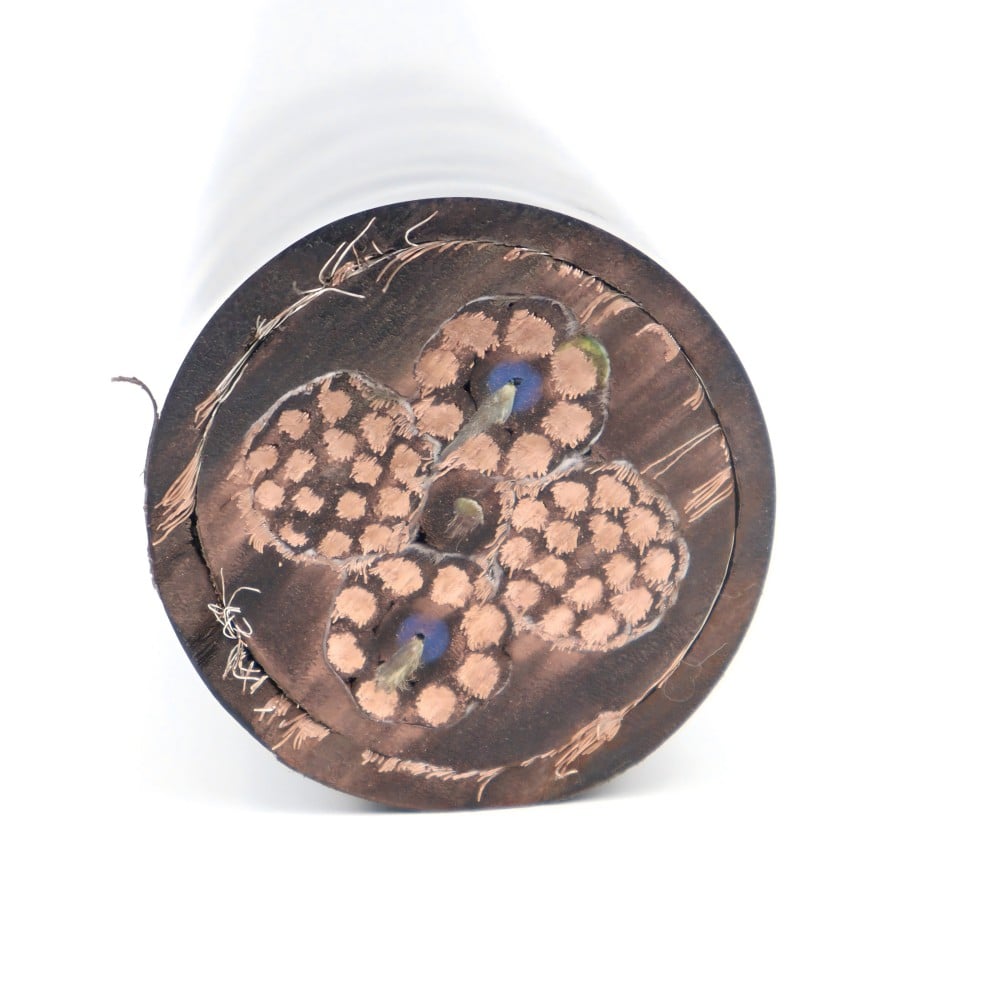
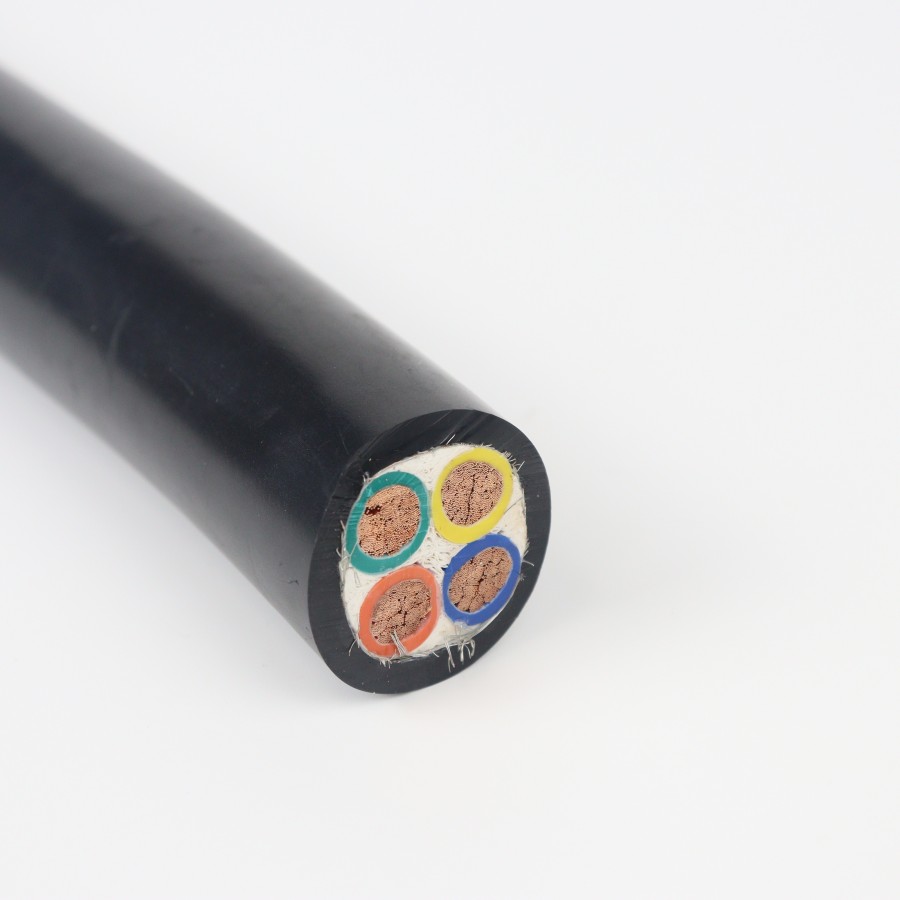
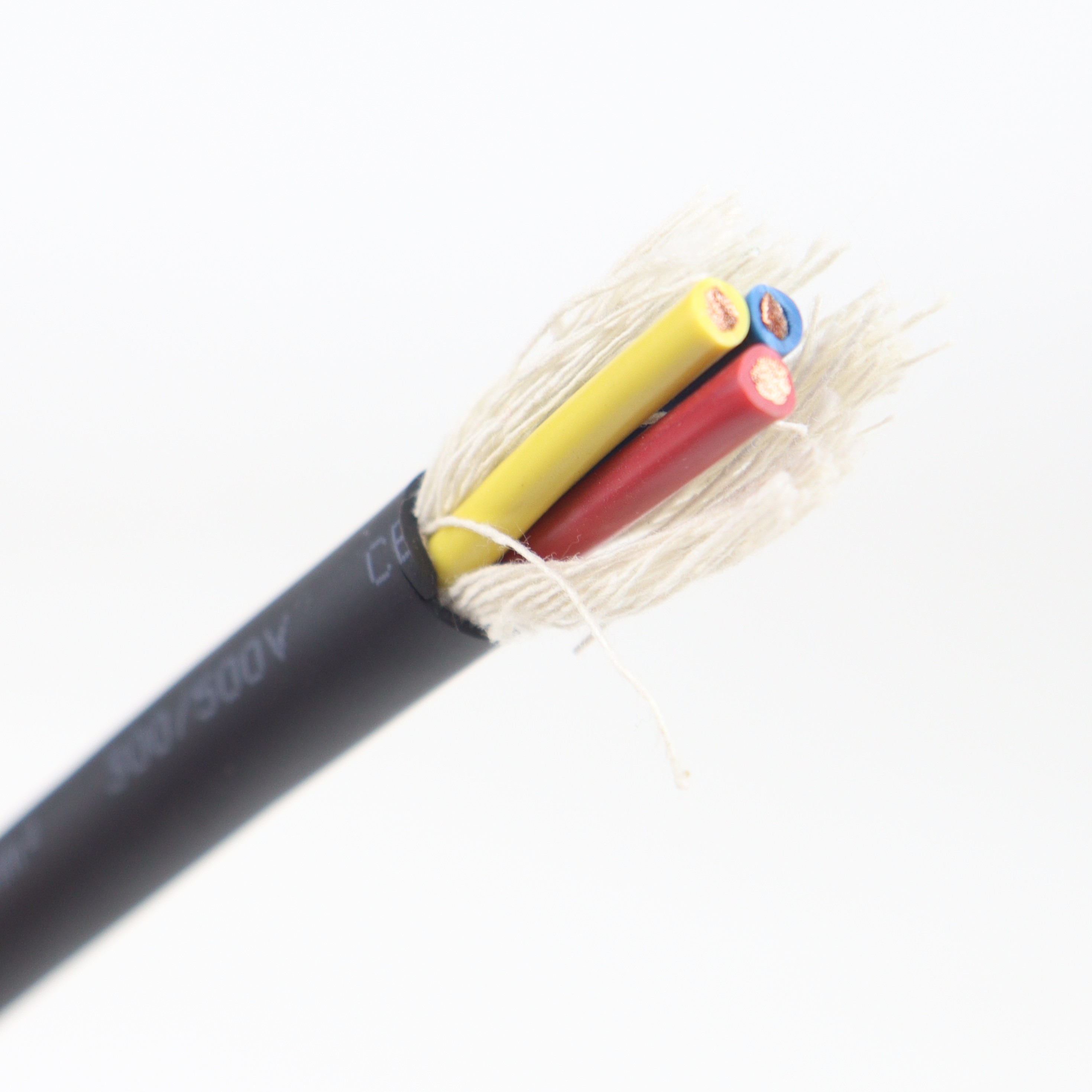
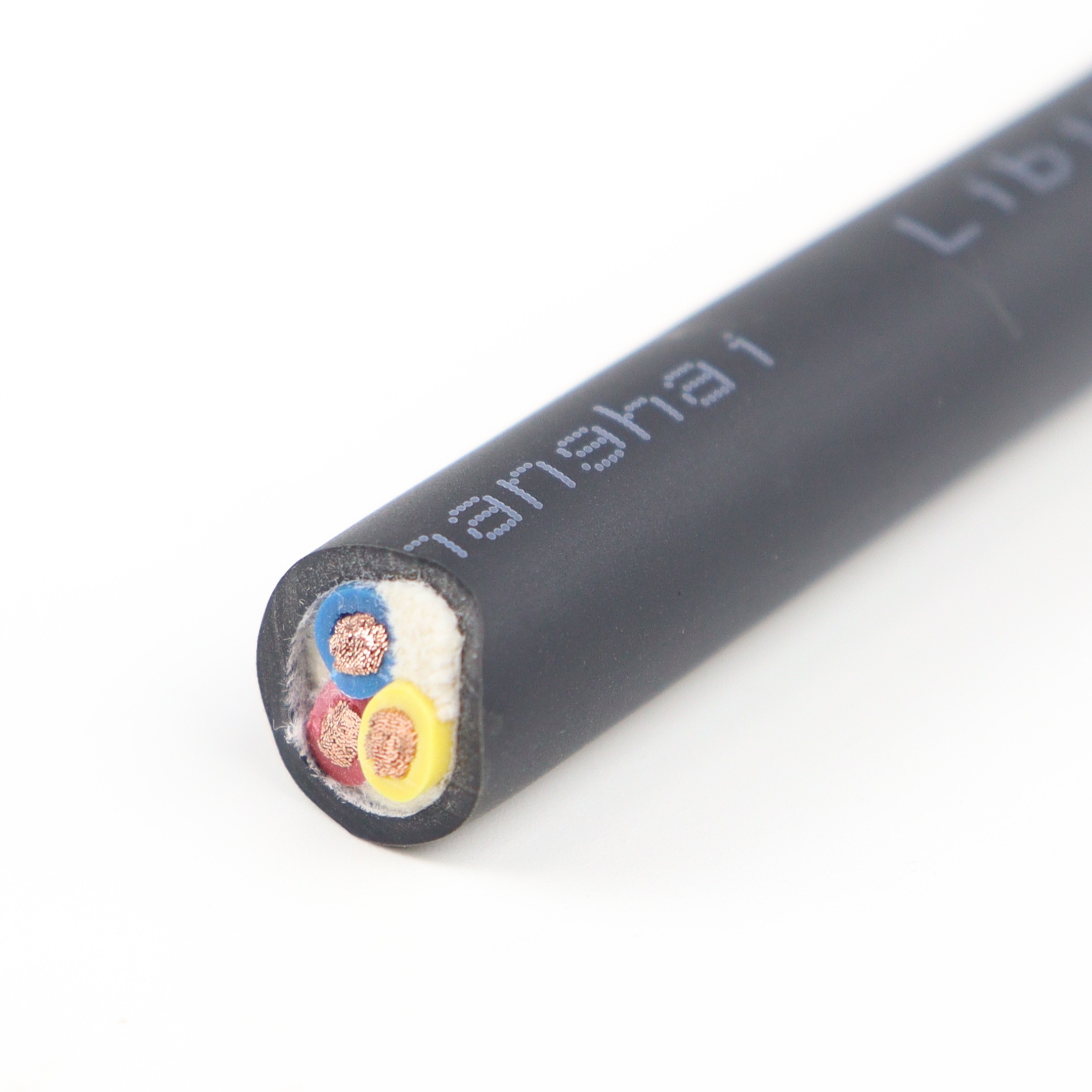
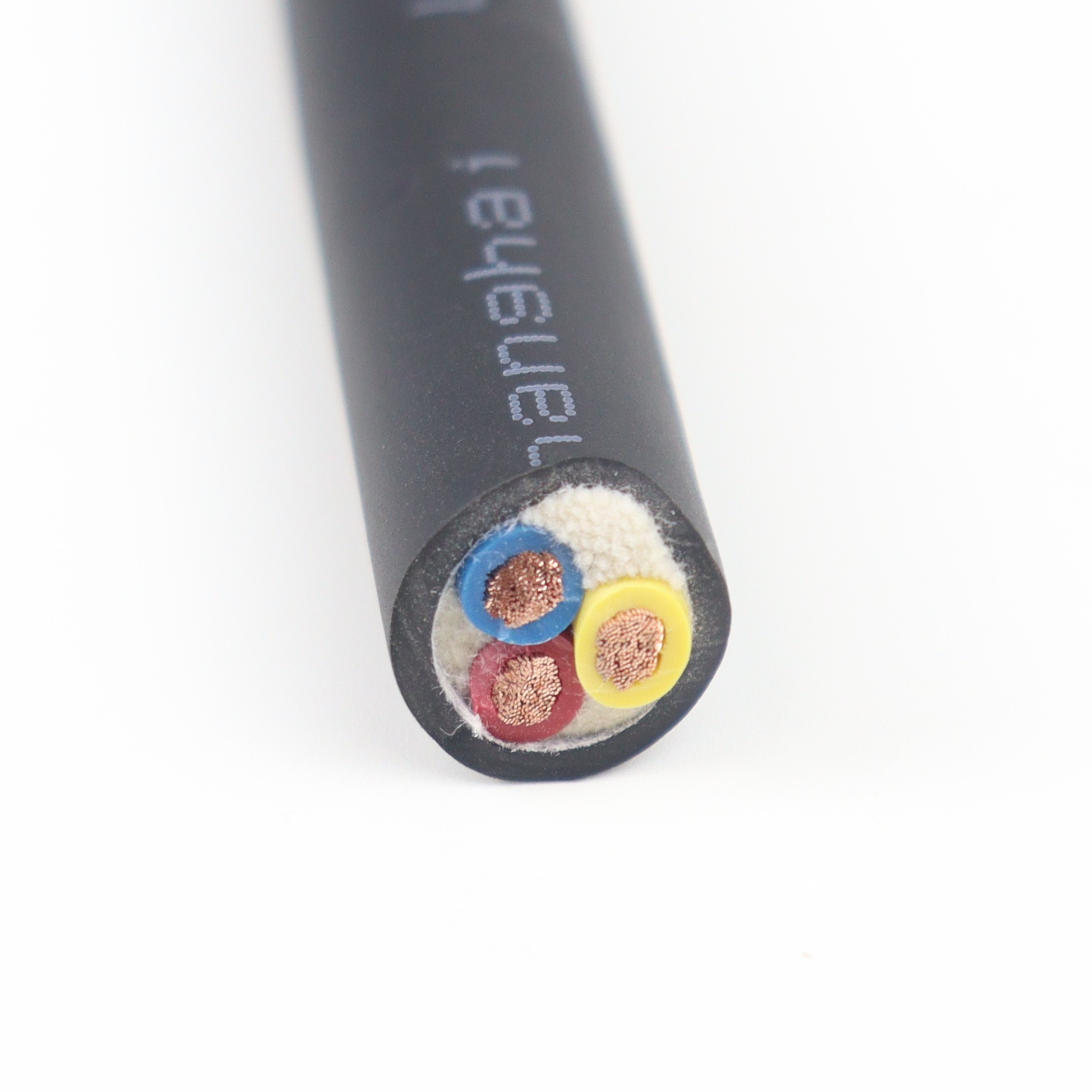
A multi core copper cable contains several individually insulated copper conductors inside one outer jacket. This construction lets one multi core copper cable carry power, control signals, data, or a combination of circuits through a single organized route. Each conductor has its own insulation, which helps prevent unwanted contact and supports safer, cleaner installation. The copper core provides strong electrical conductivity, helping equipment receive steady current with lower transmission loss. Depending on the design, a multi core copper cable may use stranded conductors for flexibility or solid conductors for fixed routing. Jacket materials can include PVC, PE, LSZH, or other compounds selected for indoor, outdoor, heat, moisture, oil, or flame conditions. Size, voltage rating, conductor count, shielding, and temperature range should match the project. A screened multi core copper cable can reduce interference near motors, drives, automation equipment, and communication systems. A flexible multi core copper cable suits moving machinery, control cabinets, robotics, and repeated bending. A fixed multi core copper cable works well in buildings, panels, machines, and permanent equipment links. Common versions include two, three, four, five, and higher conductor counts. The multi core copper cable simplifies wiring by combining related circuits, reducing cable clutter and making identification easier. It supports distribution boards, industrial controls, lighting, instrumentation, audio systems, security equipment, and low-voltage installations. Buyers should review conductor area, insulation class, jacket protection, bend radius, compliance markings, and required length before purchase. Selecting the right multi core copper cable improves connection reliability, installation speed, service access, and long-term system performance.
The main advantage of a multi core copper cable is simpler installation. Instead of routing several separate wires, an installer can use one multi core copper cable to connect related circuits. This saves space in trays, conduits, cabinets, and equipment channels. It also gives the finished installation a neater appearance and makes future inspection easier. Copper carries electricity efficiently, so the right multi core copper cable can support dependable power delivery and stable signals over the planned distance. Correct conductor sizing helps limit voltage drop and reduces unnecessary heat. Multiple cores also allow one cable to handle power, return, control, alarm, or feedback lines together, which can reduce material use and labor time. A flexible multi core copper cable bends more easily around corners and moving assemblies, making it practical for machines, production lines, and compact panels. A shielded multi core copper cable can help protect sensitive signals from electrical noise, improving control response and measurement consistency. Strong insulation and a suitable jacket help the multi core copper cable resist abrasion, moisture, sunlight, chemicals, or heat when the design calls for those protections. Buyers can choose different core counts and conductor sizes instead of overbuying a large bundle. This gives better control over project cost and available installation space. The product also supports clearer circuit identification, because each core can carry a planned function and use a distinct color or marking. For maintenance teams, a multi core copper cable can shorten troubleshooting time by reducing scattered connections and simplifying terminal checks. It suits both new construction and replacement work, including control panels, lighting systems, pumps, HVAC units, security systems, and industrial automation. Before ordering, compare voltage, current, environment, flexibility, shielding, fire performance, and certification needs. A well-matched multi core copper cable delivers practical value through faster work, dependable operation, cleaner routing, and easier maintenance.

Tips And Tricks

Shanghai Libin Cable Showcases Robot and Automation Cable Solutions at CMES Shanghai Industrial Automation & Robotics Exhibition

16

Oct

Shanghai Libin Cable Showcases Robot and Automation Cable Solutions at CMES Shanghai Industrial Automation & Robotics Exhibition

View More
Shanghai Libin Cable Showcases Crane Cable Solutions at the 11th China (Changyuan) International Crane Equipment Expo

16

Oct

Shanghai Libin Cable Showcases Crane Cable Solutions at the 11th China (Changyuan) International Crane Equipment Expo

View More
Why Drag Chain Cables Fail: Four Common Causes and How to Select Correctly

16

Oct

Why Drag Chain Cables Fail: Four Common Causes and How to Select Correctly

View More
Industrial Robot Combination Cable: Routing Power and Signal Together in a Small-Bend-Radius Drag Chain

16

Oct

Industrial Robot Combination Cable: Routing Power and Signal Together in a Small-Bend-Radius Drag Chain

View More

Get a Free Quote

Our representative will contact you soon.
0/1000
Organized Wiring in One Practical Assembly

Organized Wiring in One Practical Assembly

A multi core copper cable brings several conductors together under one protective jacket, creating a cleaner alternative to a group of loose wires. This design helps installers route related circuits through a single path while keeping each electrical function separate inside the cable. In a control panel, one multi core copper cable can connect power, feedback, alarms, and control points between terminal blocks and equipment. The result is less clutter, easier labeling, and more efficient use of conduit or cable tray space. Buyers also gain a simpler bill of materials because one prepared assembly can replace several individual runs. During service work, technicians can follow one route and test clearly identified cores rather than search through scattered wiring. This organized format reduces the chance of crossed connections during installation. For builders, machine makers, and maintenance teams, the multi core copper cable supports a professional finish and helps keep future expansion or repair work manageable.
Reliable Conductivity With Flexible Options

Reliable Conductivity With Flexible Options

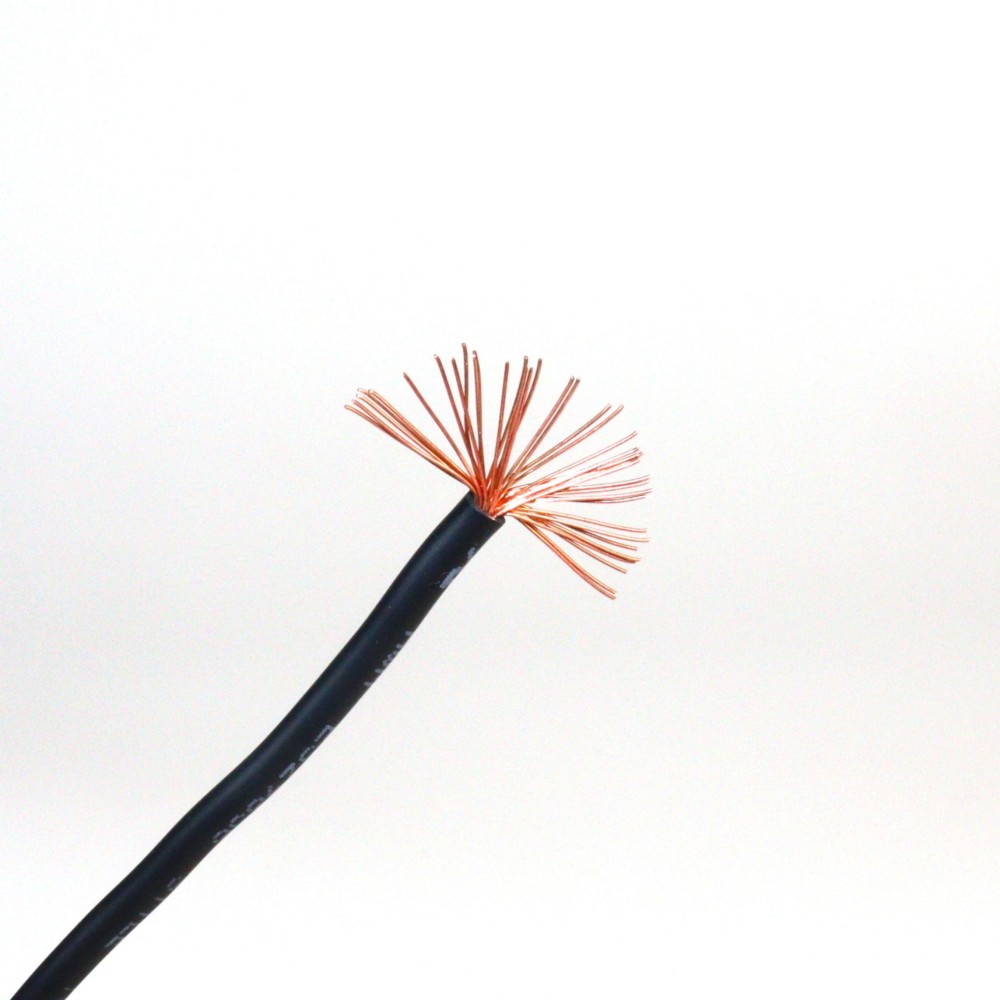
Copper conductors give a multi core copper cable strong electrical performance and dependable signal transfer when the size matches the load and distance. Copper helps reduce resistance, support steady equipment operation, and limit energy lost as heat. Customers can select solid or stranded construction according to the installation. Solid cores suit stable, fixed routes, while stranded cores offer easier handling and better movement tolerance. A flexible multi core copper cable can follow bends inside machines, control cabinets, and equipment chains without the handling difficulty of many separate wires. Different conductor areas also let buyers match the product to current demand instead of paying for an unnecessarily large cable. Insulation around every core keeps circuits separated and supports safer routing. For automation, instrumentation, lighting, and power control, the multi core copper cable provides a practical balance of conductivity, handling, and installation efficiency. Choosing the correct rating helps protect both the cable and connected equipment.
Protection for Demanding Operating Conditions

Protection for Demanding Operating Conditions

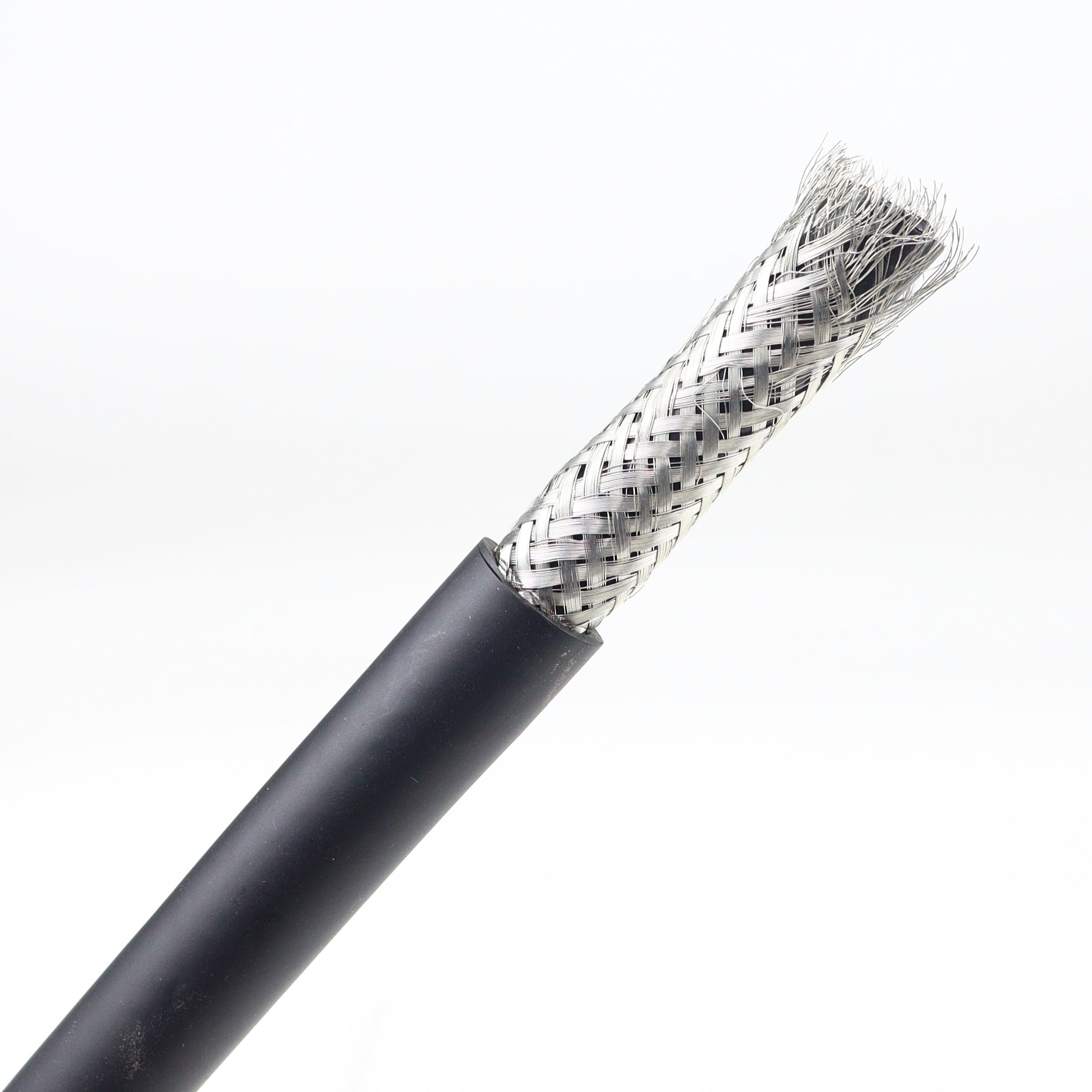
A multi core copper cable can be specified with jacket and insulation materials suited to the installation environment. PVC versions often provide economical protection for common indoor wiring, while low smoke and zero halogen designs may suit occupied buildings where smoke control matters. Outdoor or industrial projects can require resistance to moisture, sunlight, oil, abrasion, or temperature changes. A shielded multi core copper cable adds a conductive layer that helps reduce electrical interference around motors, variable speed drives, sensors, and communication equipment. This protection can improve signal stability and reduce nuisance faults. Customers should also consider bend radius, movement frequency, voltage rating, flame behavior, and certification requirements before selecting a product. Matching the cable construction to actual site conditions helps prevent early jacket damage, signal problems, and costly replacement. With the right specification, the multi core copper cable remains a dependable connection for machinery, building services, security systems, and process equipment.