Flexible Copper Cable for Reliable Wiring

application/flexible-copper-cable, application/flexible-copper-cable, 
Inquiry
Inquiry

flexible copper cable

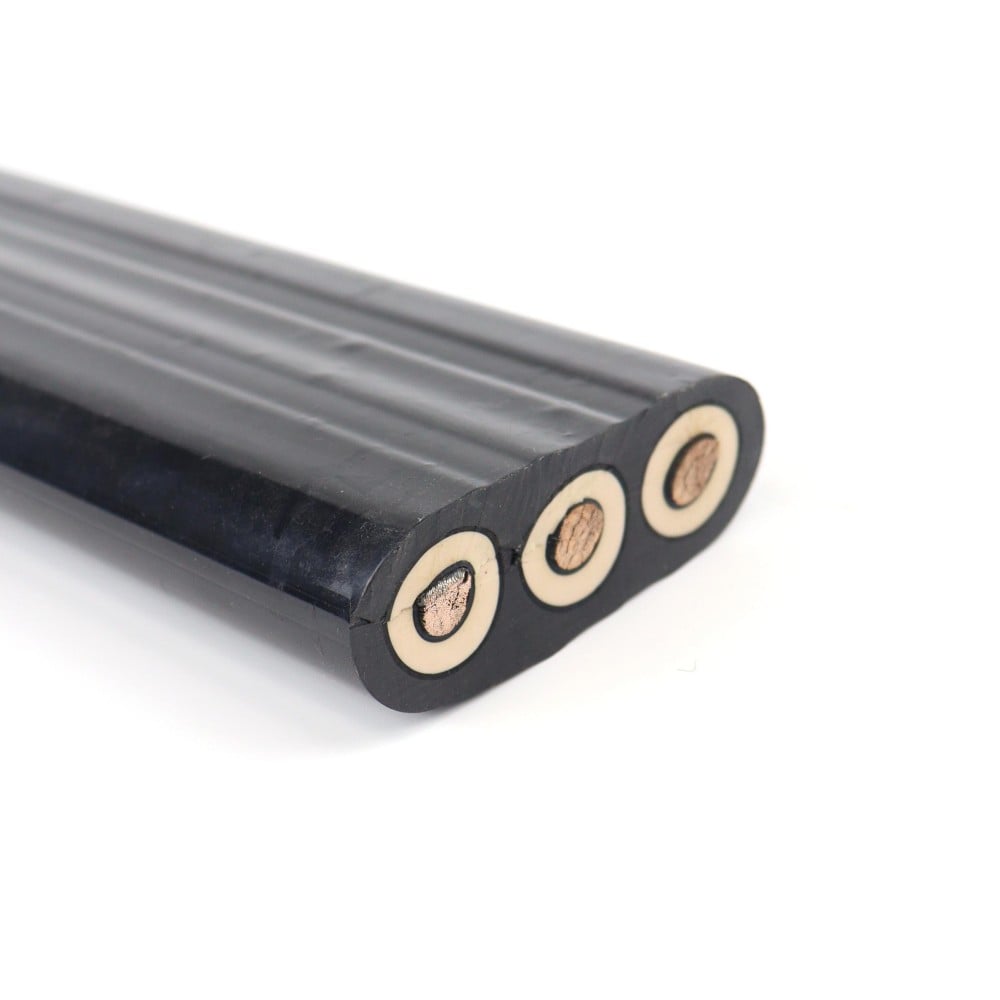
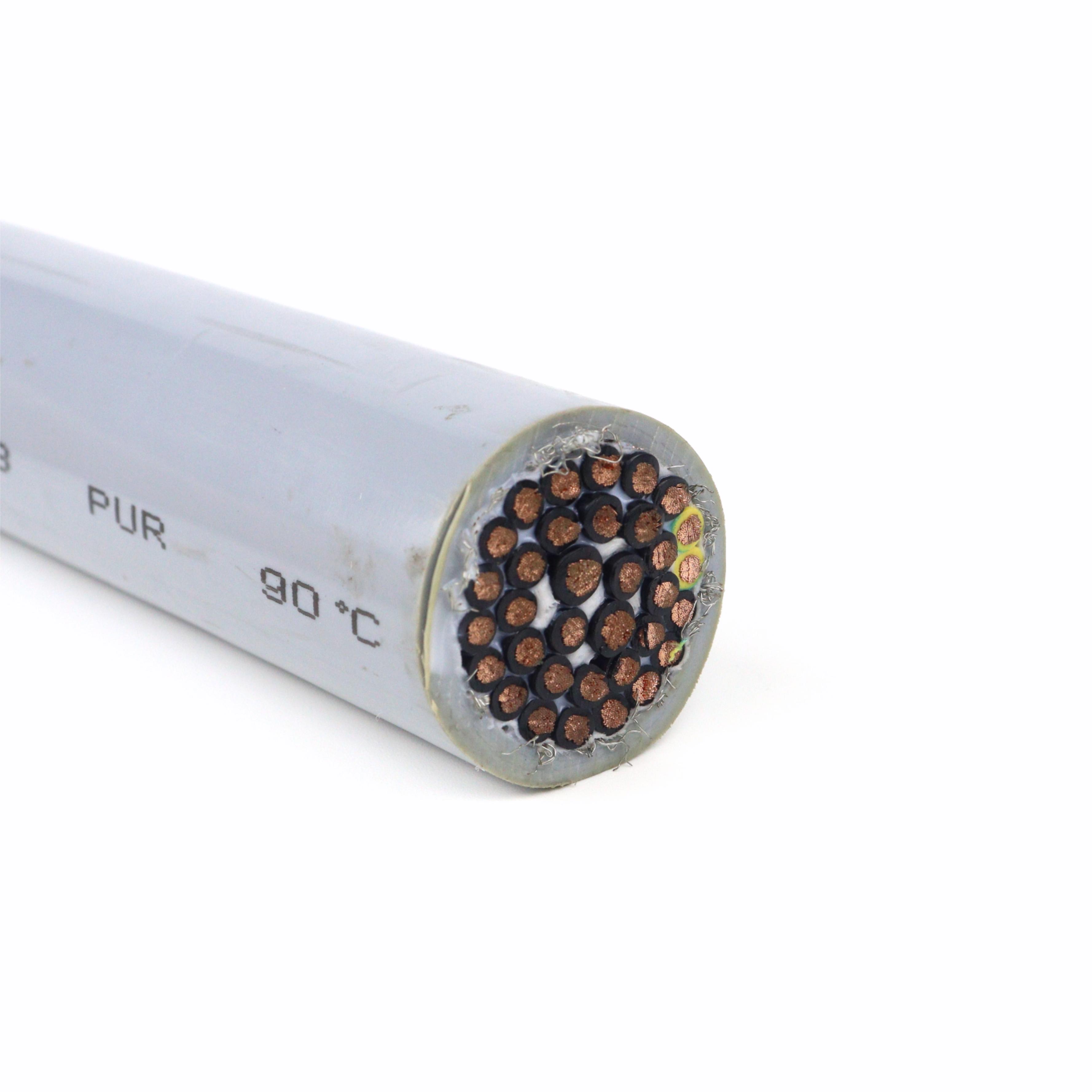
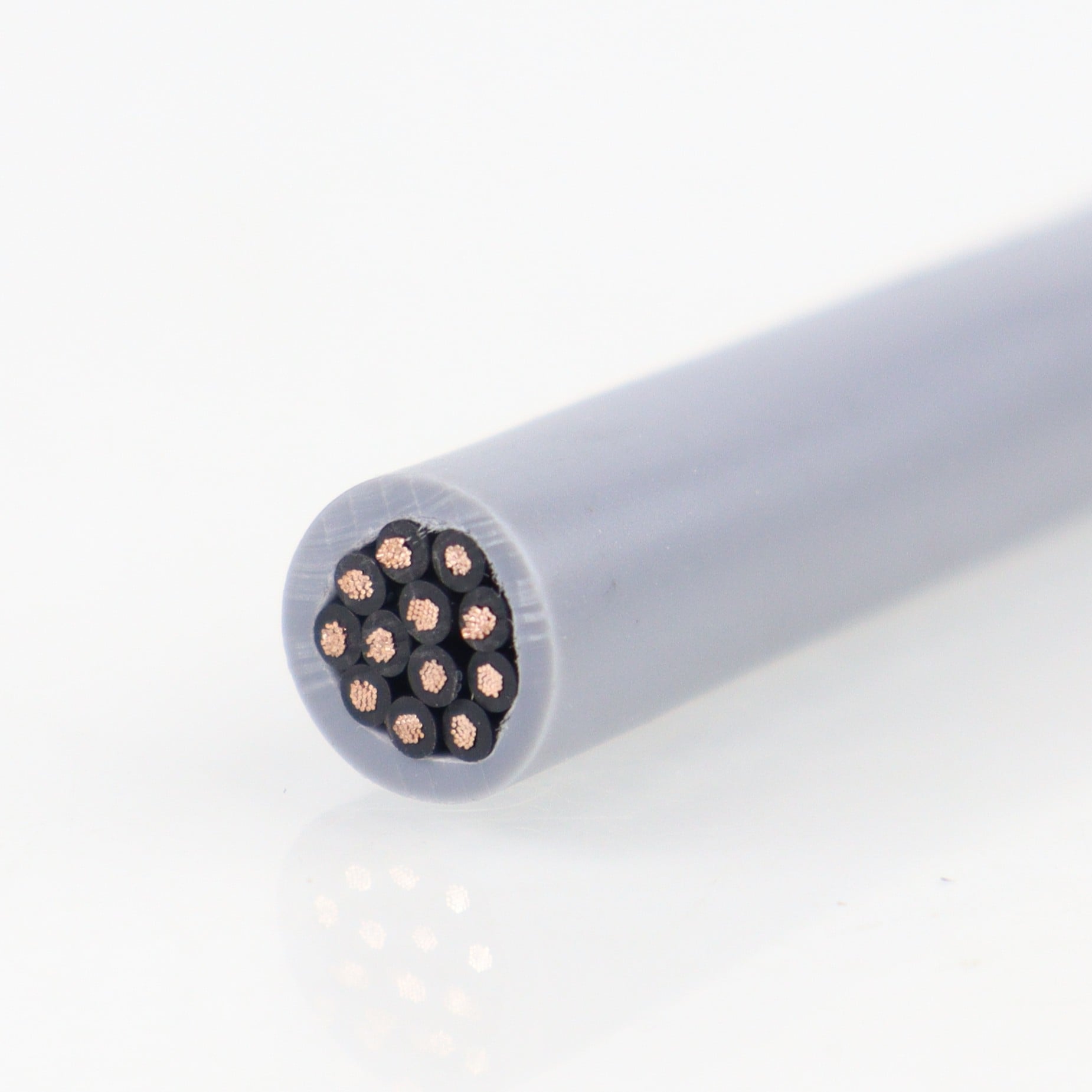
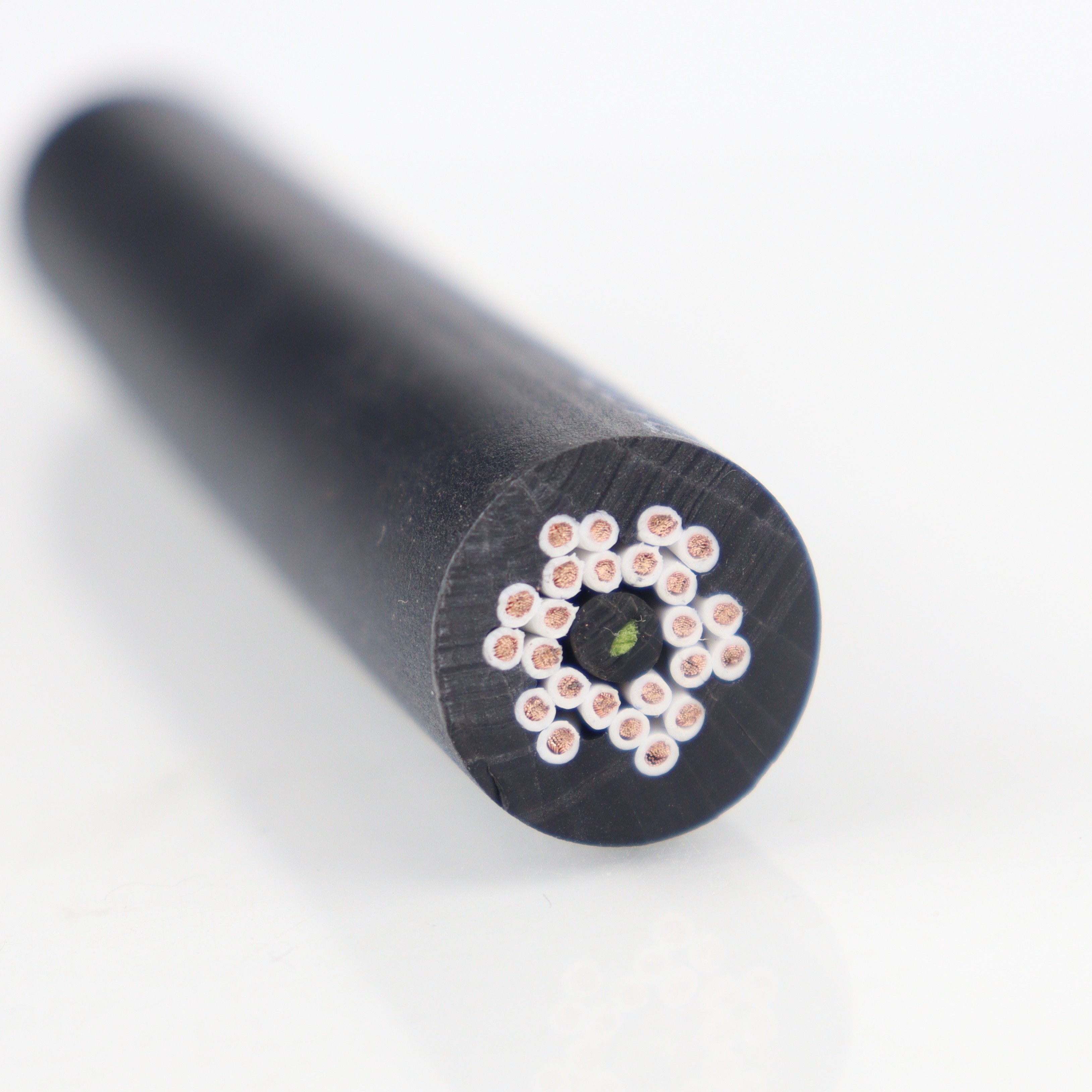
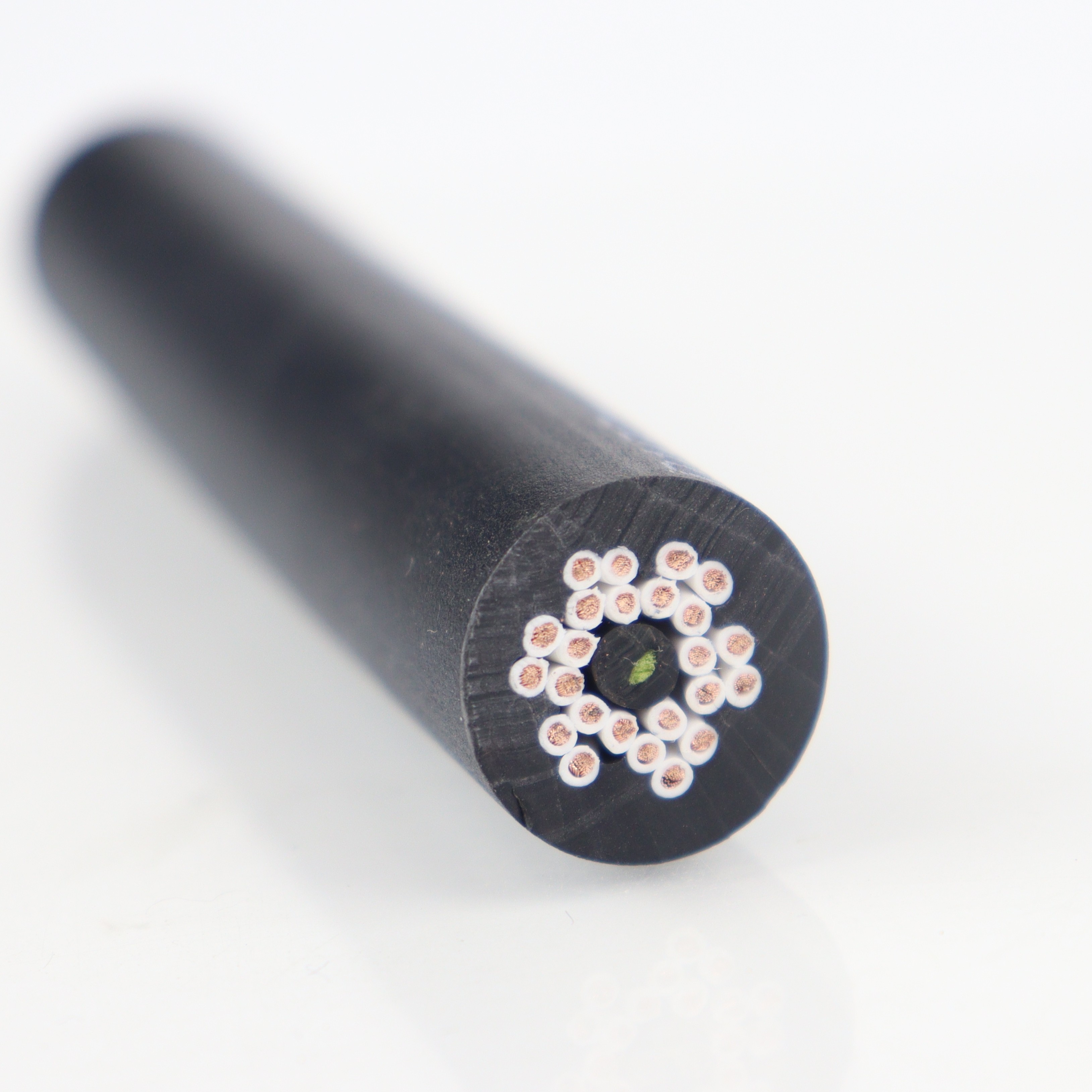
A flexible copper cable is an electrical conductor designed to carry power or signals while bending, twisting, and moving without breaking. It uses copper strands rather than one solid core, giving the flexible copper cable the movement needed for equipment, control panels, machines, vehicles, and portable devices. Depending on the design, the cable may include insulation, shielding, a protective jacket, or several separately insulated cores. The flexible copper cable can support low-voltage control circuits, building power, industrial equipment, battery systems, and data-related connections. Its main function is to provide a dependable path for electrical current while allowing practical installation and repeated movement. Copper offers strong electrical conductivity, so the flexible copper cable can carry current efficiently with limited energy loss. Fine stranding improves bend performance, while insulation helps prevent short circuits, electric shock, moisture damage, and contact with nearby parts. Many products use PVC, rubber, TPE, or other jacket materials to match indoor, outdoor, oil-exposed, heat-affected, or vibration-heavy environments. A flexible copper cable may also include color coding, printed markings, and flame-resistant materials for easier identification and safer installation. Cable size, voltage rating, temperature range, strand construction, bend radius, and jacket type determine the correct choice. The flexible copper cable works well where fixed wiring cannot handle movement or where installers need to route conductors around tight spaces. It can be cut, terminated, and connected with common lugs, plugs, terminals, or cable glands. For buyers, the flexible copper cable combines electrical performance, installation convenience, and long service potential in one adaptable product.
Choosing a flexible copper cable can make installation faster, safer, and more dependable. Its stranded construction bends around corners and through narrow routes, reducing the effort needed to position conductors. A flexible copper cable also helps installers avoid sharp kinks that can damage insulation or shorten service life. This matters in control cabinets, production lines, lighting systems, robots, test equipment, and mobile machinery. Copper carries current efficiently, which can support stable operation and help limit unnecessary heat and power loss when the size is correctly selected. The flexible copper cable is available in many conductor sizes, core counts, jacket materials, and voltage ratings, so buyers can match the product to the load and working environment instead of overbuying. Repeated movement is another important benefit. A flexible copper cable can tolerate regular bending in doors, drag chains, lifting systems, and portable tools when its design and bend radius suit the application. This can reduce premature failures, service interruptions, and replacement labor. Clear markings and color options make a flexible copper cable easier to identify, terminate, inspect, and maintain. Protective jackets can improve resistance to abrasion, moisture, oils, chemicals, heat, and flame, although customers should confirm the rating before purchase. The flexible copper cable also supports practical repairs because standard connectors, lugs, glands, and terminals are widely available. For project managers, this simplifies sourcing and installation planning. For operators, the flexible copper cable can improve equipment uptime and movement reliability. Buyers should compare current capacity, insulation rating, ambient temperature, bend frequency, exposure conditions, and required length. Selecting a flexible copper cable with the right specifications delivers better value than choosing only by price, while suitable construction helps protect people, equipment, and production schedules.

Latest News

Shanghai Libin Cable Showcases Robot and Automation Cable Solutions at CMES Shanghai Industrial Automation & Robotics Exhibition

16

Oct

Shanghai Libin Cable Showcases Robot and Automation Cable Solutions at CMES Shanghai Industrial Automation & Robotics Exhibition

View More
Shanghai Libin Cable Showcases Crane Cable Solutions at the 11th China (Changyuan) International Crane Equipment Expo

16

Oct

Shanghai Libin Cable Showcases Crane Cable Solutions at the 11th China (Changyuan) International Crane Equipment Expo

View More
Why Drag Chain Cables Fail: Four Common Causes and How to Select Correctly

16

Oct

Why Drag Chain Cables Fail: Four Common Causes and How to Select Correctly

View More
Industrial Robot Combination Cable: Routing Power and Signal Together in a Small-Bend-Radius Drag Chain

16

Oct

Industrial Robot Combination Cable: Routing Power and Signal Together in a Small-Bend-Radius Drag Chain

View More

Get a Free Quote

Our representative will contact you soon.
0/1000
Reliable Current Flow in a Moveable Design

Reliable Current Flow in a Moveable Design

A key strength of a flexible copper cable is its balance between electrical performance and physical movement. Fine copper strands create many small paths for current and allow the conductor to bend more easily than a solid wire. This makes the flexible copper cable useful in equipment that opens, closes, slides, rotates, or moves during normal operation. Efficient conductivity can help maintain steady power delivery and reduce avoidable heat when customers choose the correct conductor size. The flexible copper cable also accepts common terminals and connectors, helping installers complete work with familiar tools and methods. For machinery builders, this combination can simplify routing and reduce stress at connection points. For maintenance teams, the flexible copper cable offers a practical replacement option that is easy to cut, strip, label, and terminate. The result is a dependable connection that supports both installation speed and long-term operating confidence.
Protection Matched to Real Working Conditions

Protection Matched to Real Working Conditions

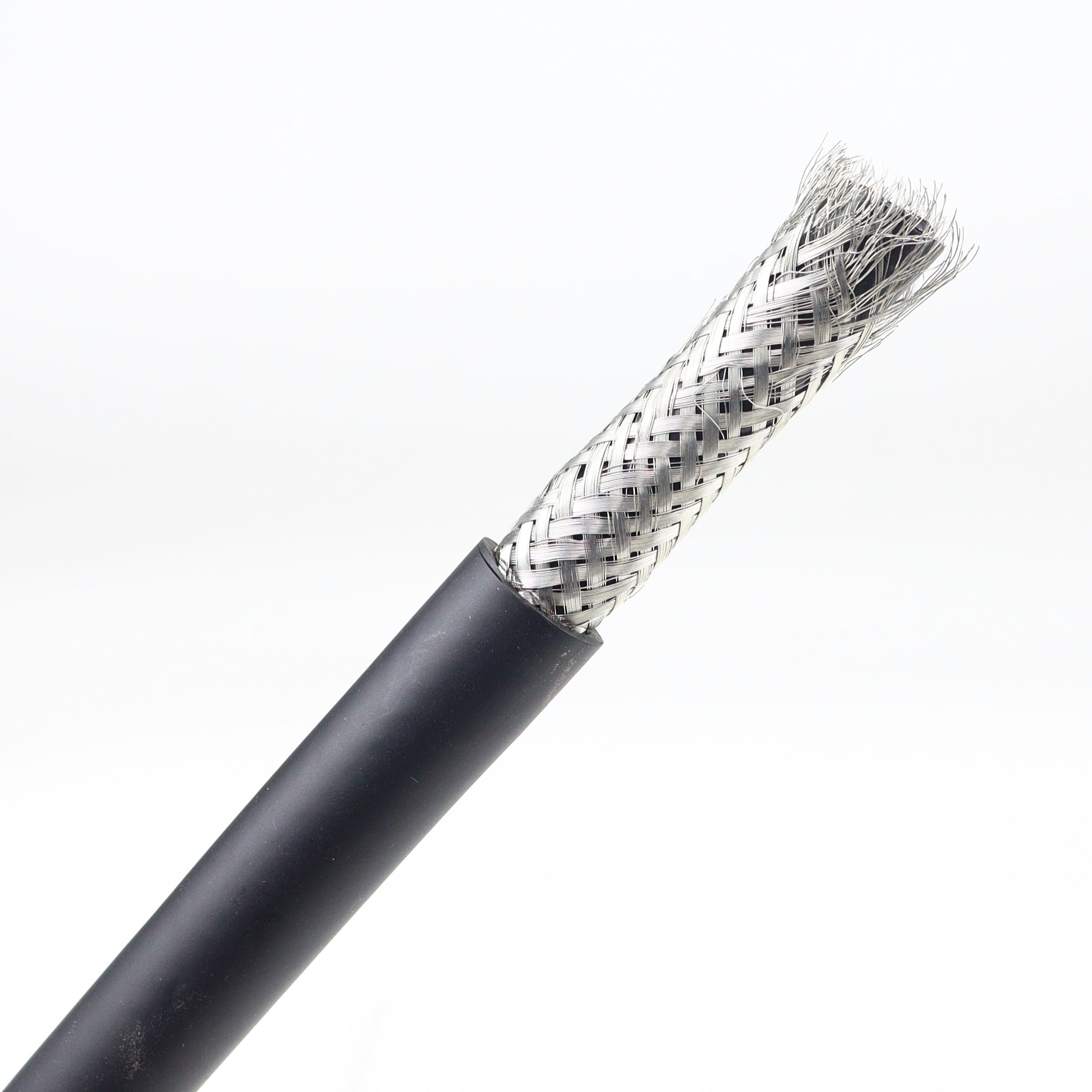
A flexible copper cable can be built with insulation and jackets selected for the environment in which it will operate. PVC may suit general indoor wiring, while rubber or specialized thermoplastic materials can provide better performance where vibration, abrasion, oils, moisture, or temperature changes occur. The flexible copper cable therefore gives buyers a way to match protection to actual site conditions instead of relying on a single general-purpose design. Shielded versions can help reduce electrical interference in sensitive control or signal applications. Flame-resistant options can support safer installations when required by the project specification. A flexible copper cable with clear printing also makes size, voltage, core arrangement, and compliance information easier to check during installation and service. Customers should review the manufacturer rating for temperature, chemicals, water exposure, and movement. Selecting a flexible copper cable for the surrounding conditions can reduce insulation damage, troubleshooting time, and unexpected replacement costs.
Practical Choice for Industrial and Everyday Uses

Practical Choice for Industrial and Everyday Uses

The flexible copper cable suits a broad range of jobs, from portable power tools and appliances to factory automation, control cabinets, battery connections, lighting, transport equipment, and renewable energy systems. Its adaptable form lets the flexible copper cable follow equipment layouts without forcing rigid routes or large access openings. In moving systems, the flexible copper cable can support repeated travel when users respect the stated bend radius, motion cycle, and installation method. In fixed installations, it can make final routing and termination easier where space is limited. This broad suitability helps distributors and contractors stock a useful product family in different sizes and core configurations. A flexible copper cable can also simplify future maintenance because technicians can identify conductors and replace sections with widely available accessories. For buyers, the flexible copper cable provides a practical blend of performance, accessibility, and installation freedom. Correct selection remains essential, but the product gives projects more routing options and dependable everyday service.