Heavy Duty Copper Cable | Power Solutions

application/heavy-duty-copper-cable, application/heavy-duty-copper-cable, 
Inquiry
Inquiry

heavy duty copper cable

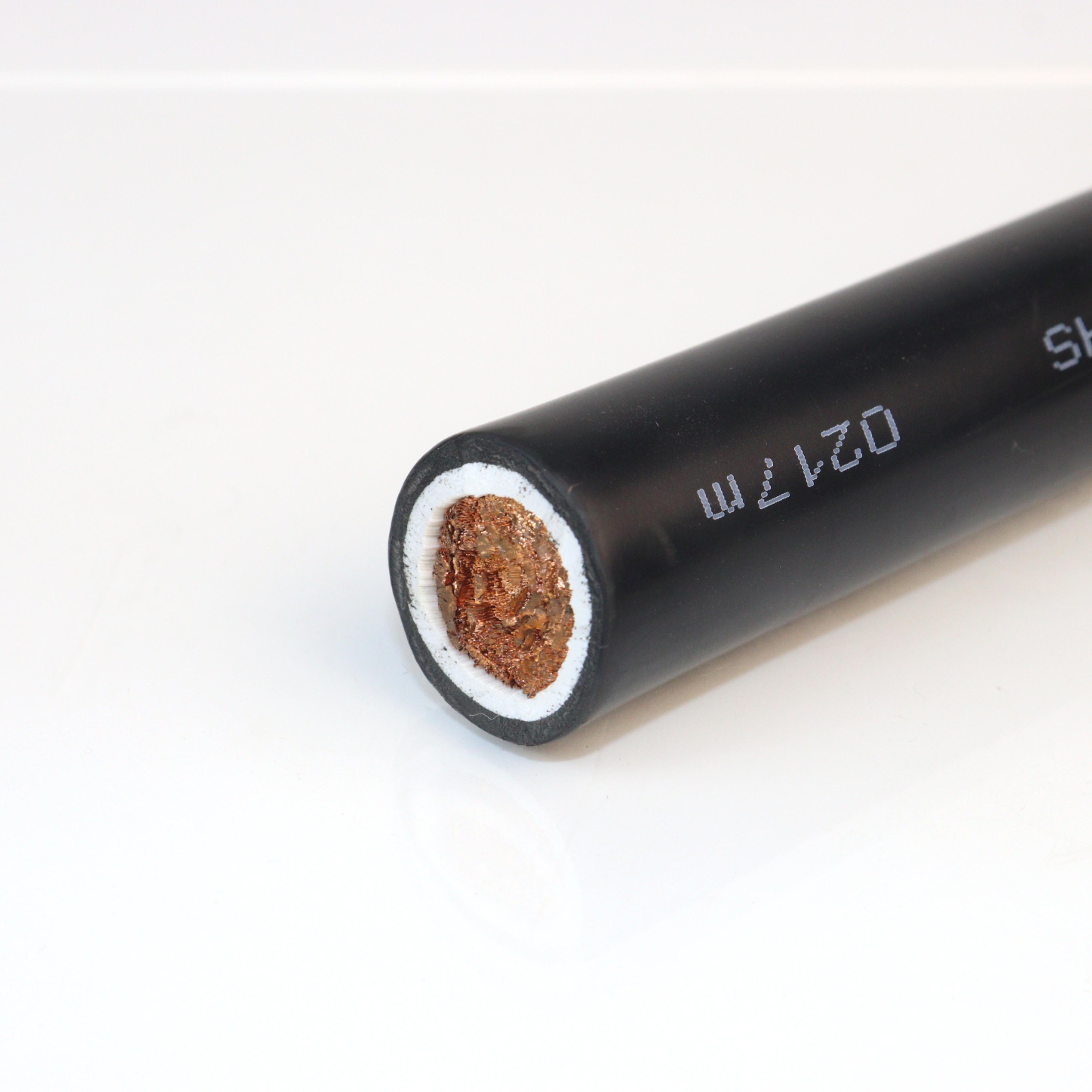
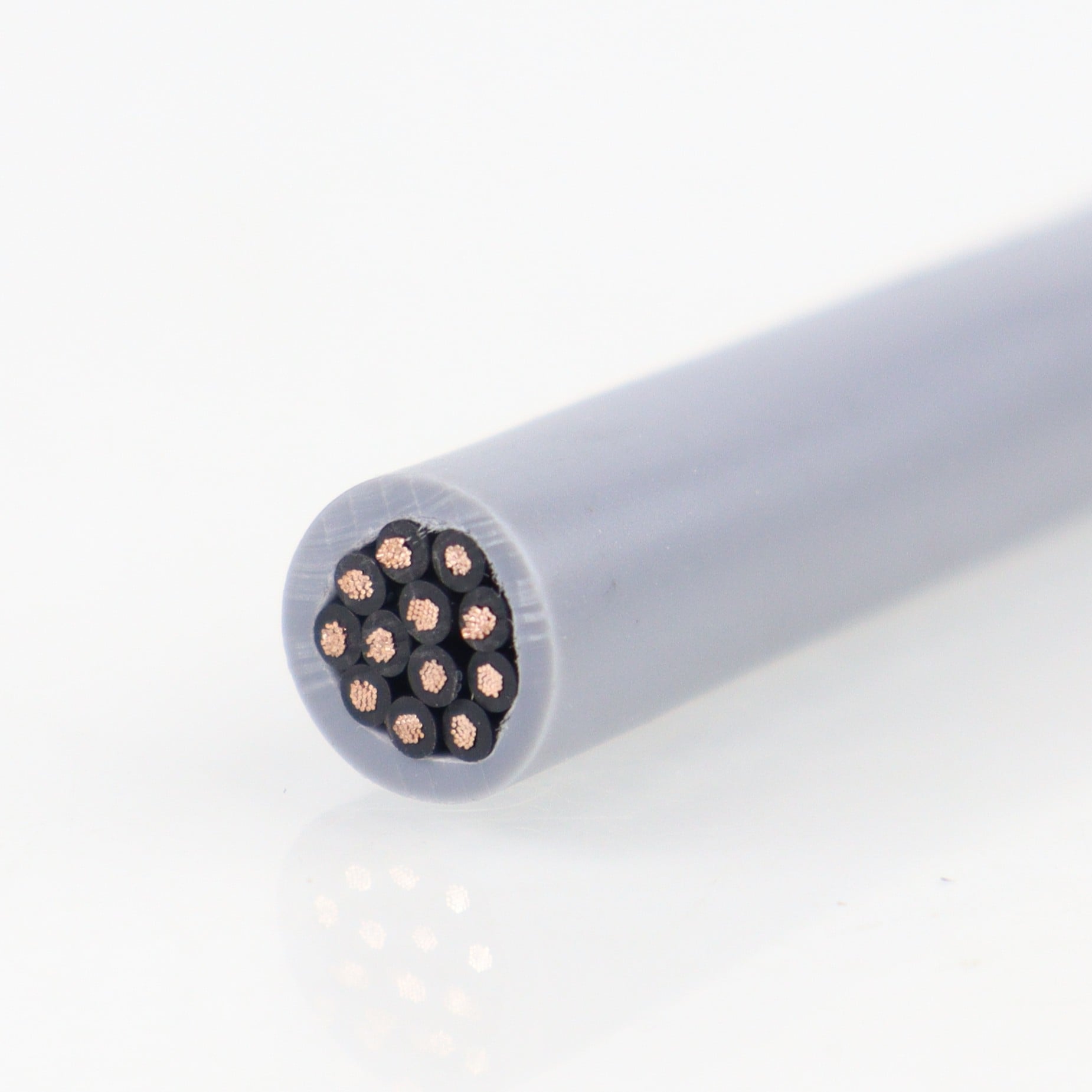
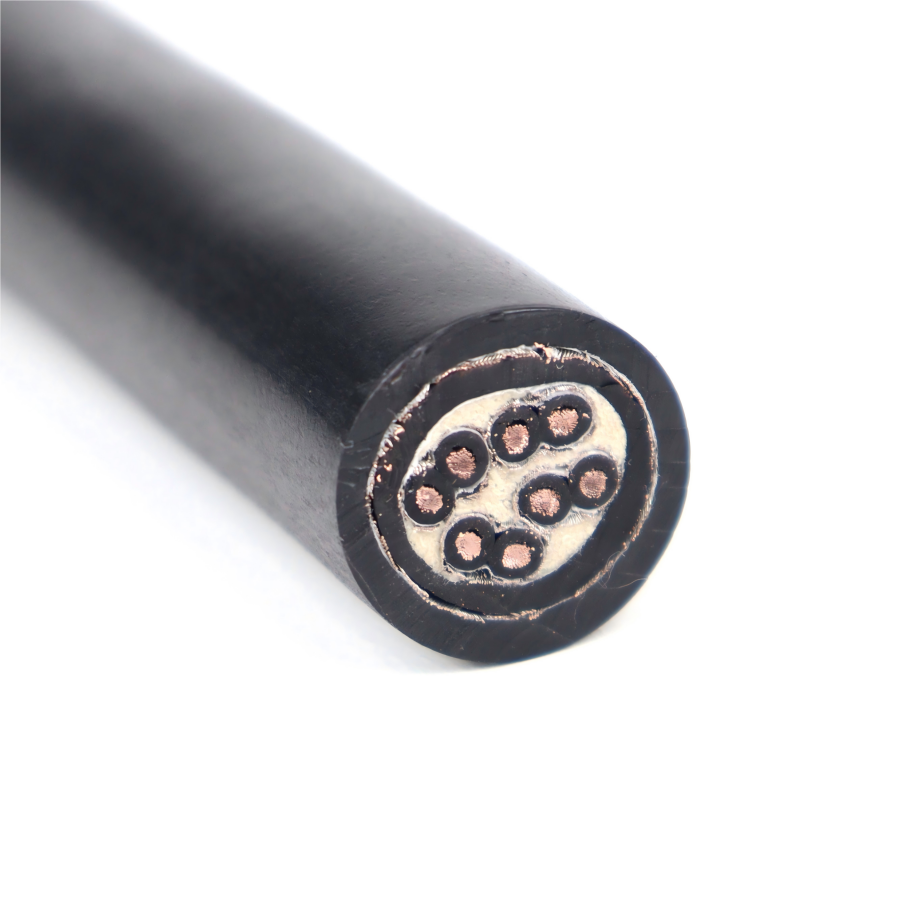
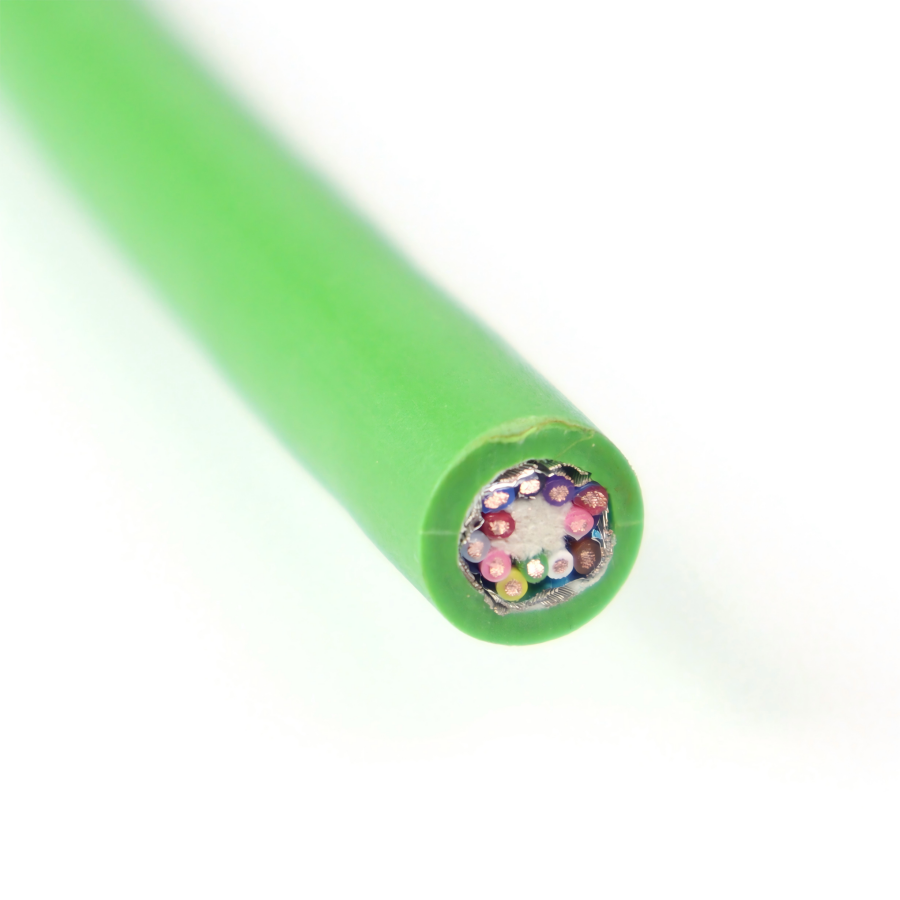
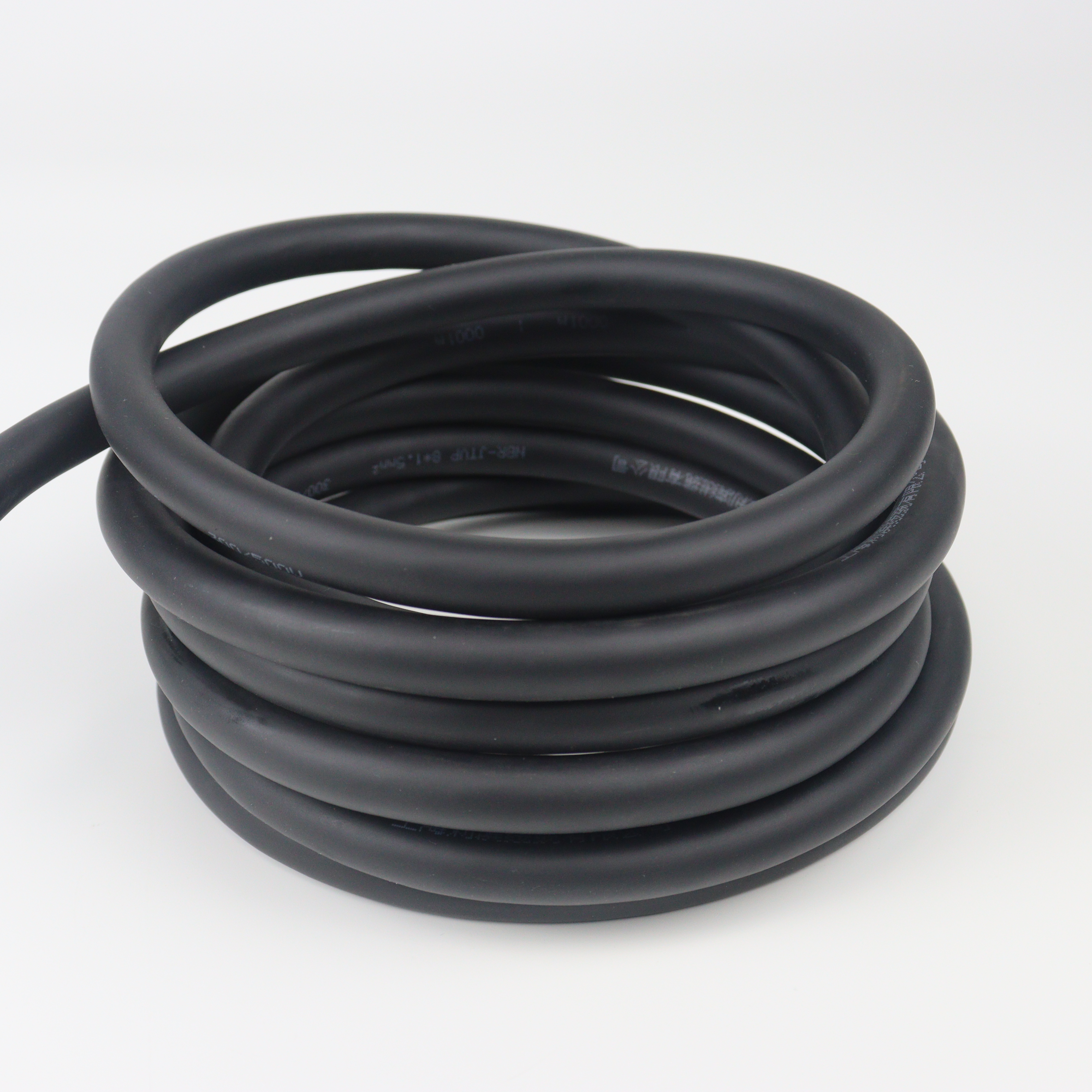
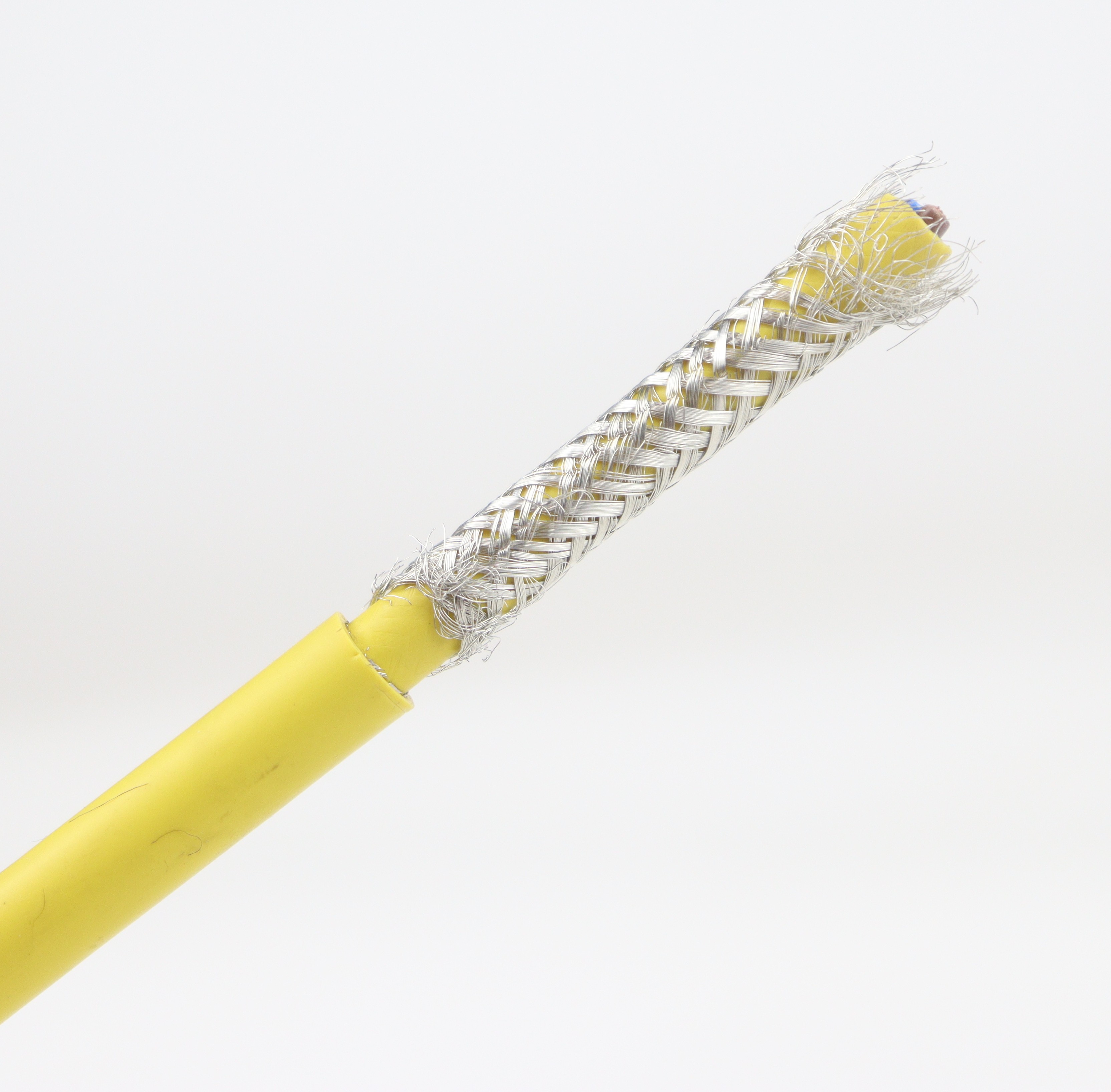
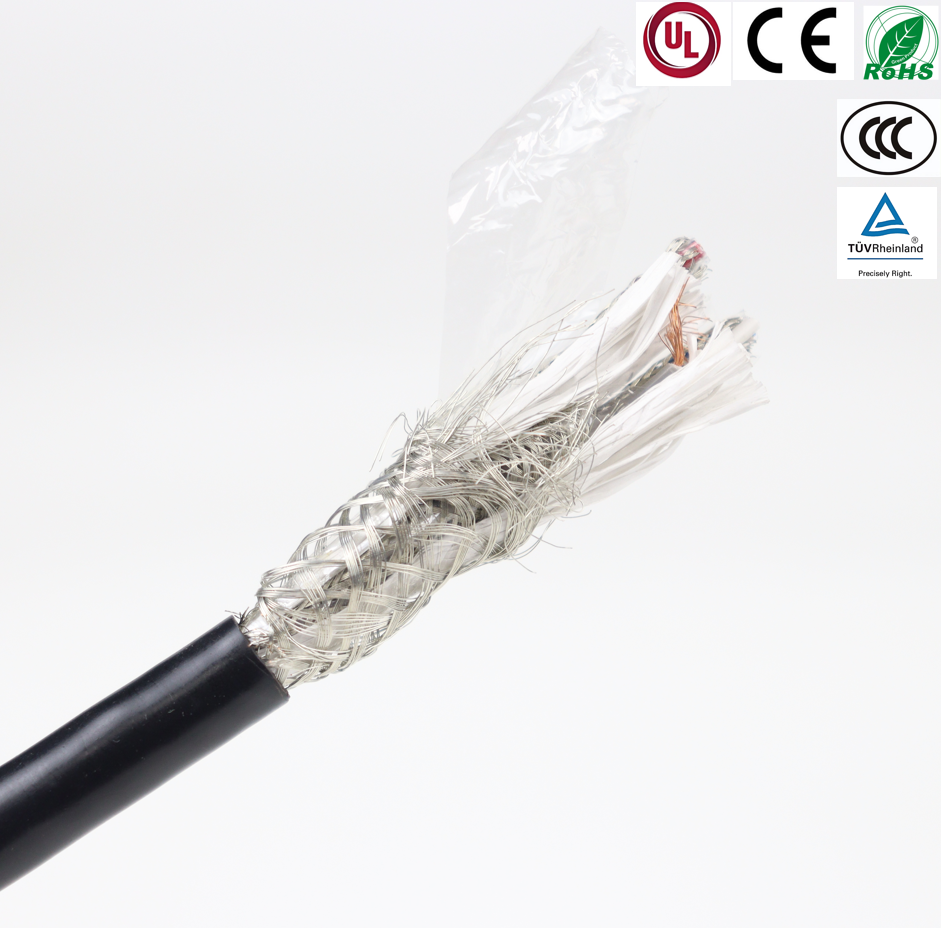
A heavy duty copper cable is designed to carry high electrical loads safely and consistently in demanding environments. It uses copper conductors to move power efficiently, while strong insulation protects the core from heat, moisture, abrasion, oil, and everyday mechanical stress. A heavy duty copper cable can support equipment that needs stable current over long operating periods, including motors, generators, battery systems, welding units, control panels, and industrial machinery. The heavy duty copper cable combines low electrical resistance with a flexible construction, helping reduce energy loss and simplify installation. Depending on the model, a heavy duty copper cable may include finely stranded copper wires, reinforced outer jackets, heat-resistant insulation, and color-coded or clearly marked conductors. These features help installers identify connections and route the cable through tight spaces. A heavy duty copper cable also provides dependable performance where vibration, movement, and repeated handling could damage lighter wiring. The heavy duty copper cable is available in different conductor sizes, voltage ratings, lengths, and jacket materials, allowing buyers to match the product to a specific load and environment. Some versions suit indoor panels, while others handle outdoor exposure, vehicle systems, marine equipment, or construction sites. Before purchase, users should confirm the required amperage, voltage, temperature range, bend radius, and installation conditions. Choosing the correct heavy duty copper cable supports safe power delivery, lowers maintenance needs, and helps equipment perform as intended. For demanding electrical connections, the heavy duty copper cable offers a practical balance of strength, conductivity, flexibility, and service life.
The main advantage of a heavy duty copper cable is dependable power transfer. Copper carries current with relatively low resistance, so a heavy duty copper cable can help limit voltage drop, heat buildup, and wasted energy when the size matches the application. This gives operators more stable performance from motors, pumps, tools, lighting systems, and other equipment. A heavy duty copper cable also handles demanding daily use better than many light-duty alternatives. Its thick insulation and protective jacket help resist cuts, crushing, sunlight, moisture, chemicals, and temperature changes. That protection can reduce cable failures and unexpected stoppages, especially on job sites, factory floors, workshops, and outdoor installations. Flexibility adds another buyer benefit. Many heavy duty copper cable designs use stranded conductors that bend more easily than solid wire. Installers can route a heavy duty copper cable around equipment, through cabinets, or along moving machinery with less effort. Easier handling can shorten installation time and lower labor costs without sacrificing load capacity. The heavy duty copper cable also supports safer maintenance because clear markings, robust insulation, and secure terminations make connections easier to inspect. Buyers can select a heavy duty copper cable by gauge, conductor count, insulation type, voltage rating, and length, which helps avoid paying for an unsuitable product. A heavy duty copper cable works well for industrial power distribution, automotive battery links, renewable energy systems, marine equipment, welding applications, and construction tools. For mobile equipment, a heavy duty copper cable can tolerate vibration and repeated flexing when properly installed. For fixed systems, a heavy duty copper cable provides a durable route for continuous power. Overall, the heavy duty copper cable offers practical value through reliable output, longer service life, simpler installation, and better protection for connected equipment.

Tips And Tricks

Shanghai Libin Cable Showcases Robot and Automation Cable Solutions at CMES Shanghai Industrial Automation & Robotics Exhibition

16

Oct

Shanghai Libin Cable Showcases Robot and Automation Cable Solutions at CMES Shanghai Industrial Automation & Robotics Exhibition

View More
Shanghai Libin Cable Showcases Crane Cable Solutions at the 11th China (Changyuan) International Crane Equipment Expo

16

Oct

Shanghai Libin Cable Showcases Crane Cable Solutions at the 11th China (Changyuan) International Crane Equipment Expo

View More
Why Drag Chain Cables Fail: Four Common Causes and How to Select Correctly

16

Oct

Why Drag Chain Cables Fail: Four Common Causes and How to Select Correctly

View More
Industrial Robot Combination Cable: Routing Power and Signal Together in a Small-Bend-Radius Drag Chain

16

Oct

Industrial Robot Combination Cable: Routing Power and Signal Together in a Small-Bend-Radius Drag Chain

View More

Get a Free Quote

Our representative will contact you soon.
0/1000
High Conductivity for Stable Power

High Conductivity for Stable Power

The heavy duty copper cable uses highly conductive copper to move electrical current efficiently from a source to connected equipment. This design helps reduce resistance, which can lower voltage loss and limit unnecessary heat during operation. For buyers, that means motors can receive steadier power, tools can work more consistently, and battery systems can transfer energy with less waste. The heavy duty copper cable is particularly useful when equipment draws substantial current or when the cable must cover a longer distance. Correct sizing remains important, but the copper conductor gives the product a strong starting point for demanding electrical work. A heavy duty copper cable can also support reliable starts for motors and other devices with short-term power surges. This benefit helps protect performance and may reduce stress on terminals and connected components. By choosing the right conductor size and rating, customers gain an efficient power path that supports predictable operation, controlled heat, and better long-term system value.
Reinforced Protection for Harsh Conditions

Reinforced Protection for Harsh Conditions

A heavy duty copper cable is built to withstand conditions that can quickly damage ordinary wiring. Its insulation and outer jacket may protect against abrasion, moisture, oil, sunlight, temperature changes, and moderate impact. This makes the heavy duty copper cable suitable for workshops, factories, construction areas, vehicles, boats, and outdoor power setups. A protected cable reduces the chance that exposed conductors will cause faults, short circuits, or unplanned downtime. The heavy duty copper cable also helps preserve performance when workers move equipment, route wiring across busy areas, or install the product near vibration sources. For buyers, stronger protection can mean fewer replacements, less troubleshooting, and lower maintenance spending over the working life of the installation. Users should still choose a jacket material suited to the actual environment and follow local electrical requirements. With the proper selection, a heavy duty copper cable provides a safer, more durable connection for equipment that operates under real working pressure.
Flexible Installation and Broad Compatibility

Flexible Installation and Broad Compatibility

The heavy duty copper cable combines strong current capacity with practical flexibility, making installation easier in confined or changing spaces. Stranded copper conductors can bend around panels, battery compartments, machines, and junction points without the stiffness associated with some solid-wire options. This helps installers create cleaner cable runs and reduce strain at terminals. The heavy duty copper cable is available in multiple gauges, conductor arrangements, lengths, and insulation types, so customers can select a model that fits the load and equipment. A heavy duty copper cable can serve battery connections, generators, control systems, welding equipment, solar installations, pumps, and mobile machinery. This broad compatibility helps businesses simplify purchasing and keep suitable replacement stock on hand. Flexible construction also supports applications involving regular movement, provided the cable meets the required bend and temperature limits. By matching the cable rating to the task, buyers gain easier handling, dependable connections, and a practical solution that can adapt to many professional and commercial power systems.