Copper Earth Cable for Safe Grounding

application/copper-earth-cable, application/copper-earth-cable, 
Inquiry
Inquiry

copper earth cable

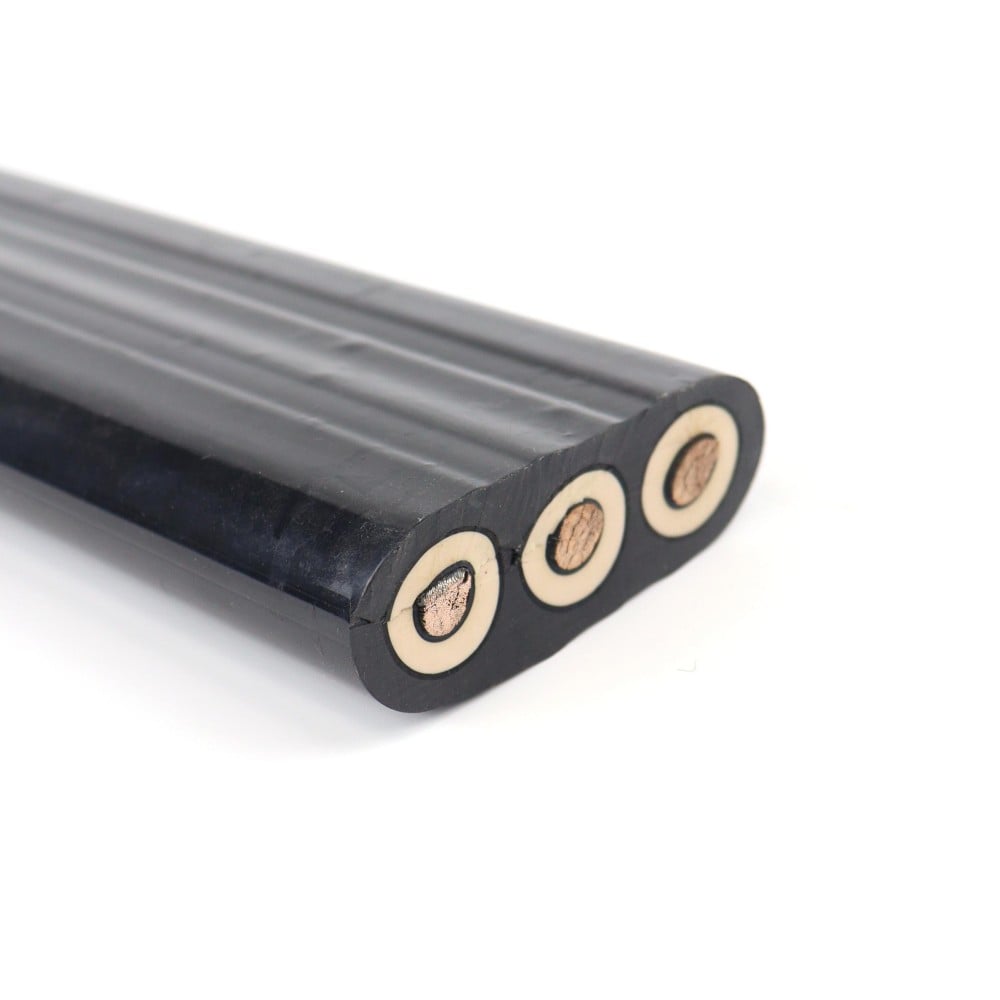
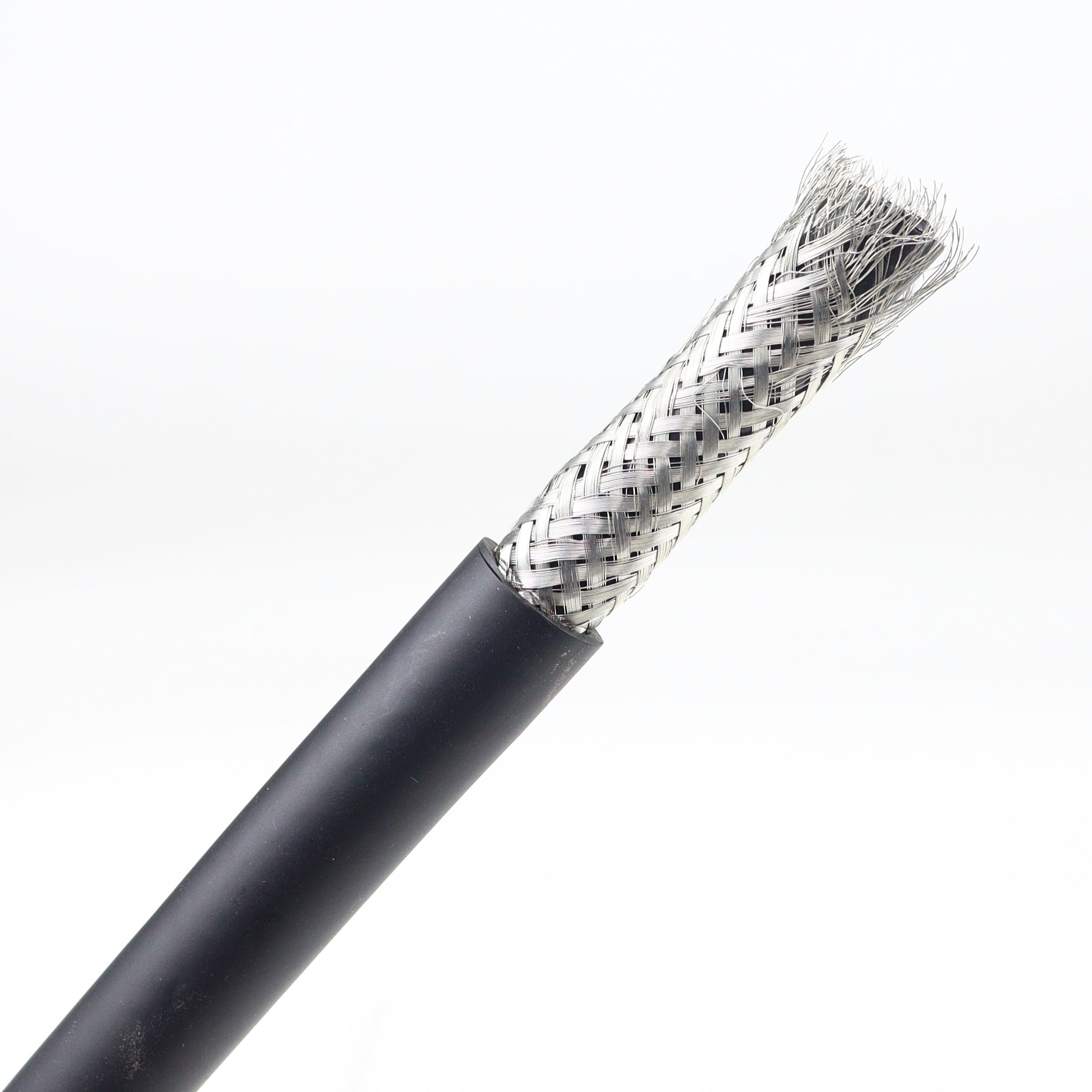
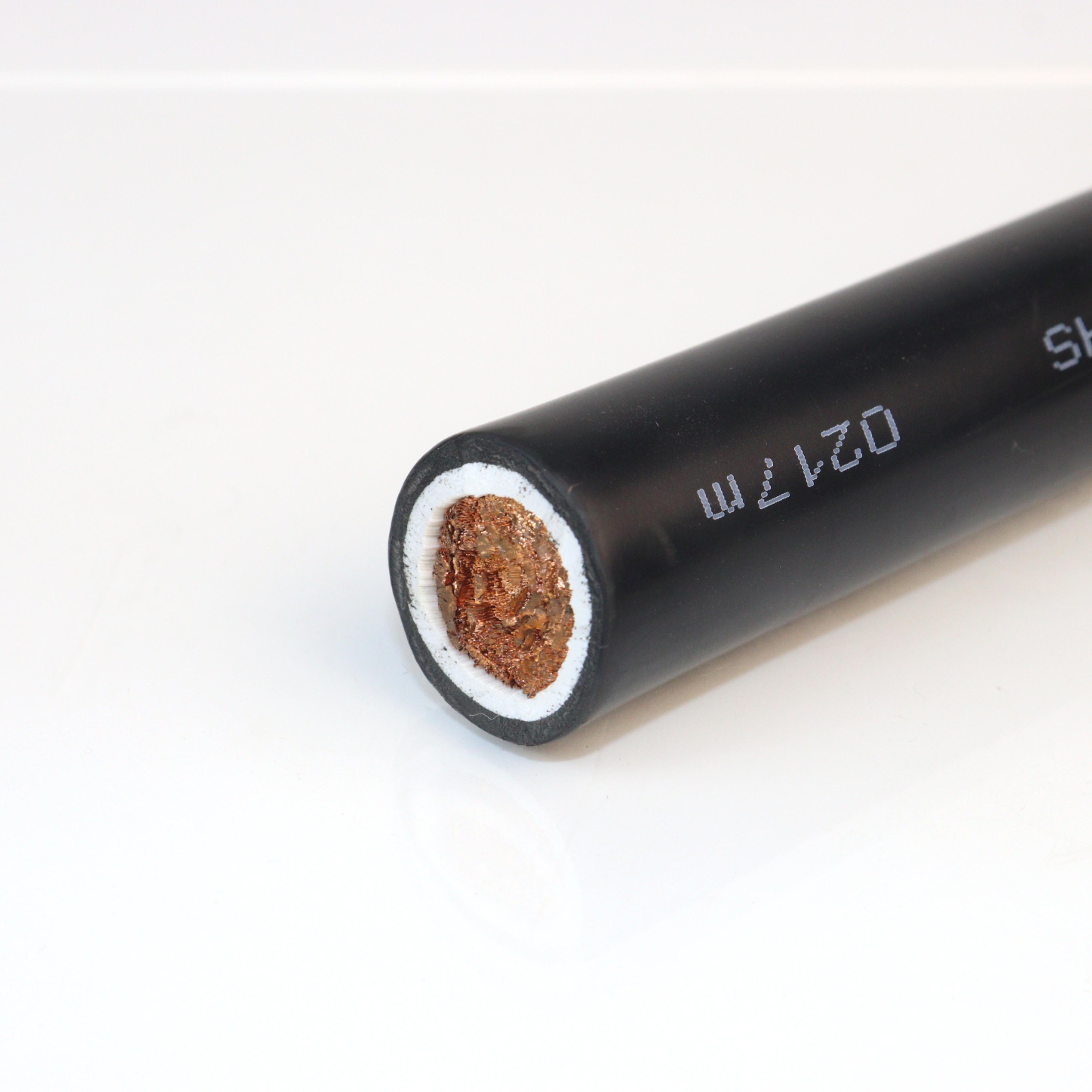
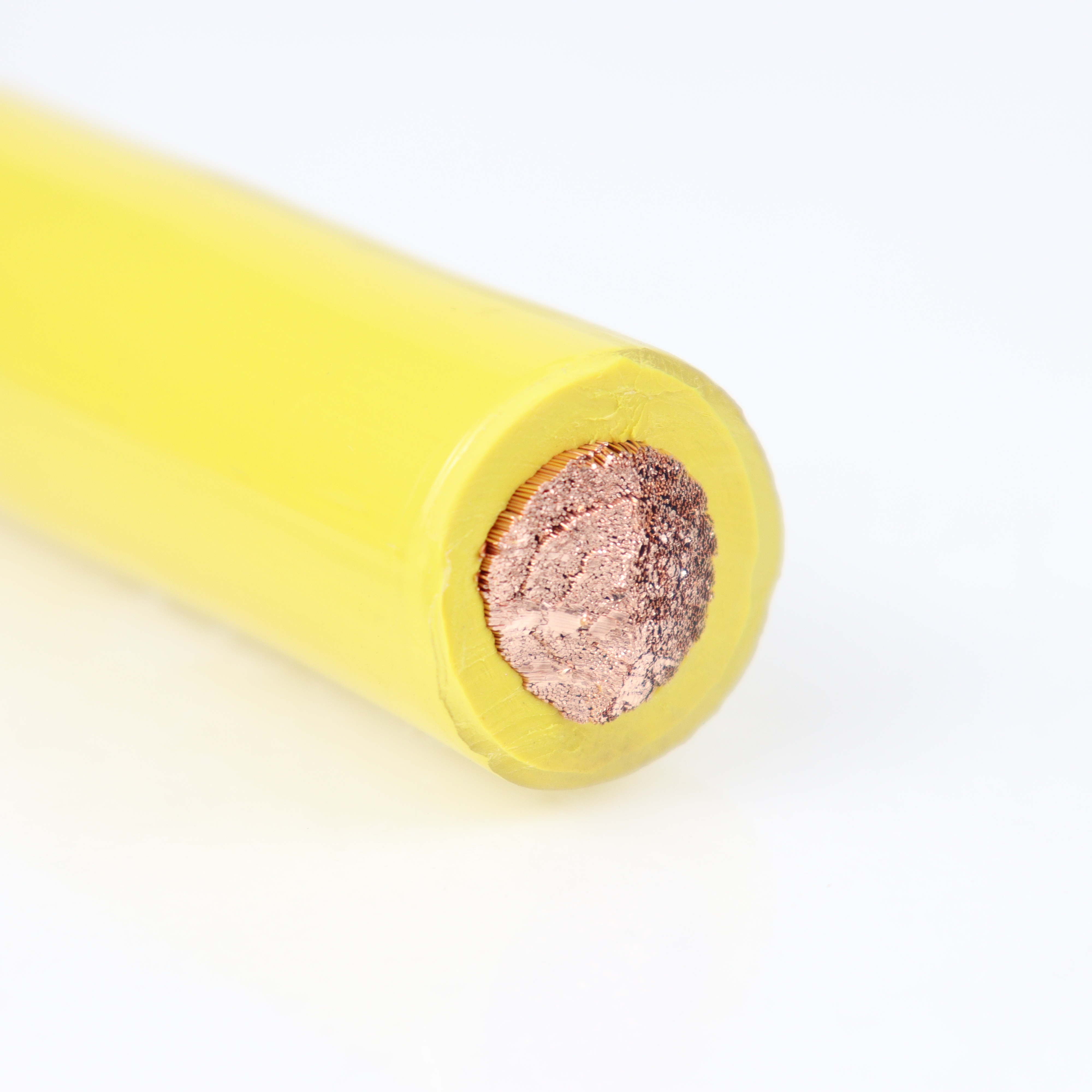
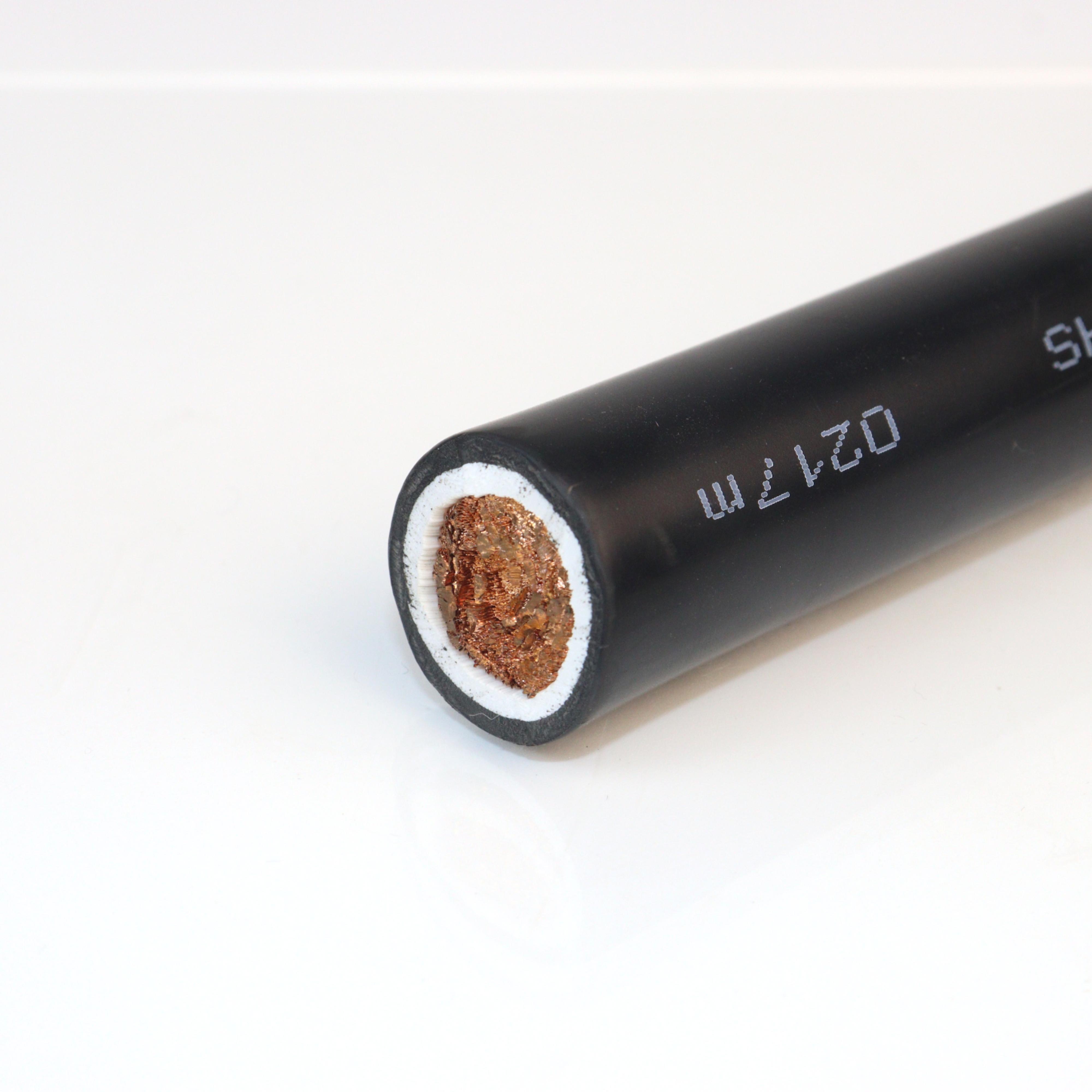
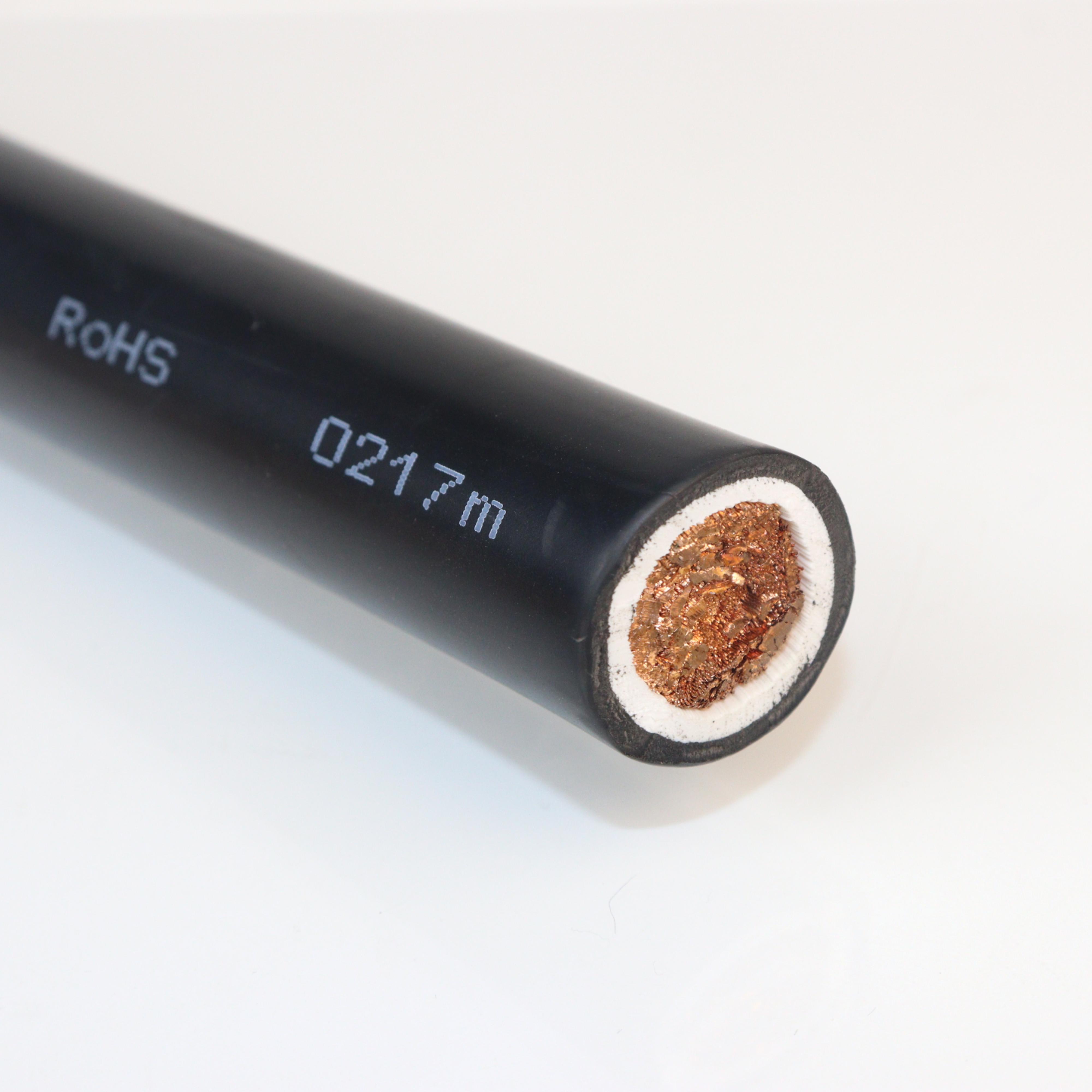
Copper earth cable is a conductive wire used to create a safe path for unwanted electrical current. It connects exposed metal parts, electrical equipment, panels, and grounding points to the earth, helping protect people and property when insulation fails. A copper earth cable carries fault current away from a touchable surface so a protective device can disconnect the supply quickly. This function reduces the risk of electric shock, fire, and equipment damage. The copper earth cable also helps stabilize voltage and limit the effects of lightning, static charge, and electrical surges. Most designs use bare copper, tinned copper, or insulated copper strands, depending on the installation environment. Copper offers excellent electrical conductivity, while stranded construction improves flexibility during routing and termination. Some products include durable insulation, color identification, UV resistance, moisture protection, and corrosion-resistant finishes. These features help the copper earth cable perform reliably in indoor, outdoor, industrial, commercial, and infrastructure settings. Installers can select different conductor sizes according to fault levels, cable length, installation method, and local electrical rules. A copper earth cable may be installed in conduits, cable trays, walls, equipment cabinets, underground systems, or between building grounding electrodes. Correct sizing and secure connections remain essential because a poorly selected conductor may not carry fault current safely. Buyers should review conductor material, cross-sectional area, insulation type, flexibility, temperature rating, and certification before ordering. The copper earth cable is therefore a practical safety component rather than an ordinary power conductor. When specified correctly, copper earth cable supports dependable protection, simpler maintenance, and safer long-term electrical operation.
The main advantage of a copper earth cable is strong, dependable conductivity. Copper transfers fault current efficiently, which allows breakers, fuses, and other protective devices to respond quickly. This response can reduce injury risk, limit fire damage, and protect valuable electrical equipment. A copper earth cable also gives buyers a durable grounding solution with predictable performance over many years. Its resistance to electrical loss helps maintain a clear path during abnormal conditions, even when a fault lasts only briefly. For installers, copper is easy to cut, strip, crimp, clamp, and connect. Stranded versions bend around corners and fit crowded panels more easily than rigid conductors. This flexibility can shorten installation time and reduce the effort needed for complex layouts. A copper earth cable suits homes, offices, factories, data rooms, renewable energy systems, transport facilities, and utility installations. Bare versions work well where mechanical protection is available, while insulated versions provide added separation from nearby conductors and surfaces. Tinned options can offer extra protection in humid, coastal, or chemically exposed locations. The product can also help control static buildup and provide a grounding route for surge protection equipment, generators, motors, switchboards, and metal enclosures. Buyers can choose a size and construction that match the expected fault current, route length, temperature, and local code requirements. That choice avoids paying for an unnecessarily large product while preserving an appropriate safety margin. Clear color identification makes inspection and future servicing easier. A copper earth cable can also support consistent performance across multiple projects, simplifying purchasing and stock management. Customers should still confirm compatibility with terminals, clamps, lugs, and grounding electrodes before installation. Professional installation remains important, but the material gives contractors a practical balance of safety, workability, service life, and overall value. In short, copper earth cable reduces operational uncertainty and helps create a safer electrical system.

Practical Tips

Shanghai Libin Cable Showcases Robot and Automation Cable Solutions at CMES Shanghai Industrial Automation & Robotics Exhibition

16

Oct

Shanghai Libin Cable Showcases Robot and Automation Cable Solutions at CMES Shanghai Industrial Automation & Robotics Exhibition

View More
Shanghai Libin Cable Showcases Crane Cable Solutions at the 11th China (Changyuan) International Crane Equipment Expo

16

Oct

Shanghai Libin Cable Showcases Crane Cable Solutions at the 11th China (Changyuan) International Crane Equipment Expo

View More
Why Drag Chain Cables Fail: Four Common Causes and How to Select Correctly

16

Oct

Why Drag Chain Cables Fail: Four Common Causes and How to Select Correctly

View More
Industrial Robot Combination Cable: Routing Power and Signal Together in a Small-Bend-Radius Drag Chain

16

Oct

Industrial Robot Combination Cable: Routing Power and Signal Together in a Small-Bend-Radius Drag Chain

View More

Get a Free Quote

Our representative will contact you soon.
0/1000
High Conductivity for Fast Fault Protection

High Conductivity for Fast Fault Protection

A key selling point of copper earth cable is its ability to carry fault current with low electrical resistance. If a live conductor touches a metal enclosure, the copper earth cable creates a controlled route back to the supply source. This supports rapid operation of a breaker or fuse instead of leaving dangerous voltage on the equipment surface. For facility owners, that means stronger protection for workers, visitors, machinery, and connected electronics. The copper earth cable also performs consistently across repeated fault checks and normal grounding duties. Its conductive properties remain valuable in short connections inside panels as well as longer routes between buildings and grounding electrodes. Buyers can select a suitable cross-section to match the system design and expected fault energy. This feature helps engineers meet safety objectives without relying on uncertain contact paths. When combined with secure terminals and proper bonding, copper earth cable provides a dependable foundation for electrical protection and can reduce the consequences of insulation failure.
Flexible Construction for Faster Installation

Flexible Construction for Faster Installation

Many copper earth cable products use fine or multi-stranded conductors to make routing easier. This construction lets the copper earth cable bend around corners, enter compact enclosures, and follow cable trays without excessive force. Installers can work more efficiently in crowded control cabinets, distribution boards, machinery, and building service spaces. A flexible copper earth cable also reduces strain on lugs, clamps, and connection points when equipment moves or vibrates. That can support better workmanship and make later inspection or replacement more convenient. Depending on the project, buyers may choose bare copper for protected routes or insulated copper for added separation and visual identification. Color-coded insulation helps technicians recognize the grounding conductor during installation and maintenance. The copper earth cable can be cut to practical lengths and terminated with standard accessories when the selected product matches the connection system. These installation benefits may reduce labor time, simplify routing decisions, and improve the consistency of completed grounding work.
Durable Options for Demanding Environments

Durable Options for Demanding Environments

A copper earth cable can be specified in several constructions to suit different surroundings. Insulated versions help protect the conductor from accidental contact, moisture, abrasion, and nearby materials. Tinned copper can provide additional resistance to corrosion in coastal areas, wet rooms, chemical facilities, and outdoor equipment. The copper earth cable may also include tough sheathing or UV-resistant insulation for exposed routes, solar installations, and utility infrastructure. This choice gives buyers more control over service life and maintenance needs. In an indoor panel, a basic copper earth cable may provide the right balance of performance and cost. In a harsh location, a protected or tinned design can help preserve conductivity and connection reliability for longer. Correct environmental selection reduces the chance of premature replacement, loose connections, or unexpected downtime. The copper earth cable therefore supports practical grounding across homes, commercial buildings, factories, energy sites, and transport systems while helping owners plan a durable, easy-to-maintain installation.