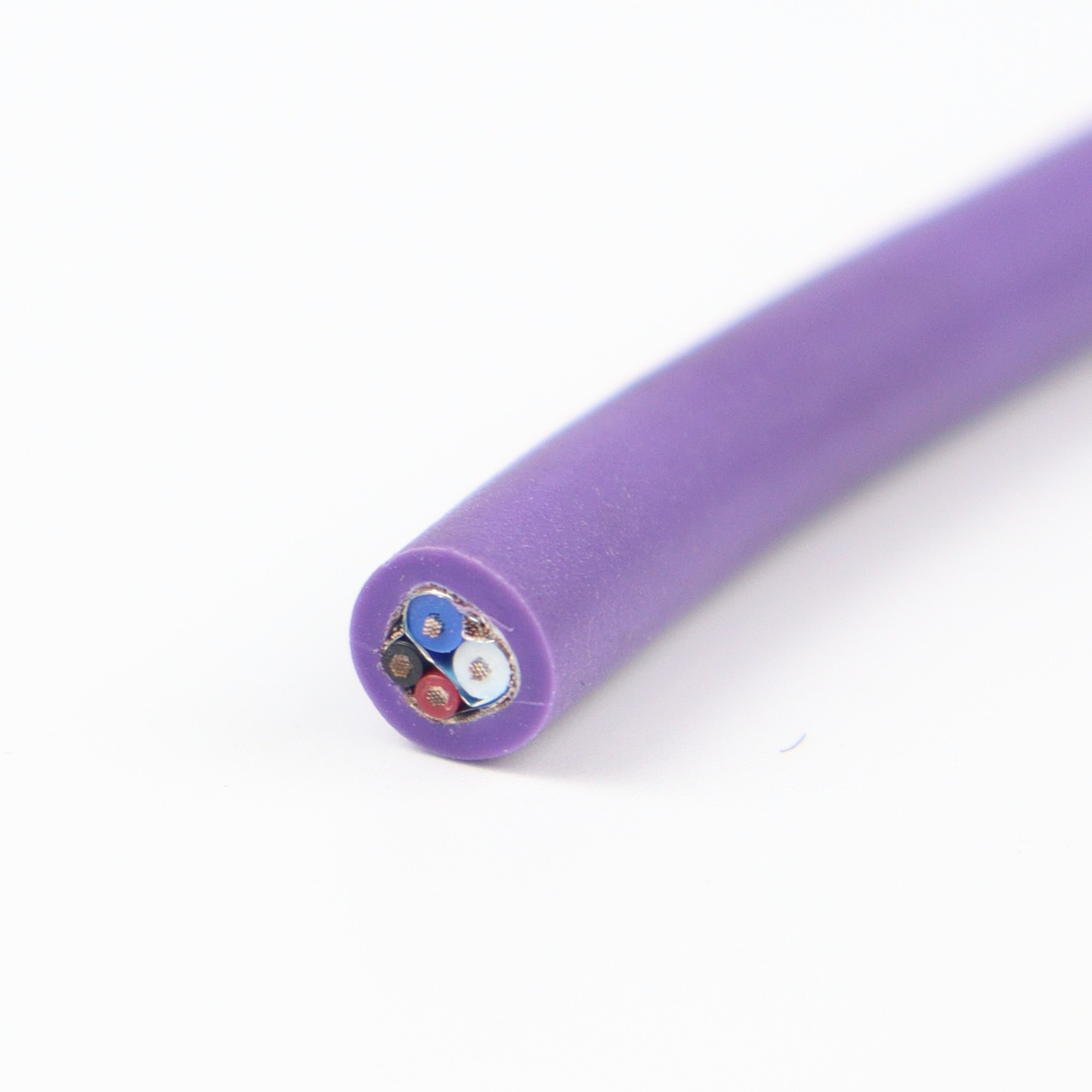
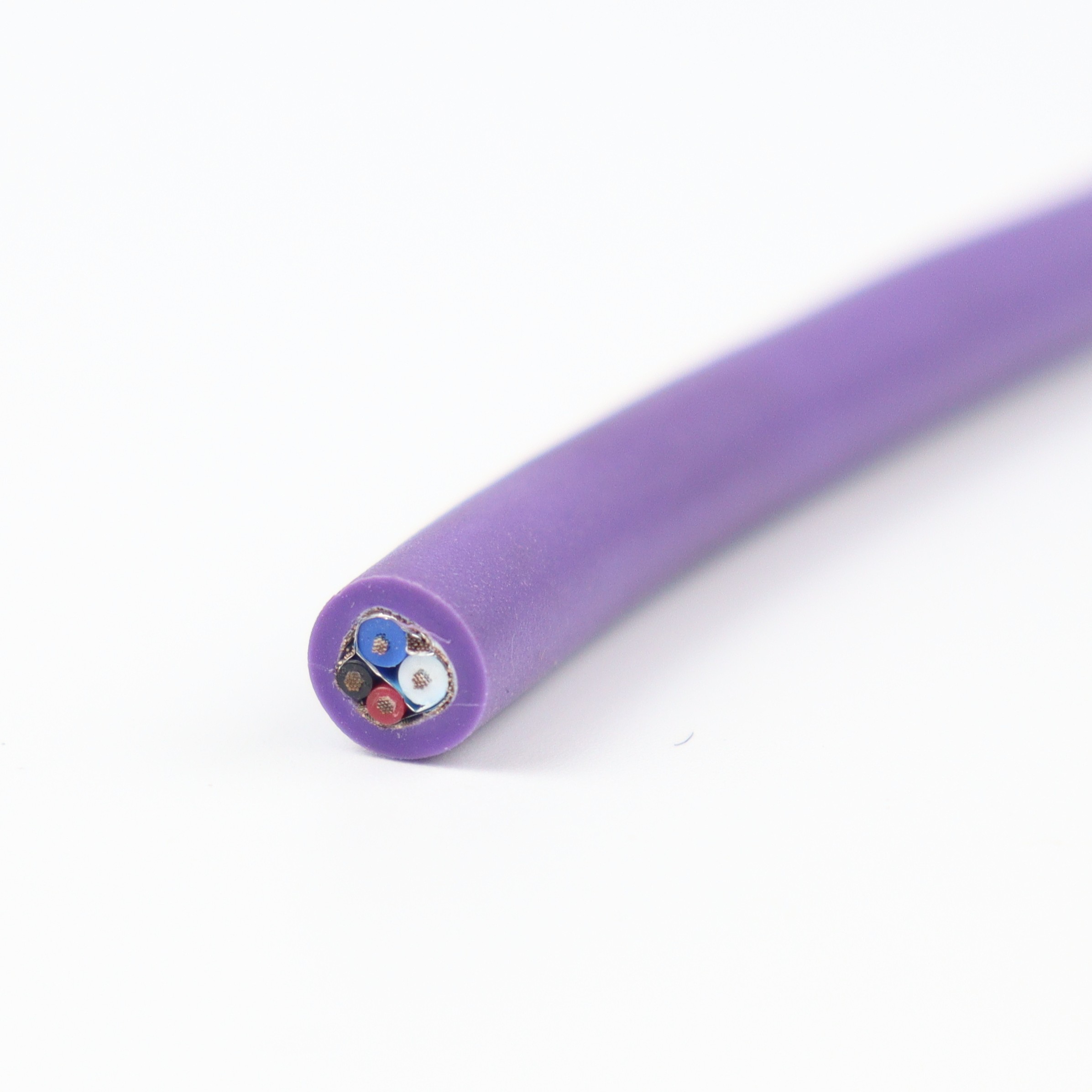
twisted pair can bus cable
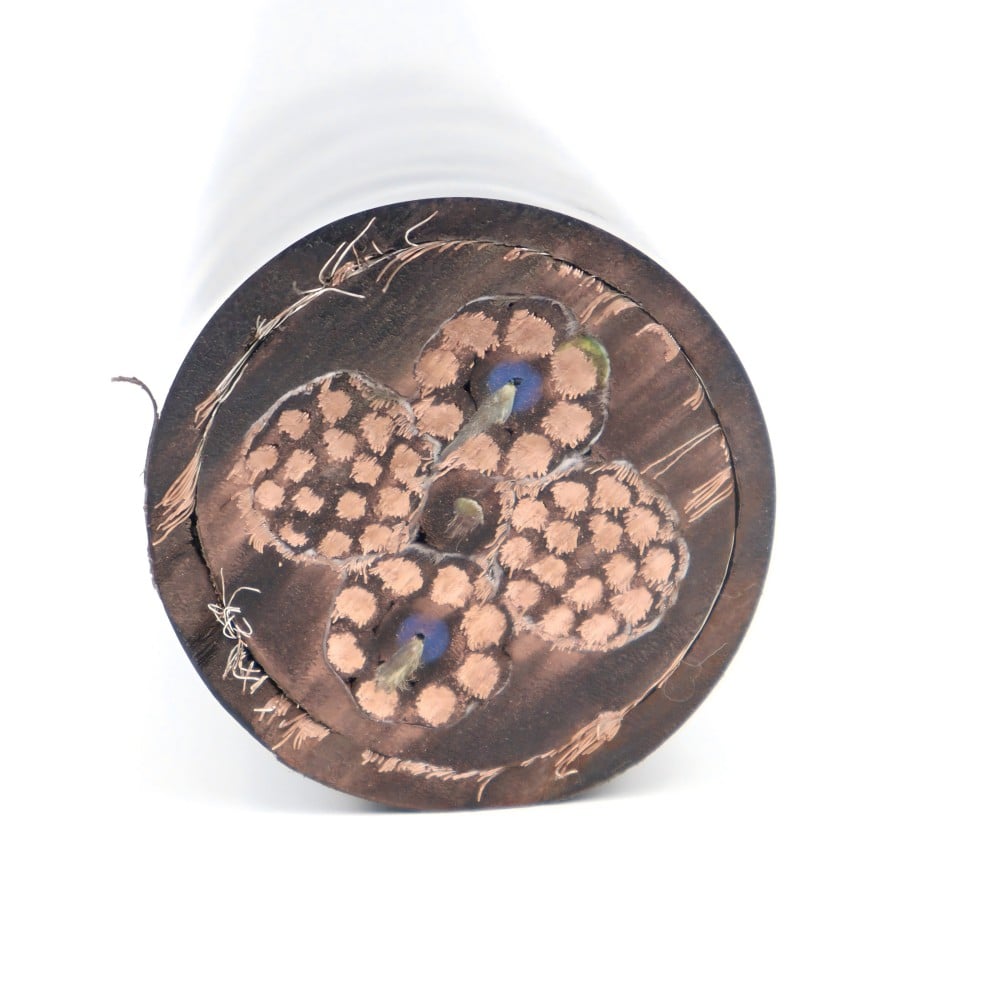
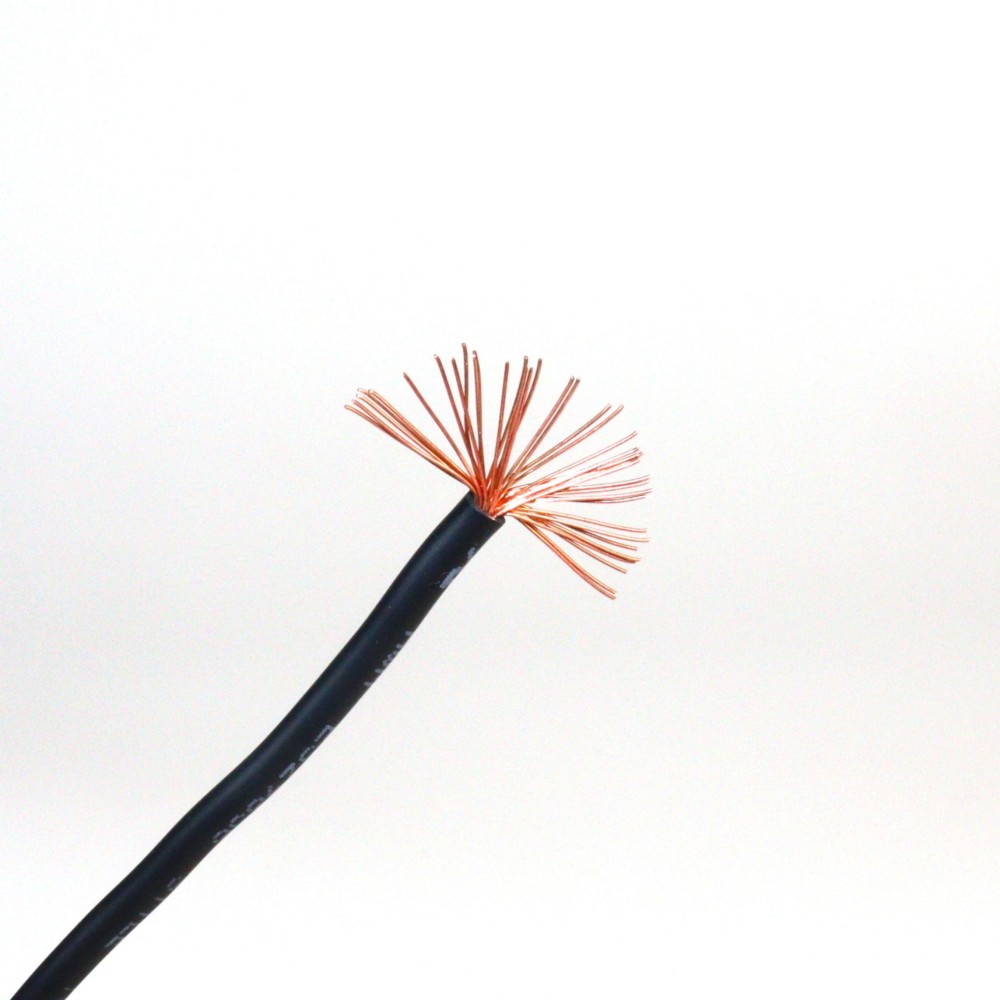
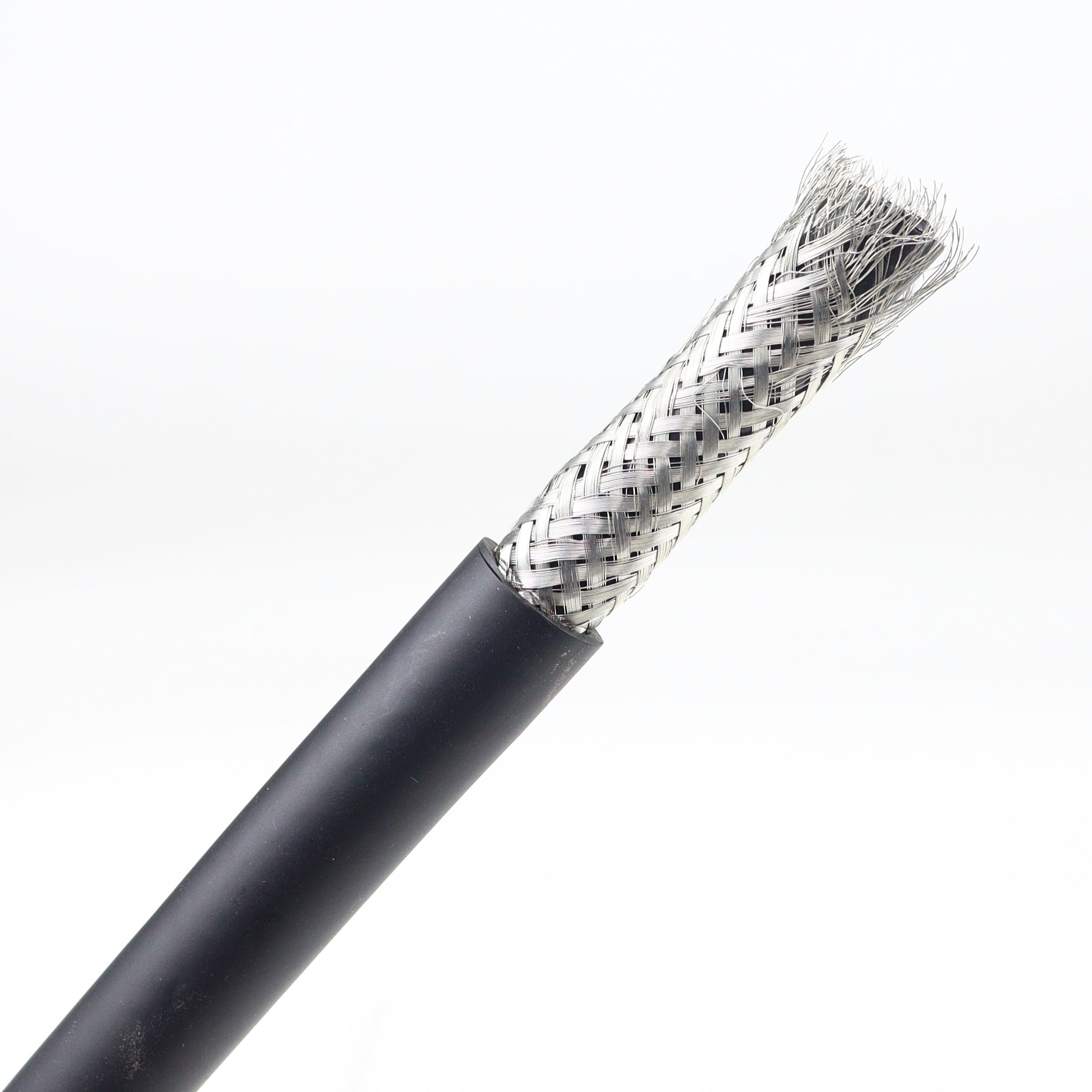
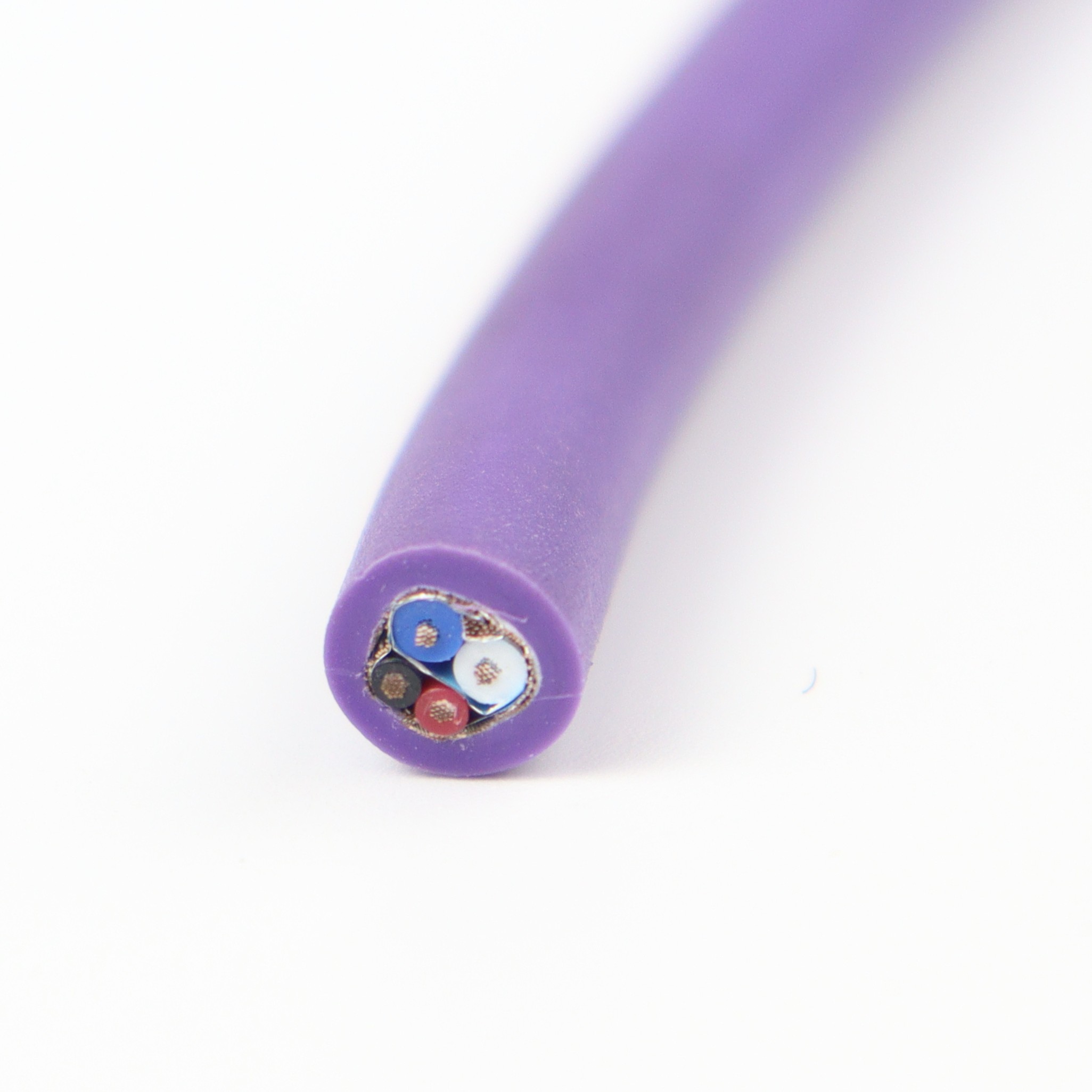
A twisted pair can bus cable is a communication cable designed to connect electronic control units across a Controller Area Network, commonly called CAN. The twisted pair can bus cable carries digital messages between sensors, controllers, displays, and other devices without requiring a separate connection for every signal. Its two insulated copper conductors twist around each other to reduce outside electrical interference and help maintain a clean data path. In a twisted pair can bus cable, one wire carries a changing signal while the other carries its complementary signal, allowing connected equipment to recognize useful information and reject much of the surrounding noise. This design supports dependable communication in vehicles, machines, and control systems. A twisted pair can bus cable normally includes a protective jacket, copper conductors, insulation, and, in many models, a shield or drain wire. The cable may use stranded conductors for flexibility or solid conductors for fixed installations. Common options include different conductor sizes, temperature ratings, jacket materials, and impedance specifications. A twisted pair can bus cable also supports long cable runs, multiple connected nodes, and fast message exchange when the network follows the correct wiring and termination practices. Its main functions include transferring control commands, reporting sensor readings, coordinating safety devices, and supporting equipment diagnosis. Manufacturers use a twisted pair can bus cable in cars, trucks, agricultural equipment, factory machinery, elevators, battery systems, energy equipment, and building controls. Buyers should match the cable to voltage, temperature, movement, environment, connector type, and network speed. Choosing the right twisted pair can bus cable helps create a stable network that is easier to install, inspect, and maintain.