Automation Can Bus Cable for Reliable Networks

application/automation-can-bus-cable, application/automation-can-bus-cable, 
Inquiry
Inquiry

automation can bus cable

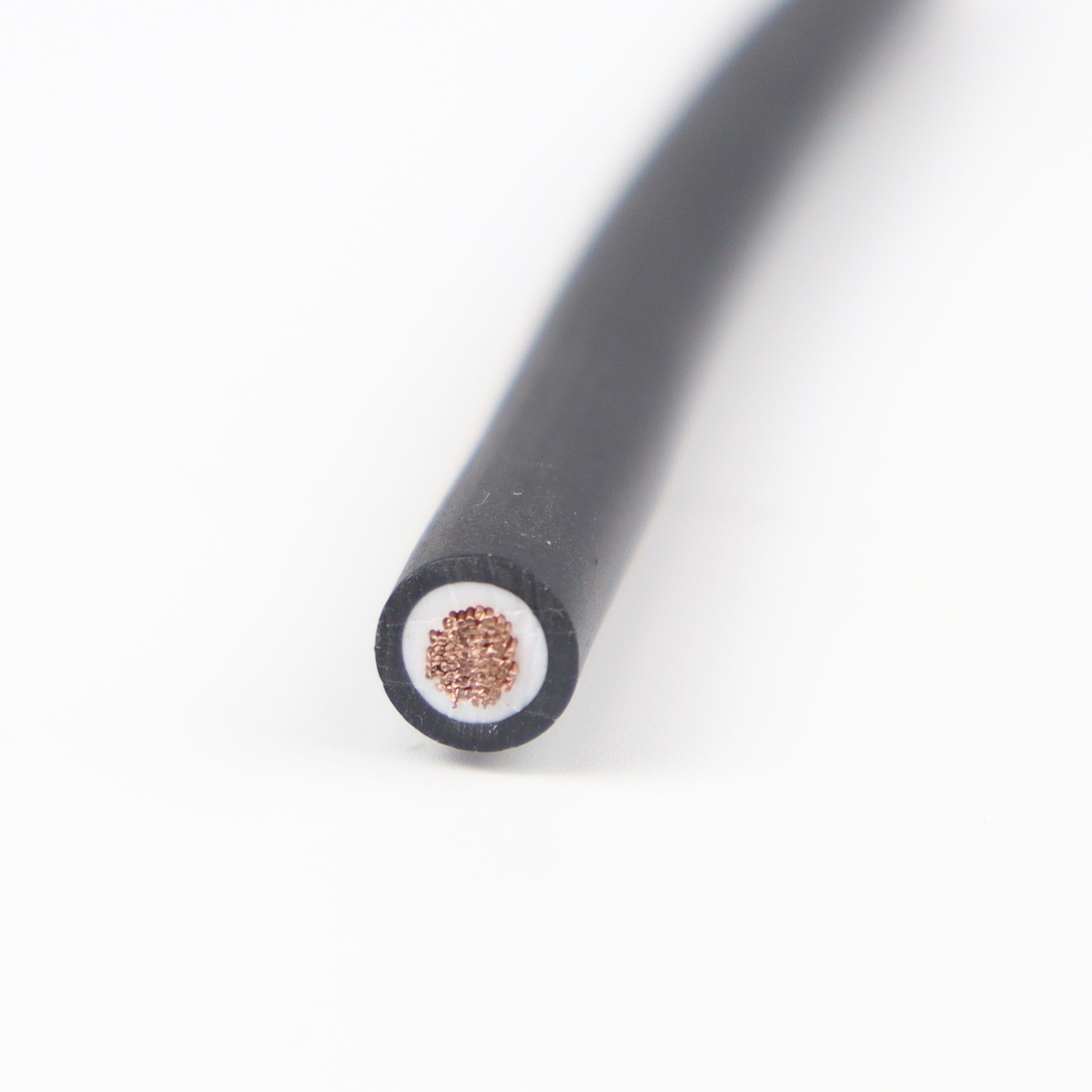
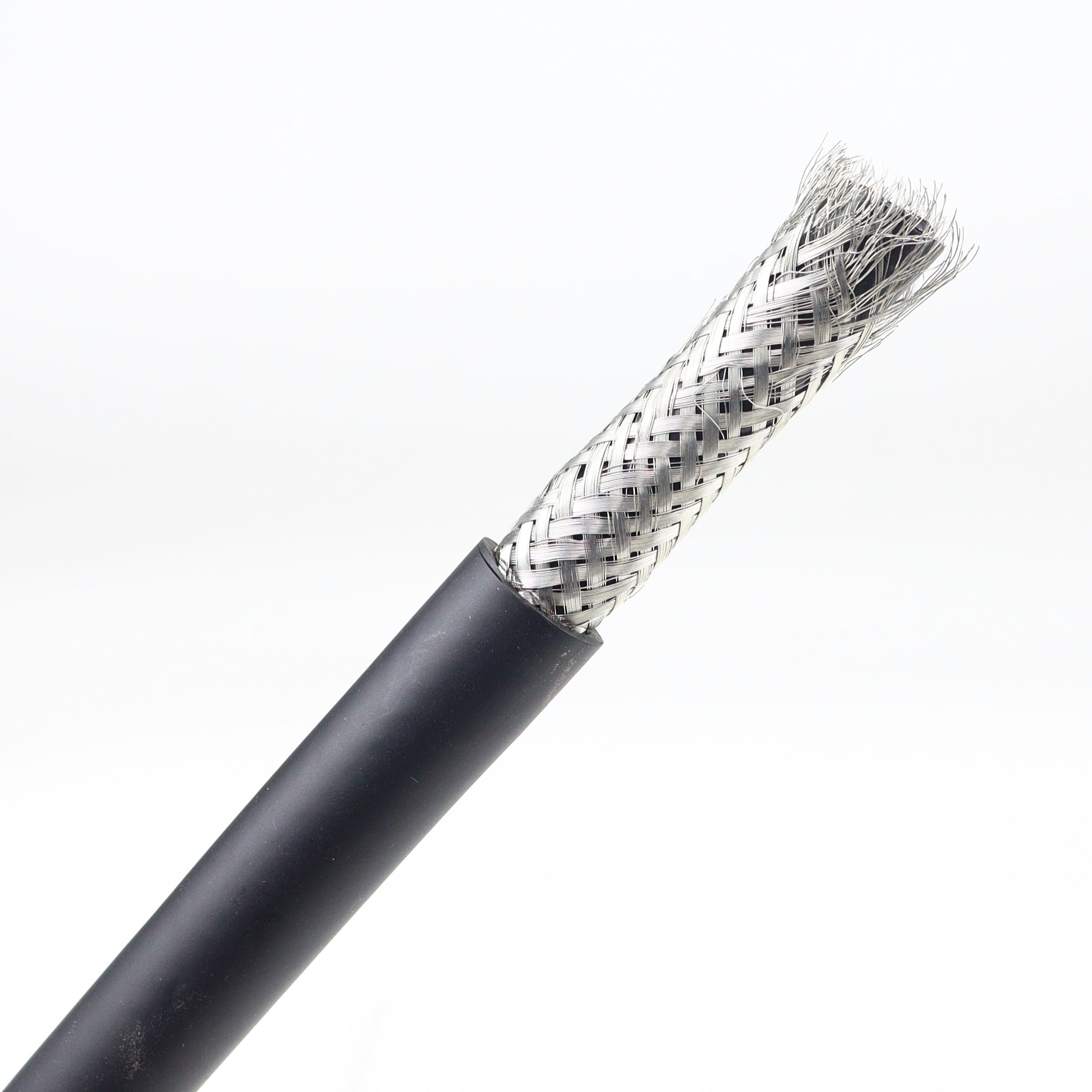
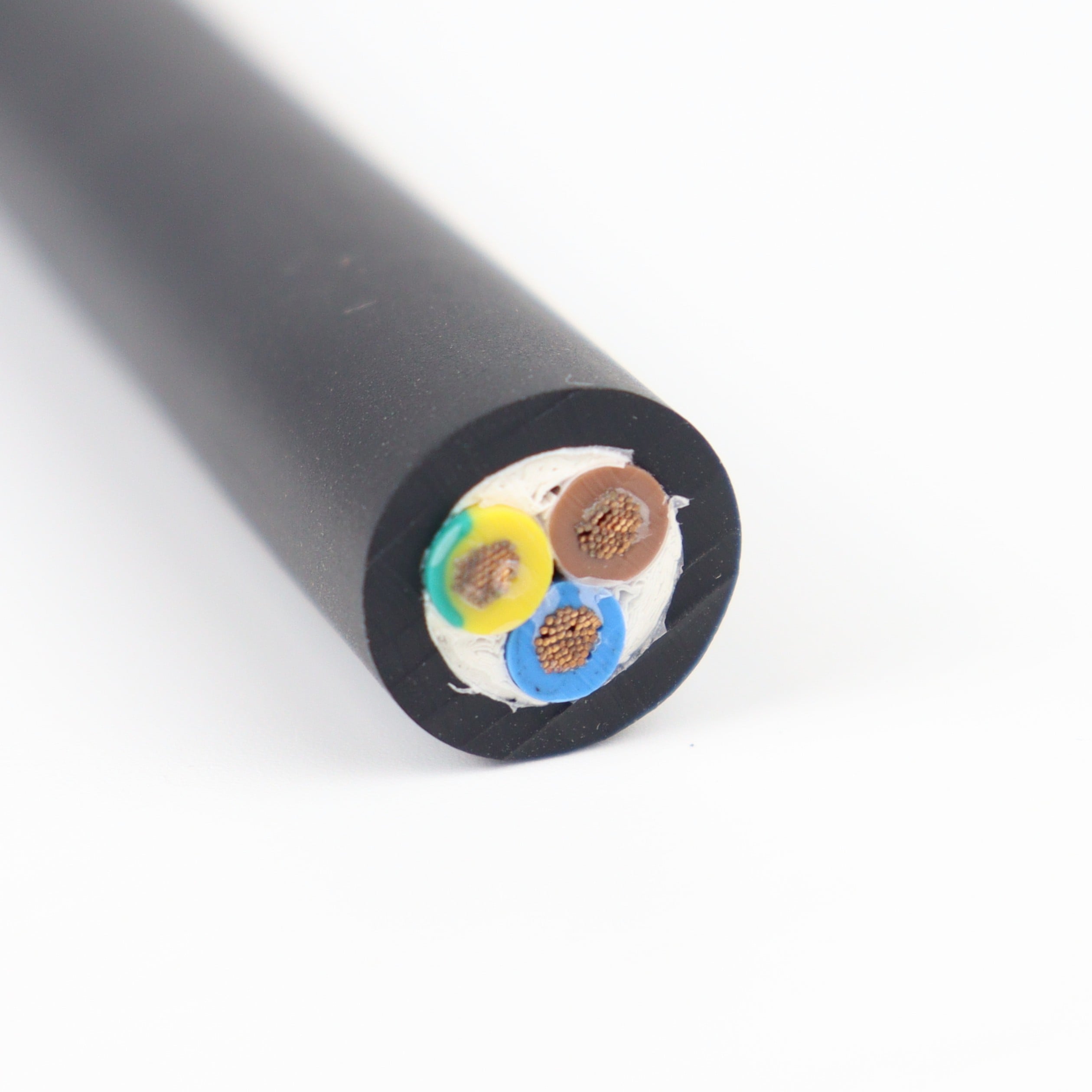
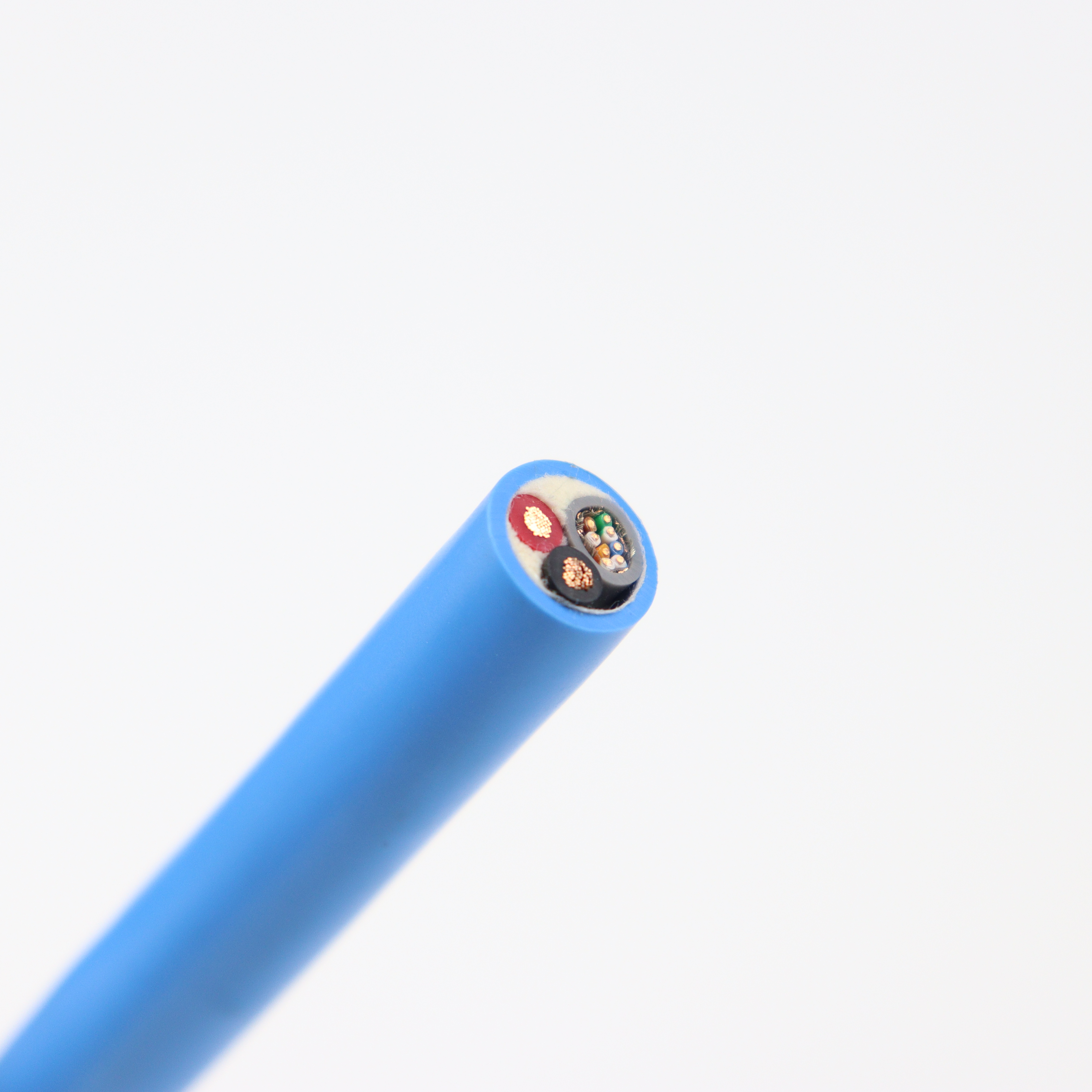
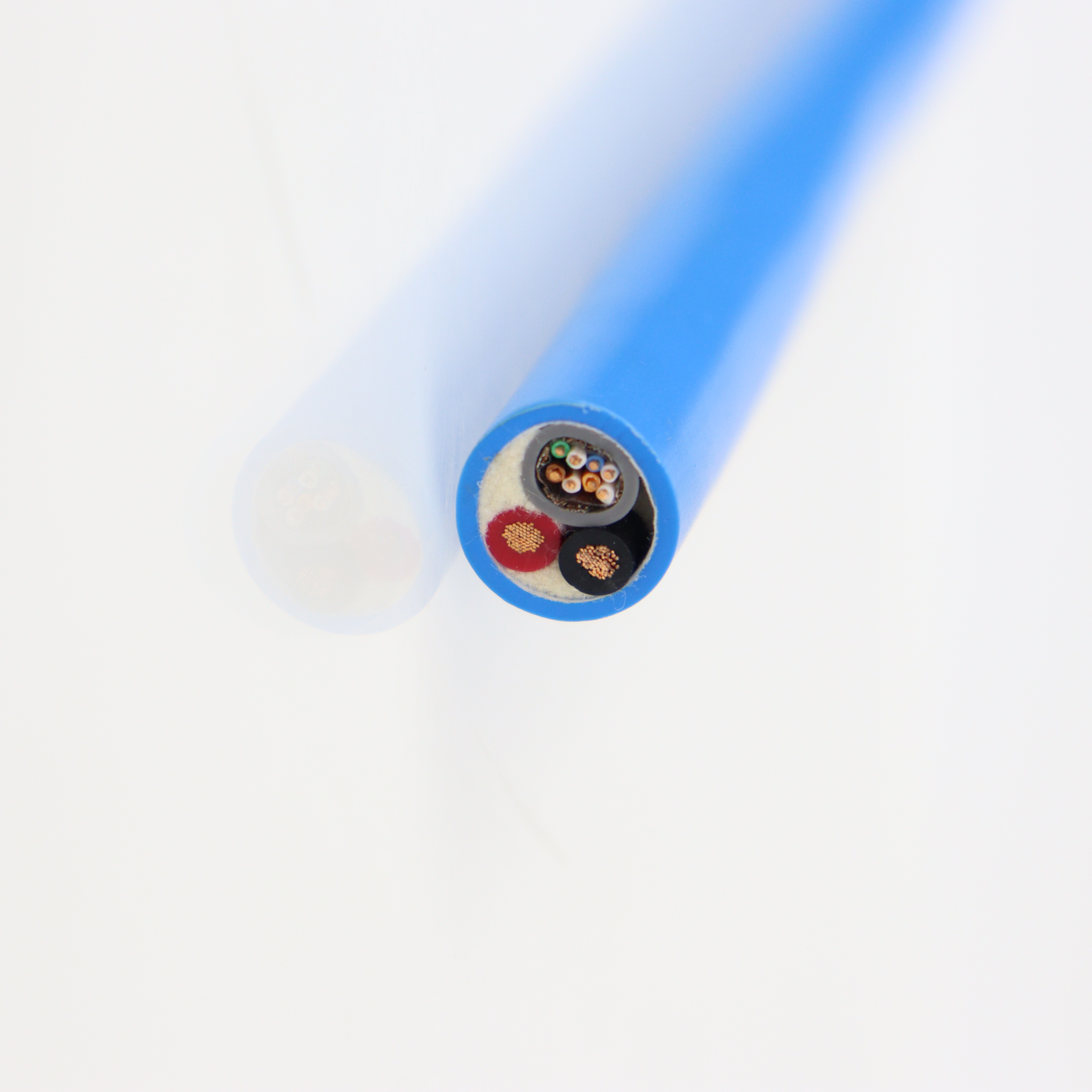
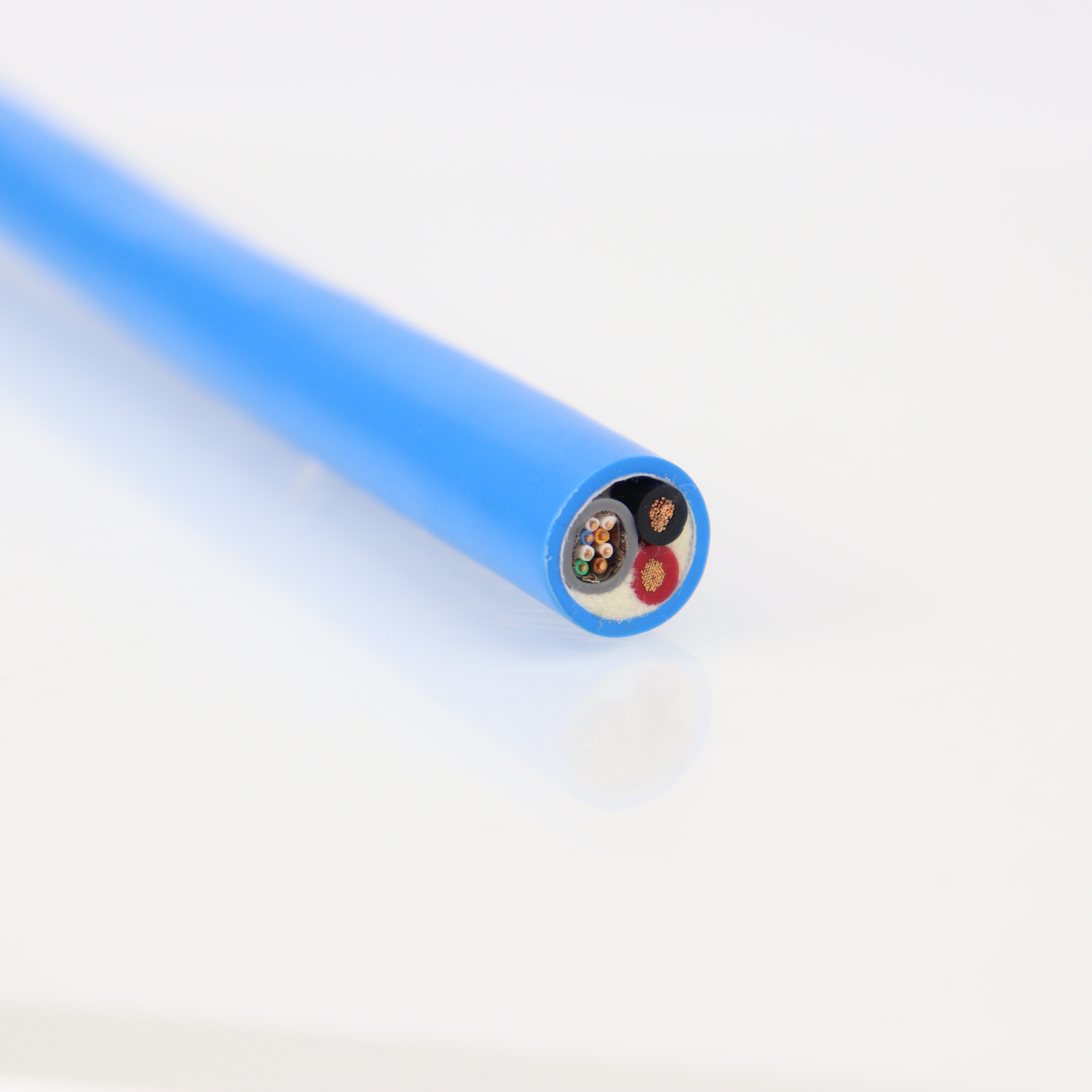
An automation can bus cable provides the reliable data connection that allows controllers, sensors, drives, and other machines to communicate across an industrial network. Unlike a basic power lead, an automation can bus cable carries digital messages between devices while helping systems coordinate motion, monitor conditions, and respond to commands. The automation can bus cable supports Controller Area Network, or CAN, communication and suits equipment that needs fast, stable data exchange. A typical automation can bus cable combines twisted copper conductors with insulation, shielding, and a protective outer jacket. The twisted design reduces electrical interference, while the shield helps protect signals in areas filled with motors, inverters, relays, and other sources of electrical noise. Depending on the model, the automation can bus cable may support fixed installation, repeated movement, outdoor use, oil exposure, or demanding factory conditions. Correct impedance and conductor size help maintain signal quality over the required distance. The automation can bus cable also works with common CAN-based systems, including CANopen and DeviceNet applications, when its electrical specifications match the network. Users can select different jacket materials, conductor constructions, bend ratings, and connector options to suit a machine or production line. In practice, the automation can bus cable links control panels, robotic equipment, conveyors, packaging machines, vehicles, and process instruments. It helps devices share information with fewer separate wires, simplifying system design and supporting dependable automation performance. For buyers, the right automation can bus cable means clearer communication, easier installation, and a stronger connection between critical equipment.
The main advantage of an automation can bus cable is dependable communication between equipment. An automation can bus cable lets multiple devices share one network, so customers can reduce point-to-point wiring and build cleaner control systems. Fewer individual cables can lower installation time, reduce cabinet clutter, and make future changes easier. Because the automation can bus cable carries digital data, one connection can support status information, settings, alarms, and control commands. This gives operators more useful information than a simple on-or-off signal. A well-designed automation can bus cable also limits the effect of electrical noise. Twisted conductors and suitable shielding help protect messages near motors and switching equipment, reducing communication errors and unexpected stops. The result can include more stable production, less troubleshooting, and lower maintenance effort. Mechanical flexibility adds practical value. A cable rated for continuous flexing suits robotic arms, moving gantries, and cable carriers, while a stronger fixed-installation version fits control cabinets and machine frames. Choosing the correct automation can bus cable for the environment can protect the network from oil, moisture, abrasion, heat, and repeated bending. Customers should also check conductor size, network length, impedance, temperature range, and connector compatibility before purchasing. The automation can bus cable should match the communication standard and the installation method, not simply the appearance of an existing lead. For outdoor or mobile equipment, a suitable automation can bus cable can withstand vibration and changing weather more effectively than a general-purpose data cable. In factories, this product supports predictable machine coordination and quicker fault identification. In vehicles and mobile systems, it enables compact wiring and shared control data. Overall, the automation can bus cable offers a practical balance of signal reliability, installation simplicity, durability, and long-term system value.

Latest News

Shanghai Libin Cable Showcases Robot and Automation Cable Solutions at CMES Shanghai Industrial Automation & Robotics Exhibition

16

Oct

Shanghai Libin Cable Showcases Robot and Automation Cable Solutions at CMES Shanghai Industrial Automation & Robotics Exhibition

View More
Shanghai Libin Cable Showcases Crane Cable Solutions at the 11th China (Changyuan) International Crane Equipment Expo

16

Oct

Shanghai Libin Cable Showcases Crane Cable Solutions at the 11th China (Changyuan) International Crane Equipment Expo

View More
Why Drag Chain Cables Fail: Four Common Causes and How to Select Correctly

16

Oct

Why Drag Chain Cables Fail: Four Common Causes and How to Select Correctly

View More
Industrial Robot Combination Cable: Routing Power and Signal Together in a Small-Bend-Radius Drag Chain

16

Oct

Industrial Robot Combination Cable: Routing Power and Signal Together in a Small-Bend-Radius Drag Chain

View More

Get a Free Quote

Our representative will contact you soon.
0/1000
Reliable Data in Electrically Noisy Areas

Reliable Data in Electrically Noisy Areas

A key selling point of the automation can bus cable is its ability to preserve communication quality around common industrial interference. Motors, variable-speed drives, contactors, and power lines can disturb weak data signals, but the twisted pair construction of an automation can bus cable helps cancel much of that interference. Many versions add a foil or braid shield, giving the automation can bus cable another layer of protection for sensitive messages. This design matters because missed messages can create machine alarms, slow production, or force unnecessary service visits. With the right automation can bus cable, controllers can exchange commands and feedback more consistently across a busy plant. Buyers gain a practical way to improve network stability without redesigning the entire control system. The automation can bus cable is especially useful in packaging lines, conveyor systems, machine tools, and process equipment where reliable data supports continuous operation. Selecting the correct impedance and termination remains important, but the cable provides a strong foundation for dependable CAN communication.
Durability for Fixed and Moving Equipment

Durability for Fixed and Moving Equipment

The automation can bus cable can be selected for the physical demands of a specific installation. A standard automation can bus cable may suit a fixed route inside a cabinet or machine frame, while a flexible version can handle repeated movement in a robot, gantry, or cable carrier. This distinction helps customers avoid premature cracking, conductor fatigue, and unplanned replacement. Depending on the construction, an automation can bus cable may resist oil, coolant, moisture, sunlight, abrasion, vibration, and temperature changes. A durable automation can bus cable protects the communication path while reducing the need for frequent inspections. That translates into more available machine time and lower ownership costs. Buyers should compare bend radius, flex-cycle rating, jacket material, and temperature limits with the actual working conditions. When the cable matches the environment, installation teams can route it confidently and maintenance staff can replace it with fewer surprises. The automation can bus cable therefore supports both robust factory systems and mobile equipment that operates under demanding conditions.
Simpler Networks and Easier Expansion

Simpler Networks and Easier Expansion

An automation can bus cable helps connect many devices through a shared communication structure instead of requiring a separate cable for every signal. This approach can reduce wiring volume, simplify panel layouts, and make equipment additions more manageable. An automation can bus cable can link programmable controllers, sensors, drives, displays, and safety-related devices when the network design and standards permit. For system builders, the automation can bus cable supports a cleaner architecture with fewer connection points and easier fault tracing. For plant owners, it creates room to expand monitoring or control functions without rebuilding all existing wiring. The compact design of an automation can bus cable also benefits vehicles, automated guided equipment, and machines where installation space is limited. Clear labeling and compatible connectors make commissioning faster, while suitable cable length and termination help maintain signal performance. Choosing a proven automation can bus cable gives customers a practical path to modernize older control systems and connect new devices. The result is a scalable network that supports better visibility, coordinated operation, and more efficient maintenance.