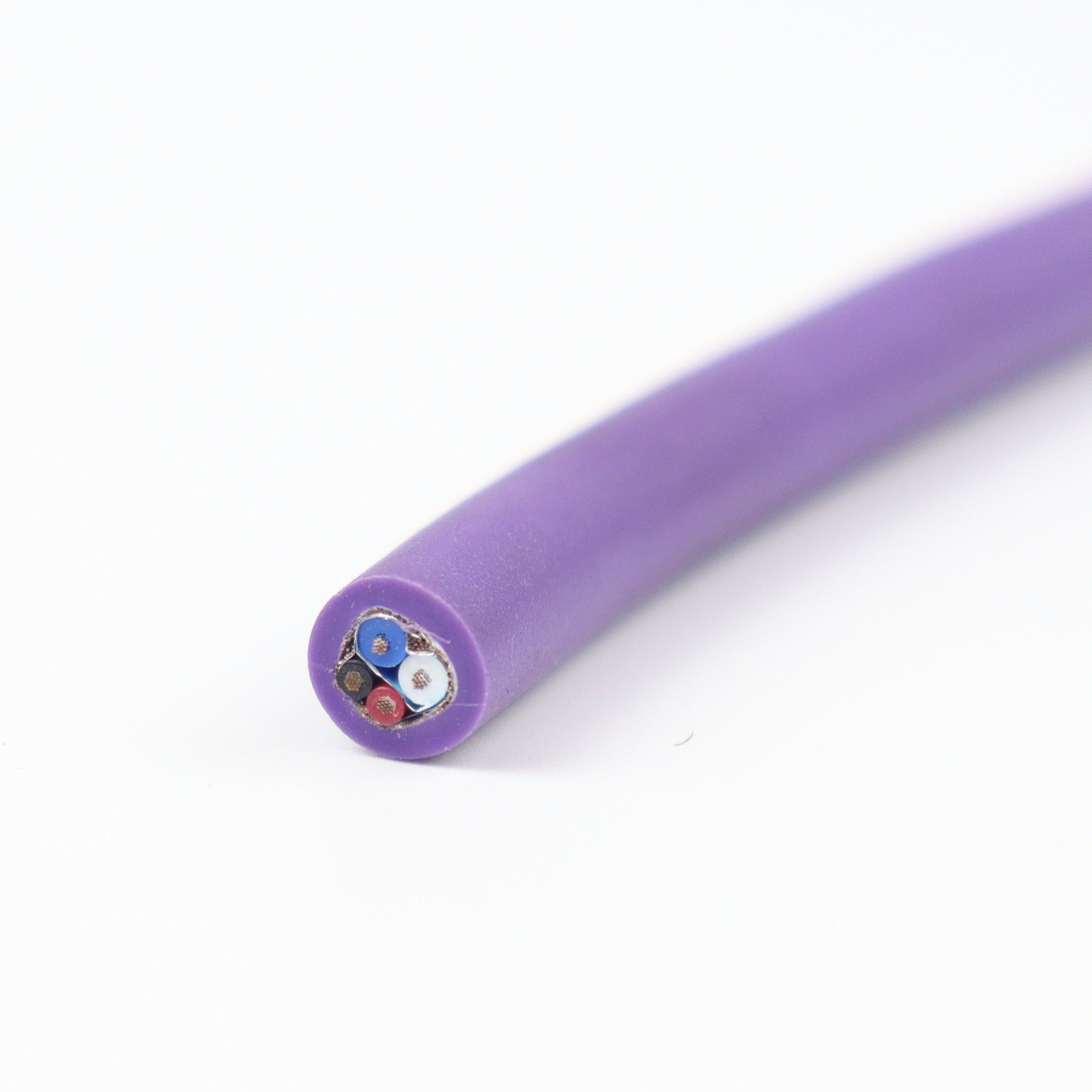
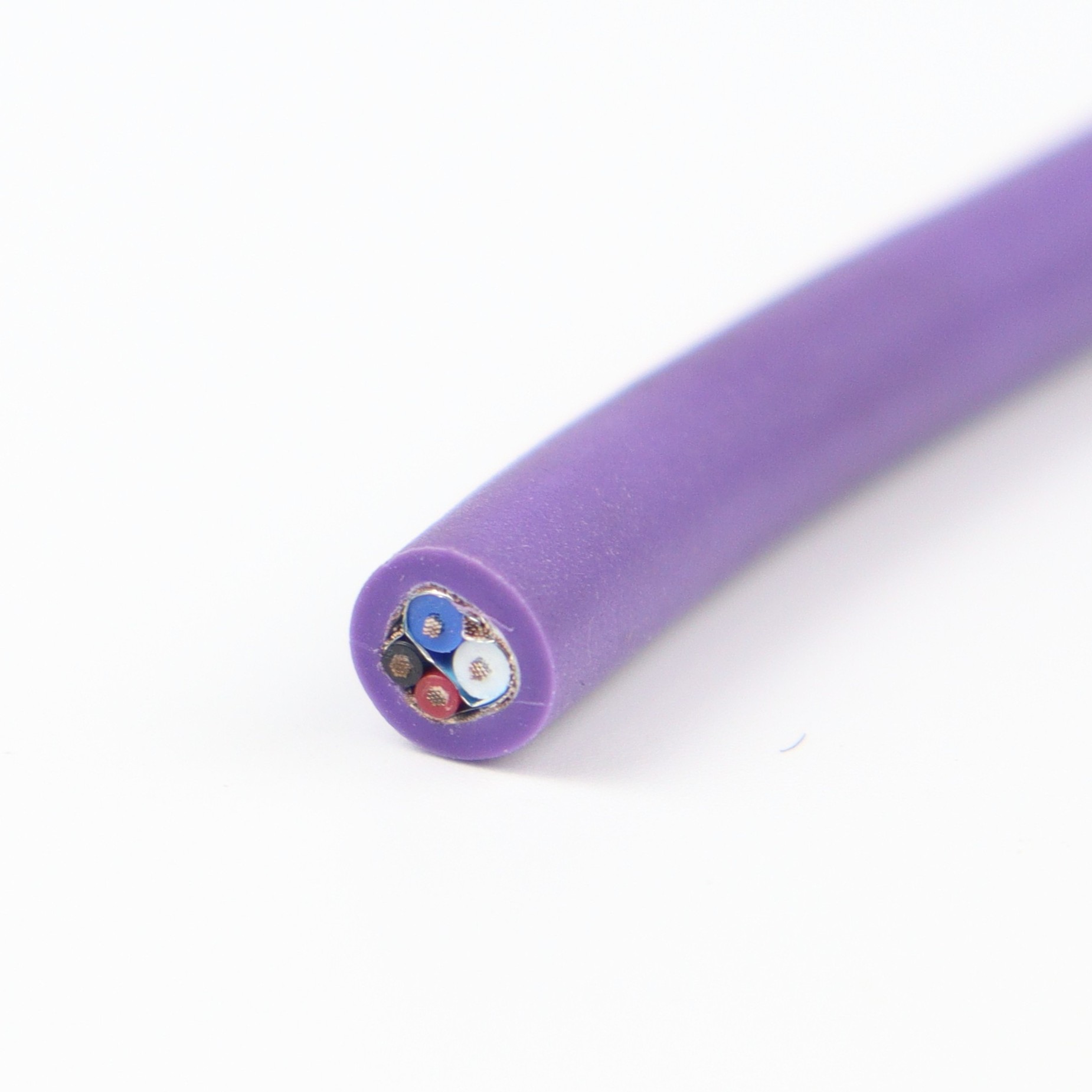
can bus cable
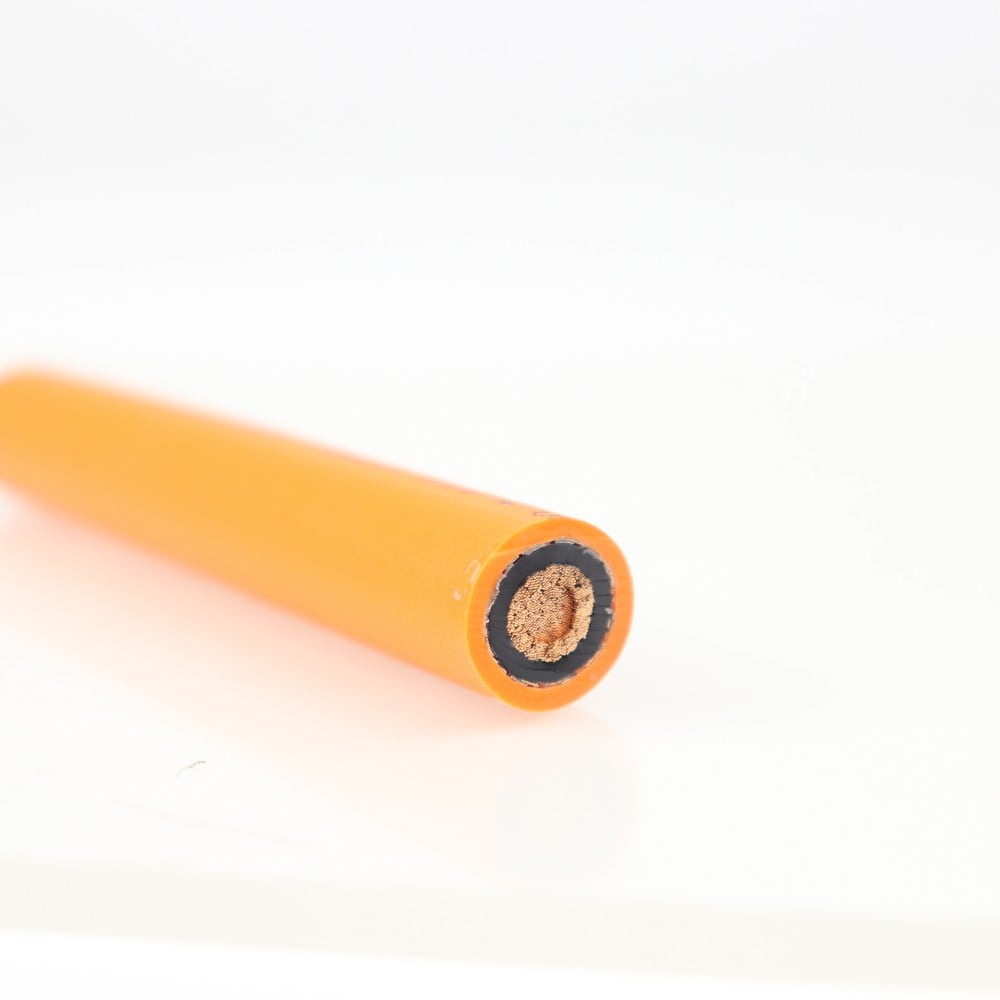
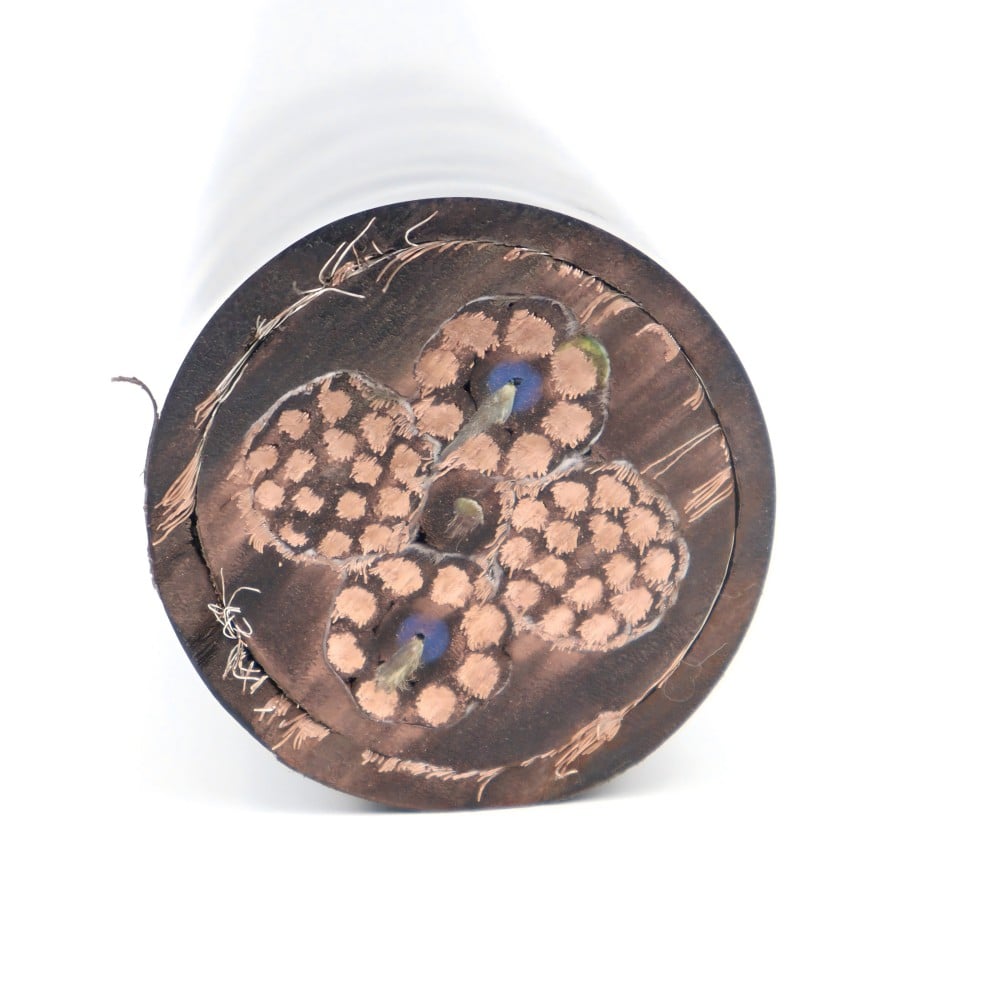
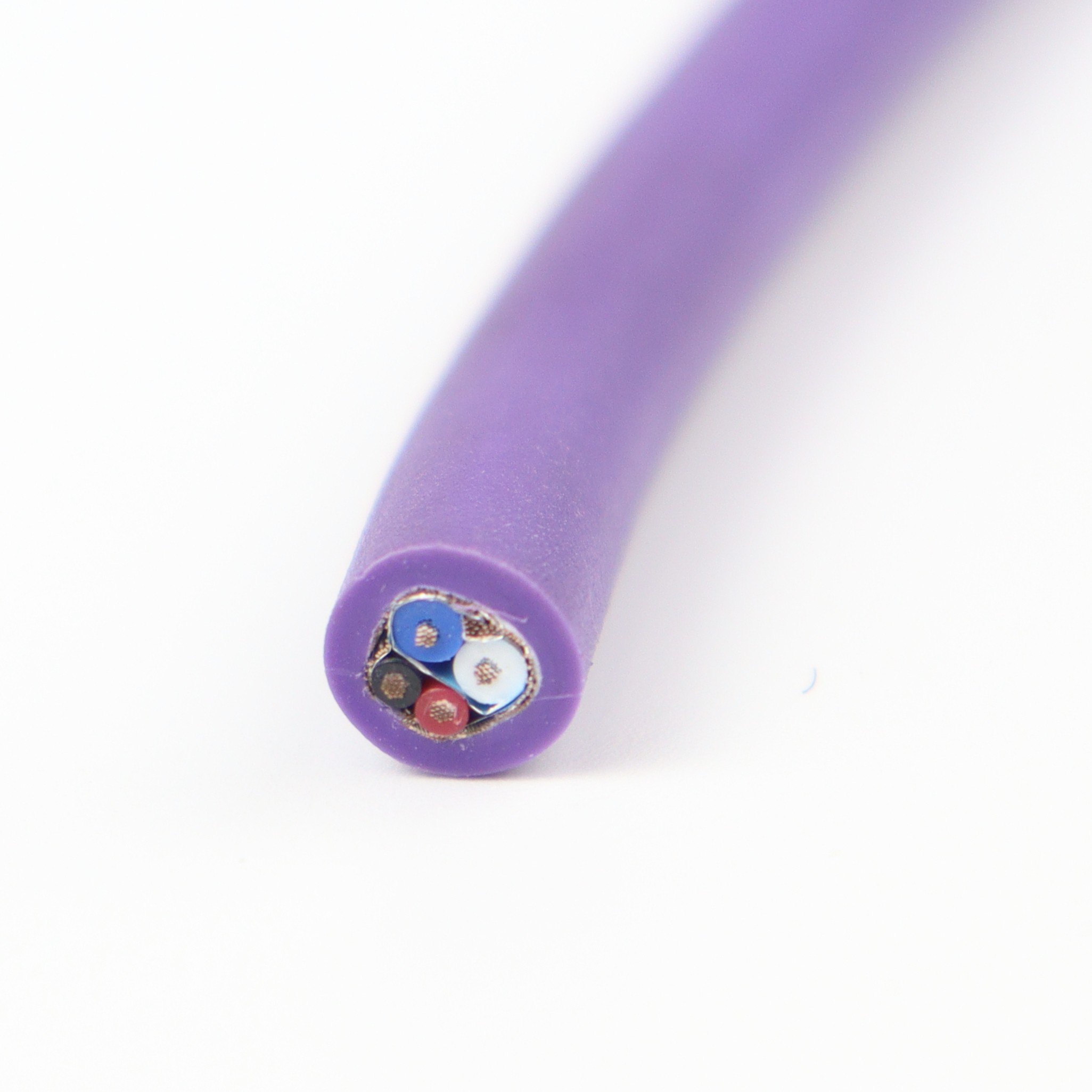
A can bus cable is a specialized communication cable that connects electronic control units, sensors, motors, and other devices on a Controller Area Network. The can bus cable lets these devices exchange digital messages through a shared network, reducing the need for separate wiring between every component. In vehicles, machines, and automation systems, the can bus cable supports reliable data transfer for monitoring, control, and diagnostics. The can bus cable normally contains twisted copper conductors that reduce electrical interference and maintain signal quality. Many designs also include shielding, a protective jacket, and flexible insulation for demanding installations. Depending on the environment, a can bus cable may use PVC, PUR, or other jacket materials to balance cost, flexibility, oil resistance, and mechanical protection. Standard versions support common CAN communication speeds and network lengths, while specialized options suit high-temperature, outdoor, or moving applications. The can bus cable can carry differential signals, allowing connected equipment to recognize valid data even when nearby motors or power lines create noise. Correct impedance and termination help the can bus cable maintain stable communication across the entire network. Available choices include fixed-installation, drag-chain, automotive, industrial, and marine constructions. A can bus cable also simplifies system expansion because new nodes can join the shared communication line without extensive rewiring. Buyers should match the can bus cable to voltage, temperature, bend radius, shielding, connector, and certification requirements. Overall, the can bus cable provides a practical foundation for fast, organized, and dependable device communication.