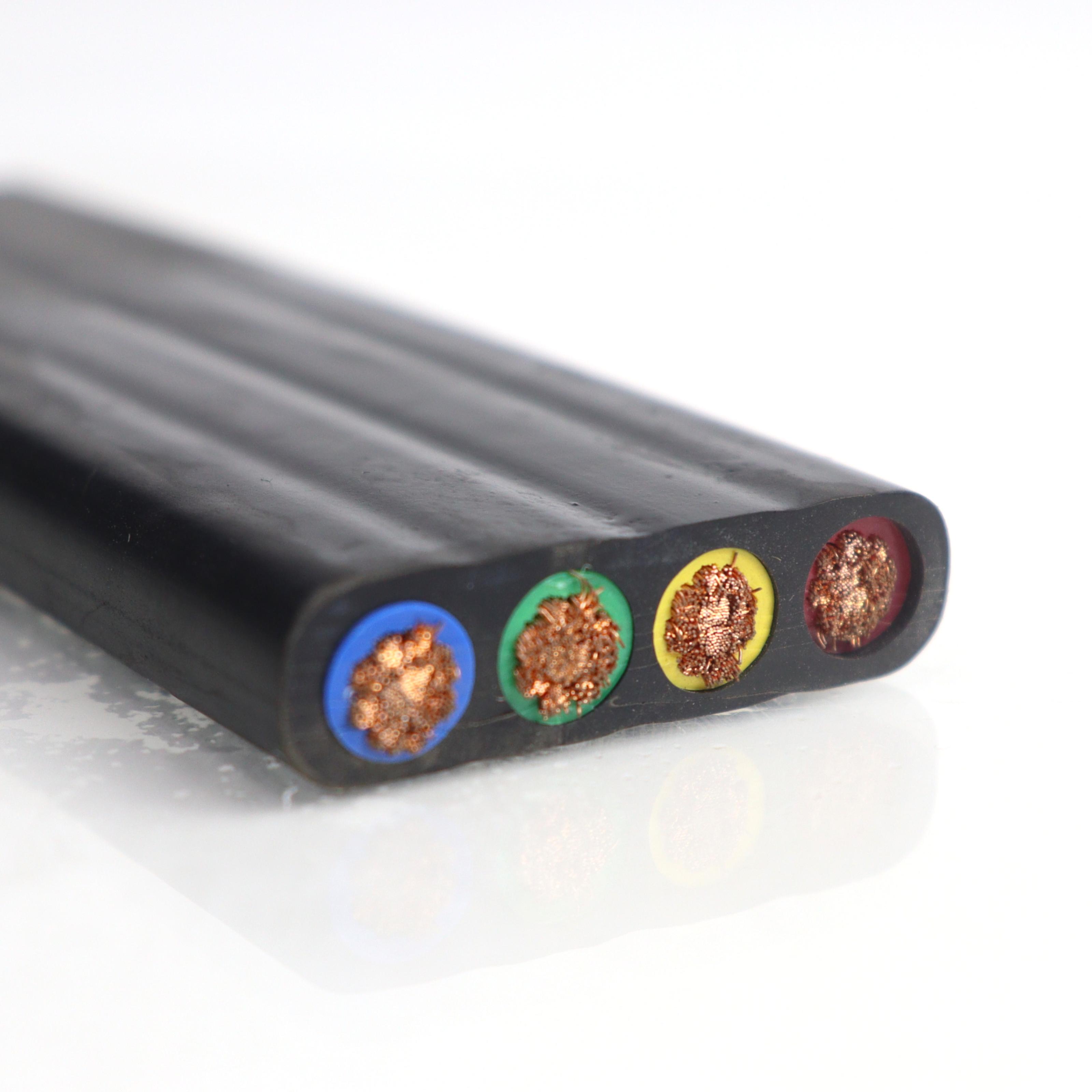
Drag Chain Cable for Reliable Motion Systems

application/drag-chain-cable, application/drag-chain-cable, 
Inquiry
Inquiry

drag chain cable

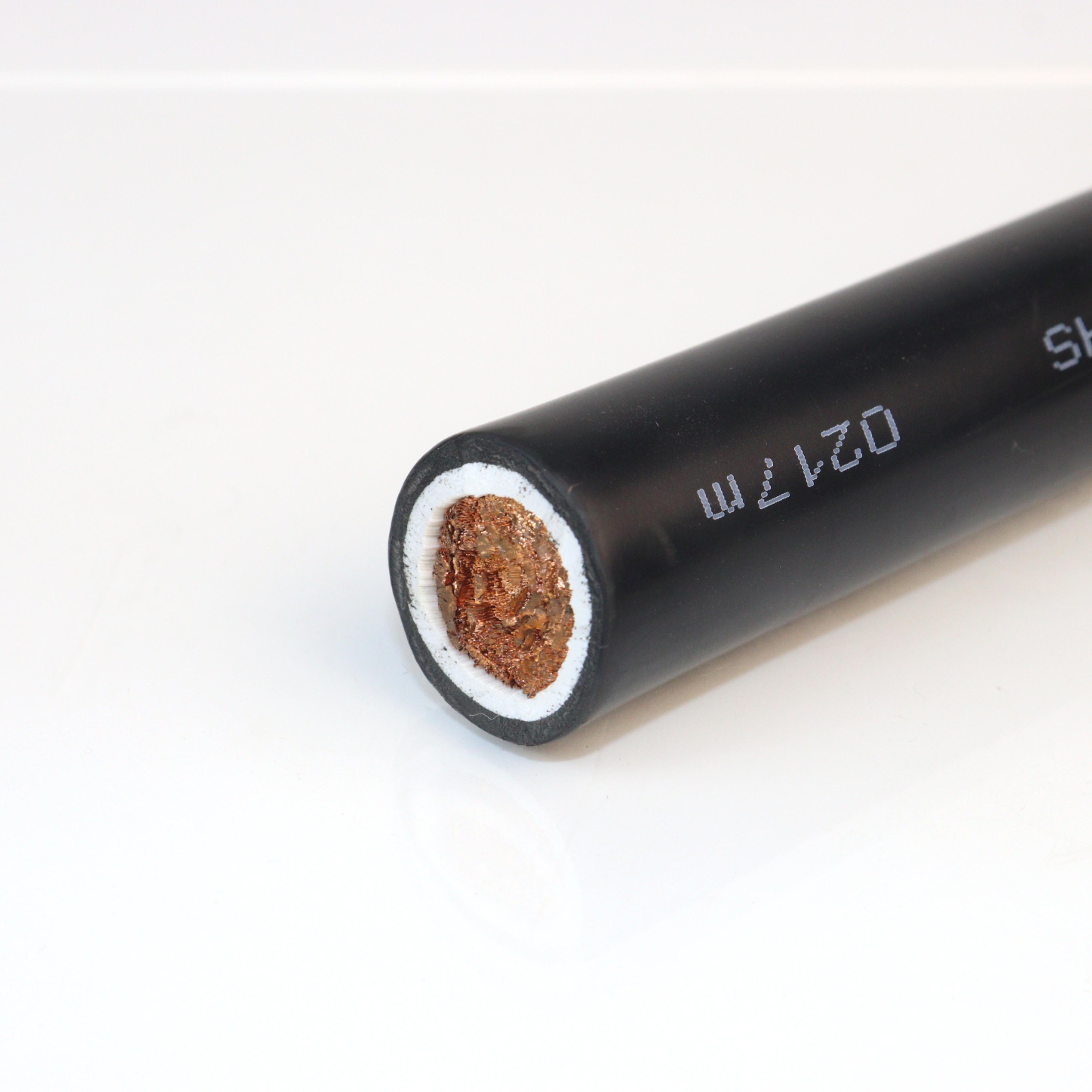
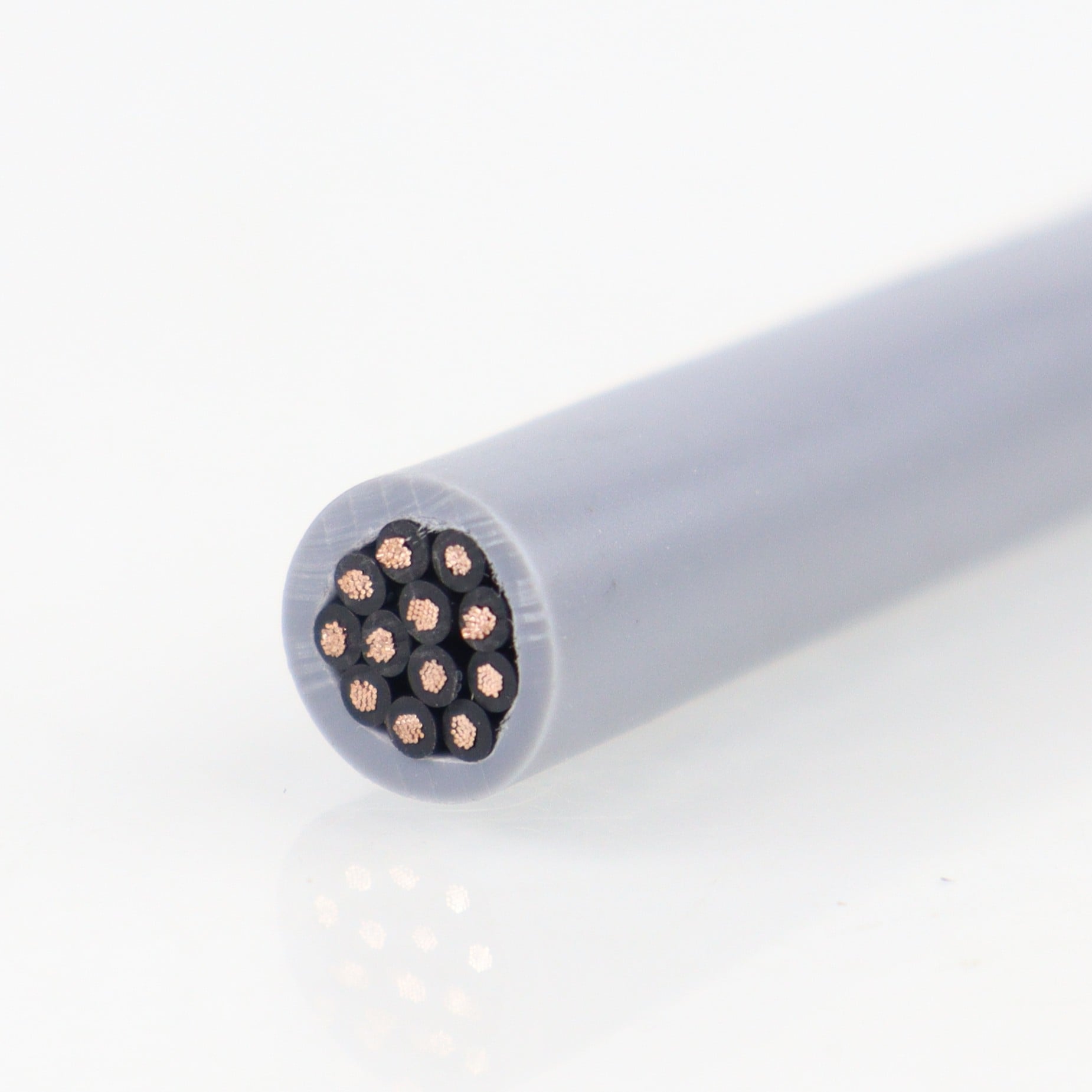
A drag chain cable is a flexible power and data cable designed for machines that move repeatedly along a guided path. It runs inside a cable carrier, also called an energy chain, which controls bending and keeps wires separated from moving equipment. The drag chain cable supports continuous travel in linear, vertical, rotary, and multi-axis systems while protecting conductors from pulling, twisting, crushing, and abrasion. Its main functions include supplying power to motors, carrying control signals, transmitting data, and connecting sensors, actuators, tools, and other machine components. Unlike a standard fixed-installation cable, a drag chain cable uses finely stranded copper conductors and flexible insulation to withstand frequent motion. Many designs also include shielding to reduce electrical interference near drives and control equipment. A suitable drag chain cable may contain power cores, signal pairs, communication elements, grounding wires, or fiber components in one organized assembly. The outer jacket resists oil, coolant, dust, moisture, and mechanical wear according to the selected specification. Proper bending radius, travel length, speed, acceleration, temperature range, and carrier size determine the right product. A reliable drag chain cable helps maintain stable connections as equipment cycles throughout the day. It reduces unplanned stops and simplifies machine wiring because one purpose-built cable can serve demanding moving applications. Manufacturers use this solution in CNC machines, robotic cells, packaging lines, warehouse systems, printing equipment, woodworking machines, and automated production equipment. When selected correctly, a drag chain cable delivers dependable motion, orderly installation, and long service life in harsh operating environments.
Choosing a drag chain cable gives buyers a practical way to protect electrical connections in moving machinery. The cable follows the carrier instead of hanging loosely, so it avoids snags, sharp bends, and contact with nearby parts. This organized movement lowers the chance of conductor fatigue and helps the machine maintain consistent performance over many cycles. A drag chain cable also reduces maintenance work. Its flexible construction handles repeated travel, while a durable jacket helps resist oil, coolant, moisture, dust, and rubbing. Fewer cable failures mean fewer emergency repairs, less production loss, and a more predictable maintenance schedule. For equipment builders, a drag chain cable can simplify design and installation. Multiple power, control, and communication circuits can be grouped in one assembly, which saves space and keeps the carrier interior orderly. Clear circuit identification and suitable jacket colors can also make troubleshooting faster. Buyers can select a drag chain cable for low-voltage signals, motor power, network communication, or mixed applications, depending on the machine layout. Shielded versions support cleaner signal transmission near variable-speed drives and other sources of electrical noise. The product suits short, compact axes as well as long-travel systems, provided the supplier matches the cable to travel distance, speed, bending radius, temperature, and carrier design. A drag chain cable may cost more than a basic fixed cable, but its motion rating provides stronger value where equipment runs continuously. Customers should compare conductor size, approved bend radius, cycle rating, jacket material, shielding, connector options, and environmental resistance before ordering. This decision-focused approach helps users avoid premature wear and select a drag chain cable that fits real operating conditions. The result is safer routing, stable machine output, easier servicing, and better total ownership value.

Tips And Tricks

Shanghai Libin Cable Showcases Robot and Automation Cable Solutions at CMES Shanghai Industrial Automation & Robotics Exhibition

16

Oct

Shanghai Libin Cable Showcases Robot and Automation Cable Solutions at CMES Shanghai Industrial Automation & Robotics Exhibition

View More
Shanghai Libin Cable Showcases Crane Cable Solutions at the 11th China (Changyuan) International Crane Equipment Expo

16

Oct

Shanghai Libin Cable Showcases Crane Cable Solutions at the 11th China (Changyuan) International Crane Equipment Expo

View More
Why Drag Chain Cables Fail: Four Common Causes and How to Select Correctly

16

Oct

Why Drag Chain Cables Fail: Four Common Causes and How to Select Correctly

View More
Industrial Robot Combination Cable: Routing Power and Signal Together in a Small-Bend-Radius Drag Chain

16

Oct

Industrial Robot Combination Cable: Routing Power and Signal Together in a Small-Bend-Radius Drag Chain

View More

Get a Free Quote

Our representative will contact you soon.
0/1000
Built for Continuous Flexing

Built for Continuous Flexing

The most important feature of a drag chain cable is its ability to flex repeatedly without quickly losing electrical performance. Fine-stranded copper conductors allow the cable to bend smoothly as the carrier travels back and forth. Flexible insulation supports movement while keeping each core protected from contact and stress. A properly designed drag chain cable spreads bending across the cable body instead of forcing one point to absorb every cycle. This matters on CNC slides, robot axes, pick-and-place systems, and other equipment that operates for long hours. Buyers gain more reliable service and fewer interruptions caused by broken conductors. The cable also helps equipment builders create compact routes without leaving excessive slack around the machine. To achieve the expected life, users must observe the stated bending radius and avoid twisting the assembly. When matched with the correct carrier, a drag chain cable provides controlled movement, stable power delivery, and dependable signal continuity through demanding production cycles.
Protection Against Industrial Conditions

Protection Against Industrial Conditions

A moving machine exposes wiring to more than repeated bending. Oil, coolant, dust, moisture, heat, vibration, and rubbing can all shorten cable life. A quality drag chain cable uses an outer jacket selected for the actual working environment, helping shield internal conductors from these common hazards. Some versions resist oils and coolants used in machine tools, while others support outdoor equipment, clean production areas, or low-temperature operation. This protection gives a drag chain cable a clear advantage over ordinary indoor wiring that may become brittle, swollen, or cracked. Better resistance helps preserve insulation, reduce leakage risks, and maintain dependable machine signals. It also limits the frequency of cable replacement in areas where access is difficult or downtime is expensive. Buyers should review chemical exposure, temperature, movement speed, and cleaning methods before choosing the jacket. With the right specification, a drag chain cable keeps essential connections protected while equipment works in demanding conditions.
Power, Control, and Data in One Route

Power, Control, and Data in One Route

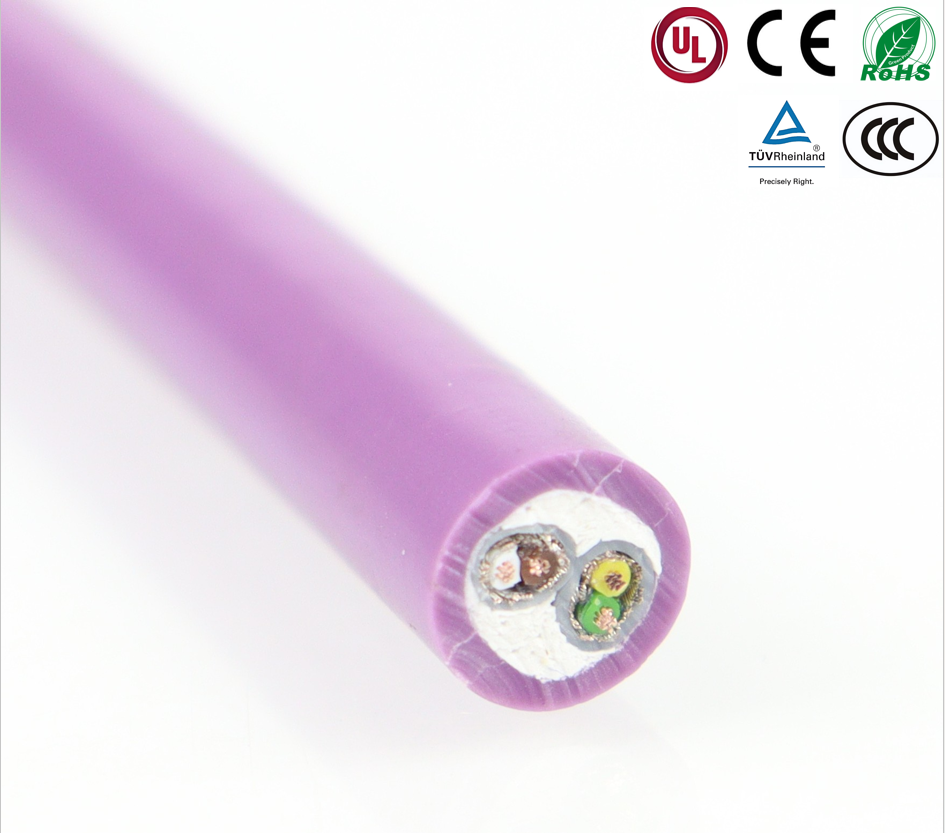
Modern machines often need several connection types at the same time. Motors require power, sensors need control circuits, and networked devices depend on reliable data transmission. A versatile drag chain cable can combine these functions or provide a coordinated family of cables for one carrier. This arrangement reduces clutter and supports a cleaner, more serviceable machine design. Shielded signal pairs can help limit interference, while suitable conductor sizes support the required current and voltage. A drag chain cable designed for communication may also preserve signal quality during repeated movement, which is important for robotic equipment and automated inspection systems. Grouping circuits in a planned route reduces installation time and makes fault tracing more direct. It can also reduce the space needed inside a carrier, leaving room for future additions. Before purchase, customers should confirm compatibility with drives, networks, connectors, and control hardware. Selecting the correct drag chain cable improves system integration, supports accurate machine response, and gives buyers a flexible connection solution as production needs change.