shielded flat cable
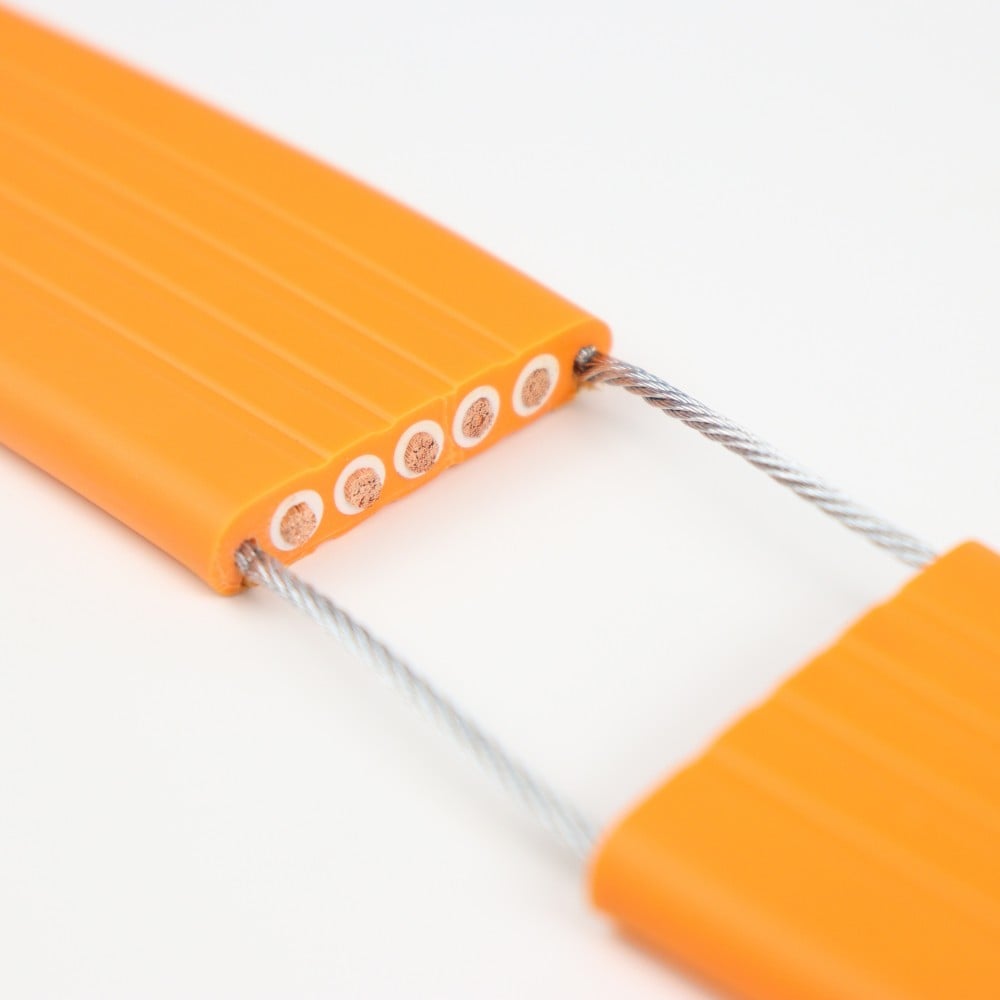
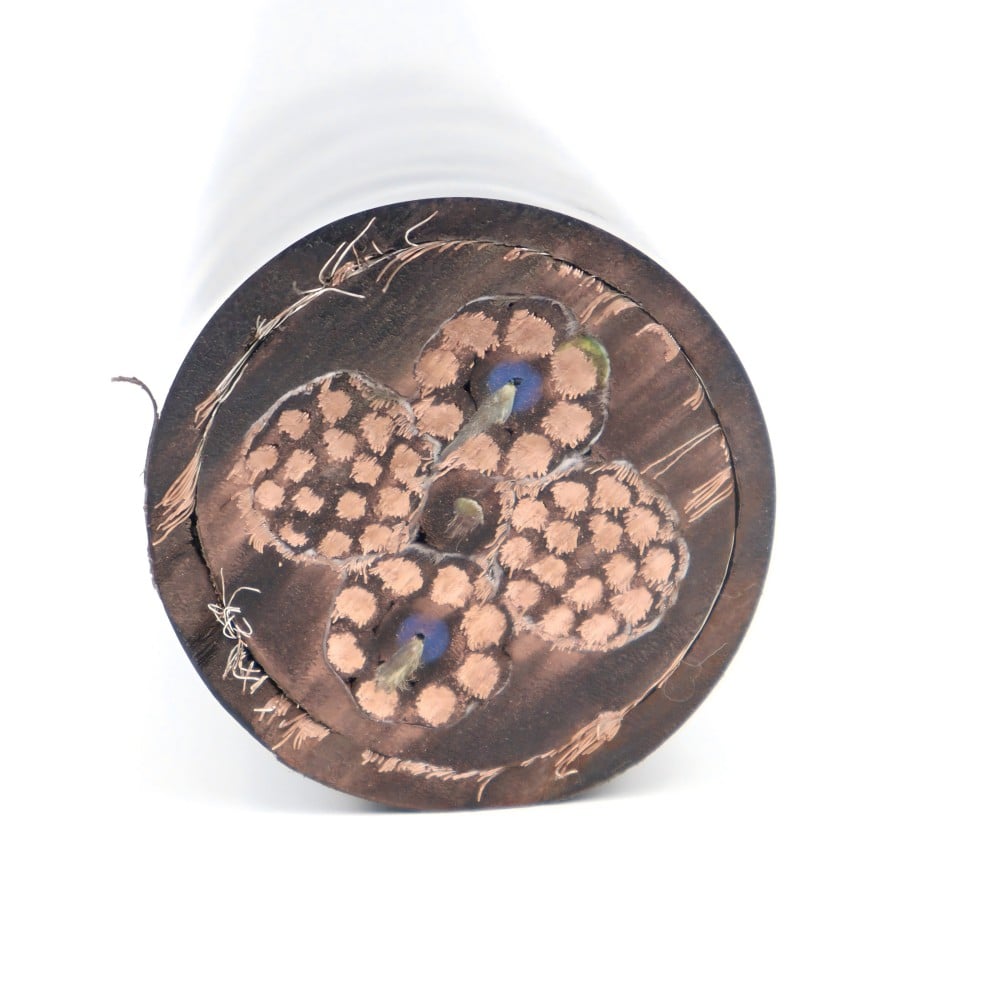
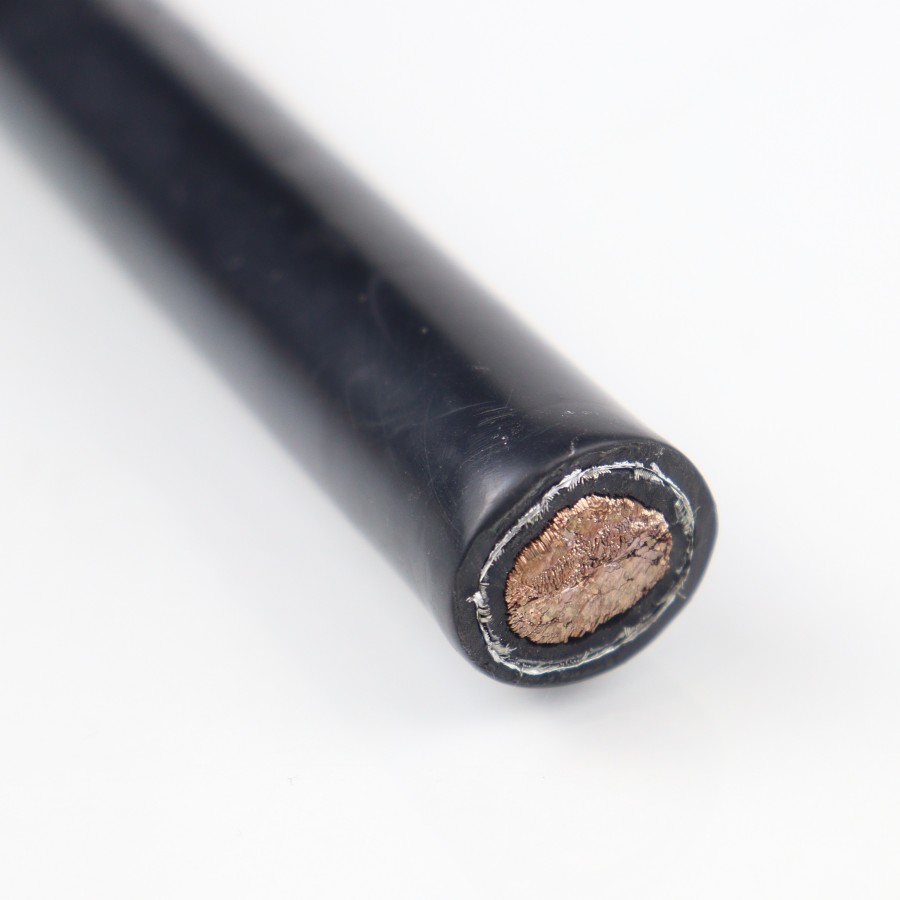
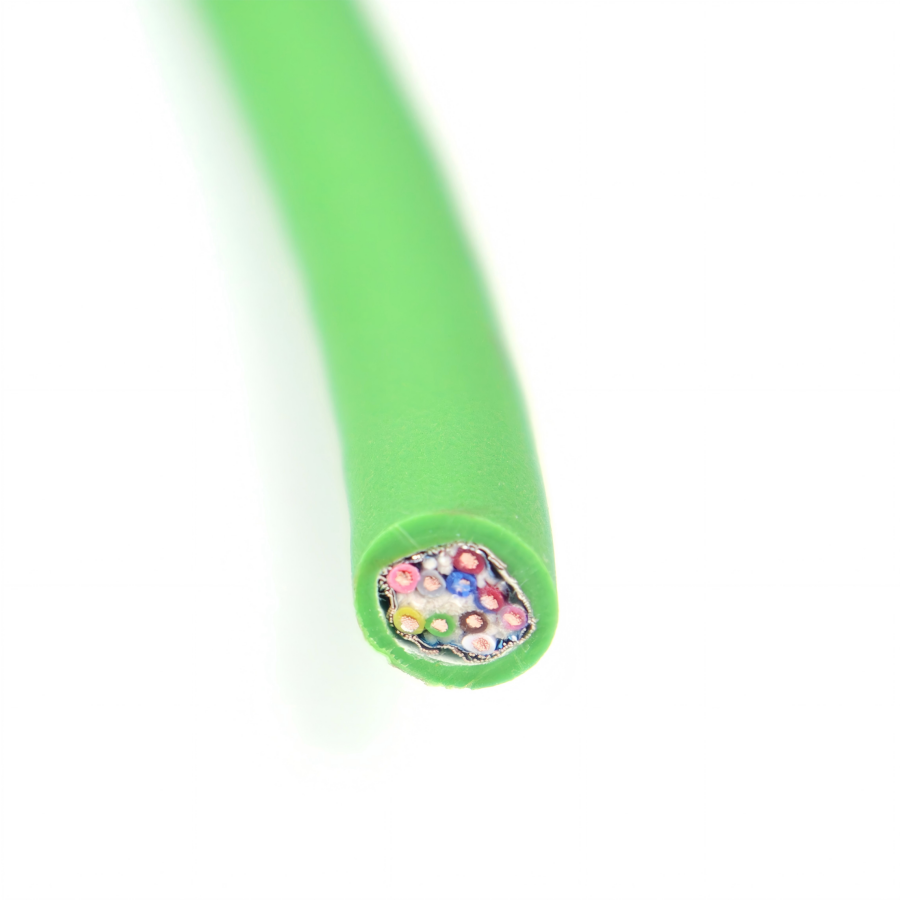
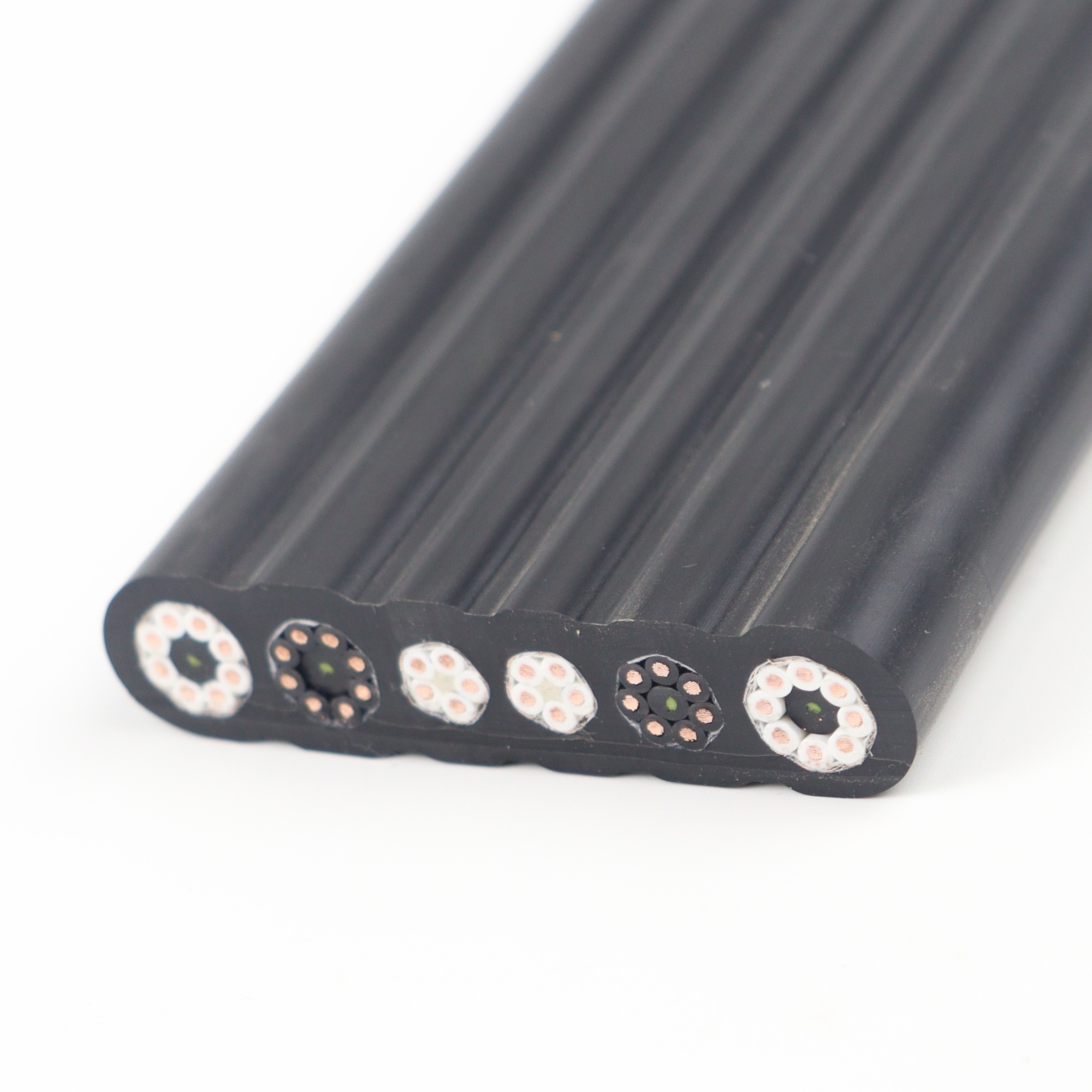
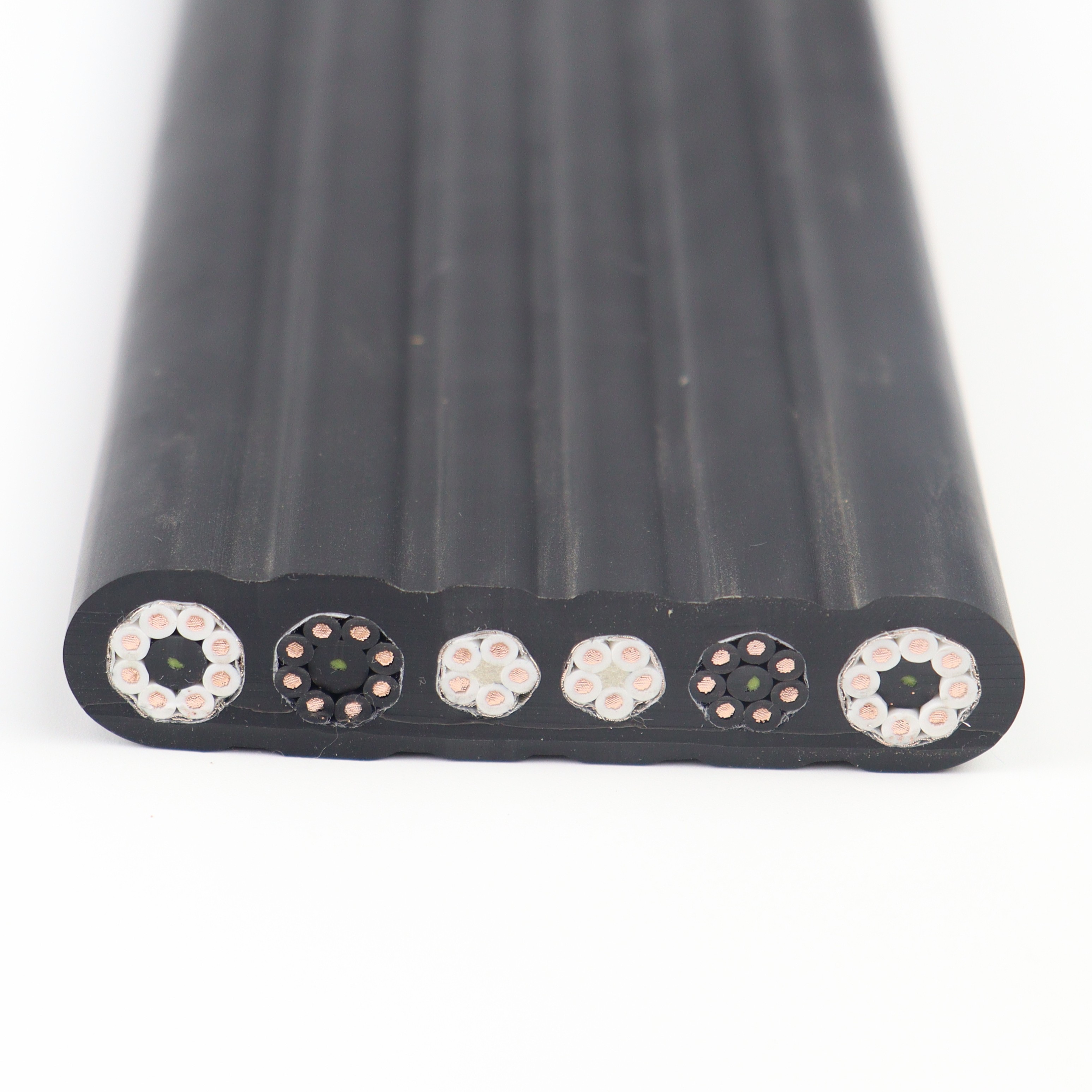
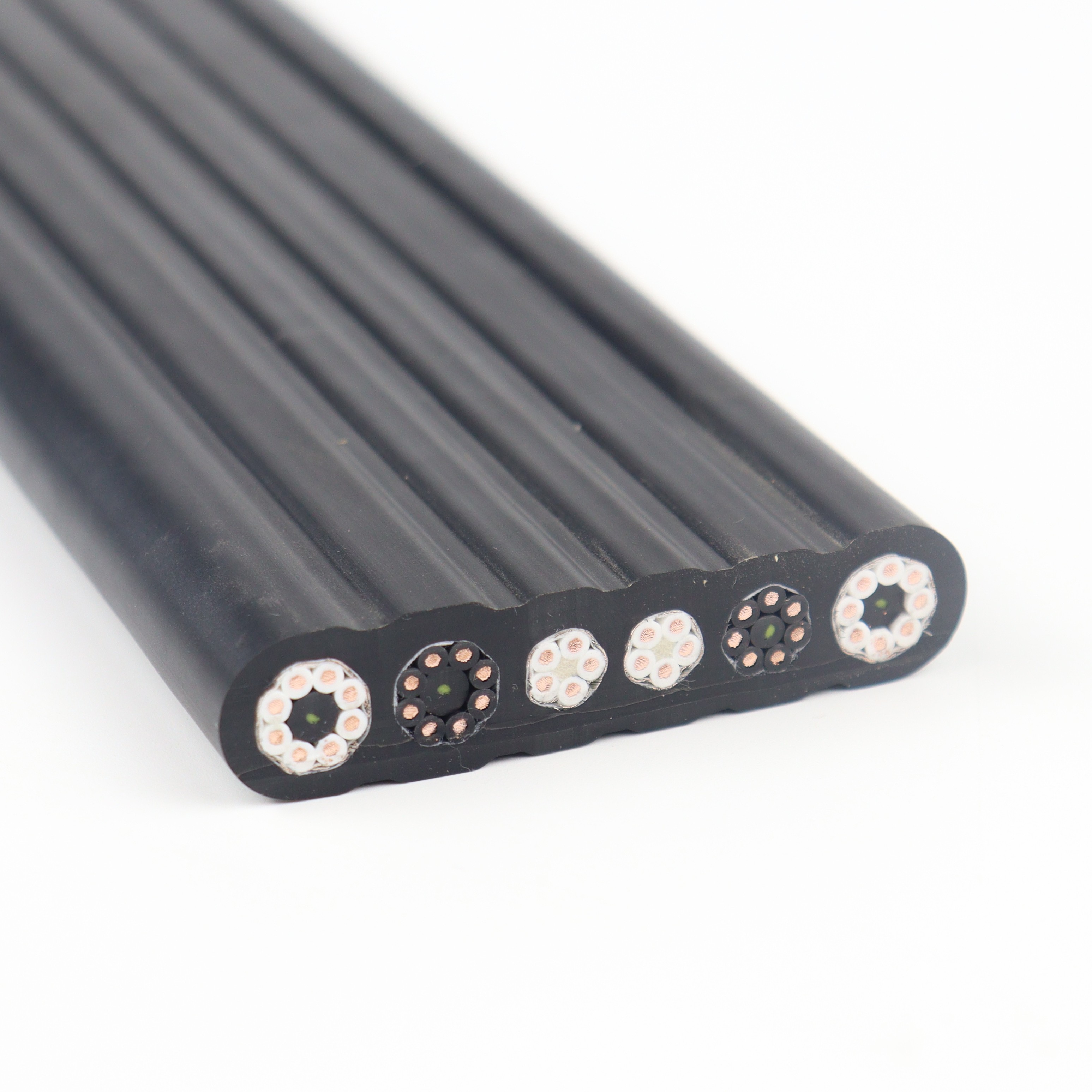
A shielded flat cable is a flexible, space-saving cable designed to carry power or data while reducing interference from nearby electrical equipment. Its flat profile allows neat routing through narrow spaces, under panels, inside machines, and across compact control systems. The shielded flat cable combines multiple conductors in one organized ribbon, helping installers connect several circuits without the bulk of separate round cables. A typical shielded flat cable uses copper conductors, durable insulation, a foil or braided protective layer, and an outer jacket or drain wire for grounding. The shield helps block electromagnetic interference and radio-frequency interference that can weaken signals, create noise, or cause unwanted equipment behavior. As a result, the shielded flat cable supports more stable communication in environments with motors, drives, relays, transformers, and switching equipment. Depending on the design, the shielded flat cable may support high-speed data, control signals, low-voltage power, or mixed machine connections. Contact spacing and conductor count can be selected to match connectors, terminals, and system layouts. Many versions also offer flexible materials for repeated movement, flame resistance, oil resistance, and temperature protection. The shielded flat cable is available in custom lengths and configurations, which helps reduce cutting, labeling, and assembly work. Common applications include industrial automation, robotics, medical equipment, computers, test instruments, security systems, and factory control cabinets. For buyers, the shielded flat cable provides organized installation, dependable signal transfer, improved noise protection, and efficient use of limited space.