Flat Electrical Cable for Safe, Flexible Wiring

application/flat-electrical-cable, application/flat-electrical-cable, 
Inquiry
Inquiry

flat electrical cable

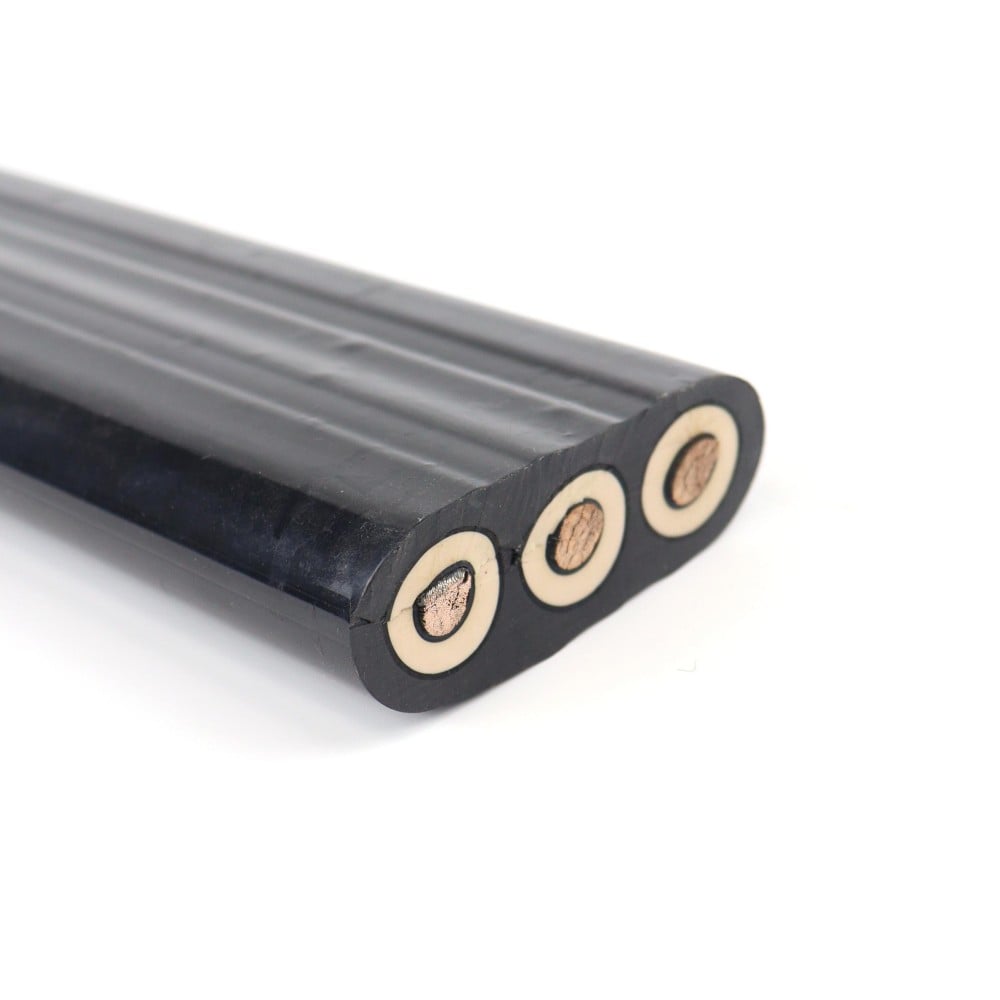
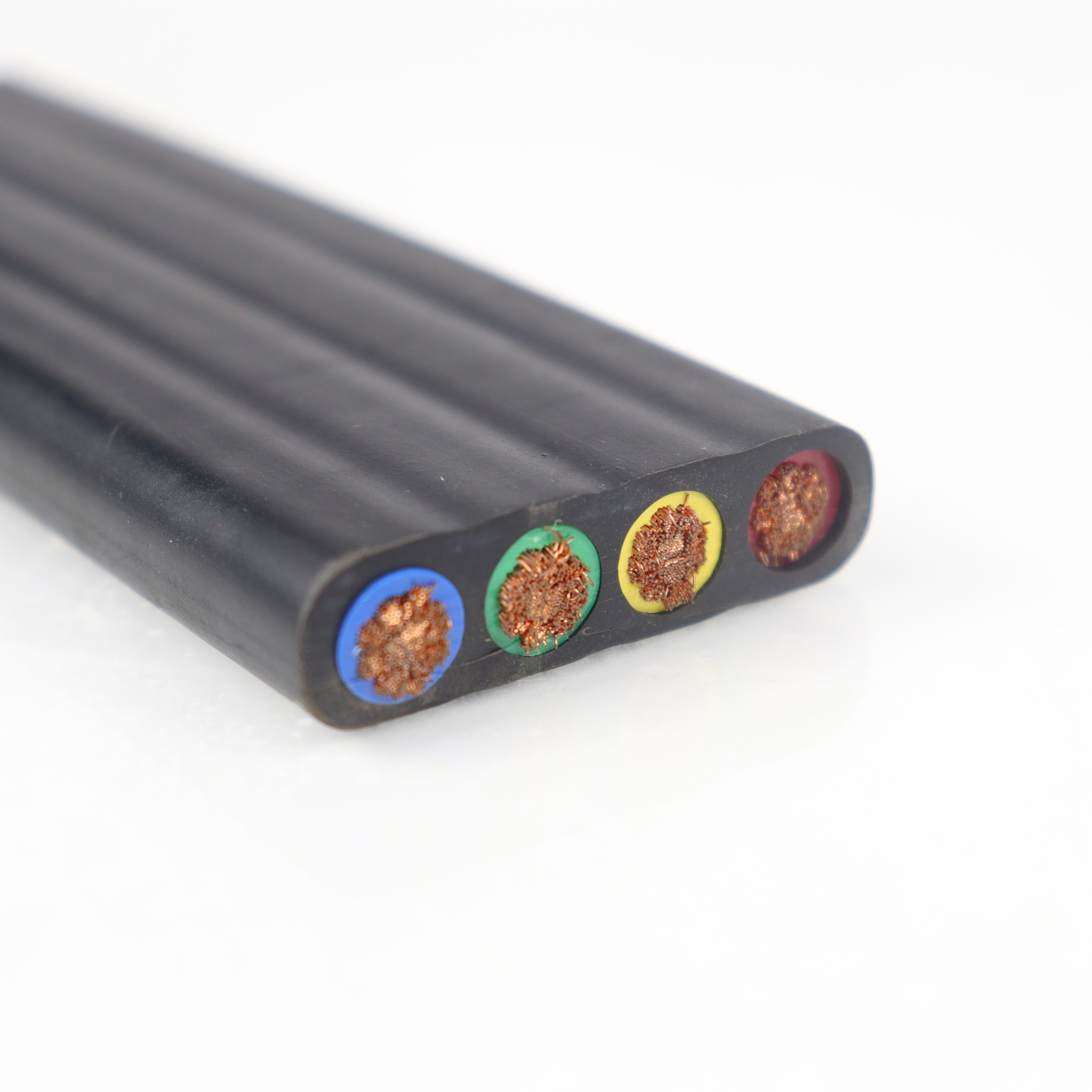
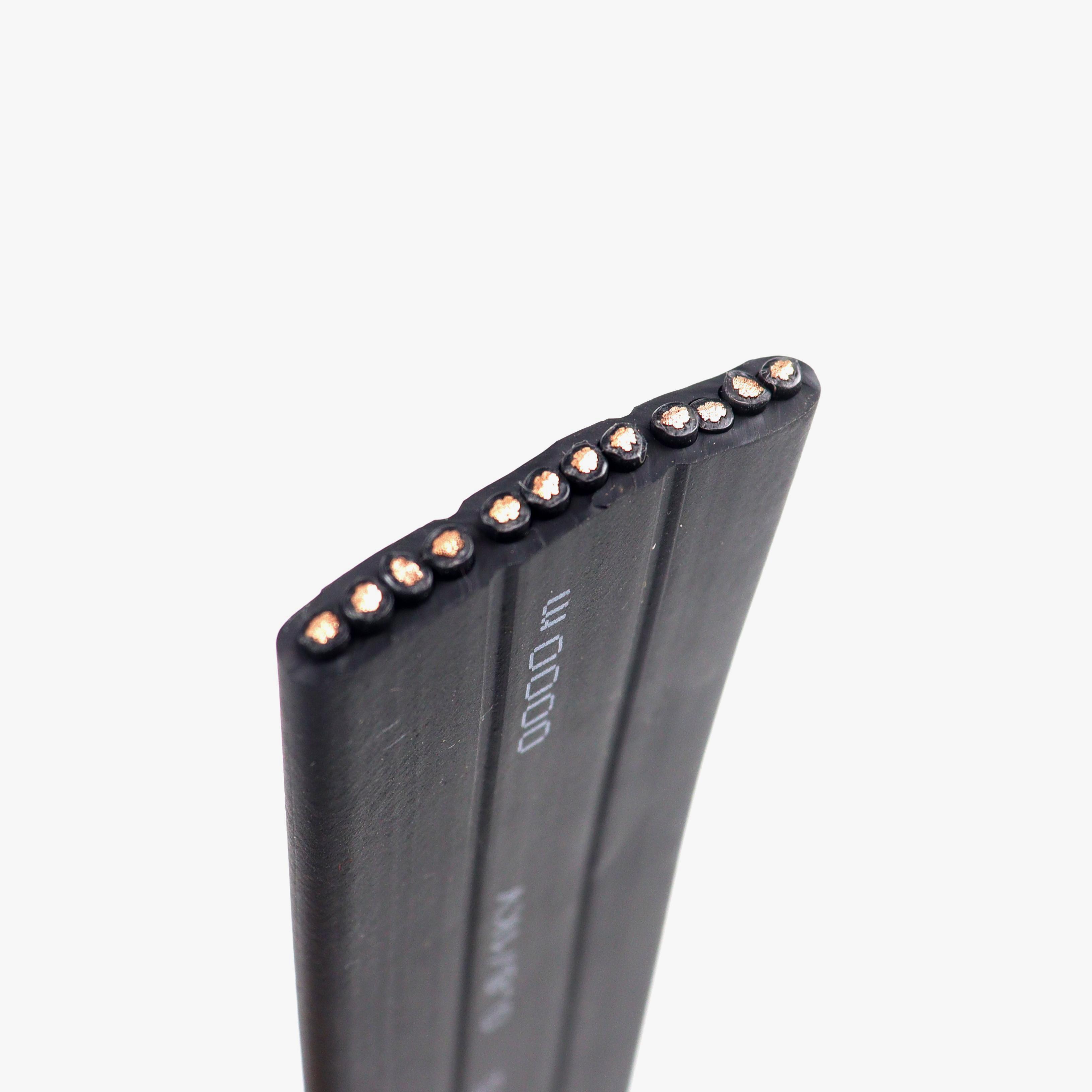
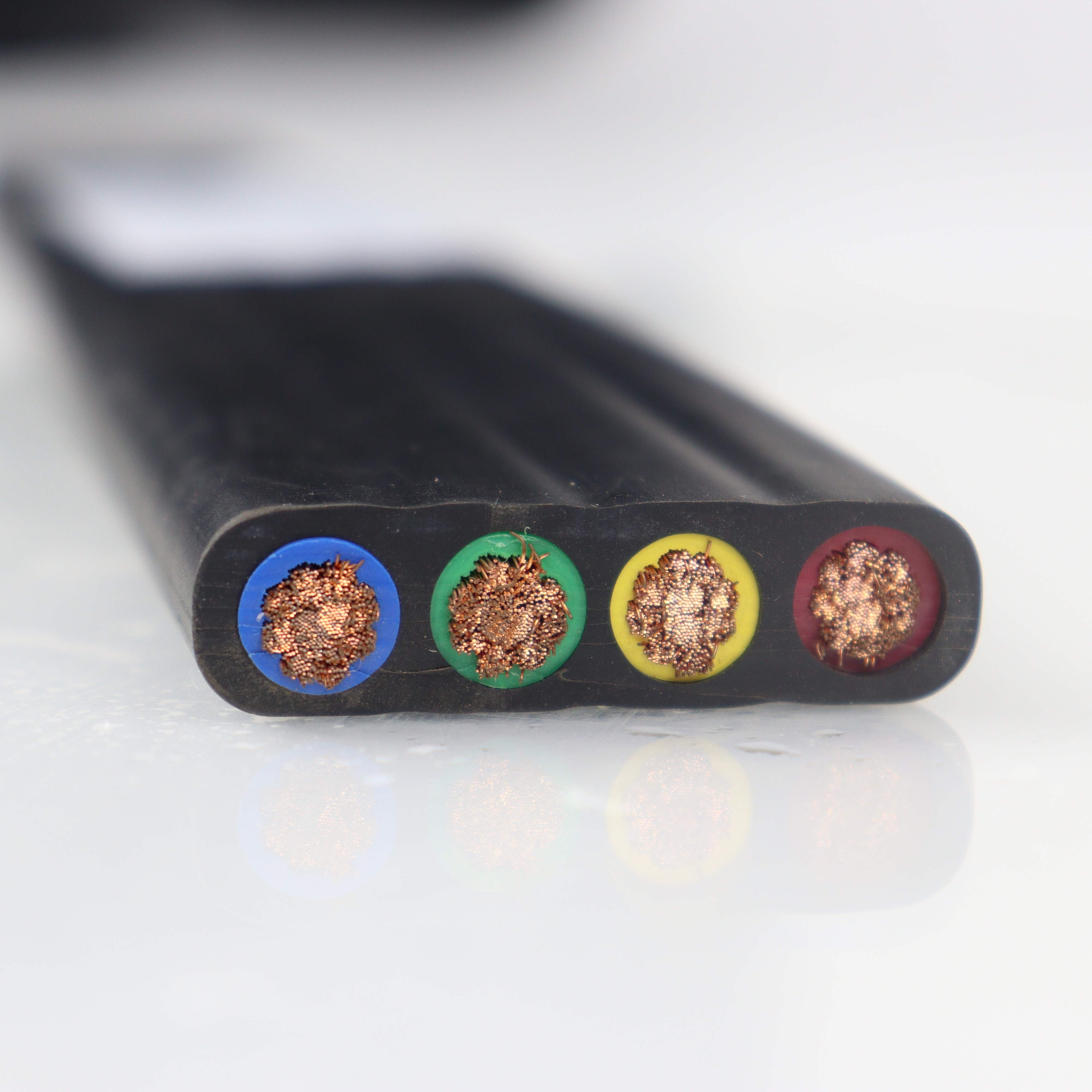
A flat electrical cable is a compact wiring solution designed to carry electrical power or signals through a slim, flexible profile. Unlike round conductors, a flat electrical cable places insulated wires side by side, which helps it fit neatly into narrow spaces, moving assemblies, control cabinets, and equipment housings. The flat electrical cable can support power distribution, data transmission, grounding, or mixed connection needs, depending on its conductor layout and insulation design. In control panels and machines, this format reduces cable bulk and creates a cleaner wiring path. Because a flat electrical cable bends across one plane, installers can route it close to surfaces and secure it with clips, channels, or connectors. Manufacturers build each flat electrical cable with copper or tinned copper conductors, protective insulation, and an outer jacket selected for the working environment. A flat electrical cable may include PVC, rubber, silicone, or other flexible materials that help resist heat, moisture, abrasion, oils, or movement. Depending on the model, options include different conductor counts, voltage ratings, cross-sections, lengths, shielding, and connector styles. The flat electrical cable suits appliances, lighting systems, automation equipment, battery packs, office devices, and industrial machinery. The flat electrical cable also supports tidy internal connections where space, bend control, and reliable contact matter. When selecting a flat electrical cable, buyers should match current capacity, temperature range, insulation type, bend requirements, connector compatibility, and certification needs to the application.
A flat electrical cable gives buyers a practical way to simplify wiring without sacrificing dependable performance. Its slim shape uses less space than a bundle of separate round wires, so a flat electrical cable can help designers make equipment smaller or leave room for other parts. The flat electrical cable also creates an orderly installation, making it easier to identify circuits, inspect connections, and maintain finished equipment. For production teams, this can reduce assembly time and limit the need for multiple cable ties or complicated routing hardware. A flat electrical cable bends in a controlled direction, which makes it suitable for drawers, hinged covers, sliding mechanisms, robotic axes, and other parts that move repeatedly. When the correct flex-rated model is chosen, a flat electrical cable can handle regular movement while protecting conductors from excessive strain. Its broad contact surface can also improve heat spreading in some designs, while clearly separated conductors make termination and testing more convenient. The flat electrical cable is available in many widths, conductor counts, insulation materials, and voltage classes, allowing customers to select a product instead of overbuilding a complete harness. A flat electrical cable with shielding can reduce interference in sensitive signal applications, while a basic unshielded version may provide a lower-cost choice for simple power connections. For outdoor, hot, damp, or oily locations, buyers can choose a flat electrical cable with a jacket designed for those conditions. This flexibility supports appliances, machines, lighting, control panels, solar equipment, battery systems, and automation products. A flat electrical cable may also lower long-term service costs because its clear layout speeds fault tracing and replacement. Before purchase, compare conductor size, rated current, bend life, operating temperature, connector type, and required approvals. Selecting the right flat electrical cable helps prevent overheating, premature wear, installation delays, and avoidable redesign work.

Practical Tips

Shanghai Libin Cable Showcases Robot and Automation Cable Solutions at CMES Shanghai Industrial Automation & Robotics Exhibition

16

Oct

Shanghai Libin Cable Showcases Robot and Automation Cable Solutions at CMES Shanghai Industrial Automation & Robotics Exhibition

View More
Shanghai Libin Cable Showcases Crane Cable Solutions at the 11th China (Changyuan) International Crane Equipment Expo

16

Oct

Shanghai Libin Cable Showcases Crane Cable Solutions at the 11th China (Changyuan) International Crane Equipment Expo

View More
Why Drag Chain Cables Fail: Four Common Causes and How to Select Correctly

16

Oct

Why Drag Chain Cables Fail: Four Common Causes and How to Select Correctly

View More
Industrial Robot Combination Cable: Routing Power and Signal Together in a Small-Bend-Radius Drag Chain

16

Oct

Industrial Robot Combination Cable: Routing Power and Signal Together in a Small-Bend-Radius Drag Chain

View More

Get a Free Quote

Our representative will contact you soon.
0/1000
Space-Saving Profile for Cleaner Equipment

Space-Saving Profile for Cleaner Equipment

The slim, side-by-side layout is one of the strongest reasons to choose a flat electrical cable. It occupies less depth than a group of round wires and can follow a panel, door, tray, or equipment wall with minimal obstruction. A flat electrical cable helps product designers reduce enclosure size, improve airflow, and reserve space for sensors, switches, or cooling parts. It also keeps conductors arranged in a visible row, which supports quicker inspection and more consistent assembly. For installers, a flat electrical cable can reduce tangling and limit the number of separate tie points needed to hold a harness in place. This makes the flat electrical cable especially useful in compact appliances, office equipment, lighting units, battery modules, and control cabinets. Customers gain a neater finished product, simpler service access, and greater freedom when planning internal layouts. The flat electrical cable provides these benefits while still offering choices for conductor count, length, insulation, and connection style.
Flexible Routing for Moving Applications

Flexible Routing for Moving Applications

A controlled bending path makes the flat electrical cable valuable in equipment with doors, slides, hinges, or repeated motion. Instead of allowing individual wires to twist in different directions, the flat electrical cable guides conductors along a predictable plane. This helps reduce tangling, rubbing, and accidental pulling during normal operation. In a machine, a flat electrical cable can travel through a drag chain, across a folding section, or between a fixed panel and a moving carriage when the selected model matches the movement cycle. Flexible insulation protects the conductors and helps maintain reliable electrical contact over time. The flat electrical cable therefore supports smoother equipment design and can reduce maintenance caused by poorly managed wiring. Buyers should check bend radius, travel distance, flex cycles, speed, and temperature before selecting a product. With those factors matched correctly, the flat electrical cable can deliver dependable routing for automation, printers, medical devices, robotics, and adjustable fixtures. Its organized profile also makes replacement faster when service is required.
Reliable Protection for Different Environments

Reliable Protection for Different Environments

A well-selected flat electrical cable can protect power or signal conductors against the conditions found around real equipment. Insulation and jacket options may resist heat, moisture, abrasion, oils, sunlight, or repeated flexing, depending on the product design. This lets a flat electrical cable serve both clean indoor products and demanding industrial systems. Some versions include shielding to limit electromagnetic interference, which helps preserve signal quality near motors, drives, or switching devices. Others use flexible materials that remain workable at low temperatures or during frequent movement. The flat electrical cable can also simplify compliance planning when the manufacturer provides clear voltage, temperature, flame, and certification information. Customers benefit from choosing protection that matches the location instead of paying for unnecessary features or risking early failure with an unsuitable jacket. By reviewing conductor size, insulation rating, bend performance, and connector compatibility, buyers can select a flat electrical cable that supports safe operation, predictable service life, and easier system maintenance.