Flat Wire Cable: Features and Applications

application/flat-wire-cable, application/flat-wire-cable, 
Inquiry
Inquiry

flat wire cable

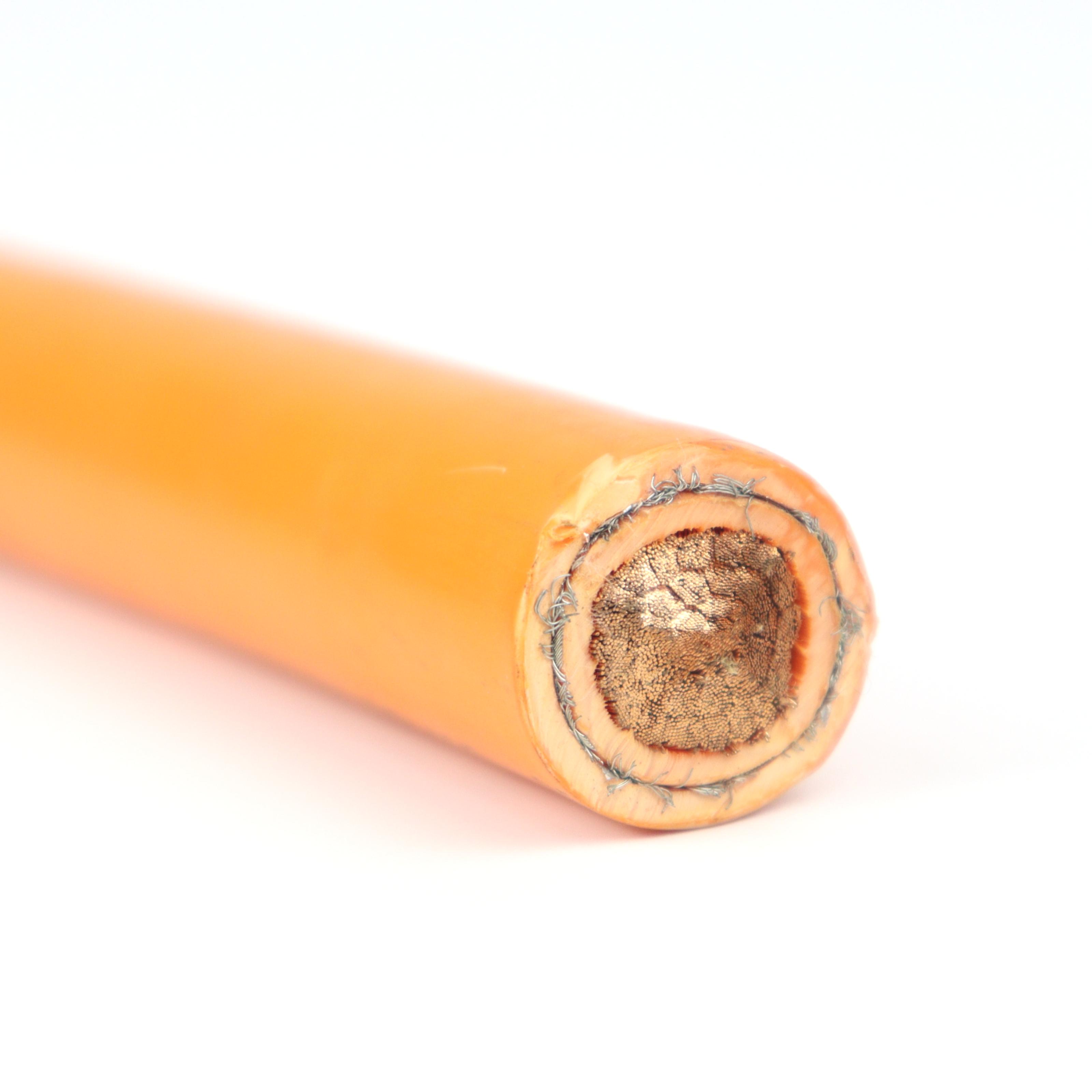
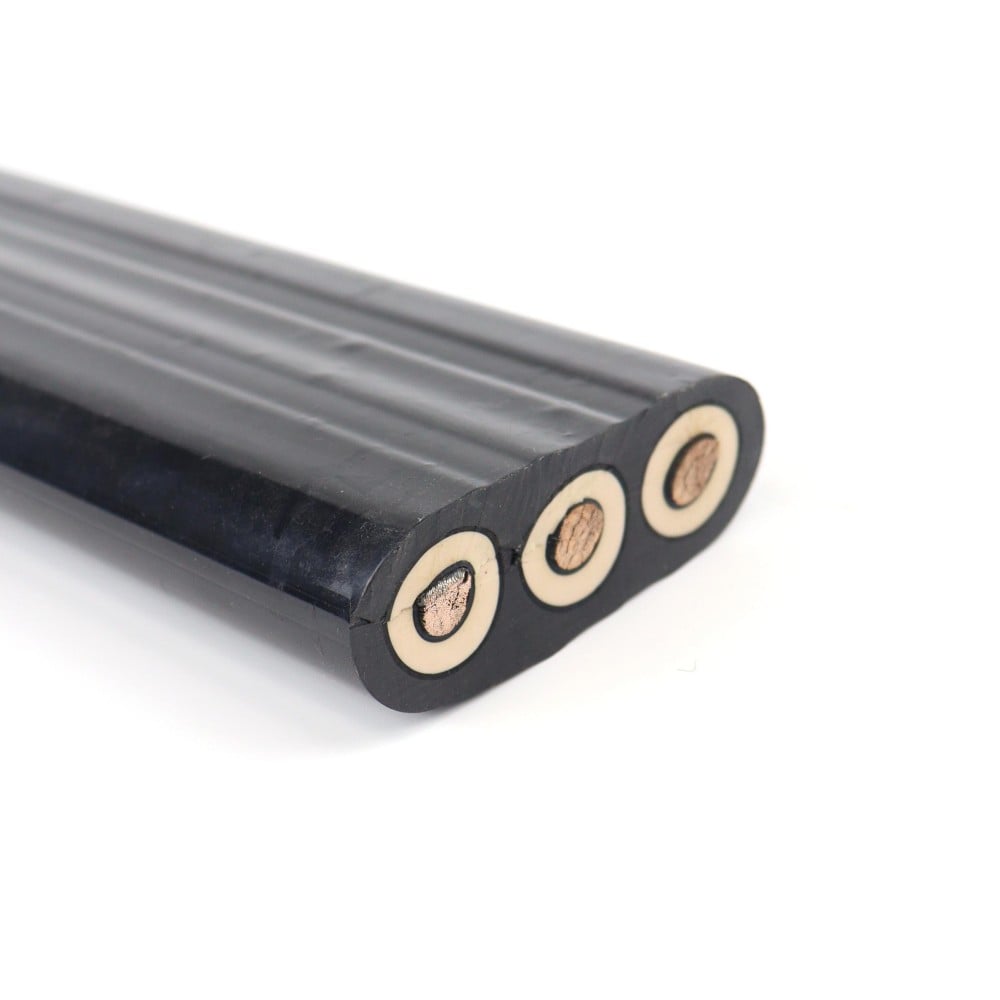
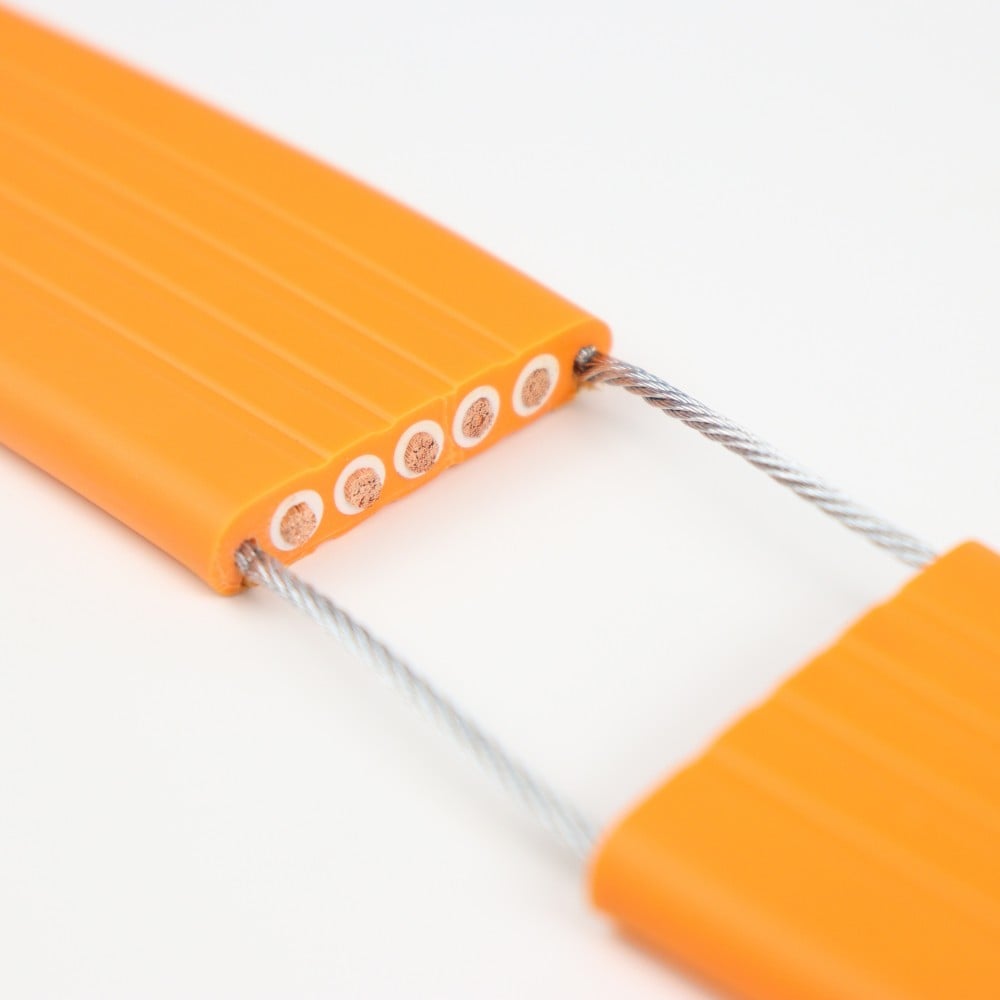
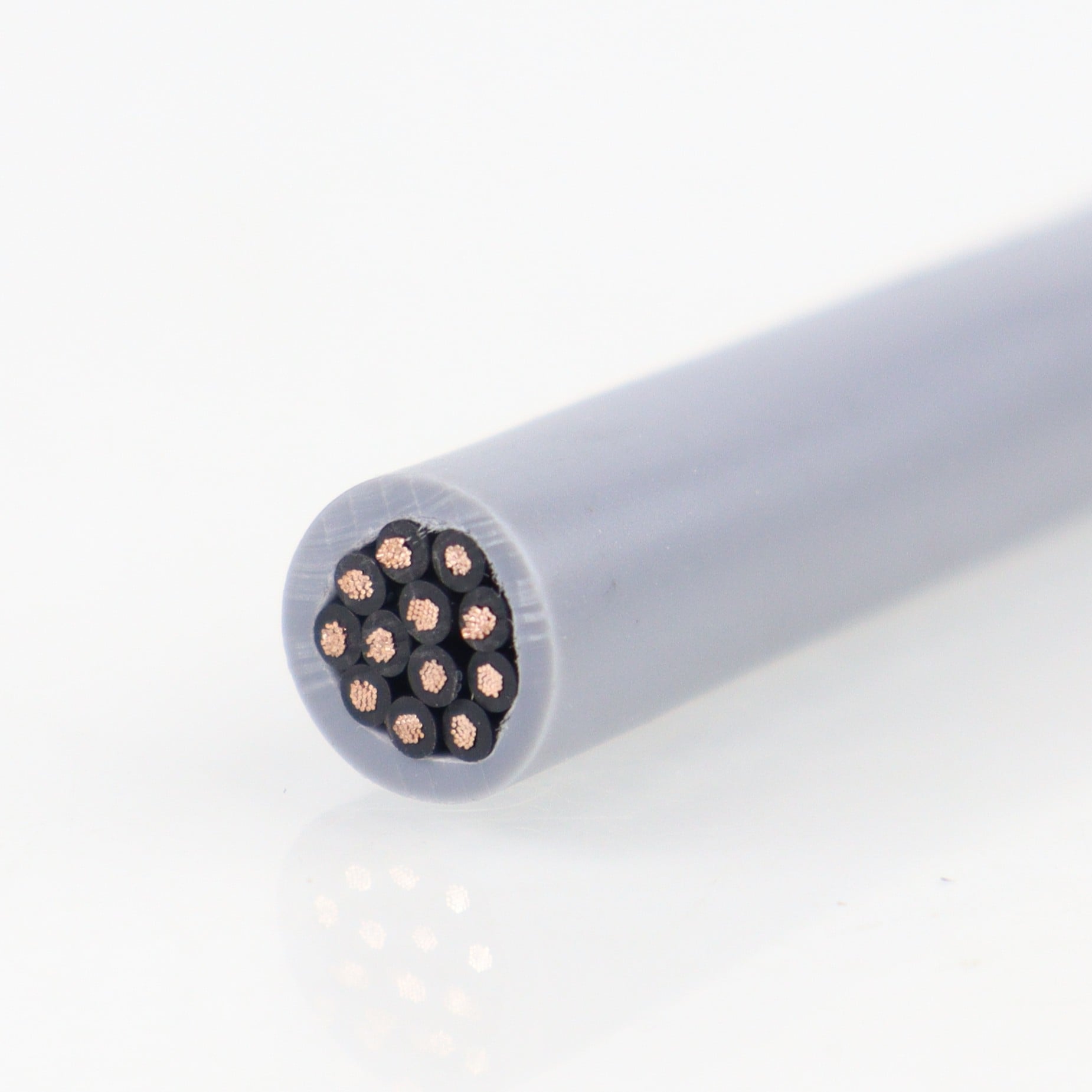
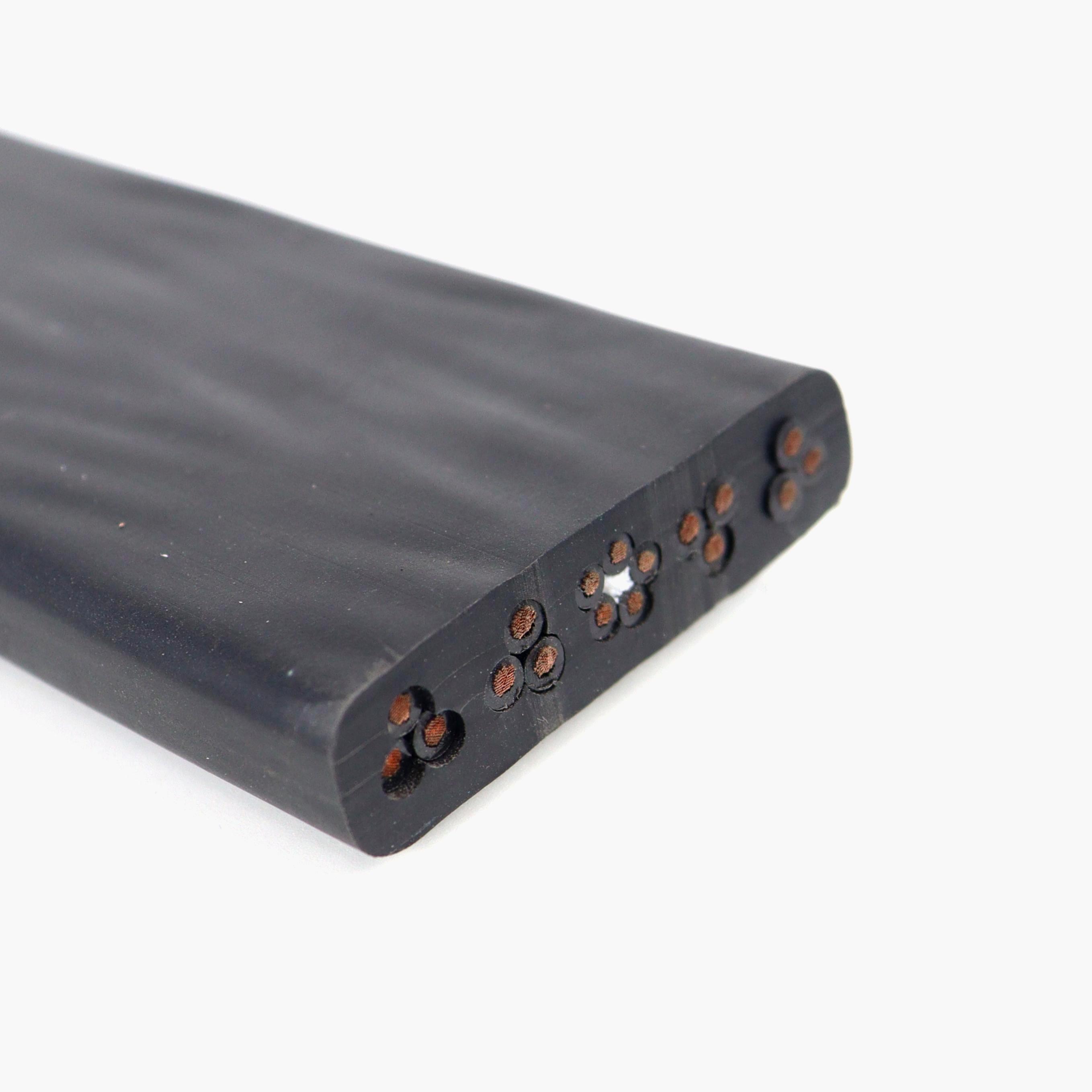
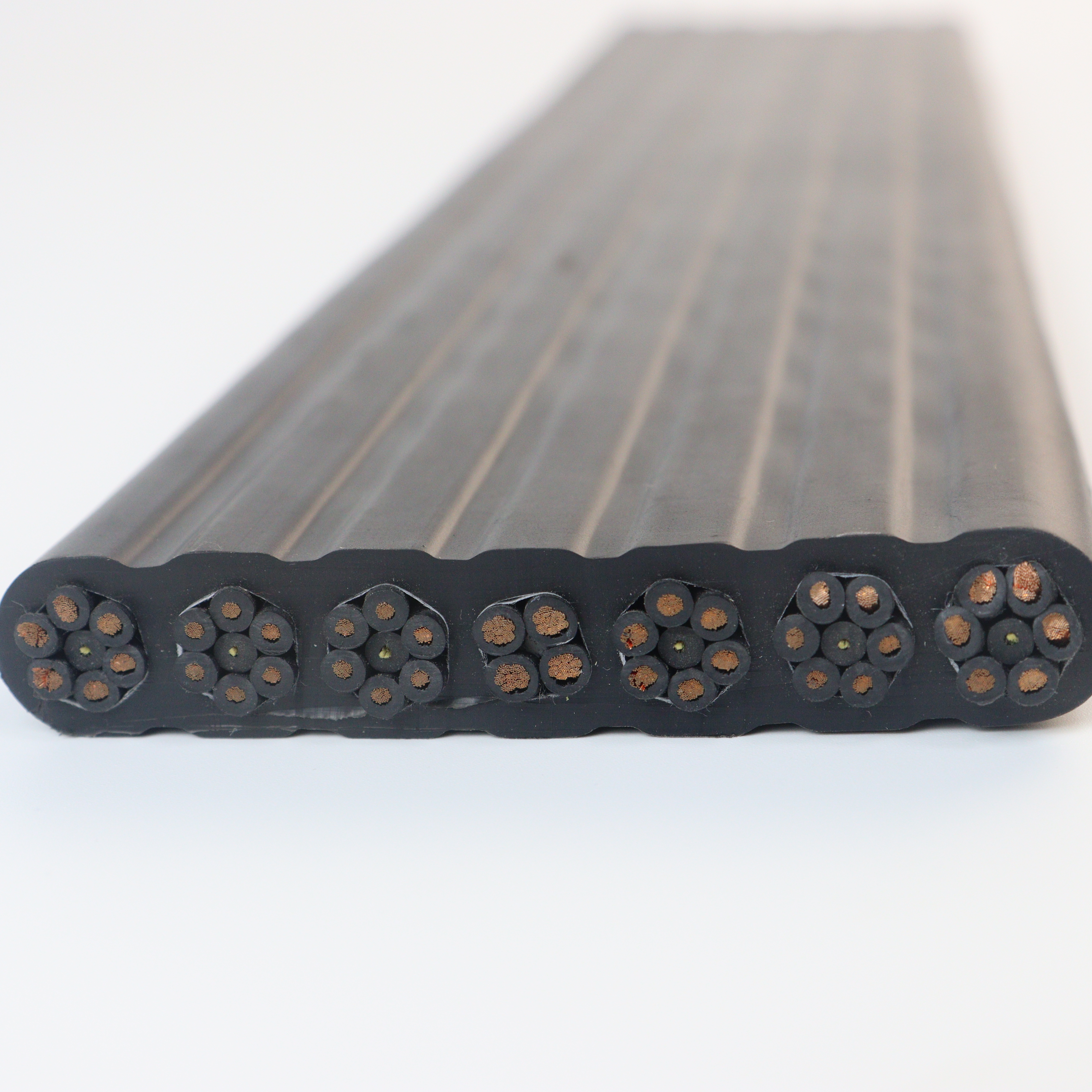
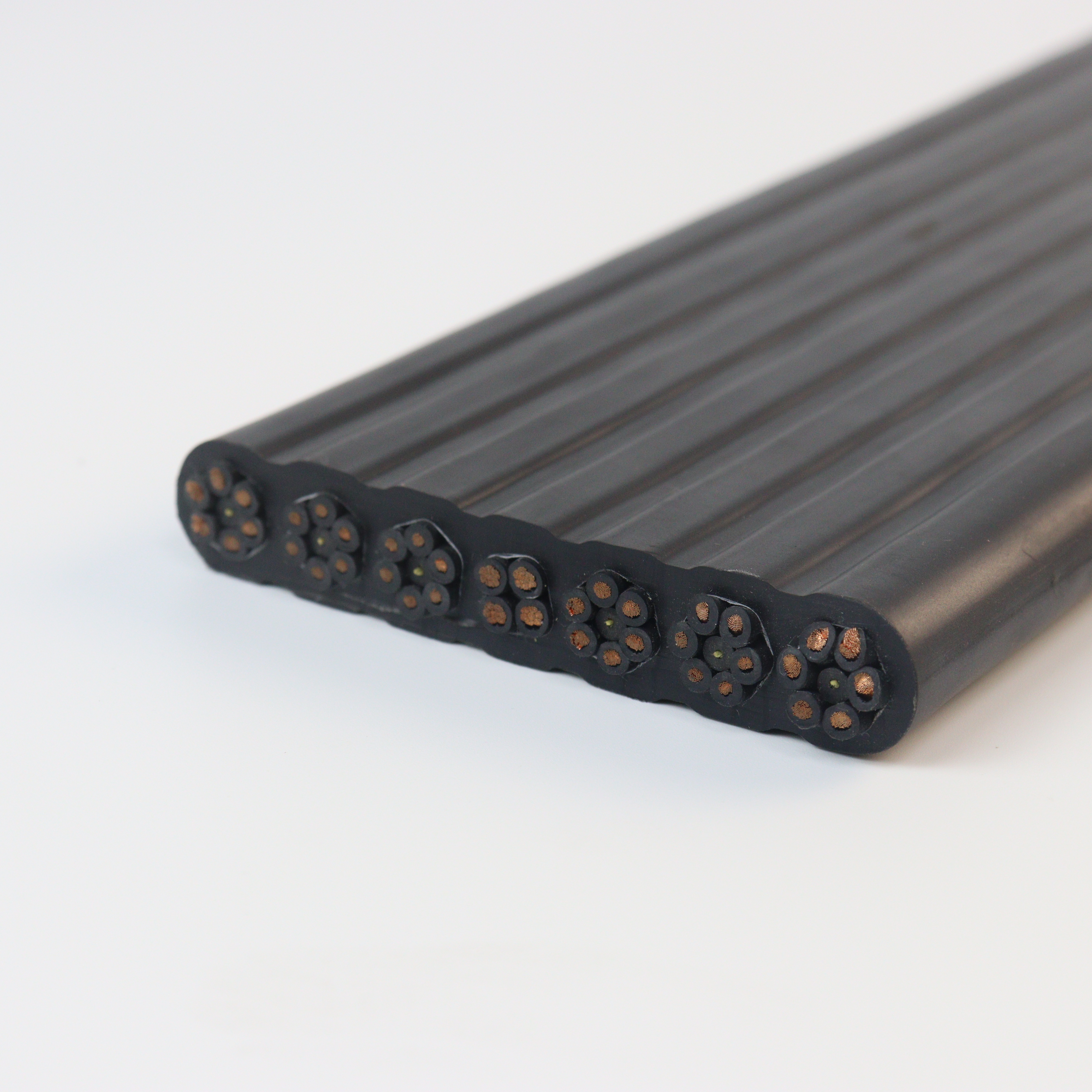
A flat wire cable is a compact electrical connection designed to carry power, control signals, or data between components. Its conductors sit side by side in a flexible, level profile, creating a neat alternative to round cable bundles. The flat wire cable supports organized routing inside equipment, panels, vehicles, appliances, and automated machines. It can connect boards, sensors, motors, displays, switches, and power modules while reducing clutter. Many designs use copper conductors with insulation made from PVC, TPE, silicone, or other protective materials. A flat wire cable may include two or more conductors, color coding, printed markings, shielding, or custom connector ends. These features help installers identify circuits and complete connections faster. Depending on its construction, a flat wire cable can handle low-voltage signals, moderate current, repeated movement, or exposure to heat, oil, moisture, and vibration. A flexible flat wire cable works well in hinges, sliding assemblies, robotic axes, and compact control systems. A reinforced version suits fixed routing where stronger mechanical protection matters. The flat wire cable also enables tighter bends and more efficient use of limited space than many conventional wiring arrangements. Manufacturers can supply different conductor sizes, pitches, lengths, insulation colors, and termination options. Buyers should match the flat wire cable to current capacity, voltage, bend cycles, temperature range, environment, connector type, and required length. With the right specification, this cable provides dependable electrical continuity, cleaner assembly, simpler maintenance, and a practical route to smaller, more orderly product designs.
Choosing a flat wire cable can simplify both product design and daily installation. Its slim shape uses less space, so engineers can place wiring beneath covers, along narrow channels, or beside moving parts. The flat wire cable keeps conductors aligned, which makes routing more predictable and helps technicians avoid tangled bundles. During assembly, workers can measure, position, and secure the flat wire cable quickly. Clear markings or color options also reduce the chance of connecting the wrong circuit. This saves labor time and supports consistent production quality. In service work, a flat wire cable is easier to inspect because its conductors remain visible and organized. Replacing one planned run can be faster than tracing several loose wires. The design can also reduce the need for extra clips, ties, and bulky cable guides. For equipment makers, a flat wire cable may lower cabinet size, improve airflow, and create a cleaner finished appearance. Flexible models support repeated movement in printers, medical equipment, packaging lines, appliances, and automation systems. Stronger constructions suit vehicles, control cabinets, lighting assemblies, and fixed machinery. Shielded options can help protect sensitive signals in electrically noisy settings, while heat-resistant jackets support demanding locations. The flat wire cable can also support custom connector placement, making it easier to match a specific board or enclosure. Buyers should compare conductor size and material, insulation rating, bend life, connector style, and environmental resistance before ordering. A lower-cost product may be suitable for stationary indoor use, while a premium flat wire cable brings better reliability under motion, heat, moisture, or vibration. Selecting the correct version reduces downtime, improves maintenance access, and supports longer equipment life. Overall, this format combines efficient space use with practical handling, making the flat wire cable a valuable choice when dependable connections must fit a compact or moving design.

Latest News

Shanghai Libin Cable Showcases Robot and Automation Cable Solutions at CMES Shanghai Industrial Automation & Robotics Exhibition

16

Oct

Shanghai Libin Cable Showcases Robot and Automation Cable Solutions at CMES Shanghai Industrial Automation & Robotics Exhibition

View More
Shanghai Libin Cable Showcases Crane Cable Solutions at the 11th China (Changyuan) International Crane Equipment Expo

16

Oct

Shanghai Libin Cable Showcases Crane Cable Solutions at the 11th China (Changyuan) International Crane Equipment Expo

View More
Why Drag Chain Cables Fail: Four Common Causes and How to Select Correctly

16

Oct

Why Drag Chain Cables Fail: Four Common Causes and How to Select Correctly

View More
Industrial Robot Combination Cable: Routing Power and Signal Together in a Small-Bend-Radius Drag Chain

16

Oct

Industrial Robot Combination Cable: Routing Power and Signal Together in a Small-Bend-Radius Drag Chain

View More

Get a Free Quote

Our representative will contact you soon.
0/1000
Space-Saving Routing for Compact Designs

Space-Saving Routing for Compact Designs

The flat wire cable uses a low-profile shape to place several conductors in one organized path. This helps designers route connections through narrow gaps, shallow housings, door hinges, and crowded control panels without adding bulky bundles. The flat wire cable can sit close to a surface, leaving more room for airflow, insulation, batteries, or mechanical parts. Its aligned conductors also make the layout easier to plan during product development. Installers can cut visible clutter and create a cleaner internal assembly with fewer ties and guides. For equipment manufacturers, this space efficiency may support a smaller enclosure or a more attractive finished product. The flat wire cable also simplifies inspection because technicians can follow each marked line from one end to the other. That clear arrangement can shorten troubleshooting time and reduce accidental disconnections during service. It is a practical choice when every millimeter matters and orderly routing directly affects assembly speed, access, and product reliability.
Flexible Performance in Moving Equipment

Flexible Performance in Moving Equipment

A flexible flat wire cable is built for applications where components move, slide, fold, or rotate during normal operation. Its conductors and jacket can be selected to withstand repeated bending, helping maintain a stable connection in robotic arms, printers, scanners, medical devices, and automated production tools. The flat wire cable follows a planned motion path more neatly than separate loose wires, reducing the risk of snags and uneven wear. Correct bend radius and cycle rating remain important, so buyers should confirm the product specification before installation. When matched properly, the flat wire cable supports dependable operation while allowing designers to create compact moving mechanisms. It can also make maintenance easier because the route stays visible and consistent. Different insulation materials provide options for temperature, oil, moisture, or abrasion exposure. This combination of flexibility and control makes the flat wire cable suitable for machinery that must move accurately without sacrificing electrical continuity.
Configurable Construction for Reliable Connections

Configurable Construction for Reliable Connections

The flat wire cable can be configured for different electrical and mechanical requirements, giving buyers more control over system compatibility. Options may include conductor count, wire size, spacing, length, insulation color, shielding, and pre-installed connectors. This flexibility helps the flat wire cable match a circuit board, sensor group, display, motor, or power module without unnecessary adapters. Correct conductor sizing supports safe current flow, while suitable insulation protects against heat, moisture, abrasion, and everyday handling. The flat wire cable may also use printed identification or color coding to speed assembly and reduce wiring mistakes. Custom termination can further shorten installation time and improve consistency across repeated production runs. For customers, this means less field modification and a better fit inside the target enclosure. A configurable flat wire cable is especially valuable for original equipment, replacement parts, and specialized machinery, where a standard length or connector may not provide the required performance or installation efficiency.