Electrical Flat Cable for Reliable Wiring

application/electrical-flat-cable, application/electrical-flat-cable, 
Inquiry
Inquiry

electrical flat cable

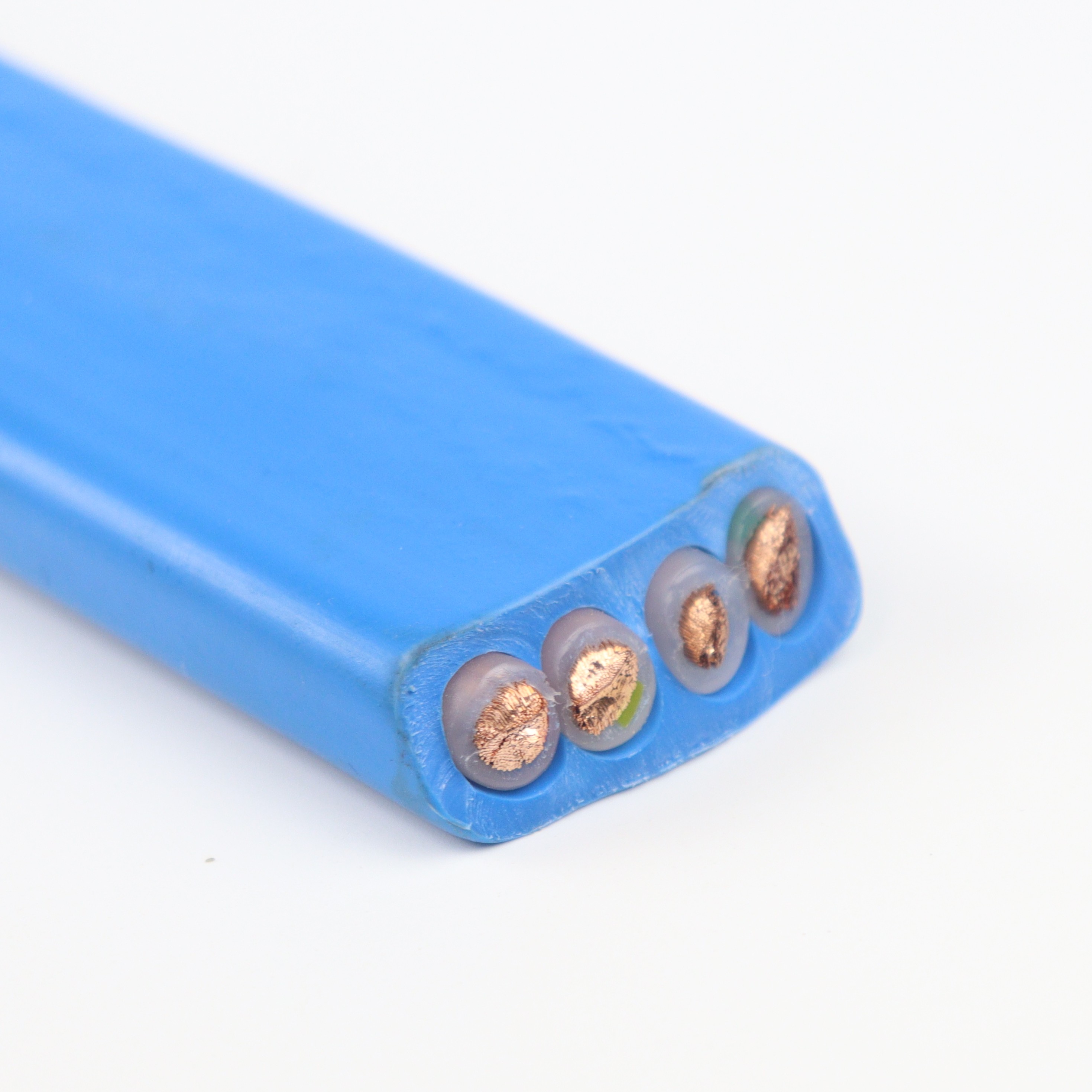
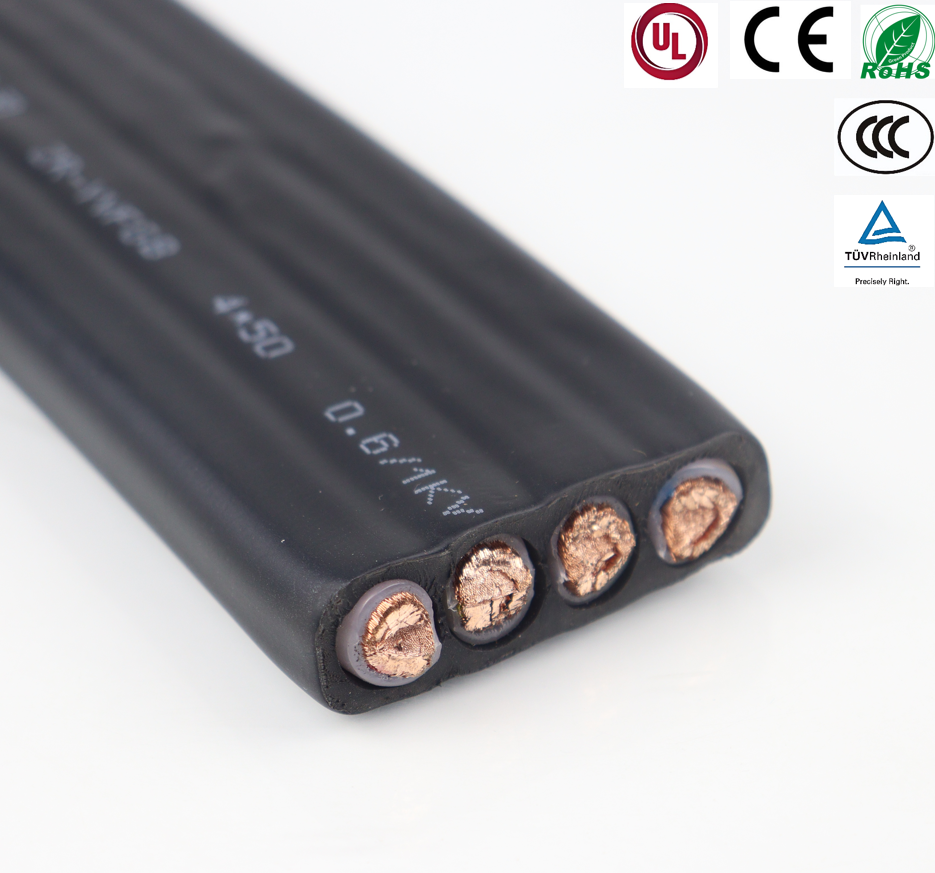
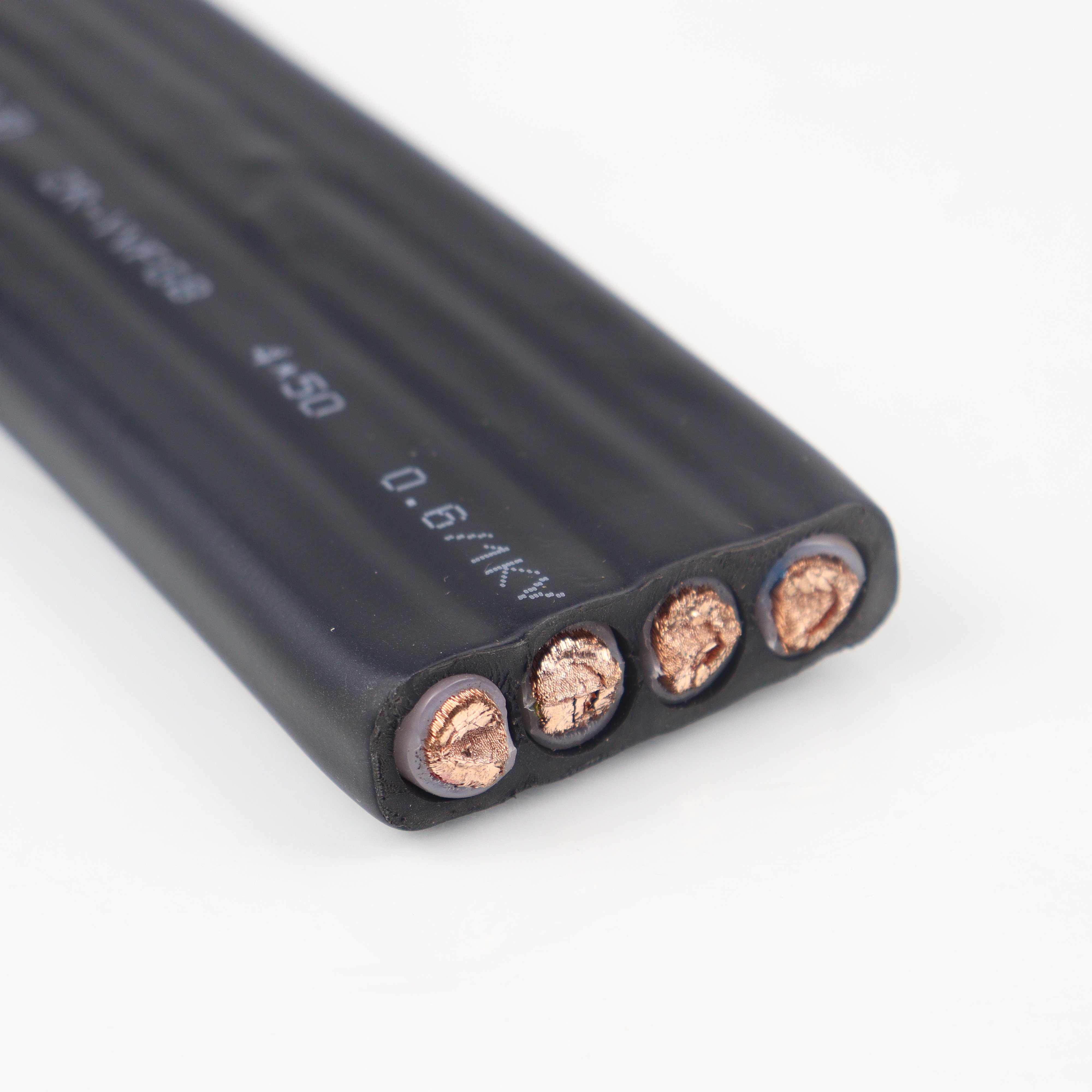
An electrical flat cable is a compact wiring solution that places multiple insulated conductors side by side in a flat, organized profile. The electrical flat cable carries power, control signals, or data between connected components while using less space than a round cable bundle. Its broad, flexible shape makes the electrical flat cable easy to route through narrow gaps, panels, drawers, machines, and equipment housings. Unlike loose wires, the electrical flat cable keeps conductors in a fixed order, which supports faster assembly and cleaner maintenance. Modern electrical flat cable designs use copper or tinned copper conductors, durable insulation, and clearly defined spacing for dependable performance. Depending on the model, the insulation may resist heat, moisture, oil, abrasion, flame, or repeated bending. The electrical flat cable can also include shielding when nearby electrical noise could affect signal quality. Manufacturers offer different conductor counts, widths, thicknesses, voltage ratings, and temperature ranges to suit specific installations. Some versions use connectors at both ends, while others support crimping, soldering, or direct termination. Before selection, buyers should check current capacity, operating voltage, bend requirements, environment, and connector compatibility. A correctly sized electrical flat cable helps maintain stable connections and reduces unnecessary bulk. The electrical flat cable serves applications ranging from control cabinets and industrial automation to appliances, lighting systems, medical equipment, vehicles, and electronic devices. It provides a practical balance of orderly installation, efficient space use, and reliable electrical contact for projects that need neat, repeatable wiring.
The main advantage of an electrical flat cable is efficient use of space. Its low-profile form fits beneath covers, along moving sections, and inside shallow enclosures where a thick bundle would create pressure or block access. An electrical flat cable also keeps each conductor aligned, so technicians can identify, cut, terminate, and inspect connections with less effort. This organized design can reduce installation time and lower the risk of crossed wires. Because the electrical flat cable replaces several separate leads, it can reduce clutter and make finished equipment easier to service. A shorter routing path may also improve the appearance of control panels and consumer products. Buyers can choose an electrical flat cable with the conductor count and rating needed for a particular circuit instead of paying for unnecessary material. The electrical flat cable supports both low-voltage signals and selected power applications, provided its rating matches the load. Flexible versions suit hinges, sliding assemblies, robotic equipment, printers, and other areas that experience controlled movement. Reinforced versions offer better protection in demanding workplaces, while shielded versions help maintain cleaner signals near motors or switching devices. The electrical flat cable can simplify inventory management because one prearranged assembly may replace many loose wires, terminals, and labels. It can also support consistent production when manufacturers build repeated units with the same wiring layout. For maintenance teams, a clearly marked electrical flat cable makes fault tracing more direct and reduces the chance of reconnecting conductors incorrectly. The product is especially suitable when space, assembly speed, appearance, and repeatable connection quality matter. However, buyers should compare conductor size, insulation material, bend radius, temperature range, voltage, current, and connector type before ordering. Selecting the right electrical flat cable protects performance and avoids premature wear. In practical terms, it offers a neat, scalable, and cost-conscious approach to equipment wiring.

Practical Tips

Shanghai Libin Cable Showcases Robot and Automation Cable Solutions at CMES Shanghai Industrial Automation & Robotics Exhibition

16

Oct

Shanghai Libin Cable Showcases Robot and Automation Cable Solutions at CMES Shanghai Industrial Automation & Robotics Exhibition

View More
Shanghai Libin Cable Showcases Crane Cable Solutions at the 11th China (Changyuan) International Crane Equipment Expo

16

Oct

Shanghai Libin Cable Showcases Crane Cable Solutions at the 11th China (Changyuan) International Crane Equipment Expo

View More
Why Drag Chain Cables Fail: Four Common Causes and How to Select Correctly

16

Oct

Why Drag Chain Cables Fail: Four Common Causes and How to Select Correctly

View More
Industrial Robot Combination Cable: Routing Power and Signal Together in a Small-Bend-Radius Drag Chain

16

Oct

Industrial Robot Combination Cable: Routing Power and Signal Together in a Small-Bend-Radius Drag Chain

View More

Get a Free Quote

Our representative will contact you soon.
0/1000
Space-Saving Layout for Cleaner Equipment

Space-Saving Layout for Cleaner Equipment

The electrical flat cable creates a slim wiring path that can transform crowded equipment into a more manageable installation. Instead of stacking several round leads, the electrical flat cable places conductors side by side, helping designers use narrow channels and shallow housings. This electrical flat cable format is valuable in control panels, appliances, displays, and compact machines where every millimeter matters. Its fixed conductor order also makes the electrical flat cable easier to position and label during assembly. Installers can route the electrical flat cable along a panel edge or through a dedicated guide without allowing separate wires to spread. The electrical flat cable can reduce visual clutter, improve airflow around components, and leave more room for service access. For product makers, this electrical flat cable supports a tidy internal layout and consistent production. For end users, the electrical flat cable can mean simpler repairs, cleaner equipment, and fewer loose connections. It delivers practical organization without requiring a bulky harness.
Flexible Options for Movement and Protection

Flexible Options for Movement and Protection

A key strength of the electrical flat cable is its ability to match different movement and environmental demands. The electrical flat cable can be selected with flexible insulation for hinged covers, sliding parts, printers, sensors, and automated equipment. When movement is controlled and the bend radius is respected, the electrical flat cable can deliver repeatable service without the confusion of separate wires. A suitable electrical flat cable may also use insulation that resists heat, oil, moisture, abrasion, or flame. This electrical flat cable protection helps preserve conductor separation and reduces damage caused by everyday operating conditions. In equipment exposed to motors or switching devices, a shielded electrical flat cable can limit unwanted interference and support more stable signals. Buyers should match the electrical flat cable to the actual environment rather than choosing only by price. The electrical flat cable becomes a dependable design choice when its flexibility, protection level, temperature range, and movement rating align with the application. That match can extend service life and reduce replacement work.
Reliable Connections with Faster Assembly

Reliable Connections with Faster Assembly

The electrical flat cable supports reliable wiring by keeping conductors in a known sequence from one end to the other. This structure helps assembly teams connect the electrical flat cable quickly and check each position against a drawing or pinout. An electrical flat cable with compatible connectors can reduce manual routing, stripping, labeling, and testing steps. That makes the electrical flat cable useful for repeated production, service replacement, and modular equipment design. The electrical flat cable can carry power, control signals, or data when its conductor size, insulation, and electrical rating suit the circuit. Clear identification reduces the chance of reversed or crossed connections, while a stable layout helps technicians trace faults. For manufacturers, the electrical flat cable can improve consistency across product batches and simplify purchasing. For maintenance teams, the electrical flat cable can shorten downtime because replacement parts are easier to identify and install. Buyers still need to confirm connector pitch, contact arrangement, current capacity, voltage, and termination method. When those details match, the electrical flat cable provides dependable performance and a more efficient wiring process.