UL Flat Cable for Reliable Flexible Wiring

application/ul-flat-cable, application/ul-flat-cable, 
Inquiry
Inquiry

ul flat cable

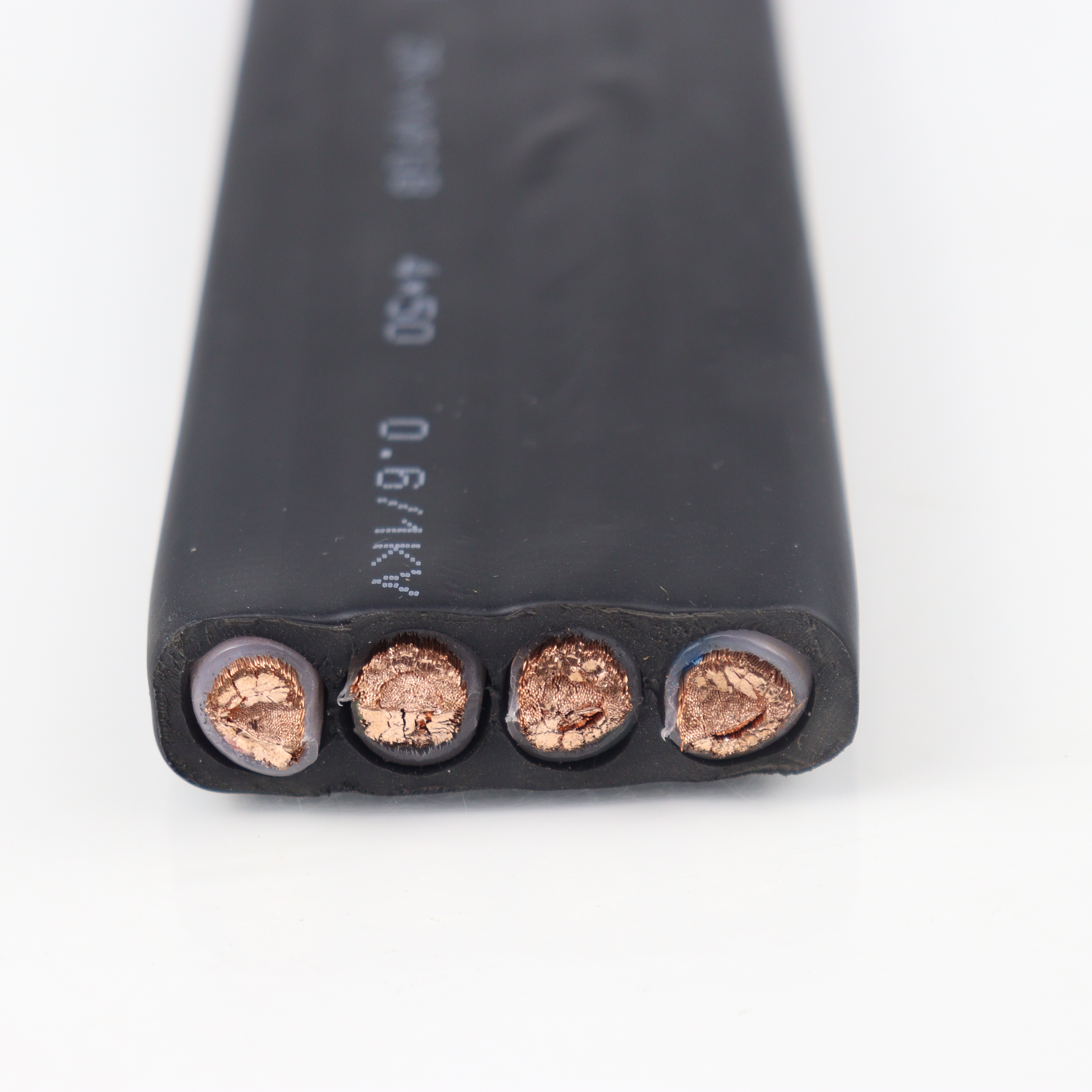
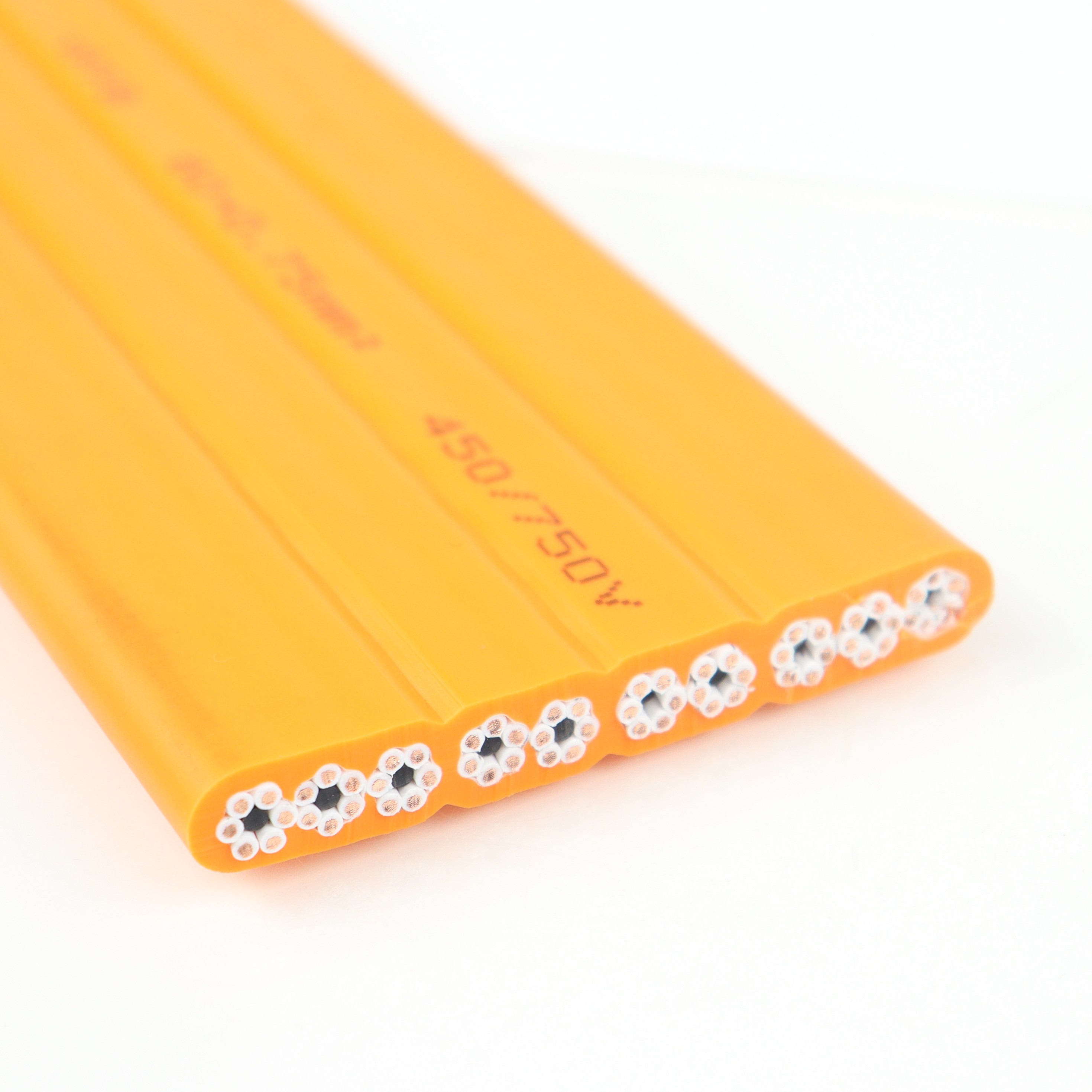
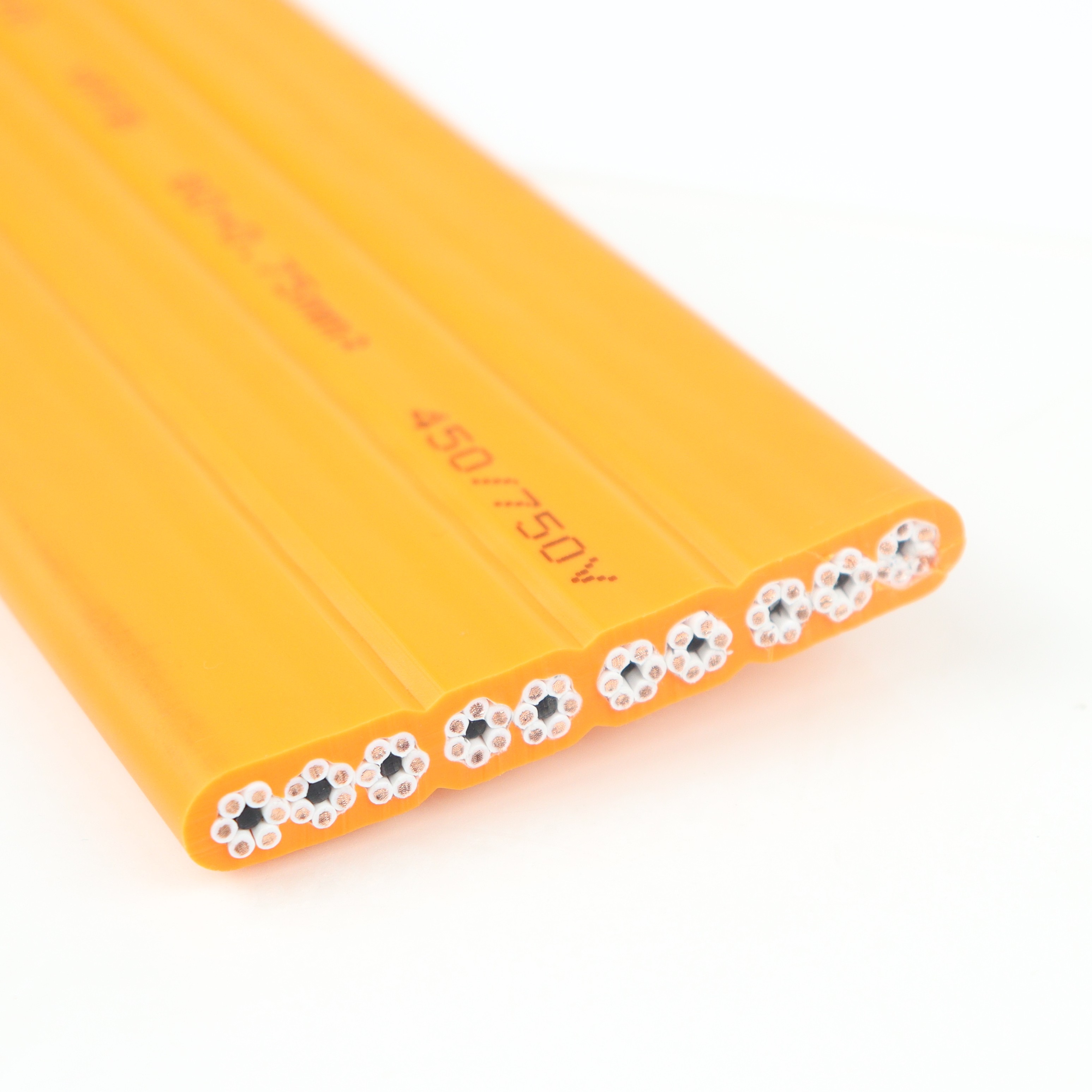
An ul flat cable is a compact electrical cable designed to carry power or signals where space, controlled routing, and reliable movement matter. Its flat profile lets an ul flat cable fit neatly beneath covers, inside panels, between moving parts, or along narrow machine frames. Compared with a round cable, an ul flat cable can reduce bulk and support cleaner, more organized installation. An ul flat cable typically contains multiple insulated conductors arranged side by side in one flexible jacket. The ul flat cable uses color coding, conductor numbering, or printed marks to simplify identification and connection. Many designs use copper conductors for stable electrical flow, while PVC, TPE, or similar jacket materials provide insulation and protection. Depending on the model, an ul flat cable may support low-voltage control circuits, data connections, sensor wiring, or equipment power. The UL listing shows that the cable design has passed relevant safety testing for its intended use. This gives users clearer guidance when selecting an ul flat cable for commercial equipment, factory automation, control cabinets, appliances, and electronic systems. Some versions support repeated flexing, while others suit fixed installation. Buyers should check conductor size, voltage rating, temperature range, bend capability, and approved installation conditions before ordering. An ul flat cable can also shorten assembly time because its parallel conductors are easy to separate, route, and terminate. The flat construction helps maintain a predictable bend direction and can improve airflow around compact components. For applications that demand dependable wiring with limited space, choosing an ul flat cable offers a practical balance of safety, flexibility, neat appearance, and service access. Always match the cable to the load, environment, and movement pattern.
The main advantage of an ul flat cable is efficient use of space. Its slim, broad shape can pass through narrow gaps and sit close to a surface, helping designers reduce enclosure size and avoid crowded wiring. An ul flat cable also creates a cleaner route than several separate wires, which can make an electrical assembly easier to inspect and maintain. Installation often takes less time with an ul flat cable. Parallel conductors stay in a set order, so technicians can identify circuits quickly and make consistent terminations. The ul flat cable can be cut to a required length, routed as a group, and secured with simple clips or channels. This reduces the need for extra bundling work and helps limit connection errors during production or repair. Movement is another practical benefit. A flexible ul flat cable can support repeated travel in printers, packaging equipment, robotic systems, medical devices, and other machines with sliding or hinged parts. Its controlled bend path helps reduce twisting and unwanted cable loops. For fixed panels, a less flexible ul flat cable can provide orderly internal wiring without taking up valuable depth. Safety and purchasing confidence also matter. A UL-recognized ul flat cable gives buyers a documented starting point for product selection and compliance planning. The correct rating can support dependable operation across the stated voltage, temperature, and current range. Buyers should compare conductor count, wire gauge, jacket material, shielding, bend life, connector style, and available lengths rather than choosing only by price. An ul flat cable suits control signals, power distribution, sensors, displays, appliances, and compact electronic assemblies. It may lower labor costs, simplify troubleshooting, and improve the finished appearance of equipment. However, customers should confirm whether the product is intended for motion, outdoor exposure, oil contact, heat, or continuous flexing. Selecting an ul flat cable that matches the working environment protects equipment performance and reduces replacement risk.

Practical Tips

Shanghai Libin Cable Showcases Robot and Automation Cable Solutions at CMES Shanghai Industrial Automation & Robotics Exhibition

16

Oct

Shanghai Libin Cable Showcases Robot and Automation Cable Solutions at CMES Shanghai Industrial Automation & Robotics Exhibition

View More
Shanghai Libin Cable Showcases Crane Cable Solutions at the 11th China (Changyuan) International Crane Equipment Expo

16

Oct

Shanghai Libin Cable Showcases Crane Cable Solutions at the 11th China (Changyuan) International Crane Equipment Expo

View More
Why Drag Chain Cables Fail: Four Common Causes and How to Select Correctly

16

Oct

Why Drag Chain Cables Fail: Four Common Causes and How to Select Correctly

View More
Industrial Robot Combination Cable: Routing Power and Signal Together in a Small-Bend-Radius Drag Chain

16

Oct

Industrial Robot Combination Cable: Routing Power and Signal Together in a Small-Bend-Radius Drag Chain

View More

Get a Free Quote

Our representative will contact you soon.
0/1000
Space-Saving Design for Cleaner Equipment

Space-Saving Design for Cleaner Equipment

A key strength of an ul flat cable is its low-profile construction. Instead of spreading in several directions like loose round wires, an ul flat cable keeps conductors aligned in a narrow, organized strip. This makes it useful inside control boxes, display units, appliances, test instruments, and machine frames where every millimeter matters. An ul flat cable can run along a panel or pass through a shallow channel without creating a large cable bundle. The orderly shape also improves visual control. Technicians can trace conductors more easily, spot damage sooner, and access nearby components without moving a bulky harness. For equipment makers, an ul flat cable can support a slimmer product design and reduce the amount of space reserved for wiring. For installers, it can create faster routing with fewer ties, clamps, and positioning adjustments. Customers gain a neater assembly, simpler service work, and more freedom when arranging internal components. These benefits make an ul flat cable a strong choice for compact, professional-looking products.
Reliable Electrical Performance and Safety

Reliable Electrical Performance and Safety

An ul flat cable combines organized construction with dependable electrical insulation. Its conductors carry power or signals through a defined layout, while the outer jacket helps protect against contact, abrasion, and routine handling. When selected with the correct wire size and rating, an ul flat cable can deliver stable performance in control circuits, sensors, electronic modules, and equipment wiring. The UL mark or applicable recognition gives buyers useful evidence that the product has been evaluated for stated safety requirements. This matters during design approval, purchasing, and maintenance. Engineers can review documented ratings instead of relying only on appearance, and buyers can compare products against a known application need. An ul flat cable with suitable temperature and voltage limits helps reduce overheating concerns and premature insulation failure. Correct conductor identification further lowers the chance of wiring mistakes. Customers should still verify the exact certification, load, environment, and termination method, but an ul flat cable provides a practical foundation for safer, more consistent electrical assemblies.
Flexible Routing for Moving Applications

Flexible Routing for Moving Applications

Many machines need wiring that moves repeatedly without becoming tangled or sharply twisted. A flexible ul flat cable can guide power and signals through sliding stages, hinged covers, print heads, packaging lines, inspection equipment, and small robotic mechanisms. Its parallel structure encourages a controlled bend, while the flexible jacket helps the cable follow the equipment path. This can reduce strain on individual conductors and support more dependable operation over time. An ul flat cable also simplifies movement planning because designers can estimate its bend direction and mounting width during the early layout stage. Installers can secure the cable in a track, guide, or clamp system without building a complicated wire bundle. That can improve machine appearance and make replacement faster if service becomes necessary. Not every ul flat cable supports continuous motion, so users must check the stated flex cycle, minimum bend radius, temperature, and speed limits. When the specification fits, an ul flat cable can deliver practical motion control, easier maintenance, and fewer routing problems.