industrial flat cable
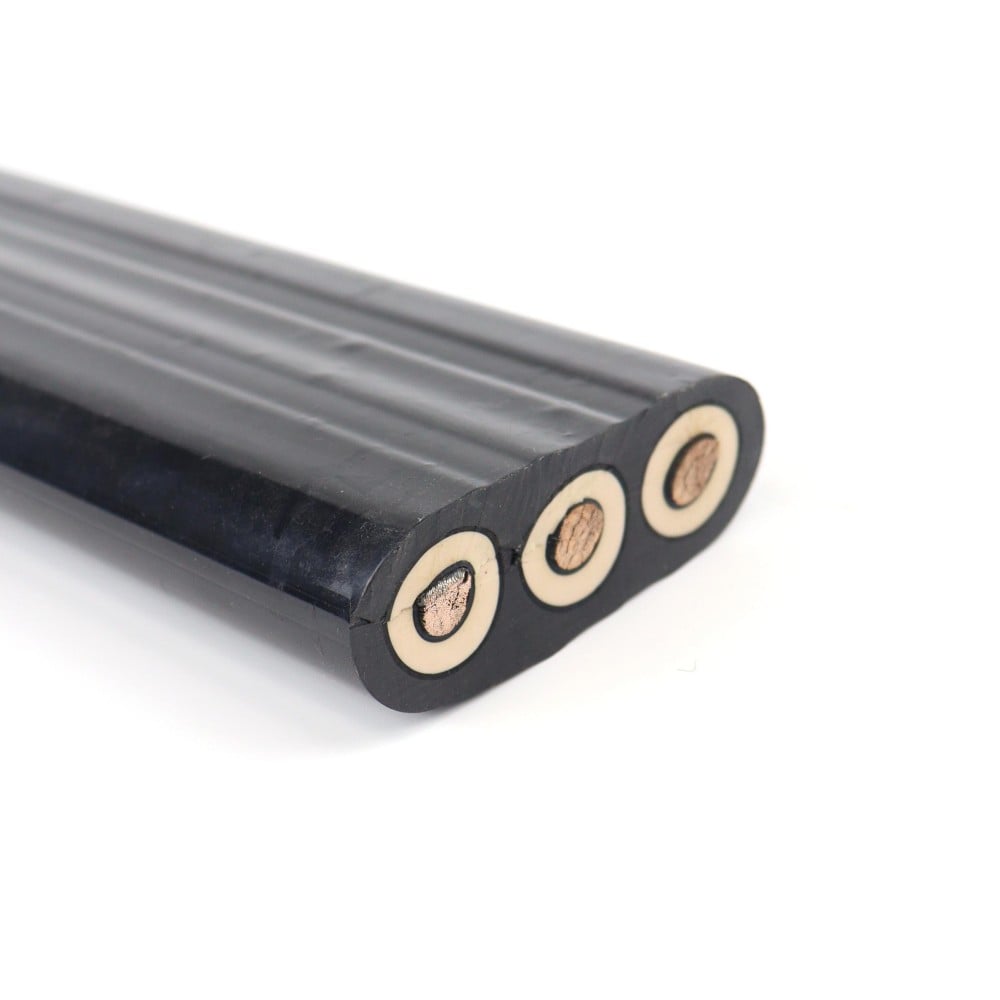
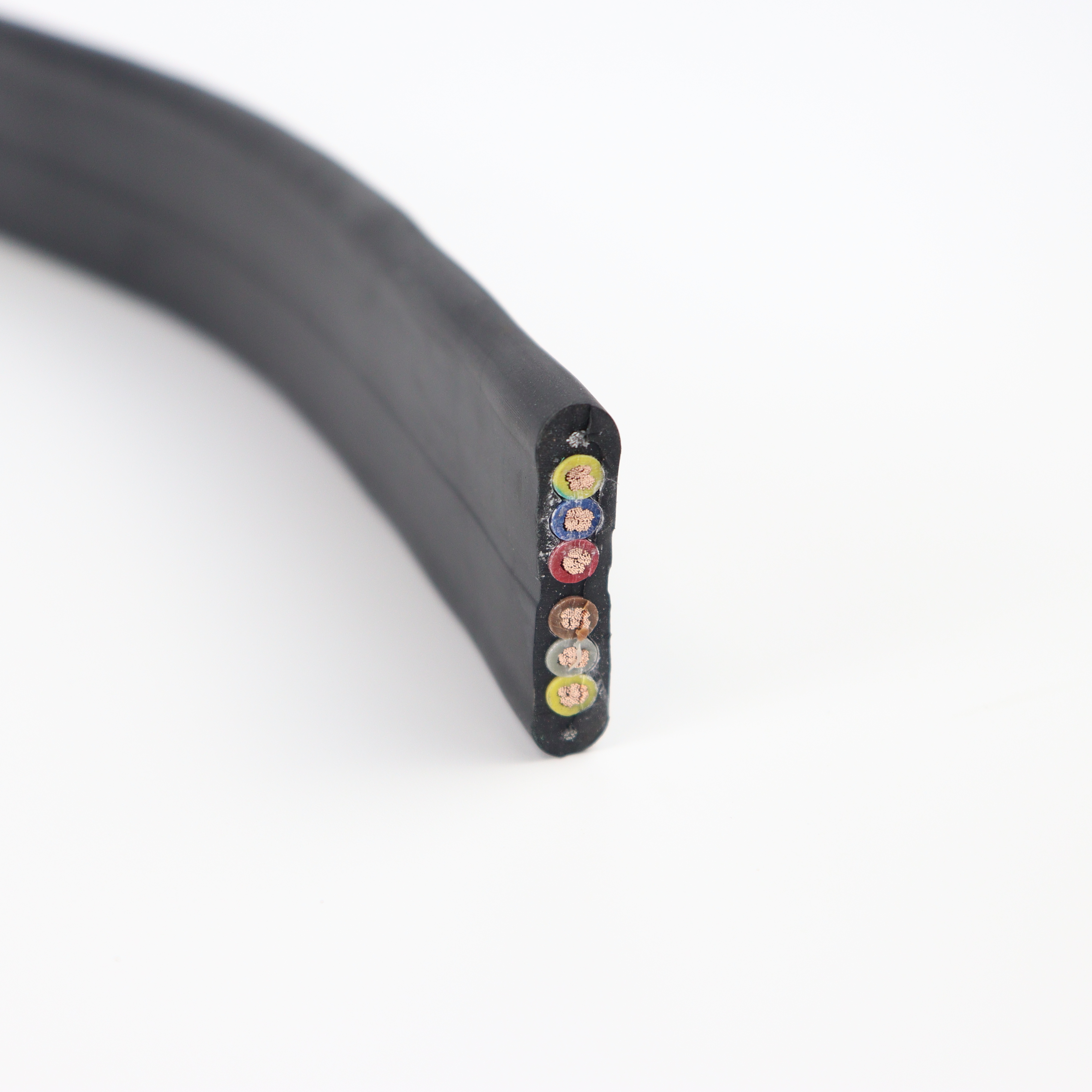
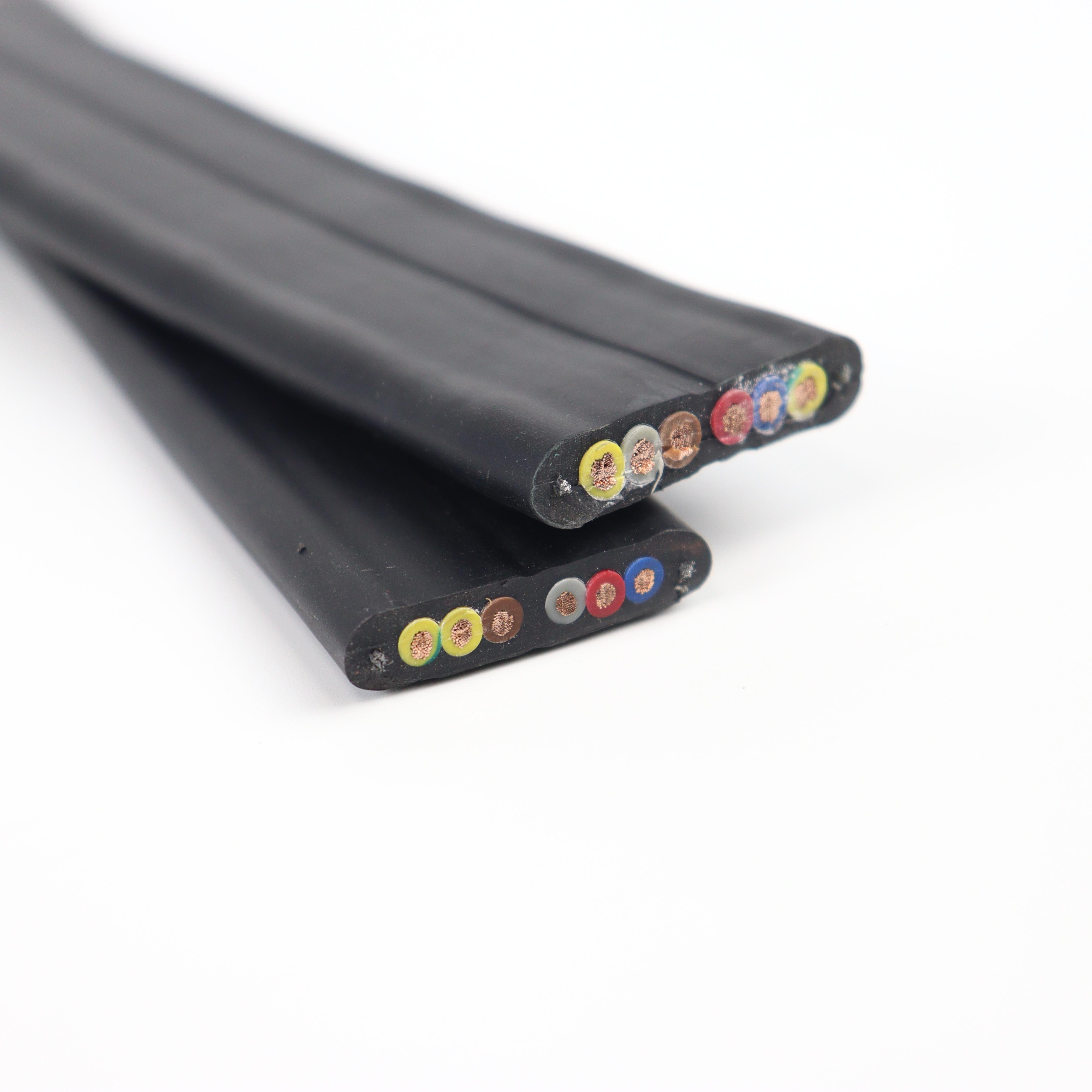
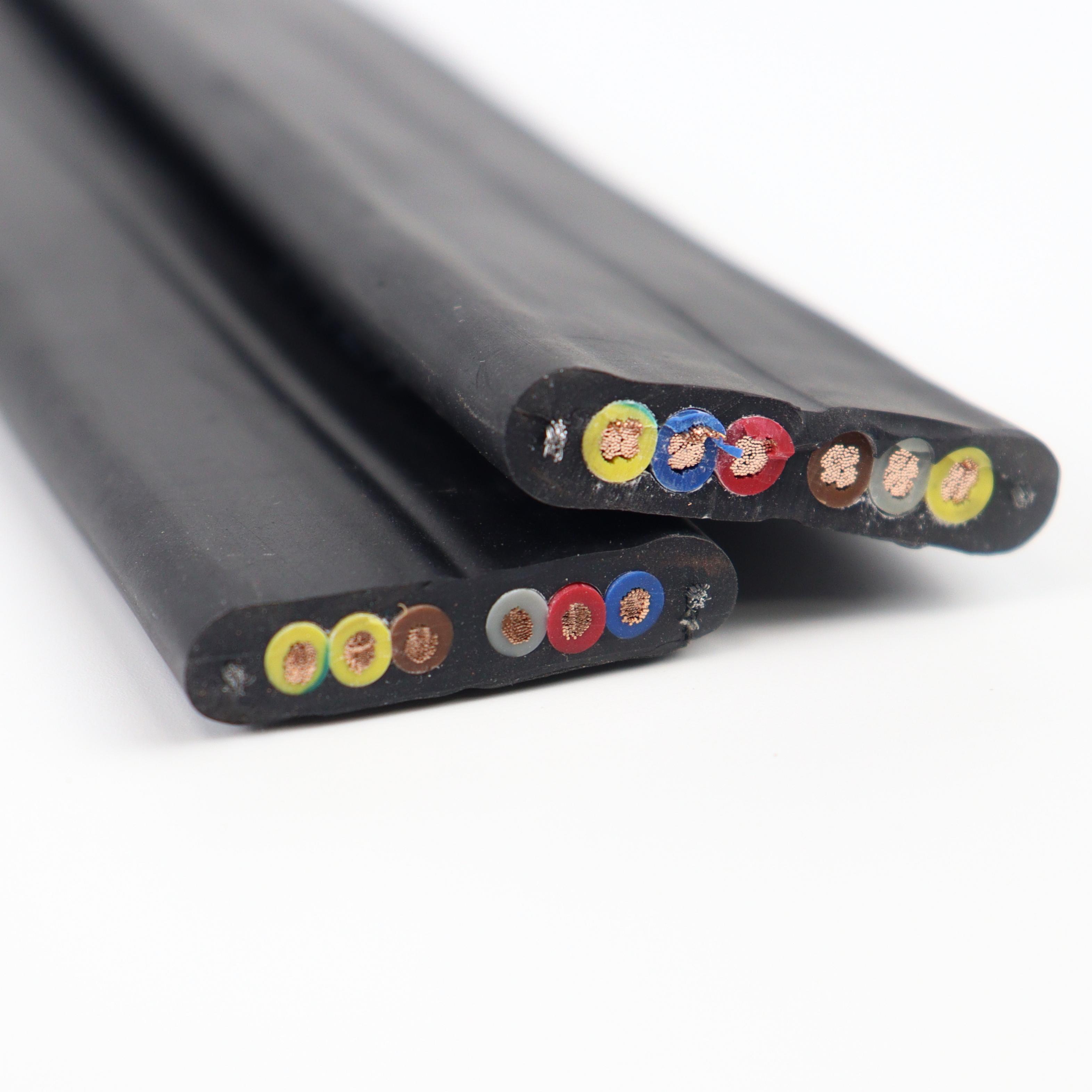
An industrial flat cable is a space-saving cable assembly designed to carry power, control signals, or data through industrial equipment. Its flat profile lets it fit neatly in narrow channels, drag chains, robotic arms, machine doors, and guided motion systems. Unlike a round cable, an industrial flat cable distributes conductors across a broad, low-height structure, helping equipment builders use available space more efficiently. An industrial flat cable can contain copper conductors, insulation layers, shielding, a protective jacket, and connectors selected for the working environment. The industrial flat cable supports repeated bending, controlled travel, vibration, and continuous movement when the design matches the application. A well-made industrial flat cable also resists oil, abrasion, moisture, heat, and common industrial chemicals. These features help protect signal quality and reduce premature replacement. In automation, an industrial flat cable connects sensors, drives, motors, controllers, and operator panels. In material handling, an industrial flat cable moves power and communication signals through cranes, conveyors, lifts, and storage systems. Manufacturing lines use an industrial flat cable where compact routing and predictable motion matter. An industrial flat cable may be supplied in standard lengths or customized with conductor counts, voltage ratings, shielding, jacket materials, and termination options. Buyers should confirm bend radius, travel distance, speed, temperature range, load, and environmental exposure before selection. Choosing the correct industrial flat cable improves routing, supports dependable machine operation, and simplifies installation. For demanding equipment, an industrial flat cable provides a practical connection method that combines efficient space use with durable performance.