flat cable wire
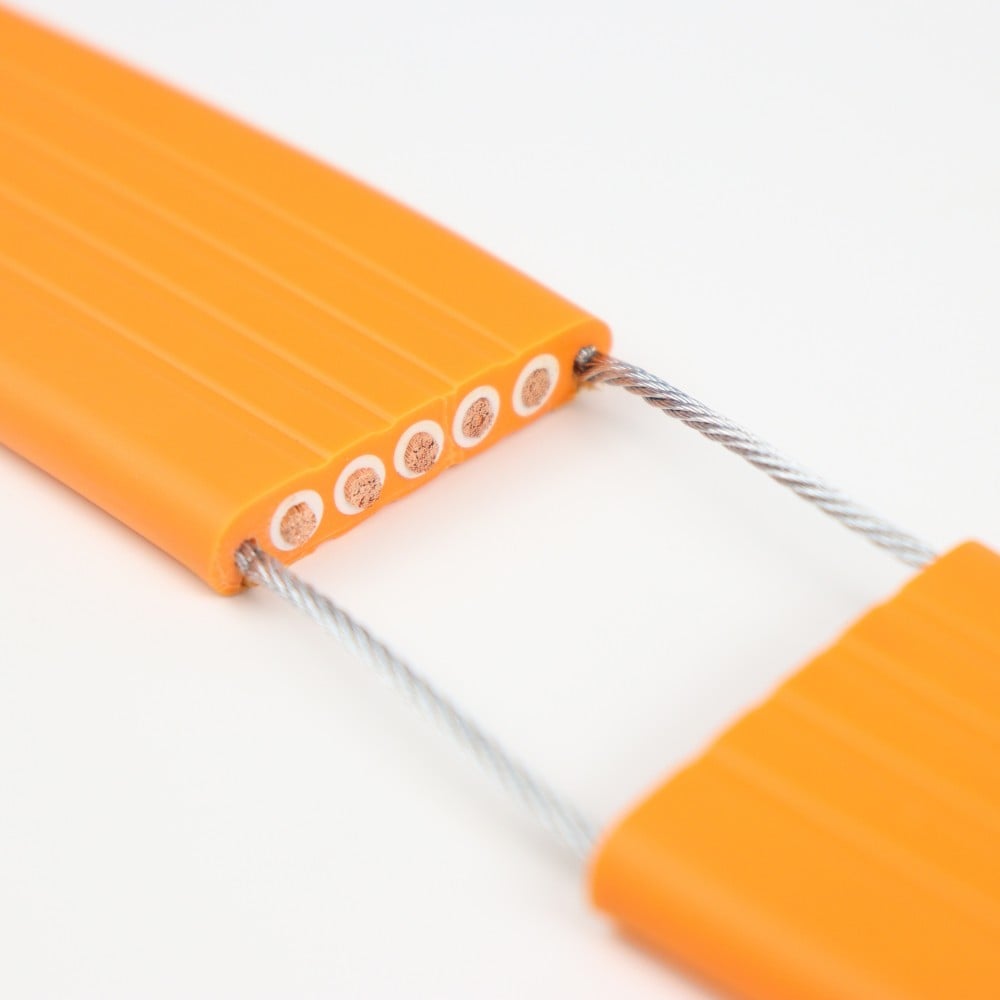
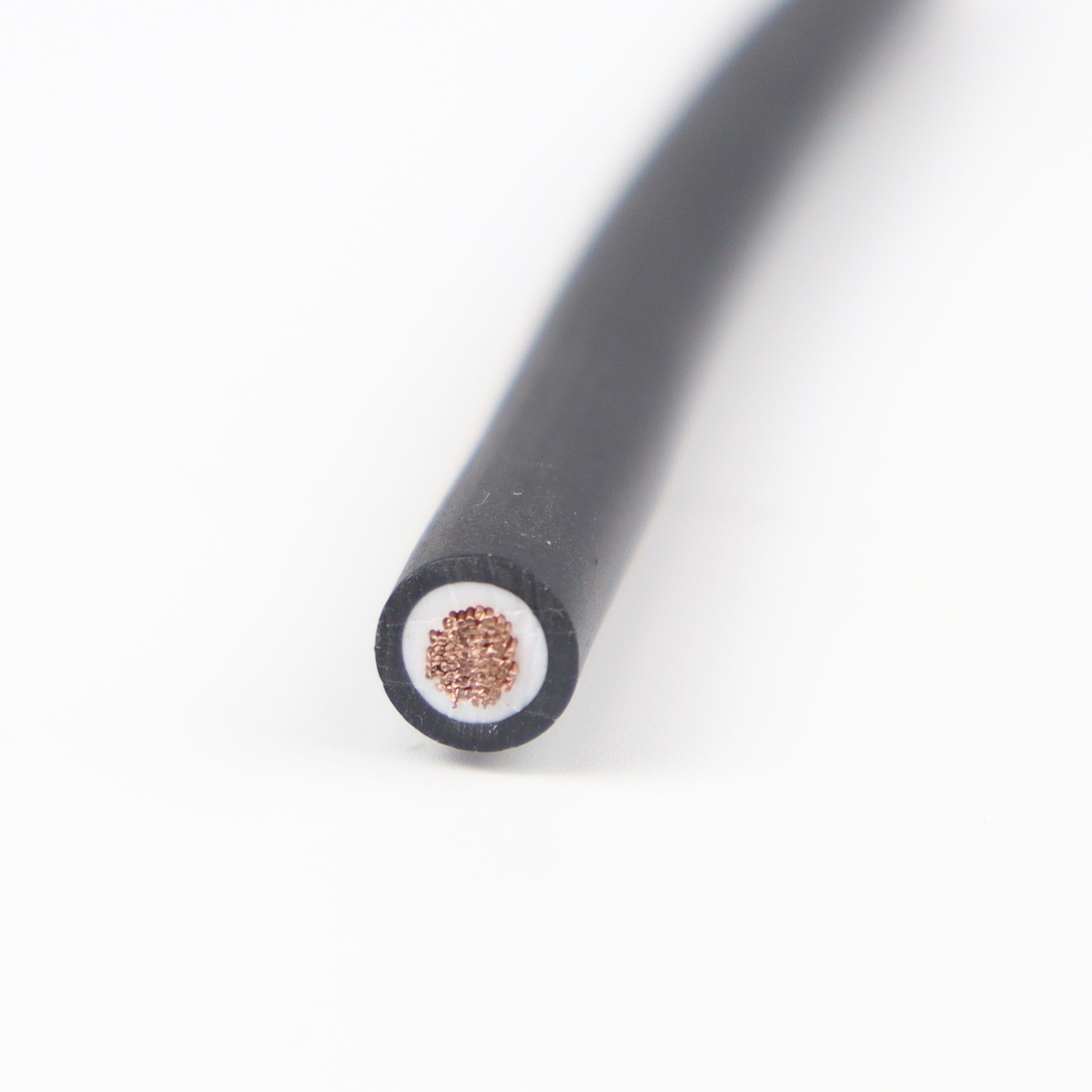
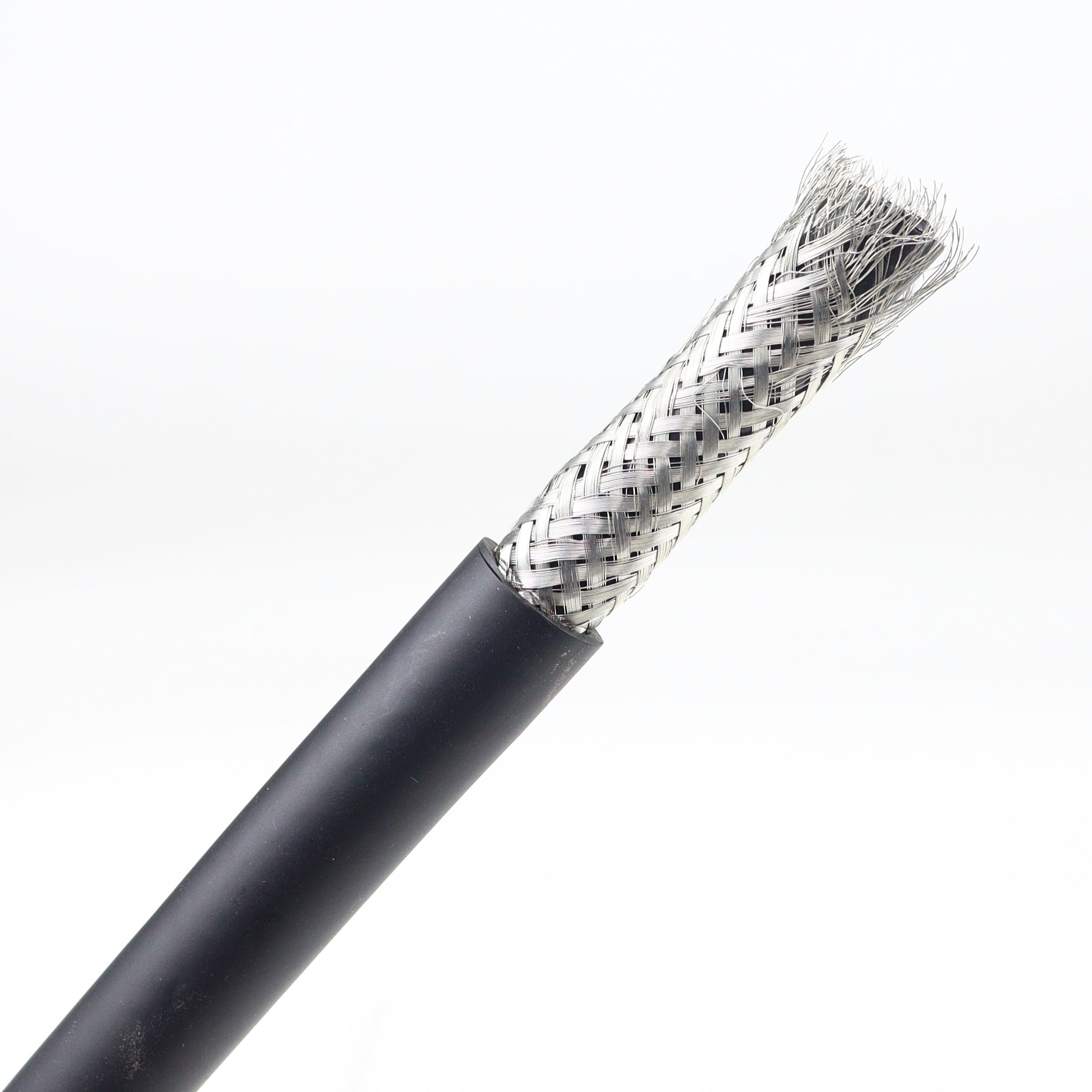
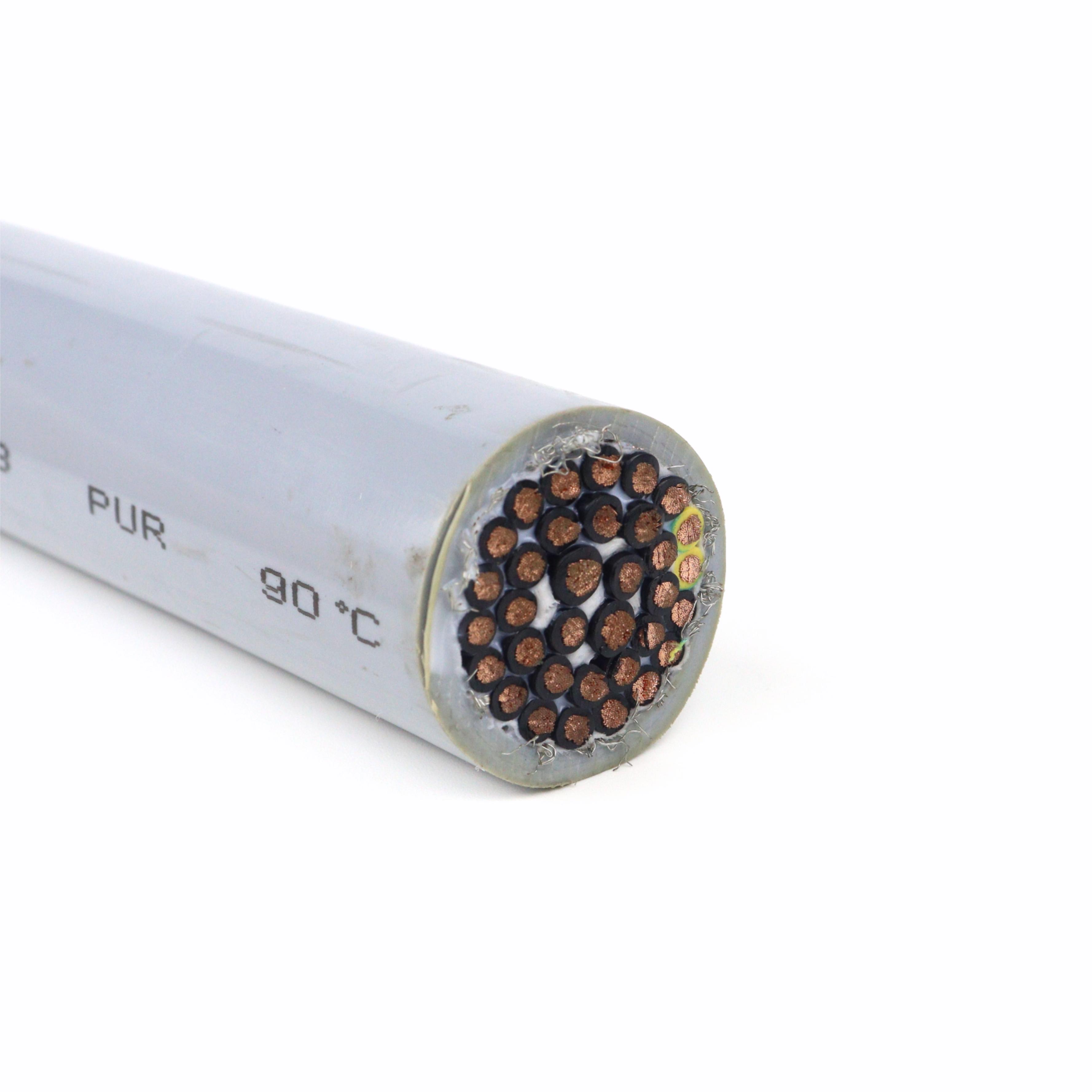
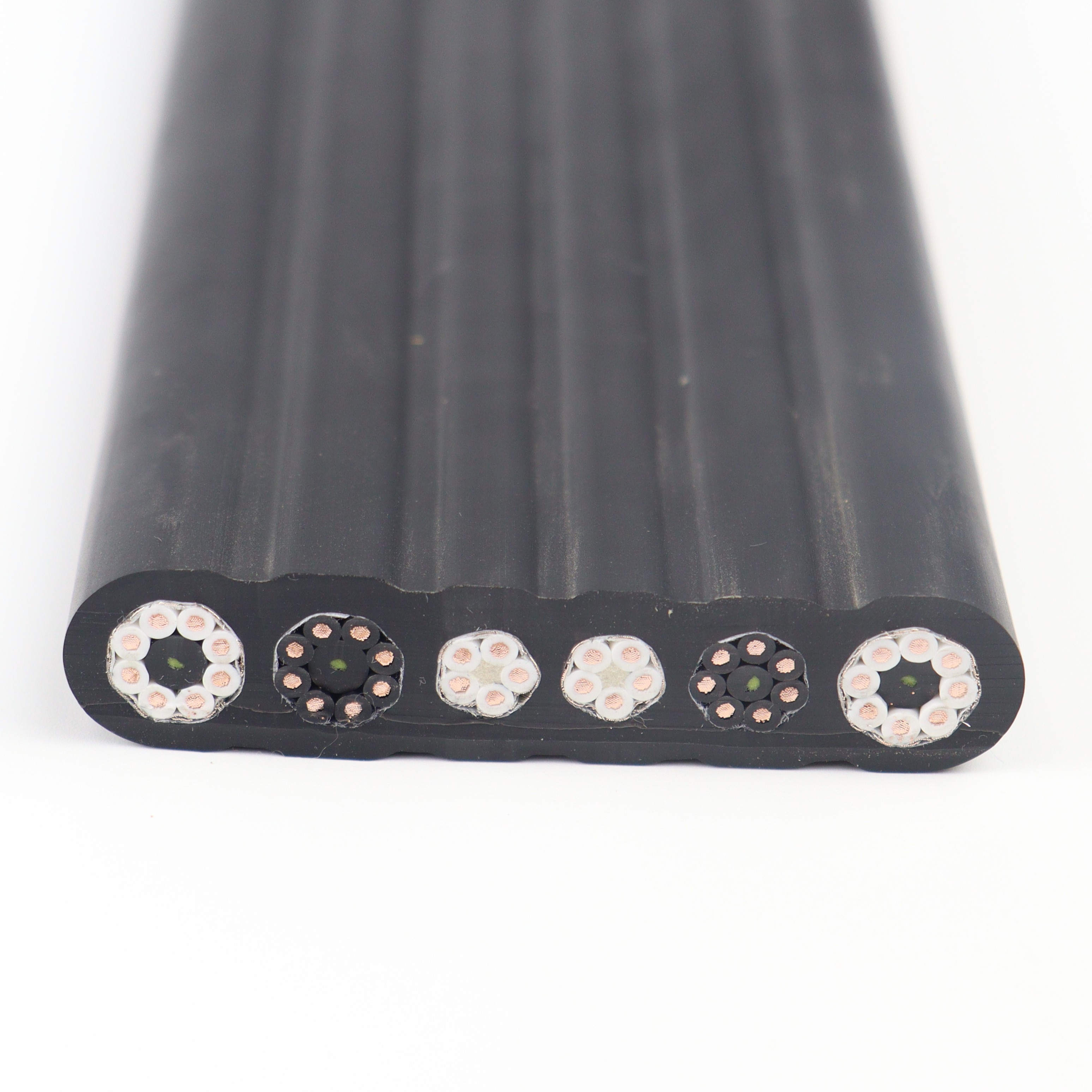
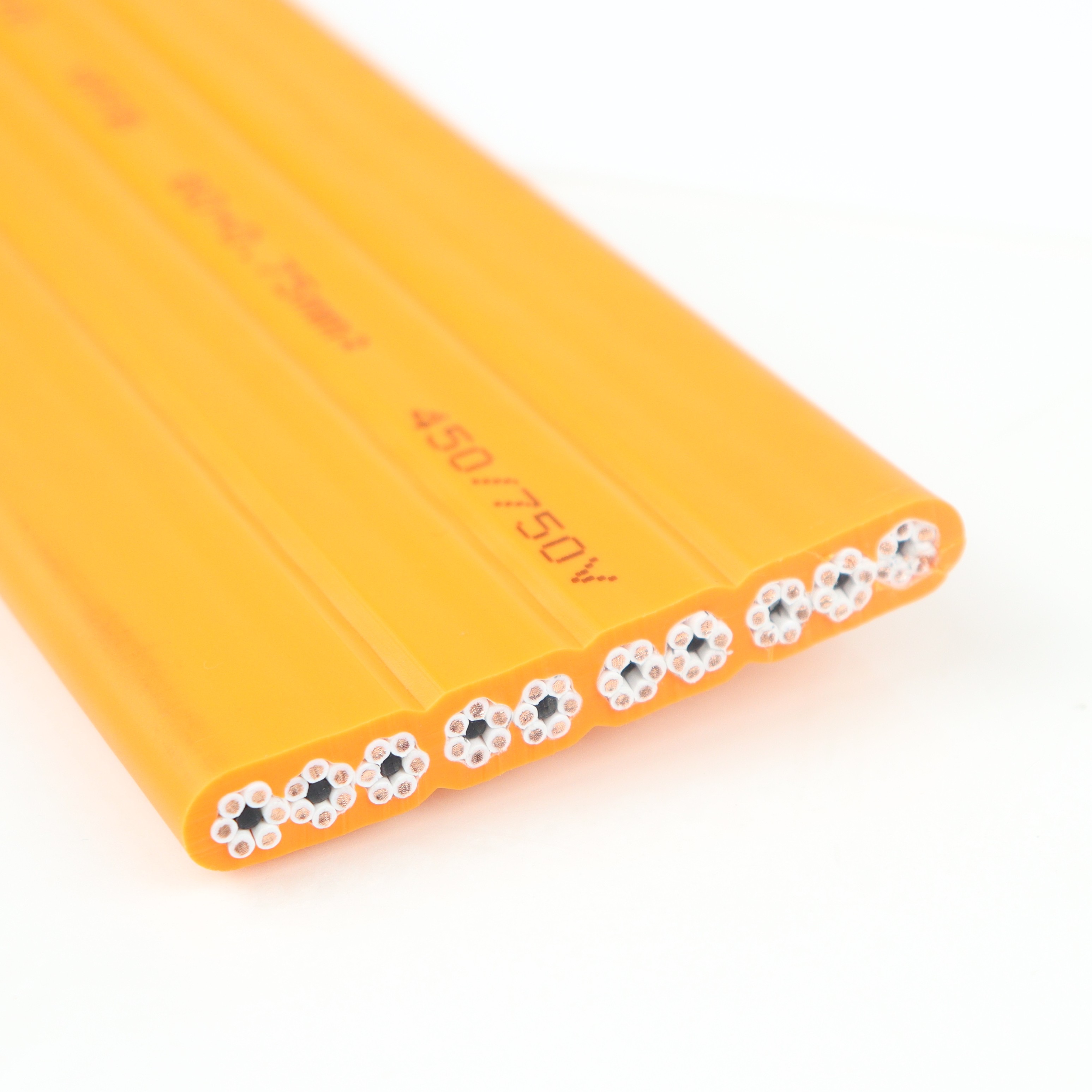
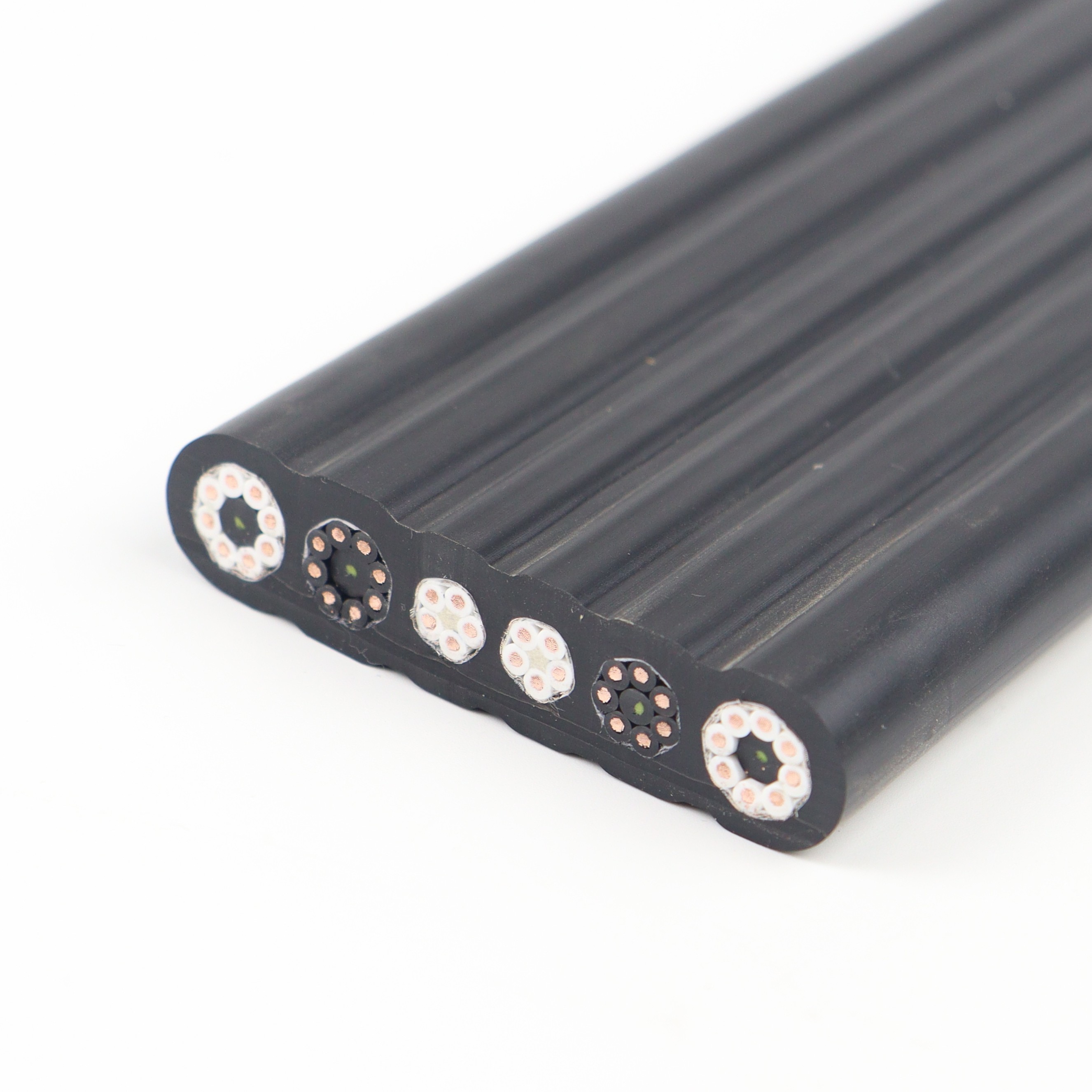
A flat cable wire is an electrical cable built with several conductors arranged side by side in a low-profile, ribbon-like form. This shape lets the flat cable wire carry power, control signals, or data while using less vertical space than a round cable. The flat cable wire supports neat routing inside equipment, panels, appliances, vehicles, and automated systems. A typical flat cable wire contains copper conductors, protective insulation, and, in some designs, a jacket or shield. The conductors may use solid or stranded copper, depending on the required flexibility, current capacity, and installation method. Insulation protects each path from short circuits, moisture, heat, and contact with nearby components. Because the flat cable wire bends across one plane, installers can place it along panels, hinges, drawers, and narrow channels. This flat cable wire can connect sensors, circuit boards, displays, motors, switches, and communication ports. In control cabinets, the flat cable wire helps organize repeated connections and reduces clutter. A flat cable wire may also include color coding, printed markings, keyed connectors, or preassembled terminals that simplify identification and assembly. Manufacturers produce versions for low-voltage electronics, industrial controls, computer equipment, automotive systems, and consumer products. Choosing a flat cable wire requires attention to conductor count, wire size, voltage rating, temperature range, bend needs, connector type, and environmental exposure. For buyers, the right flat cable wire balances reliable transmission, efficient installation, physical protection, and long service life. Overall, the flat cable wire offers a practical connection method when space, order, and repeatable assembly matter.