Crane Flat Cable for Reliable Lifting Systems

application/crane-flat-cable, application/crane-flat-cable, 
Inquiry
Inquiry

crane flat cable

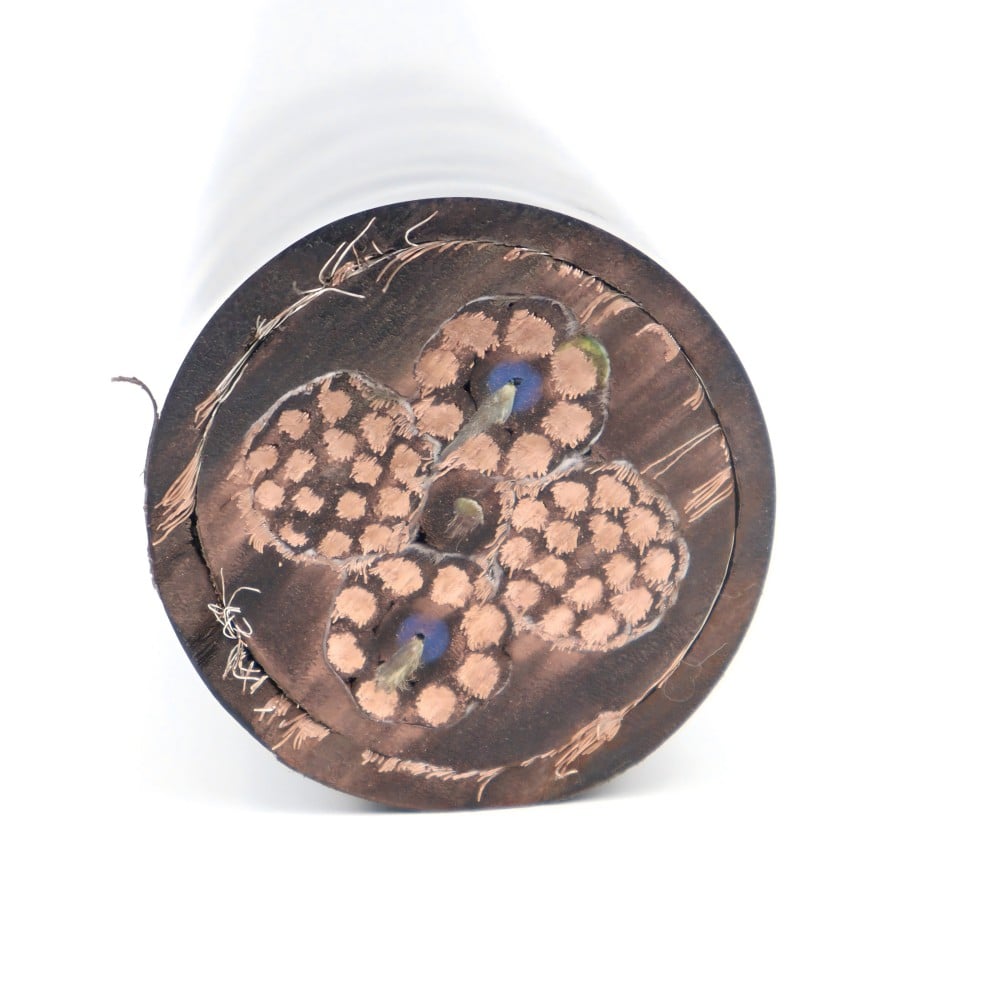
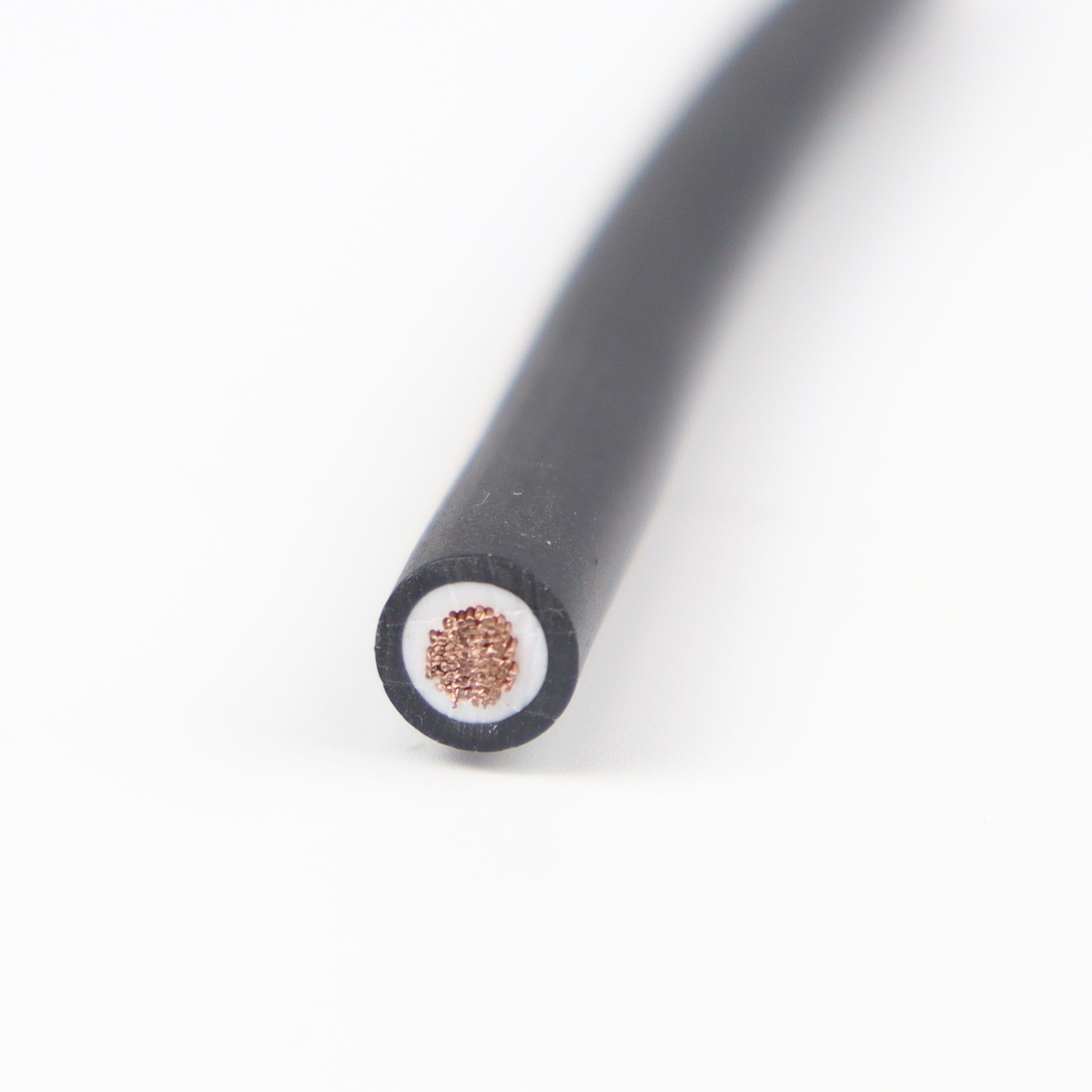
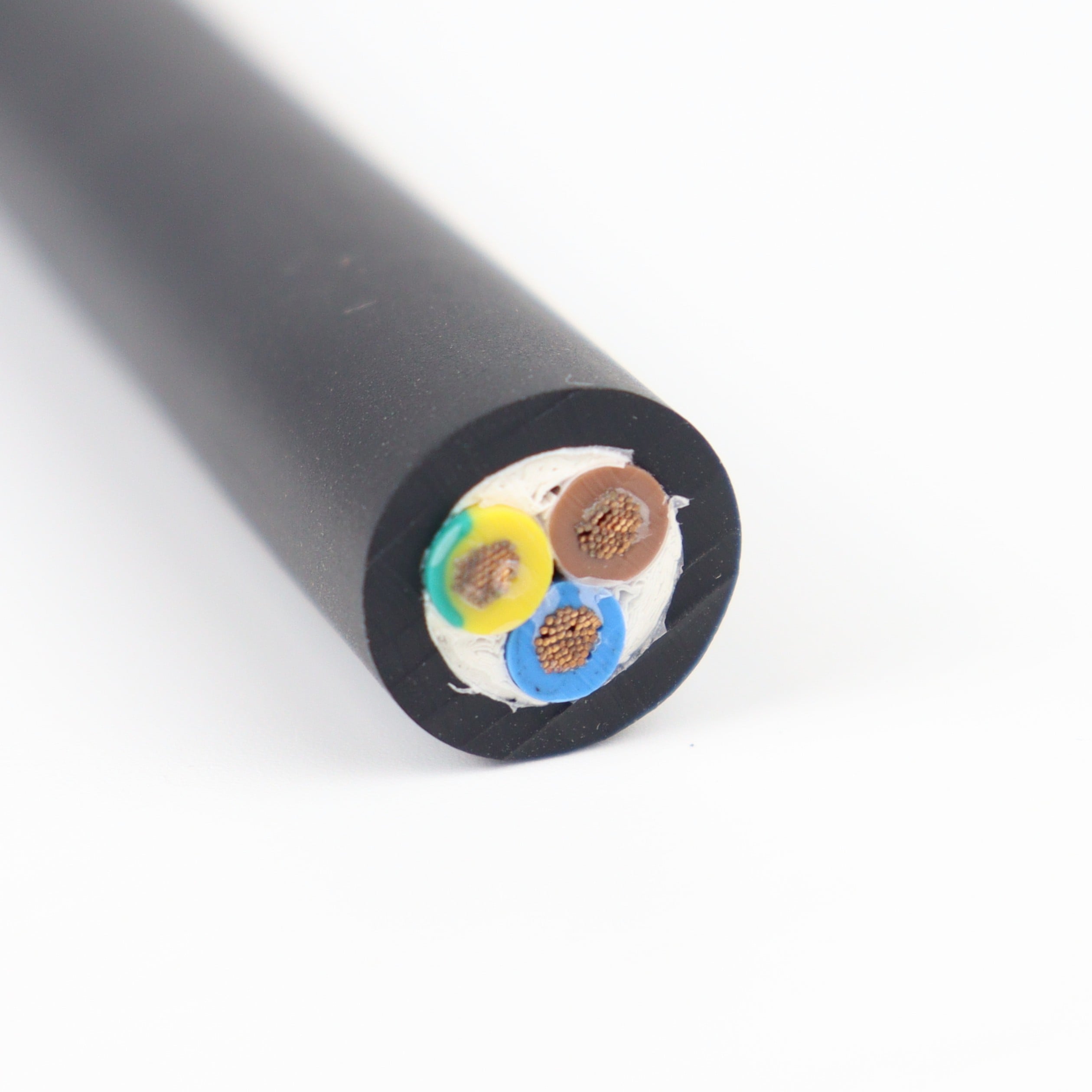
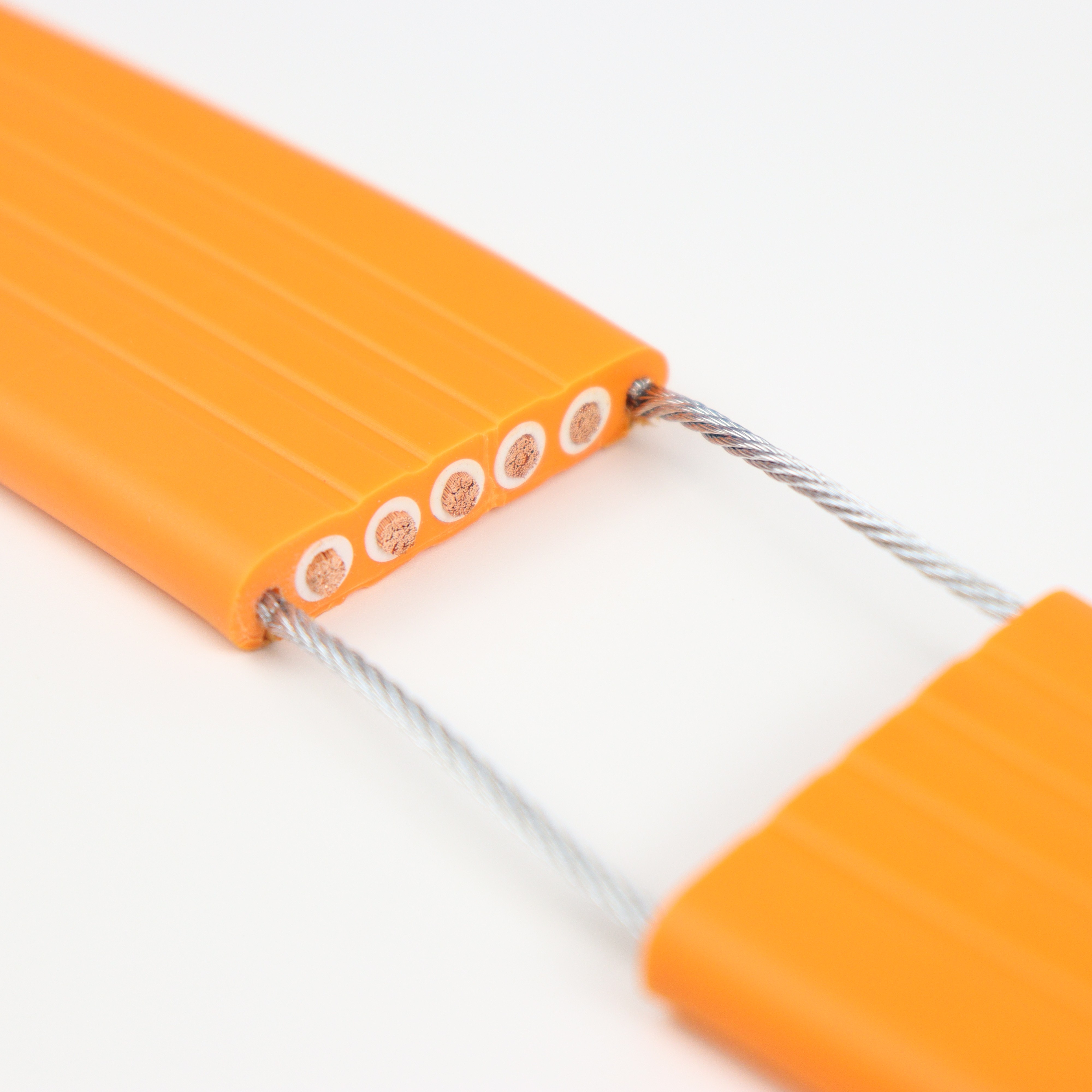
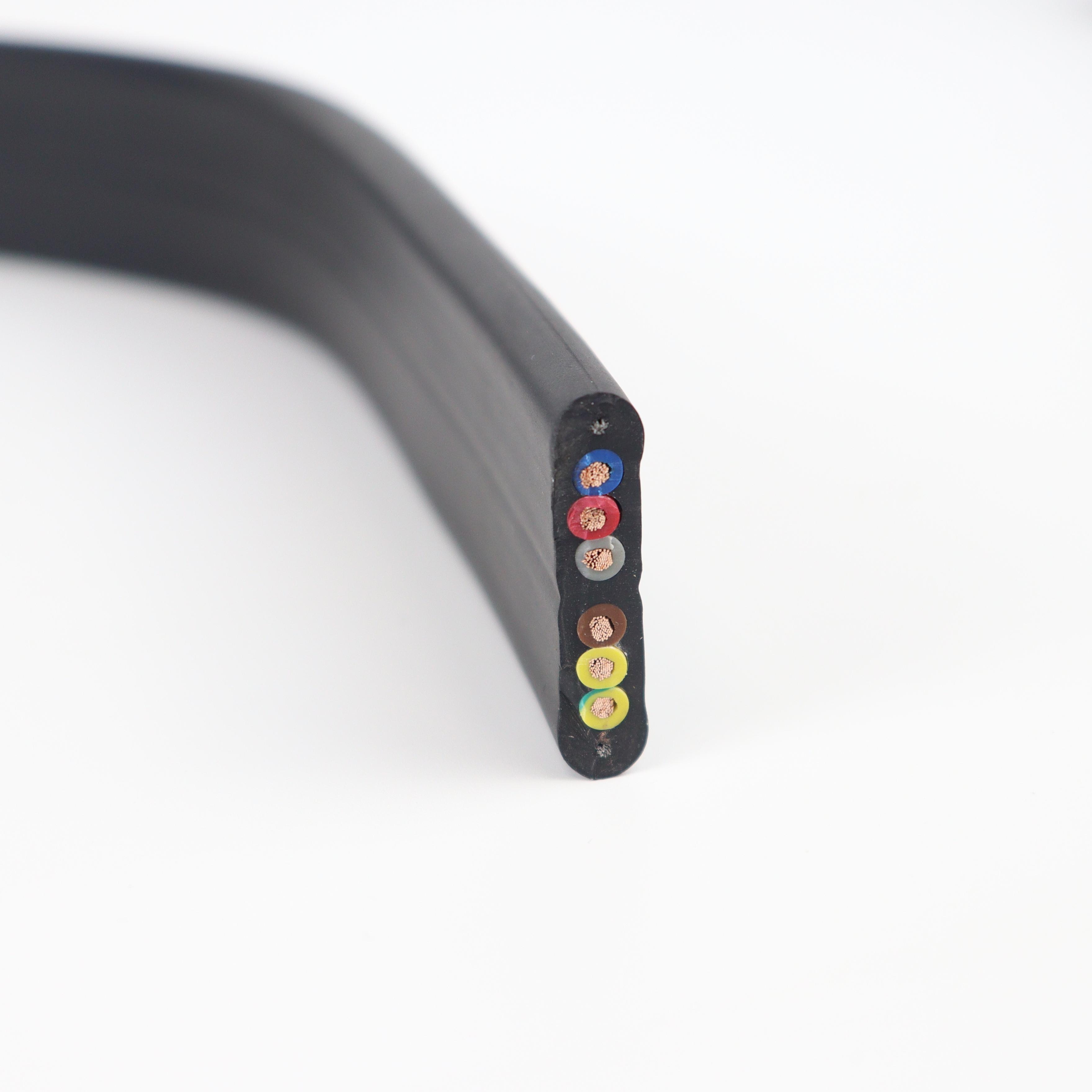
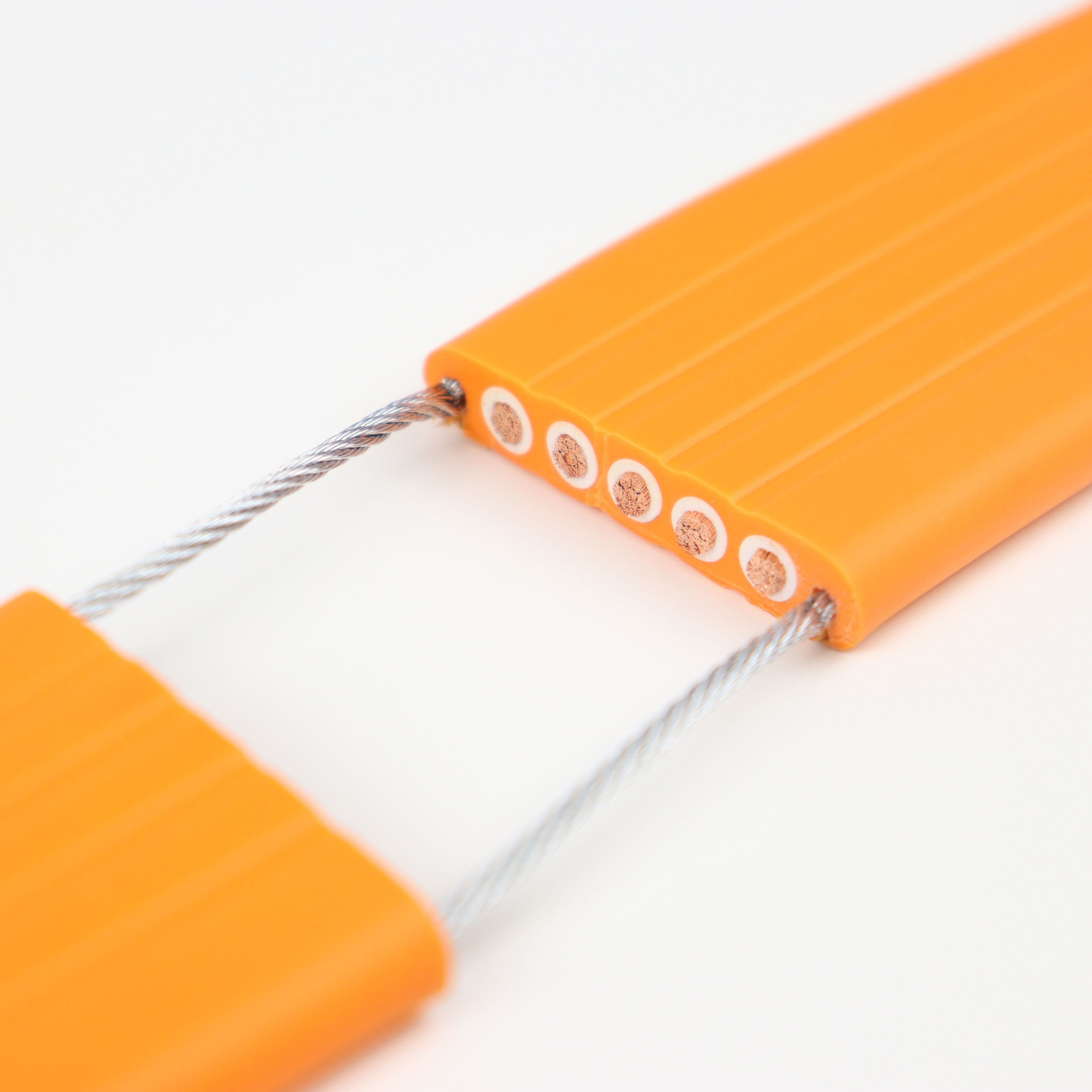
A crane flat cable is a flexible electrical cable designed to supply power and control signals to moving cranes, hoists, lifting platforms, and material-handling machines. Unlike a standard round cable, a crane flat cable has a broad, compact profile that fits neatly into festoon systems, cable trolleys, reels, and narrow cable tracks. The crane flat cable moves with the equipment while maintaining a stable connection to motors, brakes, lights, sensors, and control panels. Its main function is to support repeated movement without interrupting electrical performance. A crane flat cable normally combines copper conductors, flexible insulation, protective fillers, and a durable outer jacket. Depending on the working environment, the jacket may resist oil, abrasion, moisture, sunlight, heat, or cold. The crane flat cable can also include grounding conductors, shielded control pairs, or multiple power cores in one organized assembly. This design reduces cable tangling and helps operators keep equipment wiring orderly. A crane flat cable is available in different voltage ratings, conductor sizes, core counts, and lengths, allowing buyers to match the product to load demand and travel distance. Many versions support continuous bending and frequent starts and stops, which suits overhead cranes and automated handling lines. The crane flat cable also simplifies installation because its shape helps it sit securely on a trolley or guide. In practical terms, this product delivers dependable energy and signal transfer where equipment must move safely, repeatedly, and efficiently. Selecting the correct crane flat cable requires attention to current, speed, travel length, temperature, mounting method, and site conditions.
The main advantage of a crane flat cable is reliable power delivery during repeated equipment movement. A crane flat cable bends in a controlled direction, so it works well in festoon arrangements where a cable trolley gathers and releases the line. This controlled movement can reduce twisting, snagging, and unexpected strain. For buyers, that means fewer interruptions and a lower risk of replacing wiring too soon. A crane flat cable also uses space efficiently. Its slim profile fits close to rails, support beams, and machine frames, which is valuable in facilities with limited clearance. The organized shape makes inspection easier because technicians can see the cable path and identify wear more quickly. Many crane flat cable designs use flexible copper conductors that support steady current flow while handling frequent motion. Strong insulation and an outer jacket help protect against abrasion, oil, water, dust, and changing temperatures. Buyers can therefore select a crane flat cable for indoor workshops, outdoor yards, ports, warehouses, steel plants, or production areas. Another practical benefit is installation flexibility. One crane flat cable can carry power, control circuits, grounding, or communication cores, reducing the need for several separate lines. This can shorten installation time and make a control system easier to understand. A crane flat cable may also reduce maintenance effort because its flat form stays aligned on a trolley or guide. When choosing a product, compare conductor area with motor load, confirm voltage and temperature ratings, and check the minimum bending radius. Also consider travel speed, cycle frequency, support spacing, and exposure to chemicals. The right crane flat cable improves uptime, supports safer operation, and gives customers a clearer ownership cost than a cable selected only by price. It is especially suitable for machinery that moves along a fixed path and needs stable electrical service every working day.

Tips And Tricks

Shanghai Libin Cable Showcases Robot and Automation Cable Solutions at CMES Shanghai Industrial Automation & Robotics Exhibition

16

Oct

Shanghai Libin Cable Showcases Robot and Automation Cable Solutions at CMES Shanghai Industrial Automation & Robotics Exhibition

View More
Shanghai Libin Cable Showcases Crane Cable Solutions at the 11th China (Changyuan) International Crane Equipment Expo

16

Oct

Shanghai Libin Cable Showcases Crane Cable Solutions at the 11th China (Changyuan) International Crane Equipment Expo

View More
Why Drag Chain Cables Fail: Four Common Causes and How to Select Correctly

16

Oct

Why Drag Chain Cables Fail: Four Common Causes and How to Select Correctly

View More
Industrial Robot Combination Cable: Routing Power and Signal Together in a Small-Bend-Radius Drag Chain

16

Oct

Industrial Robot Combination Cable: Routing Power and Signal Together in a Small-Bend-Radius Drag Chain

View More

Get a Free Quote

Our representative will contact you soon.
0/1000
Flexible Design for Repeated Travel

Flexible Design for Repeated Travel

A crane flat cable is built for equipment that moves again and again. Its parallel conductors and flexible insulation let the cable fold in a predictable direction as a trolley travels along a runway. This design helps prevent the twisting that can shorten the life of ordinary wiring. In a busy warehouse or factory, a crane flat cable can support many operating cycles while maintaining consistent power and control signals. The flat profile also helps the line stack neatly in a festoon system, keeping the cable away from wheels, hooks, and nearby structures. For customers, this means cleaner installation and less chance of movement-related damage. A crane flat cable is a practical choice when a machine needs long travel, frequent starts, and dependable service. Buyers should match the cable to the system's bending radius and cycle rate, but the basic benefit remains clear: the product follows machine movement instead of resisting it. That can support longer service intervals and more predictable maintenance planning.
Protection for Demanding Work Areas

Protection for Demanding Work Areas

A crane flat cable can provide dependable service in places where dust, moisture, oil, impact, and temperature changes challenge ordinary electrical lines. Its outer jacket forms a protective barrier around the conductors, while flexible insulation helps the assembly remain usable during motion. A crane flat cable selected with the correct jacket material can work indoors, outdoors, near loading docks, or in industrial production zones. This protection matters because contamination and abrasion can damage exposed wiring, create faults, and stop a lifting system. Many crane flat cable options are available with resistance suited to specific site conditions, so customers can choose protection rather than pay for features they do not need. The result is a better fit between cable design and working environment. A crane flat cable can also help keep power, grounding, and control cores together, reducing exposed connection points. For buyers, that organized construction supports easier inspection, safer routing, and more confident daily operation. Always confirm temperature range, chemical exposure, water contact, and jacket performance before ordering.
Efficient Power and Control in One Line

Efficient Power and Control in One Line

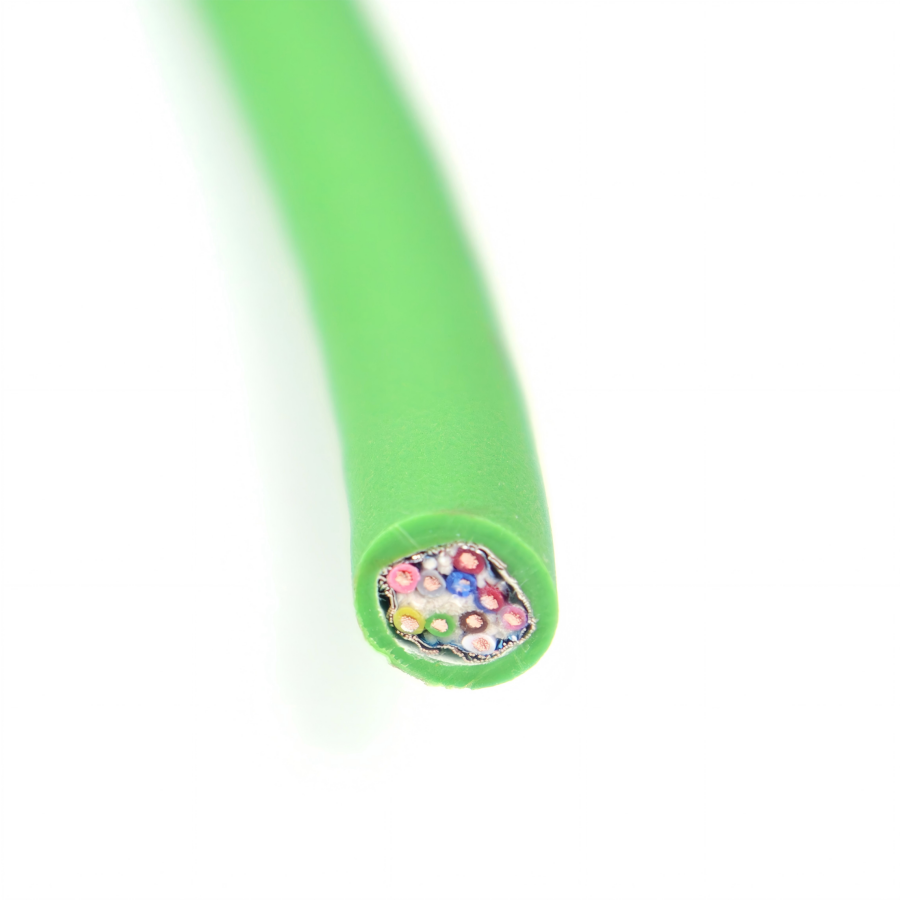
A crane flat cable can combine several electrical functions in one compact assembly. Depending on the model, it may carry motor power, brake circuits, grounding, lighting, sensor signals, or control commands. This gives equipment designers a simpler way to connect moving machinery without installing multiple loose cables. A crane flat cable also supports clean routing through festoon trolleys and cable guides, which can reduce clutter around the crane runway. Fewer separate lines may mean faster installation, easier troubleshooting, and a clearer replacement plan. For customers, the value comes from dependable communication between the control cabinet and moving equipment, not just from the cable itself. A crane flat cable is suitable for overhead cranes, gantries, hoists, stacker systems, lifting tables, and automated transport equipment. Buyers can choose conductor count, cross-sectional area, voltage, shielding, and length to match the application. Correct sizing helps prevent overheating and signal loss while supporting safe, efficient machine performance. This flexible configuration makes the product useful for both new installations and upgrades.