Power Cable Flat for Flexible Power Systems

application/power-cable-flat, application/power-cable-flat, 
Inquiry
Inquiry

power cable flat

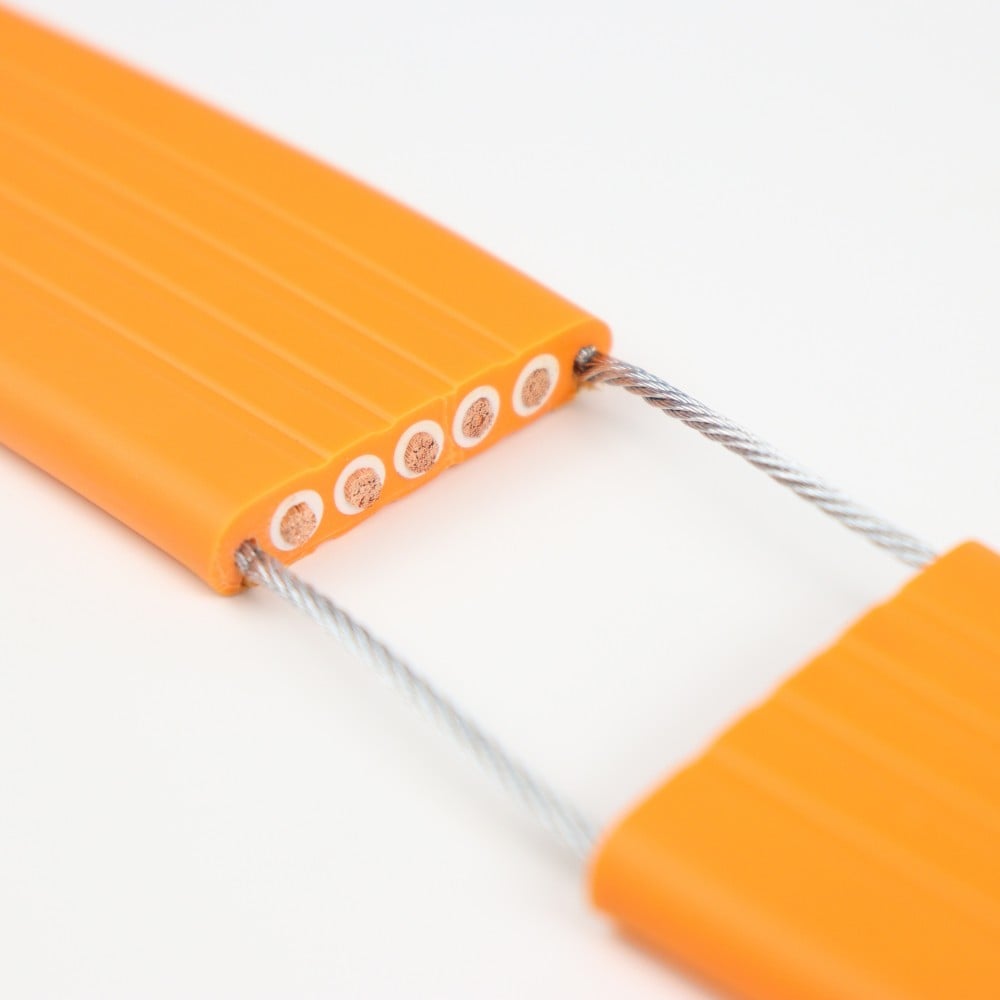
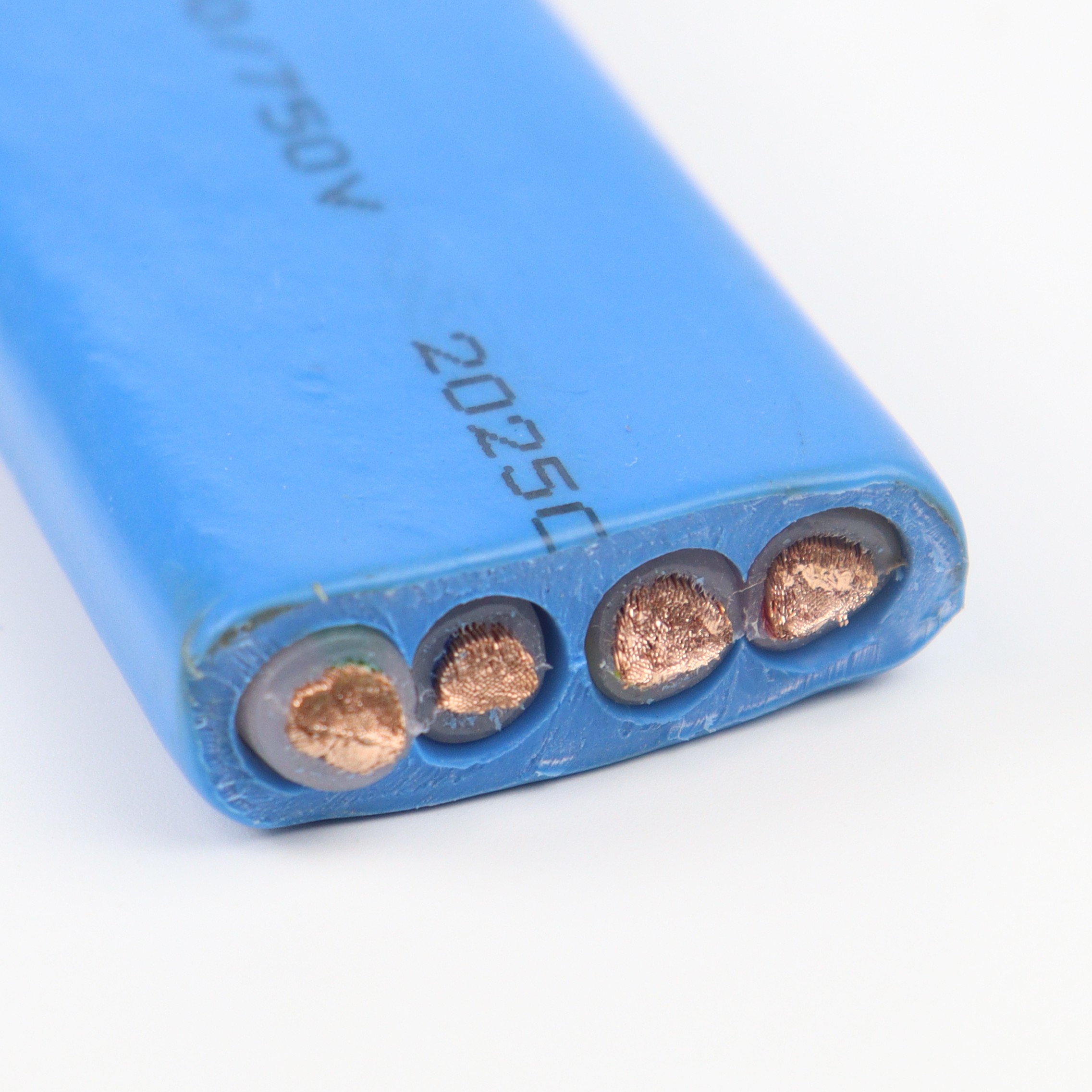
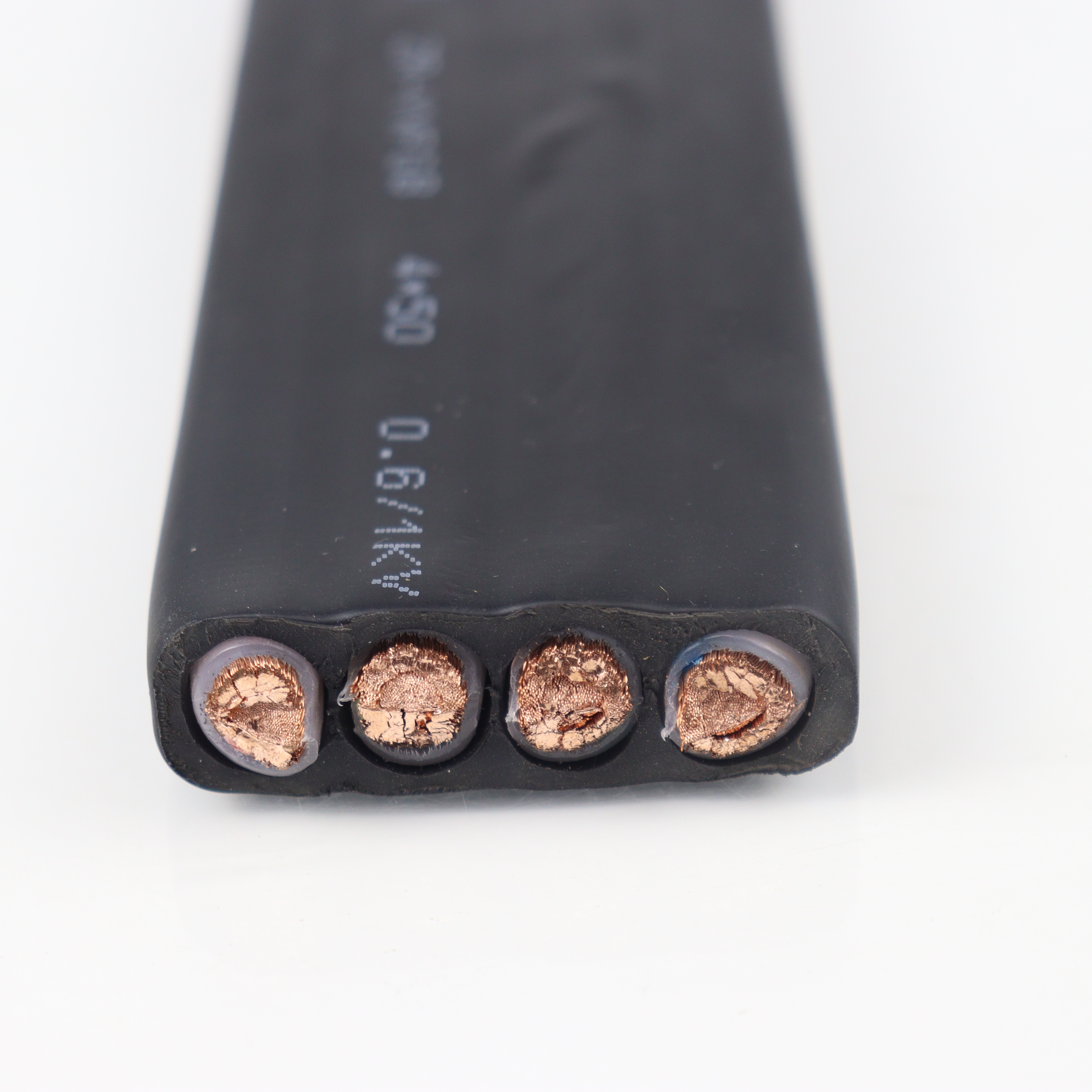
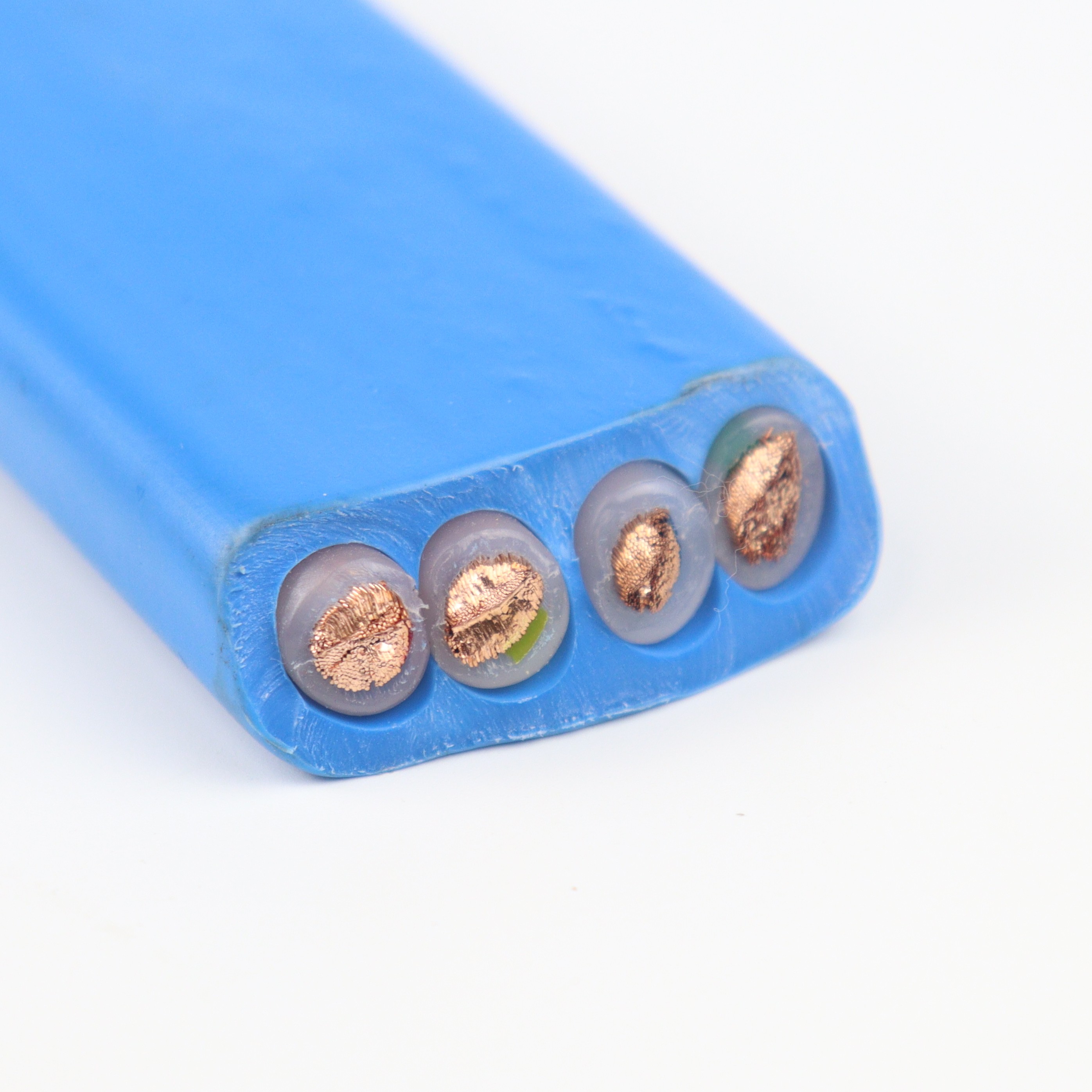
A power cable flat is an electrical cable designed with a broad, low-profile shape rather than a round jacket. This design helps the power cable flat fit into narrow spaces, travel through cable tracks, and support equipment that moves, folds, slides, or rotates. A power cable flat normally carries electrical power between a supply and a motor, machine, control panel, lighting unit, or other load. Depending on the model, it may contain several insulated copper conductors arranged side by side and protected by a durable outer layer. The power cable flat can support fixed installation, repeated flexing, or both, so buyers should match the cable construction to the movement and load of the application. Key technology features include flexible conductor stranding, heat-resistant insulation, abrasion protection, oil resistance, flame-retardant jackets, and controlled dimensions. Some versions also offer shielding to reduce electrical interference near sensitive controls. The power cable flat may be available in different voltage ratings, conductor sizes, lengths, colors, and temperature ranges. Its flat profile improves space use and can make routing more orderly than a bundle of separate round wires. In moving systems, the power cable flat can bend along a planned path while maintaining dependable electrical contact. Typical applications include automated machinery, conveyor systems, elevators, robotic equipment, CNC machines, material-handling systems, solar trackers, stage equipment, and compact control cabinets. For the best result, select a power cable flat according to current, voltage, bend radius, travel distance, speed, environmental exposure, and installation method. In short, a power cable flat combines efficient power delivery with practical routing flexibility.
The main advantage of a power cable flat is efficient use of installation space. Its slim profile can pass beneath covers, along guide rails, or through narrow machine channels where a round cable would consume more room. This gives equipment designers greater freedom and helps installers create cleaner layouts. A power cable flat also keeps multiple conductors together, reducing the need to manage several loose wires and making identification easier during maintenance. For moving equipment, a correctly selected power cable flat supports repeated travel without quickly becoming tangled. Its controlled shape helps it follow a defined path, which can reduce snagging, twisting, and unexpected contact with nearby parts. This can improve uptime and lower the risk of unplanned service work. Buyers can also reduce installation time when the power cable flat arrives cut to length, marked, or fitted with connectors. The flat construction may make routing and securing simpler, particularly in compact automation systems. Depending on the jacket and insulation, a power cable flat can resist abrasion, oil, moisture, heat, cold, and flame exposure. That protection allows use in factories, warehouses, outdoor equipment, and other demanding locations. A power cable flat can also provide a practical replacement for separate conductors when the application needs an organized, flexible supply line. However, buyers should not choose by shape alone. Confirm conductor size, allowable current, voltage rating, minimum bend radius, travel speed, flex cycles, and environmental compatibility. A power cable flat designed for fixed use may not suit continuous motion, while a highly flexible model may cost more than needed for a stationary panel. Comparing these points helps customers balance purchase cost, service life, safety, and installation performance. The right power cable flat delivers dependable operation while making future inspection and replacement easier.

Practical Tips

Shanghai Libin Cable Showcases Robot and Automation Cable Solutions at CMES Shanghai Industrial Automation & Robotics Exhibition

16

Oct

Shanghai Libin Cable Showcases Robot and Automation Cable Solutions at CMES Shanghai Industrial Automation & Robotics Exhibition

View More
Shanghai Libin Cable Showcases Crane Cable Solutions at the 11th China (Changyuan) International Crane Equipment Expo

16

Oct

Shanghai Libin Cable Showcases Crane Cable Solutions at the 11th China (Changyuan) International Crane Equipment Expo

View More
Why Drag Chain Cables Fail: Four Common Causes and How to Select Correctly

16

Oct

Why Drag Chain Cables Fail: Four Common Causes and How to Select Correctly

View More
Industrial Robot Combination Cable: Routing Power and Signal Together in a Small-Bend-Radius Drag Chain

16

Oct

Industrial Robot Combination Cable: Routing Power and Signal Together in a Small-Bend-Radius Drag Chain

View More

Get a Free Quote

Our representative will contact you soon.
0/1000
Space-Saving Routing for Compact Equipment

Space-Saving Routing for Compact Equipment

The strongest practical feature of a power cable flat is its low-profile geometry. Instead of spreading outward like several round cables, the power cable flat occupies a defined width and limited height. This makes it easier to route through shallow channels, machine doors, drag guides, cabinets, and sliding assemblies. In a crowded installation, the power cable flat can help designers preserve space for sensors, air lines, cooling paths, and service access. Installers can secure the power cable flat with suitable clamps or tracks and keep the route visible for inspection. A tidy cable path also reduces the chance of snagging against moving components. For equipment builders, this can simplify mechanical design and support a cleaner finished product. For maintenance teams, the organized layout makes conductor identification and replacement more straightforward. The power cable flat is especially useful when several power circuits must travel together over a short or controlled route. Customers gain better space utilization without giving up dependable electrical transmission.
Built for Reliable Movement and Flexing

Built for Reliable Movement and Flexing

A power cable flat can be engineered for repeated movement, making it suitable for machines that slide, lift, rotate, or travel along a fixed axis. Fine-stranded conductors allow the power cable flat to bend more readily than a rigid wire, while flexible insulation helps protect each conductor during motion. When installed with the correct bend radius and support system, the power cable flat can reduce stress caused by repeated travel. This matters in robotics, conveyor equipment, automated storage systems, and production lines where stopping for cable failure can affect output. The power cable flat also keeps conductors aligned, helping the assembly follow a consistent path inside a guide chain or track. Buyers should check the stated flexing rating, travel length, speed, and cycle life before ordering. A power cable flat made for continuous motion may cost more initially, but its longer service life can reduce replacement labor, downtime, and unexpected production interruptions. It provides a practical balance between flexibility and stable power delivery.
Protection for Demanding Work Environments

Protection for Demanding Work Environments

A well-specified power cable flat offers more than electrical connection; it also shields internal conductors from everyday operating hazards. Depending on its construction, the power cable flat may use a jacket that resists oil, water, dust, abrasion, heat, cold, or flame. This makes the power cable flat useful in factories, workshops, warehouses, outdoor machinery, and equipment exposed to cleaning fluids or metal particles. Strong insulation helps maintain separation between conductors, while a durable jacket limits damage from rubbing and routine handling. Some designs include shielding to help control interference near drives, sensors, and communication circuits. This protection supports stable machine operation and can reduce the frequency of cable replacement. Customers should review the temperature range, ingress protection, chemical compatibility, voltage class, and flame performance for the actual site. Selecting a power cable flat with suitable protection prevents an inexpensive cable from becoming an expensive weak point. The result is safer routing, more consistent performance, and greater confidence in long-term operation.