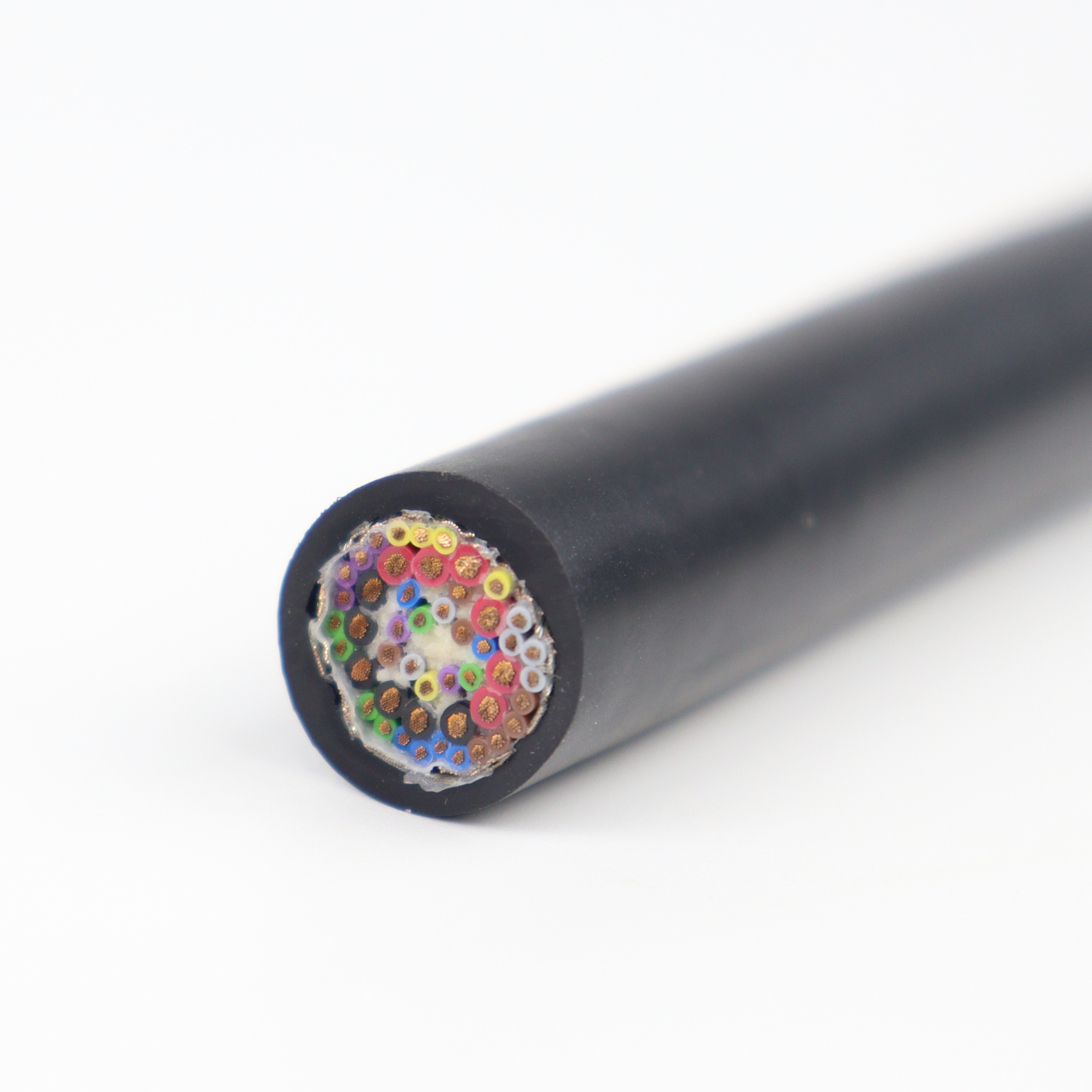
shielded industrial cable
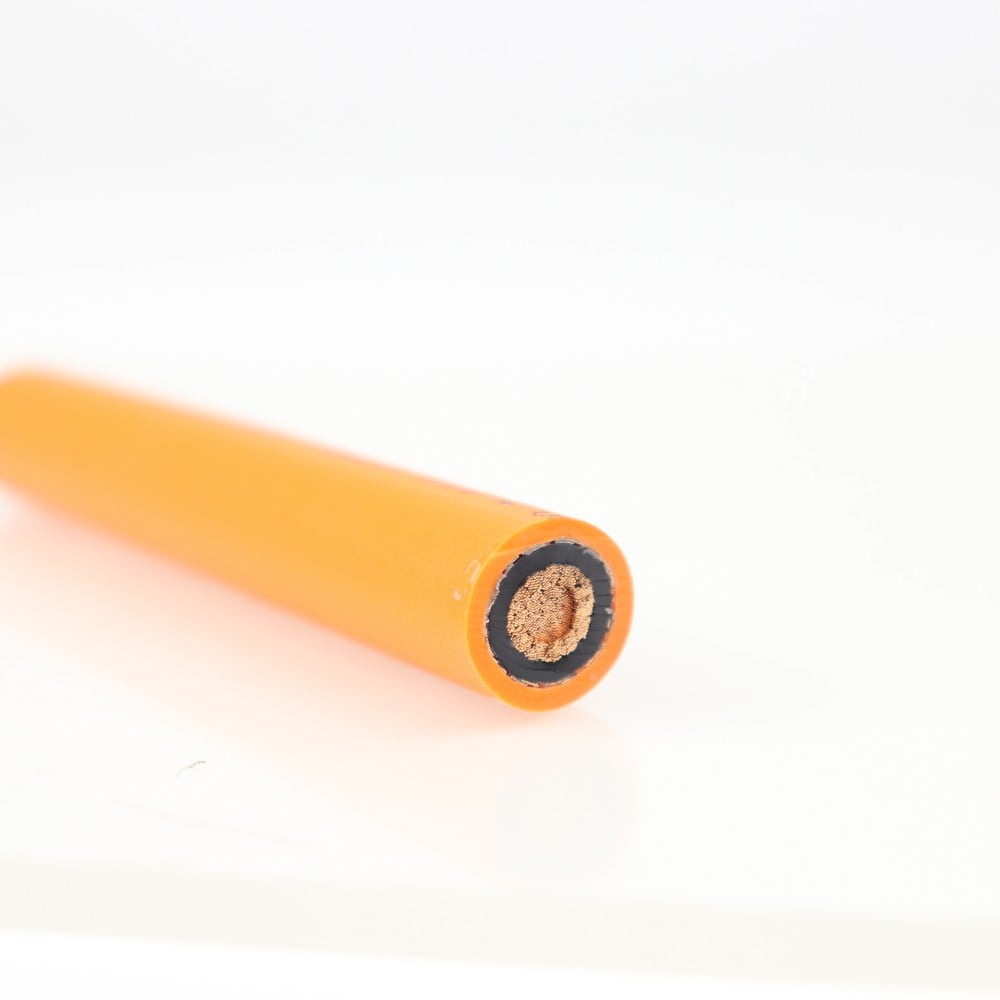
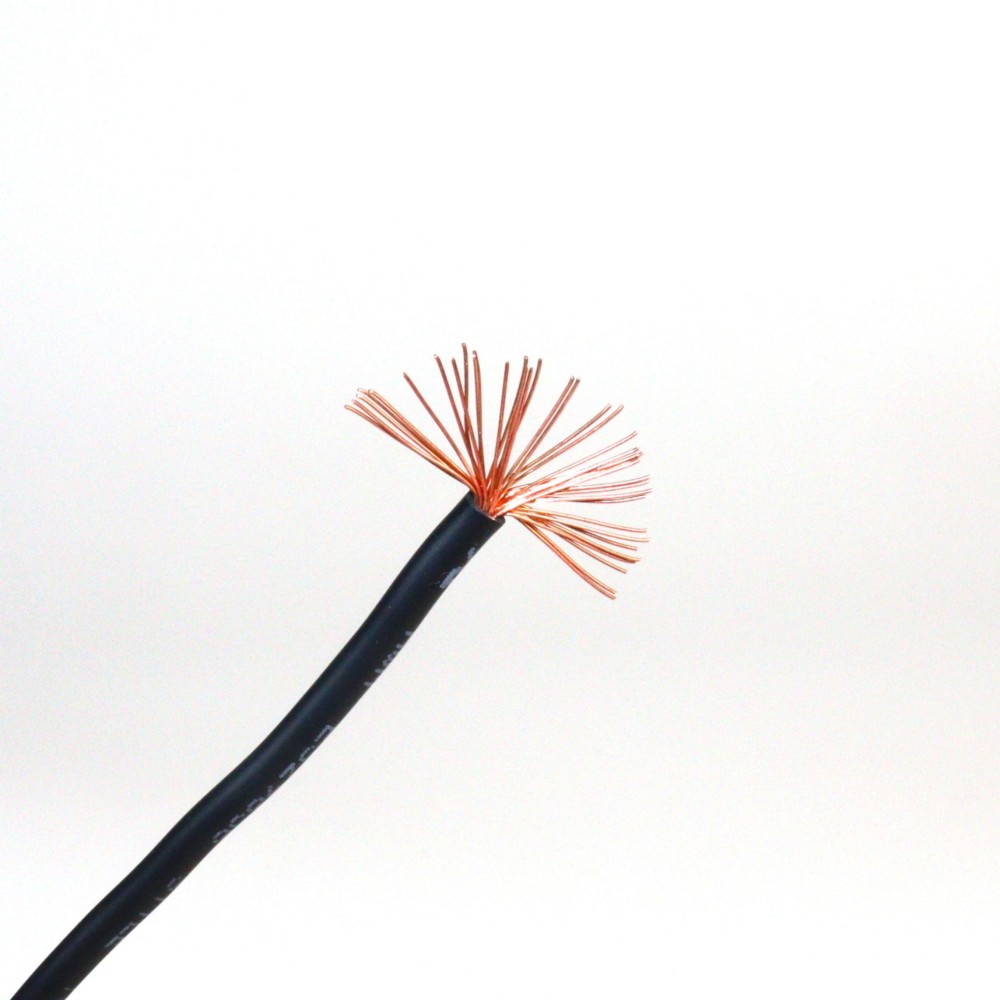
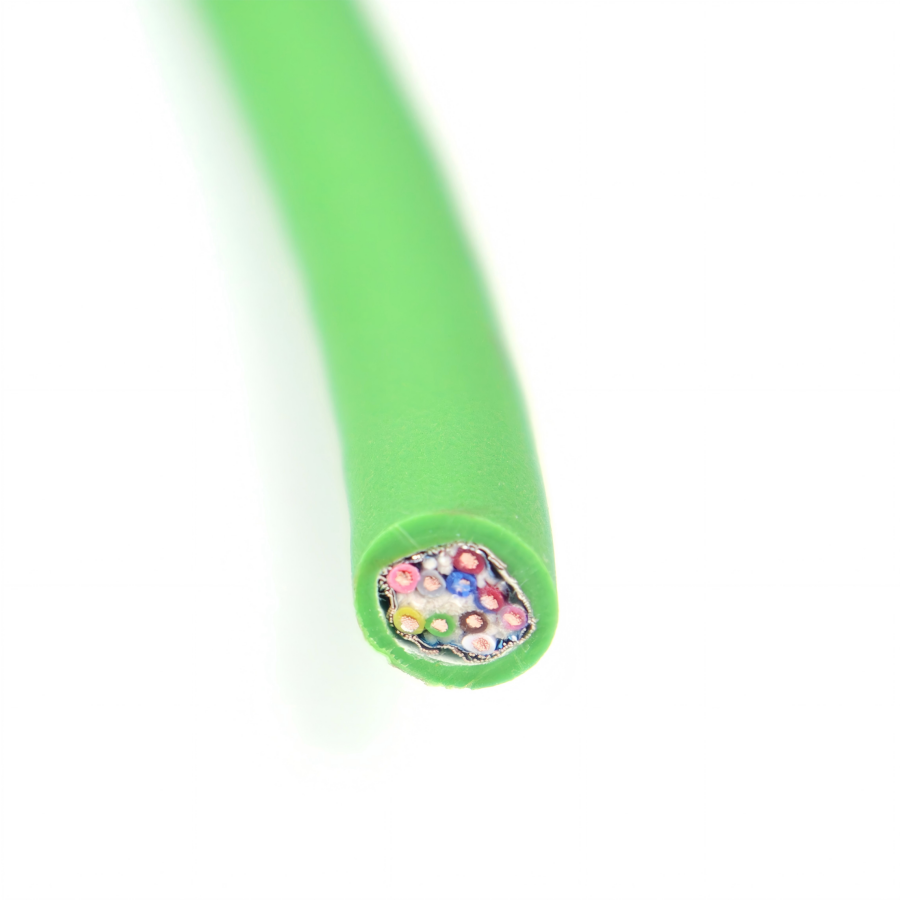
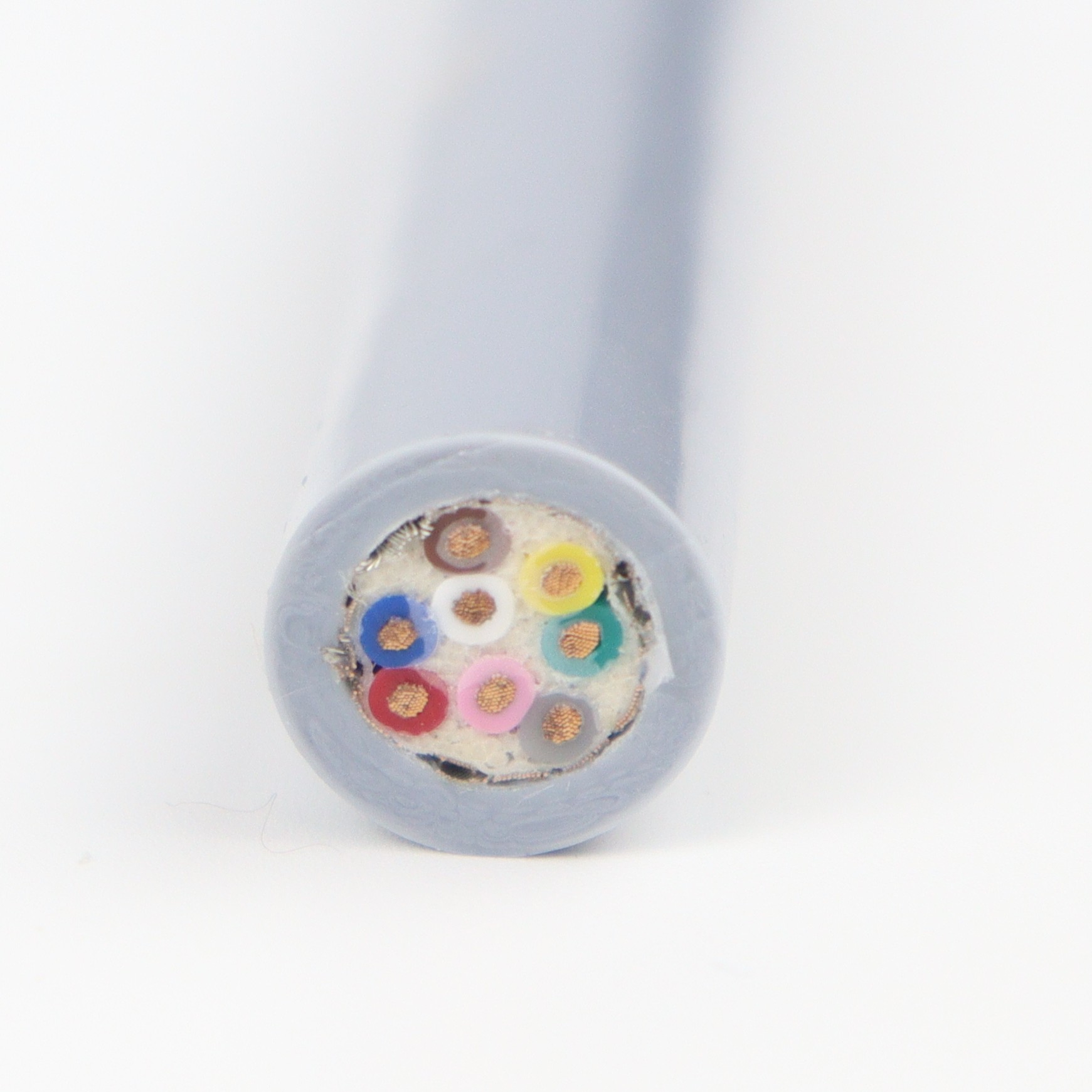
A shielded industrial cable is a power, control, or data cable designed for demanding factory and commercial environments. Its main function is to carry electrical signals while limiting interference from motors, drives, switches, radio equipment, and nearby power lines. The shielded industrial cable uses a conductive layer, such as foil, braid, or both, around the insulated conductors. This layer blocks unwanted electrical noise and helps prevent the cable from affecting nearby circuits. A shielded industrial cable can support stable communication, accurate sensor readings, dependable machine control, and safer power distribution. The shielded industrial cable usually combines copper or tinned copper conductors with durable insulation, a drain wire, and a protective outer jacket. Depending on the design, the jacket may resist oil, moisture, abrasion, chemicals, sunlight, heat, cold, or repeated movement. A shielded industrial cable may also include twisted pairs, flexible strands, numbered cores, and grounding provisions that simplify installation and maintenance. Key technology choices include conductor size, voltage rating, temperature range, bend radius, shielding coverage, and resistance to flame or industrial fluids. These details determine whether the shielded industrial cable suits fixed wiring, moving equipment, or outdoor service. Applications include factory automation, robotics, machine tools, conveyor systems, process controls, instrumentation, renewable energy equipment, elevators, and building systems. The shielded industrial cable is especially useful where reliable signals and consistent equipment performance matter. Customers can select a shielded industrial cable for power, data, encoder, servo, sensor, or control duties, provided the specification matches the installation environment and electrical load.