industrial electric wire and cable
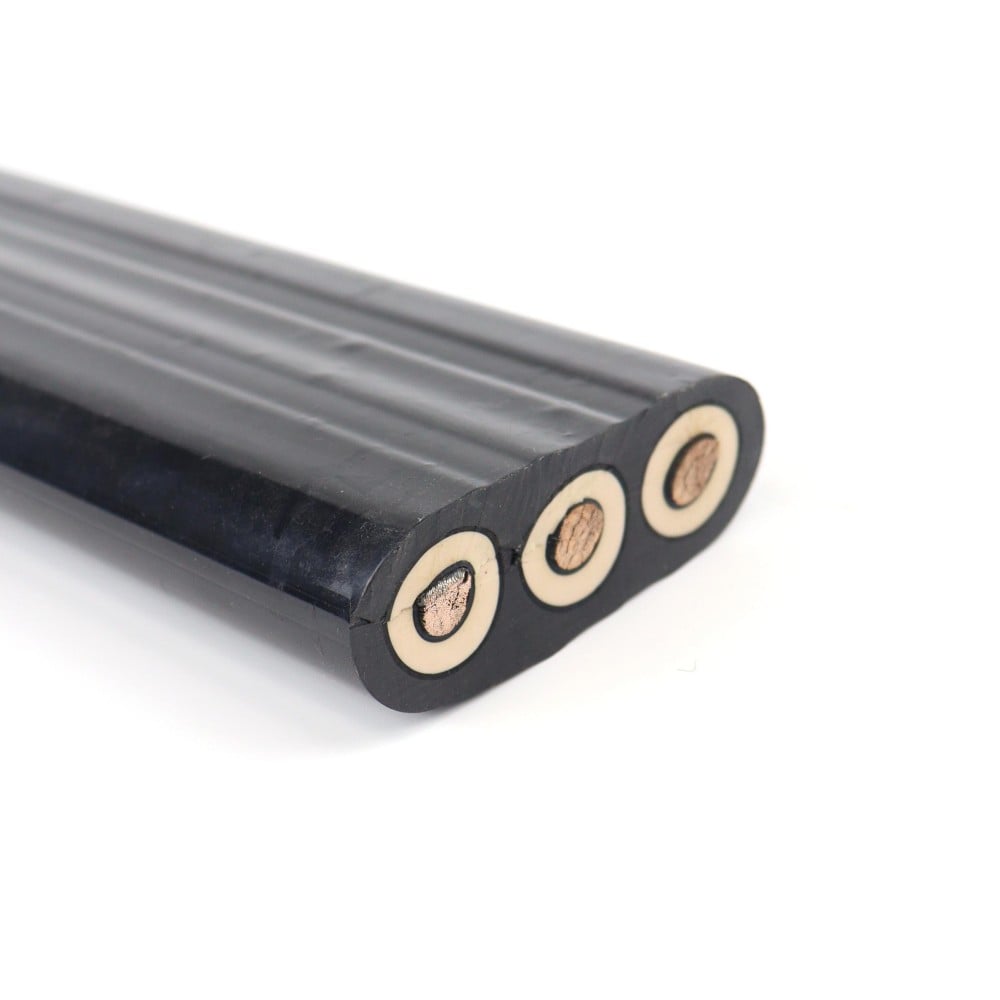
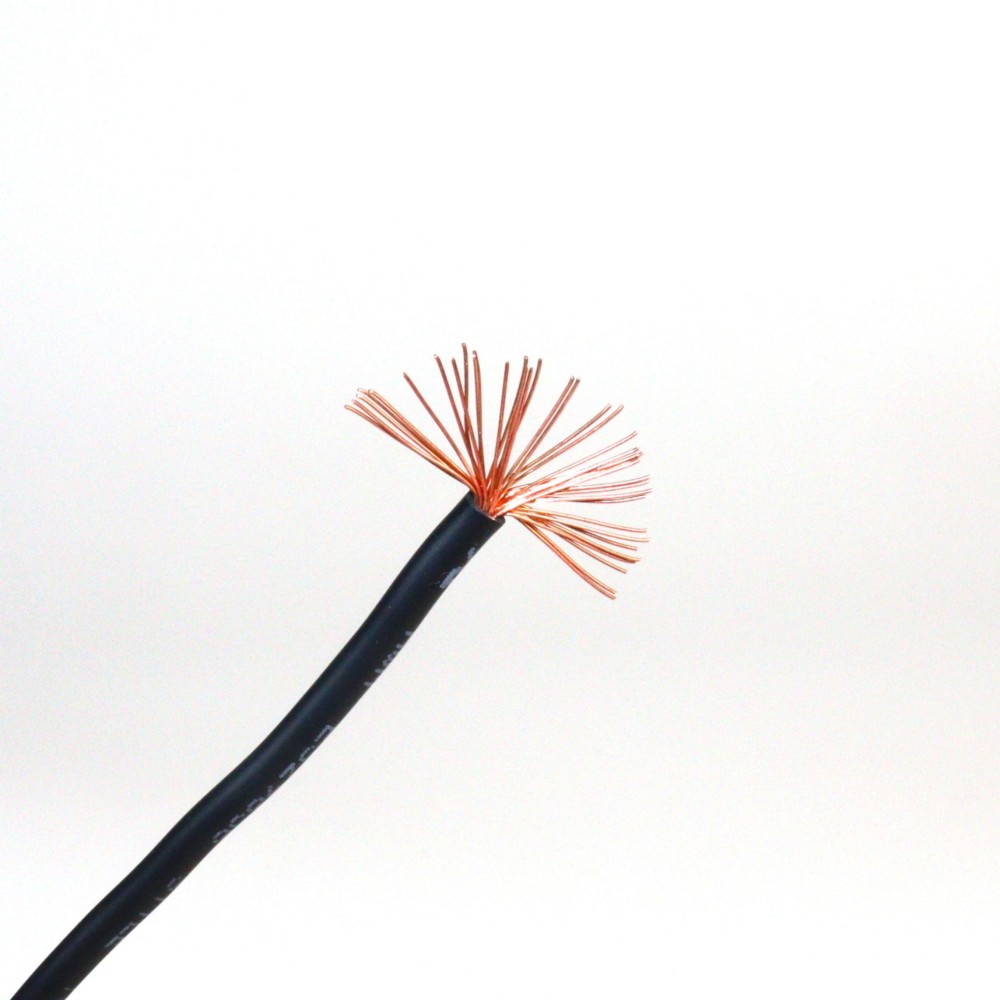
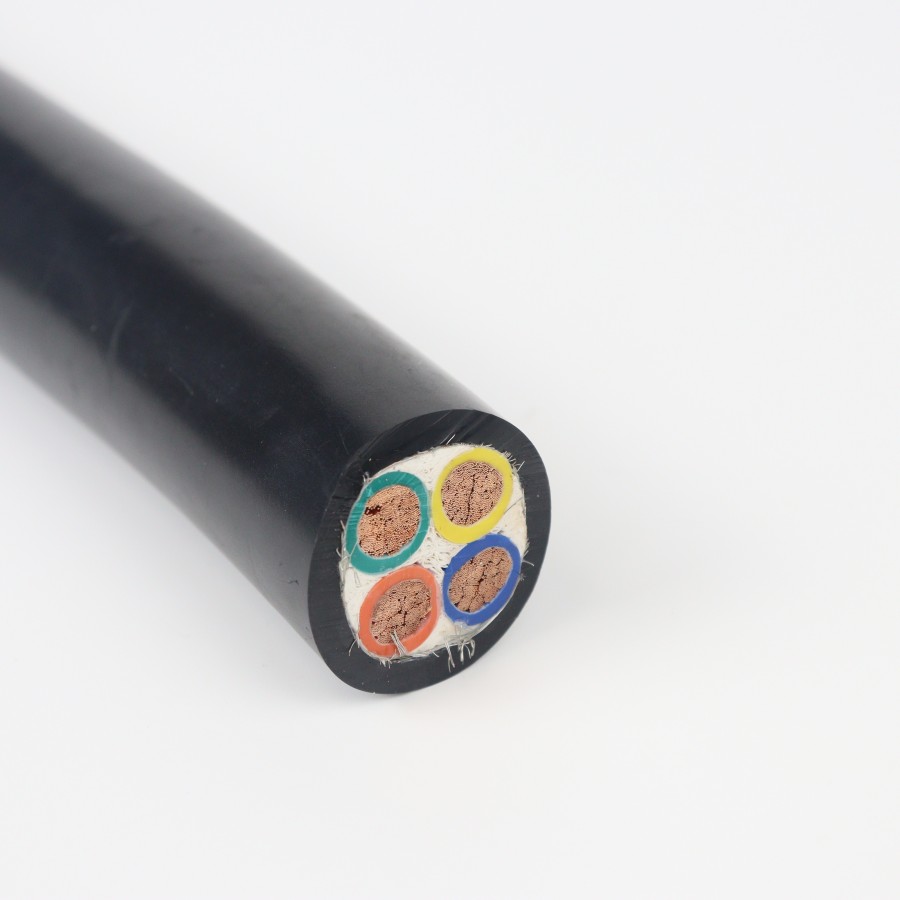
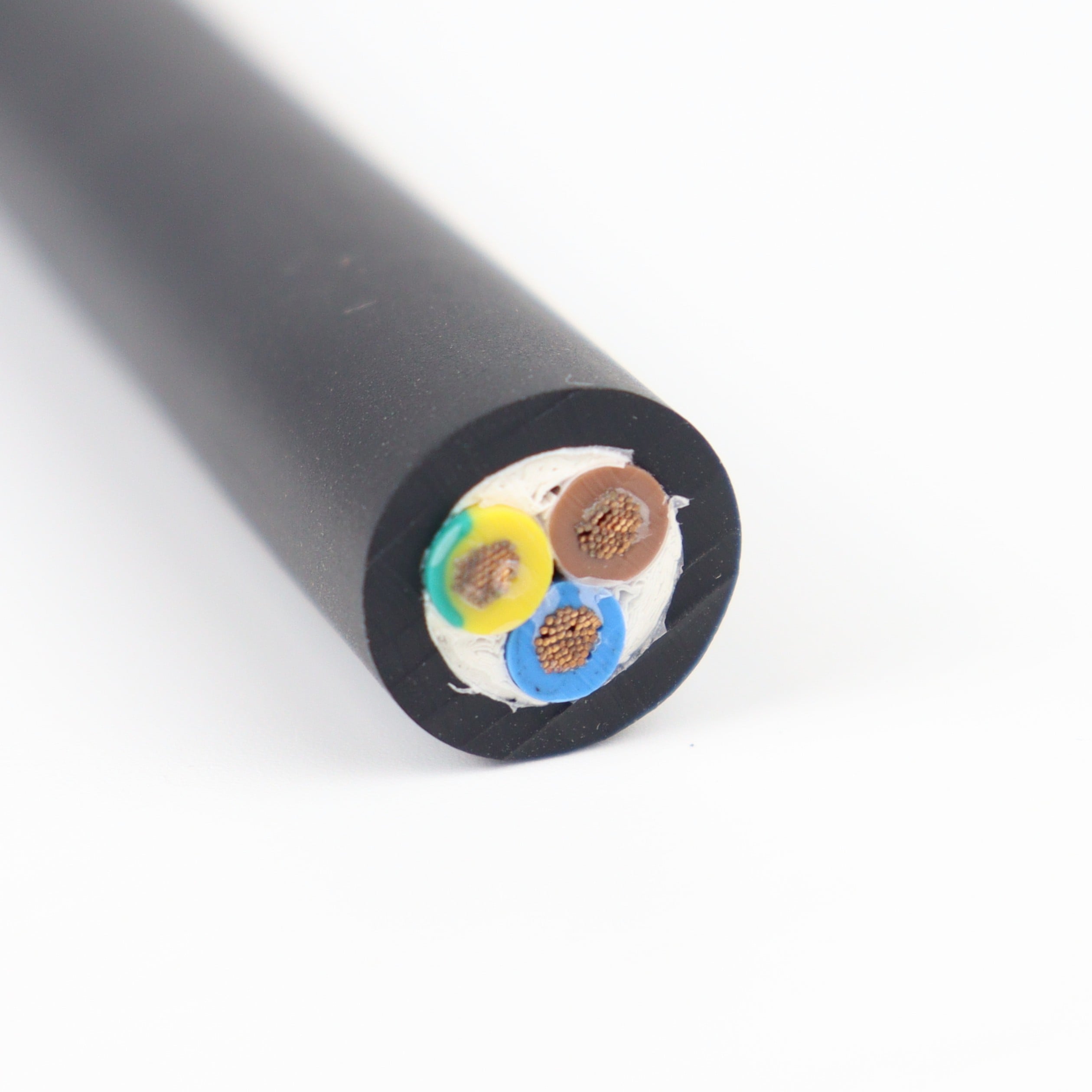
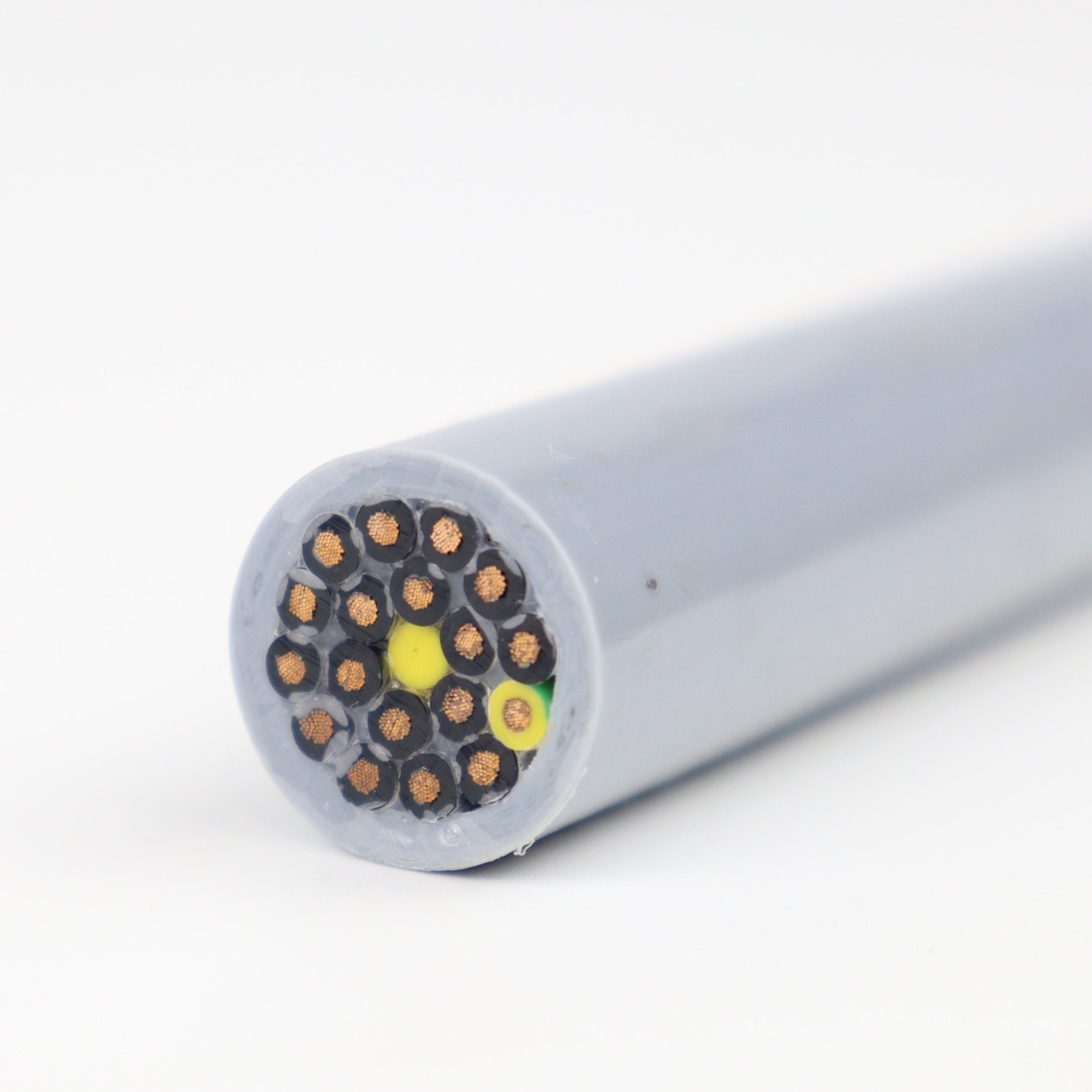
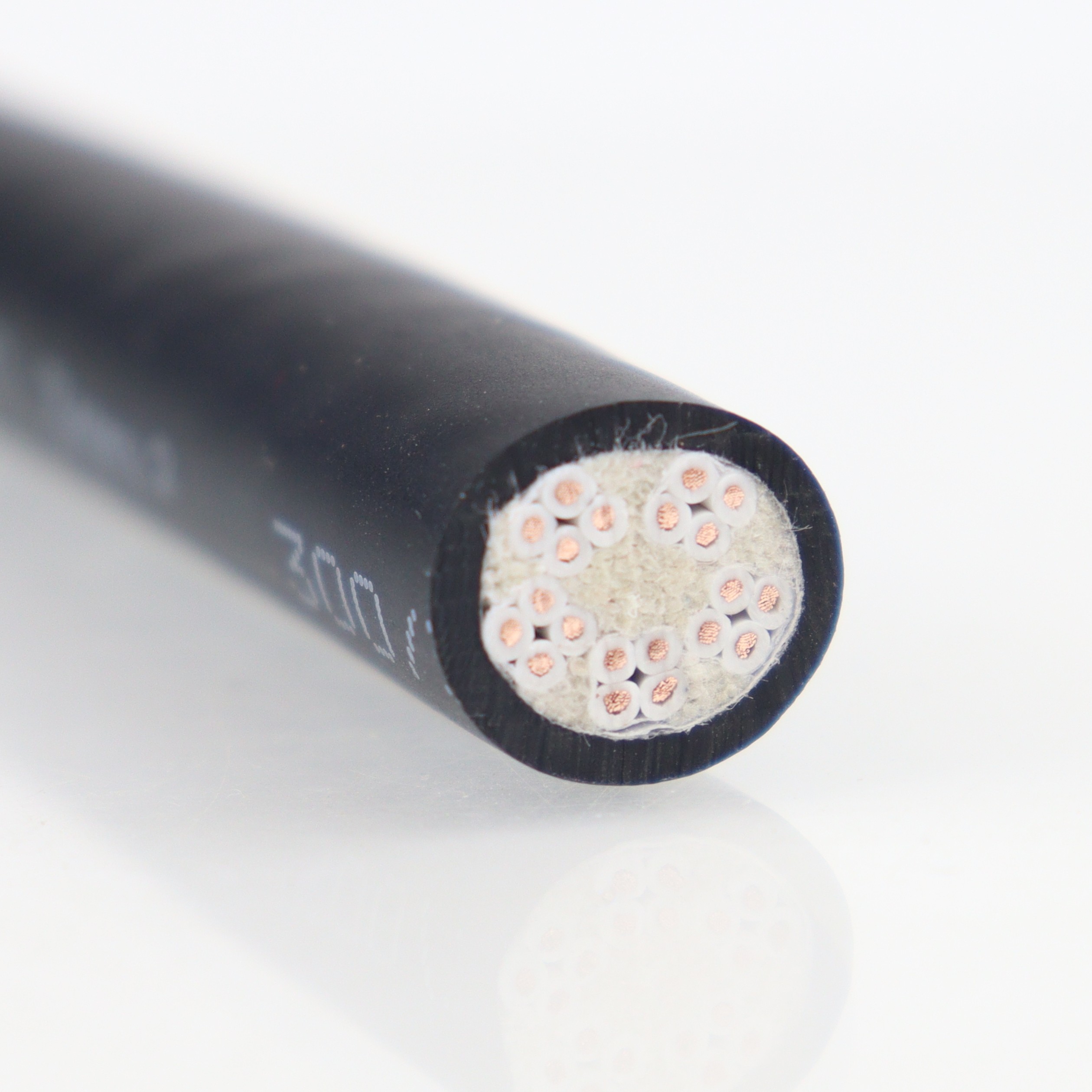
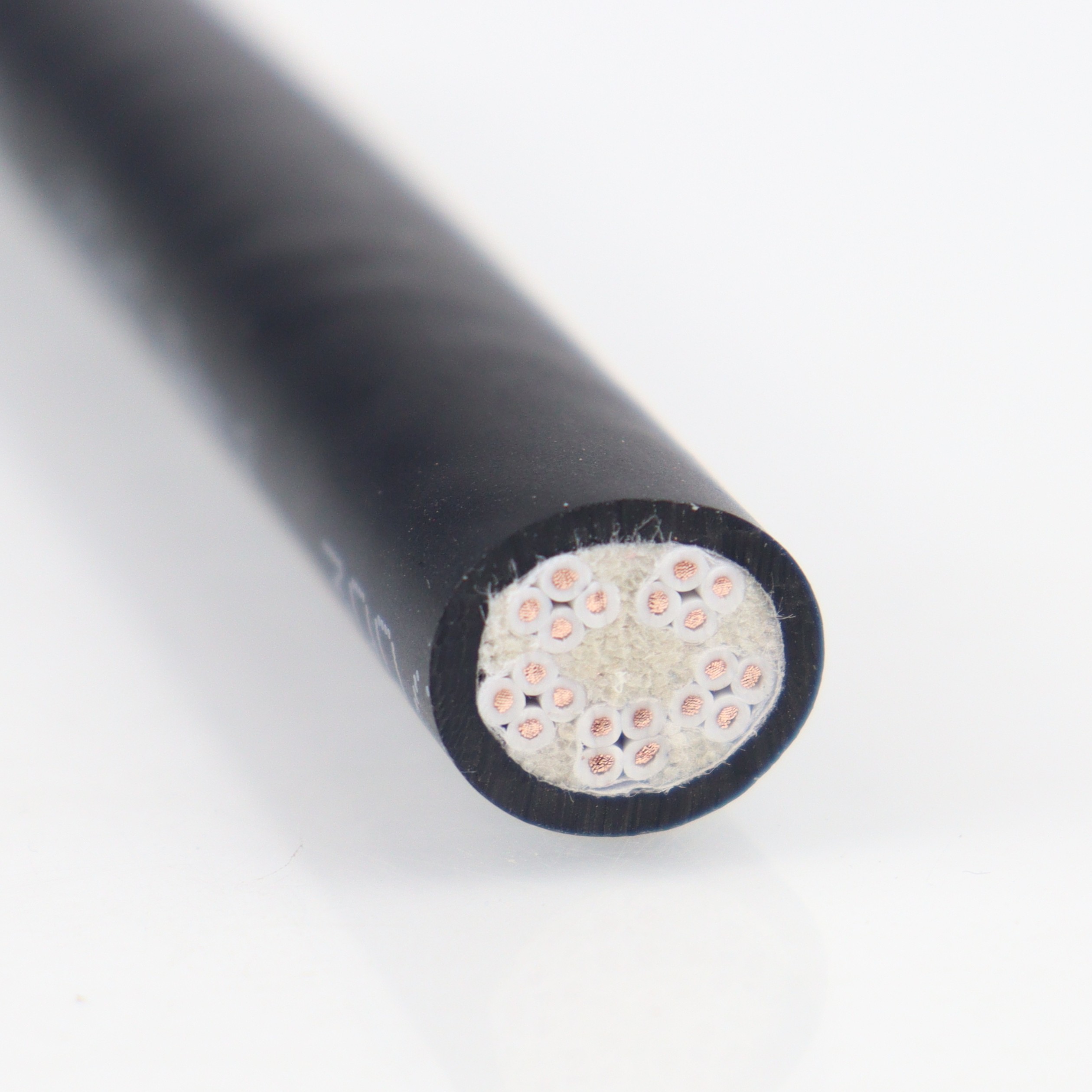
Industrial electric wire and cable carries electrical power, control signals, and data through demanding commercial and production environments. It connects equipment, distribution panels, motors, sensors, automation systems, and building services. Unlike ordinary household wiring, industrial electric wire and cable must withstand heavier loads, movement, heat, moisture, chemicals, vibration, and frequent operation. Manufacturers build industrial electric wire and cable with copper or aluminum conductors, insulation, protective jackets, shielding, fillers, and reinforcement suited to the intended duty. Conductor size determines current capacity, while insulation type affects voltage rating, flexibility, temperature range, and resistance to oil or sunlight. Many industrial electric wire and cable designs use PVC, XLPE, rubber, polyurethane, or other engineered materials to protect the conductor and extend service life. Shielded versions reduce electrical interference and help sensitive controls receive stable signals. Armored versions add mechanical protection where impact, crushing, rodents, or underground installation create risk. Flexible industrial electric wire and cable supports robots, cranes, conveyors, machine tools, and moving production equipment. Fixed designs serve factories, substations, control cabinets, commercial facilities, and infrastructure networks. Key technical features include flame resistance, low smoke output, water blocking, bending performance, abrasion resistance, and clear voltage identification. Correct selection depends on load, installation method, temperature, environment, movement, compliance needs, and expected service life. A well-matched industrial electric wire and cable system supports dependable energy transfer, safer operation, easier maintenance, and consistent plant performance.