industrial automation cable
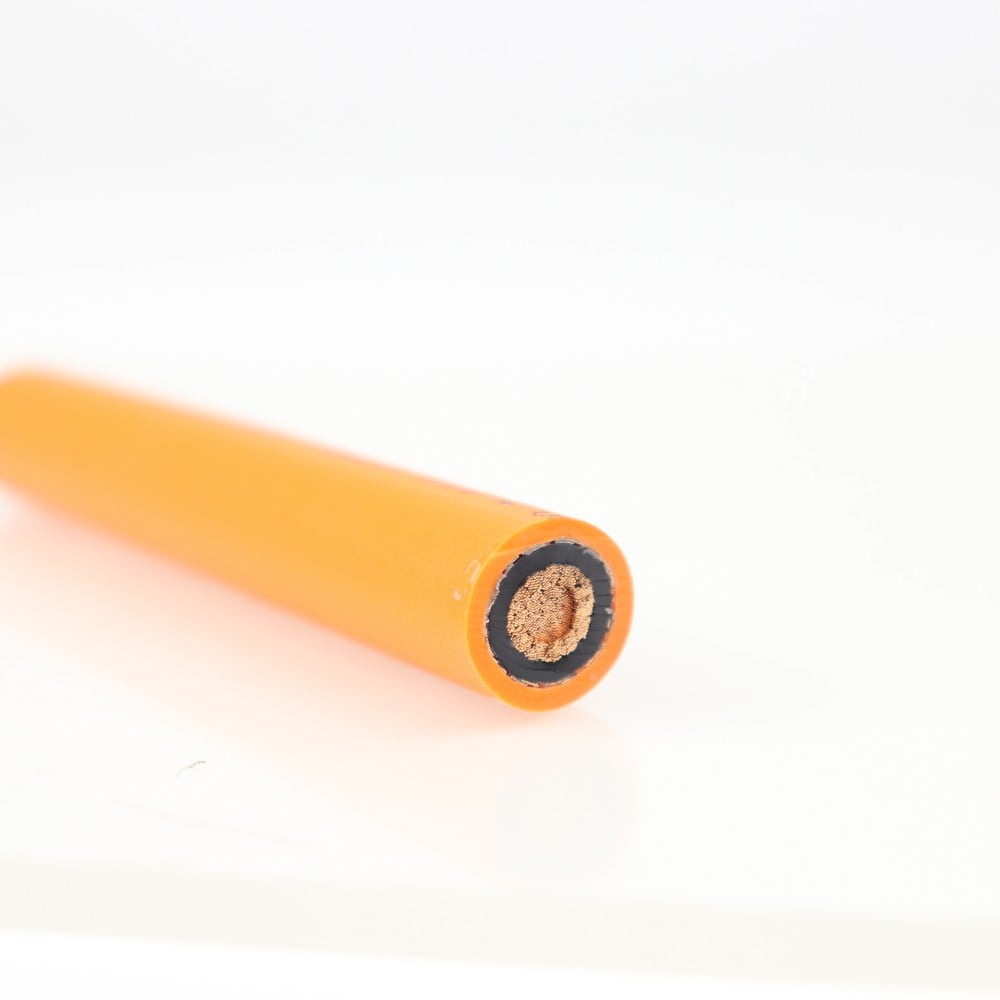
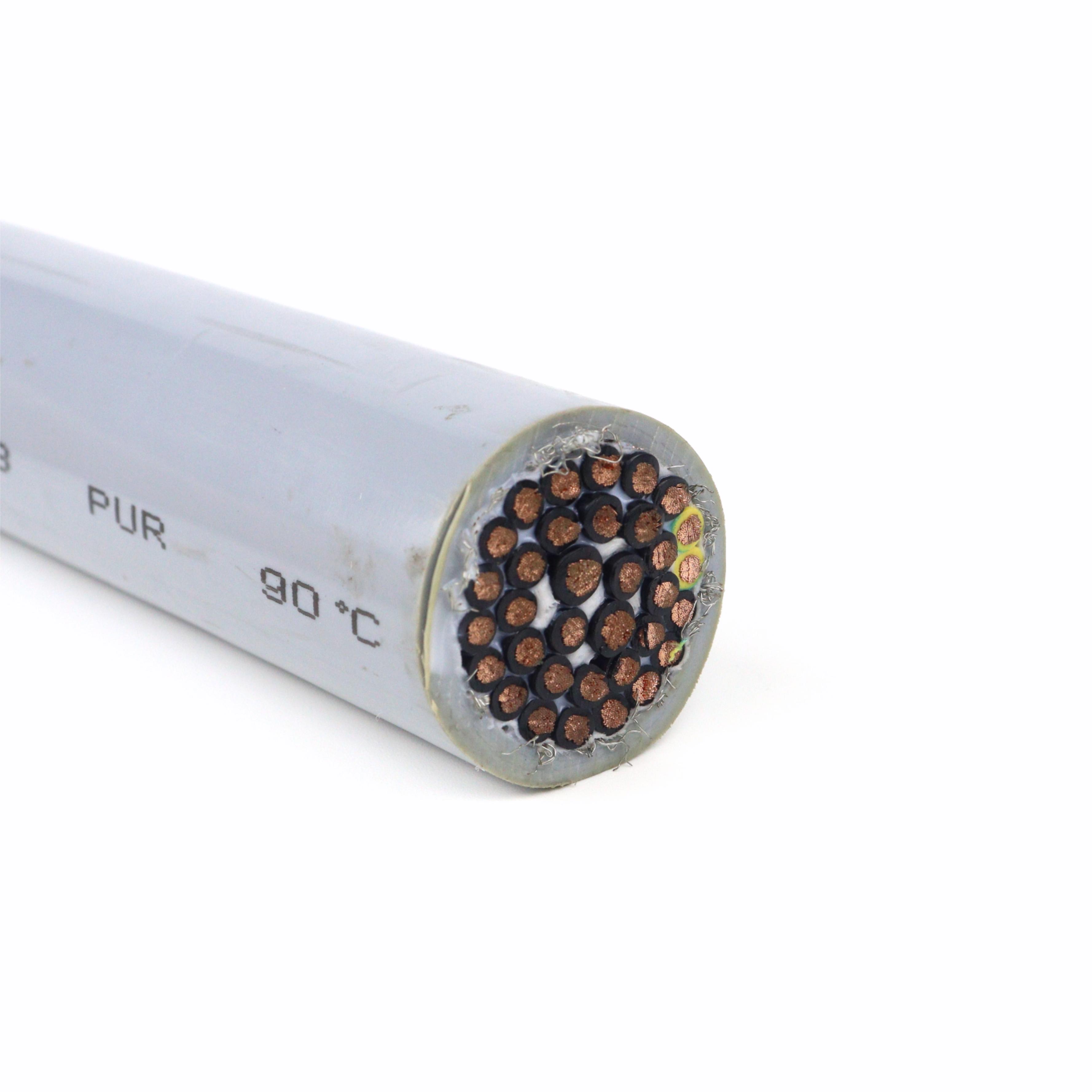
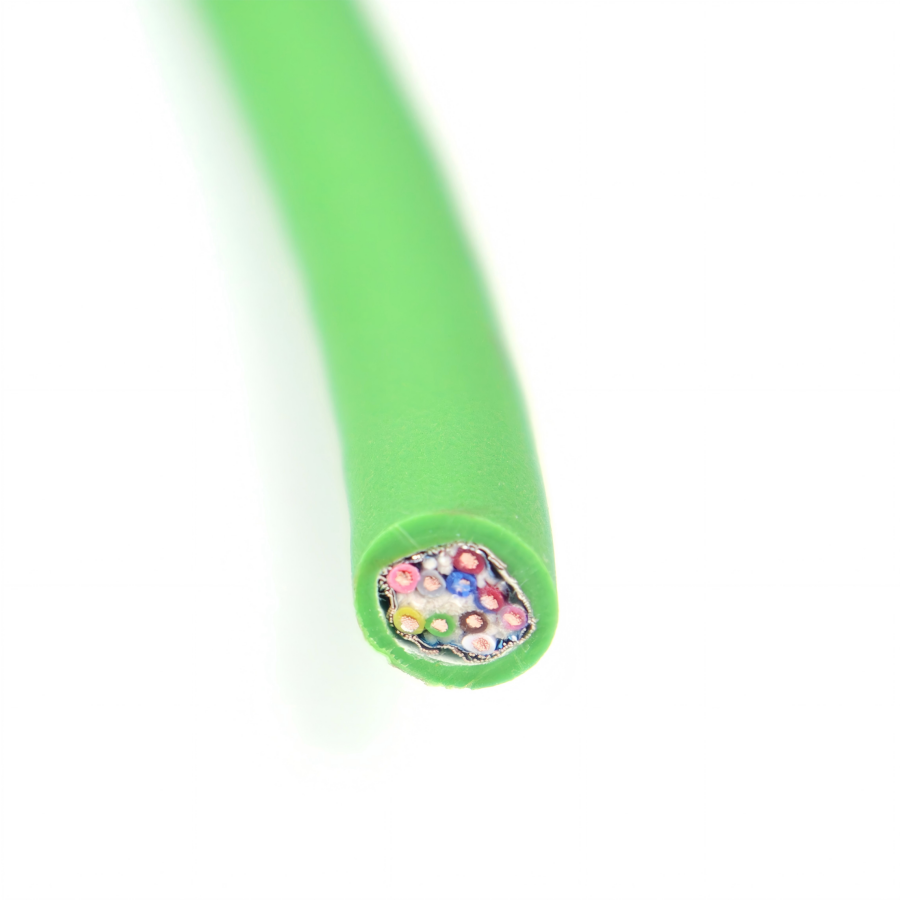
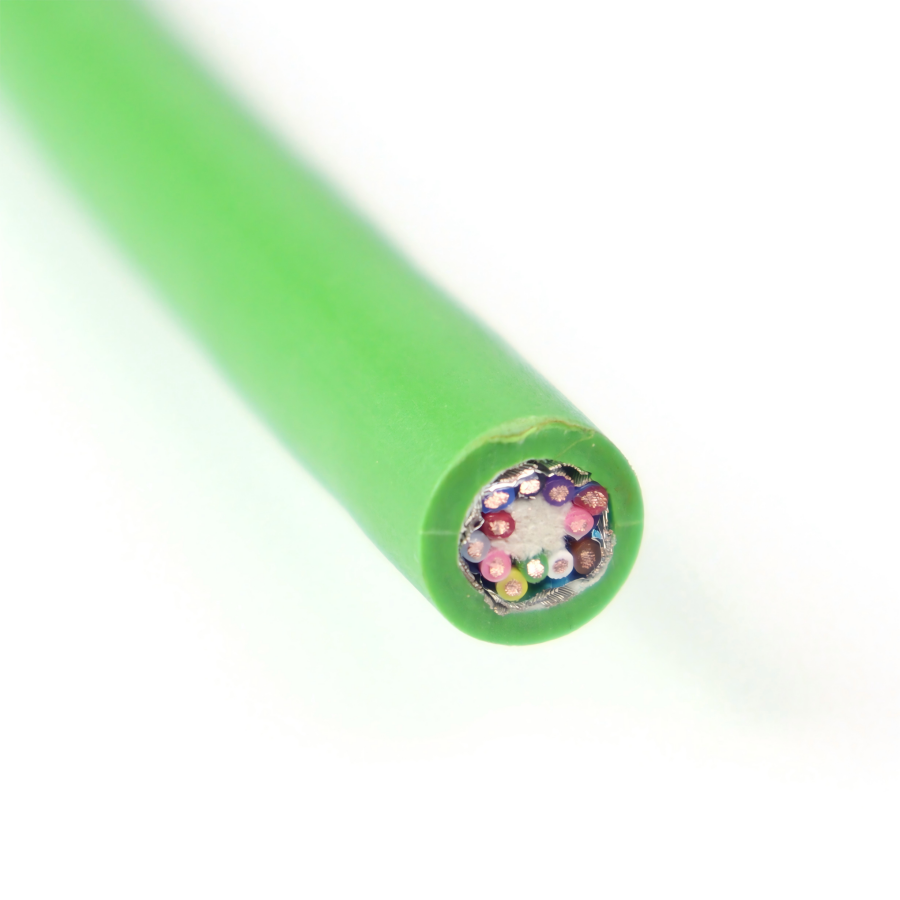
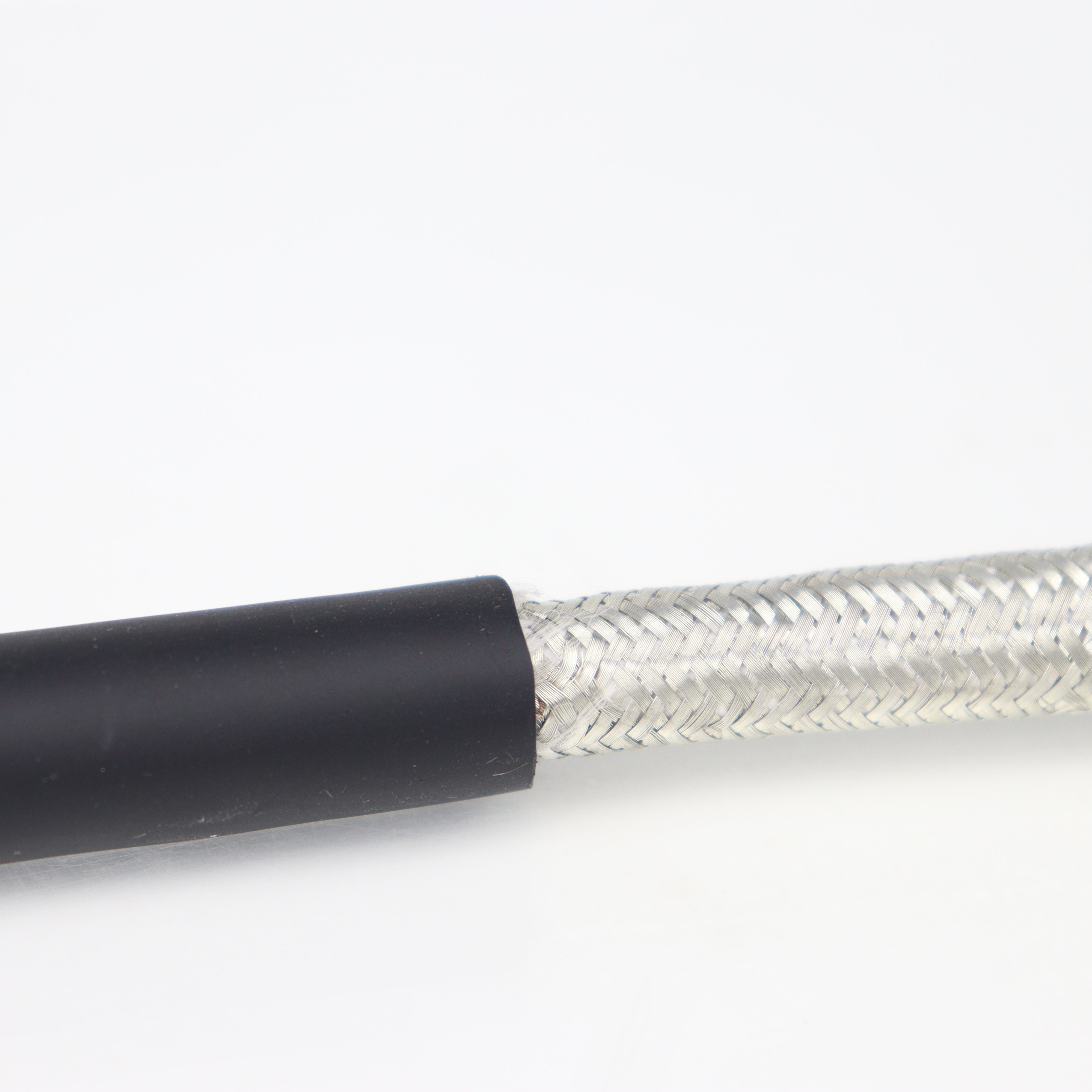
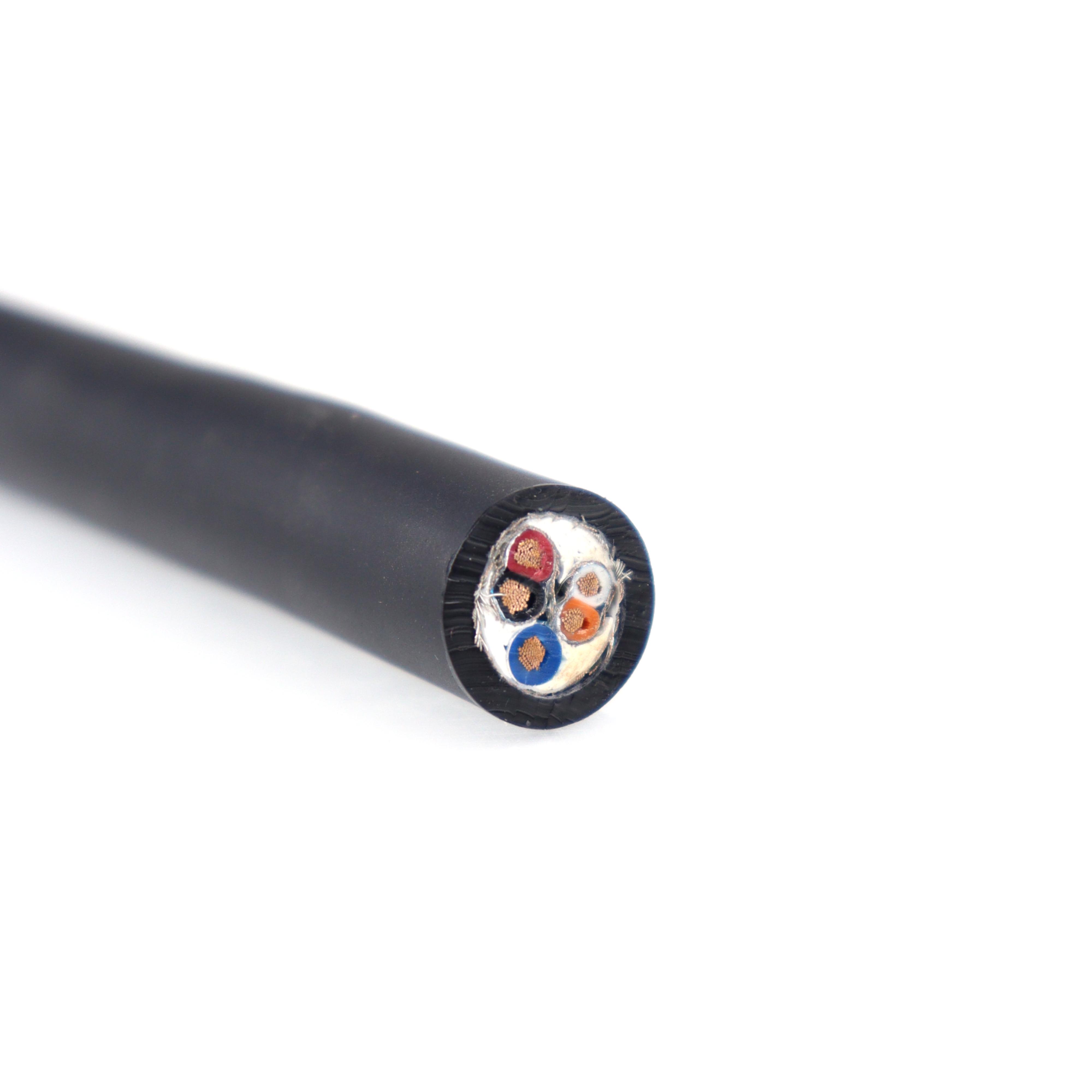
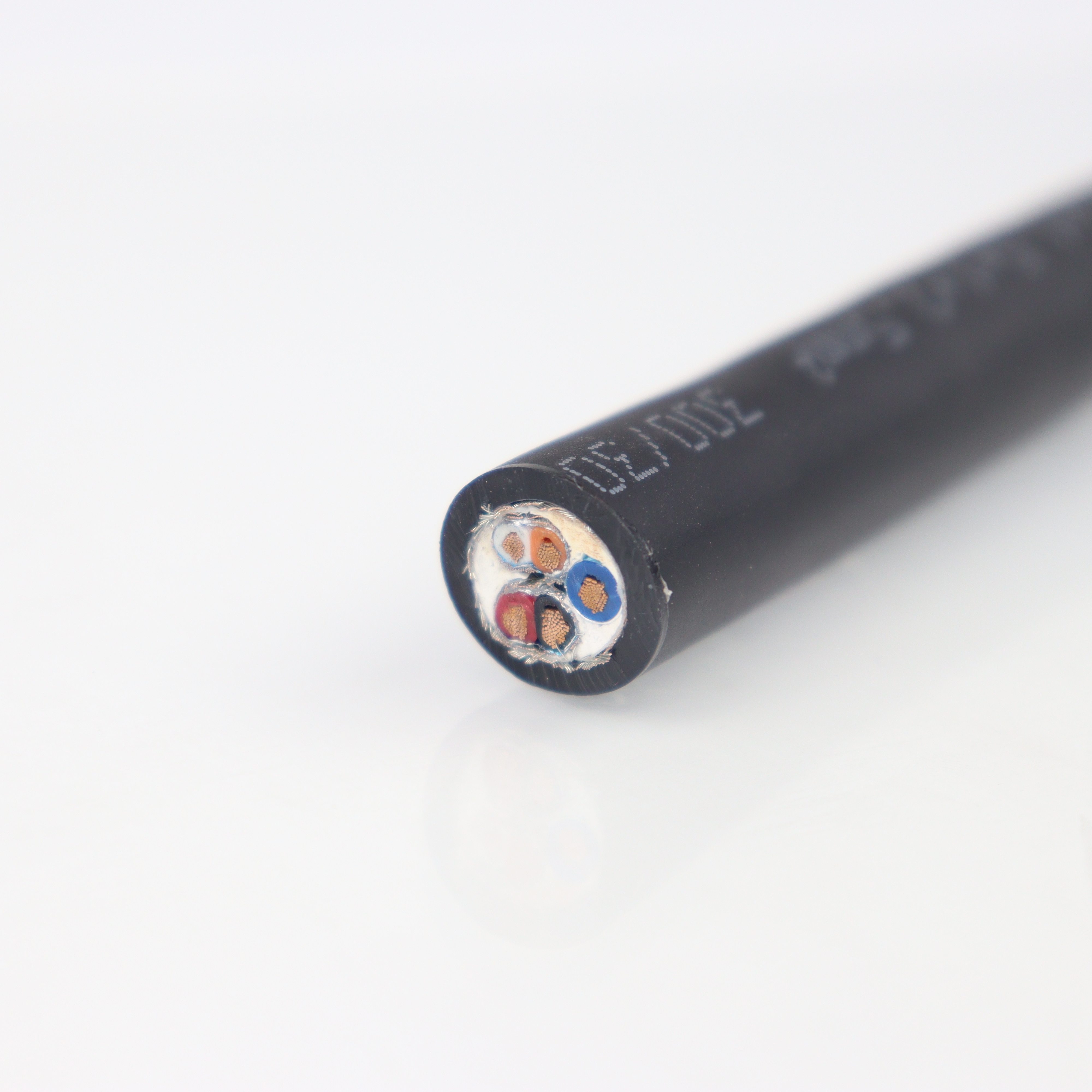
An industrial automation cable is a purpose-built connection solution for moving power, control signals, and data between machines, sensors, drives, controllers, and operator equipment. Unlike a standard electrical lead, an industrial automation cable is designed for repeated movement, electrical noise, vibration, temperature change, oil exposure, and continuous factory use. An industrial automation cable can support motor control, feedback signals, Ethernet communication, safety circuits, and robotic equipment within one production environment. The correct industrial automation cable helps machines exchange information quickly and keeps automated processes coordinated. Industrial automation cable designs may include copper conductors, flexible stranding, shielding, insulation, fillers, and protective outer jackets. Each part supports a practical purpose. Conductors carry energy or signals, shielding reduces interference, and the jacket protects against abrasion, chemicals, moisture, and mechanical stress. Depending on the installation, an industrial automation cable may be fixed in a cabinet, routed through a cable tray, installed on a drag chain, or connected to a moving robot arm. An industrial automation cable may also be supplied with different conductor counts, voltage ratings, bend radii, connector options, and communication standards. These choices allow users to match the product to machine speed, distance, environment, and control architecture. An industrial automation cable is used in packaging lines, assembly systems, conveyor equipment, machine tools, warehouses, process plants, and automotive production. Selecting an industrial automation cable with the right construction reduces connection faults and supports stable production. For buyers, an industrial automation cable offers a practical link between reliable machine operation, easier maintenance, and long-term equipment protection.