Cable Manufacturers for Reliable Cable Solutions

application/cable-manufacturers, application/cable-manufacturers, 
Inquiry
Inquiry

cable manufacturers

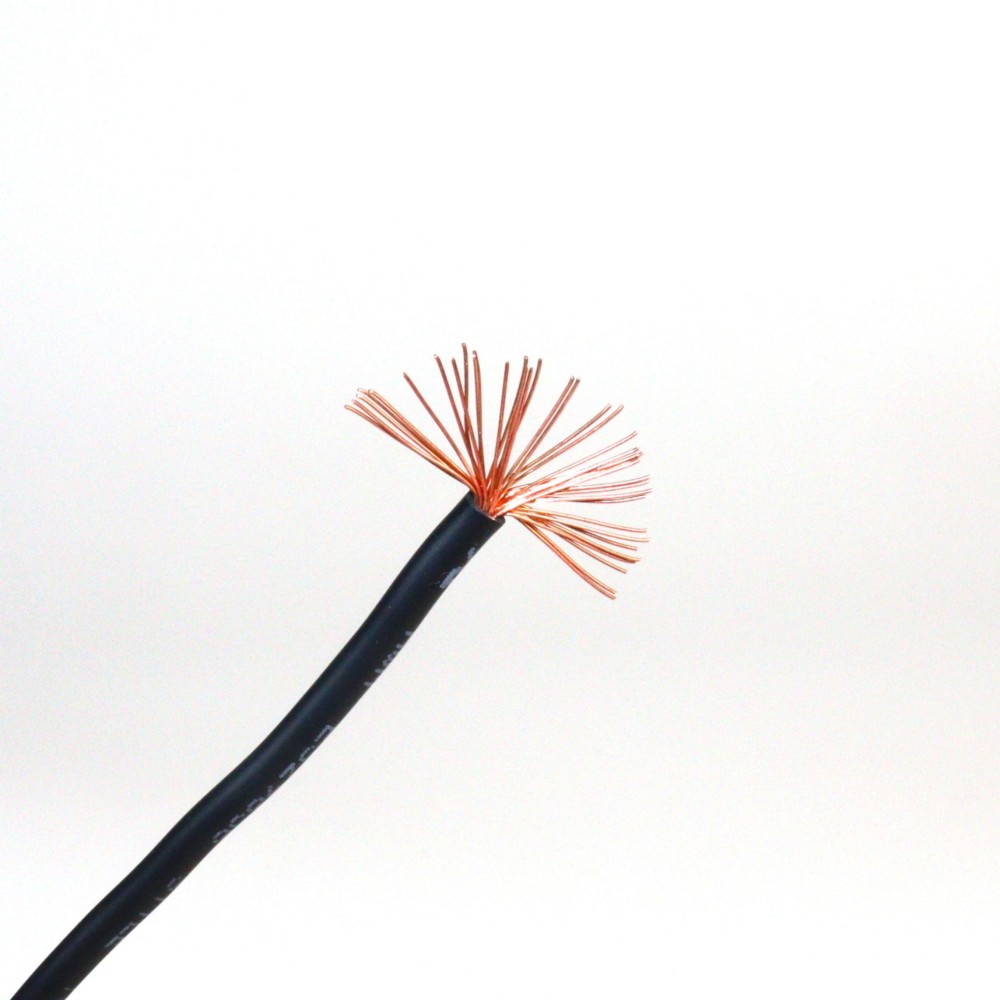
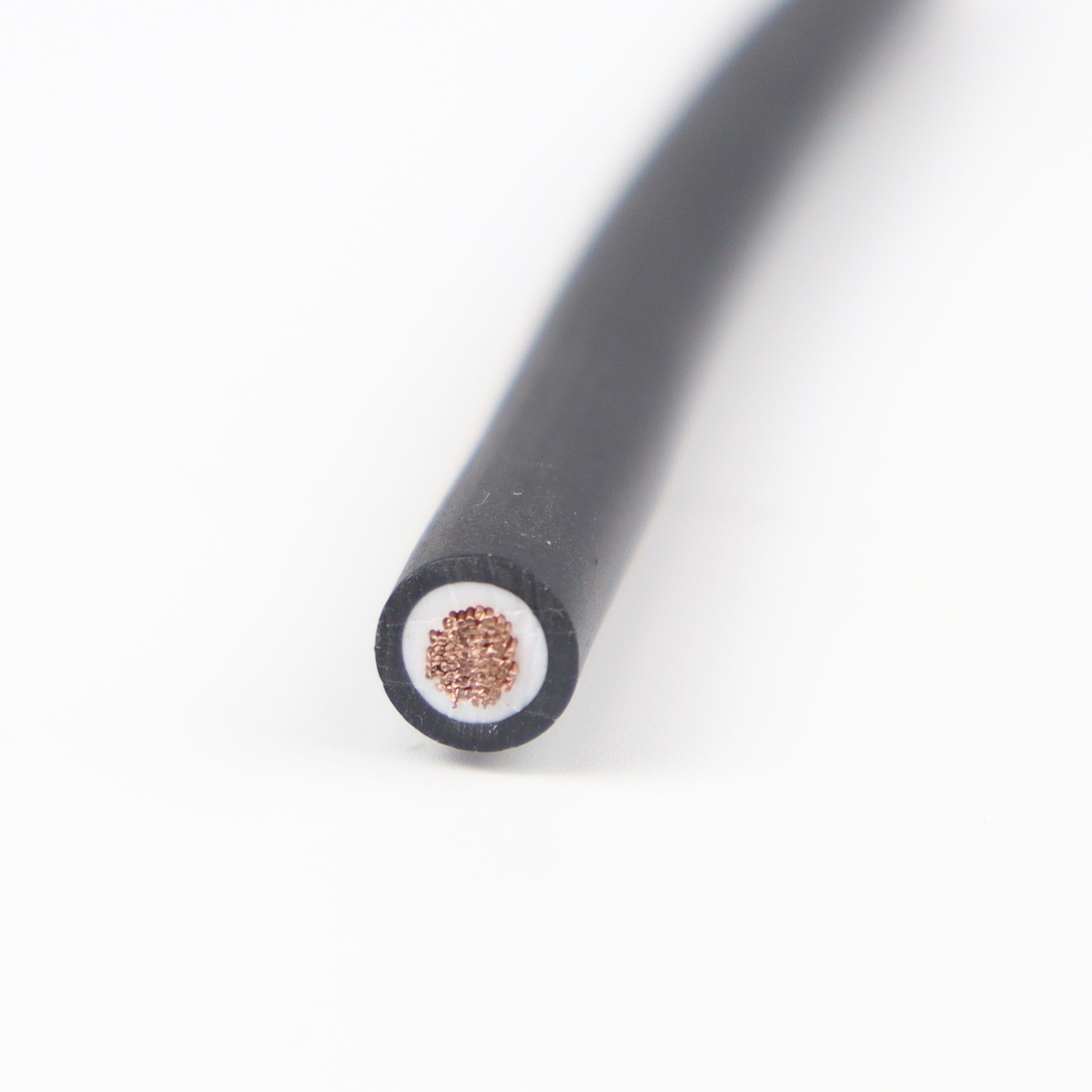
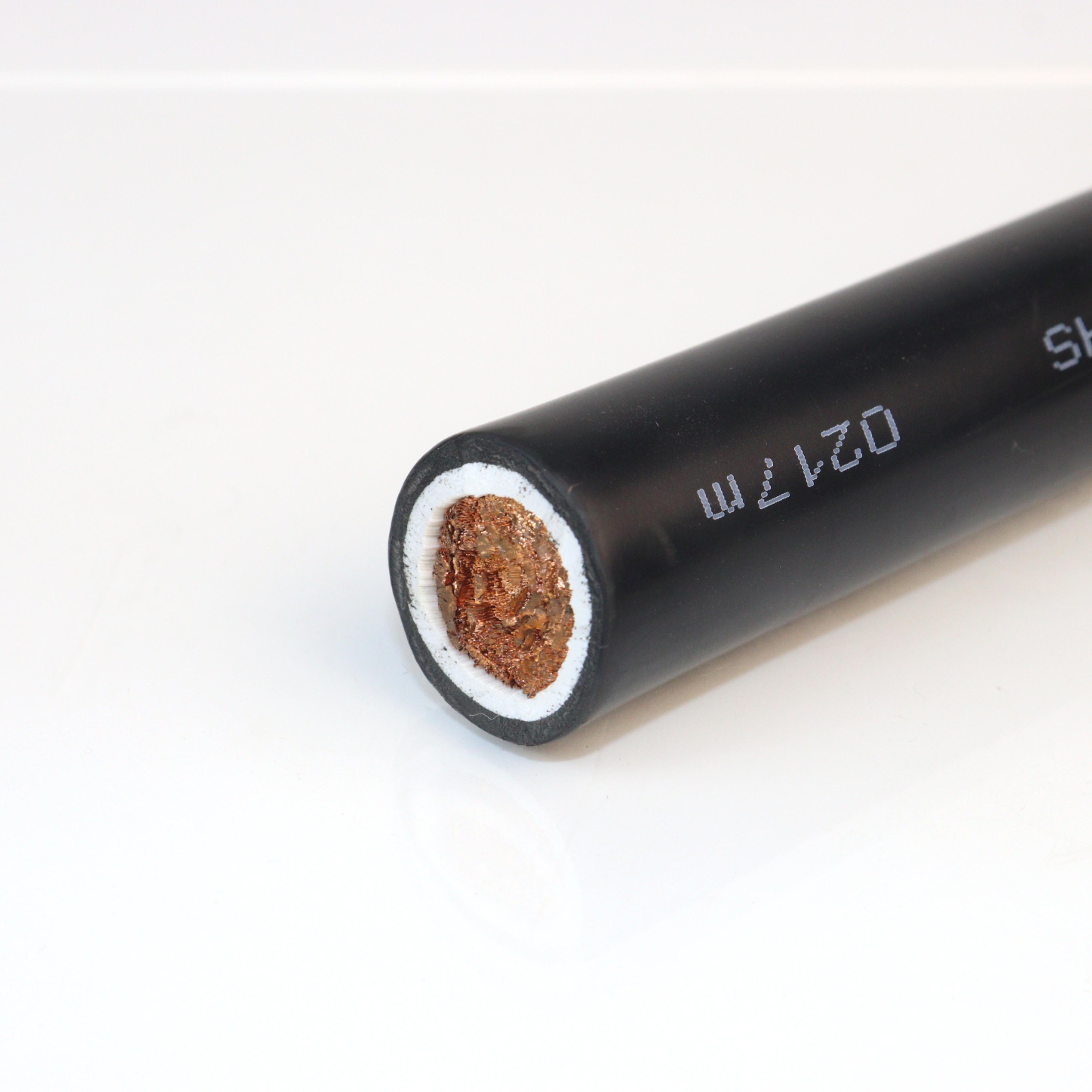
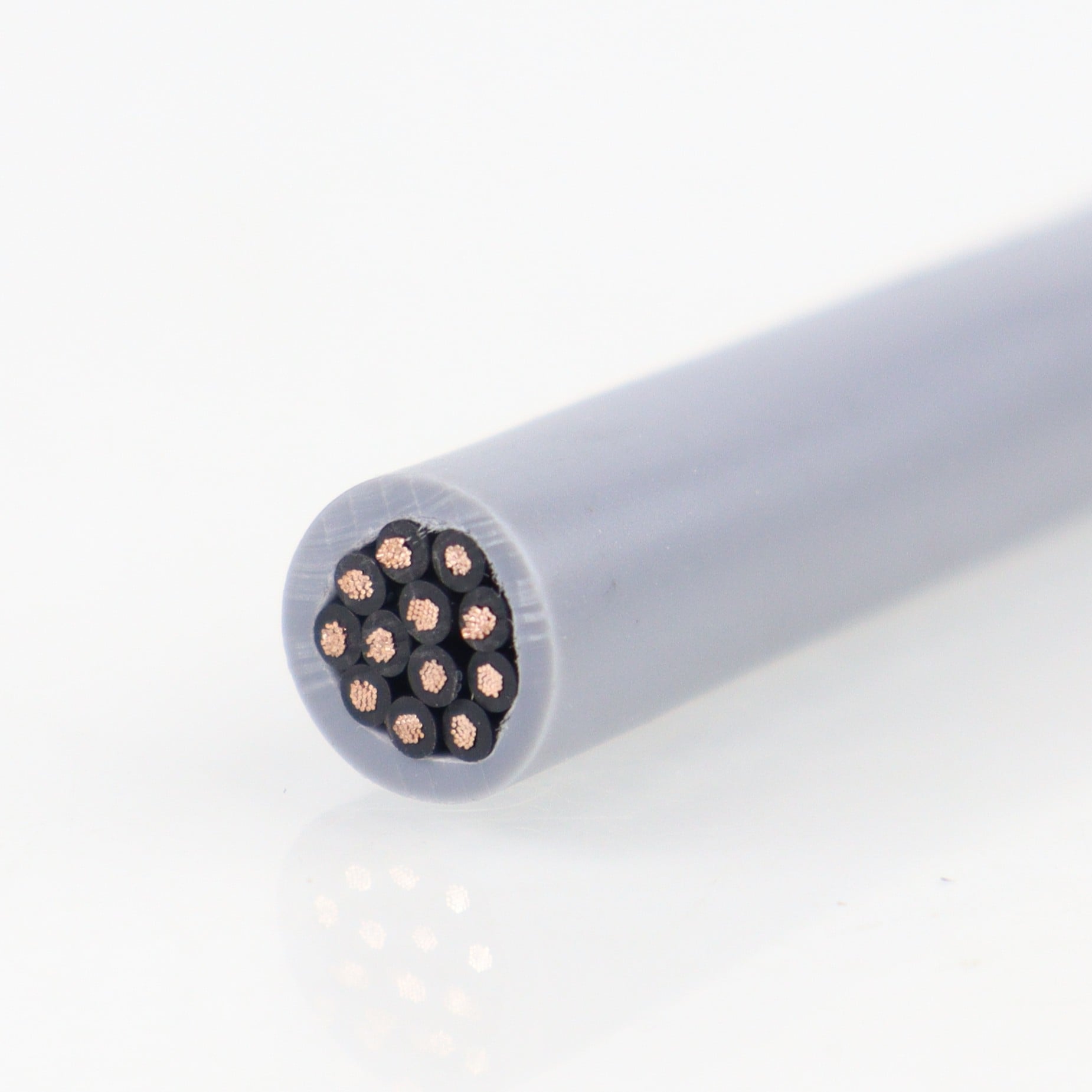
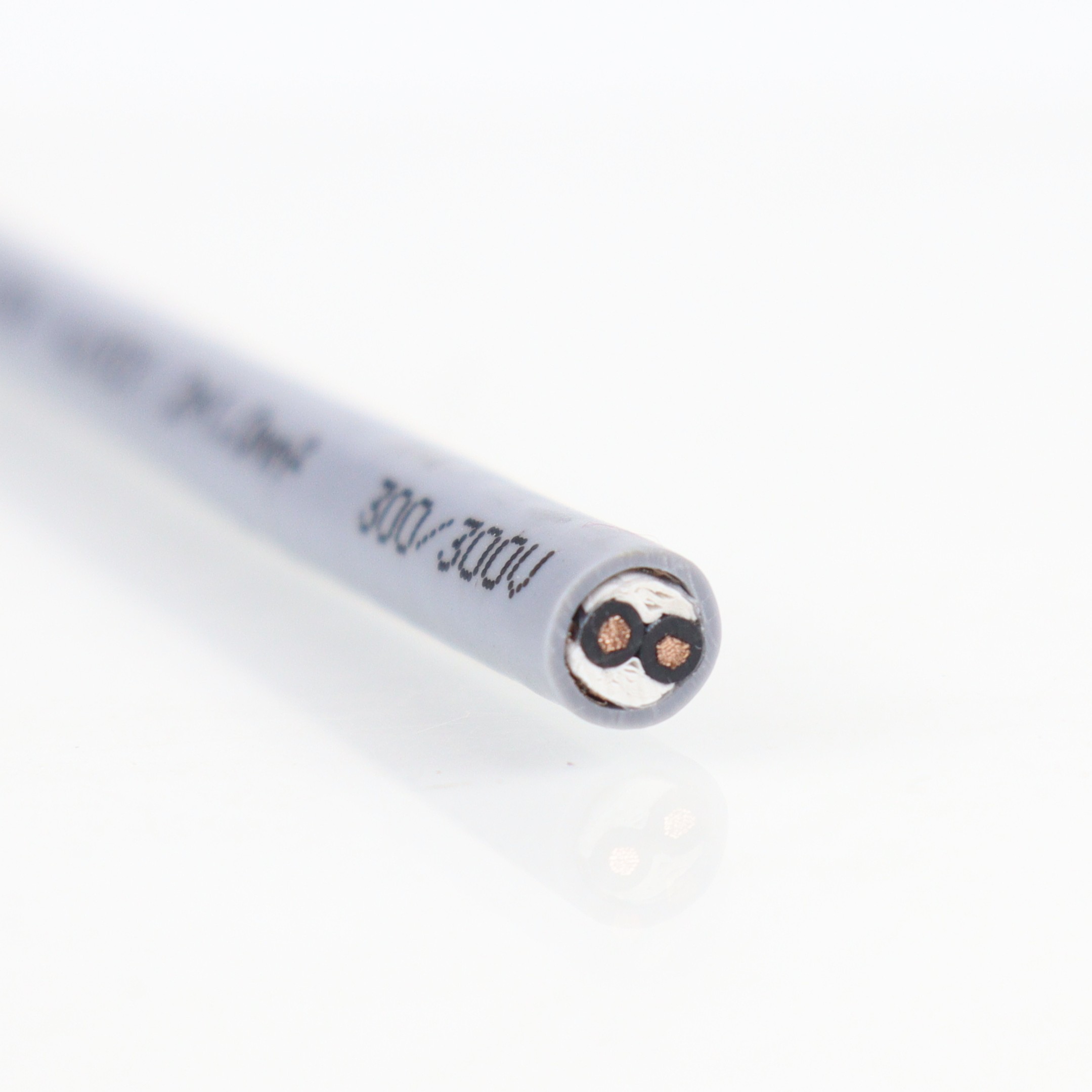
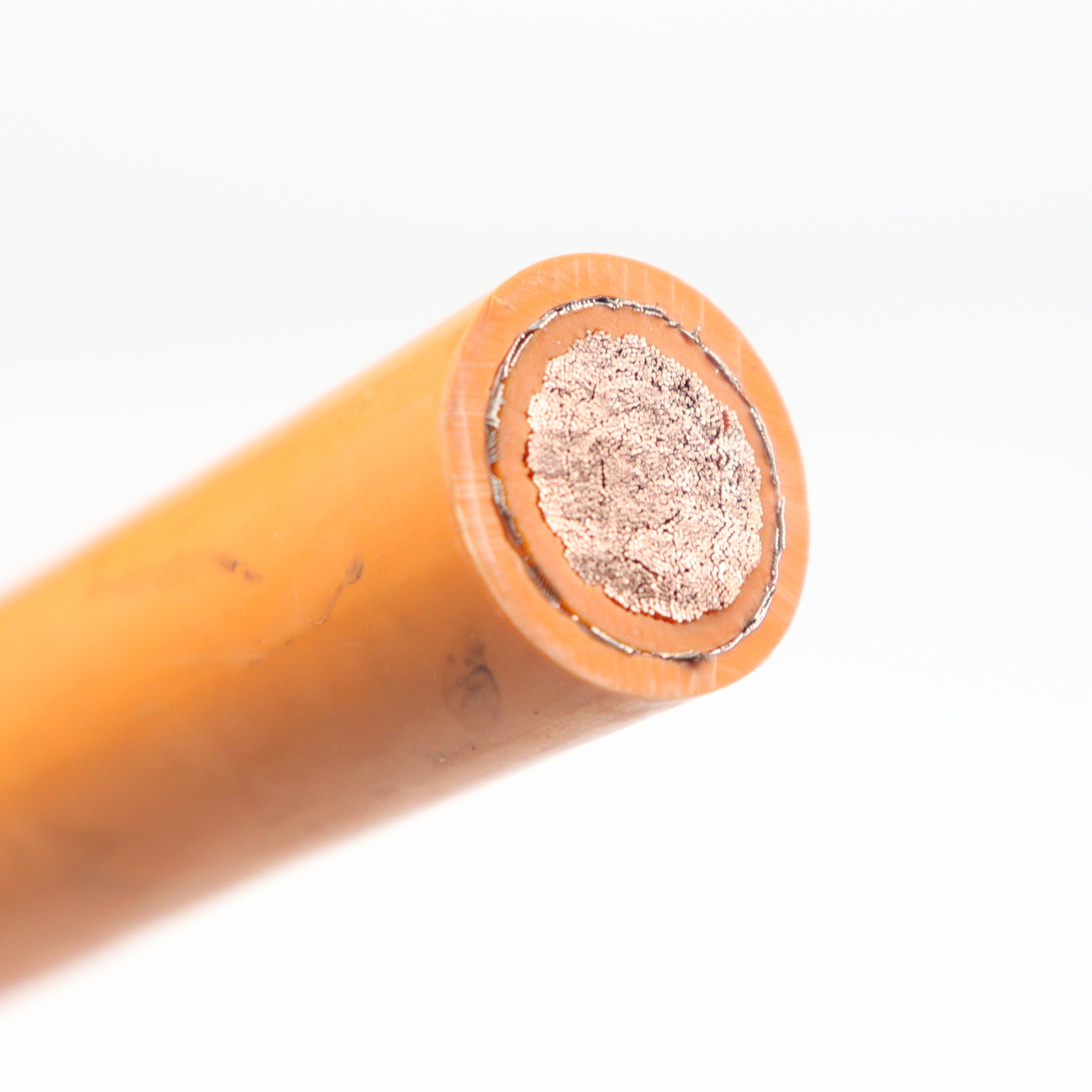
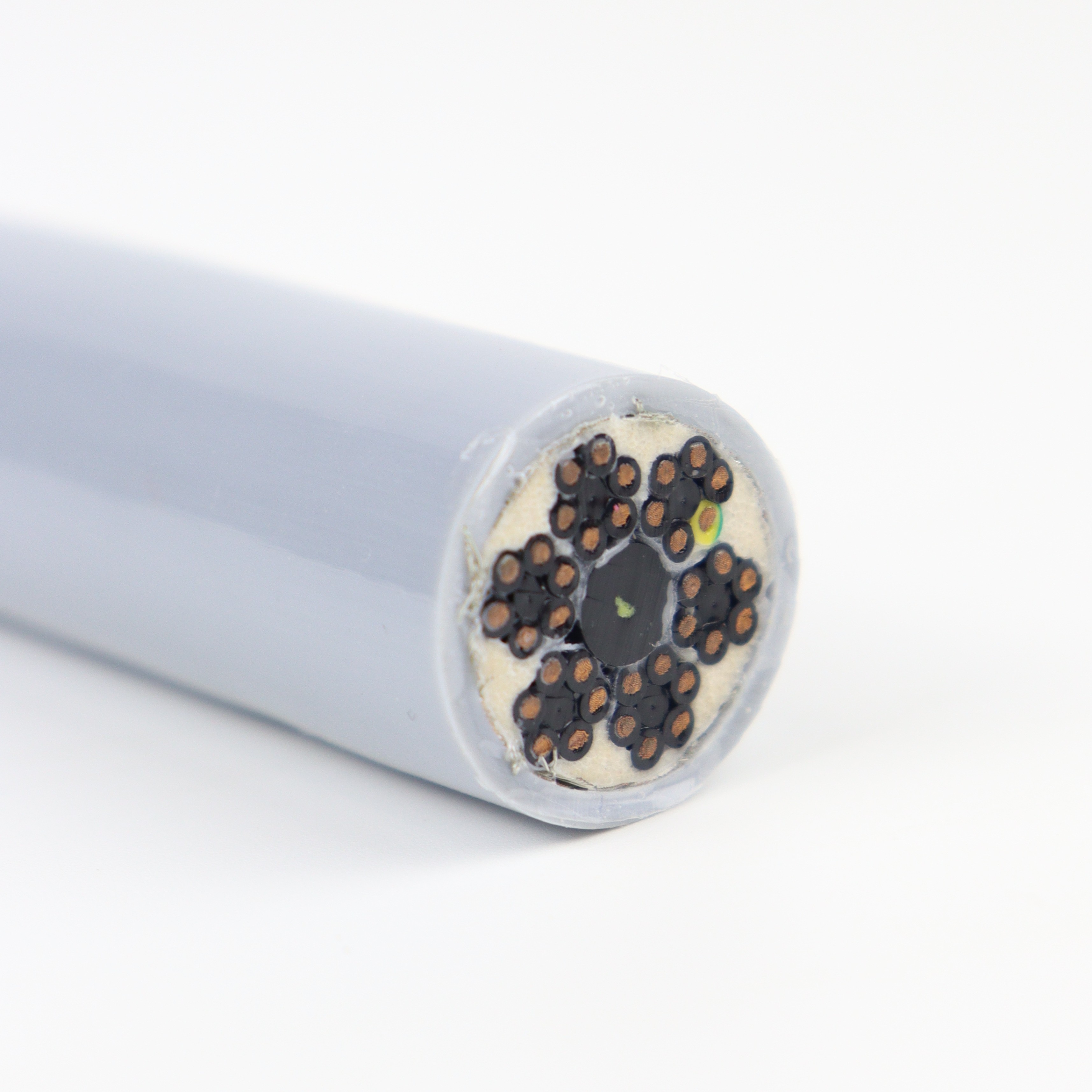
Cable manufacturers design, produce, test, and supply cables that carry power, data, signals, or control instructions. Cable manufacturers serve many industries, from construction and energy to telecommunications, transportation, automation, and consumer equipment. Their main function is to match each cable with the required voltage, current, speed, distance, environment, and installation method. Cable manufacturers may produce power cables, control cables, communication cables, coaxial cables, fiber optic cables, industrial Ethernet cables, and specialty assemblies. Cable manufacturers select conductors such as copper or aluminum, then add insulation, shielding, fillers, jackets, connectors, or protective armor as needed. Modern cable manufacturers use automated drawing, stranding, extrusion, braiding, and testing equipment to maintain consistent quality. Cable manufacturers can also create custom lengths, colors, conductor counts, connector types, and jacket materials for specific equipment or projects. Important technology features include flame resistance, oil resistance, water resistance, low smoke performance, electromagnetic shielding, flexibility, and resistance to heat, chemicals, vibration, and abrasion. Cable manufacturers often use digital production controls and inspection systems to check dimensions, electrical performance, insulation strength, and signal quality. For buyers, cable manufacturers provide products that connect machines safely and help systems operate without unwanted interruption. Cable manufacturers support both standard orders and engineered solutions, making it easier to source suitable products for indoor, outdoor, fixed, moving, or demanding industrial use. Choosing experienced cable manufacturers gives customers access to technical guidance, compliance documents, samples, and dependable supply. The right cable manufacturers can also help reduce installation problems by recommending a design that fits the application rather than forcing a general-purpose product.
Working with established cable manufacturers gives buyers more than a basic wire product. Cable manufacturers help customers select the right conductor size, insulation, shielding, jacket, and connector for the intended use. This reduces the risk of overheating, signal loss, premature wear, or difficult installation. Cable manufacturers can match a cable to indoor equipment, outdoor infrastructure, factory machinery, vehicles, data networks, or renewable energy systems. That application focus improves safety and helps the finished system perform as planned. Reliable cable manufacturers also offer repeatable production, so replacement orders maintain the same dimensions and electrical behavior. This consistency matters when a customer operates many machines or manages projects across several sites. Cable manufacturers with testing programs can provide evidence of voltage rating, resistance, flexibility, flame behavior, and transmission performance. Such records help purchasing teams compare suppliers and support internal quality checks. Many cable manufacturers offer practical customization, including special lengths, marking, colors, connector fitting, protective layers, and cable assemblies. These options can shorten installation time because technicians receive products closer to a ready-to-use condition. Cable manufacturers may also support small trial orders before larger production, allowing buyers to confirm fit and performance. Their production capacity helps large customers plan supply for scheduled builds, maintenance work, and new construction. Experienced cable manufacturers can recommend alternatives when a requested material is unavailable or too costly, helping control purchasing budgets without ignoring performance needs. Strong supplier communication also improves delivery planning and makes it easier to resolve technical questions. Cable manufacturers are suitable for both simple replacement needs and complex engineered systems because they can combine standard products with tailored designs. Buyers should compare test evidence, lead times, customization capability, service responsiveness, and total installed cost rather than focusing only on the price per meter. This approach helps customers choose cable manufacturers that deliver dependable value throughout the product life.

Latest News

Shanghai Libin Cable Showcases Robot and Automation Cable Solutions at CMES Shanghai Industrial Automation & Robotics Exhibition

16

Oct

Shanghai Libin Cable Showcases Robot and Automation Cable Solutions at CMES Shanghai Industrial Automation & Robotics Exhibition

View More
Shanghai Libin Cable Showcases Crane Cable Solutions at the 11th China (Changyuan) International Crane Equipment Expo

16

Oct

Shanghai Libin Cable Showcases Crane Cable Solutions at the 11th China (Changyuan) International Crane Equipment Expo

View More
Why Drag Chain Cables Fail: Four Common Causes and How to Select Correctly

16

Oct

Why Drag Chain Cables Fail: Four Common Causes and How to Select Correctly

View More
Industrial Robot Combination Cable: Routing Power and Signal Together in a Small-Bend-Radius Drag Chain

16

Oct

Industrial Robot Combination Cable: Routing Power and Signal Together in a Small-Bend-Radius Drag Chain

View More

Get a Free Quote

Our representative will contact you soon.
0/1000
Application-Matched Cable Design

Application-Matched Cable Design

A major strength of capable cable manufacturers is their ability to match cable construction with the actual working environment. Cable manufacturers review current, voltage, signal speed, movement, temperature, moisture, chemicals, and mechanical stress before suggesting a product. This prevents customers from using a cable that looks suitable but fails early in service. For a factory robot, cable manufacturers may recommend a flexible design that tolerates repeated bending and twisting. For outdoor power equipment, cable manufacturers may select a jacket that resists sunlight, water, and temperature changes. Data installations may need shielding or fiber construction to protect signal quality over longer distances. This application-based approach gives buyers better reliability and fewer maintenance events. It can also reduce installation waste because the cable length, diameter, and connection style fit the equipment more accurately. By working with cable manufacturers that understand end-use conditions, customers gain a product selected for real operating demands, not just a general catalog description.
Consistent Quality and Testing

Consistent Quality and Testing

Quality control creates direct value for buyers, especially when cable failure can stop production or require expensive field repairs. Professional cable manufacturers inspect raw materials, monitor production settings, and test finished products before shipment. Cable manufacturers may check conductor resistance, insulation thickness, voltage withstand, dimensions, continuity, shielding, and transmission performance. These checks help identify defects before products reach a job site. Clear test records also give purchasing and engineering teams useful evidence when approving a supplier or documenting project compliance. Consistent manufacturing means that repeat orders from cable manufacturers are more likely to match earlier deliveries, which simplifies replacement and system expansion. Customers benefit from predictable performance, easier inventory planning, and fewer surprises during installation. Cable manufacturers that combine automated equipment with trained inspection staff can maintain tight production control while still handling different designs. This balance is valuable for both high-volume users and buyers who need specialized cable assemblies. In practical terms, stronger testing protects uptime, worker safety, and the long-term cost of the connected equipment.
Flexible Supply and Customization

Flexible Supply and Customization

Many projects cannot rely on one standard cable size or package, which makes customization an important advantage. Responsive cable manufacturers can provide selected lengths, conductor counts, colors, labels, shielding, jackets, terminals, and preassembled connectors. Cable manufacturers may also prepare cut-to-length kits or completed harnesses that reduce site work. This helps installers connect equipment faster and lowers the chance of cutting, stripping, or wiring errors. Custom solutions from cable manufacturers are useful for control cabinets, medical devices, vehicles, communication systems, solar equipment, and automated machinery. At the same time, experienced cable manufacturers can supply standard products when speed and price matter more than special features. Buyers can therefore balance project requirements with budget and delivery goals. Flexible manufacturing also supports prototypes, pilot runs, and later volume production without forcing a complete redesign. When customers share drawings, operating conditions, and forecast volumes, cable manufacturers can recommend a practical production route. The result is a supply arrangement that improves fitting, simplifies purchasing, and supports dependable growth as equipment or project needs change.