Custom Industrial Cables for Every Need

application/custom-industrial-cables, application/custom-industrial-cables, 
Inquiry
Inquiry

custom industrial cables

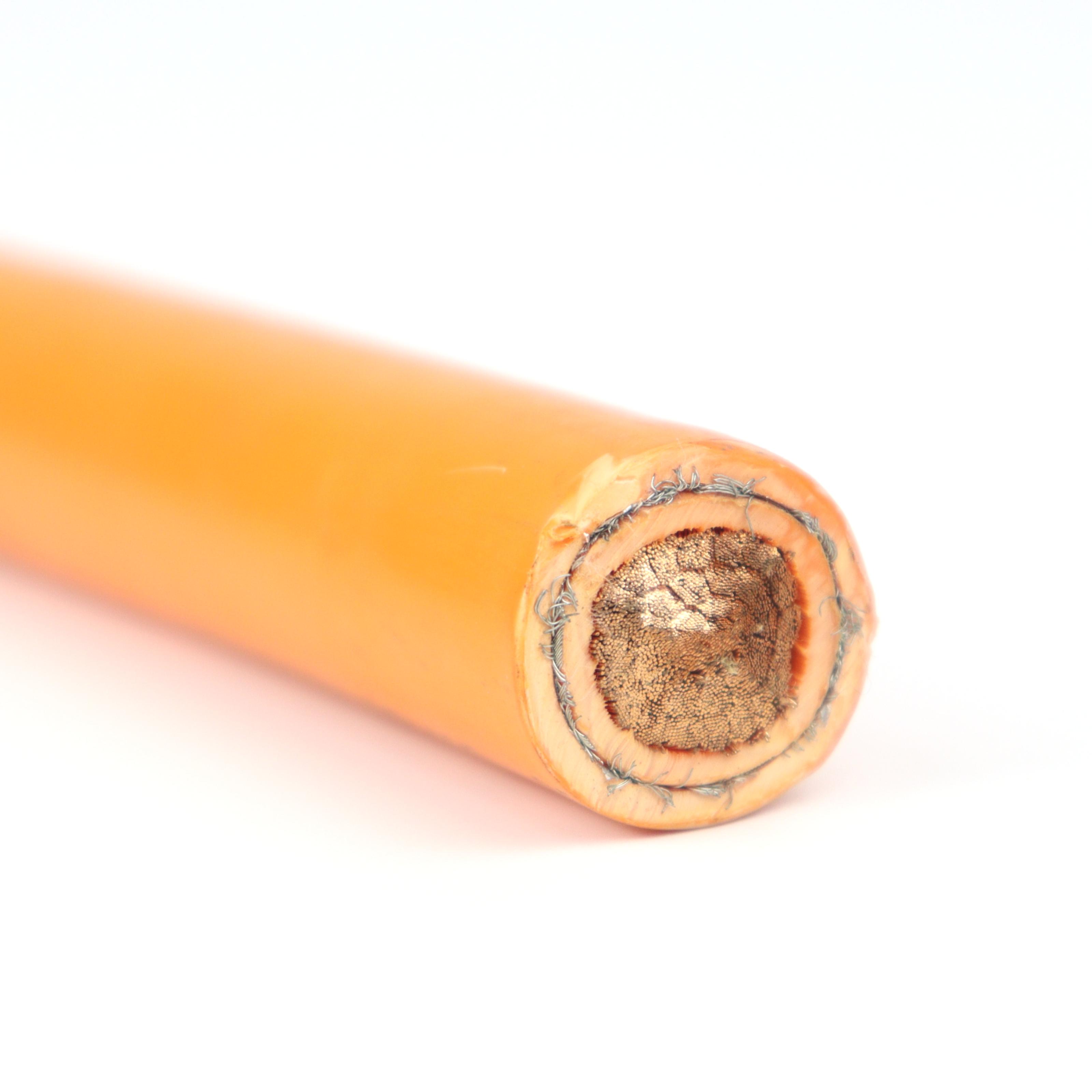
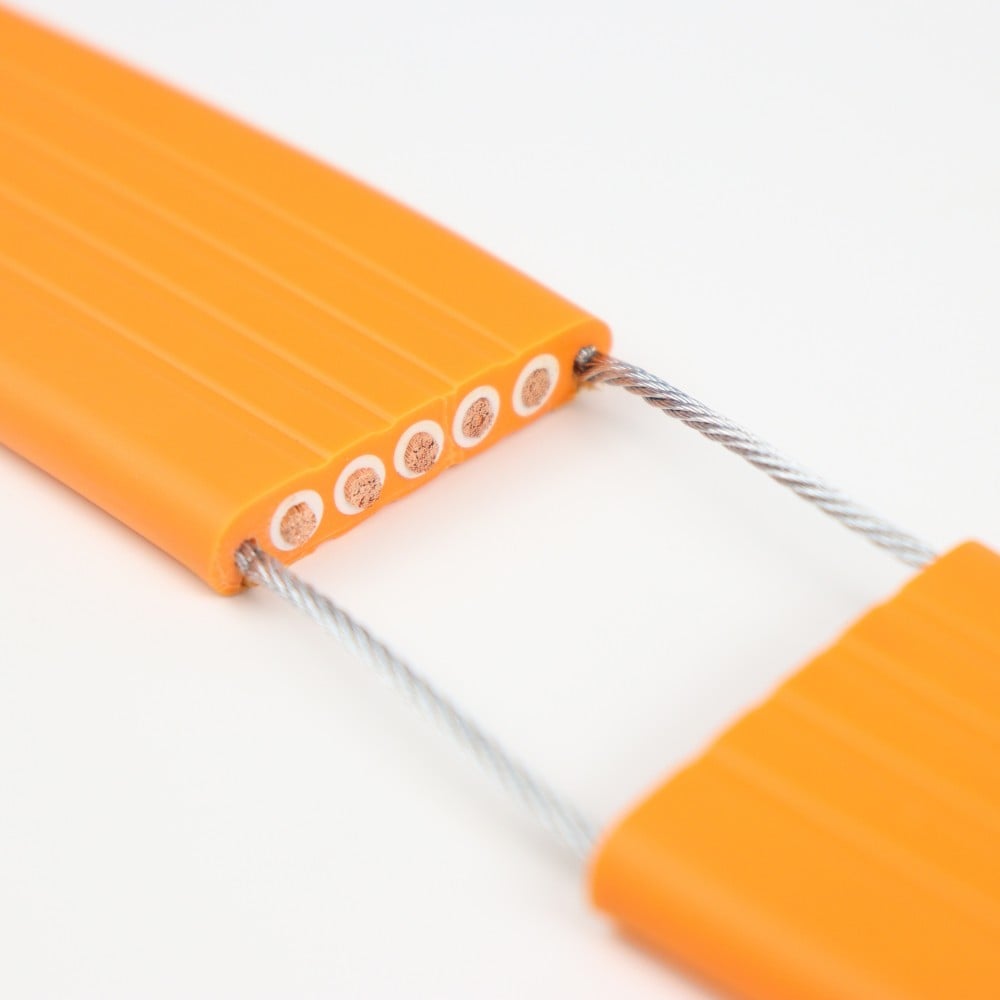
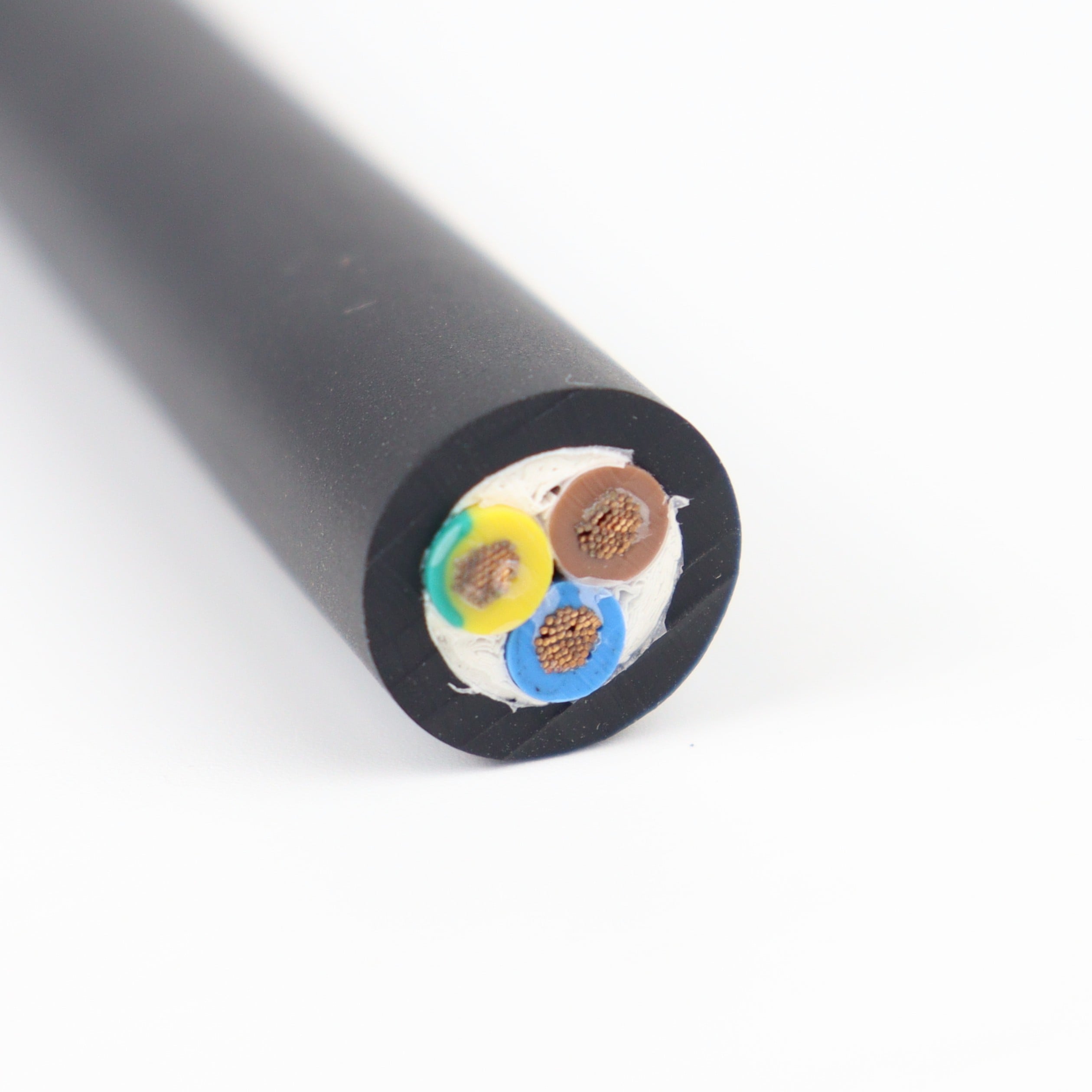
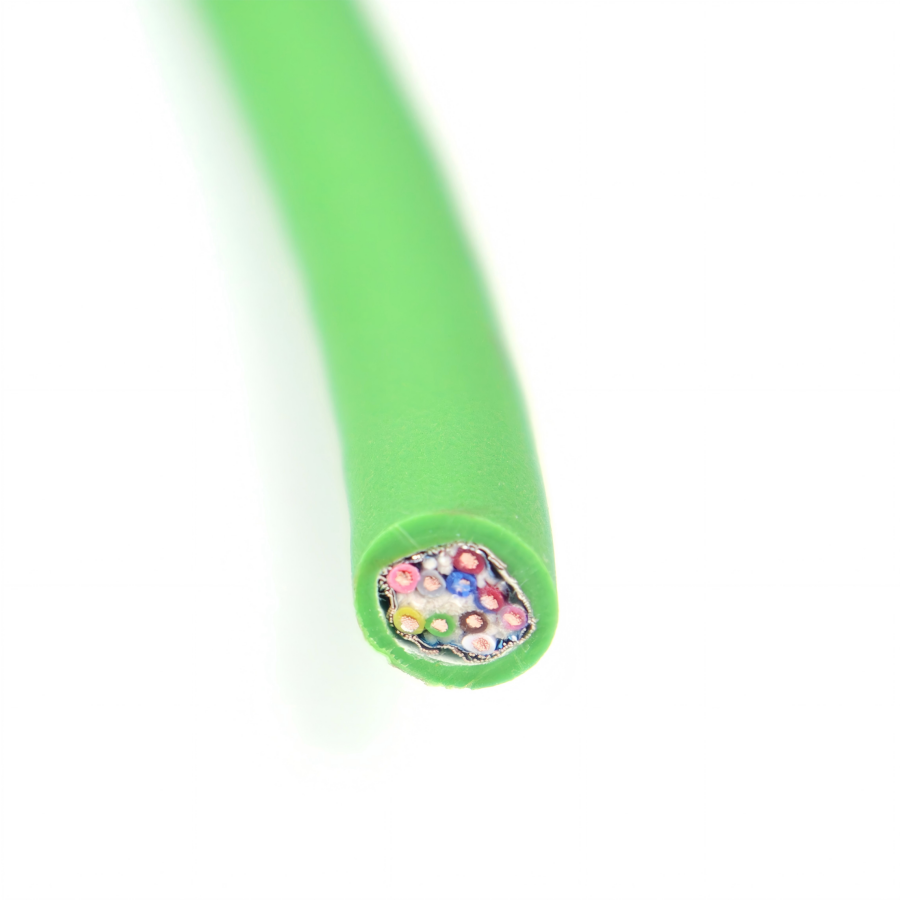
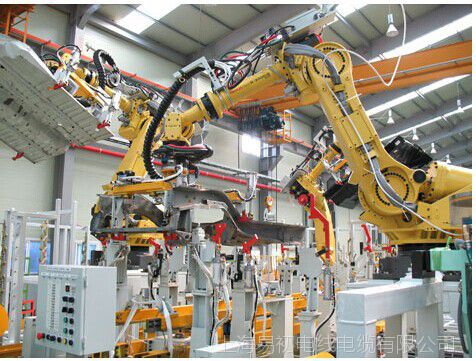
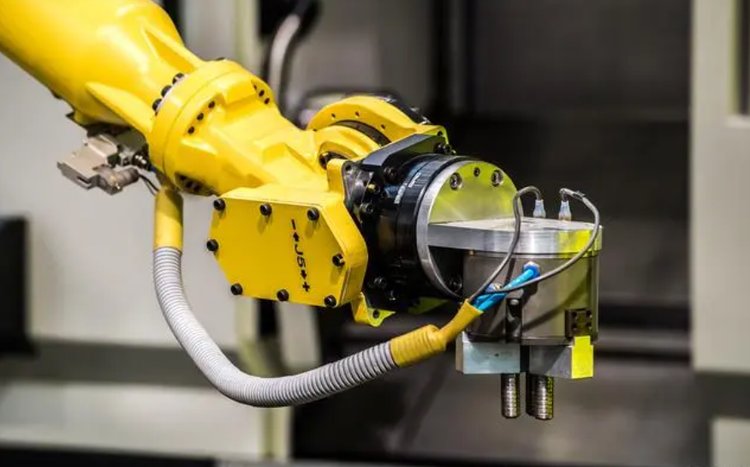
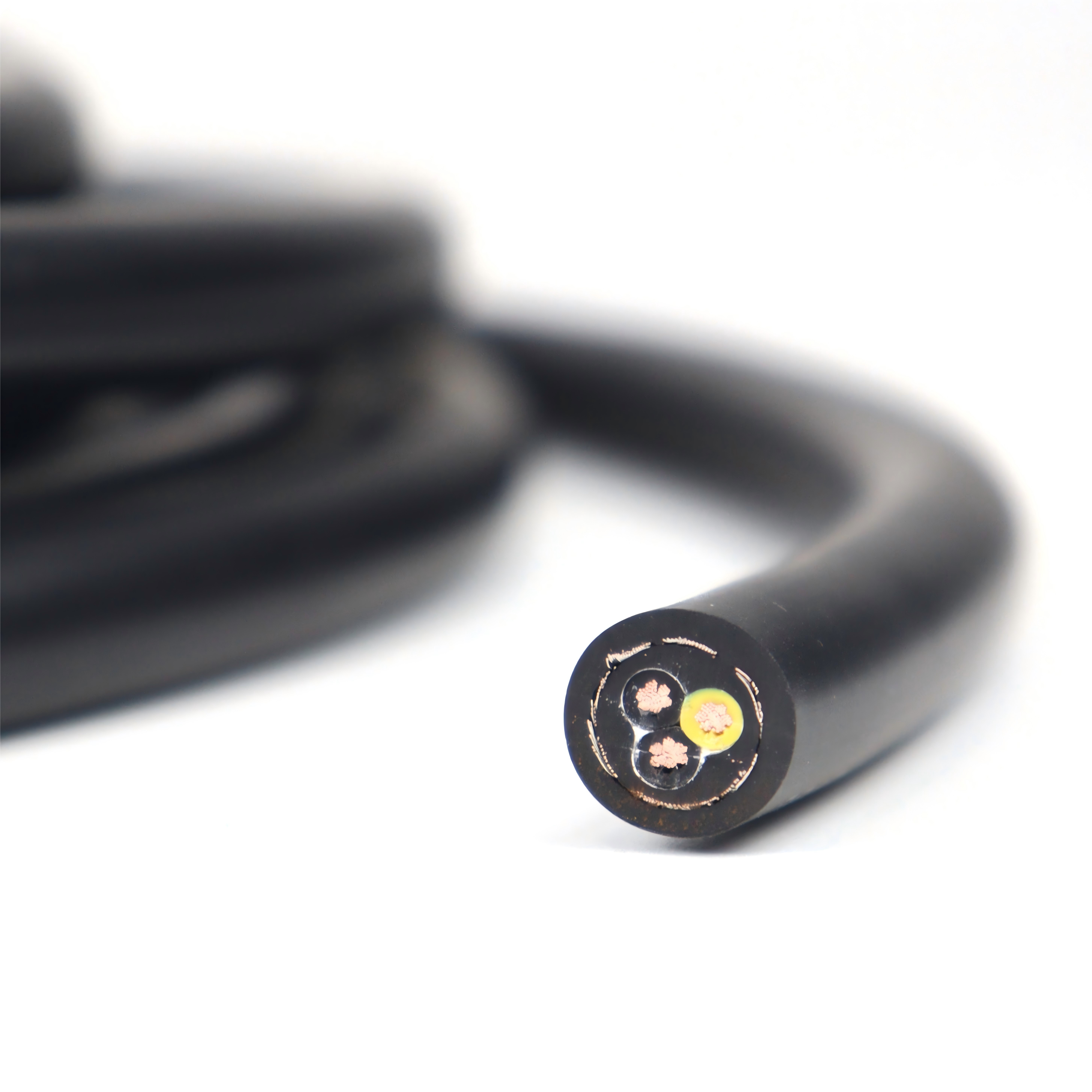
Custom industrial cables are purpose-built cable assemblies designed to deliver power, signals, or data in demanding industrial equipment. Unlike standard off-the-shelf products, custom industrial cables match a machine's exact length, connector layout, electrical rating, bending needs, and installation space. This approach helps equipment builders avoid excess cable, difficult routing, and unreliable field modifications. Custom industrial cables can include single conductors, multi-core designs, shielded signal lines, flat cables, coiled cables, and complete harnesses with labeled ends. Manufacturers select copper or other conductor materials according to current, distance, flexibility, and cost requirements. They also choose insulation and jackets that resist heat, oil, chemicals, moisture, abrasion, flame, or continuous movement. Shielding options reduce electromagnetic interference and help protect sensitive control and communication signals. Custom industrial cables may use molded plugs, terminal blocks, circular connectors, high-speed data connectors, or application-specific interfaces. Advanced production methods support precise stripping, crimping, overmolding, testing, and cable marking. Electrical checks can verify continuity, insulation resistance, voltage performance, and correct pin configuration before shipment. Custom industrial cables suit fixed machinery as well as robotic arms, automated lines, sensors, motors, control cabinets, and mobile platforms. Their design can account for drag-chain travel, repeated flexing, tight bend radii, vibration, and outdoor exposure. Buyers can request prototypes, small batches, or high-volume production. In short, custom industrial cables provide a direct connection between the electrical design and the physical realities of the machine, making installation cleaner and system integration more dependable.
Custom industrial cables give buyers a practical way to solve connection problems before they become installation or maintenance issues. Because each assembly follows the equipment design, custom industrial cables can use the correct length and connector position instead of leaving loops that catch, rub, or obstruct nearby parts. A cleaner fit reduces setup time and helps technicians work safely inside crowded cabinets or production cells. Custom industrial cables also simplify purchasing. One tested assembly can replace several loose wires, terminals, and field-made joints, which lowers assembly labor and reduces the chance of wiring errors. Clear labels, consistent pin layouts, and documented tests make replacement faster when service teams need to restore a machine. For moving equipment, custom industrial cables can use flexible materials and suitable strain relief to tolerate repeated motion. This improves uptime on robots, packaging machines, conveyors, inspection systems, and automated tools. For harsh locations, jacket choices can protect against oil, coolant, heat, moisture, sunlight, and abrasion, extending useful service life. Shielded options help maintain stable readings where motors, drives, and switching equipment create electrical noise. Custom industrial cables can also support dependable power delivery, sensor feedback, Ethernet communication, safety circuits, and control signals within one organized assembly. The main buyer value comes from fit, consistency, and reduced risk rather than cable length alone. Customers should compare current capacity, voltage, data speed, bend cycle, environment, connector type, testing needs, and expected quantity before ordering. A capable supplier can recommend materials, build samples, confirm performance, and scale production. As a result, custom industrial cables suit both new machine development and upgrades to existing equipment, while helping control downtime, rework, and long-term service costs.

Latest News

Shanghai Libin Cable Showcases Robot and Automation Cable Solutions at CMES Shanghai Industrial Automation & Robotics Exhibition

16

Oct

Shanghai Libin Cable Showcases Robot and Automation Cable Solutions at CMES Shanghai Industrial Automation & Robotics Exhibition

View More
Shanghai Libin Cable Showcases Crane Cable Solutions at the 11th China (Changyuan) International Crane Equipment Expo

16

Oct

Shanghai Libin Cable Showcases Crane Cable Solutions at the 11th China (Changyuan) International Crane Equipment Expo

View More
Why Drag Chain Cables Fail: Four Common Causes and How to Select Correctly

16

Oct

Why Drag Chain Cables Fail: Four Common Causes and How to Select Correctly

View More
Industrial Robot Combination Cable: Routing Power and Signal Together in a Small-Bend-Radius Drag Chain

16

Oct

Industrial Robot Combination Cable: Routing Power and Signal Together in a Small-Bend-Radius Drag Chain

View More

Get a Free Quote

Our representative will contact you soon.
0/1000
Designed to Fit the Machine

Designed to Fit the Machine

Custom industrial cables are built around the real dimensions and connection points of a machine. Engineers can specify exact lengths, branch locations, pin assignments, connector angles, and protective coverings. This makes custom industrial cables especially useful when standard products leave too much slack, cannot reach a recessed port, or interfere with moving components. A precise fit improves cabinet organization and keeps wiring away from heat sources, sharp edges, and service paths. It also reduces the need for on-site cutting, splicing, or adapter use, so installation teams can connect a ready-to-use assembly with fewer steps. For equipment manufacturers, repeatable cable geometry supports consistent builds across production batches. For end users, it makes troubleshooting easier because each cable follows a known route and function. This tailored approach saves space, improves appearance, and lowers the risk of accidental disconnection. It adds value wherever compact design, fast assembly, and reliable system integration matter.
Built for Demanding Environments

Built for Demanding Environments

Custom industrial cables can use materials selected for the conditions where they will operate. Jackets may resist oil, chemicals, water, heat, sunlight, abrasion, or flame, while flexible designs support repeated movement in robots and drag chains. This environmental matching helps custom industrial cables maintain insulation and mechanical strength for longer periods. A cable intended for a stationary control cabinet does not need the same construction as one traveling thousands of cycles beside a robotic joint. Suppliers can balance flexibility, protection, temperature range, and cost instead of forcing one general-purpose product into every application. Proper strain relief reduces stress at connector exits, and protective braids or conduits can add defense in exposed areas. These details help prevent cracking, exposed conductors, intermittent faults, and unplanned stoppages. Buyers gain a more suitable connection for their actual workplace, whether that workplace involves factory fluids, outdoor equipment, vibration, motion, or compact high-temperature machinery. The result is stronger service reliability and more predictable maintenance.
Verified Connections and Scalable Supply

Verified Connections and Scalable Supply

Custom industrial cables can arrive as tested assemblies rather than collections of separate parts. Production teams can check continuity, insulation resistance, connector wiring, polarity, and other agreed requirements before shipment. These checks give customers confidence that custom industrial cables will connect correctly when they reach the production floor. Accurate labels and inspection records also support quality control, traceability, and quicker fault finding. A supplier may begin with drawings or prototypes, refine the design after fit testing, and then move into repeat production. This staged process reduces development risk and helps confirm performance before a large purchase. Custom industrial cables can be produced in small quantities for specialized machines or in larger volumes for standard equipment. Consistent tooling, documented specifications, and controlled materials help keep each batch uniform. Buyers therefore receive more than a physical connection: they receive a repeatable component that supports assembly planning and after-sales service. This is valuable for automation builders, original equipment manufacturers, maintenance teams, and integrators that need dependable supply over the product life cycle.